
Marinas & Mooring in Paraty: Berths, Boat Capacity & Rules
Where the boats go: the town wharf and anchoring off Paraty, the marinas here and the full-service yards up the coast in Angra, boat size and draft limits, the licensing and clearance rules, and how to charter a boat for the day.
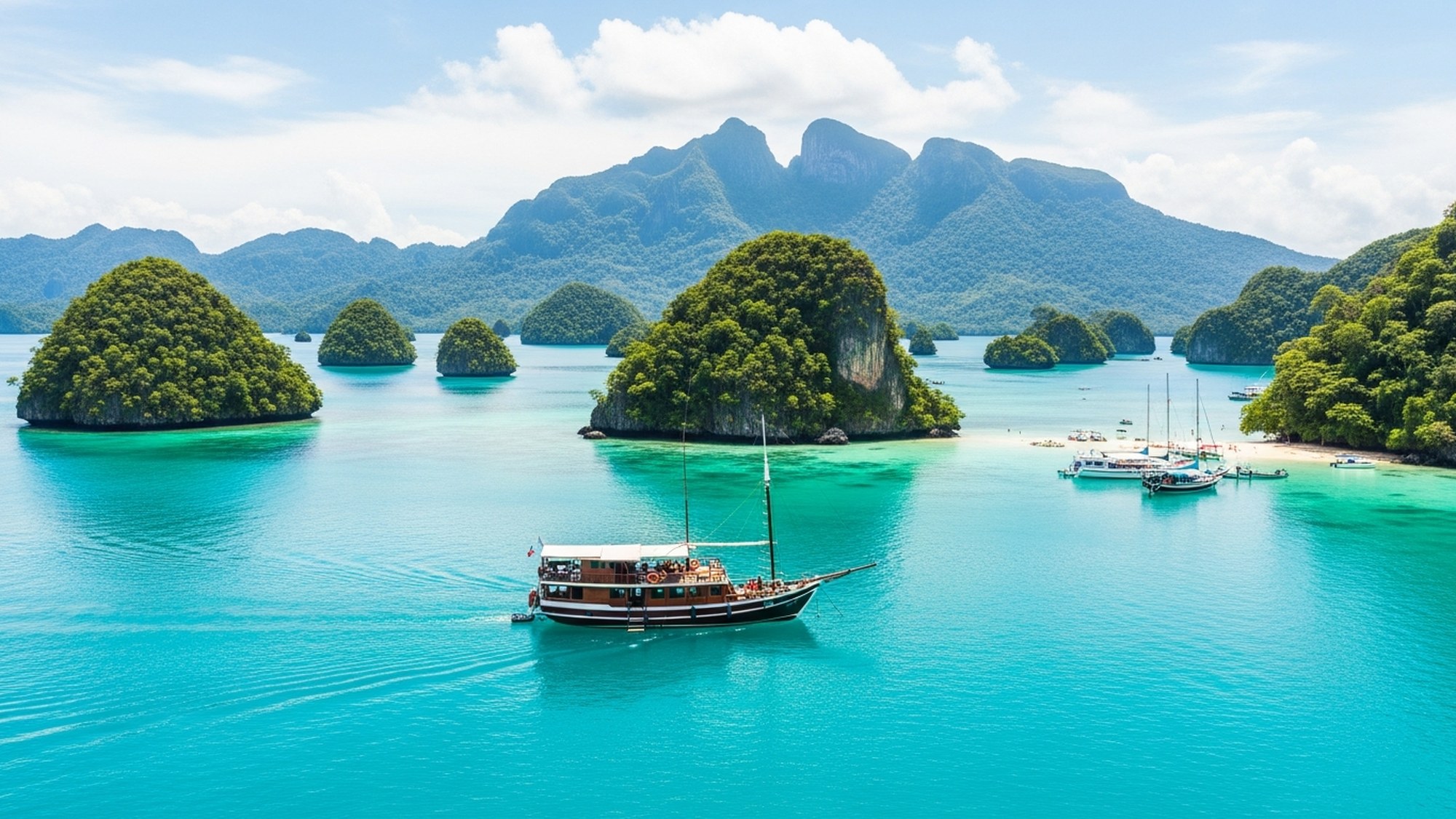
Paraty is a boating town, but it's important to understand what kind. This is a place of wooden schooners, nimble speedboats and shallow, sheltered water — not a superyacht harbor. The colonial center meets the bay at a small tourist wharf, and the Bay of Paraty itself is shallow enough that deep-draft yachts anchor off or base themselves an hour up the coast in Angra dos Reis, the Costa Verde's real yachting hub, and cruise down to visit. If you're arriving by your own boat, chartering one for a day, or just trying to understand where the boats go and what the rules are, this guide lays it out plainly.
We've checked the marina names and the facts carefully, because boating information ages badly and small marinas change hands. Where a figure is the operator's own claim rather than something independently confirmed, we say so. Where the honest answer is "it depends on your draft," we say that too. For the fun side of getting on the water — the island tours, the beaches, the snorkeling — see our islands guide and boat guide.
In this guide
The shape of boating in Paraty
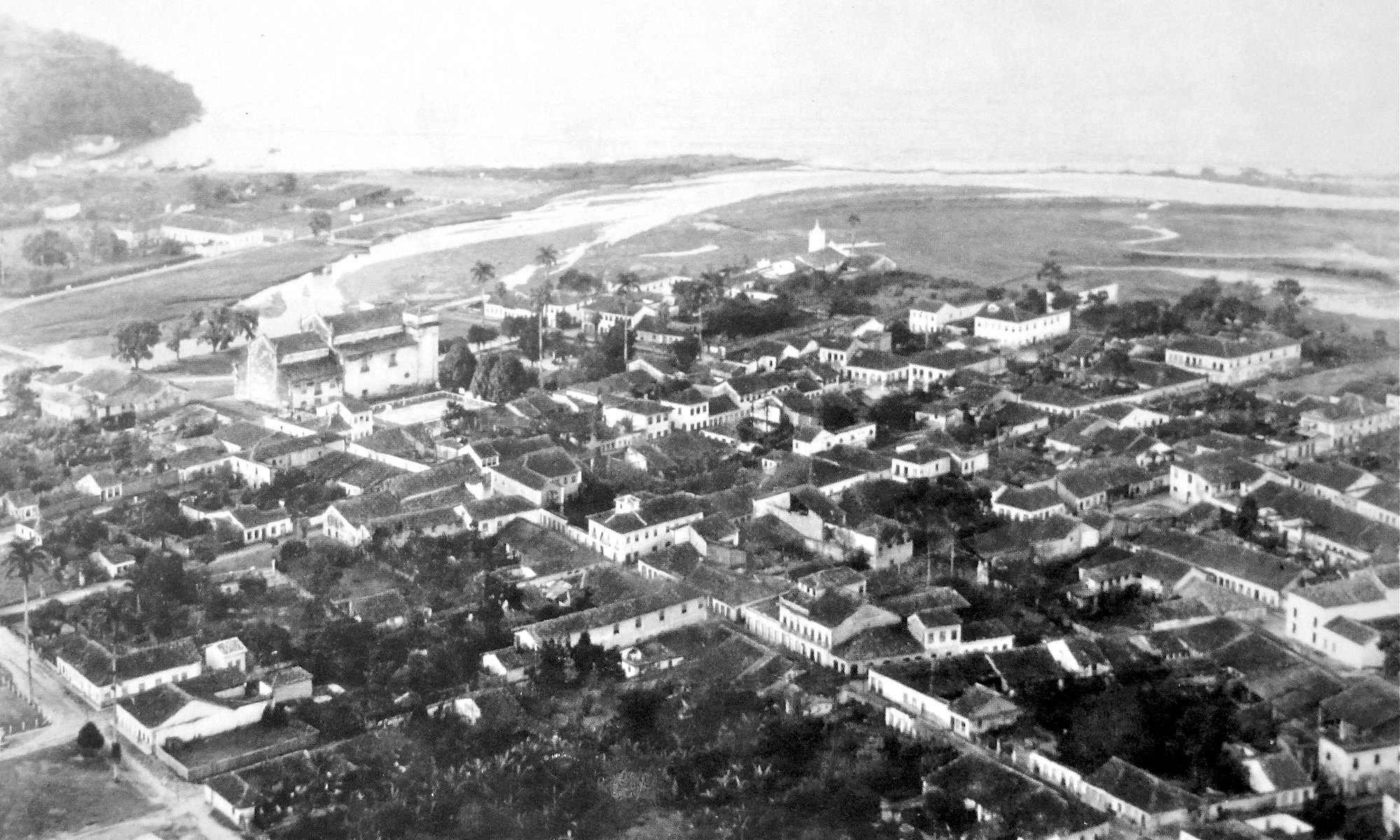
Here's the structural truth that explains everything else. Paraty sits on a shallow, sheltered bay at the foot of the Atlantic Forest. That's wonderful for calm-water day trips, schooners and speedboats, but it means the town is not set up as a base for large, deep-draft yachts. The region's serious marina infrastructure — dry-stack storage, travel-lifts, deep berths, fuel docks — is concentrated about 100 kilometers up the coast in Angra dos Reis (and neighboring Mangaratiba). Big boats berth in Angra and make the easy run down to Paraty's bay for the day or the weekend.
So there are really two conversations here. If you have a smaller boat, a shallow-draft yacht, or you're chartering locally, Paraty's own wharf and marinas serve you well. If you're bringing a big yacht, you'll most likely base it in Angra and tender or cruise into Paraty. We'll cover both.
The town wharf & anchoring off Paraty
The heart of Paraty's waterfront is the Cais de Turismo (the tourism wharf) at the edge of the historic center. This is where the daily schooner (escuna) tours and boat taxis depart, and it's geared to scheduled tour embarkation rather than private berthing. There are no ticket booths on the wharf itself — you buy through an operator's agency office in town, then exchange your voucher for a boarding ticket, usually 30 to 45 minutes before departure, with photo ID at the gangway and a small embarkation fee.
Private boats and visiting yachts generally arrive at anchor in the bay rather than tying up in town. The anchorage off Paraty is well regarded — holding is generally reliable over mud, and the bay is sheltered from most directions with little swell — but it's shallow and shoals progressively: reckon on 5 to 8 meters in the approach, dropping to around 3 to 5 meters near the town anchorage, and as little as 2 to 3 meters near the mangrove edges. Careful pilotage on the channel markers is essential. From anchor, you tender in to the wharf.
Good to know
Paraty is not a customs clearance port. Foreign-flagged vessels must complete their Brazilian entry formalities — customs, immigration and the Navy's Port Captaincy paperwork — at Angra dos Reis, not in Paraty. Factor that into your cruising plan if you're arriving from abroad by sea; clear in at Angra, then cruise down.
Marinas in Paraty
Two marinas in the Paraty area are worth naming with confidence:
BR Marinas Paraty (listed on the operator's own site as its "Boa Vista" unit, on the BR-101 at Boa Vista) is run by BR Marinas, the largest marina network in Brazil. Its published figures cite roughly 25 dry-storage spaces for boats up to about 32 feet and 75 wet berths, with road, water and even helicopter access, plus shops and a fuel station. As with any operator's own numbers, treat the berth specifics as marketing-grade until confirmed against a current berth plan.
Marina Farol de Paraty (a yacht club on the Paraty waterfront) advertises more than 300 mooring and berth spaces across protected docks, buoys and mooring blocks, with 24-hour security and an on-site restaurant. It's also one of the departure points for bay tours. Exact maximum boat length, fuel and haul-out details aren't clearly published, so confirm those directly if they matter to you.
Beyond these two, the cruising literature mentions several smaller Paraty-area marinas, but their berths are shallow (typically 3–4 meters) and their approach channels shallower still, which limits them to smaller or shallow-draft boats. We're not naming them here because we couldn't independently confirm each one's current operation — if you need a specific small marina, verify it directly before relying on it.
The big marinas: Angra dos Reis
If you're bringing a larger boat, or you want the full-service marina experience, Angra dos Reis up the coast is where the infrastructure lives. Most of the major marinas there belong to the BR Marinas network, and their capacities dwarf anything in Paraty:
| Marina | Location | Capacity & max size (operator-stated) |
|---|---|---|
| BR Marinas Verolme | Jacuecanga, Angra | ~490 dry + 80 wet berths; vessels up to ~40 m |
| BR Marinas Piratas | Angra (Shopping Piratas) | ~320 dry + 120 wet berths; up to ~35 m |
| BR Marinas Bracuhy | Bracuhy, Angra | Large sheltered basin, ~700 boats; fuel, haul-out, ~150 t slipway |
| Marina Porto Frade | Praia do Frade, Angra | ~120 wet berths; vessels up to ~120 ft (~37 m) |
These are gated marina complexes with fuel docks, workshops, chandlery, haul-out facilities, 24-hour security and secure on-site car parking as part of the model. They're the practical answer for anything too big for Paraty's shallow water — and they're a comfortable cruising distance from the bay.
Boat size, draft & capacity
The thing to understand about Paraty is that draft, not berth length, is the binding constraint. The regional marinas can physically take substantial yachts — 35 to 40 meters at the Angra berths, up to around 120 feet at Porto Frade — but the Bay of Paraty itself is shallow. Town anchorage runs 3 to 5 meters, several small Paraty marinas offer only 3 to 4 meters at the berth, and approach channels can drop to 2 to 2.5 meters. A deep-keeled sailing yacht therefore anchors off or stays in Angra and visits Paraty by tender or lancha, rather than nosing into the town.
The everyday fleet reflects this: wooden schooners for group tours, lanchas (speedboats, typically carrying up to six to eight passengers) for private charters, and sailing and motor yachts either at anchor in the bay or berthed up in Angra. If you're chartering rather than bringing your own boat, none of the draft math is your problem — the local skippers know exactly where the water is.
Rules: licenses, clearance & parking
A few practical regulations that trip up visitors:
- You need a license to skipper your own boat — but not to go out on one. To drive a pleasure craft yourself in Brazilian waters you need the Navy-issued Arrais-Amador qualification (higher categories extend your range offshore). But if you don't hold one, you simply charter a lancha with a skipper (a marinheiro or arrais) included — which is the standard tourist arrangement anyway.
- Clear customs at Angra, not Paraty. As noted above, Paraty isn't a clearance port; foreign vessels handle entry formalities at Angra dos Reis.
- Cars stay out of the old town. Paraty's historic center is closed to car traffic, so if you're driving to meet a boat you park at the edge. The handiest options are the Cais de Turismo car park right by the boat embarkation (open around the clock), the Pontal car park across the river, and the lot by the Igreja Matriz. The town also runs a paid metered street-parking system near the center, actively enforced — so read the signs.
- Marina parking is secure. The gated Angra marinas include secure on-site parking as part of the complex, which is one reason boat owners base there.
Anchoring in a protected bay
The Bay of Paraty, Paraty-Mirim and Saco do Mamanguá all sit inside overlapping protected areas — the federal Área de Proteção Ambiental de Cairuçu and a nested municipal environmental protection area — part of a larger conservation mosaic on this coast. In practice that means treating the water with care rather than navigating a maze of rules: anchor over sand or mud, stay well clear of the mangroves and the shallows, and keep away from the oyster-cultivation lines and rafts in Saco do Mamanguá, where the caiçara communities farm oysters.
We'd add one honest note: we did not find an official, primary-source list of specific coordinate-defined no-anchor zones for the bay, so we won't invent one. The safe, responsible guidance is the general etiquette above plus respect for the protected-area status. If you're cruising seriously, the definitive word comes from the area's management authority (ICMBio) and the Navy's Port Captaincy notices — worth checking directly.
Chartering a boat for the day
For most visitors, "boating in Paraty" means chartering for a day, and there are two normal ways to do it:
The schooner (escuna) tour is the social, budget-friendly option — a shared wooden boat on a roughly five-hour loop of the bay's islands and beaches with swim stops, departing from the Cais de Turismo. You book through an agency in town. The private lancha charter is the premium option — your own speedboat with an experienced skipper, a custom route, and usually room for around six to eight people, often with snorkel gear, a cooler and floats thrown in.
On price, we'll follow the sensible rule and describe the model rather than quote a number that will date: expect a private lancha-with-skipper day to start in the low four figures in reais, while a seat on a shared schooner is a small fraction of that. Both swing with season, boat size and whether it's a half or full day, so get a current quote from the operator. Our boat guide walks through how to choose and what a good day on the water looks like.
Common questions
Is there a marina in Paraty?
Yes — the main ones are BR Marinas Paraty (its "Boa Vista" unit) and Marina Farol de Paraty, both catering mainly to smaller and shallow-draft boats. For larger yachts and full-service facilities, the region's serious marinas are about 100 km up the coast in Angra dos Reis (Verolme, Piratas, Bracuhy, Porto Frade).
Can a big yacht dock in Paraty?
Not easily. The Bay of Paraty is shallow — town anchorage is 3 to 5 meters and some approach channels just 2 to 2.5 meters — so deep-draft yachts anchor off or base in Angra dos Reis and visit Paraty by tender or lancha. The Angra marinas can berth vessels up to around 35 to 40 meters.
Do I need a boat license in Paraty?
Only to skipper your own boat, for which Brazil requires the Navy's Arrais-Amador qualification. If you don't have it, you charter a lancha with a licensed skipper included, which is the usual way visitors get on the water anyway.
Where do I park if the old town bans cars?
At the edge of the historic center. The most convenient options are the Cais de Turismo car park by the boat wharf, the Pontal car park, and the lot near the Igreja Matriz. There's also metered street parking near the center, which is enforced — check the signs.
Are there rules about anchoring in the bay?
The bay is inside the Cairuçu protected area, so anchor over sand or mud, keep clear of mangroves and shallows, and avoid the oyster-farming zones in Saco do Mamanguá. There's no widely published list of coordinate-specific no-anchor spots; for serious cruising, check the latest guidance from the area's management authority and the Navy's Port Captaincy.
Sources & further reading
More from the Journal
The Complete Guide to Paraty, Brazil
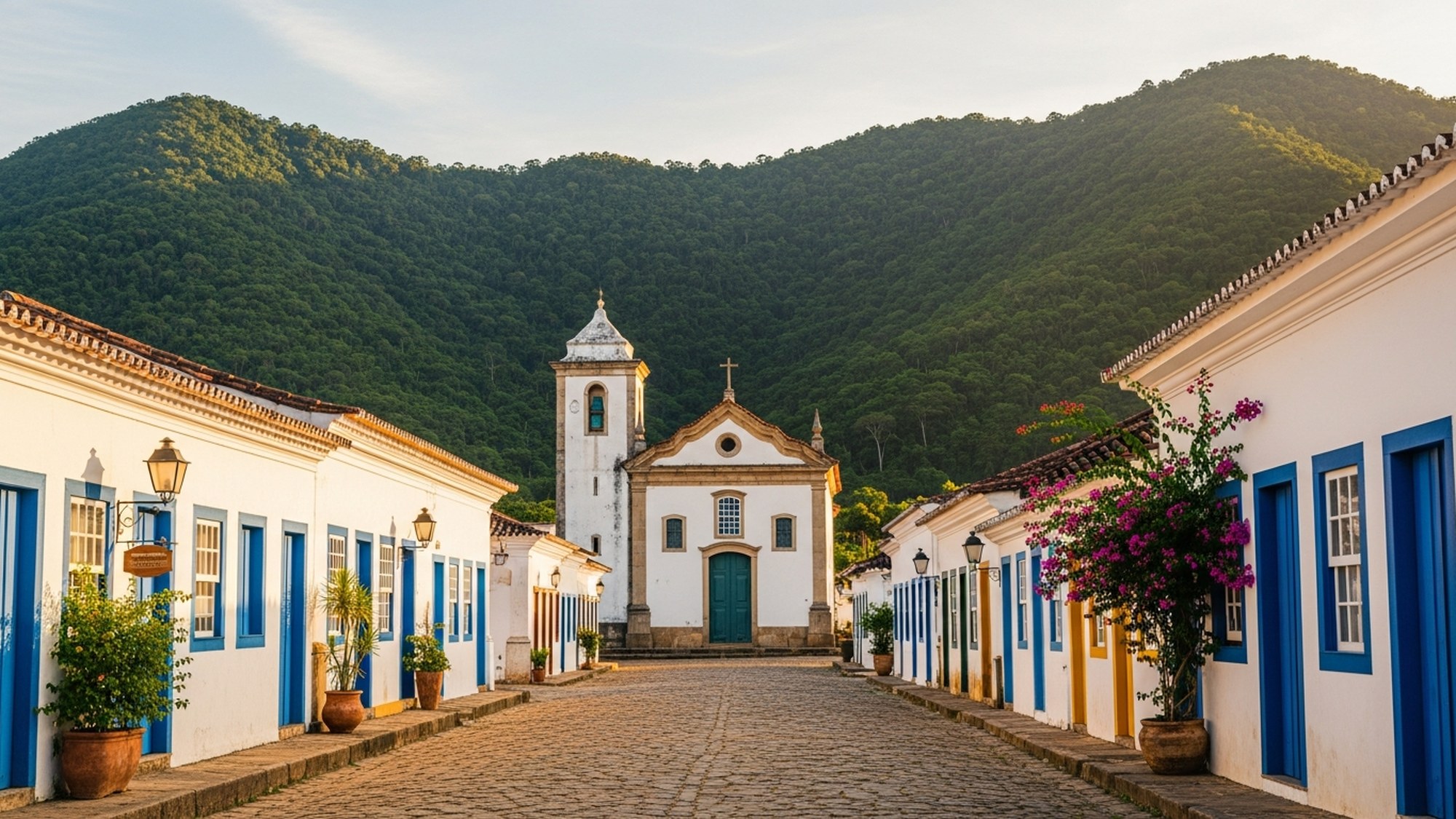
Everything you need for the Costa Verde's most beautiful town: the UNESCO old town, the waterfalls and trails, the islands and beaches, the cachaça, where to eat and stay, when to come — and exactly how to get here.
The Best Things to Do in Paraty, Brazil
The complete overview: the colonial old town and its churches, the Gold Trail, the waterfalls and cachaça road, the island bay and the tropical fjord, the beaches, and the festival calendar — everything worth doing, and how to fit it into three days or a week.
How to Get to Paraty: Airports, Transfers & the Drive from Rio
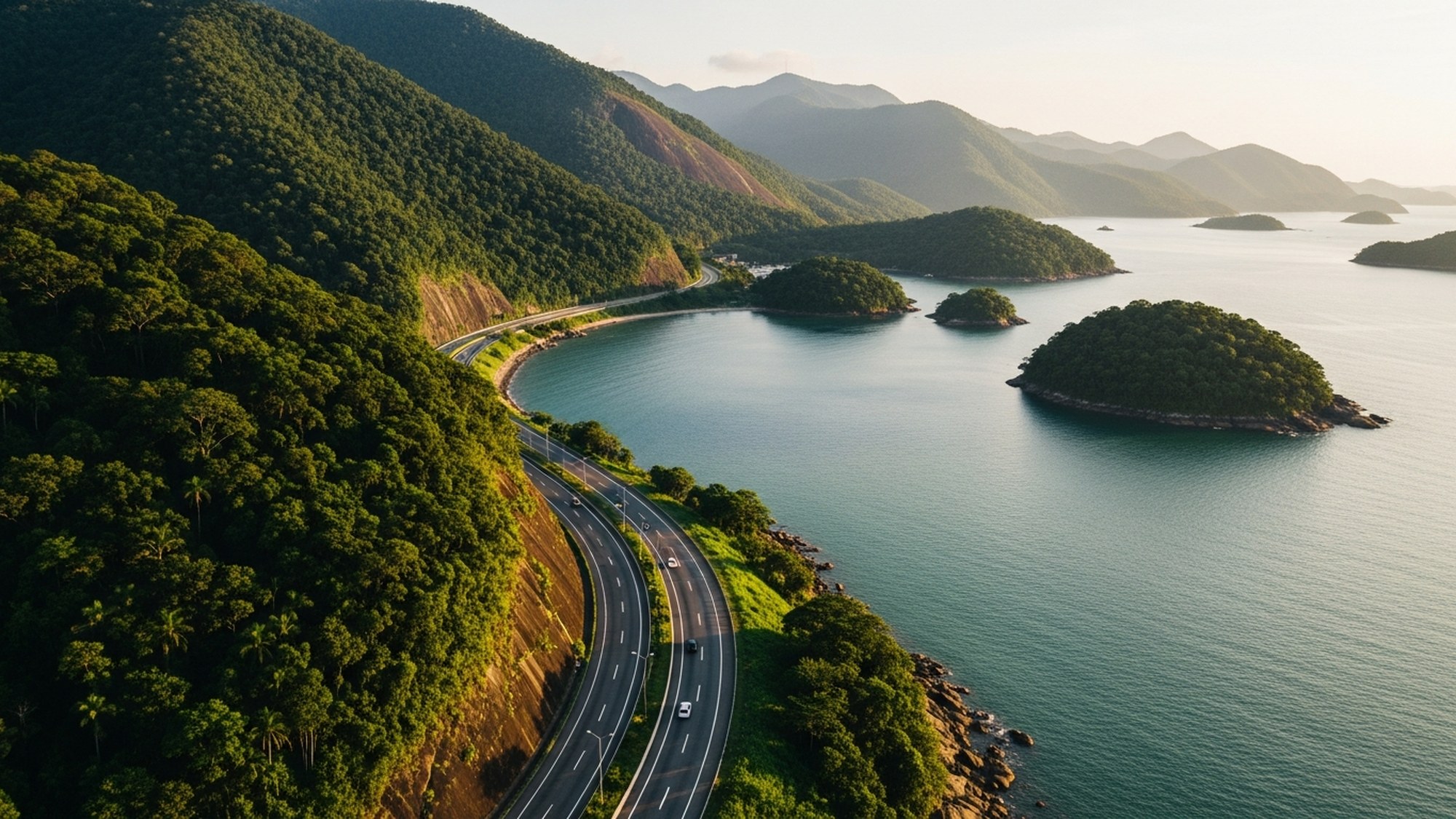
Which airport to fly into, how long the drive really takes, when to consider an air taxi into Paraty's own airstrip, and how to make the famous Rio-Santos coast road work for you instead of against you.
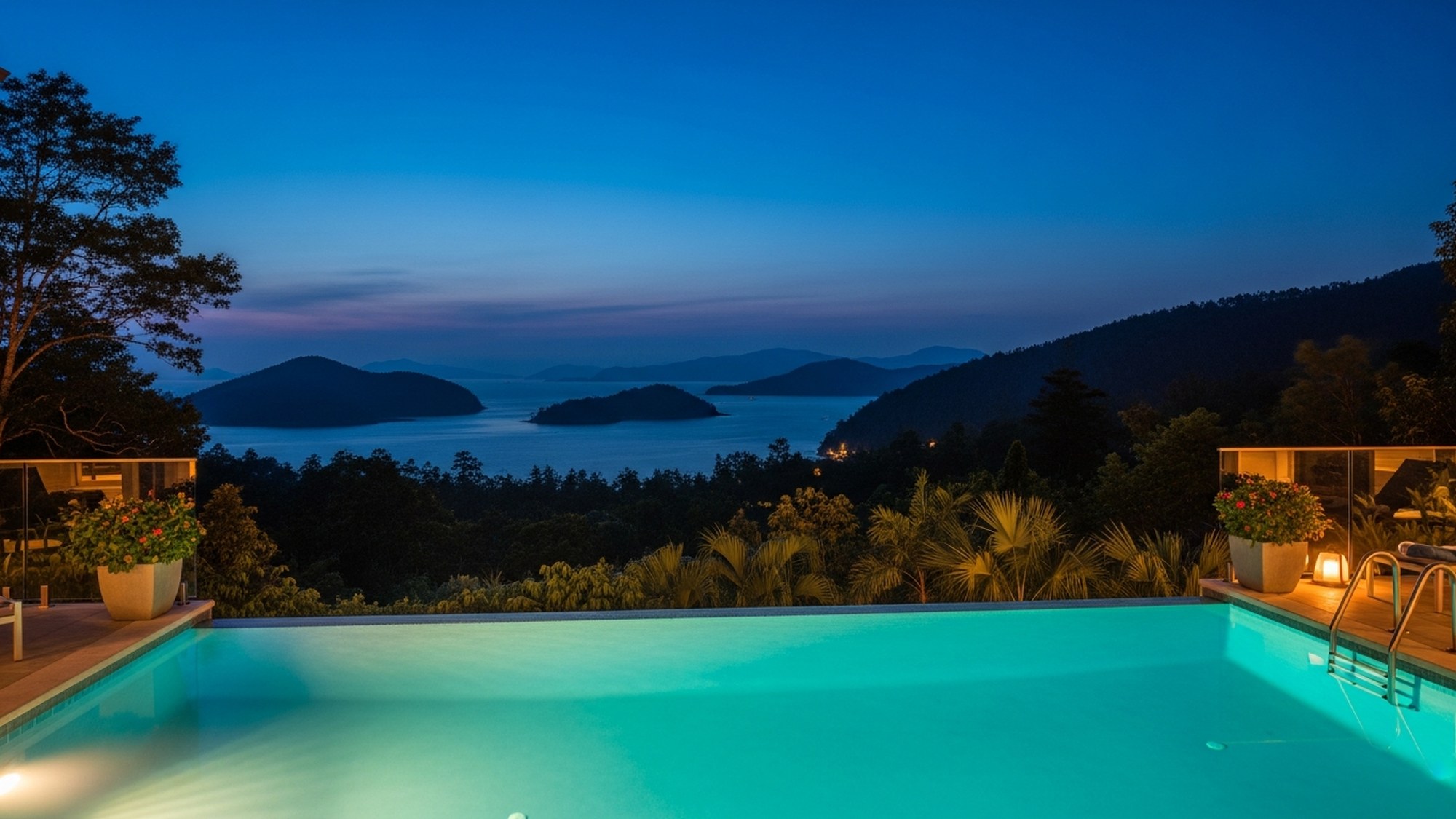
Stay at Amorielli.
A villa with an infinity pool, a private waterfall, and the kind of view people travel a long way to find. Join the waitlist to book the first season.