The Best Things to Do in Paraty, Brazil
The complete overview: the colonial old town and its churches, the Gold Trail, the waterfalls and cachaça road, the island bay and the tropical fjord, the beaches, and the festival calendar — everything worth doing, and how to fit it into three days or a week.
Paraty packs an improbable amount into a small footprint. In one town you have a perfectly preserved 17th-century colonial center, a UNESCO World Heritage listing that covers both the culture and the biodiversity around it, a bay scattered with dozens of islands, waterfalls a short drive up the mountain, the cachaça that the town practically invented, and a festival calendar that punches far above its weight. You could spend a long weekend here and only scratch the surface, or a week and never be bored.
This is the overview — the map of everything worth doing in and around Paraty, with pointers to the deeper guides where each subject earns its own page. Think of it as the itinerary we'd hand a friend arriving for the first time: the unmissable things, the ones worth a detour, and how they fit together. Names, dates and details have all been checked; where something is famous but sits an hour down the coast, we say so, so you can plan your days honestly.
In this guide
The historic center
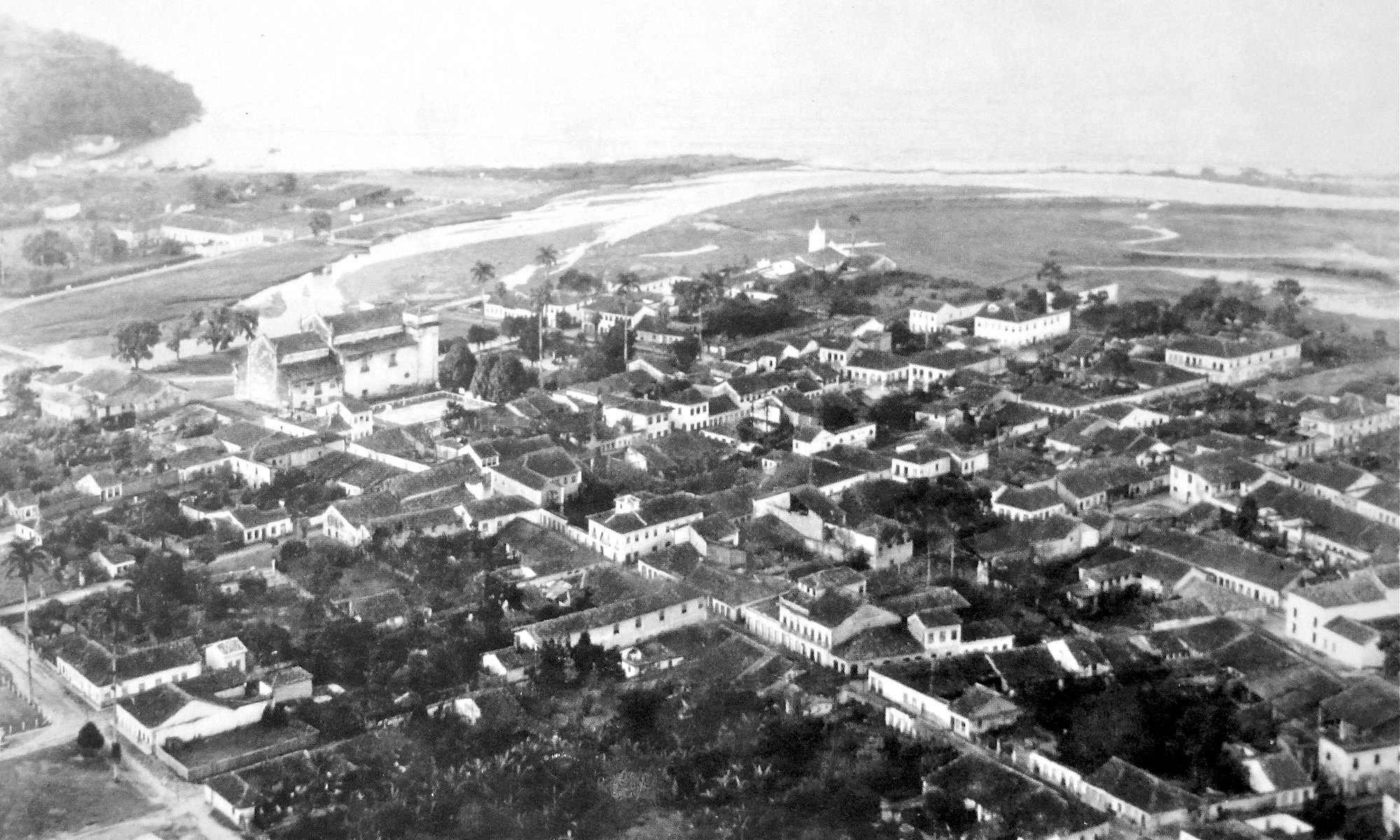
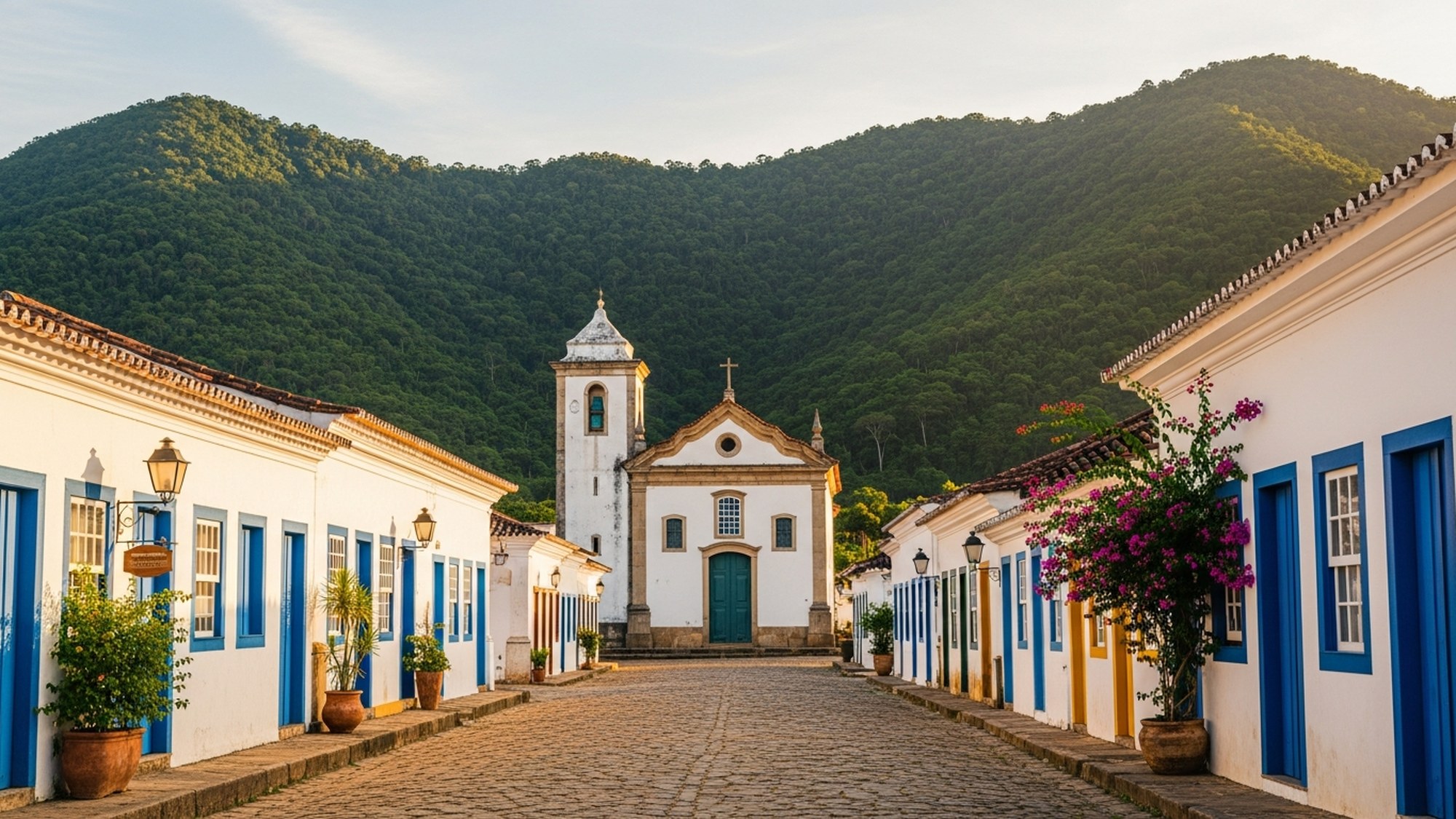
Start where the town started. Paraty was founded as a colonial town in 1667, under the name Nossa Senhora dos Remédios de Paraty, and its historic center is one of the best-preserved colonial ensembles in Brazil — whitewashed houses with brightly painted doors and windows, laid out on a grid of cobblestone streets closed to cars. In 2019 it was inscribed on the UNESCO World Heritage List as part of "Paraty and Ilha Grande — Culture and Biodiversity" (site No. 1308), one of the rare "mixed" sites recognized for both its human history and its nature.
The streets themselves are an attraction. They're paved in the rough, uneven style Brazilians call "pé de moleque", and they were laid deliberately below the high-water mark: on the biggest tides, seawater rises through gaps in the seawall and washes gently through the lower streets before draining back out, rinsing the town clean. It has worked that way since the 18th century. Wear flat, sturdy shoes — the stones are genuinely lumpy — and simply wander. Half the pleasure of Paraty is aimless, camera-in-hand, getting mildly lost between the galleries, pousadas, craft shops and open kitchens.
The colonial churches & the fort
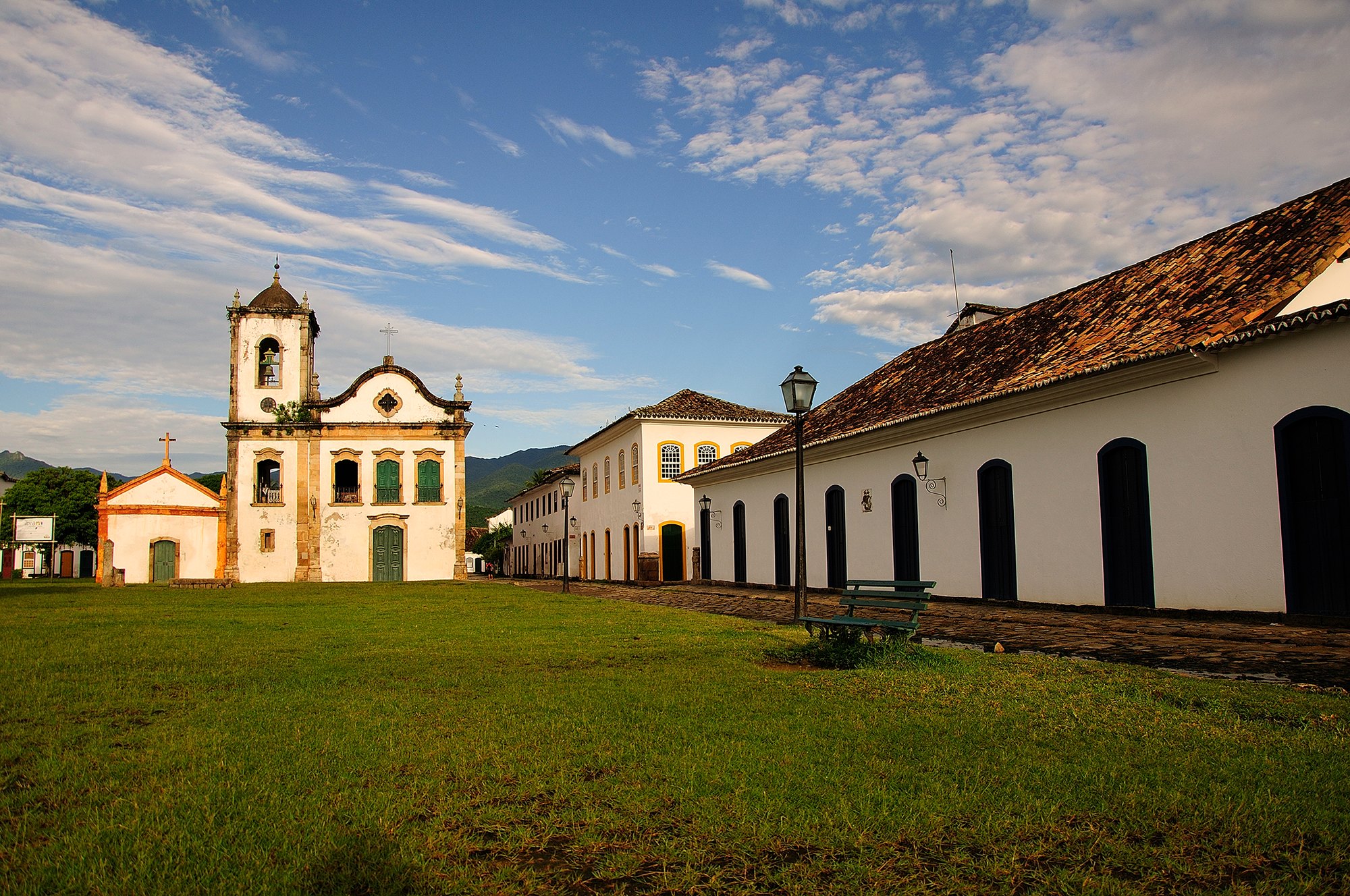
Colonial Paraty built a separate church for each layer of its rigidly divided society, and four of them still stand. The oldest is the Igreja de Santa Rita, built in 1722 by a brotherhood of freed mixed-race residents; its handsome facade is the most photographed in town, and it now houses the Museu de Arte Sacra (the Sacred Art Museum). The Igreja de Nossa Senhora do Rosário e São Benedito (1725) served the enslaved and Black population and hides gilded wooden altars inside. The grand Igreja Matriz de Nossa Senhora dos Remédios on the main square was the church of the general population, and the small Capela de Nossa Senhora das Dores served the white elite. Together they tell the town's whole social history in stone.
Above the center, on the Morro da Vila Velha, sits the Forte Defensor Perpétuo — an 18th-century fortification rebuilt in 1822 to guard the gold shipments and the port. It's a short uphill walk rewarded with a view over the bay, and it holds the Museu de Artes e Tradições Populares, dedicated to the region's caiçara culture. Back in the center, the Casa da Cultura, in a house dating to 1754, hosts exhibitions and is a good rainy-afternoon stop.
The Gold Trail & the mountains
Paraty exists because of gold. In the 17th and 18th centuries, the ore mined in Minas Gerais came down to the coast over the mountains along a stone-paved route — the Caminho do Ouro (Gold Trail), part of the wider Estrada Real — to be loaded onto ships bound for Portugal. The trail was cut and paved by enslaved Africans over older Indigenous paths, and a restored, walkable section survives up on the Paraty–Cunha road, in the Penha community, inside Serra da Bocaina National Park. The signposted walk runs roughly 3.6 kilometers, easy to moderate, and most guided visits combine the old stones with a waterfall stop and a cachaça tasting at the end. It's the single best way to feel the history under your feet rather than just read it on a plaque. Our hiking and nature guide goes deep on this and the wider trail network.
Waterfalls & the cachaça road
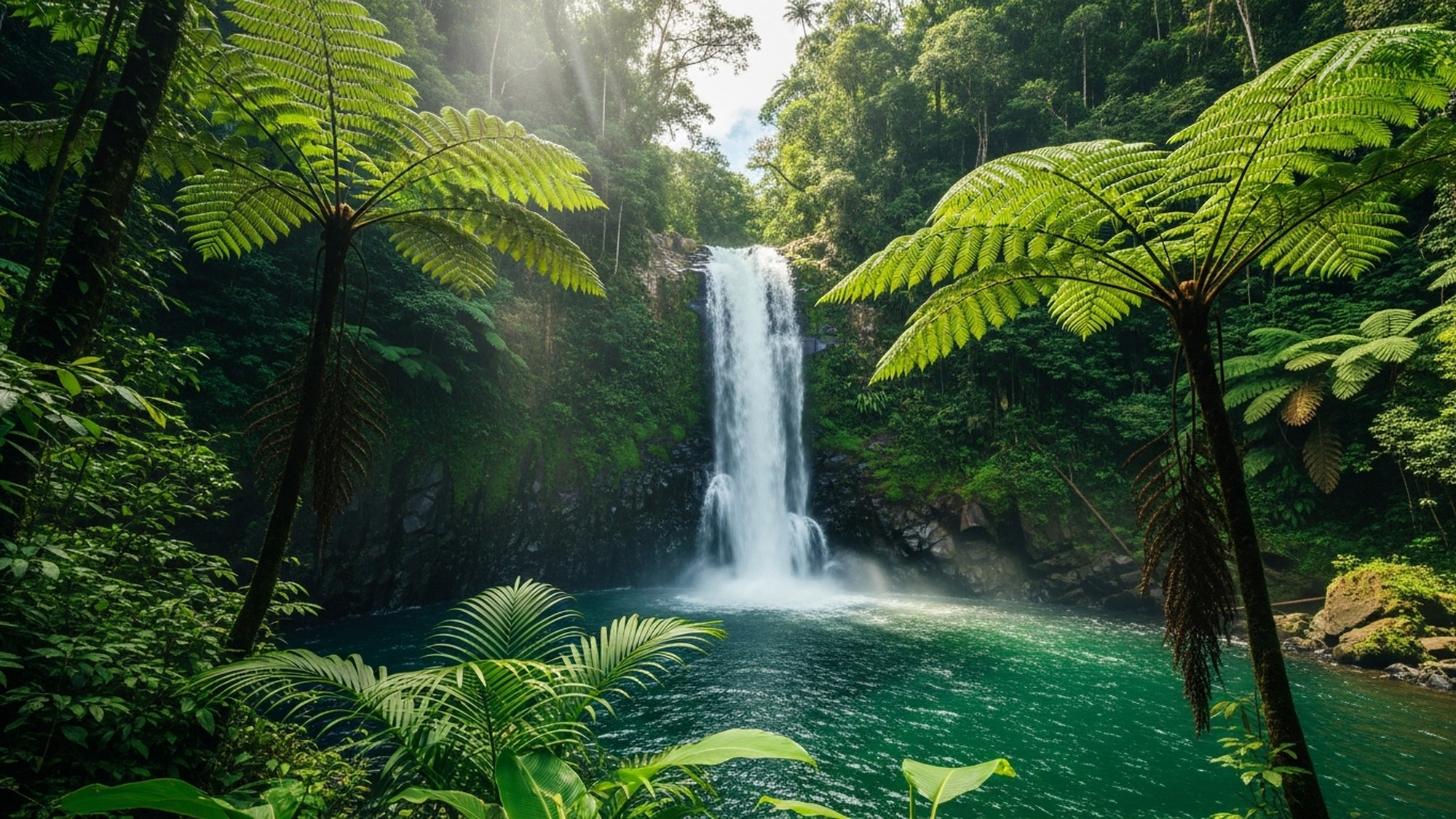
The same road up into the mountains strings together Paraty's waterfalls and its distilleries, which is why "waterfalls and cachaça" jeep tours are such a staple. The star is the Cachoeira do Tobogã (also called the Cachoeira da Penha) — a smooth granite rock-slide you can actually slide down into a pool, with the braver Poço do Tarzan just above it, reached over a little suspension bridge. Threaded along the same valley are the historic engenhos where Paraty's famous cachaça is still made: Engenho D'Ouro, Maria Izabel, Coqueiro (producing since 1803), Paratiana, Pedra Branca and Corisco, most open for tours and tastings. The full rundown lives in our waterfalls guide and our food and cachaça guide.
The bay, the islands & the fjord
For most people, the water is the main event. The Bay of Paraty is commonly said to hold around 65 islands and some 300 beaches — an approximate, oft-repeated count, but the scale is real, and the great majority are reachable only by boat. The classic outing is a five-hour schooner (escuna) tour that loops out to a couple of islands and beaches with swim stops — think the snorkeling around Ilha Comprida and the turquoise natural pool of Lagoa Azul. If you'd rather set your own route, a private lancha (speedboat) with a skipper does faster, custom trips. Our islands guide and boat guide break down every stop and how to choose.
South of the bay is Paraty's strangest and most beautiful piece of water: Saco do Mamanguá, an eight-kilometer arm of the sea reaching inland between two forested ridges, often called Brazil's only tropical fjord (geologists file it as a "ria," a drowned valley, but the popular name has stuck). It's a place for stand-up paddleboards and kayaks, oysters farmed by the local caiçara communities, and the steep, rewarding climb up the Pico do Pão de Açúcar do Mamanguá for a view down the whole inlet. It gets its own Saco do Mamanguá guide.
Beaches worth the trip
Beyond the island beaches, a few mainland spots are worth building a day around. Trindade, a laid-back former fishing village down the coast toward São Paulo, has the famous Piscina Natural do Cachadaço — a natural sea pool sheltered by rocks, reached by a short trail, and calm enough to snorkel. Praia do Sono is the reward-for-effort beach: a caiçara village on a gorgeous bay reached by a roughly hour-long trail from Laranjeiras (or by boat). And closer in, Paraty-Mirim is the calm, shallow, family-friendly beach with colonial ruins and the launch point for boats into Mamanguá — see the Paraty-Mirim guide.
Festivals & culture
If you can time your visit to a festival, do — they're when the town is at its most alive. The calendar is genuinely strong for a place this size:
| Festival | When | What it is |
|---|---|---|
| Bourbon Festival Paraty | Late May (May 29–31, 2026) | Free jazz, blues & soul across the squares and churches |
| Festa do Divino Espírito Santo | Around Pentecost (late May–June) | A 200-year-old religious folk festival, IPHAN heritage |
| FLIP (Festa Literária Internacional) | July (July 22–26, 2026) | One of Latin America's biggest literary festivals |
| Festival da Cachaça, Cultura e Sabores | August (Aug 20–23, 2026) | The flagship cachaça & gastronomy festival, since 1983 |
Year-round, Paraty is also a living center of traditional coastal culture. The caiçara communities — of mixed Indigenous, European and African heritage — keep the fishing, farming and craft traditions alive, and the Fandango Caiçara music-and-dance form is recognized as Brazilian Intangible Cultural Heritage. There are Guarani villages in the surrounding forest and the Quilombo do Campinho, a community descended from formerly enslaved people, which welcomes respectful visits. And in town, the internationally acclaimed Teatro Espaço puppet theater — the work of the Grupo Contadores de Estórias, founded in 1971 — stages wordless, deeply moving performances; check their current schedule before you go.
Good to know
Festival dates move year to year (FLIP and the religious festivals especially), so treat the dates above as current-year and confirm before you build travel around them. Festival weeks — FLIP above all — fill the town's restaurants and pousadas and stretch the coast road; book early, or come in the quieter shoulder months of April–May and September–October for an easier, emptier Paraty.
With kids & on the water
Paraty is easy with children. The car-free center means no traffic to worry about while they run ahead on the cobbles. The gentle schooner tours, the shallow calm of Paraty-Mirim and Trindade, the rock-slide at Tobogã, stand-up paddling in flat bays, and the puppet theater all land well with families. Snorkeling and diving are straightforward in the clear bay water; kayaking into Mamanguá is doable for reasonably fit older kids and adults. The main thing to plan around is the walking — bring proper shoes and accept that wheeled suitcases and cobblestones are enemies.
How to spend three days — or a week
To turn all of the above into a plan, here's a simple shape that works for most first visits.
- Day one — the town. Walk the historic center in the morning, see Santa Rita and the churches, climb to the fort for the view, and spend the evening on a long dinner in the old town (book ahead in high season).
- Day two — the water. A schooner or private-boat day out to the islands and beaches, with lunch on the water. Sunset from the pier to finish.
- Day three — the mountains. The waterfalls-and-cachaça road: the Gold Trail, the Tobogã rock-slide, and a distillery tasting or two.
- With more time, add a day to Trindade and the Cachadaço pool, a kayak or paddle into Saco do Mamanguá from Paraty-Mirim, and a slow morning doing nothing at all. That's when a place like this really works on you.
However you divide it, the pattern is the same: a town to wander, water to get out on, mountains to climb into, and enough good food and cachaça to tie it together. If you're staying at Amorielli, all of it is within easy reach — and the team can help line up the boat day, the jeep tour or the dinner reservation before you arrive.
Common questions
What is Paraty best known for?
Its perfectly preserved colonial historic center (a UNESCO World Heritage site since 2019), its island-filled bay, its waterfalls and cachaça distilleries, and its cultural festivals — above all FLIP, the international literary festival. It's a rare place that combines deep colonial history with world-class nature in one small, walkable package.
How many days do you need in Paraty?
Three full days lets you cover the town, a boat day on the bay, and the waterfalls-and-cachaça mountains without rushing. Five to seven days adds the outlying beaches (Trindade, Praia do Sono), a paddle into Saco do Mamanguá, and the unhurried pace the place is really built for.
What can you do in Paraty when it rains?
Plenty. The historic center, the churches and the Sacred Art Museum, the Casa da Cultura, the fort's museum, the cachaça distilleries (mostly indoors), the puppet theater at Teatro Espaço, and a long lunch are all weather-proof. Save the boat day and the waterfalls for the clear days.
Is Paraty good for families?
Very. The car-free center is safe for children, and the gentle boat tours, shallow beaches like Paraty-Mirim, the Tobogã rock-slide and the puppet theater are all family favorites. The one thing to prepare for is a lot of walking on uneven cobblestones — bring flat, sturdy shoes.
What's the best time of year to visit?
The shoulder months — April–May and September–October — offer the best balance of drier weather, a reliable coast road, thinner crowds and easier prices. The Brazilian summer (December–February) is liveliest but hot, crowded and rainy, with a real chance of the coast road closing after landslides. Festival weeks are wonderful but busy and book up early.
Sources & further reading
- UNESCO World Heritage List — Paraty and Ilha Grande: Culture and Biodiversity (No. 1308)
- Paraty.com.br — Caminho do Ouro (the Gold Trail)
- FLIP — Festa Literária Internacional de Paraty (official site)
- IBRAM — Museu Forte Defensor Perpétuo
- Teatro Espaço — Grupo Contadores de Estórias (puppet theater)
More from the Journal
The Complete Guide to Paraty, Brazil
Everything you need for the Costa Verde's most beautiful town: the UNESCO old town, the waterfalls and trails, the islands and beaches, the cachaça, where to eat and stay, when to come — and exactly how to get here.
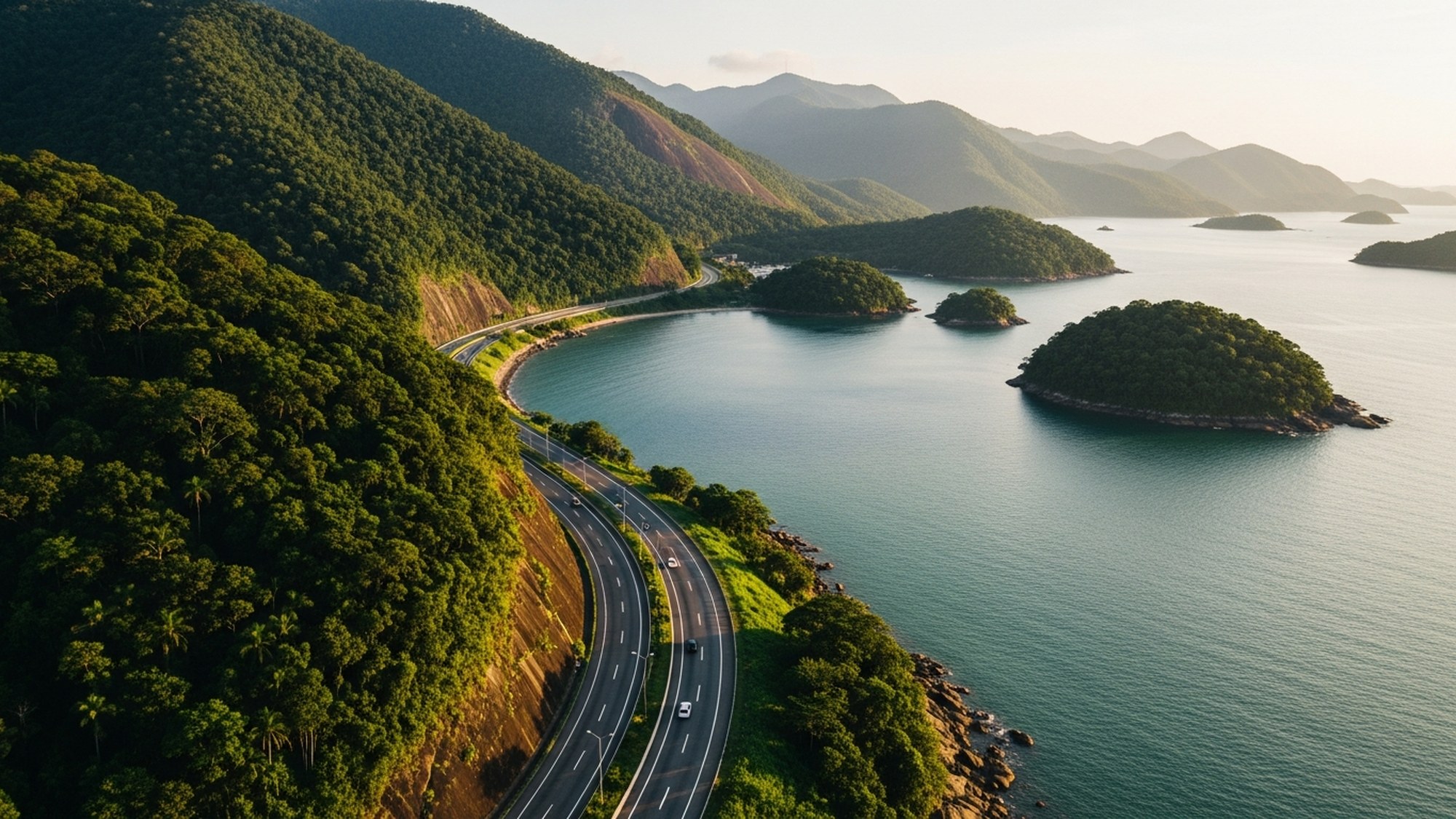
How to Get to Paraty: Airports, Transfers & the Drive from Rio
Which airport to fly into, how long the drive really takes, when to consider an air taxi into Paraty's own airstrip, and how to make the famous Rio-Santos coast road work for you instead of against you.
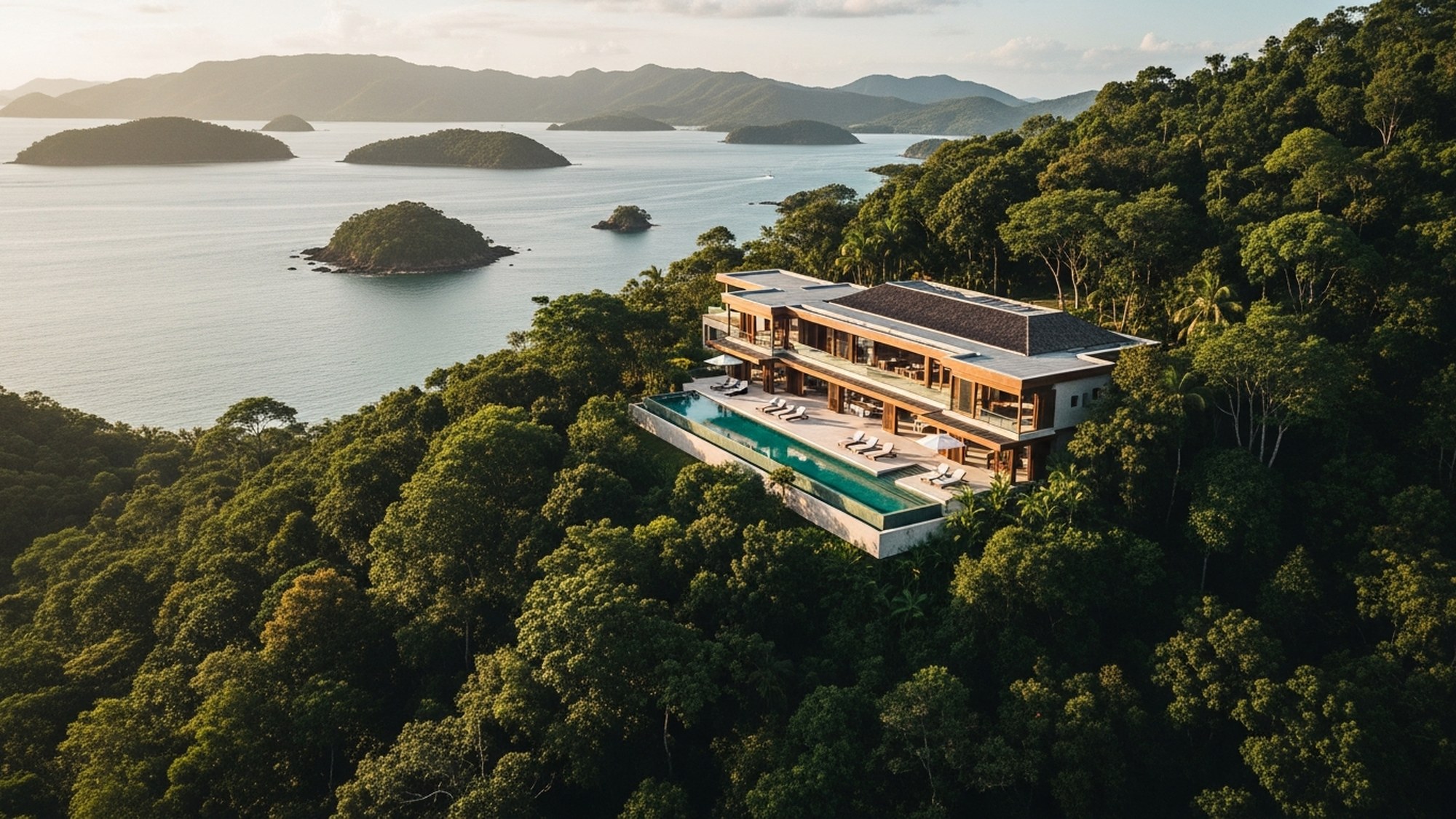
Paraty Airport & Flights: Air Taxi, Helicopter vs Plane & Prices
Everything about flying to Paraty: the airport (JPY/SDTK) and what it can take, the air-taxi charters from Rio and São Paulo, indicative prices, helicopter versus light plane, and the one season when flying in beats the coast road.
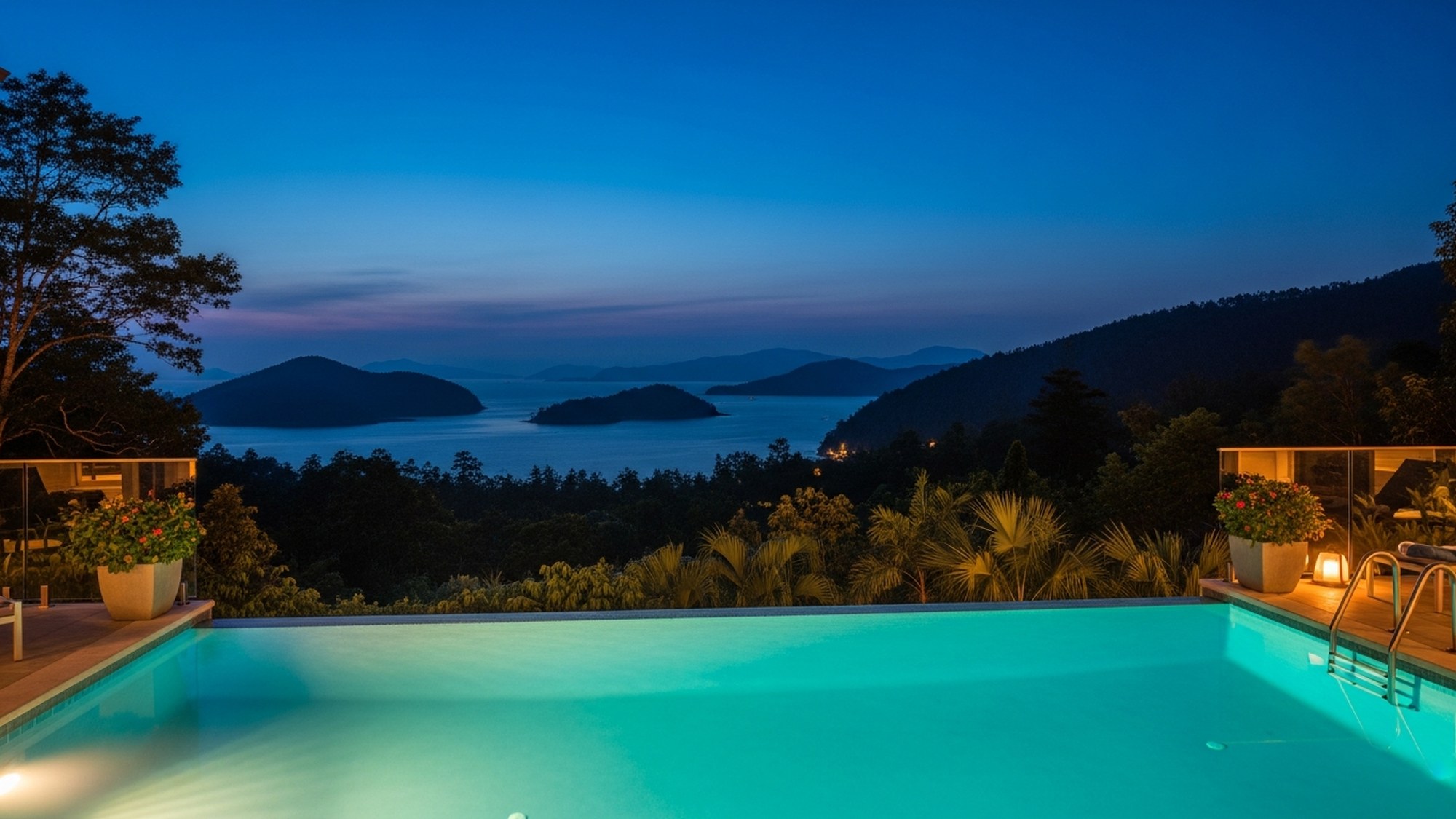
Stay at Amorielli.
A villa with an infinity pool, a private waterfall, and the kind of view people travel a long way to find. Join the waitlist to book the first season.