Where to Eat in Paraty: Restaurants, Seafood & Cachaça
A UNESCO City of Gastronomy in a town you can walk end to end: the fine-dining rooms to book, the caiçara seafood classics to order, the historic cachaça distilleries, the cafés and bakeries, and the food festivals worth timing a trip around.
Paraty eats better than a town its size has any right to. It is a UNESCO Creative City of Gastronomy — one of only a handful in the Americas — and the reason is a long coastal-fishing tradition called caiçara cooking, layered over three centuries as a colonial port and cachaça capital. What that means for a visitor is a small historic center you can walk end to end in fifteen minutes, packed with kitchens that range from barefoot beach-shack seafood to genuinely refined tasting menus, most of them within a two-minute stroll of each other on the same cobblestones.
This is our honest, on-the-ground guide to eating in Paraty: where to book the special dinner, where the locals actually go, what to order that you can't get anywhere else, and the cachaça that made the town famous long before the tourists arrived. Everything here has been checked — names, cuisines, where each place sits — because a guide full of restaurants that closed two years ago helps nobody. Where a spot is worth a detour but sits outside the walkable center, we say so plainly.
In this guide
The shape of dining in Paraty
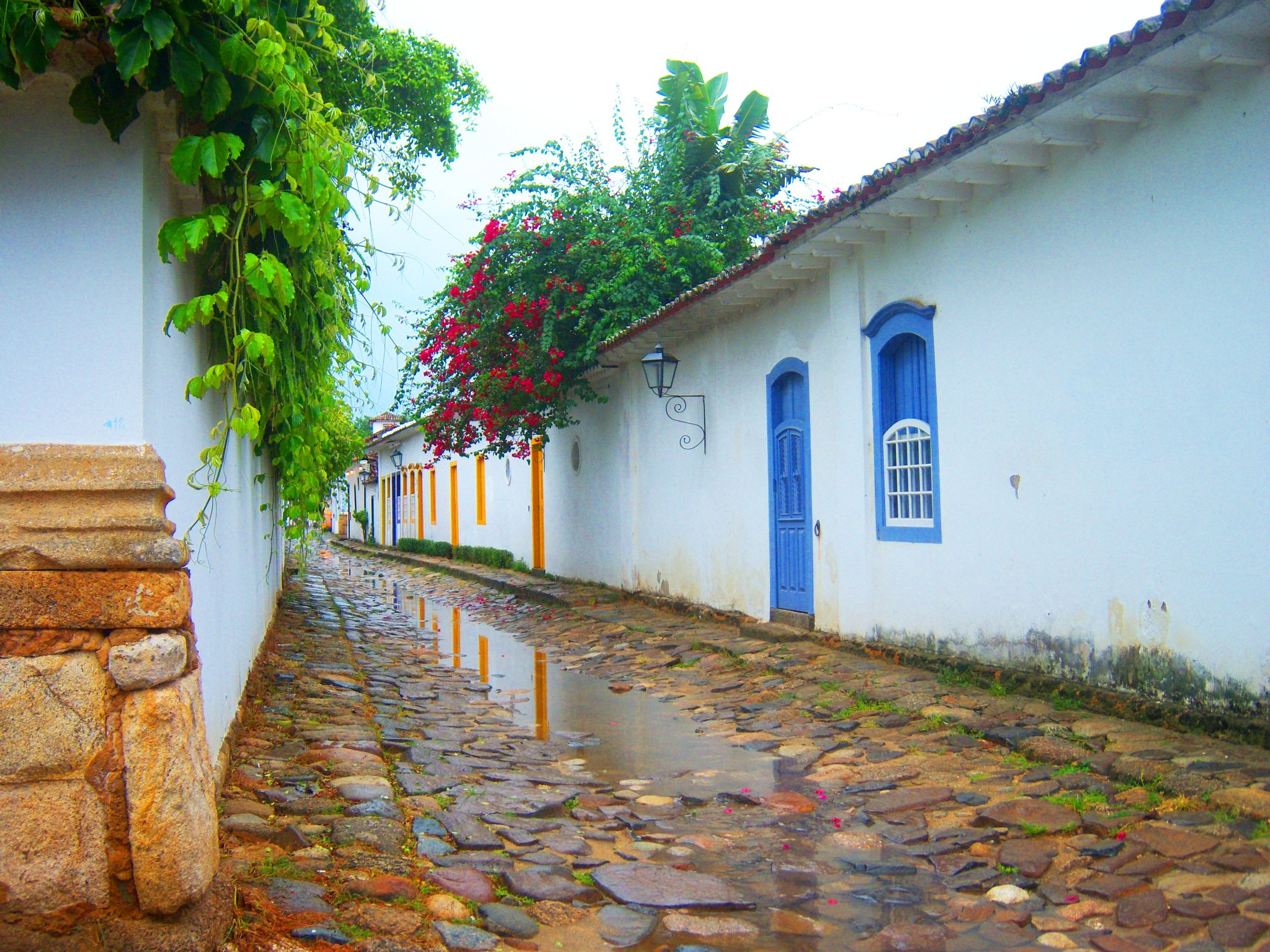
Almost everything worth eating happens in the car-free historic center. The colonial core is closed to traffic — its uneven "pé de moleque" cobblestones were laid so the tide could wash through and rinse the streets — so dinner is always a walk, never a drive. That is part of the pleasure: you wander whitewashed lanes hung with lanterns, glance at a few menus and a few open kitchens, and pick. Bring flat, sturdy shoes; the stones are genuinely lumpy, and on a king tide the lowest streets flood ankle-deep by design.
The center holds three broad tiers, and Paraty does all three well. At the top are a handful of destination restaurants — refined caiçara and international kitchens where you'd book ahead and settle in for the evening. In the middle sits a deep bench of seafood and regional places, from garden trattorias to family moqueca houses. And underneath it all is the everyday layer of cafés, bakeries and casual spots that keep the town fed between the big meals. You could eat every meal for a week without repeating yourself or leaving the old town on foot.
What to order: the caiçara table
Before the where, the what. Paraty's cooking is caiçara — the cuisine of the traditional coastal fishing communities of this stretch of Atlantic Forest coast — built on the day's catch, cassava and manioc, green banana, palm heart, and the peppery palm oil called dendê. A few dishes are so local it would be a shame to leave without trying them:
- Peixe azul-marinho — the town's signature. Fresh fish stewed with unripe green banana, which tints the broth a distinctive blue-grey. You'll rarely see it outside the region; order it once.
- Moqueca — the classic Brazilian seafood stew, here made with coconut milk, tomato, coriander and dendê, brought bubbling to the table. The benchmark dish for judging a Paraty kitchen.
- Camarão na moranga — creamy shrimp served inside a whole roasted squash. As much a piece of theatre as a plate of food.
- Bobó de camarão — shrimp in a silky cassava-and-dendê purée.
- Caldeirada — a mixed seafood stew, the caiçara answer to bouillabaisse.
Local fish to look for on the board include robalo (snook) and badejo, usually landed by day boats. Palm heart (palmito) turns up everywhere, and green banana appears in more dishes than you'd expect. If a menu leans hard on these, you're in the right kind of place.
The special dinner: fine dining
When you want the memorable evening — the anniversary, the last night, the long table with everyone — Paraty delivers above its weight. These are the kitchens to book ahead.
Banana da Terra is the one most people mean when they talk about eating well in Paraty. Chef Ana Bueno has run it for roughly three decades, and it is the town's benchmark for refined caiçara cooking — fish with banana, palm heart and shrimp, plated with care. It is the hardest table to get on a weekend for a reason; reserve early. (Rua Doutor Samuel Costa 198, historic center.)
Quintal das Letras, inside the Pousada Literária — the official lodging of Paraty's famous literary festival — is the contemporary, farm-to-table choice, with much of its produce coming from the pousada's own farm. Polished, calm, and a natural pick if you like a garden setting and a wine list.
Refúgio sits right on the waterfront by the Praça da Bandeira, near the dock, and does caiçara seafood with a Mediterranean lean — the shrimp dishes and moquecas are what to come for. It is a Fodor's favorite and books out fast on holidays.
Punto Divino is the Italian anchor of the center — an Italian-run trattoria going since 1993, with handmade pasta, a wood-fired pizza oven, and live samba in the garden most nights. It manages to be both a serious kitchen and the most convivial room in town.
Bartholomeu brings a French-trained hand to seafood-forward international cooking (chef Alexandre Righetti), and doubles as a pousada. Thai Brasil is the surprise — a genuinely good Thai kitchen on Rua do Comércio with strong vegetarian and vegan options, another Fodor's Choice. And Casa do Fogo is the theatrical one: a bistro built around flambé, where octopus, shrimp and squid arrive set alight tableside in local Coqueiro cachaça.
| Restaurant | Kitchen | Where | Best for |
|---|---|---|---|
| Banana da Terra | Refined caiçara | Rua Dr. Samuel Costa, center | The town's benchmark dinner |
| Quintal das Letras | Contemporary farm-to-table | Pousada Literária, center | Garden calm, wine |
| Refúgio | Caiçara seafood, Mediterranean | Waterfront, Praça da Bandeira | Shrimp & moqueca by the dock |
| Punto Divino | Italian trattoria | Rua Marechal Deodoro, center | Pasta, pizza & live samba |
| Bartholomeu | French-influenced seafood | Historic center | A quieter, polished evening |
| Thai Brasil | Thai | Rua do Comércio, center | A change of pace; veg & vegan |
| Casa do Fogo | Flambé specialist | Historic center | Theatre — seafood set alight |
Good to know
One superb option sits outside the walkable center: Le Gîte d'Indaiatiba, a French–Brazilian restaurant and pousada about sixteen kilometers out of town, set in native forest beside a waterfall. It's a destination lunch or dinner you drive to, not a stroll-to-dinner spot — plan it as an outing, and go in daylight so you see the setting.
Seafood & the local classics
Below the destination tier is where a lot of the best eating actually happens — unfussy rooms doing the caiçara classics for locals and regulars. Restaurante do Hiltinho is the name to know for moqueca and caldeirada in generous portions; there's a location in the center, but the famous one is on Ilha do Algodão, reachable only by boat, which makes it a proper lunch expedition with bay views (more on that below). Caminho do Ouro is a quietly excellent contemporary-Brazilian kitchen that was an early mover on local sourcing and family farms, with a good grilled octopus. And for the everyday version — moqueca, bobó de camarão, honest botequim food — Boteco da Matriz is the casual local favorite by the main church.
A note on a few names you'll see on other lists — La Luna, Van Gogh, Maracujá, Villa Verde, Espaço Asia. These are real and can be very good, but they turn over and rebrand more than the anchors above, so treat them as pleasant discoveries rather than reservations to lock in from another continent. In a town this walkable, the best move on a second or third night is simply to wander and read the room.
The rule in Paraty: book the one dinner that matters, and leave the rest to the walk. The town rewards wandering more than planning.
Cachaça: the drink Paraty invented
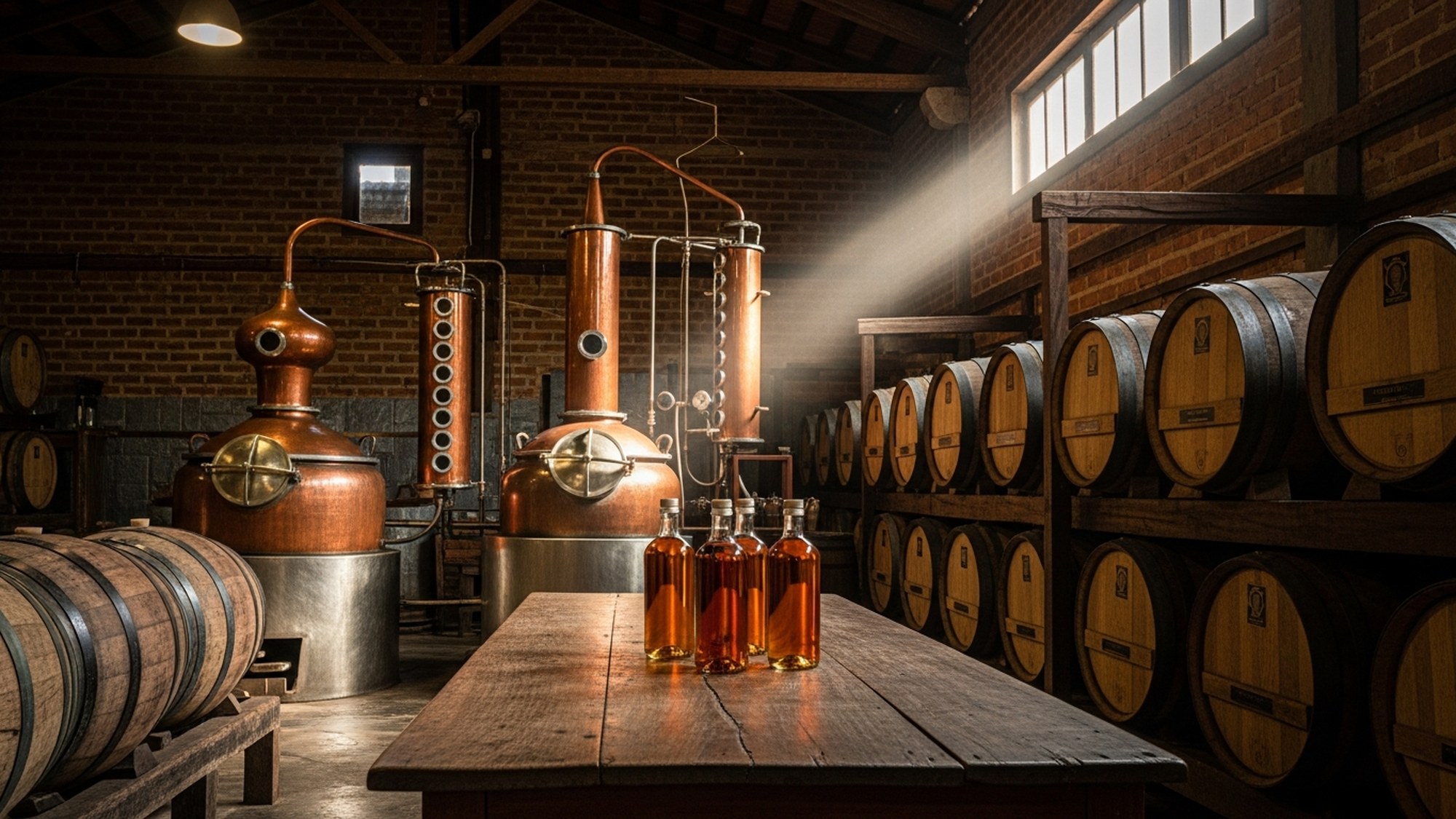
You cannot write about eating in Paraty without the cachaça. This was one of colonial Brazil's great sugar-and-spirit ports — local lore counts hundreds of mills in its heyday — and "Paraty" is still a protected origin for the spirit. Several historic distilleries, called engenhos or alambiques, still run and welcome visitors for tours and tastings. They sit just outside the center, a short drive up into the hills, and most tour operators can bundle two to four of them into a half-day.
- Maria Izabel — a small artisanal producer since 1996, cane grown and distilled on its own land at the edge of the bay, and one of the region's most respected labels.
- Coqueiro (Engenho D'Água) — among the oldest still working, with family production traced back to 1803; guided visits to the old mill.
- Engenho D'Ouro — a pioneer of vacuum-alembic distillation, now run by the founder's son, also making gin and liqueurs.
- Pedra Branca — a modern, eco-minded engenho on the Pedra Branca road, copper alembic, only the "heart" of the distillate kept.
- Paratiana and Corisco — two more well-regarded local labels; Corisco is often called the most authentically Paraty of the lot.
If you'd rather not leave town, Empório da Cachaça in the historic center is a bar and shop built for exactly this — dozens of labels, English-speaking staff, tastings, and cocktails (ask for the "Jorge Amado"). It's the easy, no-car way to understand what all the fuss is about before you commit to a distillery tour.
Cafés, bakeries & casual eats
Breakfast, coffee and the between-meals grazing all happen easily on foot. Padaria Esperança is the historic bakery in the heart of the center, going back around a century, and the natural first-coffee stop. Café Pingado, near the port, does strong coffee and pastries with outdoor tables and colonial views; Café Paraty near the Praça do Chafariz is another reliable center café. For a lighter, brighter breakfast or brunch — açaí bowls, wraps, juices — Manuê is the pick. And around the main squares, stalls sell the Brazilian street-food staples: pão de queijo, coxinhas and açaí, ideal for a mid-afternoon top-up before dinner.
Lunch on the water
One of the best meals you can have here isn't in the town at all — it's on a boat trip. The classic Paraty day is a schooner or private-lancha tour of the bay's islands and beaches, with lunch at an island restaurant partway through. Restaurante do Hiltinho on Ilha do Algodão is the well-known version: you arrive by water, eat moqueca with your feet more or less in the sand, and carry on to the next swim. It turns lunch into the centerpiece of the day rather than an interruption. Our guide to Paraty by boat covers how to set that up, and the islands guide maps out where the good stops are.
Practical notes: hours, booking & festivals
A few things that make dining here go smoothly:
- Dinner runs late. Brazilian kitchens are busiest roughly 8:00 to 10:30 pm. Many places do lunch and dinner with a quiet lull in mid-afternoon. If you like an early table, you'll often have the room to yourself.
- Book the anchors in high season. Banana da Terra, Refúgio and Thai Brasil fill on weekends, holidays and festival weeks. Many restaurants take reservations by WhatsApp — the number is usually on their Google Maps listing or Instagram. Casual spots and cafés are walk-in.
- Walk, don't drive. The center is car-free; leave the car at the edge and expect uneven cobbles underfoot. Flat shoes, always.
- Time your visit to a festival if you can. The town's calendar is a food-and-culture gift — see below.
The Festival da Cachaça, Cultura e Sabores de Paraty has run since 1983 and is the flagship food-and-spirit event, with distillery stands from Coqueiro, Corisco, Engenho D'Ouro and Paratiana plus a local-gastronomy space; the 44th edition falls on August 20–23, 2026. The Bourbon Festival fills the squares and churches with free jazz, blues and soul over a late-May weekend (May 29–31 in 2026) — the perfect "dinner then live music in the streets" evening. And FLIP, the international literary festival in July, is when the whole town — restaurants included — is at its liveliest and most booked-up. If a great meal is central to your trip, planning around one of these pays off.
Good to know
Names, cuisines and locations here were checked against Fodor's, Tripadvisor and established Paraty guides, but small-town restaurants do open, close and rebrand — always confirm hours and reservations directly (WhatsApp or Instagram) before a special night out, especially outside high season. When in doubt, ask your host: locals know which kitchens are on form this season.
Common questions
What food is Paraty known for?
Caiçara cooking — the cuisine of the traditional coastal fishing communities — built on fresh fish and seafood, cassava, green banana, palm heart and dendê palm oil. The signature local dishes are peixe azul-marinho (fish stewed with green banana), moqueca (coconut-milk seafood stew), camarão na moranga (shrimp in a roasted squash) and bobó de camarão. Paraty is also a historic cachaça capital and a UNESCO Creative City of Gastronomy.
What's the best restaurant in Paraty?
For a special dinner, Banana da Terra is the long-standing benchmark for refined caiçara cooking, with Refúgio (waterfront seafood), Quintal das Letras (contemporary, farm-to-table) and Punto Divino (Italian, live samba) close behind. There's no single "best" — the town's strength is a cluster of very good kitchens within a short walk of each other. Book ahead in high season.
Do I need reservations?
For the top restaurants on weekends, holidays and festival weeks (FLIP in July, the cachaça festival in August), yes — book ahead, often by WhatsApp. Off-season and for cafés and casual spots, walk-ins are fine. Because the historic center is so compact and walkable, wandering and choosing on the night works well for everything except the marquee dinners.
Where should I go for cachaça?
For a tour, visit one of the historic distilleries just outside town — Maria Izabel, Coqueiro, Engenho D'Ouro or Pedra Branca — where you can see the alembic and taste. To stay in the center, Empório da Cachaça is a bar and shop with dozens of labels, tastings and cocktails. Most day tours can bundle two to four distilleries into a half-day.
Can you drive to dinner in the old town?
No — Paraty's historic center is closed to cars. You park at the edge and walk in on cobblestone streets that were built to flood at high tide. Wear flat, comfortable shoes; heels and wheeled luggage lose every time against the "pé de moleque" stones.
More from the Journal
The Complete Guide to Paraty, Brazil
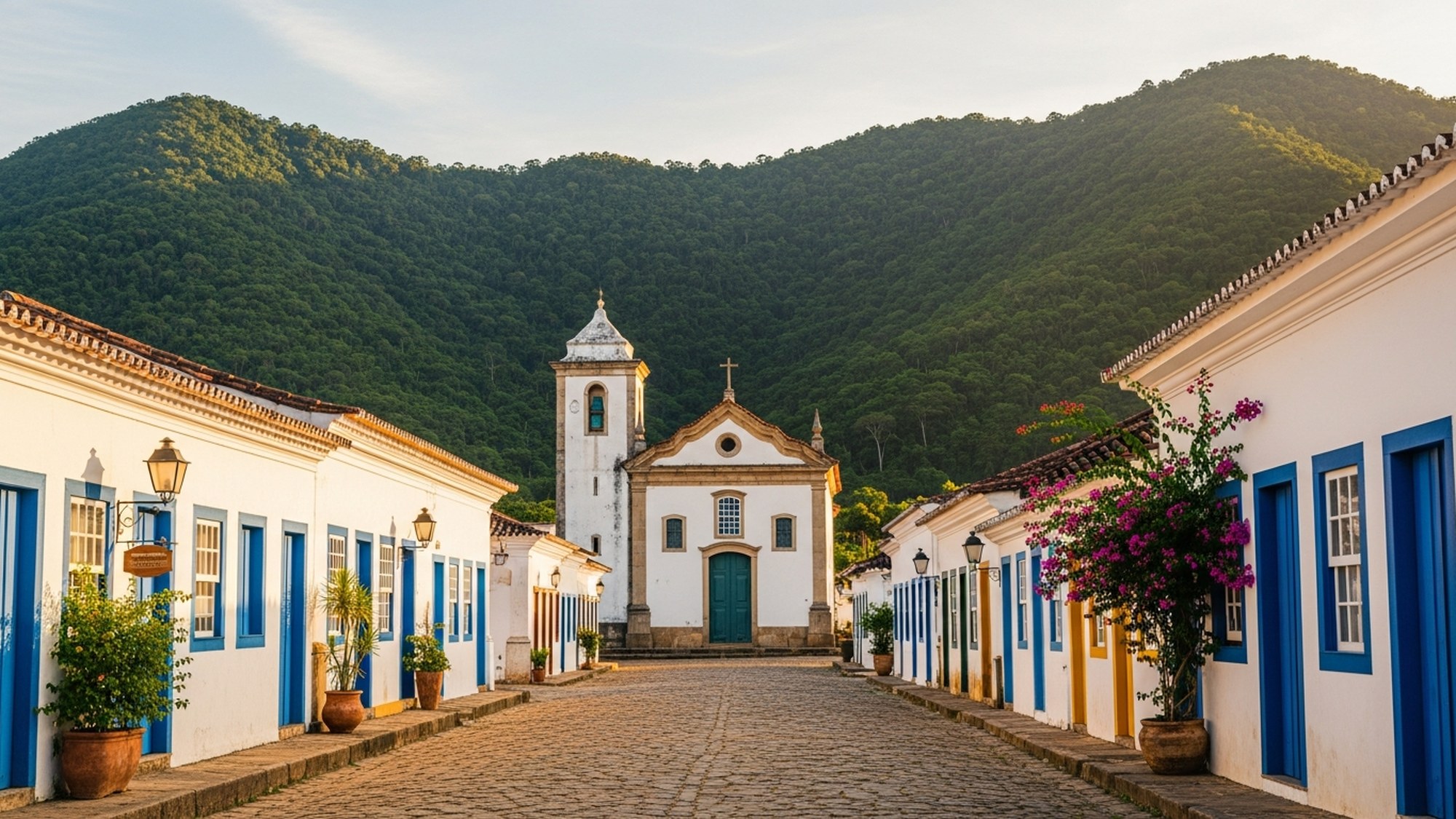
Everything you need for the Costa Verde's most beautiful town: the UNESCO old town, the waterfalls and trails, the islands and beaches, the cachaça, where to eat and stay, when to come — and exactly how to get here.
The Best Things to Do in Paraty, Brazil
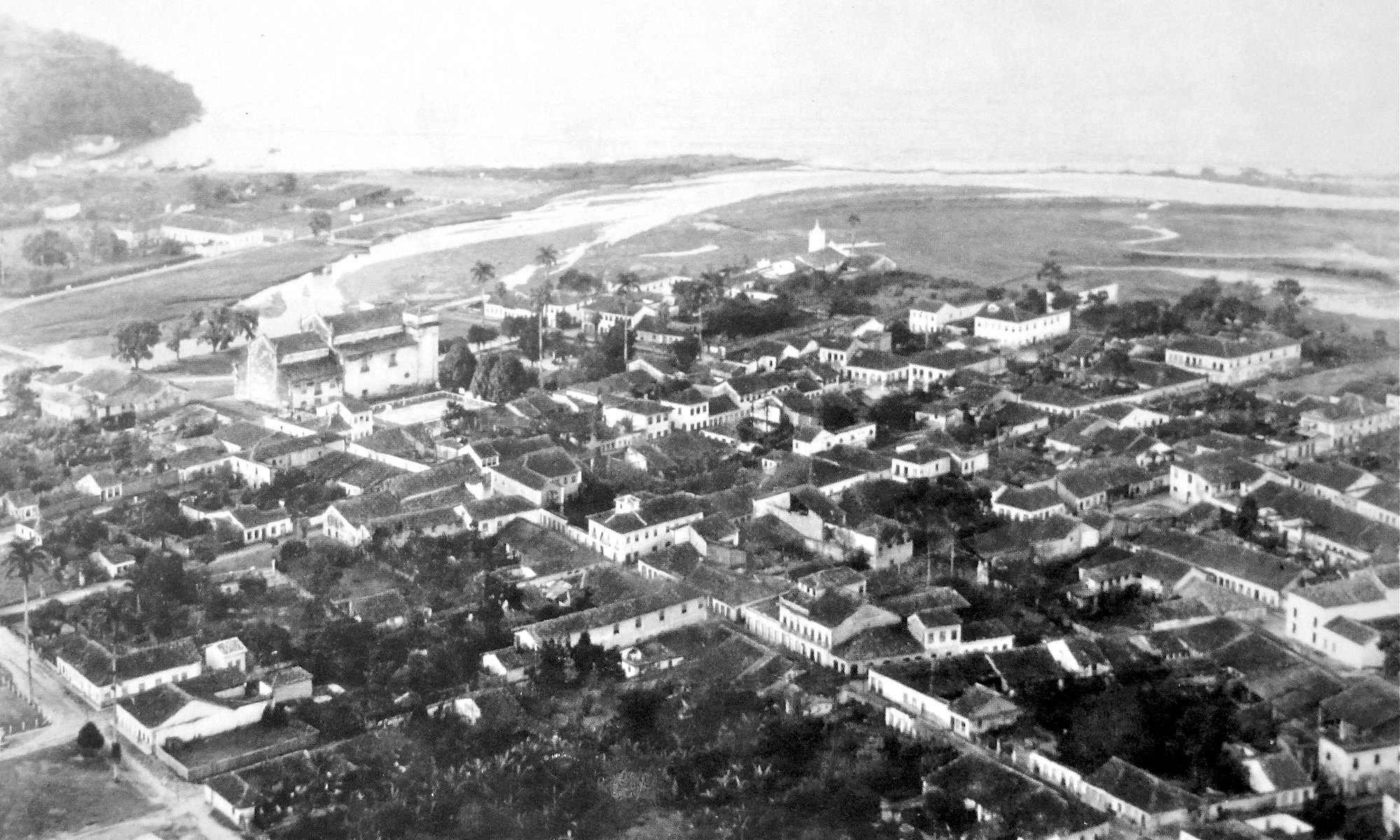
The complete overview: the colonial old town and its churches, the Gold Trail, the waterfalls and cachaça road, the island bay and the tropical fjord, the beaches, and the festival calendar — everything worth doing, and how to fit it into three days or a week.
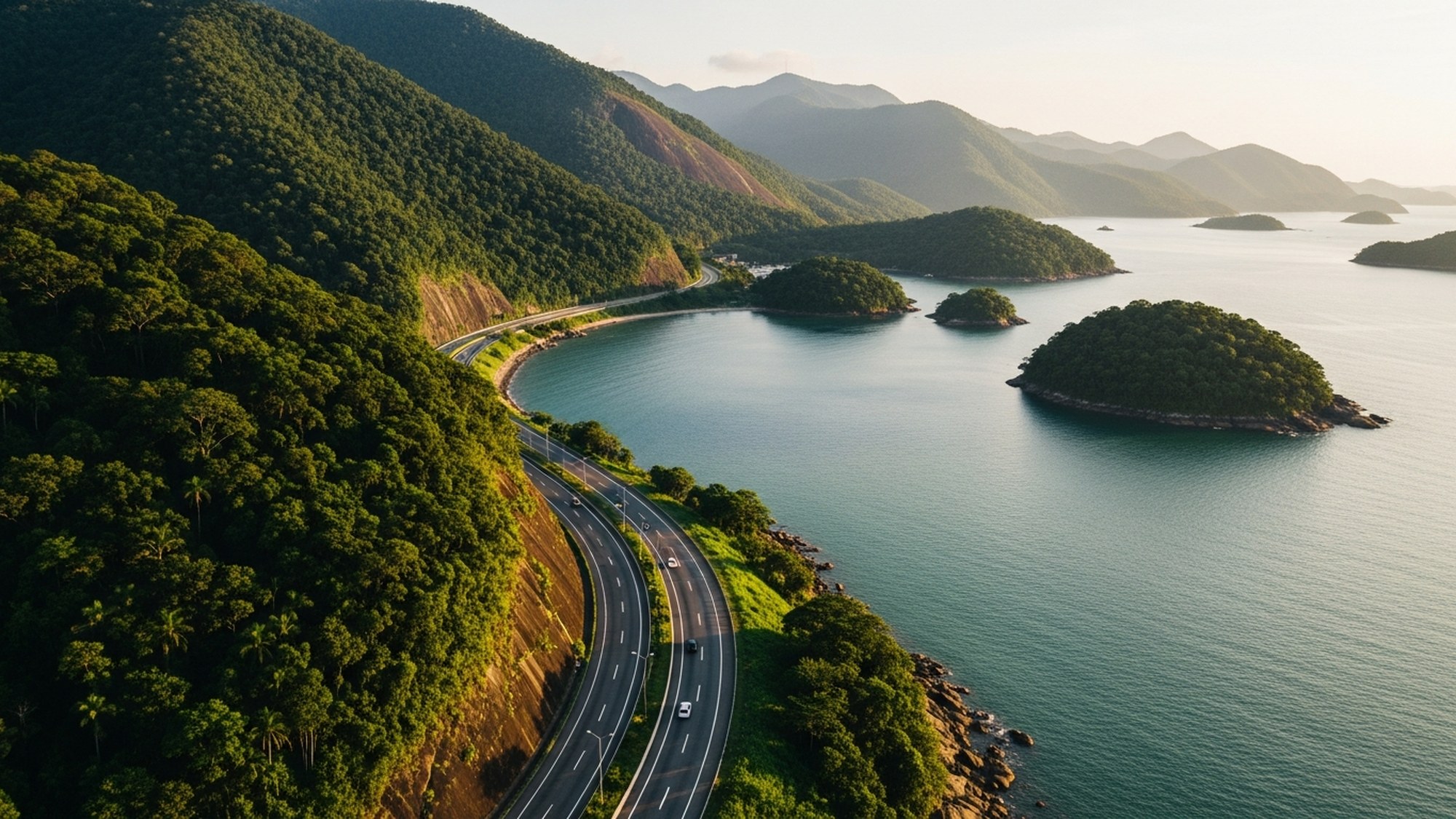
How to Get to Paraty: Airports, Transfers & the Drive from Rio
Which airport to fly into, how long the drive really takes, when to consider an air taxi into Paraty's own airstrip, and how to make the famous Rio-Santos coast road work for you instead of against you.
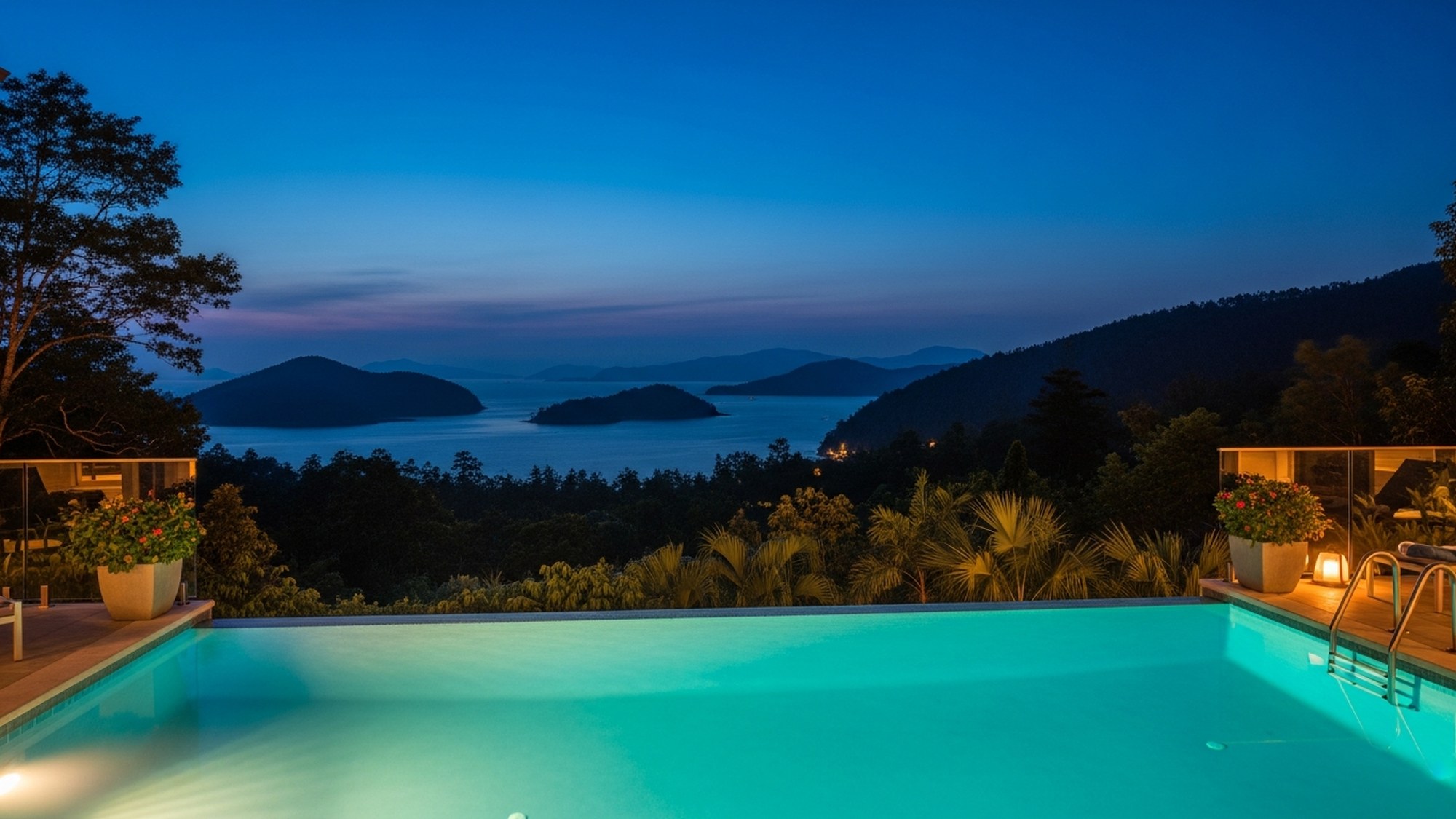
Stay at Amorielli.
A villa with an infinity pool, a private waterfall, and the kind of view people travel a long way to find. Join the waitlist to book the first season.