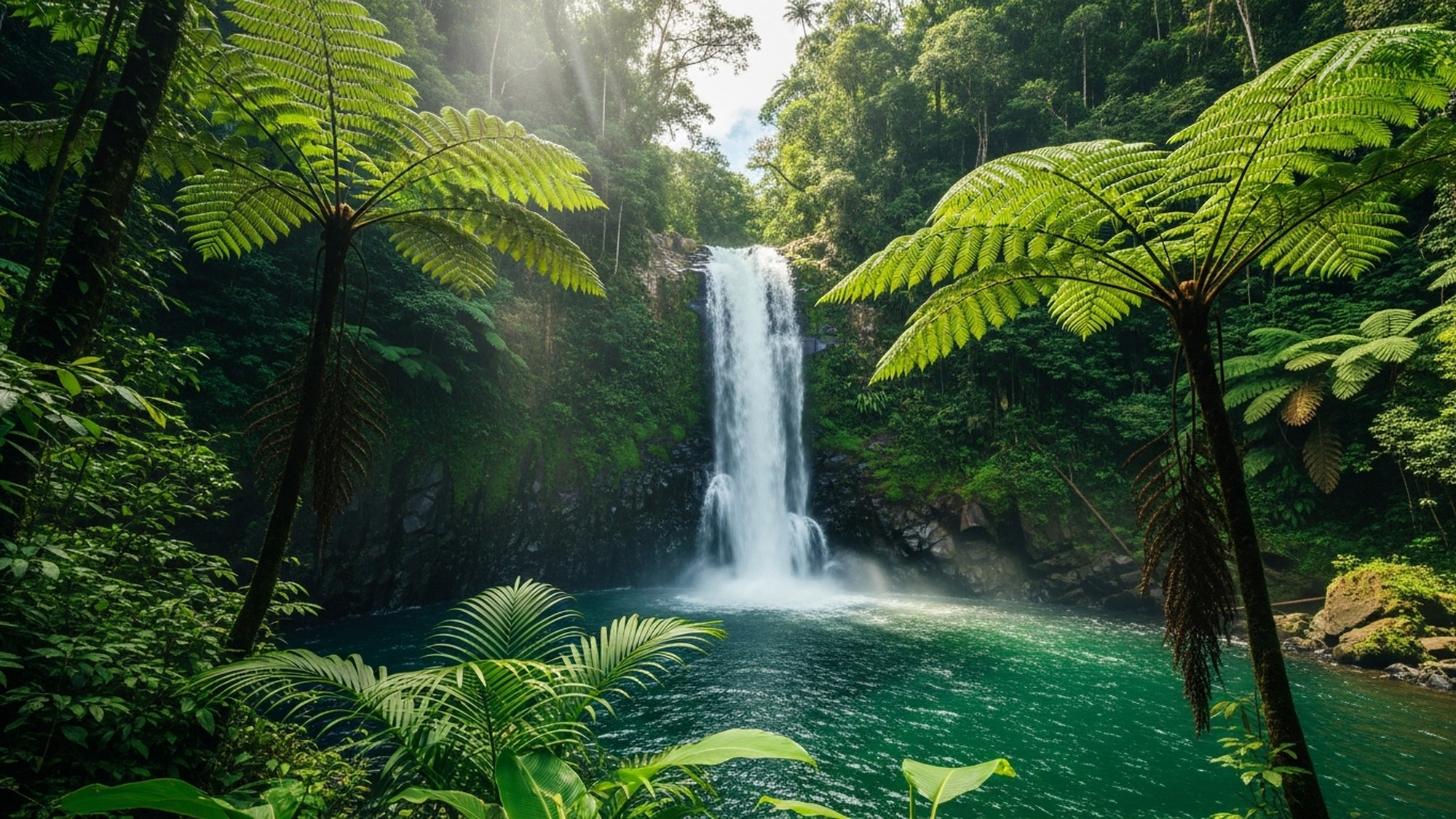
The Waterfalls of Paraty: A Complete Guide
From the natural rock-slide of the Tobogã to the jungle pools of the Pedra Branca valley — where to find Paraty's waterfalls, how to reach them, how to stay safe, and the cachaça distilleries hidden among them.
You hear them before you see them. Walk uphill from Paraty's old town on the road toward Cunha, and somewhere past the last houses the traffic noise drops away and a different sound takes over — water moving fast over rock, steady and loud, coming from somewhere in the green. The Serra do Mar climbs straight up off the coast here, the rain falls almost all year, and what the mountains do with all that water is the reason this guide exists. Paraty has waterfalls the way other places have parking lots. Some you can reach in fifteen minutes from the cobblestones; one of them you sit down on and slide.
This is a practical guide to the falls near Paraty — where they are, how to get to each one, what they're actually like, and how to do it without hurting yourself, because people do get hurt here every year and almost always for the same avoidable reasons. We'll cover the famous granite waterslide, the quieter swimming holes, the cachaça distilleries that share the same valley, and the things worth knowing before you go: footwear, current, timing, and what the rain does to all of it.
In this guide
Why Paraty is waterfall country
To understand why there's so much falling water around Paraty, look at the shape of the land. The town sits on a narrow strip of flat coast, and behind it the Serra do Mar — the long coastal mountain range that walls off most of southeastern Brazil's shoreline — rises steeply, in places climbing past 2,000 meters not far inland. The mountains don't ease up to the sea; they meet it. That short, near-vertical distance between high ground and the ocean is exactly the geography that makes waterfalls.
Then there's the rain. Paraty is one of the wettest spots on the entire Brazilian coast. The climate here is hot, humid, and tropical, with no real dry season — it rains to some degree year-round, with the heaviest months in the summer (December through February), when a single month can drop more than 250 millimeters. Moist air comes in off the Atlantic, hits that wall of mountains, is forced up, cools, and lets go. The slopes catch enormous amounts of water, and all of it has to come back down. It does so in streams that gather in the folds of the range and pour over granite ledges on their way to the sea.
Wrapping all of it is the Mata Atlântica — the Atlantic Forest — one of the most biodiverse and most threatened forests on the planet, with something like 16,000 plant species and a famously high rate of endemism, meaning species found nowhere else. Only a small fraction of the original forest survives, conservative estimates put it somewhere around 7 to 12 percent, which makes the stretches that remain genuinely important. Paraty is unusually well-off here: more than 80 percent of the municipality sits under some form of protection. The waterfalls don't run through cleared land or scrubby second growth. They run through standing rainforest, which is most of the point. The water is clean and cold, the canopy keeps the trails shaded, and the soundtrack is birds and insects and moving water rather than anything man-made.
This whole landscape — the colonial town, the bay, and the forested mountains behind it — was recognized by UNESCO in 2019 as a mixed World Heritage Site, "Paraty and Ilha Grande – Culture and Biodiversity" (List No. 1308). It was Brazil's first mixed site, meaning it's listed for both its human history and its natural value. The waterfalls fall squarely on the natural side of that ledger. When you slide down a granite chute in Penha, you're playing in a globally protected ecosystem. Worth keeping in mind when you're deciding where to leave your sunscreen.
Finding the waterfalls
The good news for anyone short on time: the best-known waterfalls are clustered close together, on the same side of town, reachable on a single road. You do not need to drive for hours or organize an expedition. Most visitors see the headline falls in a half day.
The spine of it all is the Estrada Paraty–Cunha, the road that climbs out of Paraty toward the mountain town of Cunha, up in the Serra da Bocaina. As soon as it leaves the coastal flat, this road starts to gain altitude, winding up through the forest, and the waterfalls live along it. The most famous of them is only around 7.5 to 8 kilometers from the historic center — close enough that some people cycle it, though it's uphill the whole way out.
The neighborhood you're heading for is Penha. It's a rural community on the Paraty–Cunha road, marked by a small white church — Nossa Senhora da Penha — that serves as a useful landmark. The famous waterslide is here, and a swimming hole sits just upstream of it. Penha is also where guided walks of the old gold road begin, so the area is set up for visitors: there's a visitor center, places that sell snacks, and people who know the trails.
The other key area is the Pedra Branca valley (Vale da Pedra Branca), which branches off into the hills a short distance from town. This valley holds a different waterfall on private farmland, more falls scattered along the old stone road that runs through it, and — not coincidentally — a cluster of cachaça distilleries. Pedra Branca is rougher to reach than Penha. The access is a dirt road that turns to mud in the wet season and genuinely wants a four-wheel-drive vehicle when it's been raining.
So the mental map is simple. Town at sea level. One road climbing toward Cunha, with Penha and the waterslide on it. A second valley, Pedra Branca, off to the side, rougher, with its own falls and the distilleries. Most jeep tours stitch these two areas together into a single loop, which is why "waterfalls and cachaça" gets sold as one outing. We'll get to that. First, the slide.
Cachoeira do Tobogã, the natural waterslide
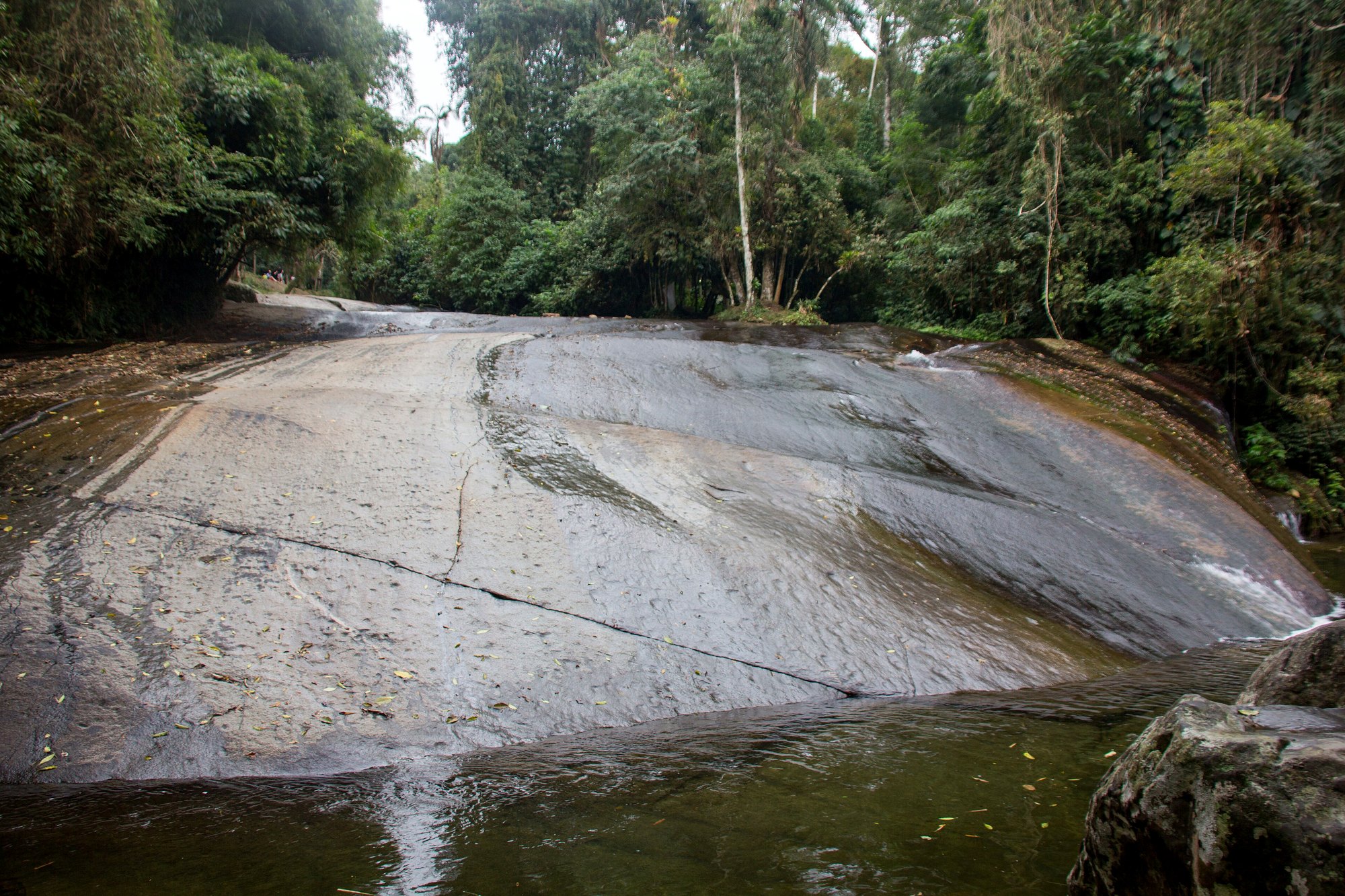
This is the one everyone comes for, and for once the hype is earned. The Cachoeira do Tobogã — also known as the Cachoeira da Penha, after the neighborhood — is a long, smooth chute of bare granite, polished by centuries of running water into a natural slide. Water pours down it at speed. People slide down it. That is the whole, glorious, slightly alarming concept.
The rock face runs around 20 meters and isn't a sheer drop; it's a steep, smooth ramp, and at the bottom there's a pool that catches you. The granite has been worn so slick that, with a good flow of water over it, you accelerate fast. Locals do it standing up — surfing it on their bare feet — and it looks effortless, but do not copy them. Which brings us to the single most important sentence in this guide.
Slide sitting down. Always seated, never standing — that is how people break bones here, and they do, every season.
The locals who ride it upright have done it a thousand times, know exactly where every dip and ridge in the rock is, and still occasionally fall. A first-timer trying to stand has no chance of reading the surface and a very good chance of going down hard onto solid granite with water in their face. Sit down, lie back a little, keep your arms in or use them to steer gently, and let the water do the work. It's a thrilling ride from a seated position. There is no version of this where standing up is worth the risk.
A few more honest notes about the experience. The rock is slippery everywhere, not just on the slide — getting to the launch point means walking on wet granite, so take your time and watch your footing. The water is cold; it comes off the mountain. The pool at the bottom is good for cooling off and watching the next person come down. And in the rainy season, when the flow is heavy, the slide is faster and the surrounding rocks are more treacherous; if the river is roaring and brown after a storm, that is exactly the wrong moment to be in it. More on that in the safety section.
Good to know
- Where: Penha neighborhood, on the Estrada Paraty–Cunha, around 7.5–8 km from the historic center.
- The rule: slide seated, never standing. Watch how the regulars look, then do it sitting anyway.
- Wear: swimwear plus footwear with grip for walking the wet rock. Leave anything you'd hate to lose at home.
- Nearby: the little church of Nossa Senhora da Penha, a useful landmark and a quiet spot if you want a break from the water.
How to get to the Tobogã
You have several options, in rough order from cheapest to most comfortable.
- Local bus. Buses run from Paraty up the Cunha road and stop in Penha. It's the budget choice and it works; just confirm the current schedule and the return times locally, because services aren't frequent and you don't want to be stranded uphill at dusk.
- Taxi. Quick and simple. Have the driver drop you at Penha and arrange a pickup time, or get a number to call when you're done. It's a short ride, so it shouldn't be expensive, but agree on the fare or confirm the meter before you set off.
- Jeep tour. The most popular way, and the easiest if you want zero logistics. Open-top 4x4 tours bundle the Tobogã with the Pedra Branca area, often with a cachaça stop and a guide who knows the safe lines on the slide. You give up some independence and gain a lot of convenience.
- Bicycle. Doable for the reasonably fit. It's around 8 km and it climbs steadily out of town, so it's a real workout going up and a fast, fun coast on the way back. In the heat, start early.
Whichever you choose, build in time. The Tobogã rewards a relaxed visit — an hour or two of sliding, swimming, drying off on the rocks — rather than a rushed twenty minutes. If you can, go in the morning, before the tour groups arrive and the best perches on the rock fill up.
Poço do Tarzan
A short way upstream from the Tobogã, the same river forms a deeper, calmer pool: the Poço do Tarzan, the "Tarzan Pool." If the slide is the adrenaline, this is the chill-out. It's a proper swimming hole — cold, clear, deep enough to swim in — set among the boulders and forest, and the name comes from exactly what you'd guess: there's a rope swing, and people use it to launch themselves into the water.
Because it's so close to the famous slide, the Tarzan pool makes a natural pairing — most people do both in one visit, sliding the Tobogã and then walking up to the pool to swim and play on the rope. It tends to be a notch quieter than the slide itself, since not everyone bothers to make the extra short walk, which is reason enough to make it.
The usual cautions apply, slightly amplified for the rope. Check the depth and what's under the surface before you swing in — rivers move rocks and logs around, especially after heavy rain, and a pool that was clear last month may not be today. Don't assume. The rope itself is informal, maintained by no one in particular, so give it a sensible look before you trust your weight to it. And the same rule about rising water holds: a swimming hole that's pleasant and green at low flow becomes a fast, pushy current after a storm. When in doubt, swim, don't swing.
Cachoeira da Pedra Branca
Over in the Pedra Branca valley, around 7.5 kilometers from town, is a different kind of waterfall visit — quieter, a little more of an outing, and on private land. The Cachoeira da Pedra Branca sits on the grounds of the Fazenda Pedra Branca, a working farm that charges a small entrance fee to walk in and see the falls. The fee is normal for this part of the world — a fair number of the best natural spots around Paraty are on private property, and the access charge is part of how the land stays maintained and the trails stay open.
Getting there is the adventure. The access is a rough dirt road climbing into the valley, and it earns its reputation in the wet: after rain it turns to slick mud, and a four-wheel-drive vehicle is the sensible choice — in a heavy downpour, the only sensible choice. This is a big part of why so many people see Pedra Branca on a jeep tour rather than in their own rental car. The jeeps are built for exactly this road, and you don't spend the day worrying about getting bogged down.
Once you're at the farm, the waterfall itself is reached by a short trail with a stone staircase — not a long hike, manageable for most people, but, like everything here, slippery when wet, so mind your step on the stones. The reward is a pretty cascade in the forest, less of a circus than the Tobogã and more of a place to sit and listen.
There's also a piece of history hiding in the trees here. The valley holds the ruins of Paraty's first power plant — the little hydroelectric station that once used this falling water to light the town. The old structure, slowly being reclaimed by the forest, is a quiet reminder that these falls weren't always just for swimming; for a while they ran the lamps. It's the kind of detail a good guide will point out and you'd otherwise walk straight past.
More falls in the valley
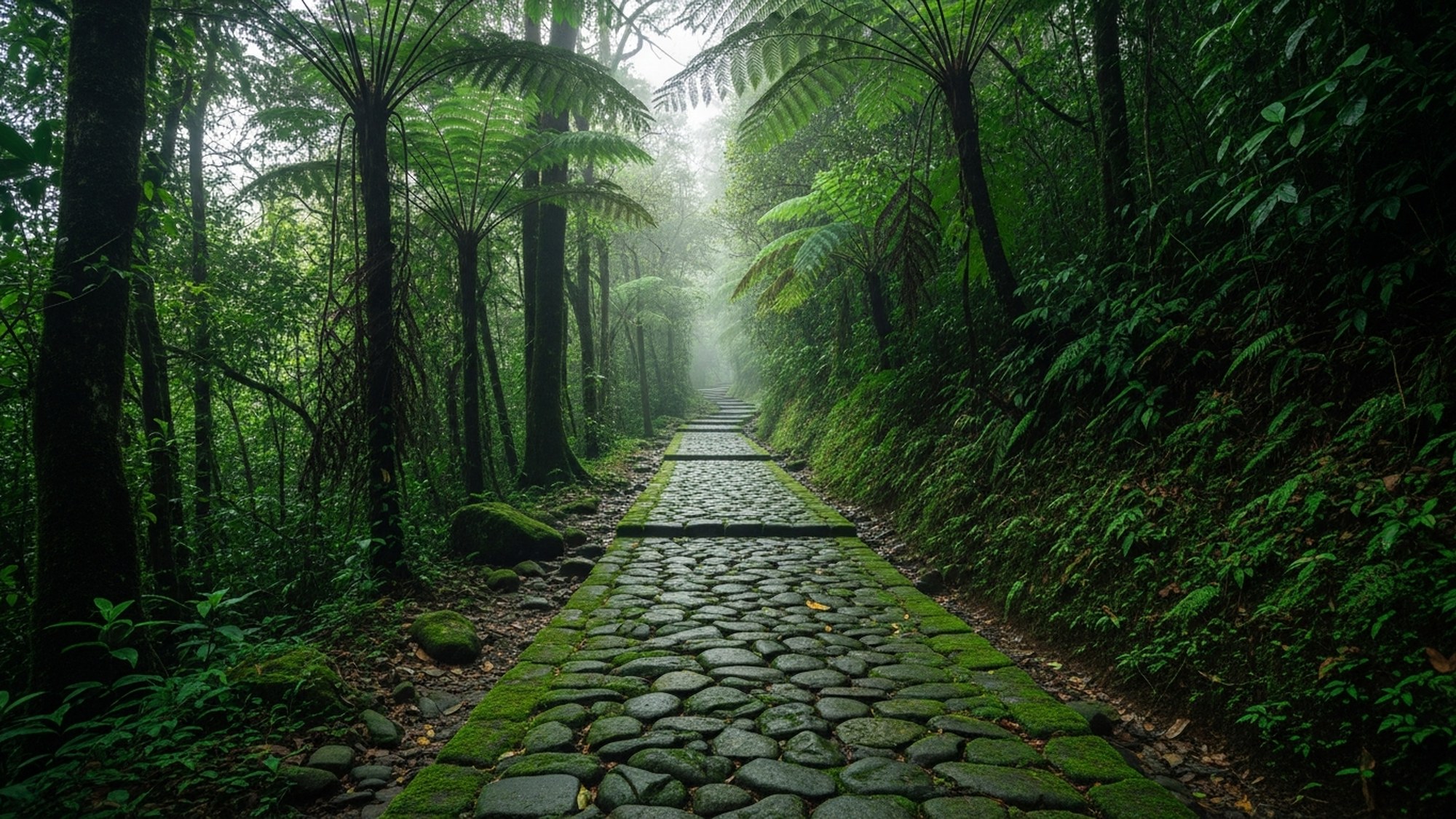
The two headline falls are not the whole story. The Pedra Branca valley and the broader area around the old gold road hold a string of smaller cascades, plunge pools, and quiet stretches of river that most day-trippers never see, because they're either unmarked, on private land, or simply not on the standard tour. This is where a guide stops being a luxury and starts being the thing that actually unlocks the place.
The connecting thread through much of this terrain is the Caminho do Ouro — the Gold Trail — the colonial stone-paved road built by enslaved Africans between the 17th and 19th centuries to carry gold down from Minas Gerais to the coast, where it was shipped to Portugal. The preserved section near Paraty is walked today as a guided heritage trail, meeting at the visitor center (CIT Caminho do Ouro) in Penha. It runs partly through private land, so an authorized guide is required; the walk itself is easy to moderate and takes roughly an hour and a half to two hours. (Don't confuse it with the Trilha do Ouro, a far longer, multi-day route inside the Serra da Bocaina National Park — same gold-route history, completely different commitment.) Along and near the old road, the same streams that feed the famous falls form smaller cascades worth a cooling stop.
The honest truth about these lesser falls is that conditions change and access is fluid. A pool that's swimmable one season may be off-limits the next because a landowner has closed access or a track has washed out. Names get used loosely, and the same waterfall may go by two or three local names. Rather than send you chasing a specific obscure cascade by name, the better advice is this: tell a local guide or your host that you want to see the quieter falls, not just the Tobogã, and let them route you to whatever is flowing well and open that week. That's how you end up at a pool with no one else in it.
Good to know
- Many of the smaller falls sit on private land. Access can require a fee or an authorized guide, and it can change without notice.
- The Caminho do Ouro guided walk (from Penha) is the easiest way to combine forest, colonial history, and a river stop in one outing.
- Local names overlap and shift. Describe what you want — a quiet swim, a short walk, a big slide — rather than insisting on one name, and a guide will match you to what's good that day.
Waterfalls and cachaça
Here is one of Paraty's happiest accidents of geography. The same valley that holds the waterfalls also holds the distilleries, because cachaça — Brazil's sugarcane spirit — needs two things in quantity: cane fields and clean running water. The hills behind Paraty have both. So the classic outing here is the waterfalls-and-cachaça jeep tour: a morning or afternoon that strings together the Tobogã, a stop in the Pedra Branca area, and one or two working distilleries, all on the same rough roads, all in the same open-top 4x4.
It's worth understanding why cachaça matters here, because Paraty's connection to the spirit is real and old. In colonial times this was one of Brazil's leading cachaça-producing centers, and the local product became so renowned that the word "parati" (lowercase) turned into a generic byword for good cachaça — for roughly two centuries, from the 1700s into the mid-20th century, asking for "uma dose de parati" simply meant asking for a quality dose, wherever you were. To be clear, cachaça wasn't invented here and it wasn't originally called parati; the spirit was made all across colonial Brazil. Paraty's was just so good the name went generic. That's a different and frankly more impressive claim.
The pedigree is now official. Paraty cachaça holds a Geographic Indication from Brazil's patent office, the INPI — first an Indication of Source (IP) granted in 2007, the first ever awarded to a cachaça in Brazil, and then a Denomination of Origin (DO) published in early 2024. Paraty is the only region in the country to hold both. In plain terms: there are rules about what can call itself Paraty cachaça, and the place takes its spirit seriously enough to defend the name in court.
The distilleries near the falls
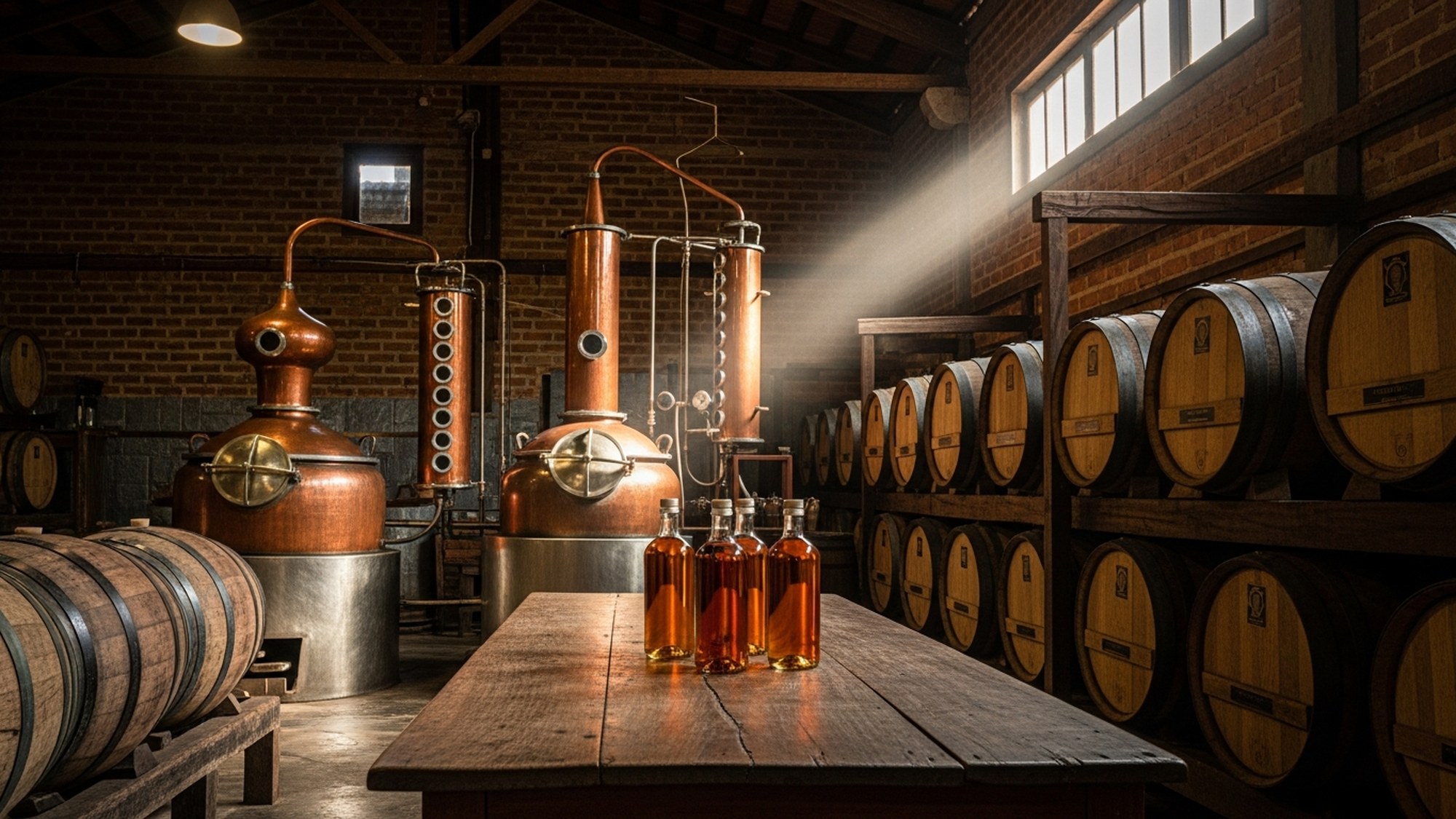
Several working distilleries sit in or near the Pedra Branca valley, close to the waterfalls, which is what makes the combined tour possible. The ones you're most likely to encounter on a falls-and-cachaça outing include:
- Engenho d'Ouro — an award-winning producer in the Pedra Branca area, with tours and tastings. A common, well-regarded stop.
- Pedra Branca — in the Vale da Pedra Branca itself, working with a traditional copper pot still; frequently included on jeep tours because of where it is.
- Paratiana — founded in 1999, set in an old casarão (a grand colonial house) in Pedra Branca, and home to a cachaça museum with a collection of more than 4,000 labels. Worth it for the museum alone if you're curious about the spirit's range.
A couple of notes so you arrive informed. The well-known Maria Izabel (spelled with a z) is another standout — 100% organic, made on a small farm in the other direction, toward Rio — but it's visited strictly by appointment, so it's not a casual jeep-tour drop-in. And you may see the name Murycana associated with cachaça in older write-ups; it now operates as an eco and educational farm rather than a tasting distillery, so don't plan your day around it.
What a tasting is actually like
A distillery visit here is refreshingly unpretentious. You typically get a short guided walk — around thirty to forty minutes — through the parts of the process: the cane fields, the press where the juice is extracted, the fermentation, the copper pot still where it's distilled, and the barrels where some of it ages. Then comes the tasting. You'll usually try a prata (white, unaged, sharper and more cane-forward), an ouro (aged in wood, smoother and rounder), and often a flavored or infused version or two. Many of these visits are free or cost very little, which makes a distillery stop an easy add to any waterfall day.
One practical word: pace yourself. Cachaça is stronger than it tastes when it's been chilled or sweetened, the roads back are rough and winding, and the point is to enjoy a few good sips, not to get drunk on a jeep at 11 a.m. Taste, buy a bottle of whatever you liked from the source, and let someone else drive.
Safety and what to bring
Waterfalls are beautiful and they are also where accidents happen, almost always for reasons that are entirely predictable. None of this is meant to scare you off — the falls near Paraty are enjoyed safely by huge numbers of people every year — but a few minutes of straight talk now is worth a ruined trip later.
The single biggest hazard is rising water. In the mountains above Paraty, rain falls heavily and the rivers respond fast. A stream that's a gentle, clear ribbon in the morning can become a brown, fast, powerful current within an hour of a storm higher up the slope — and crucially, it may not even be raining where you're standing. If the water is rising, getting louder, or turning the color of milky coffee, get out and get away from the riverbed. This is the mechanism behind the worst incidents in waterfall country anywhere, and it's the one to take most seriously.
The second hazard is the simplest: slippery rock. Wet granite covered in a fine film of algae is genuinely treacherous — closer to ice than to stone — and most injuries here are slips and falls rather than anything dramatic. The defenses are footwear with real grip (more on that below), moving slowly and deliberately, keeping three points of contact when you're scrambling, and never, ever standing up on the Tobogã slide.
Good to know — the short safety list
- Watch the water. Rising level, louder sound, or muddy color means get out of the riverbed now. It can flood without rain where you are.
- Slide seated. On the Tobogã, sitting only — standing is how people break bones.
- Grippy footwear. Water shoes or sandals with real tread. Flip-flops and bare feet on wet granite are asking for it.
- Leave valuables behind. Phones, wallets, and watches don't mix with deep pools and slick rock. Bring only what you can afford to lose.
- Check before you leap. Depth and submerged rocks change after floods. Never dive or rope-swing into water you haven't checked.
- Go with a guide if unsure. A local guide reads the conditions, knows the safe lines, and keeps an eye on the river while you're playing in it.
On what to bring: keep it simple. Swimwear and a quick-dry towel. Footwear with grip — water shoes are ideal, sturdy sport sandals are fine; this is the one item worth getting right. Sunscreen and a hat for the open stretches, plus insect repellent, because this is the tropics and mosquitoes are part of the deal (more on health below). A dry bag or a waterproof pouch if you must bring a phone, though honestly the safest phone is the one back at the house. Some water and a snack. Cash in small notes for entrance fees, the bus, or a cold drink, since cards aren't taken everywhere up in the hills.
One health note worth a sentence, given you'll be among water and forest: mosquito-borne illness exists in this region — dengue is present year-round, and yellow-fever vaccination is recommended for travelers to Rio de Janeiro state including this coast. None of it should change your plans, but it's worth checking the current official guidance before you travel; see your country's public-health travel advisory (the U.S. CDC page for Brazil is a good plain-language source) and pack repellent.
When to go
There's a real trade-off in timing the waterfalls, and it comes down to how much water you want to see versus how easy you want the day to be.
The wet season — summer, roughly December through February — gives you the falls at full volume. The Tobogã runs fast, the pools are deep, everything is loud and green and dramatic. But this is also the period of heaviest rain, the muddiest access roads, the highest risk of fast-rising rivers, and, on the way in and out of Paraty, the recurring landslide closures on the coastal highway. The falls are at their most impressive and the conditions at their most demanding, both at once.
The drier months — broadly April through October — give you gentler flow, but easier and safer everything: better footing, more reliable access roads, lower risk, and calmer pools that are arguably nicer for actually swimming. The falls won't be at their thundering peak, but they're still very much running; this isn't a place with a true dry season where the water stops. The sweet spots are the shoulder months — April–May and September–October — when you get good weather, thinner crowds, lower prices, and roads that behave. If you can choose freely, that's the window to aim for.
Regardless of season, the best time of day is the morning. Go early and you'll beat the jeep tours to the Tobogã, have the swimming holes closer to yourself, dodge the worst of the midday heat, and — importantly in the wet months — be off the water before the typical afternoon thunderstorms roll in over the mountains. Early start, dry exit. That's the pattern.
Getting around
You've got three realistic ways to reach the falls, and the right one depends on your budget, your appetite for rough driving, and how much you value not thinking about logistics.
The jeep tour is the default for good reason. Open-top 4x4s are built for the dirt roads into Pedra Branca, the guides know the safe lines on the slide and keep an eye on the river, and the whole falls-and-cachaça circuit comes pre-packaged — you get picked up, driven the loop, and dropped back without ever consulting a map or worrying about getting your rental car stuck in the mud. You trade independence and a little money for a genuinely easier, safer day. For most visitors, especially first-timers and anyone going in the wet season, it's the sensible call.
A taxi is the flexible middle option, best suited to the Tobogã specifically, which sits on a paved road and doesn't need a 4x4. Have a driver run you up to Penha and arrange a return; you get to set your own pace and stay as long as you like, without committing to a group's schedule. It's less ideal for Pedra Branca, where the dirt road and the entrance logistics make a tour or a proper 4x4 the better fit.
Cycling is the option for the active and independent. The ride to the Tobogã is around 8 km of steady climb out of town, hot work going up and a quick, satisfying descent coming back. It's a fine way to do the slide if you're reasonably fit and start early — though it doesn't pair well with a cachaça tasting, for reasons that should be obvious by the bottom of the hill.
A general word on the roads: the Estrada Paraty–Cunha is paved but mountainous and winding, and the side roads into the valleys are dirt and rough, sometimes very rough, and worse after rain. If you do drive yourself, a high-clearance or four-wheel-drive vehicle makes the dirt sections far less stressful, and an ordinary low car will struggle or get stuck on the muddy stretches in the wet. When it doubt, let the jeep and its driver handle it. That's literally what they're for.
A waterfall of your own
One small thing, since waterfalls are the subject. If the idea of an early jeep ride to a crowded slide sounds like more effort than you're after on some mornings, it's worth knowing that the villa we publish this Journal from, Amorielli, has its own private, spring-fed waterfall on the grounds. It's a quieter kind of water — no rope swing, no queue — and a reminder that in this corner of the Costa Verde, the falling water isn't something you always have to go looking for. Sometimes it's just there, off the edge of the garden.
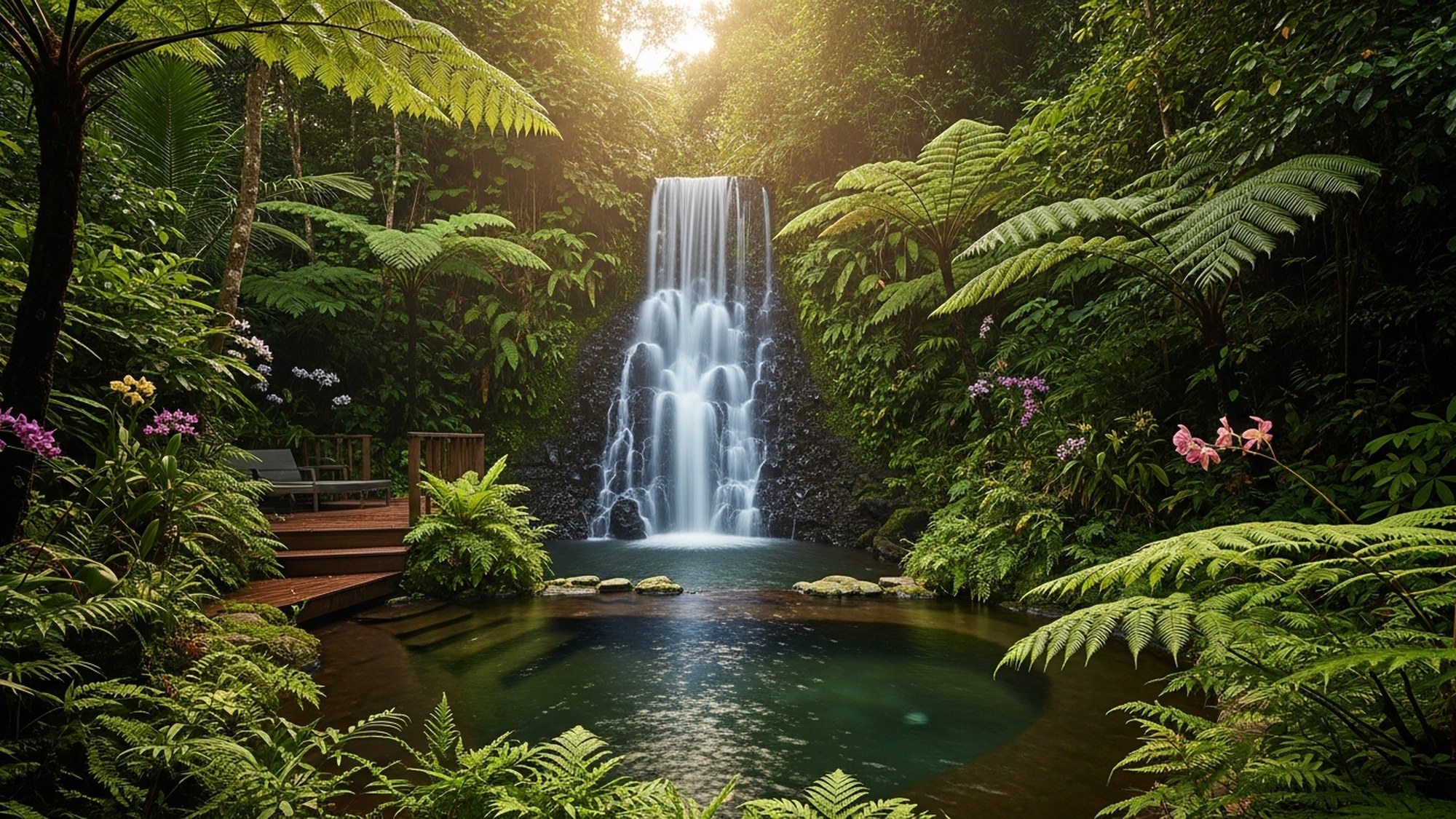
That's the bonus, though, not the point. The real draw is the hills behind town: a granite slide you sit down on, a cold green pool with a rope, a stone-staircase trail to a cascade with a power-plant ruin in the trees, and a valley of distilleries pouring the spirit that made this town's name. Go in the morning, wear shoes with grip, sit down on the slide, watch the water, and you'll have one of the best days the Costa Verde offers. For more on the area, the rest of our guide to Paraty covers the town, the food, and the wider region.
Common questions
Is the Cachoeira do Tobogã waterslide safe to ride?
Yes, with one firm condition: slide sitting down, never standing. The granite is steep and slick and you pick up real speed, so a seated ride is a thrill while a standing attempt is how people break bones. The regulars who surf it upright have years of practice on that exact rock; don't imitate them. Also avoid the slide right after heavy rain, when the flow is dangerously fast and the surrounding rocks are at their most treacherous.
How do I get from Paraty to the waterfalls?
The Tobogã is around 7.5–8 km away in the Penha neighborhood, reachable by local bus, taxi, jeep tour, or bicycle. The Pedra Branca waterfall is on a rough dirt road that wants a 4x4 in the wet, so most people reach it by jeep tour. For the easiest day with no logistics — and the safest in the rainy season — book a guided falls-and-cachaça jeep tour, which bundles everything together. Your host or concierge can arrange one.
How much does it cost to visit the waterfalls?
The Tobogã itself is free to visit; you'd only pay for transport. The Cachoeira da Pedra Branca is on a private farm that charges a modest entrance fee, which is normal here since many natural spots sit on private land. Jeep tours and distillery visits vary — many tastings are free or very cheap. We're deliberately not quoting exact prices, since they change; bring some cash in small notes and confirm current rates locally or through your host.
When is the best time of year to see the falls?
For the most dramatic, full-volume falls, come in the summer wet season (December–February) — but expect heavier rain, muddier roads, higher risk, and possible highway closures. For easier, safer, and arguably more pleasant swimming, come in the drier months (April–October), with the shoulder seasons of April–May and September–October being the sweet spot for good weather and thinner crowds. Whenever you go, go in the morning.
Can I combine the waterfalls with a cachaça tasting?
Absolutely — it's the classic outing. Several working distilleries (Engenho d'Ouro, Pedra Branca, Paratiana among them) sit in the same valley as the falls, and the standard jeep tour stitches the waterslide, the Pedra Branca area, and one or two tastings into a single half-day. A tasting is a short guided walk through the process followed by a few sips of white and aged cachaça. Just pace yourself and let someone else drive the winding roads home.
What should I wear and bring?
Swimwear, a quick-dry towel, and — the one item to get right — footwear with real grip, like water shoes or sturdy sport sandals, because wet granite is slick as ice. Add sunscreen, a hat, insect repellent, a little cash in small notes, and a dry bag if you're bringing a phone. Leave valuables behind; deep pools and slippery rock are no place for them. Pack repellent and check current health guidance before you travel, as this is a tropical region.
More from the Journal
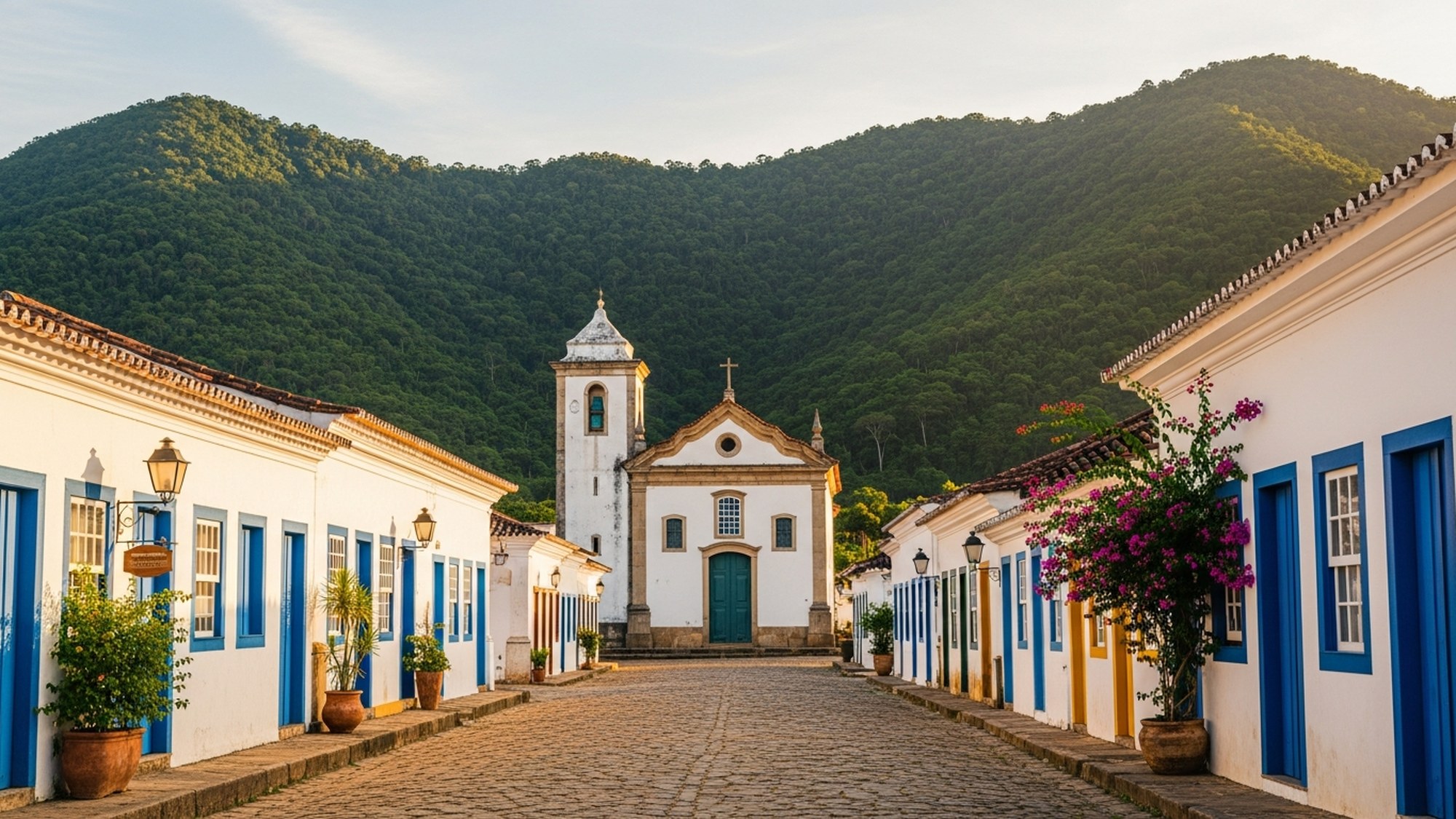
The Complete Guide to Paraty, Brazil
Everything you need for the Costa Verde's most beautiful town: the UNESCO old town, the waterfalls and trails, the islands and beaches, the cachaça, where to eat and stay, when to come — and exactly how to get here.
Hiking & Nature in Paraty: Trails, Parks & the Atlantic Forest
The colonial Gold Trail, the Serra da Bocaina National Park, the wild Juatinga reserve and the climb to the Sugarloaf of the Mamanguá — a complete guide to walking one of the planet's richest forests.
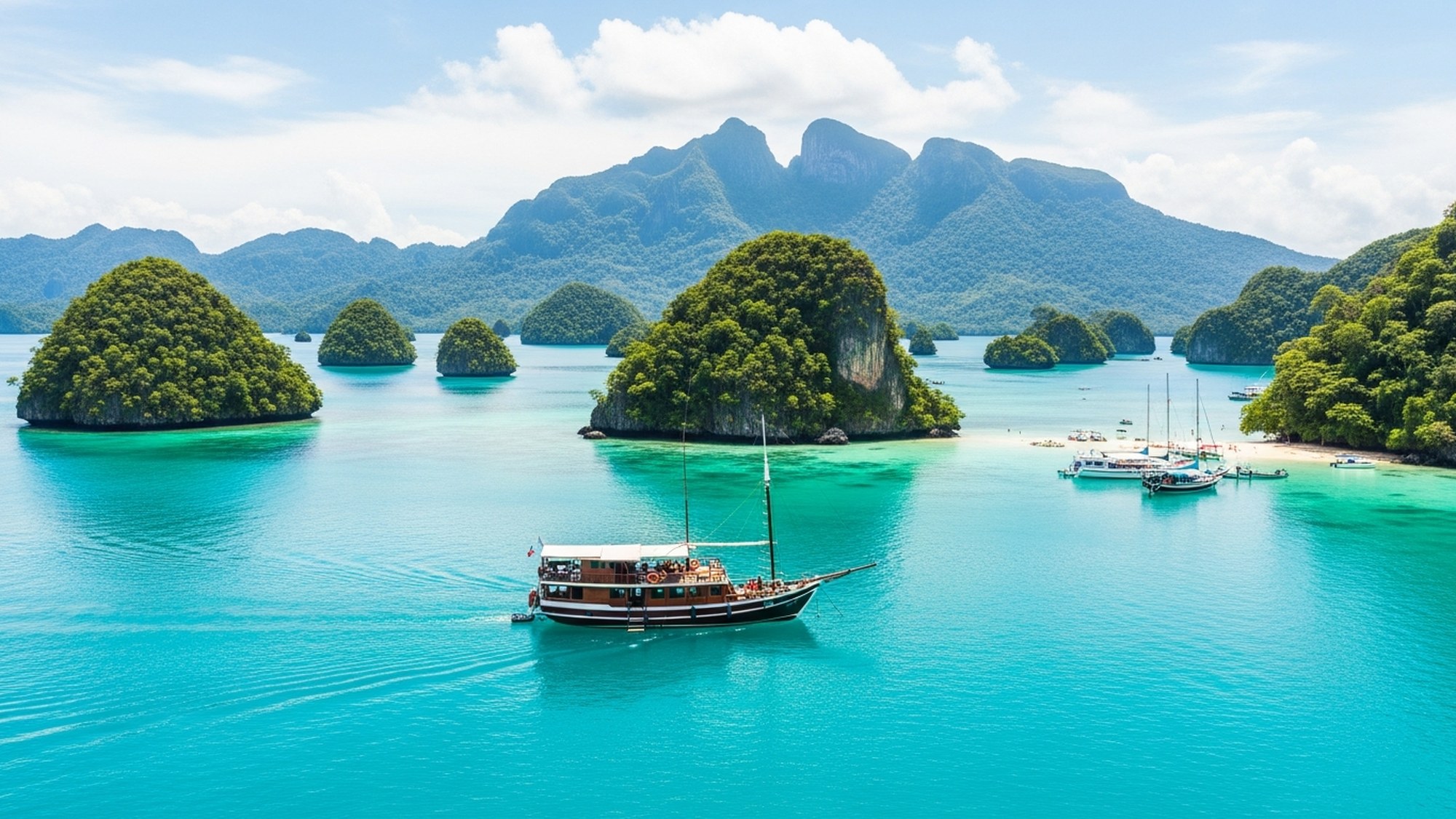
Paraty by Boat: Islands, Beaches & Schooner Tours
Sixty-five islands, three hundred beaches and water the colour of glass. How to choose between the classic schooner and a private speedboat, the beaches worth the trail, and the day trip to Trindade's natural pool.
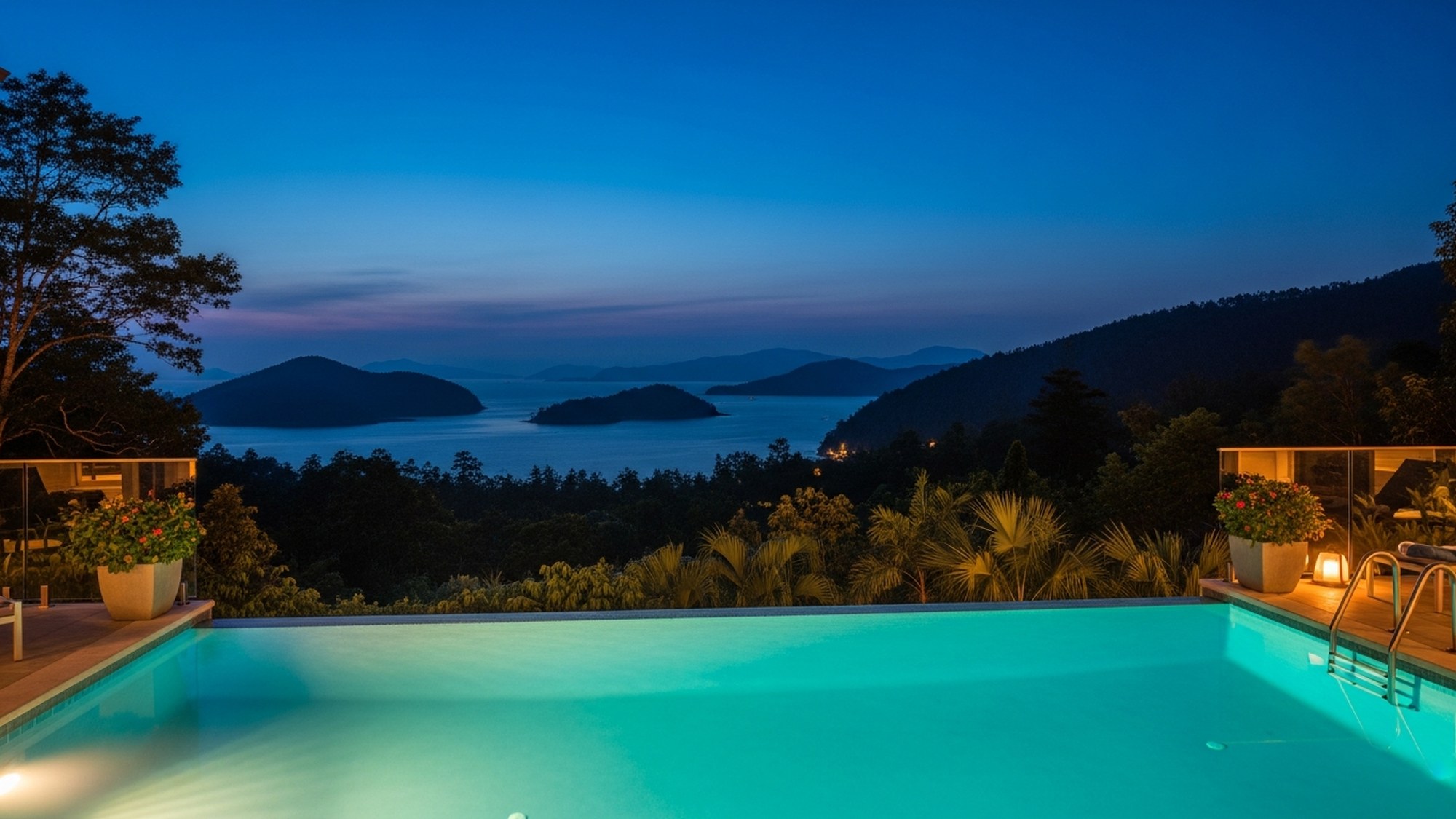
Stay at Amorielli.
A villa with an infinity pool, a private waterfall, and the kind of view people travel a long way to find. Join the waitlist to book the first season.