At a glance
- Base
- Aspen town (walkable, nightlife), Snowmass Village (ski-in/out, family), or towns down the Roaring Fork Valley (value).
- When
- Winter (late Nov-Apr) for skiing, Summer (June-Sept) for hiking/rivers/music. Shoulder seasons for quiet/value.
- Getting there
- Fly into Aspen (ASE), Eagle (EGE, 90 min drive), or Denver (DEN, 4-4.5 hr drive). ASE is least reliable.
- Getting around
- Free RFTA shuttles in Aspen and to Snowmass. Car useful for down-valley stays or trailheads, but parking is limited.
- Book ahead
- Maroon Bells shuttle, peak-week dinners, on-mountain lunches, and holiday-week lodging/passes.
- The price
- Ski-in/out access, holiday weeks, town-center hotels, and peak season drive prices highest.
Aspen is two decisions, not one. The first is where to sleep: the old silver-mining town with its walkable grid and its restaurants, the purpose-built resort village at Snowmass about nine miles away, or one of the cheaper towns down the valley. The second is when to come. Most people picture deep winter and a lift line, but Aspen runs hard all year, and summer here is a different trip built around hiking, rivers, and music.
This guide is for the reader trying to make those two calls. It covers the layout of the valley and the four separate ski mountains, who each base suits, what actually drives the price of a bed, how winter and summer differ, how to get here when the little airport is fogged in, and what to do once you arrive. One thing to say plainly: Aspen is expensive, in any season, and it does not pretend otherwise. The value comes from knowing which trade-offs are worth making.
In this guide
The valley and the four mountains
Aspen the town sits at about 7,900 feet in the Roaring Fork Valley, in the Elk Mountains of western Colorado. It was a silver-mining town in the 1880s, went bust, and was rebuilt in the mid-20th century around skiing and, deliberately, around culture. What you get today is a compact grid of Victorian brick and clapboard, a couple of pedestrian malls, and serious restaurants and shops packed into a few walkable blocks. Aspen Mountain rises straight up from the south edge of downtown; locals call it Ajax, and you ride the Silver Queen Gondola to the top from a block off the main drag.
Here is the thing that trips up first-timers. The ski area, run as Aspen Snowmass, is not one mountain. It is four separate ones, and they are not connected to each other by lifts. A single lift ticket covers all four, and a free shuttle links them, so you pick a mountain each morning and ride the bus to it.
- Aspen Mountain (Ajax) is the in-town mountain, steep and compact, rising right above the shops. There is no true beginner terrain here; every run is rated intermediate or harder. It is for confident skiers who want to ride the gondola from the middle of town.
- Aspen Highlands is the locals' pick, with strong intermediate and expert terrain and, at the top, Highland Bowl, a wide open bowl above the treeline that you reach on foot on a bootpack hike above the lifts. It is also where the summer Maroon Bells shuttle departs.
- Buttermilk is the gentle one, the best place in the valley to learn, with long easy groomers. It is also, improbably, the home of the winter X Games and a set of serious terrain parks, so it is on television more than its mellow reputation suggests.
- Snowmass is the giant, with roughly 3,300 acres and one of the biggest continuous vertical drops in the country. It has terrain for every level, a family-friendly feel, and the only true ski-in, ski-out village of the four at its base.
Snowmass Village, where that fourth mountain is, is its own place about nine miles from Aspen. It is a purpose-built resort village around a base area and a pedestrian plaza, not a historic town, and that difference matters when you choose where to stay. Together the four mountains add up to more than 5,000 acres of terrain, which is why people talk about Aspen as a week's worth of skiing rather than a single hill.
| Mountain | The feel | Level | Ski-in, ski-out | Best for |
|---|---|---|---|---|
| Aspen Mountain (Ajax) | Steep, in-town, iconic | Intermediate to expert; no beginner runs | Only at a few in-town hotels | Strong skiers who want the town at their feet |
| Aspen Highlands | Local favorite, less crowded | Intermediate to expert; big-bowl hiking up top | Limited | Advanced skiers and Highland Bowl |
| Buttermilk | Mellow, friendly, terrain parks | Beginner and lower intermediate | Limited | First-timers, families learning, park riders |
| Snowmass | Vast, self-contained village | All levels | Yes, throughout the base village | Families and groups wanting to ski from the door |
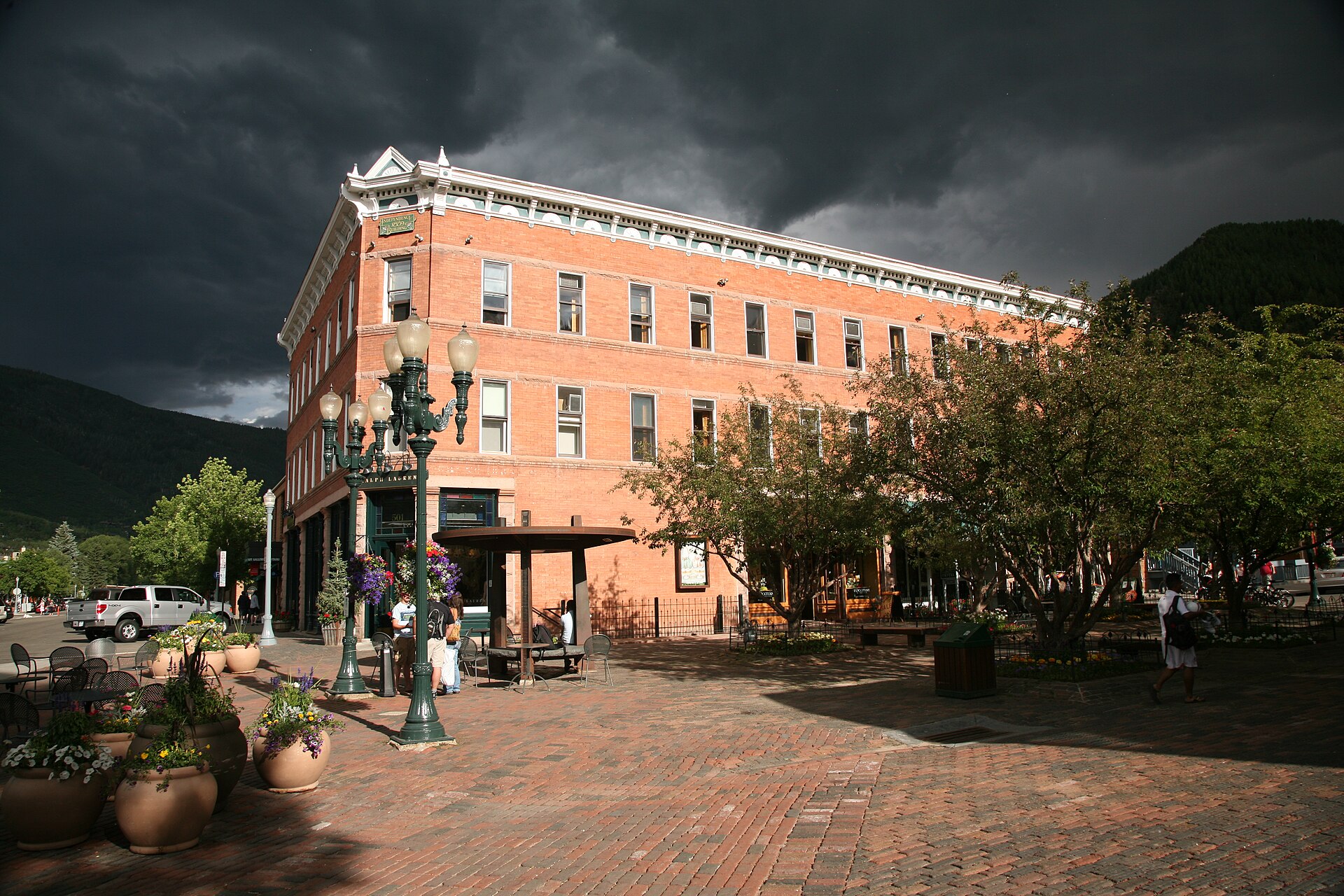
Aspen downtown · Daniel Schwen · CC BY-SA 4.0 · cropped
Where to base, and who it suits
Once you understand the geography, the choice of where to sleep gets simpler. It comes down to three options, and they suit different people.
- Aspen town is for people who want the whole package: dinner within walking distance, shops, galleries, nightlife, and the gondola up Ajax from the center. You do not need a car, and in winter the town itself is much of the point. It is also the most expensive place to stay, and if you want to ski Highlands, Buttermilk, or Snowmass you ride the free shuttle to get there.
- Snowmass Village is for skiers and families who want to step out of the door and onto the snow. It has the ski-in, ski-out lodging, more condos and space for the money, and a quieter evening. The trade-off is that it is a resort base, not a town, so for a night out in Aspen you take the roughly thirty-minute bus back and forth.
- Down the valley is the value play. The towns strung along the Roaring Fork below Aspen, including Woody Creek, Basalt, Carbondale, and further down Glenwood Springs, have real main streets and much cheaper beds. You give up walking to the lifts and commit to a drive or the regional bus, but for longer stays and for summer it can cut the cost of a trip sharply.
The Aspen core buys you a walkable town and no need for a car. Snowmass buys you ski-in, ski-out and room for a family. Down the valley buys you the same four mountains at a real discount, as long as you are willing to ride the bus.
Where to sleep, and what drives the price
Within each area, a few things move the price more than anything else. Knowing them helps you spend where it counts.
- Ski-in, ski-out access is the single biggest premium. In Snowmass it is common and comes at a range of prices; in Aspen town it is rare and costly, since only a handful of lodges sit right at the gondola or the base of Ajax. If you will ski every day and hate carrying boots, it can be worth it. If you will ski half the days, the free shuttle makes a cheaper, farther room perfectly workable.
- Hotel versus condo versus house. A town-center hotel puts you in the middle of everything and charges for it by the square foot. A condo, common in Snowmass and down-valley, gives you a kitchen and room to spread out, which suits families and longer stays. A private house is the move for a group that wants to split a big number and cook.
- The week you pick. Holiday weeks, Christmas through New Year, the Martin Luther King weekend, and the Presidents' Day stretch in February, carry the steepest rates and often multi-night minimums. Move a week or two off those and the same room can drop a lot.
Specific hotel names and rates change from year to year, so it is worth checking current listings rather than trusting an old recommendation. What does not change is the pattern: town-center and ski-in beds cost the most, condos and down-valley stays cost less, and shoulder-season dates cost least of all.
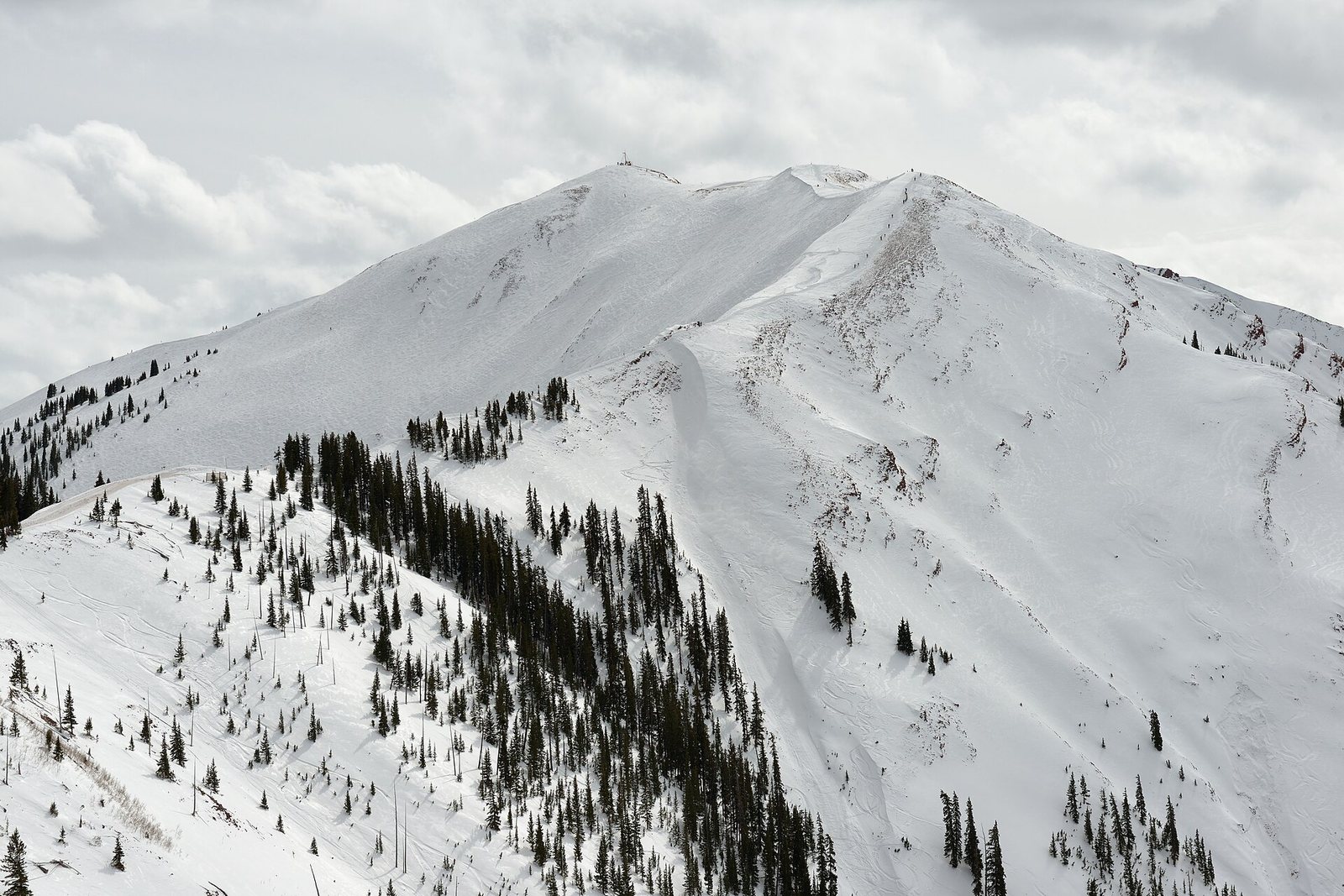
Aspen Highlands bowl from Loge Peak · Wolfgang Moroder · CC BY-SA 3.0 · cropped
Winter or summer
Aspen is genuinely a two-season resort, and the two seasons are almost different towns.
Winter runs roughly from late November into April. This is the postcard: four mountains of snow, the town lit up and full, and the highest prices of the year. Late January usually brings the X Games to Buttermilk, and the holiday weeks are as busy and expensive as skiing in North America gets. If you are coming to ski, aim for January through March for the most reliable snow, and book the marquee weeks far ahead or avoid them on purpose.
Summer, roughly June through September, is the trip most people do not know about. The mountains turn green, the air up high stays cool, and the days fill with hiking, river rafting, road and mountain biking, and a strong calendar of festivals. The Aspen Music Festival and School runs for around eight weeks across July and August, with many low-cost and lawn seats; the Food and Wine Classic lands in June; and the Aspen Institute's Ideas Festival draws speakers in early summer. Verify exact dates before you plan around one, because they shift year to year. Summer is busy in its own right, but it rarely feels like a holiday-week lift line.
The shoulders are worth knowing too. April and May are the local off-season, sometimes called mud season, when many businesses close and the town is quiet and cheap. Late September into early October is the opposite kind of quiet: the aspen groves turn gold, the light is clean, and the crowds have thinned, which is why the autumn shot of the Maroon Bells is the one you have probably seen.
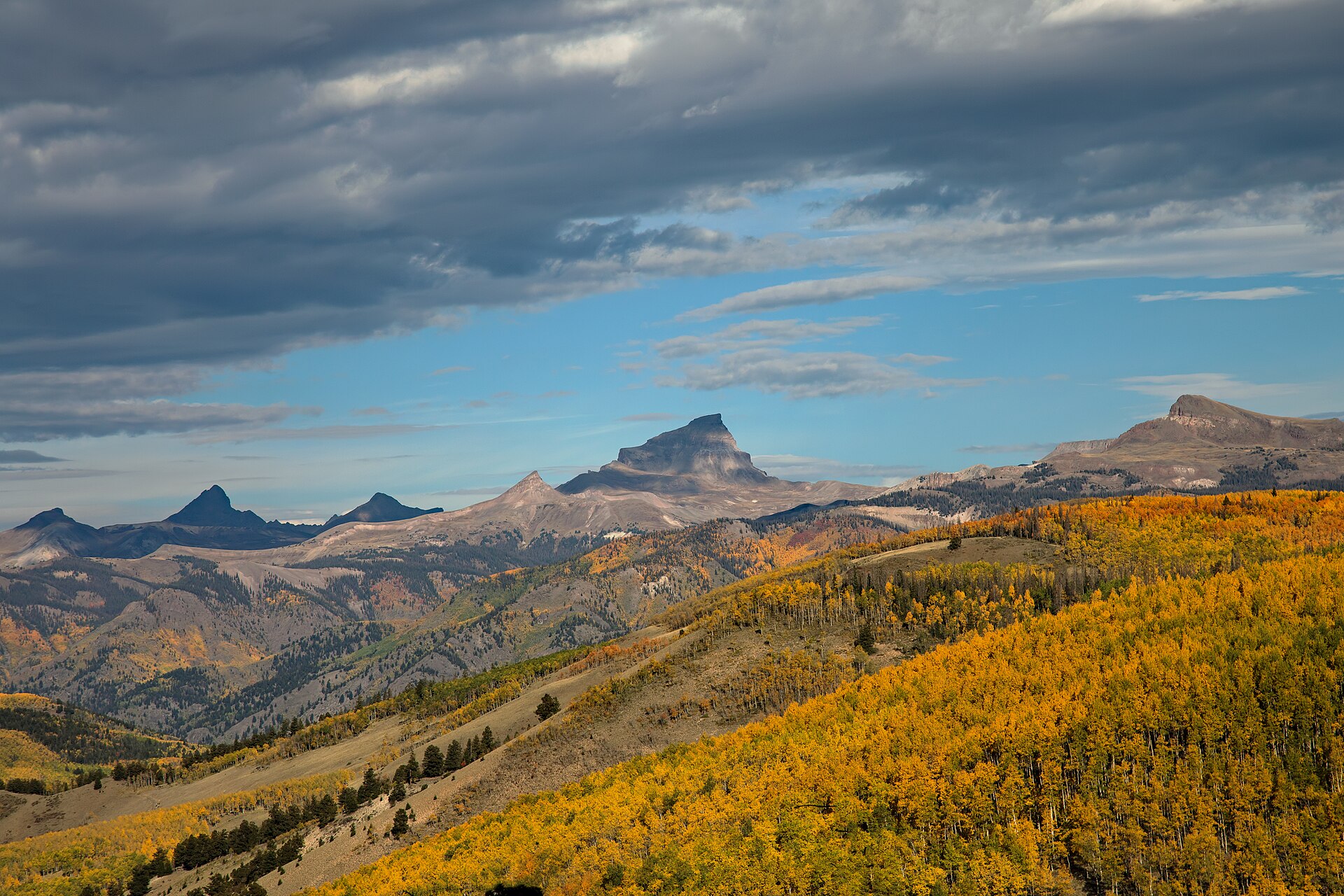
Aspen Gold · Robert M. Russell · CC BY-SA 4.0 · cropped
Getting there, and getting around
Three airports serve Aspen, and the closest is the least reliable.
- Aspen/Pitkin County Airport (ASE), also called Sardy Field, sits about three miles from downtown, which is as convenient as it gets. The catch is the weather: it is a small airport high in a tight valley, and snow, wind, or low cloud can delay, divert, or cancel flights, especially in winter. Fly here, but keep a backup plan.
- Eagle County Regional Airport (EGE), near Gypsum, is about 65 miles and a ninety-minute drive away. It tends to have better weather and fewer cancellations, which makes it a common winter choice despite the longer transfer.
- Denver International (DEN) is the big one, with the most flights, about 200 miles east. Plan on four to four and a half hours of driving in good conditions, and more, sometimes much more, in a winter storm over the mountain passes.
One detail about the drive from Denver: you go west on Interstate 70 through Glenwood Canyon and then up Highway 82 along the Roaring Fork. The direct route east over Independence Pass is spectacular and much shorter, but it closes for the winter, usually from around late fall to late spring, so for roughly half the year there is no shortcut. Check the pass status before you count on it.
Once you are here, you may not need a car at all. The Roaring Fork Transportation Authority, known as RFTA, runs free shuttles around Aspen and free buses between Aspen and Snowmass, with the downtown hub at Rubey Park on Durant Street. If you are staying in the Aspen core or the Snowmass base, that free service plus your own two feet covers most days. A car helps if you are down-valley, if you want to reach trailheads, or for a Maroon Bells visit outside shuttle hours, but parking in the town core is limited and metered, and the longer regional buses down the valley do charge a fare.
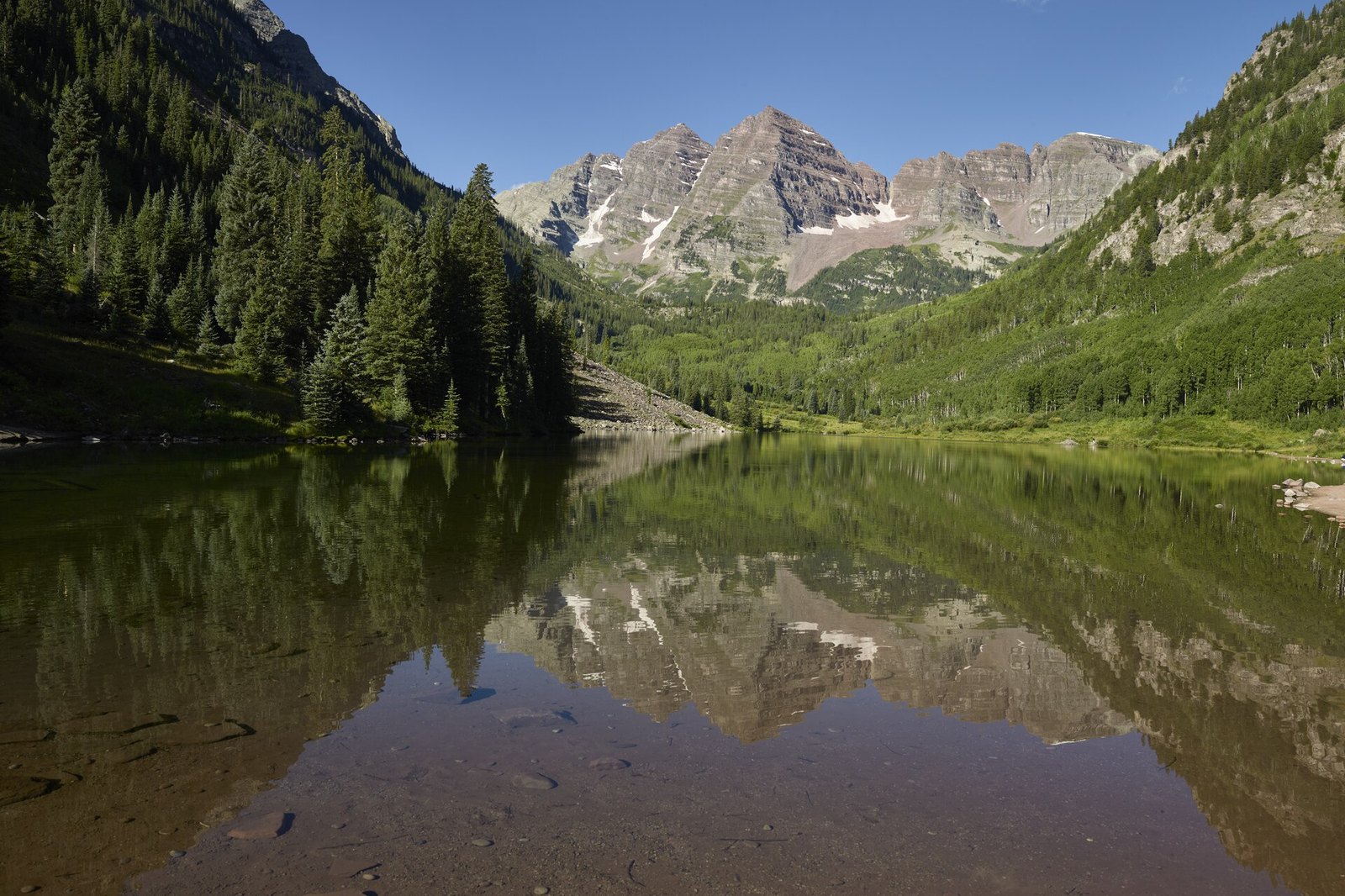
Skiing, the Bells, and summer
In winter, the job is to match the mountain to your level and ride the shuttle between them. Beginners and families learning start at Buttermilk. Everyone finds something at Snowmass. Strong skiers gravitate to Ajax and to Highlands, where the hike up Highland Bowl is a rite of passage. A long lunch on the mountain is part of the ritual here; the best known is Cloud Nine Alpine Bistro at Highlands, which is as much a party as a meal and needs a reservation well ahead.
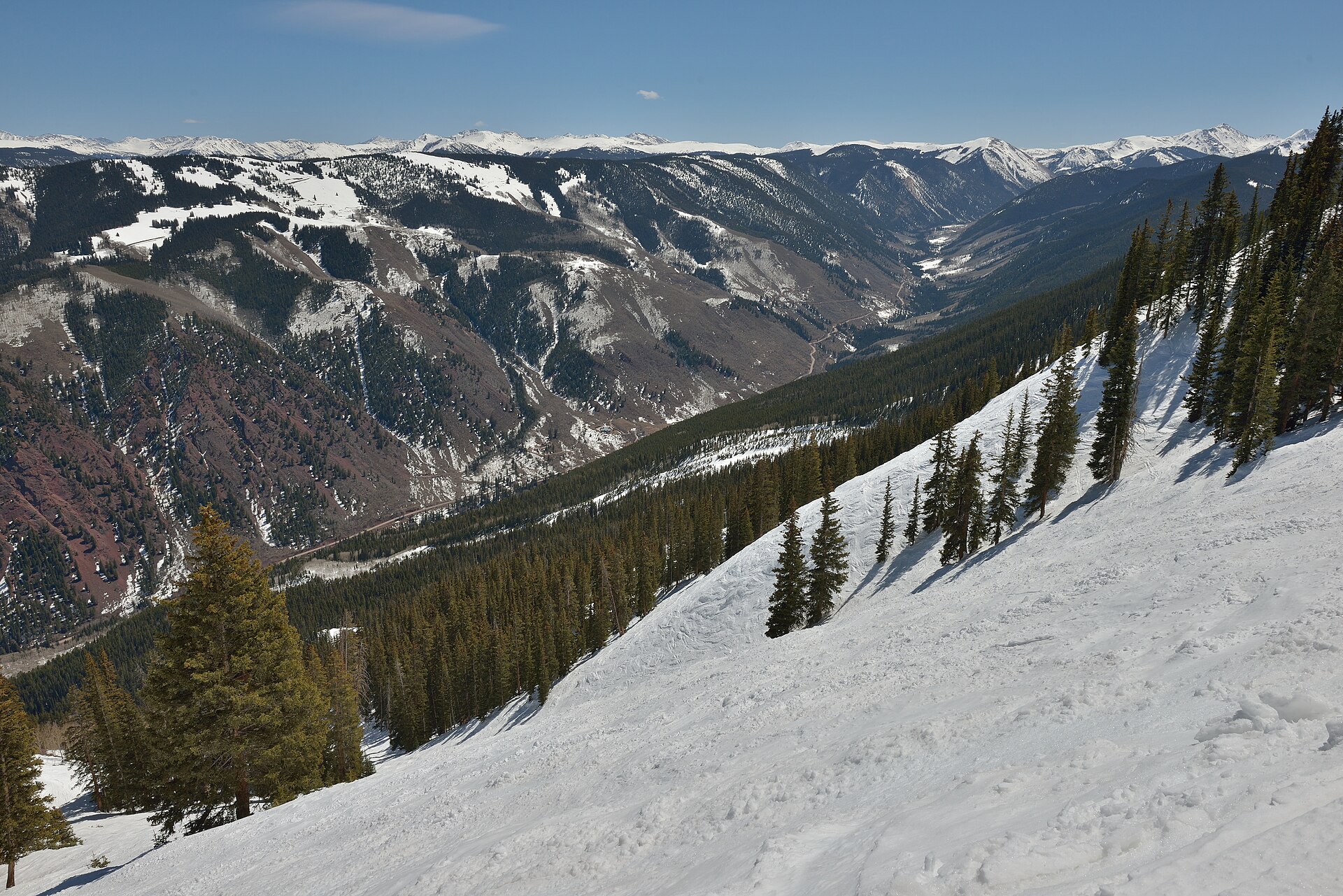
Aspen Highlands spring skiing on Steeplechase · Wolfgang Moroder · CC BY-SA 3.0 · cropped
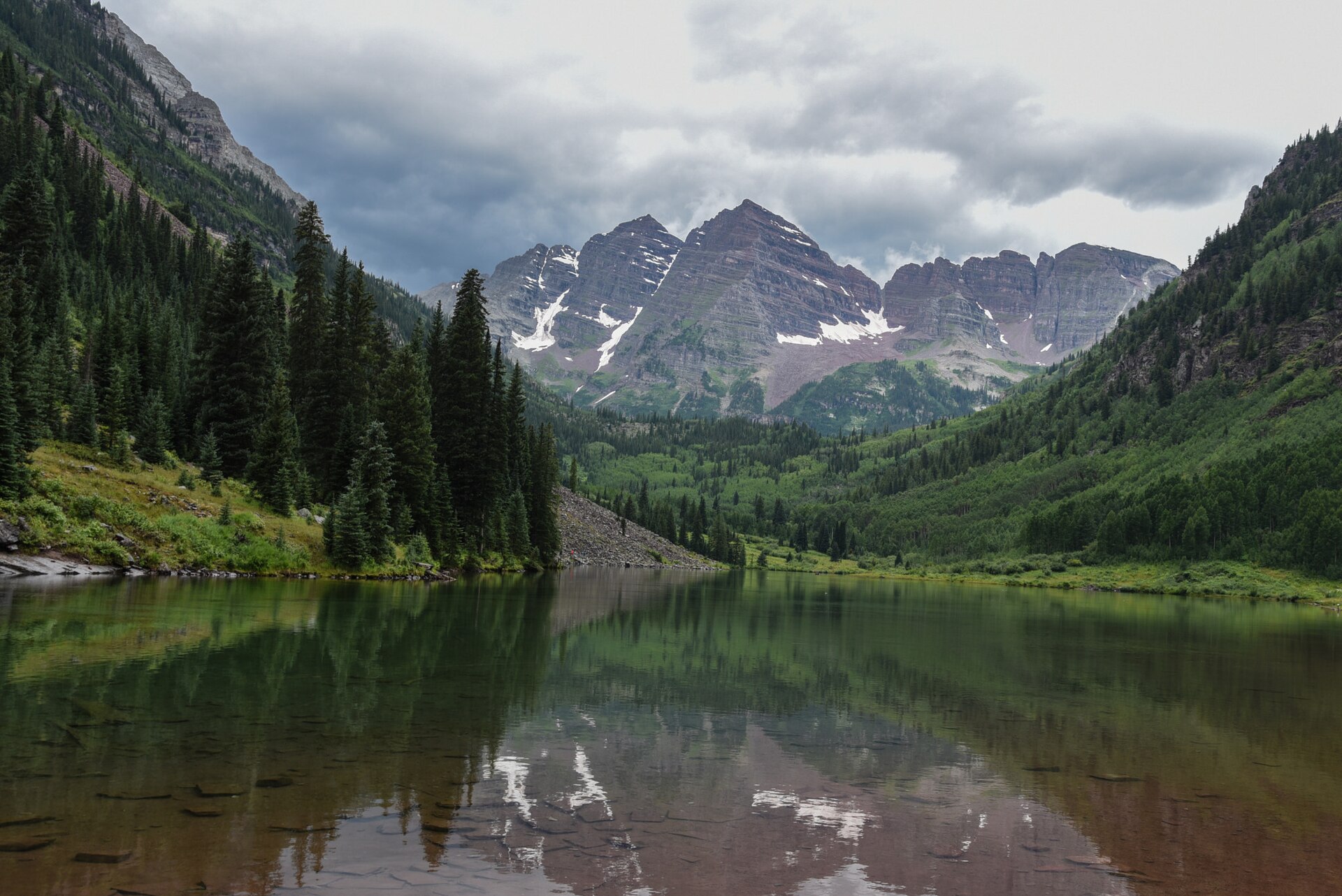
The other thing everyone wants to see is the Maroon Bells, two deep-red peaks that stand above Maroon Lake about ten miles from town, and among the most photographed mountains in North America. Seeing them takes a little planning, because the road is managed to keep the crowds down. In the summer and early-fall season, roughly late May through mid-October, Maroon Creek Road is closed to inbound private cars during the day, so most visitors reserve a seat on the shuttle that runs from the Maroon Bells Welcome Center at Aspen Highlands. You can instead get a private-vehicle parking permit, but only to arrive before the morning closure or after it lifts in the late afternoon. Reservations open months ahead, in late winter, and popular mornings sell out.
In summer the same landscape opens up for walking. Trails leave right from the Bells and from up the Castle Creek and Maroon Creek valleys, the paved Rio Grande Trail follows the river down-valley for easy riding, and outfitters run rafting on the Roaring Fork and nearby rivers. Snowmass turns its slopes into a lift-served bike park and a web of hiking trails. Add the festivals, and a summer day here can be a dawn hike, an afternoon on the water, and a concert under the tent at night.
Where to eat
Aspen eats well, and it eats expensively, but the range is wider than the reputation suggests. A few places have become institutions worth knowing by name.
- The White House Tavern, in a small converted house in town, does well-made American plates and sandwiches in a room that fills up fast; it is the reliable, not-quite-casual lunch and dinner.
- Woody Creek Tavern, about eight miles down-valley in Woody Creek, is the unpretentious counterweight to town: a roadhouse with walls covered in clippings, long tied to the writer Hunter S. Thompson, who lived nearby. Go for the drive and the atmosphere.
- Pine Creek Cookhouse sits up the Castle Creek valley near the old ghost town of Ashcroft, serving alpine mountain cooking. In winter you reach it on cross-country skis or by horse-drawn sleigh, which makes the meal an outing in itself.
Beyond those, the town core is thick with hotel dining rooms, sushi, steak, and high-end tables that turn over fast in peak weeks, so reserve ahead. If you are watching the bill, the down-valley towns of Basalt, Carbondale, and Glenwood Springs are where locals go for a good meal at a saner price.
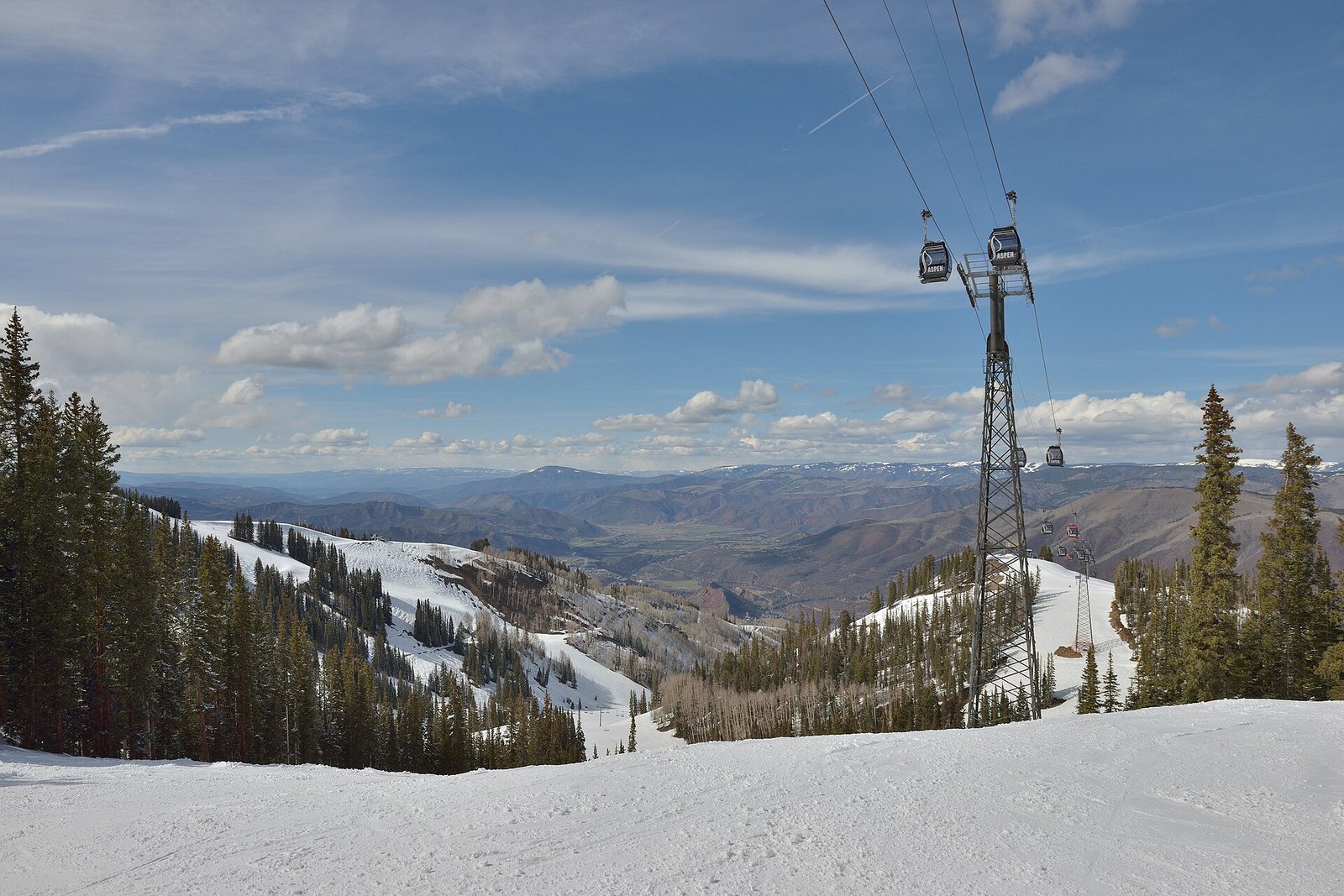
Aspen Mountain Silver Queen Gondola over Silver dip run · Wolfgang Moroder · CC BY-SA 3.0 · cropped
Altitude, money, and practical notes
Good to know
Aspen sits near 7,900 feet, and the mountaintops climb well past 11,000. That is high enough that many visitors feel the altitude for a day or two: headache, poor sleep, shortness of breath, and alcohol that hits harder than usual. The fixes are simple and worth taking seriously. Drink far more water than feels necessary, go easy on alcohol and hard exertion the first day, and if you can, spend a night at a lower elevation on the way in. Symptoms that get worse rather than better are a reason to descend and see a doctor, not to push through.
- Budget honestly. Lodging, lift tickets, and restaurants all run high, and holiday weeks run highest. Buying lift tickets or a season pass in advance is cheaper than the window; some multi-resort passes include Aspen Snowmass with blackout dates, so check the fine print for your dates.
- Book the set-piece days ahead. Maroon Bells shuttle seats, peak-week dinners, and popular on-mountain lunches all sell out. Reserve them before you arrive, not when you get there.
- Pack for range. Winter is cold and bright, so bring layers and strong sun protection; the high-altitude sun burns fast. Summer afternoons bring quick mountain thunderstorms, so hike early and get off exposed ridges by midday.
- Watch the roads in winter. Mountain passes and the interstate can close in storms. Give yourself a buffer on travel days, especially if you are connecting through Denver or Eagle.
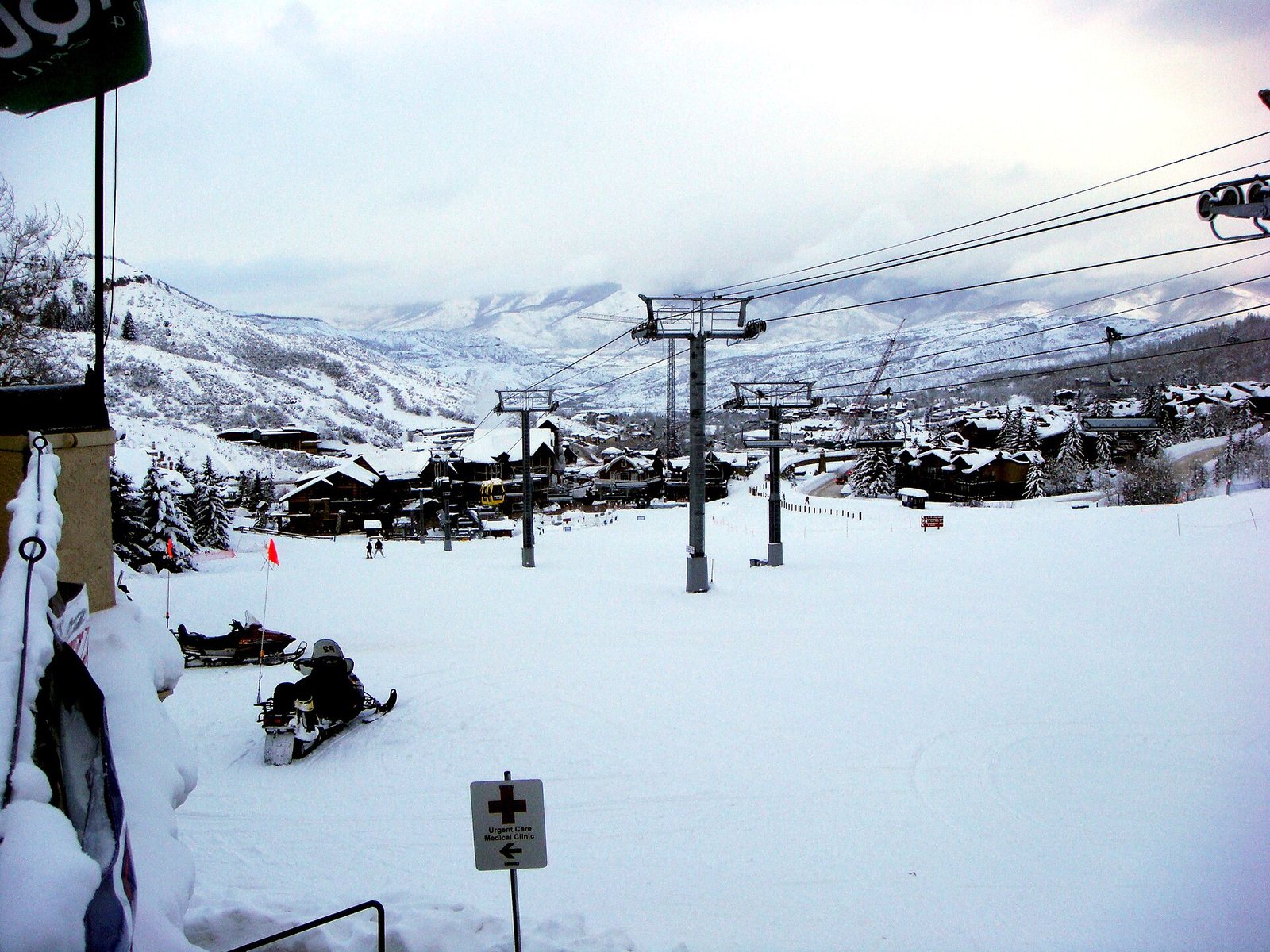
Snowmass Village · Werdna · CC BY-SA 4.0 · cropped
By the numbers
Common questions
Should I stay in Aspen or Snowmass?
Stay in Aspen if you want a walkable town, restaurants, and nightlife, and you do not mind riding a shuttle to three of the four mountains. Stay in Snowmass if you want to ski in and out, you are traveling with a family, or you want more space for the money and a quieter night. They share lift tickets and a free bus, so you are never cut off from the other one.
Do I need a car?
If you stay in the Aspen core or the Snowmass base, usually no. Free RFTA shuttles cover the town and the Aspen-to-Snowmass run, and the town is walkable. A car earns its keep if you stay down-valley, want to chase trailheads, or plan a Maroon Bells visit outside shuttle hours, but parking in town is limited and metered.
Is Aspen worth it in summer, or only for skiing?
Summer is a full season in its own right, and often a better value than winter. You get hiking, rafting, biking, cool high-altitude air, and a heavy festival calendar including the music festival in July and August and the Food and Wine Classic in June. If you do not ski, summer may be the better trip.
How do I actually see the Maroon Bells?
In the roughly late-May-to-mid-October season, private cars are kept off Maroon Creek Road during the day, so most people reserve a shuttle from the Maroon Bells Welcome Center at Aspen Highlands. You can instead reserve a parking permit to drive up before the morning closure or after it lifts. Book ahead through the official reservation site, since prime mornings sell out.
Which airport should I fly into?
Aspen's own airport (ASE) is three miles from town and the most convenient, but its weather makes winter flights prone to delay and cancellation, so have a backup. Eagle (EGE) is about ninety minutes away with more reliable weather. Denver (DEN) has the most flights but is a four-hour-plus drive that can grow in a storm. Many winter travelers choose Eagle or Denver for the reliability.
Sources & further reading
- Aspen Chamber Resort Association (official visitor information)
- Aspen Snowmass: the four mountains
- Visit Maroon Bells: shuttle and parking reservations
- White River National Forest (USDA Forest Service)
- Roaring Fork Transportation Authority (RFTA) bus routes
- Aspen/Pitkin County Airport (ASE)
- Aspen Music Festival and School
- FOOD & WINE Classic in Aspen