A plainspoken guide to choosing where to stay in Tulum: the off-grid beach road, the practical town of Tulum Pueblo, or newer neighborhoods like Aldea Zama, plus when to go, the sargassum question, the airports, cenotes, and the ruins.
Tulum is really three or four places wearing one name. The pictures that sell it, turquoise water, a thatched cabana in the palms, a gray Maya temple standing on a cliff over the sea, nearly all come from one narrow strip: a two-lane beach road hidden behind the dunes. But most of Tulum's rooms, restaurants, banks, taco stands, and ordinary daily life sit a couple of miles inland, in a flat, unglamorous town on the highway. In between, a handful of newer neighborhoods have filled in the jungle over the last decade. Where you choose to sleep decides which of these Tulums you actually wake up in.
That is the decision this guide is built around: the beach road versus the town, called Tulum Pueblo, versus the newer residential areas like Aldea Zama, La Veleta, and Region 15. Get it right and the place delivers. Get it wrong and you spend the week paying taxi fares that rival your dinner bill, shuttling between the bed you booked and the Tulum you imagined. We will cover what drives the price of a room, when to come and the seaweed that can wash up in summer, how to arrive now that Tulum has its own airport, the cenotes and the ruins, where to eat well, and the practical business of cash, taxis, and safety.
In this guide
How Tulum is laid out
Understanding the map is most of the battle. Tulum splits into two very different halves joined by one road, with the newer neighborhoods slotted in between.
- Tulum Pueblo (also called Centro, or downtown) is the actual town, strung along Highway 307, the road that runs the length of the Riviera Maya. This is where people live and work: the main drag, Avenida Tulum, has the banks and ATMs, groceries, pharmacies, the bus station, and the best cheap food. It sits roughly two to three miles from the water, flat and walkable and not much to look at, and it is, by a wide margin, the affordable Tulum.
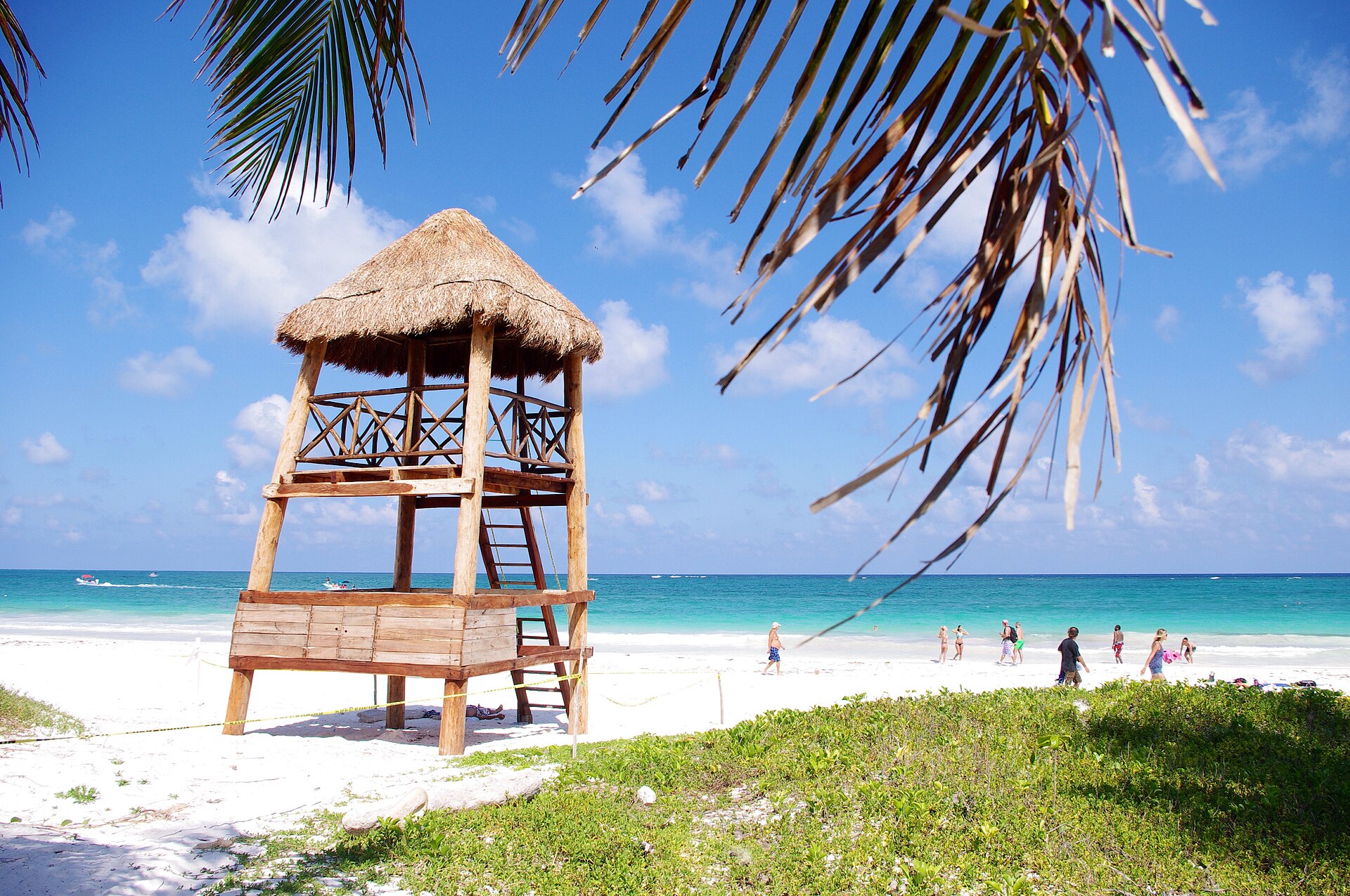
- The beach road (the Zona Hotelera, or hotel zone) is the Tulum of the photographs: a narrow two-lane road running behind the dunes for around ten kilometers, lined with cabana hotels, beach clubs, boutiques, and open-air restaurants set back into the jungle. It is beautiful and a genuine bottleneck: no proper sidewalks, frequent congestion, and no connection to the municipal power grid. The Tulum ruins sit at its northern end; the Sian Ka'an biosphere reserve closes it off at the south.
- Aldea Zama is a planned development of condos and villas about halfway between town and beach, with paved streets, sidewalks, and a polished, master-planned feel. It is calm and comfortable, still filling in, so parts can feel quiet at night.
- La Veleta and Region 15 are jungle neighborhoods southwest of downtown and toward the beach, full of rental villas and condos going up among the trees. Prices run below the beach road, the roads are rougher, and you get more space and quiet for the money.
Two things follow. First, almost nothing on the beach road is within walking distance of town, so wherever you base yourself, plan how you will cross that gap every day. Second, the beach zone's off-grid setup shapes everything there, from air conditioning to Wi-Fi, which is worth understanding before you book.
Where to base, and who each suits
There is no single right answer, only a fit for how you want to spend the days.
- The beach road suits people who want to wake up steps from the sand, spend long days at a beach club, and do not mind paying a premium or being cut off from town. It is the honeymoon-and-photos Tulum. The trade-offs are real: it is expensive, the power and Wi-Fi can be temperamental, a run into town is a project, and sargassum seaweed lands here first.
- Tulum Pueblo suits budget travelers, longer stays, remote workers, and anyone who would rather eat great tacos and feel a real town than sit behind a resort wall. You get grid power, cheaper rooms, and the best food value in Tulum, but not the beach out your door; you bike or taxi to it.
- Aldea Zama is the middle path: nicer and calmer than downtown, cheaper and more practical than the beach, with condo pools and a safe, walkable feel. It works well for families and remote workers who want a kitchen and reliable power and do not mind a short ride to the sand.
- La Veleta and Region 15 suit groups and longer stays renting a villa or condo with a private pool, who want jungle quiet and more room than the beach budget allows, and are happy to drive or bike for everything.
| Zone | Feels like | Price (indicative) | Car or bike? | Best for |
|---|---|---|---|---|
| Beach road (Zona Hotelera) | Cabanas and beach clubs in the dunes | Highest | Not essential day to day, but taxis to town are pricey | Beach days, honeymoons, short splurges |
| Tulum Pueblo (town) | Ordinary working town on the highway | Lowest | Yes, to reach the beach | Budget, long stays, food, remote work |
| Aldea Zama | Quiet, paved, master-planned | Middle | Helpful; short ride to the beach | Families, remote workers, comfort |
The beach photos and the daily logistics are two different Tulums. The strip that fills your feed is a narrow, off-grid road where reliable Wi-Fi and all-night air conditioning are things you confirm in advance, not things you assume, and a round-trip taxi into town can cost more than a good dinner. Book the beach for what it is.
Where to sleep, and what drives the price
On the beach road, most hotels are small, design-forward cabana places, and they charge accordingly. Part of what you pay for is location and scarcity, and part is the off-grid overhead. The beach zone is not on the municipal power grid, so hotels make their own electricity from generators, solar, wind, and batteries. Ask about the practical fallout before booking: air conditioning often runs only at night, commonly early evening to mid-morning; some rooms have fans only; and hot water, outlets, and Wi-Fi can be limited or patchy. It is a poor match for anyone who needs to work online or sleep in deep cold.
Inland, the picture flips. Hotels and hostels in Tulum Pueblo run on grid power, so full-time air conditioning and dependable Wi-Fi are normal, pools are common, and prices are a fraction of the beach. In the newer neighborhoods, the value play is a condo or villa: a private pool, a kitchen, real air conditioning, and space for a group, often for less per person than a single beach cabana. The catch is the same as always: you need wheels to reach the water.
Prices across Tulum have climbed sharply in recent years, so treat any figure as indicative and check current rates for your dates. As a rough guide, beach-road rooms often run into the several-hundred-dollars-a-night range in high season, town is dramatically less, and villas vary with size and location. Rates soften in the rainy summer and spike around Christmas, New Year, and Easter.
When to go, weather, and sargassum
The dry season, roughly December through April, is the best weather and the reason most people come then: warm, sunny days in the 80s Fahrenheit (upper 20s Celsius), cool evenings, low humidity, little rain. It is also the busiest and priciest stretch, with Christmas, New Year, and Easter the peak. The rainy season, about May through October, brings heat, humidity, and short heavy downpours that usually pass, along with lower prices. Hurricane season formally runs June through November, with the highest odds of a storm in September and October.
The bigger seasonal question is sargassum, the brown seaweed that drifts across the Atlantic and washes onto Caribbean-facing beaches. Tulum's coast is open, with no offshore reef to block it, so it gets hit early and hard. The season runs roughly spring into fall, often worst around June, July, and August, and recent years have brought heavy arrivals. When it lands, it piles up and smells as it decomposes, and hotels rake it off as fast as they can. It is unpredictable week to week, driven by wind and current, so in the warmer months check a current-conditions tracker or satellite outlook close to your trip rather than trusting last month's photos. The clearest water and sand are most reliable from around November through February.
If your priority is a clean, picture-perfect beach, aim for the dry, low-sargassum window from late November into April and accept the crowds and prices. If you care more about value and can live with an occasional rainy afternoon or a patch of seaweed, the shoulder months can be a good deal.
Getting there and getting around
Tulum now has two airports to weigh. The newer one, Felipe Carrillo Puerto International Airport (code TQO), opened in December 2023 about 20 kilometers (roughly 12 miles) southwest of town, a 30-to-40-minute drive to most hotels. It has a growing list of domestic and international flights, though still fewer routes than the big hub up the coast, and fares can run higher, so compare first. That hub is Cancun International Airport (code CUN), about 125 kilometers (roughly 78 miles) north, with the most flights and often the cheapest fares; the drive south to Tulum on Highway 307 takes about an hour and a half to two hours.
From either airport, your options are a private transfer arranged ahead, a rental car, a shared shuttle, or the ADO bus, an inexpensive intercity line running from Cancun's airport down to Tulum. There is also the new Maya Train (Tren Maya), with a station near the new airport; it is still maturing, so check current schedules.
Once you are here, the daily reality is that town-to-beach gap, and how you cross it matters more than any other logistics question.
- Taxis are expensive. They are unmetered, run by a strong local union, and ride-hailing apps have never operated freely here, so there is little competition on price. Agree the fare in pesos before you get in. A one-way trip between town and the beach can run something like 400 to 700 pesos (very roughly 20 to 40 US dollars), and round trips add up fast, an argument against a town base if you will be on the beach daily.
- Colectivos are shared white vans that run along Highway 307, the cheap local option at a few tens of pesos. They are great for hopping up the coast to cenotes on the highway, Akumal, or Playa del Carmen, but they serve the highway, not the beach road.
- Bikes are the classic Tulum move. Many hotels rent them for something like 150 pesos a day, and the ride between town and the beach takes about 15 to 25 minutes on flat ground. Just know the beach road is narrow, poorly lit after dark, and brutally hot at midday, so bikes are a daytime tool.
- A rental car earns its keep if you plan to chase cenotes, ruins, and day trips from an inland base. Parking on the beach road is tight and sometimes paid, and watch for topes, the aggressive speed bumps that appear without warning.
The cenotes and the ruins
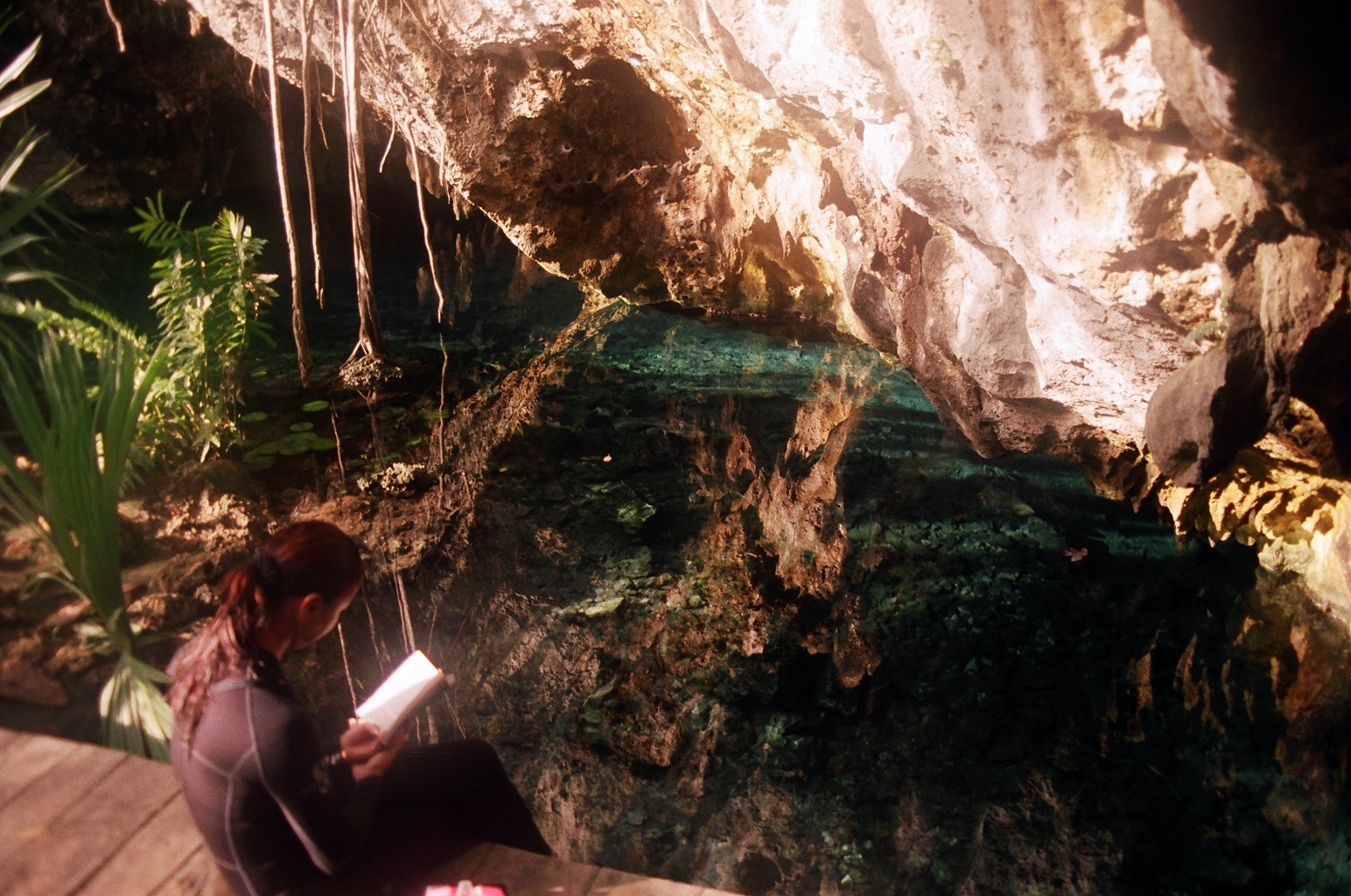
Two things pull most people off the beach, and both are worth it. The first is the cenotes: natural sinkholes where the Yucatan's limestone has collapsed to reveal the cool, clear freshwater flowing underground. There are thousands across the peninsula, the Maya considered them sacred, and a handful near Tulum are easy half-day trips for swimming, snorkeling, or diving.
- Gran Cenote, a few kilometers out of town toward Coba, is a popular semi-open cenote good for snorkeling among small fish and turtles. It gets busy, so go early.
- Cenote Calavera, nicknamed the skull cenote for the holes in its roof, sits just minutes from downtown near the ruins and is a smaller, jump-in kind of spot.
- Dos Ojos, about twenty minutes north toward Playa del Carmen, is part of one of the longest underwater cave systems in the world and is a favorite for snorkeling and cave diving.
A few habits make cenote trips smoother: arrive early to beat the crowds and heat, bring cash for the entrance fees, and skip sunscreen or use only a rinse-off, reef-safe kind, since most cenotes ban regular lotions to protect the water. Water shoes help, and facilities range from full setups to almost nothing.
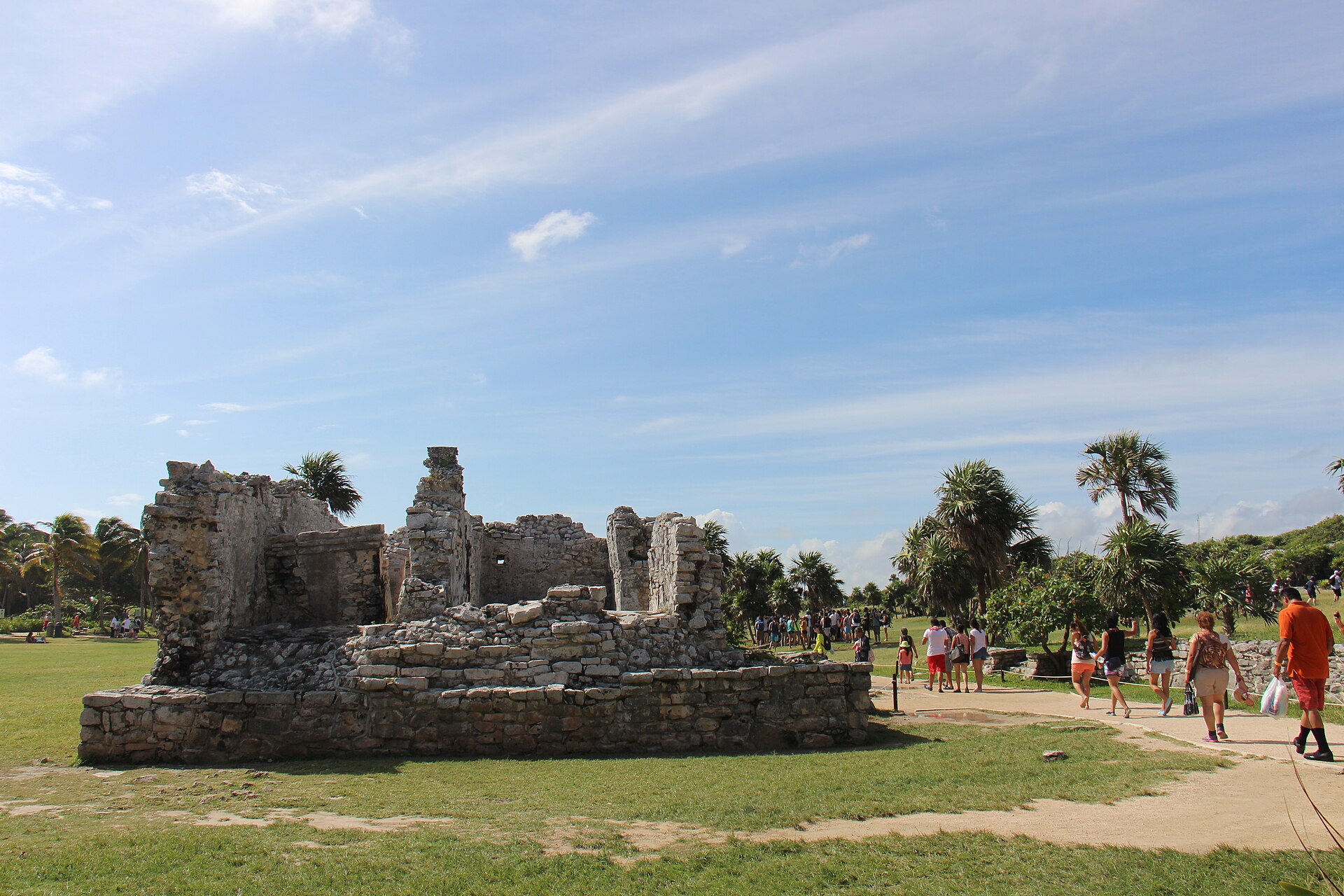
The other draw is the Tulum Archaeological Zone, the walled Maya city that gives the town its name and its most famous image. It was a trading port occupied late in Maya history, from around 1250 into the 1500s, and its setting is the point: gray stone temples on a low cliff above the turquoise Caribbean, among them the cliff-top El Castillo and the Temple of the Frescoes. Access changed recently: you now enter through the new Parque del Jaguar (Jaguar National Park), and admission involves a few separate fees, one for the site and others for the surrounding park. Go at opening, around 8 or 9 in the morning, to beat the heat and the tour buses, and bring water, a hat, and cash. Shade is scarce and iguanas are everywhere.
If you want more ruins, Coba is an inland Maya site under jungle about 45 minutes away, and Chichen Itza is a longer day trip. South of the beach road, the Sian Ka'an biosphere reserve protects lagoons, mangroves, and wildlife, reachable on a guided tour.
Where to eat and drink
Food in Tulum comes down to the same town-versus-beach split, and the price gap is wider than the quality gap. The beach road has built a name for design-heavy, open-fire cooking in jungle settings, with menus often priced in dollars and the well-known tables booked out days ahead. The best of it is genuinely good; a lot of it is you paying for the setting.
The emblem of the beach-zone scene is Hartwood, an off-grid restaurant that cooks over a wood fire on a daily-changing menu and takes reservations well in advance. Others in a similar vein, like Arca, work the same open-flame, local-ingredient territory. This scene turns over quickly, so check what is actually open and booking when you go.
For everyday eating, town is where your money goes further and often where the food is better. Tulum Pueblo is full of taquerias and seafood spots serving al pastor, cochinita pibil, slow-cooked suadero, and fresh ceviche for a fraction of beach prices. Local taco favorites such as Taqueria Honorio and El Asadero are the kind of places residents actually eat, and a taco there will usually beat a pricier one on the sand. The town also has the cafes, bakeries, and cheaper bars that make a longer stay livable.
Do not drink the tap water; stick to purified or bottled, which is everywhere and which the better hotels filter for you. On the beach road, check your bill for a service charge (servicio) before you add a tip.
Money, safety, and practical notes
- Cash and cards. The currency is the Mexican peso, and paying in pesos beats paying in dollars, where the rate is poor. Cards work at established hotels, restaurants, and shops, but you will want cash for taxis, colectivos, cenote entries, small taquerias, tips, and beach parking. Use ATMs inside real bank branches rather than standalone street machines, and decline the offer to charge in your home currency (dynamic currency conversion), which costs you money.
- Beach-club minimums. A lounger on the beach usually is not free. Most clubs require a minimum spend or an entry fee, so ask what it is before you settle in.
- Safety. For ordinary tourists using ordinary caution, Tulum is generally fine, and most trips are uneventful. The honest context: Mexico sits at the US State Department's Level 2, exercise increased caution, and while the violence that occasionally makes news is tied to the drug trade and rarely targets visitors, bystanders have sometimes been caught up. Do not buy drugs, which is illegal and ties you to the networks behind the trouble; watch your drink in bars and clubs; keep valuables in the room safe; use arranged transport at night; and do not flash cash.
- Bugs and sun. Mosquitoes and biting sand flies come out at dusk and in the rainy season, so pack repellent, and the sun is strong, so bring reef-safe sunscreen (the cenotes require it anyway).
- Staying connected. Beach Wi-Fi is unreliable, so a local SIM or eSIM (Telcel has the widest coverage) is worth it if you need dependable data. Spanish is the language; English is widely spoken in tourist areas.
Good to know
Two costs surprise first-timers, and both run on cash. Tulum's taxis are unmetered and expensive, controlled by a local union with no real app-based competition, so always agree the peso fare before the door closes; a few beach-to-town round trips can quietly become the biggest line in your budget. And a lounger at most beach clubs comes with a minimum spend or entry fee rather than being free with your towel. Carry pesos, use bank ATMs inside branches, and decline the machine's offer to bill you in dollars.
Common questions
Should I stay on the beach or in town?
It depends on what you want and what you will spend. The beach road puts you on the sand but costs the most, runs on improvised power, and makes trips into town a pricey hassle. Town is far cheaper, has grid power and the best food, but is a couple of miles from the water. Many people compromise with Aldea Zama or a villa in La Veleta, or split the trip: a few nights on the beach for the postcard, the rest in town or a condo for value.
What is the deal with the seaweed?
Sargassum is brown seaweed that drifts in from the Atlantic and lands on Tulum's open, reef-less coast, sometimes in large amounts. It is most likely in the warmer months, roughly spring through fall and worst around June, July, and August, and it varies week to week. The clearest beaches are usually November to February. If you are coming in summer, check a recent tracker or satellite outlook before booking a beachfront room.
Do I need a car in Tulum?
Not necessarily. If you are staying on the beach and mostly want beach days, you can manage with bikes and the occasional taxi. If you are based inland or plan to visit several cenotes, the ruins, and day-trip sites like Coba, a rental car saves both money and the frustration of Tulum's expensive taxis. Colectivos cover the highway cheaply.
Which airport should I use, TQO or CUN?
Tulum's own airport, Felipe Carrillo Puerto (TQO), is much closer, about a 30-to-40-minute drive, and is the easier arrival if the flights and fares work for you. Cancun (CUN) is an hour and a half to two hours north but has far more routes and often lower fares. Compare both for your dates: TQO's shorter transfer can be worth a little more, while CUN can win on price and schedule.
Is Tulum safe right now?
For typical travelers taking normal precautions, yes, and most visits pass without trouble. Mexico is rated Level 2 (exercise increased caution) by the US State Department, and the violence that occasionally makes headlines is usually tied to the drug trade, not tourists. Avoid buying drugs, watch your drinks at night, keep valuables in the safe, and use arranged transport after dark.
Sources & further reading
- INAH — Tulum Archaeological Zone (official)
- Tulum International Airport (Felipe Carrillo Puerto, TQO) — overview
- U.S. Department of State — Mexico Travel Advisory
- University of South Florida — Sargassum Watch System and outlook bulletins
- Lonely Planet — Getting around Tulum
- U.S. News Travel — Best times to visit Tulum