Paraty month by month: the real climate pattern on one of Brazil's wettest coasts, when the crowds and Carnival come, the festival calendar (FLIP, Bourbon, cachaça), and the best windows for boats, waterfalls and hiking.
There is no single "best" month to visit Paraty — there's the best month for what you want. This is one of the wettest stretches of the Brazilian coast, tucked against rainforest mountains that wring the clouds dry, so the calendar is really a set of trade-offs: warm sea and green hills but rain and crowds in high summer; dry trails and empty beaches but a cooler sea in winter; and a shoulder season in between that quietly gets almost everything right.
This is our honest, checked guide to timing a Paraty trip: what the weather actually does month by month, when the crowds come, the festival dates worth planning around, and the best windows for boats, waterfalls and hiking. One caveat up front, honestly stated: weather services disagree on Paraty's exact rainfall totals, so we give you the reliable seasonal pattern rather than false-precision millimetre figures. Remember too that Brazil is in the southern hemisphere — summer is December to March, winter is June to August.
In this guide
The short answer
For the best all-round mix — drier weather, thinner crowds, comfortable conditions — aim for May through September, with April and May the standout shoulder window: the sea is still fairly warm, the trails are drying out, and the summer crowds have gone home. Come in December to February if you want the warmest sea and the greenest, most festive atmosphere and you'll accept rain and crowds. Avoid the January wet-season peak and the New Year and Carnival price spikes unless the party is exactly the point.
The weather, month by month
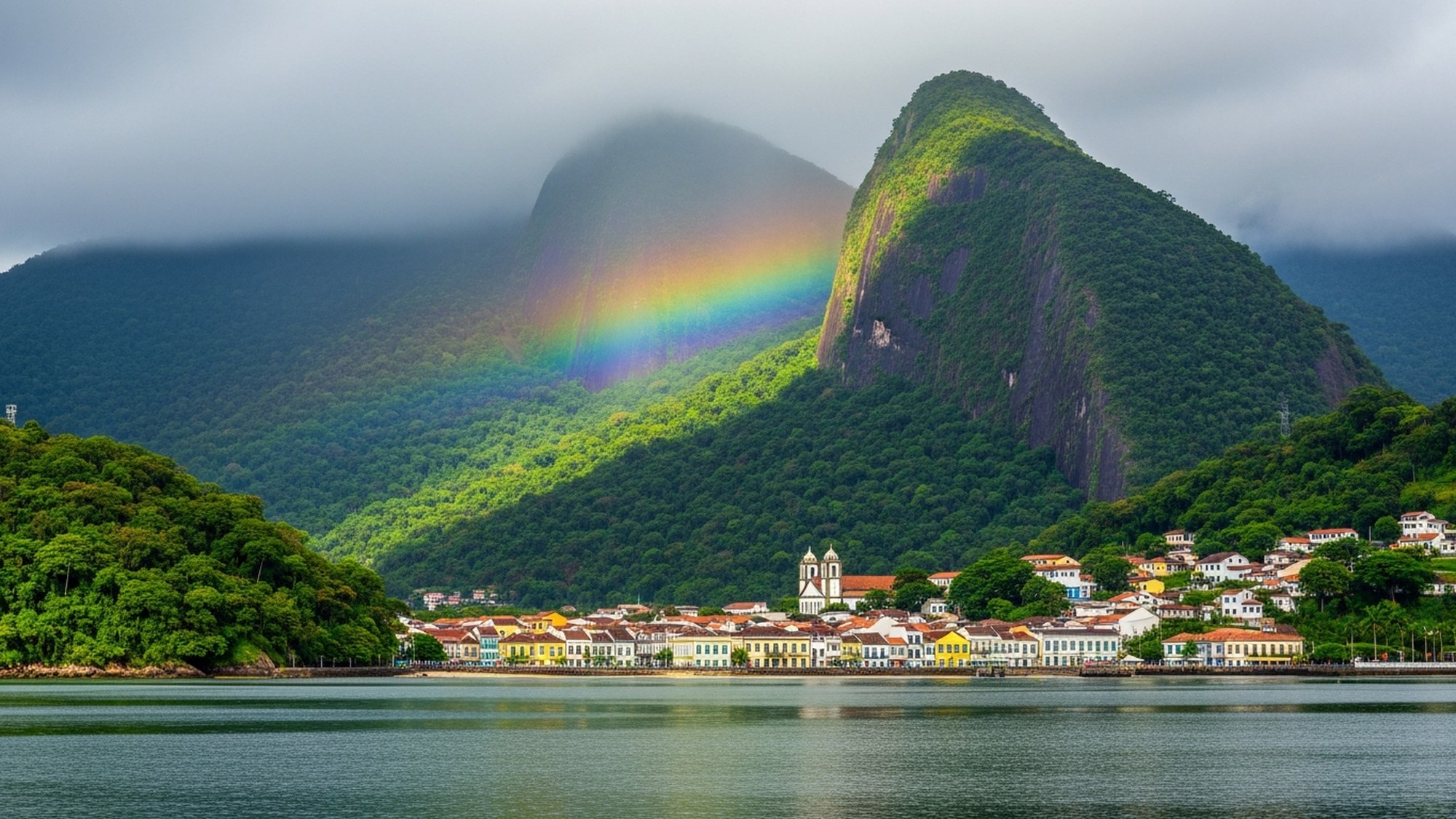
Temperatures are mild to warm all year; the real variable is rain. The table below gives typical highs and lows and the rough rainfall pattern — heaviest in high summer, lightest in mid-winter.
| Month | High | Low | Rain | Season |
|---|---|---|---|---|
| January | ~29°C | ~19°C | Wettest | Summer — peak |
| February | ~29°C | ~19°C | Very wet | Summer — peak, warmest sea |
| March | ~29°C | ~18°C | Wet | Summer |
| April | ~27°C | ~17°C | Drying | Autumn — sweet spot |
| May | ~25°C | ~15°C | Drier | Autumn — sweet spot |
| June | ~23°C | ~12°C | Dry | Winter |
| July | ~23°C | ~11°C | Driest | Winter — coolest nights |
| August | ~24°C | ~12°C | Driest | Winter — coolest sea |
| September | ~24°C | ~13°C | Low, rising | Spring |
| October | ~26°C | ~15°C | Rising | Spring |
| November | ~27°C | ~17°C | Rising | Spring |
| December | ~28°C | ~18°C | Wet | Summer |
The sea is swimmable year-round: warmest around February (roughly 28°C) and coolest around August (roughly 21°C). Even in winter it rarely drops below about 21°C, so a swim is always on the table — just brisker in July and August.
Season by season
- Summer (December–February). Hottest, greenest, warmest sea — and the rainiest and most crowded. Expect bright mornings and torrential afternoon downpours, and book everything well ahead. This is the festive, high-energy Paraty, with New Year and, most years, Carnival.
- Autumn (April–June). Drying out, crowds thinning — widely the sweet spot. Late April into May is a particularly good window for the beaches and the boat trips.
- Winter (June–August). The mildest and driest months, with cooler nights and a cooler sea. Low season means fewer people and better value, and the trails are at their firmest. The one to pick if you want the town quiet and the hiking good.
- Spring (September–November). Warming up, rainfall climbing back toward the summer peak; a pleasant shoulder with moderate crowds.
If you can only go in the wet summer, don't despair — the rain here comes in dramatic bursts between sun, not all-day grey. Plan the boat trip for a clear-looking morning, keep the waterfalls and the town for the afternoons, and you'll barely lose a day.
Crowds & holidays
Weather aside, the Brazilian holiday calendar drives the crowds and the prices. The big peaks are New Year (December 31–January 1), the January summer school break, and Carnival — a movable feast that in 2027 falls the week of February 5–10. There's a second, smaller domestic peak during the July winter school break. In all of these, the historic center is at its busiest and its most expensive, and the best pousadas and restaurants fill weeks ahead. If a quiet, spacious Paraty is what you're after, steer around them.
The festival calendar
Paraty's festivals are a genuine reason to time a trip — but they also spike demand, so decide whether you want to be in the middle of one or safely around it. The main dates:
The Bourbon Festival turns the center into free open-air jazz and blues stages over a late-May weekend. FLIP, the Festa Literária Internacional de Paraty, returned to its traditional late-July slot in 2025 — it's the town's marquee event and packs it to near capacity. The Festival da Cachaça, Cultura e Sabores de Paraty celebrates the local spirit each August. Two movable religious festivals are also worth knowing: the Festa do Divino (around Pentecost, so mid-to-late May in 2027) and Semana Santa with its midnight Procissão do Fogaréu (Easter is early in 2027, around March 26–28). Dates for 2027 firm up closer to the time, so confirm before booking around one. Our nightlife guide covers what the festival nights are actually like.
Best time for each activity
- Boat trips & clear water. The drier, calmer winter-to-spring window (roughly May–September) gives fewer downpours and better visibility on the bay — though the sea is cooler then. April is the warm-water compromise. See our boats-and-islands guide.
- Waterfalls. They run fullest after the heavy rains, so late summer into early autumn (roughly February–April) is when they're at their most powerful, as the crowds start to ease. More in our waterfalls guide.
- Hiking. The dry winter (June–August) gives the firmest, least muddy trails — the best time for the Gold Trail and the longer forest walks. See our hiking-and-nature guide.
- Town, food & quiet. The shoulder months (April–May, September) let you enjoy the colonial center, the restaurants and the galleries without the crush.
Common questions
What is the best month to visit Paraty?
For the best balance of dry weather, comfortable temperatures and manageable crowds, April–May or the wider May–September window. Come December–February for the warmest sea and the most festive atmosphere, accepting rain and crowds. Avoid January's wet-season peak and the New Year/Carnival price spikes unless you specifically want them.
Is Paraty very rainy?
Yes — it's one of the wettest parts of the Brazilian coast, with rain possible any time of year and a clear wet season peaking around January. But summer rain tends to come in heavy bursts between sunshine rather than all-day drizzle. The driest months are July and August.
When is the sea warmest for swimming?
Around February, when it reaches roughly 28°C. It's coolest in August (around 21°C) but stays swimmable all year — winter swims are simply brisker.
When is Carnival in Paraty?
Carnival is movable; in 2027 it falls the week of February 5–10. It's a nationwide peak-travel, peak-price week — book far ahead if you want to be there, or avoid it for a quieter, cheaper trip.
When is FLIP, the literary festival?
FLIP is held in late July (July 22–26 in 2026); 2027's dates will be confirmed closer to the time. It's the town's biggest event and fills it to near capacity, so book well ahead if you're timing your visit to it — or around it if you'd rather have the town quiet.