A buildable three-day plan: the colonial old town and the Gold Trail, a boat day among the bay's islands, and a waterfalls-and-cachaça day in the mountains — plus the practical logistics on parking, cash and tides that actually make a Paraty trip work.
Three days is the sweet spot for Paraty. It's long enough to do the town, the water and the waterfalls without rushing, and short enough that you don't need a complicated plan — just a sensible order. The logic is simple: one day for the colonial town and its history, one day on the bay and its islands, and one day in the mountains for waterfalls and cachaça, with the beaches and the fjord held in reserve if you have more time or the weather turns.
This is our honest, buildable three-day plan, with the practical logistics — parking, cash, tides — that actually make or break a Paraty trip. It leans on our other guides for the detail, so think of this as the map and those as the close-ups. Everything is checked; where the town has a genuine quirk (a car-free center, streets that flood on purpose, no ATM out at the beaches), we flag it so it doesn't catch you out.
In this guide
Before you go
Three quick decisions set up the whole trip. When to come: the drier shoulder and winter months (roughly April–September) are calmest; summer is warm and green but wet and crowded — see our best-time-to-visit guide. How to arrive: most people drive or take the Costa Verde bus from Rio (about four and a half to five hours) or São Paulo; our how-to-get-to-Paraty guide covers the options, including the airstrip. Where to sleep: for a first visit, stay in or beside the car-free historic center so the whole plan below is on foot — our where-to-stay guide weighs it up.
Day 1 — the old town & the Gold Trail
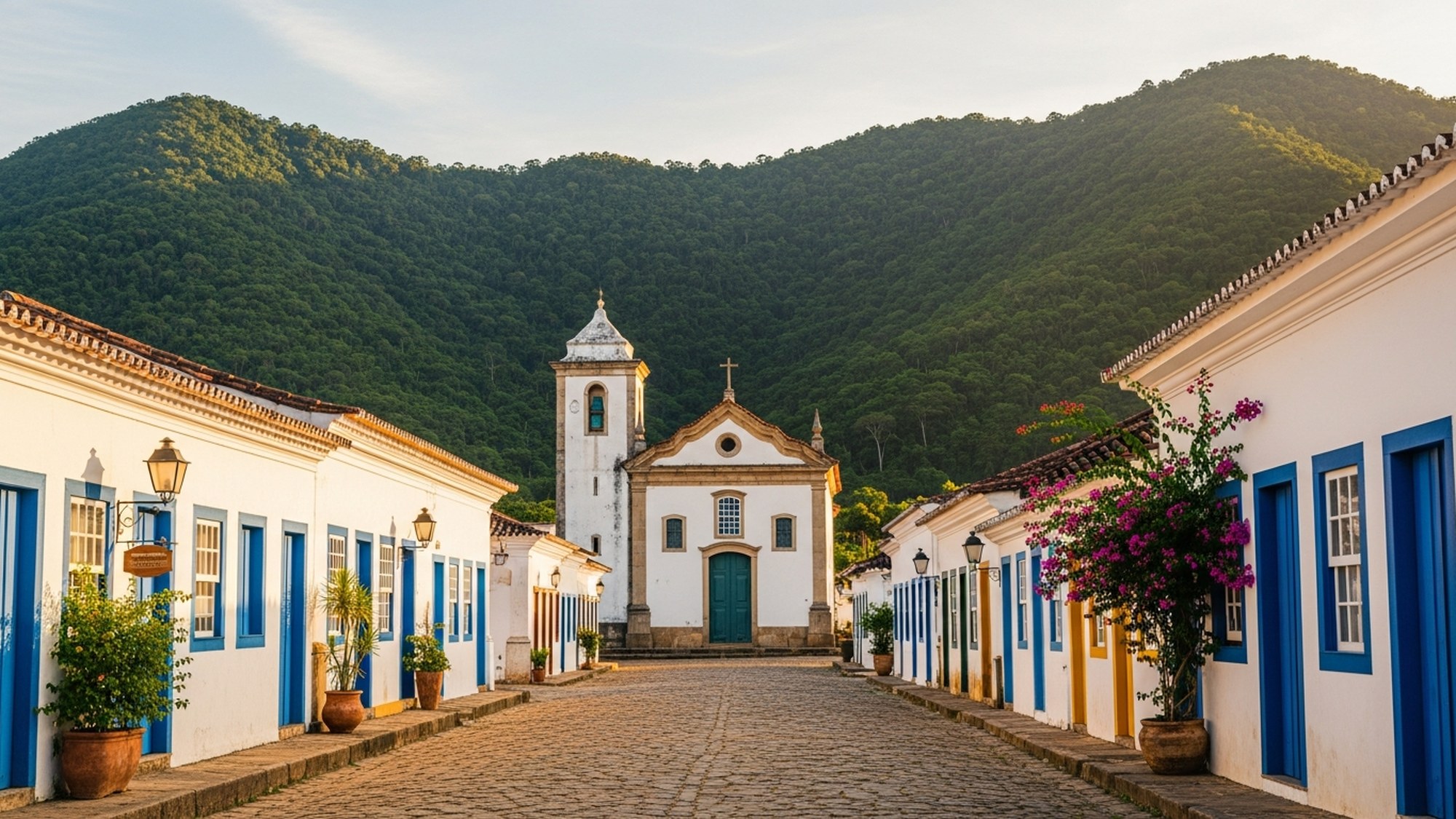
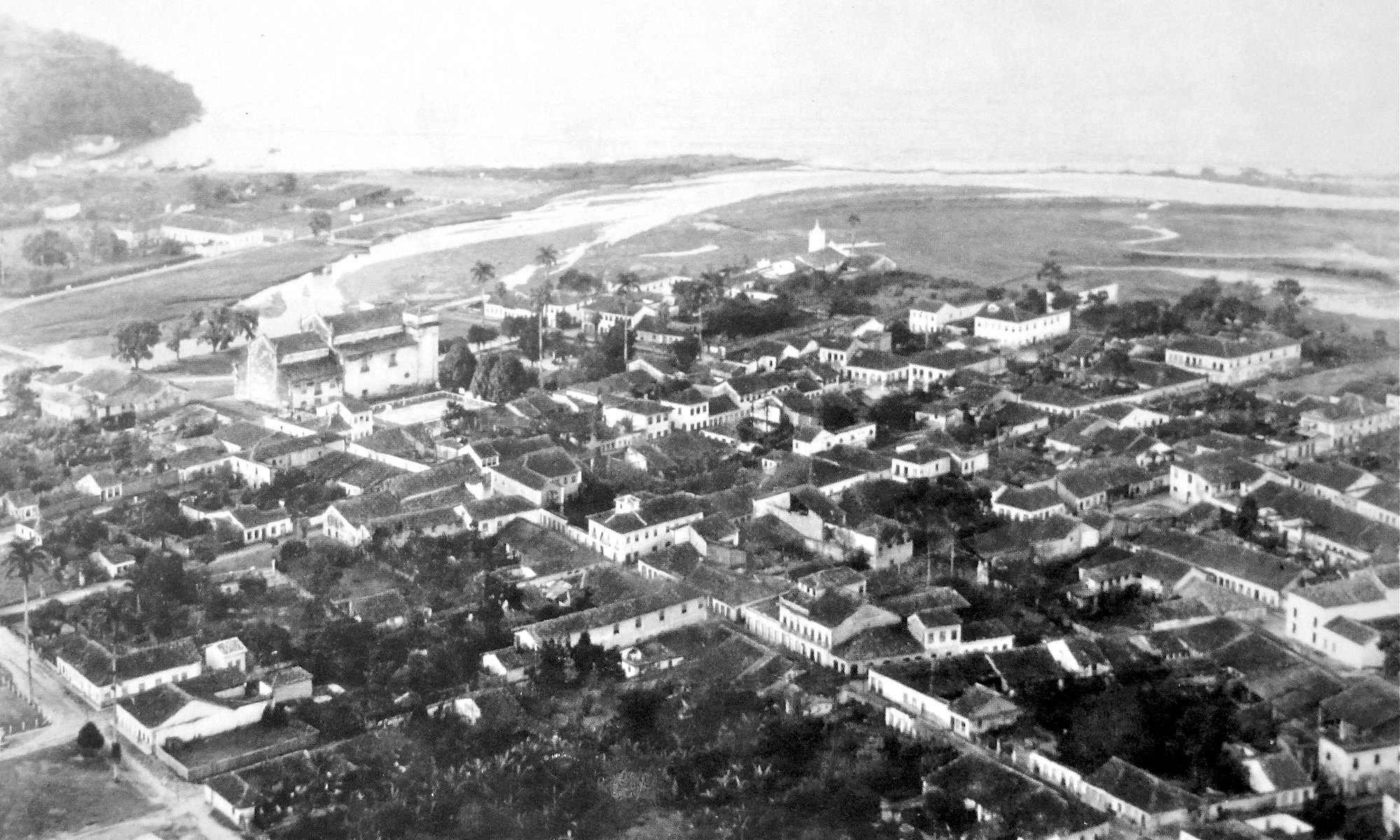
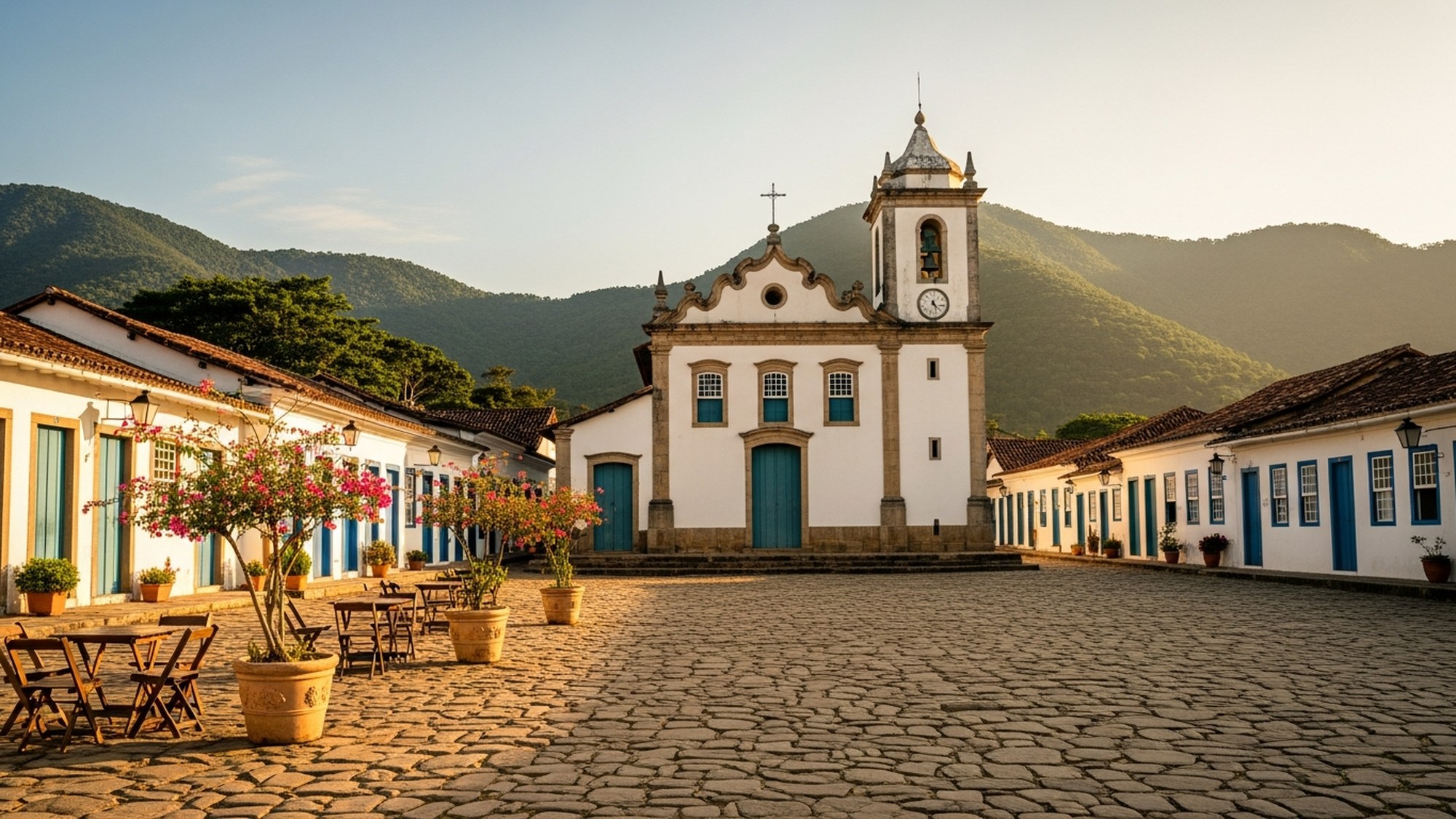
Start slow and on foot in the historic center. It's small enough to wander without a route — the whitewashed churches (Santa Rita by the water is the picture-postcard one), the cobblestone lanes, the galleries and shops. Time your walk loosely around the tide: at the highest tides the lowest streets flood by design, which is a sight in itself but means wet feet. Our things-to-do guide maps the highlights, and the shopping guide points you to the bookshops and craft streets if you want to browse.
In the afternoon, head just out of town to walk a stretch of the Caminho do Ouro (Gold Trail) — the 18th-century stone road built to carry gold to the coast, in the Penha district about eight kilometres away. You'll want a guide (the historic segment crosses private land), and it pairs naturally with the nearby Tobogã waterfall. Back in town, book a good dinner and let the evening unfold — our where-to-eat and nightlife guides cover the table and the music.
Day 2 — the bay by boat
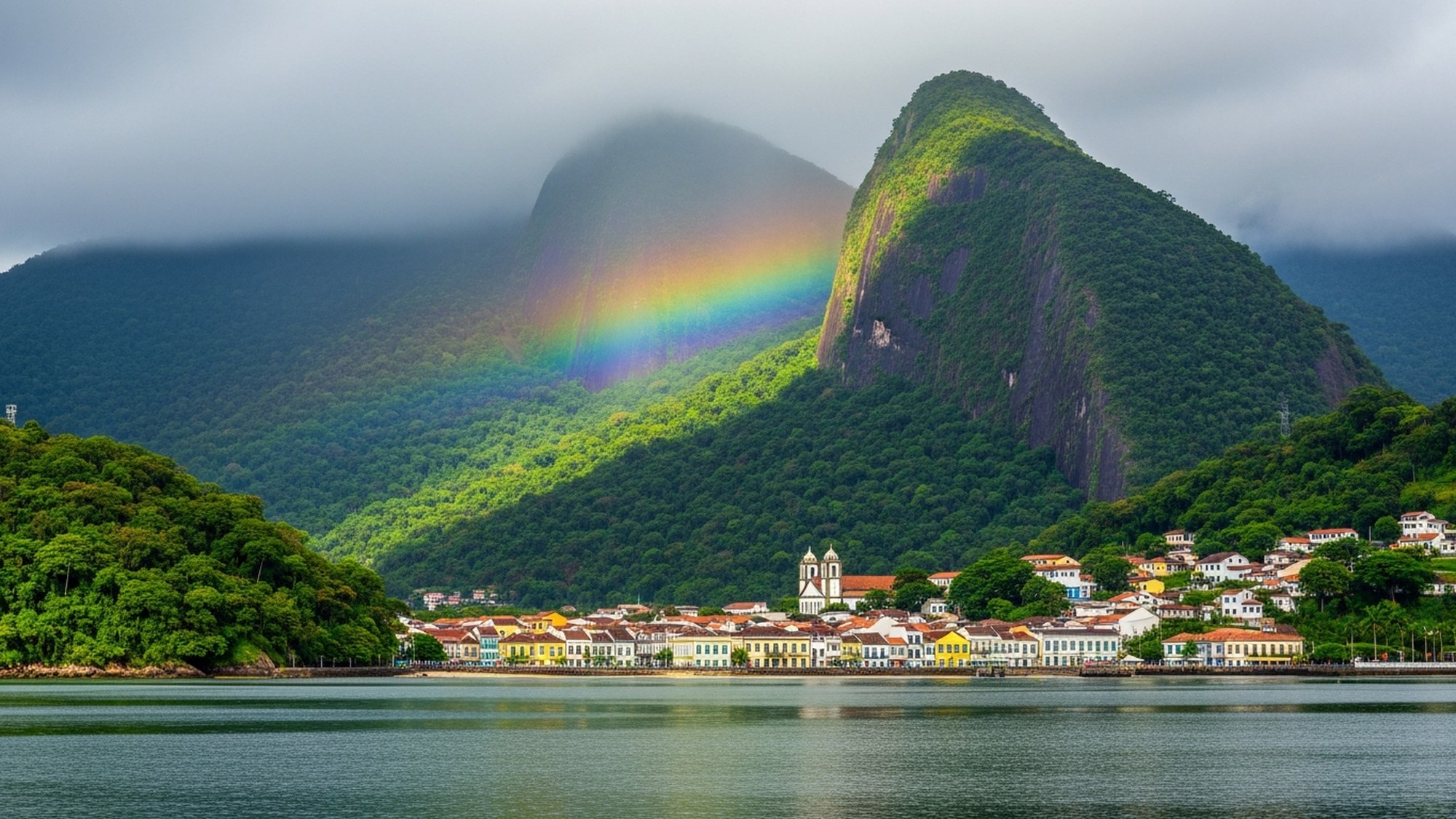
The signature Paraty day. From the town pier (the Cais de Turismo), boats head out among the bay's islands and beaches for swimming and snorkeling. You've got two ways to do it: the classic schooner (escuna) — a sociable five-hour cruise with several stops — or a private speedboat (lancha), faster and fully flexible, where you set the route with the captain. Either way, take a clear-looking morning for it; the water is calmest and clearest outside the wet-summer downpours. Lunch is usually at an island or beach restaurant partway through. Our boats-and-islands guide and islands guide cover the stops and how to choose.
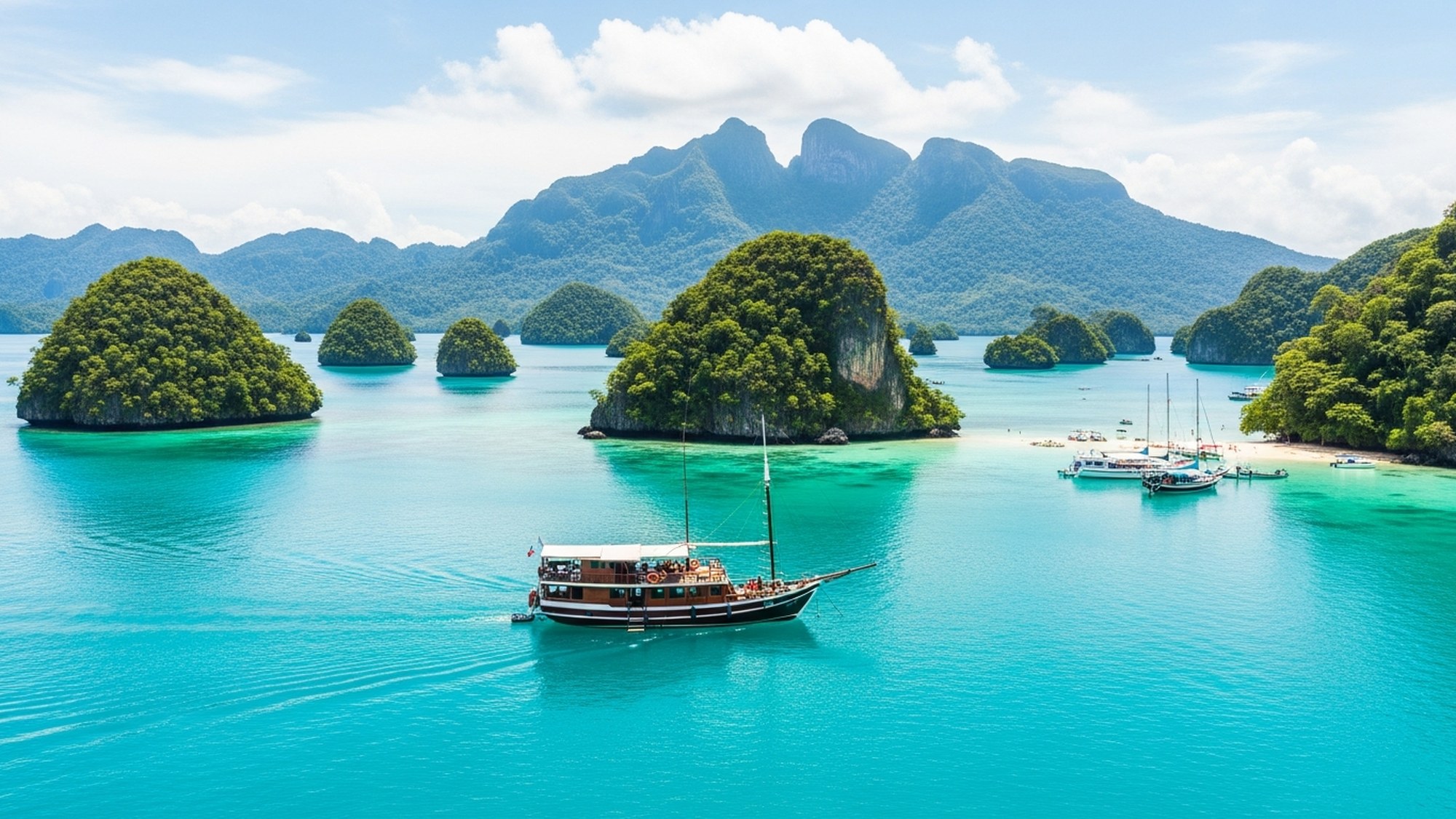
Keep the boat day flexible. If the forecast is bright on your first morning and grey on the second, swap the days — do the bay while the sky is clear and save the town and waterfalls for the wet afternoon. In Paraty, chase the sun, not the schedule.
Day 3 — waterfalls & cachaça
Head for the hills. The "Cachoeiras e Alambiques" jeep tour is the easy way to combine the two things the mountains above Paraty do best: waterfalls — including the famous Tobogã, a natural rock waterslide the brave ride on their backs — and a visit to a historic cachaça distillery (alambique) to see the spirit made and taste it. It runs about five to six hours and needs no planning beyond booking a seat. If you'd rather go under your own steam, the waterfalls and distilleries are drivable; our waterfalls guide and the cachaça section of the where-to-eat guide have the detail. Waterfalls run fullest after rain, so late summer into autumn is when they roar.
If you have more time
A fourth or fifth day opens up the best add-ons:
- Trindade. The laid-back beach village half an hour south, with wide surf beaches and the clear Cachadaço natural pool. A perfect slow beach day — just bring cash, because there's no ATM. See our Trindade guide.
- Saco do Mamanguá. The long, calm inlet often called Brazil's only tropical fjord — ideal for kayaking and stand-up paddle, with a steep, rewarding climb up the Pico do Pão de Açúcar for the fit. See our Mamanguá guide.
- Paraty-Mirim & the quiet corners. A calm, historic beach with a 300-year-old church among ruins, 30 minutes south — the gentle counterpoint to the busy center. See our Paraty-Mirim guide.
- Hiking. Longer forest walks in the Serra da Bocaina and the wild Juatinga reserve, best in the dry winter — our hiking-and-nature guide has the trails.
Practical logistics
The few things that trip people up:
- Parking. The historic center is car-free. Leave your car in a guarded lot at the edge (the Pontal side is a common choice) and walk in. Don't plan to drive to your pousada door in the old town.
- Tides. The center's streets were built to flood at the highest tides and self-clean — a genuine sight, but wear the right shoes and check the tide if you're crossing the lowest streets.
- Money. There are banks in town (Banco do Brasil, Bradesco, Itaú). Use an ATM inside a bank lobby rather than a street machine — card skimming has been a recurring problem here — and draw cash before heading to the beaches, since Trindade and the outlying villages have no ATM.
- Getting around & booking tours. The center is walkable; for the bay, waterfalls, Gold Trail and beaches you'll use boats, jeeps and local buses (the Colitur line serves Trindade from the rodoviária). Licensed local agencies such as Paraty Tours and specialist operators like Paraty Explorer run the standard trips, and any pousada can help you book.
- Help if you need it. There's a tourist information center (Centro de Informações Turísticas) in town, and emergency care at the local UPA / Santa Casa; your host will have the current numbers.
For the full background on the town — its history, the UNESCO listing, and how it all fits together — start with our complete guide to Paraty.
Common questions
Is three days enough for Paraty?
Yes — three days comfortably covers the three headline experiences: the colonial old town (with the Gold Trail), a boat day on the bay, and a waterfalls-and-cachaça day in the mountains. A fourth or fifth day lets you add the beaches of Trindade, the Saco do Mamanguá fjord, or longer hikes.
What's the best order to do things in?
Town and Gold Trail first (while you get oriented), then the bay boat day, then the mountain waterfalls — but stay flexible and do the boat day whenever the weather is clearest. Spreading the physically demanding boat, jeep and hiking days apart keeps the trip from feeling like a slog.
Do I need to rent a car in Paraty?
Not necessarily. The historic center is car-free and walkable, and the boat, jeep and Gold Trail trips are run by operators who handle transport. A car is useful for reaching Trindade and the outlying beaches independently, but local buses and tours cover those too.
How do I get around without a car?
On foot in the center, by boat for the bay, by organised jeep/tour for the waterfalls and Gold Trail, and by the Colitur local bus (from the town rodoviária) for Trindade. It's an easy place to visit car-free if you base yourself in the center.
What should I not forget?
Cash (especially before the beaches — Trindade has no ATM), flat shoes for the cobblestones, sun and rain protection, and a flexible attitude to the weather. Book your key dinner and your boat day ahead in high season.