The colonial center or the beach? A guide to Paraty's neighborhoods and its pousadas — from restored 18th-century mansions and boutique maisons to rainforest spa retreats — and how to choose the right base for your trip.
Where you sleep in Paraty decides what your trip feels like. Stay inside the car-free colonial center and you wake up to church bells and cobblestones, with every restaurant, gallery and the boat pier a few minutes' walk away. Stay out at Jabaquara beach or up in the rainforest and you trade that walkable buzz for quiet, a garden, and somewhere to park. Both are good. They're just different holidays.
This is our honest guide to the lodging landscape: the neighborhoods and what each is like, and the pousadas — from restored colonial mansions to rainforest spa retreats — that have earned their reputations. Every place named here has been checked against its own site or established listings. We don't quote nightly rates, because they move constantly; we tell you the character and the tier, and let you price it when you book. (Full disclosure: Amorielli is a villa opening on the bay in Spring 2027 — so we know this coast well, and we've kept this guide about the town, not ourselves.)
In this guide
Which area to stay in
Four broad choices, and the right one depends on how you want your days to feel.
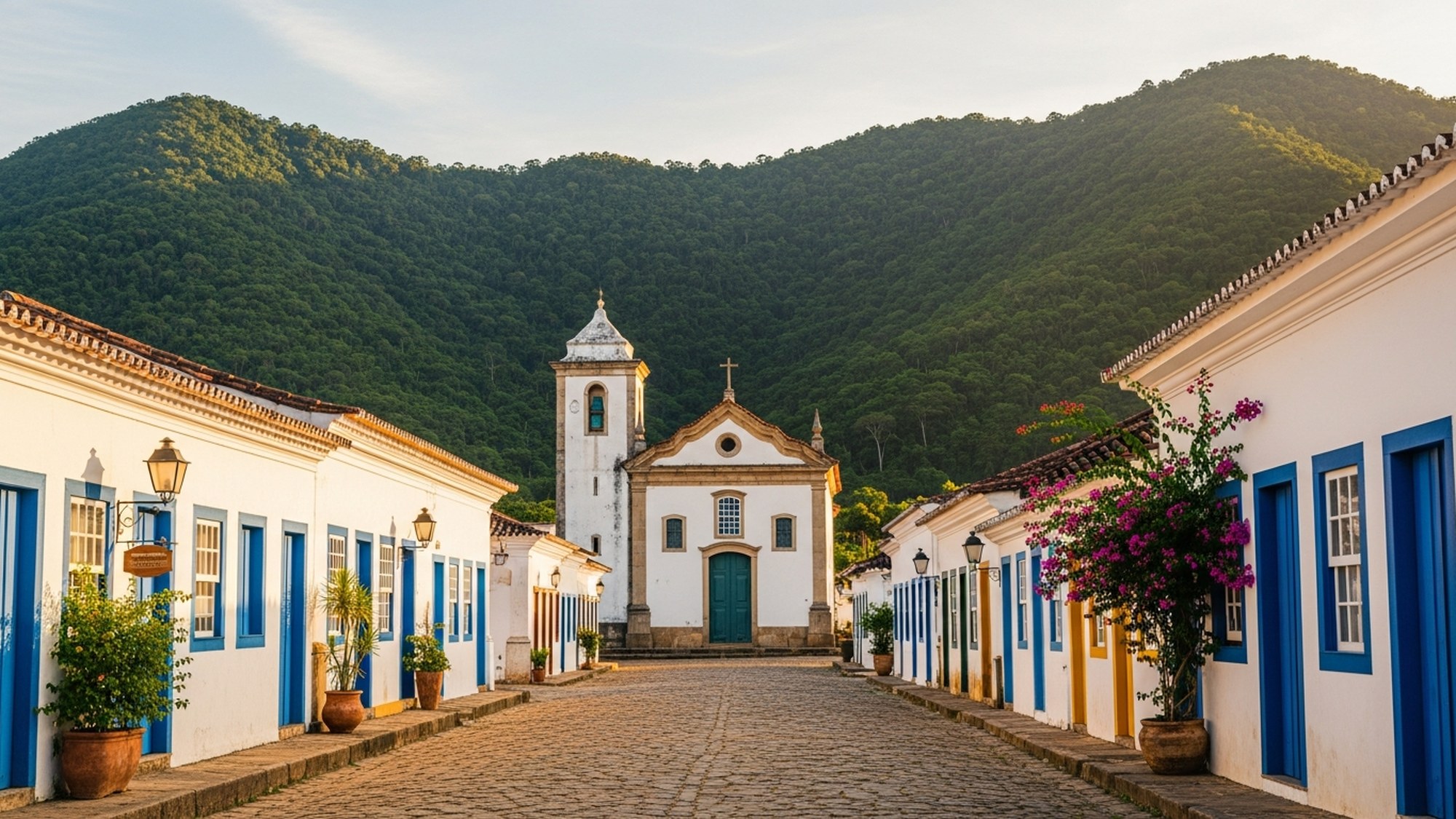
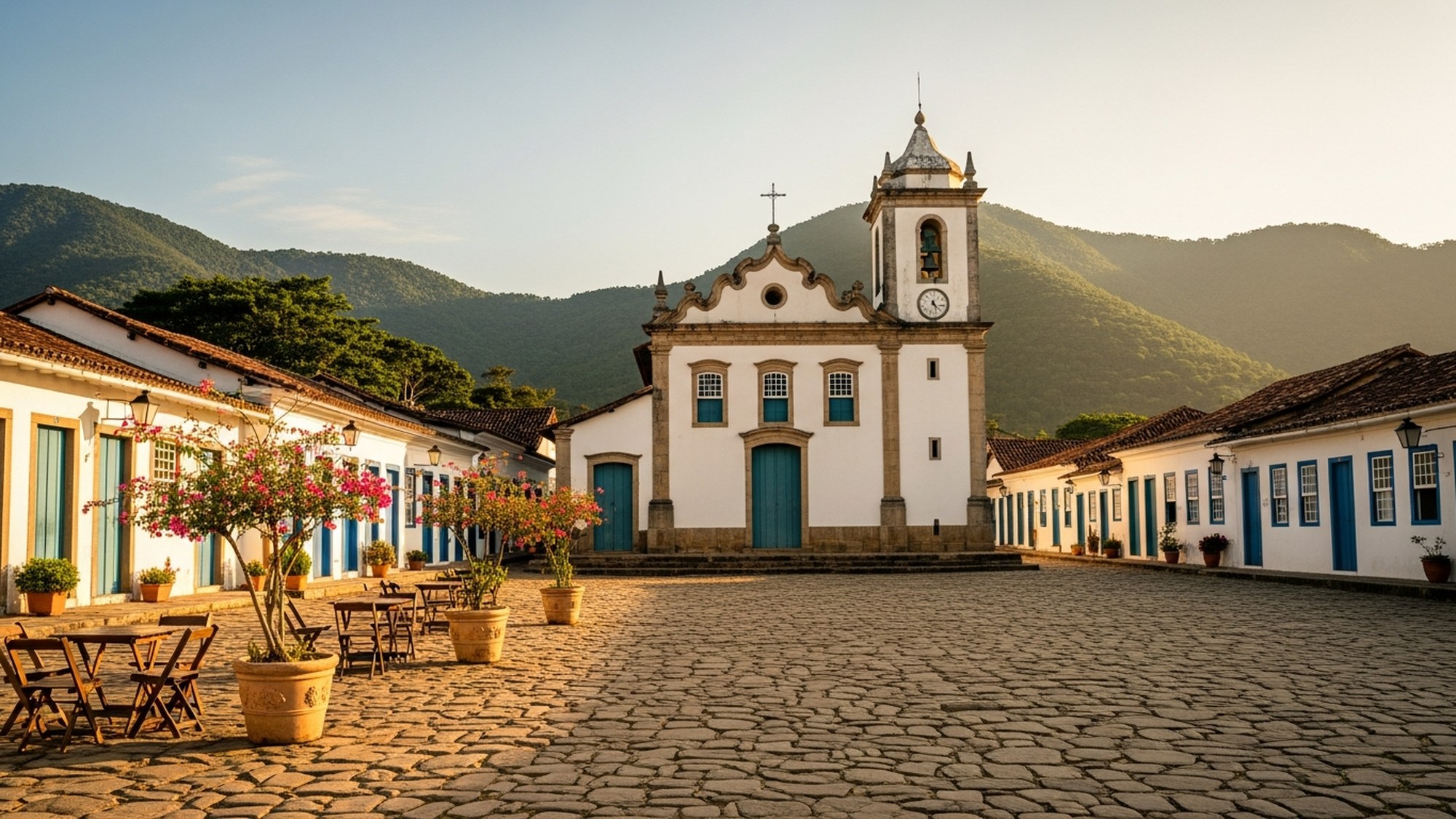
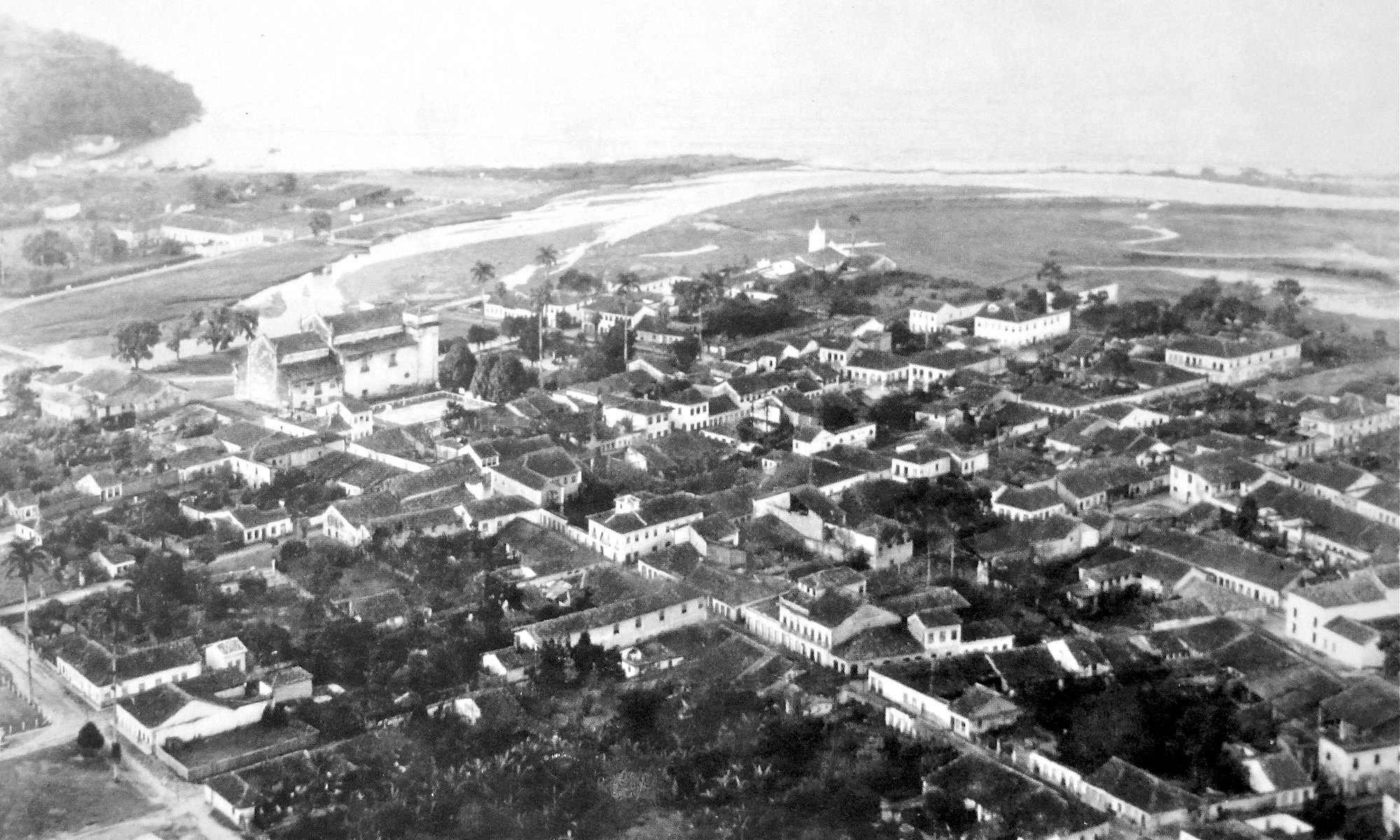
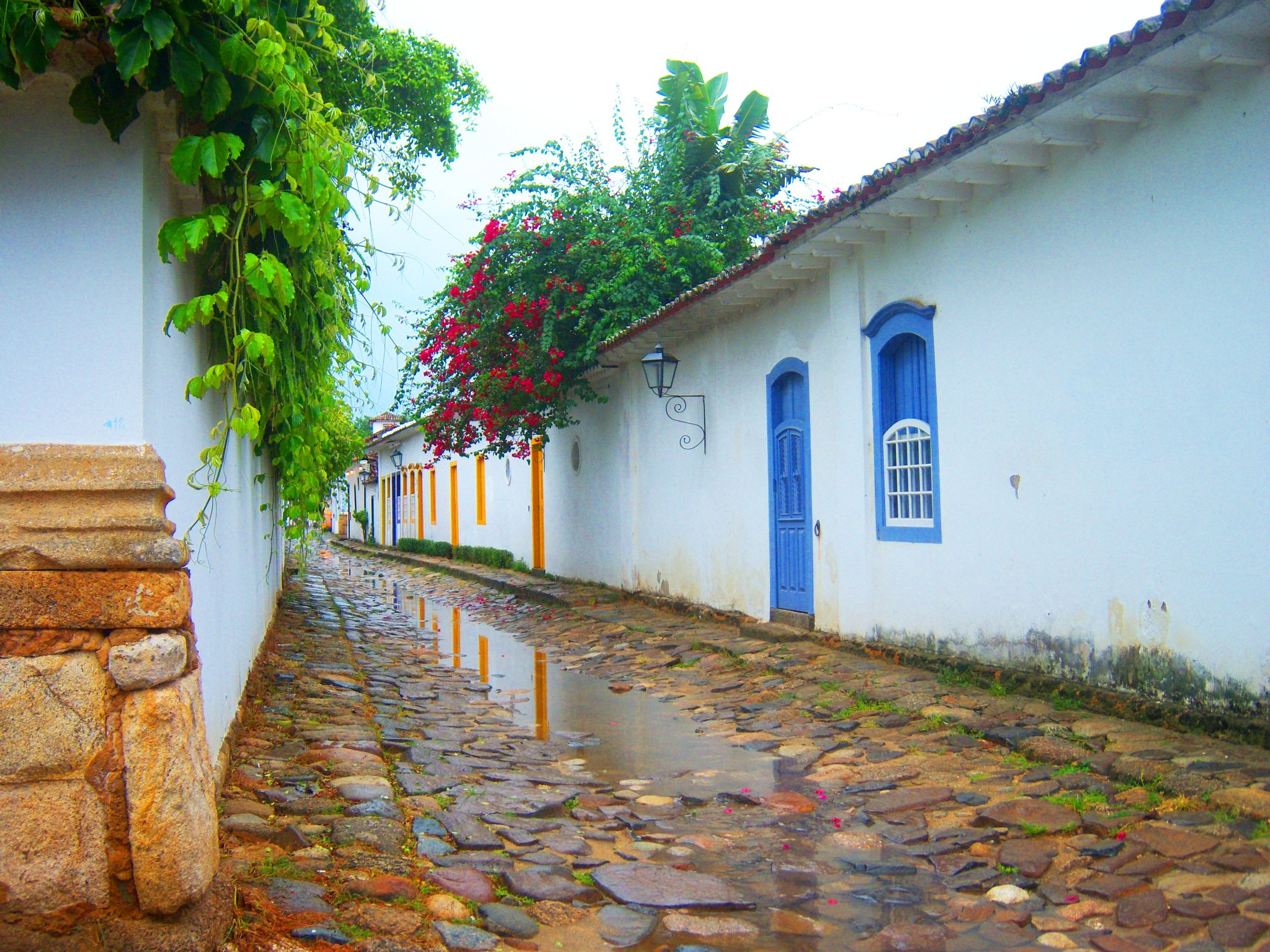
- The Historic Center. The UNESCO colonial core — whitewashed mansions, colorful doors, cobblestone streets. It is effectively car-free, so you leave the car in a lot at the edge and walk in. This is where the marquee pousadas sit, and you're closest to restaurants, the pier and the festival venues. The trade-off: no driving to your door, and the lowest streets can flood at the highest tides by design.
- Jabaquara. A calmer neighborhood just north of the center with its own beach — roughly a 20-minute walk or a few minutes by car to the old town. Good for a quieter, beach-adjacent base with easier parking.
- Caborê. A residential area near the House of Culture, close to Jabaquara; pousadas here more often have free parking, which matters if you're driving the coast.
- Coast & rainforest. Beach villages like Trindade and forest retreats along the Rio–Santos road, 20–40 minutes out. You swap walkable-town access for beaches, waterfalls and real quiet.
The boutique & luxury stays
Paraty punches above its size at the top end, mostly through small, design-led pousadas rather than big hotels.
Pousada Literária de Paraty is the name most people reach for. It's a restored colonial mansion — redesigned by Jacobsen Arquitetura — arranged around a central garden, with a heated pool, a spa, and a 2,000-title library and bookshop on site. It is also the official inn of FLIP, the town's international literary festival, which tells you the crowd it keeps. Casa Turquesa is the intimate alternative: a boutique maison of just nine suites in a mansion beside the pier, with a pool and hot tub and a quiet, unshowy sort of luxury. And Sandi Hotel — for years known as Pousada do Sandi — occupies an 18th-century mansion said to have been the town's first luxury inn, a building that once housed the colonial mint; it has two outdoor pools, hot tubs and a sauna, and carries the "Roteiros de Charme" seal.
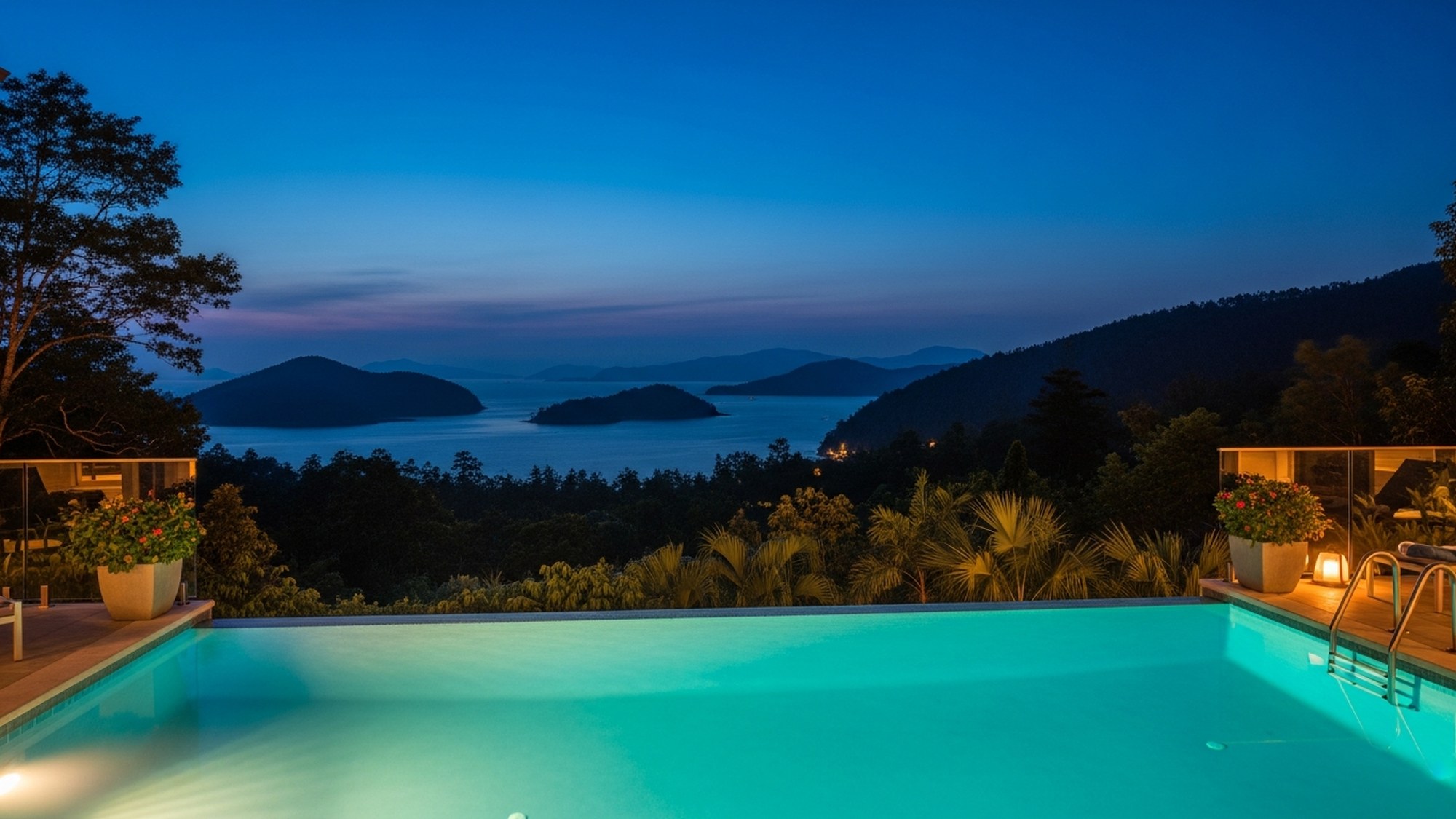
For something wilder, two retreats sit outside the town: Pousada e SPA Bromélias, in the Graúna forest about 20–30 minutes out on the Rio–Santos road, is a rainforest wellness pousada with a private waterfall, natural pool and full spa. Pousada Picinguaba is the region's celebrated eco-luxury lodge, a boutique guesthouse of around nine rooms above a bay inside Atlantic-Forest national park — technically just over the state line in Ubatuba, São Paulo, about 30 minutes from Paraty, but universally sold as a Paraty-area stay.
| Pousada | Where | Character |
|---|---|---|
| Pousada Literária | Historic center | Colonial mansion, spa, library — FLIP's official inn |
| Casa Turquesa | Historic center, by the pier | Nine-suite boutique maison |
| Sandi Hotel | Historic center | 18th-c mansion (former mint), two pools |
| Pousada Pardieiro | Historic center, quiet end | Founded 1968; gardens, pool, calm |
| Pousada Arte Urquijo | Center, by the waterfront | Six rooms, artful, rooftop views |
| Bromélias (SPA) | Graúna, ~20–30 min out | Rainforest spa, private waterfall |
| Pousada Picinguaba | Coast, ~30 min (Ubatuba, SP) | Eco-luxury lodge in a national park |
Charming mid-range pousadas
The heart of Paraty's lodging is its mid-range pousadas — small, characterful places, most of them in colonial buildings in or beside the center. A few with real reputations:
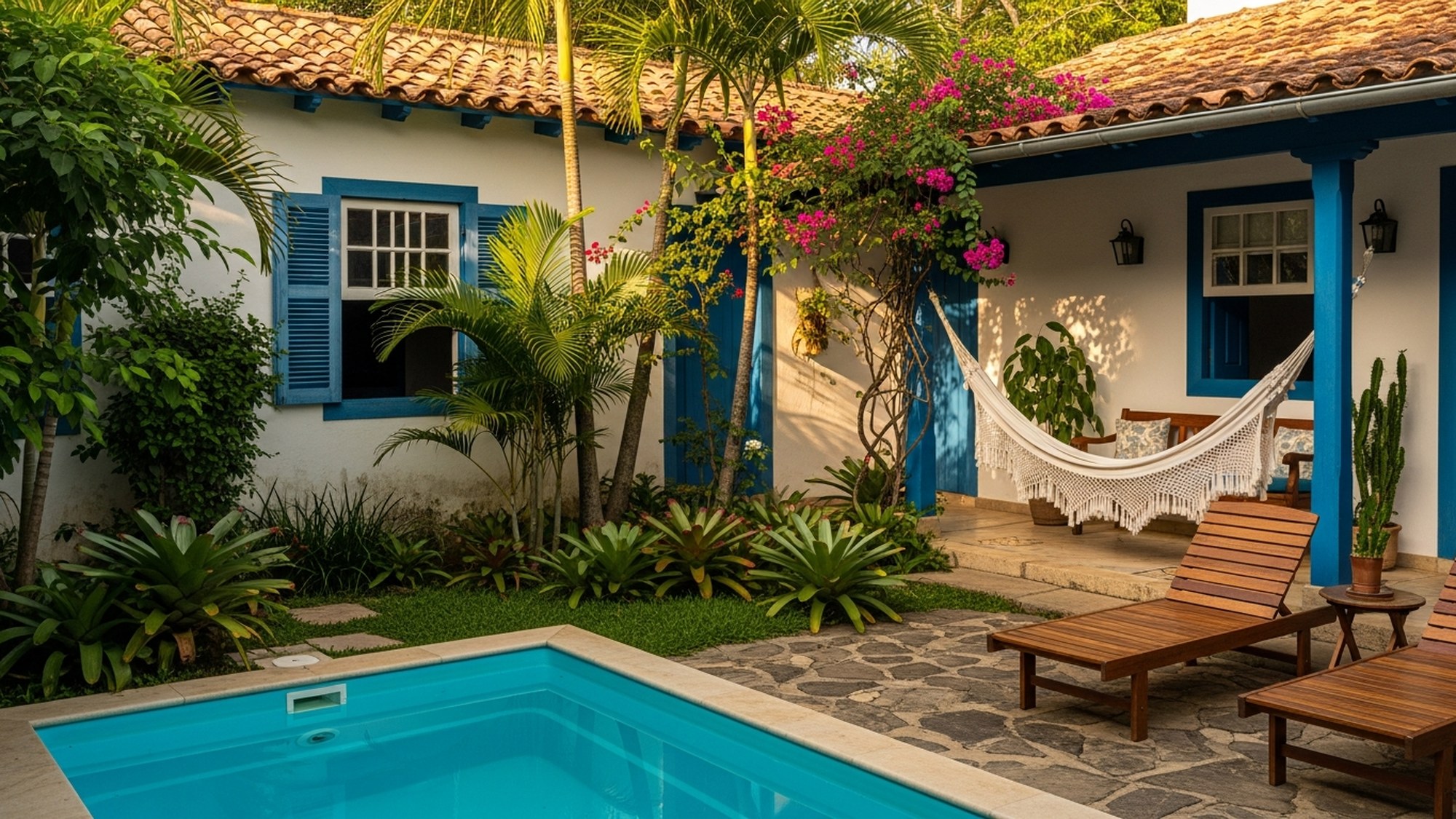
Pousada Pardieiro is one of the town's oldest, founded in 1968 and once co-owned by the actor Paulo Autran; its individually decorated rooms sit among lush gardens with a pool and sauna, at the quiet end of the old town — an oasis of calm. Pousada Arte Urquijo is a small (six-room), artful place in a preserved 18th-century building near the waterfront and the Igreja de Santa Rita, with rooftop views over the rooftops. Pousada da Marquesa is family-run and known for having one of the largest interior gardens in the center, with a pool; Pousada do Ouro is a colonial mansion with a pool and sauna; and Pousada do Príncipe is a solid, characterful center option themed around the town's history.
Beach & rainforest stays
If you'd rather wake up to sand or forest, base yourself outside the center. In Jabaquara, a short walk or drive from the old town, pousadas like Pousada Maré Mansa put you minutes from the beach with a pool and easier parking. Out in Trindade — the laid-back beach village about half an hour south — you'll find a cluster of simple, welcoming pousadas and campgrounds near the beaches; it's rustic and often busy in peak season, so read our Trindade guide before you commit, and note there's no ATM out there. And in the forest along the Rio–Santos road, retreats like the Bromélias spa pousada trade town access for waterfalls and quiet.
The simplest rule: stay in the center for your first Paraty trip, when walking the old town is the whole point. Save Jabaquara, Trindade or the forest for the return visit, when you already know the town and want the quiet.
Sleeping in a colonial mansion
Part of Paraty's appeal is that many of its pousadas are genuine 18th- and 19th-century buildings — thick lime-washed walls, colorful shutters, interior courtyards and gardens hidden behind plain street doors. If a "building with a story" is what you're after, the verified colonial-mansion stays include Sandi Hotel (the former colonial mint), Pousada Literária (a mansion sensitively redesigned), Casa Turquesa (an 18th-century townhouse façade recreated), Pousada Arte Urquijo and Pousada do Ouro. You are not staying near the history in Paraty; you're staying inside it.
Practical notes: parking, booking & seasons
- Parking is outside the center, always. The historic core is pedestrian-only. Expect to leave the car in a guarded lot at the edge and walk in with your bags — a real consideration if you're arriving heavy. If that sounds like too much, pick Jabaquara or Caborê, where pousadas more often have parking.
- Book ahead in high season and festival weeks. New Year, Carnival, the July school break, and Paraty's own festivals (FLIP in July, the cachaça festival in August) fill the center's pousadas fast — the town runs near capacity in festival weeks. See our best-time-to-visit guide for the calendar.
- Confirm before you pay. Small pousadas change hands and update their rooms; check the current listing and a recent review before booking, and message the property directly with any access or parking questions.
- Getting there. Most people arrive by car or bus from Rio or São Paulo — our how-to-get-to-Paraty guide covers the drive, the buses and the airstrip.
Common questions
Where is the best area to stay in Paraty?
For a first visit, the historic center — you're within walking distance of the restaurants, galleries, churches and boat pier, which is most of why people come. For a quieter, beach-adjacent base with easier parking, choose Jabaquara. For real seclusion, a rainforest or beach-village stay outside town.
What's the best pousada in Paraty?
There's no single answer, but the top-tier names are Pousada Literária (colonial mansion, spa, FLIP's official inn), Casa Turquesa (nine-suite boutique) and Sandi Hotel (an 18th-century former mint). For mid-range charm, Pousada Pardieiro and Pousada Arte Urquijo are long-standing favorites. For a spa retreat, the Bromélias pousada in the Graúna forest.
Can you drive to your hotel in the historic center?
No — the center is car-free. You park in a guarded lot at the edge and walk in over cobblestones. If arriving with heavy luggage is a concern, stay in Jabaquara or Caborê, where pousadas more often have their own parking.
Do I need to book far in advance?
In high season (New Year, Carnival, July, and festival weeks like FLIP and the August cachaça festival), yes — the center's pousadas fill quickly. Outside those peaks, you have more flexibility, but the best small places still book up on weekends.
Is it better to stay in Paraty town or in Trindade?
Stay in Paraty town if you want the colonial center, restaurants and boat trips on your doorstep. Stay in Trindade if you mainly want beaches and a laid-back village feel and don't mind being 30 minutes from town — and bring cash, because Trindade has no ATM. Many people do a few nights in each.