There is a certain audacity to taking a cherished, high-octane spectacle and overlaying it with the deliberate, refined pace of fine dining. Formula 1, a sport defined by fractions of a second and the relentless pursuit of speed, has long offered a range of hospitality options, from grandstand seats to the rarefied air of the Paddock Club. Yet, the latest collaboration between Formula 1 and Moët Hennessy pushes the boundaries of trackside luxury into entirely new territory, proposing an experience so novel it almost sounds like a concept sketch from a futurist’s notebook.
“The Out Lap,” as this venture is named, is not merely trackside dining, nor is it a private box with a view. It is, according to the companies, “the world’s first moving fine dining experience on a Formula 1 circuit.” This is a significant claim, one that immediately captures attention and raises a flurry of questions: how does it work, who is it for, and what does it truly signify for the future of ultra-luxury hospitality, particularly in the context of high-stakes sporting events?
This is not just about a meal; it’s about a meticulously orchestrated narrative, a sensory journey designed to immerse a select few in the very fabric of motorsport history and the prestige of the LVMH portfolio. It is an ambitious reimagining of exclusivity, setting a new benchmark for what “money-can’t-buy” experiences can genuinely mean in a market saturated with attempts to capture the attention of the world’s most discerning and well-resourced travellers.
Dining on the Line: The Out Lap’s Audacious Proposal
The core proposition of The Out Lap is elegantly simple, yet profoundly complex in its execution: twelve guests, a bespoke travelling dining room, and an active Formula 1 circuit. This is not a static setup; the experience unfolds “in motion,” traversing a route specifically designed for each Grand Prix, making stops at what the companies describe as the circuit’s “most legendary locations.” The journey from the garage to the starting grid, often a fleeting moment for drivers, is transformed into a deliberate, multi-chapter event for these fortunate few.
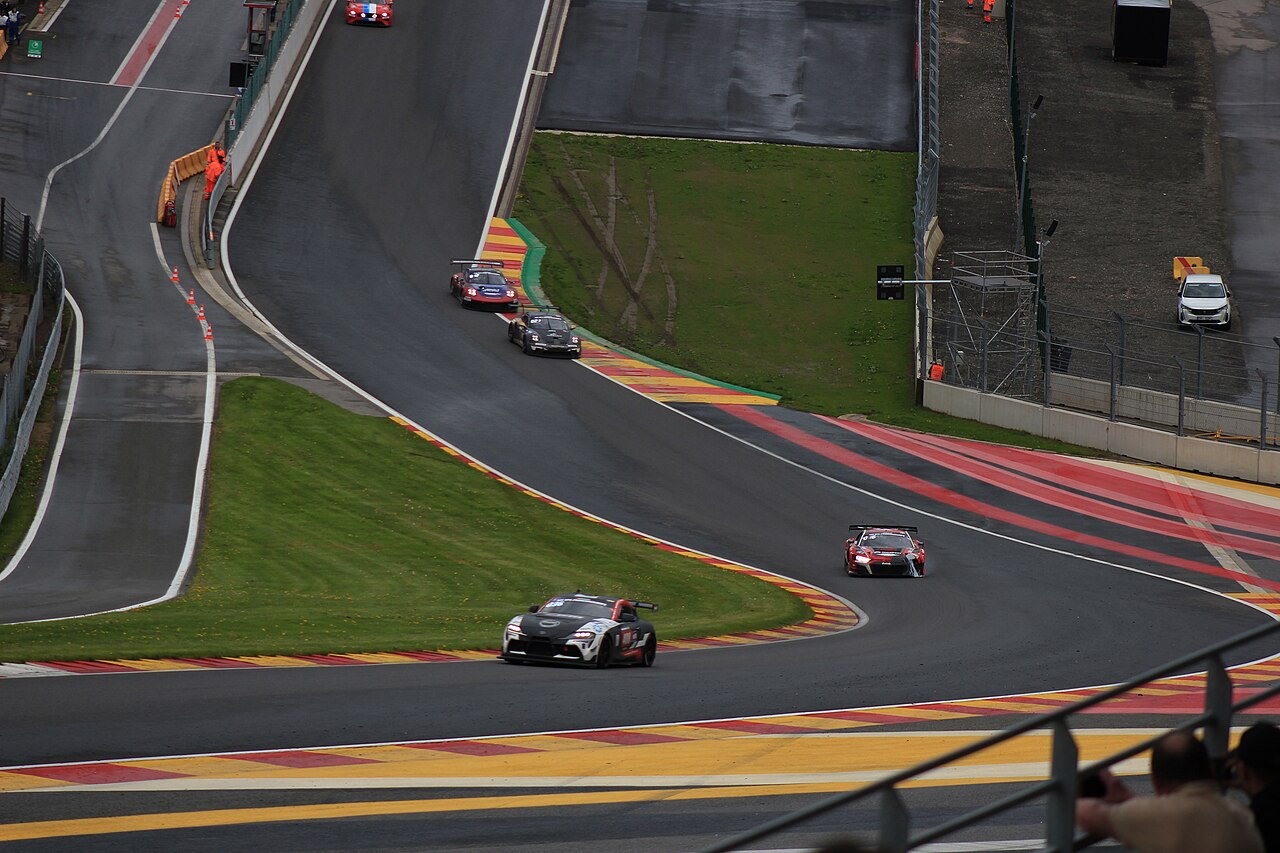
Moët Hennessy and Formula 1 describe this as an “entirely new hospitality concept” that seeks to “reimagine the Grand Prix weekend through the lens of craftsmanship, storytelling and exceptional gastronomy.” The focus is clearly on elevating the emotional and historical connection to the sport, beyond the thrill of the race itself. At each stop along the circuit, a former racing driver, whose identity will presumably vary by event, shares personal perspectives, bringing the track’s history to life. This human element, the direct connection to those who have lived the sport, is intended to deepen the narrative, moving beyond mere spectacle to create a more profound engagement.
The culinary aspect is equally central. Each chapter of the journey is paired with an exclusive creation from a world-renowned chef, accompanied by wines and spirits from the extensive Moët Hennessy portfolio. For its inaugural chapter at the FORMULA 1 MOËT & CHANDON BELGIAN GRAND PRIX™ 2026 at Spa-Francorchamps, the culinary reins have been handed to Yannick Alléno, described as “the world’s most Michelin-starred chef.” Alléno, already an ambassador for Moët & Chandon, was a “natural choice” to shape the menu, which is conceived to be experienced in motion, with each course designed as part of the journey. This attention to detail, from the moving environment to the curated pairings, underscores the ambition to make gastronomy and racing history “inseparable.”
The concept’s adaptability is also a key selling point. “Every edition of The Out Lap is unique,” the companies state. “Each circuit inspires its own route, its own stories and its own culinary identity, ensuring that no two experiences are ever the same.” Following its debut in Belgium, The Out Lap is scheduled to travel to the FORMULA 1 HEINEKEN DUTCH GRAND PRIX™, the FORMULA 1 PIRELLI GRAN PREMIO D’ITALIA, and the FORMULA 1 TAG HEUER GRAN PREMIO DE ESPAÑA, with each destination offering a fresh interpretation of the core concept. This bespoke nature is critical for maintaining the allure of exclusivity and ensuring repeat engagement from a clientele that seeks novel and personalised experiences above all else.
Formula 1’s Evolving Hospitality Grid
For decades, Formula 1 has been a magnet for a certain kind of wealth and aspiration. From the early days of rudimentary paddock access to the sophisticated structures of modern Grand Prix hospitality, the sport has consistently refined its offerings for those willing to pay a premium. The Paddock Club, for instance, has long been the gold standard, offering prime viewing, gourmet catering, open bars, and access to the pits and sometimes even the paddock itself. Team-specific hospitality suites provide even deeper immersion, often with driver appearances and exclusive merchandise.
Yet, the landscape of luxury has shifted. Today’s affluent consumers are increasingly seeking not just access, but immersion; not just comfort, but narrative; not just a view, but a perspective. The traditional hospitality suite, however lavish, can feel somewhat detached from the raw energy of the circuit. Guests are *alongside* the action, but rarely *within* it. The Out Lap directly addresses this perceived gap, inviting guests “onto the circuit rather than simply alongside it,” thereby transforming the venue into a “unique stage to create living memories.”
This move reflects a broader trend in high-end leisure, where “experiential luxury” has become the dominant paradigm. Simply owning luxury goods is no longer enough; the desire is to *experience* luxury in unique, often unrepeatable ways. Travel, particularly, has seen a surge in demand for bespoke itineraries, private access, and opportunities to engage with destinations and events in ways ordinary tourists cannot. Formula 1, under its current ownership, Liberty Media, has been acutely aware of this shift, actively working to broaden the sport’s appeal beyond its traditional fan base, embracing lifestyle elements and aiming to create a more comprehensive entertainment spectacle.
The expansion of the F1 calendar into new, high-value markets like Miami and Las Vegas, coupled with the sport’s growing popularity, particularly in North America, has brought with it a new cohort of fans and corporate partners. These new entrants often come with different expectations of what a luxury sporting event should entail, pushing operators to innovate beyond the established models. The Out Lap is a direct response to this evolving demand, an attempt to capture the imagination of those who have perhaps experienced standard F1 hospitality and are now seeking something genuinely groundbreaking. It positions the circuit itself, “ordinarily reserved for the drivers, teams and those at the heart of the sport,” as the ultimate, sacred stage for an unparalleled encounter.
LVMH’s Experiential Playbook: Blending Brands and Moments
The involvement of Moët Hennessy, the wines and spirits division of the LVMH luxury conglomerate, is crucial to understanding the ambition and positioning of The Out Lap. LVMH has long been a master of brand building and the cultivation of aspirational lifestyles. Its portfolio spans fashion, jewellery, perfumes, and, critically, a vast array of high-end wines and spirits, from champagne to cognac, vodka, and Scotch whisky. The group’s strategy has increasingly focused on creating immersive brand experiences that go beyond mere product consumption.
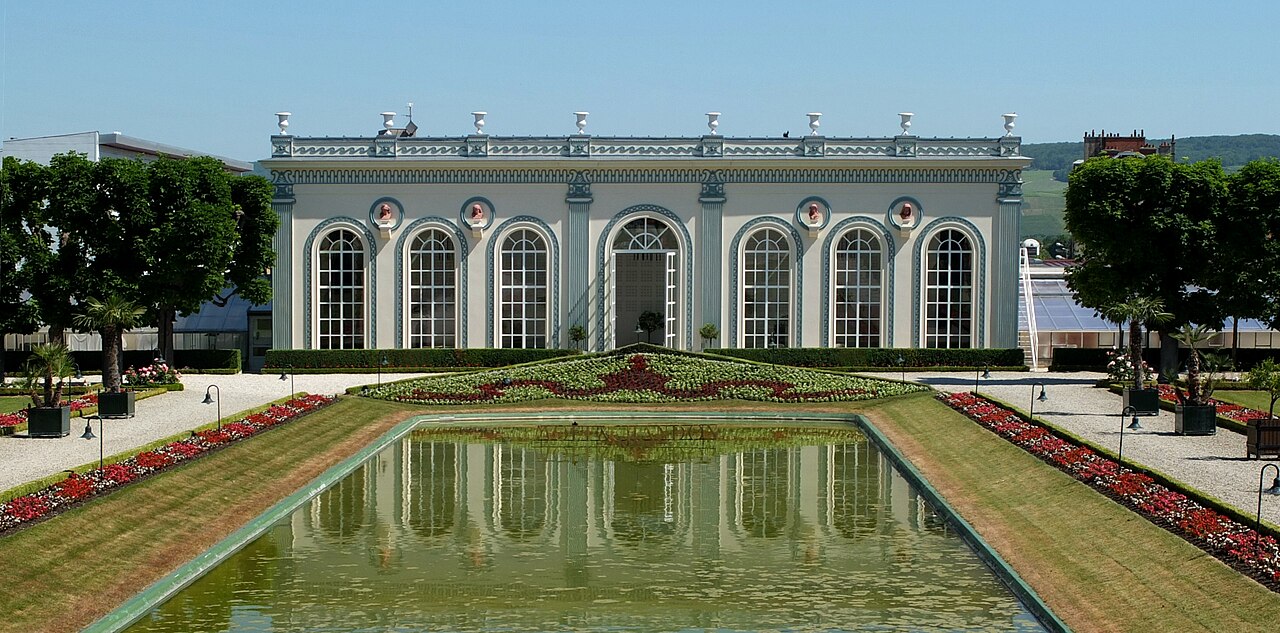
LVMH understands that true luxury today is about storytelling, heritage, and emotion. The Out Lap explicitly names these elements as its foundational pillars: “craftsmanship, storytelling and exceptional gastronomy.” This aligns perfectly with the LVMH ethos, where each brand within its stable, be it Moët & Chandon, Hennessy, Belvedere Vodka, Glenmorangie, Whispering Angel, Volcan de mi Tierra, or French Bloom (all cited as contributing Maisons), possesses its own rich history and meticulous production process. The experience becomes a vehicle to showcase these brands not just as beverages, but as integral components of a wider luxury narrative.
This ten-year partnership between Moët Hennessy and Formula 1, announced in 2025, is more than a simple sponsorship deal. It is a strategic alignment of two global powerhouses, each seeking to reinforce its position at the pinnacle of its respective domain. For Moët Hennessy, Formula 1 provides an unparalleled platform to reach a high-net-worth, globally mobile audience that appreciates speed, precision, and the finer things in life. For Formula 1, the association with LVMH lends an undeniable aura of sophistication and exclusivity, further burnishing its image as a premier global entertainment and lifestyle brand.
The Out Lap, as one of the “flagship expressions” of this partnership, is designed to be a tangible manifestation of this synergy. It leverages the collective “savoir-faire” of the renowned Maisons, transforming a sporting event into a multi-sensory brand showcase. This is not just about selling champagne; it’s about selling a lifestyle, an aspiration, and a memory, all meticulously crafted to reflect the values of the LVMH portfolio. The belief, as stated by Moët Hennessy, is that “the most memorable experiences are born where exceptional craftmanship, gastronomy and human stories come together.” The Out Lap attempts to engineer precisely that convergence.
The Chef and the Circuit: Yannick Alléno’s Challenge
The choice of Yannick Alléno to lead the culinary direction for the inaugural Out Lap at Spa-Francorchamps is a significant one. Alléno is not just a chef; he is an innovator, celebrated globally for his pioneering work in contemporary French cuisine, particularly his research into extraction and fermentation techniques. Described as “the world’s most Michelin-starred chef,” his reputation precedes him, lending instant credibility and a distinct gastronomic identity to the experience.
Alléno’s involvement immediately signals that this is far beyond typical catering. This is haute cuisine, adapted to an extraordinarily challenging environment. Cooking and serving a multi-course fine dining meal in a moving vehicle, even one designed for the purpose, presents formidable logistical and creative hurdles. Dishes must be stable, temperatures maintained, and presentation impeccable, all while navigating the subtle vibrations and movements of a bespoke vehicle on an actual race track. It requires a menu designed specifically “to be experienced in motion,” meaning textures, temperatures, and plating must be robust and thoughtfully conceived.
His role as a chef ambassador for Moët & Chandon, the title partner of the Belgian Grand Prix, makes him a natural fit, ensuring a seamless integration of the culinary and beverage components. This partnership goes beyond simple endorsement; it suggests a deeper creative collaboration, where the chef’s vision is intrinsically linked to the brand’s identity and the event’s context. Alléno’s culinary philosophy often involves a deep respect for terroir and the essence of ingredients, and one can anticipate that his menu for Spa-Francorchamps will draw inspiration from the region or the spirit of motorsport itself, much like a chef crafts a menu to reflect a specific season or cultural theme.
The challenge for Alléno will be to translate his refined, often delicate, culinary artistry into an experience that is both groundbreaking and genuinely enjoyable in such an unusual setting. It is not just about the food’s taste, but its entire journey from kitchen to palate within the moving dining room. This demands a level of ingenuity and adaptability that few chefs possess, and his success or failure will undoubtedly become a significant talking point in both the culinary and luxury hospitality worlds. His presence elevates The Out Lap from a mere novelty to a serious gastronomic endeavour.
The Out Lap is a direct response to this evolving demand, an attempt to capture the imagination of those who have perhaps experienced standard F1 hospitality and are now seeking something genuinely groundbreaking.
Where Legends Are Forged, and Forks Are Lifted
The choice of Spa-Francorchamps for the inaugural chapter of The Out Lap is no accident. This circuit, nestled in the Ardennes forest of Belgium, is one of motorsport’s true cathedrals. “Steeped in history and renowned for legendary corners including Eau Rouge, Raidillon, Pouhon and La Source,” as the announcement notes, Spa offers a dramatic backdrop that resonates deeply with racing enthusiasts. It is a track where legends have been forged, where the weather can change in an instant, and where the sheer speed and elevation changes test drivers to their limits. The circuit itself is a character in F1 lore, making it a powerful stage for an experience built on storytelling.
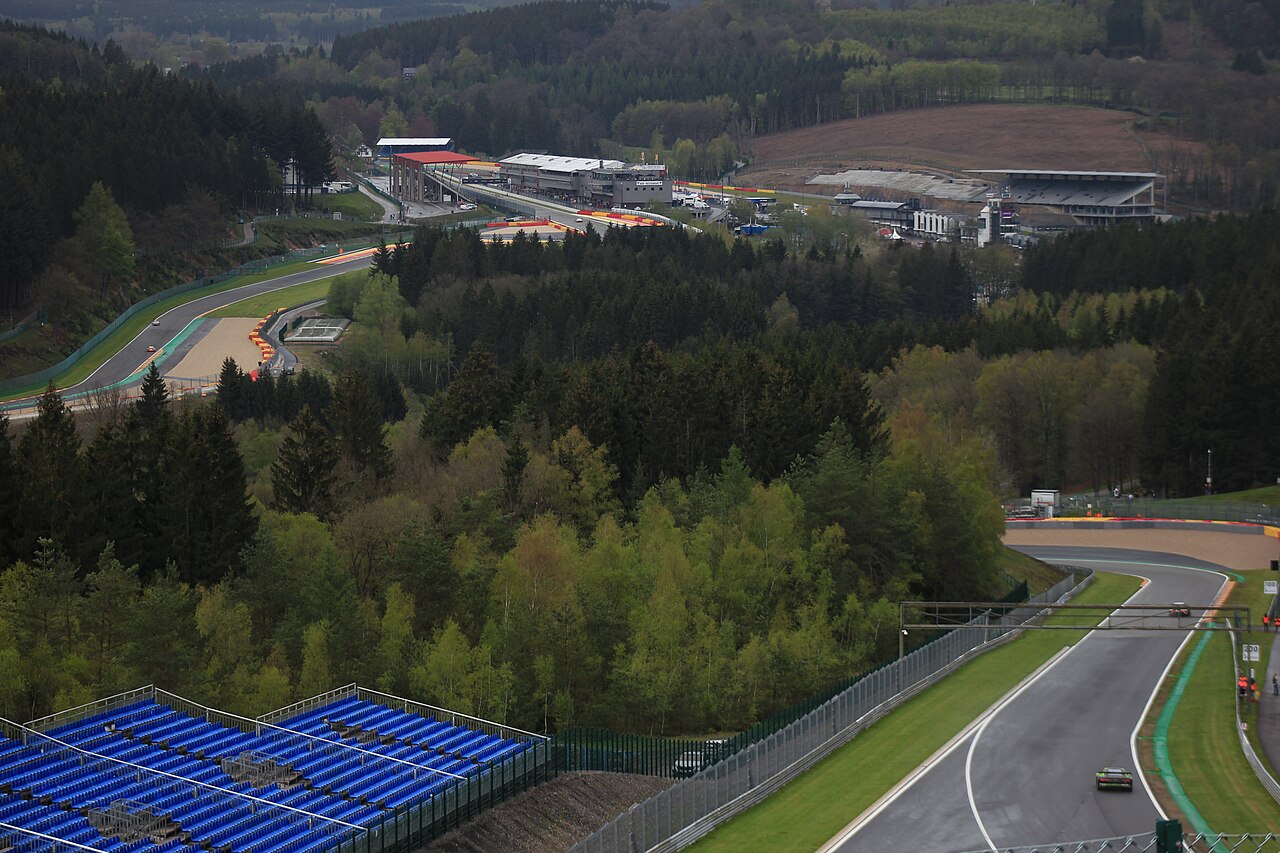
The ability to stop at these “legendary locations” on the track and hear a former driver’s personal anecdotes about Eau Rouge or the Bus Stop chicane adds an almost spiritual dimension to the experience. For fans who have watched countless races from afar, the opportunity to literally stand (or sit and dine) on the hallowed asphalt, hearing first-hand accounts of its challenges and triumphs, is a powerful draw. This is the kind of access that is genuinely rare, moving beyond mere VIP treatment to something akin to an archaeological dig into motorsport’s soul.
Beyond Spa, The Out Lap’s itinerary includes other iconic European circuits: Zandvoort in the Netherlands, Monza in Italy, and Barcelona in Spain. Each of these tracks possesses its own distinct character and history. Zandvoort, with its undulating, old-school layout and passionate Dutch fans, offers a different energy. Monza, the “Temple of Speed,” is synonymous with raw power and Ferrari history. Barcelona, often used for testing, is a technical challenge. The promise that “every destination offering a new interpretation of the concept through the identity and heritage of its circuit” means that the experience is not merely replicated, but genuinely reinvented for each location.
This bespoke approach to location, storytelling, and gastronomy is fundamental to The Out Lap’s appeal to the ultra-high-net-worth segment. It ensures that the experience remains fresh and compelling, justifying the likely significant price tag and encouraging repeat visits. For those who regularly attend Grand Prix events around the world, the opportunity to engage with each circuit’s unique narrative and culinary identity provides a compelling reason to participate in multiple editions. It transforms mere attendance into a curated journey through motorsport’s most sacred grounds, with each chapter offering a distinctive taste of local heritage and racing lore.
The Economics of Extreme Exclusivity
The business model underpinning The Out Lap is rooted firmly in the economics of extreme exclusivity and scarcity. By limiting the experience to just twelve guests per event, Moët Hennessy and Formula 1 are creating an ultra-premium product designed to command an astronomical price point. While no figures have been released, it is safe to assume that a single ticket will likely cost tens of thousands, if not hundreds of thousands, of pounds. This is not for the casual fan, nor even for the typical Paddock Club attendee. This is for the one percent of the one percent, for whom unique experiences are the ultimate currency.
The motivations for both partners are clear. For Formula 1, it is about deepening the monetisation of its assets beyond broadcast rights and traditional ticketing. The circuit itself, with its rich history and limited access, becomes a premium commodity. By offering an experience that transforms the track into a dining venue, F1 creates an entirely new revenue stream while simultaneously enhancing its reputation as a cutting-edge entertainment property. It also serves to differentiate F1’s luxury offerings from other major sporting events, many of which also offer high-end hospitality but few, if any, can match the inherent drama and historical weight of a Grand Prix circuit.
For Moët Hennessy, The Out Lap is a powerful brand-building exercise. It is not primarily about direct sales of champagne or cognac on the day. Instead, it is about associating its entire portfolio with the pinnacle of luxury, innovation, and unforgettable experiences. By placing their brands at the heart of such a unique and high-profile event, they reinforce their position as purveyors of the finest things in life. The halo effect of such an association can be immense, influencing brand perception and desirability among the global elite, whose purchasing power extends far beyond a single bottle.
The partnership also offers significant cross-promotional opportunities. The storytelling element, the involvement of a renowned chef, and the historical context of the circuits all provide rich content for marketing and public relations campaigns. This is about creating buzz, generating media attention, and cementing the image of both Formula 1 and Moët Hennessy as leaders in their respective fields, capable of delivering truly extraordinary moments. The investment in bespoke vehicles, complex logistics, and top-tier talent is justified by the immense brand equity and aspirational value generated by such a venture.
The Unspoken Laps: What Lies Beyond The Finish Line
While the press release paints a picture of unalloyed luxury and innovation, any venture of this scale and ambition inevitably comes with its own set of unspoken considerations and challenges. The first, and perhaps most obvious, is the sheer logistical complexity. Operating a moving dining room on an active Formula 1 circuit, even outside of racing sessions, demands an extraordinarily high level of coordination, safety protocols, and precision engineering. The safety of the guests, the catering staff, and the vehicle itself must be paramount, particularly on tracks designed for extreme speeds.
There is also the question of the environmental footprint. In an era where sustainability is an increasingly important consideration for luxury brands and consumers alike, an experience that involves a bespoke vehicle traversing a race track, presumably powered by traditional fuels, might raise questions. While the number of guests is small, the resources required to create and maintain such an elaborate moving setup, including the transport of culinary equipment, ingredients, and staff across multiple European venues, will not be insignificant. How Moët Hennessy and Formula 1 address or mitigate these concerns will be important for their long-term brand image.
Another aspect to consider is the potential for the “manufactured” nature of the experience to feel somewhat detached from the raw, authentic passion of motorsport. While the inclusion of former drivers and circuit history is designed to deepen the narrative, there is a risk that the highly curated, exclusive environment might insulate guests from the spontaneous, communal energy that often defines a Grand Prix weekend. For some, the true joy of F1 lies in the shared experience of the crowd, the roar of the engines from the grandstands, and the unpredictable drama of the race itself, elements that a highly controlled dining experience might inadvertently diminish.
Finally, the extreme exclusivity, while a key selling point, also limits the reach and accessibility of the innovation. While it establishes a new benchmark for luxury, it does so for an infinitesimally small fraction of the F1 audience. This is a deliberate choice, of course, but it means that the “reimagining of the Grand Prix weekend” primarily benefits a very select few, rather than fundamentally altering the experience for the broader fan base. This is not a critique, but simply an observation of the inherent trade-offs in pursuing such a niche, ultra-luxury offering.
What it means for where you stay
For the ultra-luxury traveller, The Out Lap presents a new pinnacle in experiential travel, particularly for those with a passion for motorsport and haute gastronomy. If you are accustomed to the Paddock Club or private jet travel to Grand Prix events, this offers a genuinely novel layer of immersion and exclusivity. It is not merely about seeing the race; it is about engaging with the circuit’s soul, a proposition that transcends typical event attendance. The bespoke nature of each edition, tailored to the specific circuit and featuring a different renowned chef, means that repeat participation is incentivised, offering a fresh narrative with each Grand Prix. However, be prepared for an undisclosed but undoubtedly significant investment, and for an experience that prioritises curated storytelling and gastronomic artistry over the raw, spontaneous energy of the crowd.
For owners and operators in the high-end hospitality and vacation rental market, The Out Lap serves as a potent case study in the relentless pursuit of “money-can’t-buy” experiences. It underscores several critical trends: the power of brand partnerships between seemingly disparate industries (sport and luxury goods), the demand for narrative-driven experiences that evoke emotion and history, and the increasing value placed on extreme exclusivity and limited access. This isn’t about replicating the concept directly, but about extracting its core lessons. How can your property or service offer truly unique access, bespoke storytelling, or collaborations with renowned talents that differentiate you from the competition? Think beyond mere amenities to crafting memorable moments that become conversational currency for your guests. The market is increasingly rewarding those who can transform a stay into a story, and a visit into a profound, personal memory.
Source
PR Newswire — reported 17 July 2026. Read by the Amorielli news desk.
Report an error in this story · Corrections policy and log

Pictures marked “Amorielli studio image” are illustrative scenes made for this story, not photographs of any property, company or person named. Pictures credited to a photographer are real photographs from Wikimedia Commons, used under the licence named beside each one; each caption says what the photograph shows. Details can change after publication; confirm specifics with the property or source. Like this? Get the newsletter.