At a glance
- Base
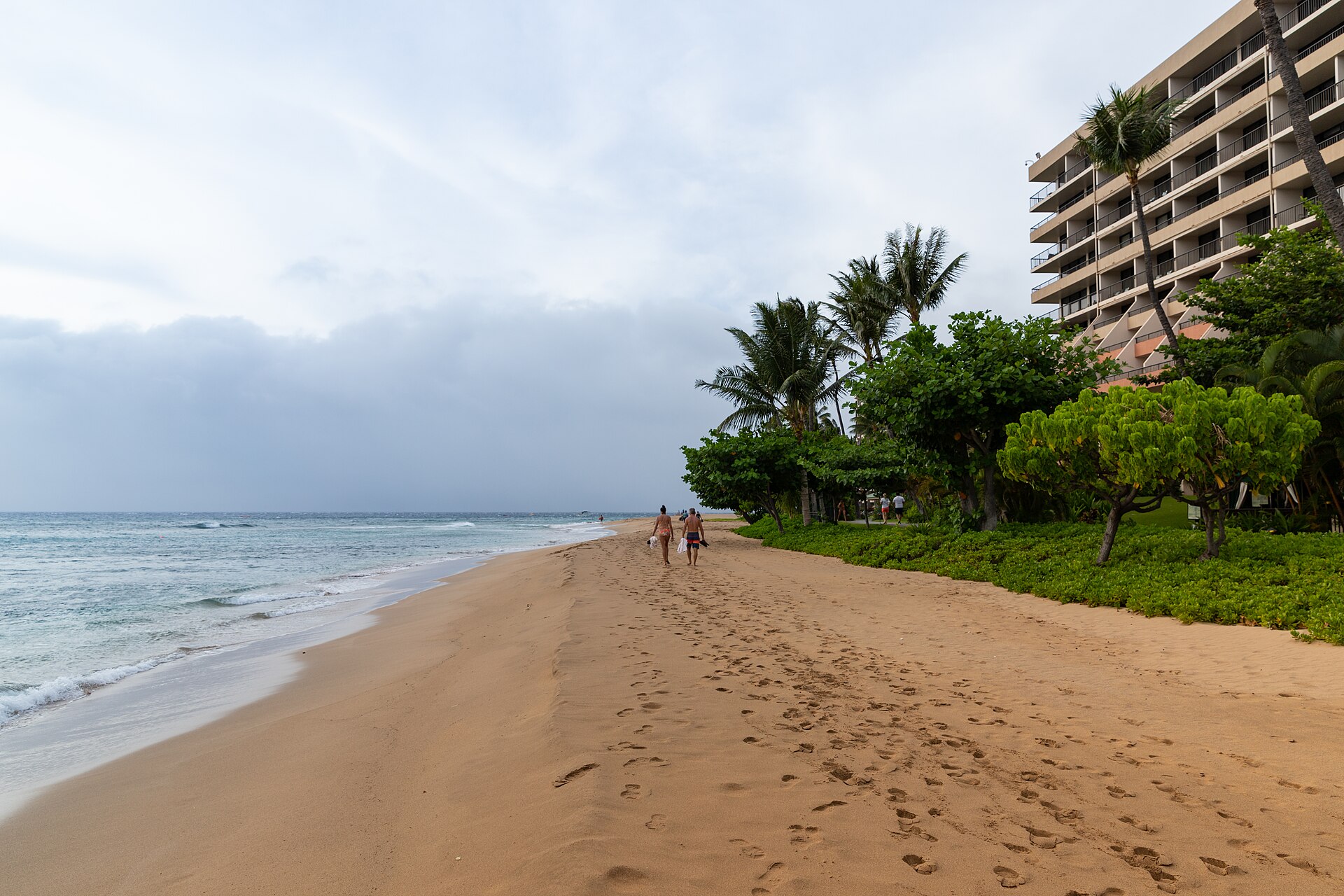
- South Maui or West Maui, leeward coasts with sun, calm water, and resorts; Kīhei, Wailea, Kāʻanapali, Kapalua.
- When
- Year-round; shoulder months (April, May, Sept-early Nov) offer best mix of warm water, thinner crowds, lower prices.
- Getting there
- Fly into Kahului Airport (OGG) on the central isthmus, with direct flights from the U.S. mainland.
- Getting around
- A rental car is essential for distances and reaching sights; book well ahead as supply runs tighter.
- Book ahead
- Haleakalā sunrise vehicle reservation, ʻĪao Valley timed reservation, popular Molokini and Hāna tours.
- The price
- Beachfront/ocean view, area (Wailea/Kapalua highest), season (winter peak), and resort vs. condo rental.
Maui is a big island built around two volcanoes, and the one decision that shapes your whole trip is which coast you sleep on. The island is really two mountains joined by a flat middle, and the difference between basing on the calm, sunny south coast and basing out at the far end of the Road to Hāna is the difference between two completely different holidays. Get the coast right and Maui is easy: you wake up near warm, swimmable water, drive twenty minutes to dinner, and plan your big day trips around the weather. Get it wrong and you spend your days in the car, crossing the island to reach the beach you came for.
Most visitors picture a resort beach, and that instinct is sound. The two leeward coasts — South Maui and West Maui — are dry, sunny, and calm, and they hold nearly all of the island's resorts and rental condos, so they are where most first-timers should base. But there is more to it than sun: West Maui is still recovering from the 2023 Lahaina wildfire, the North Shore and Upcountry are a cooler and more local Maui, and the far east around Hāna is genuinely remote. This guide covers how the island is laid out, the coasts worth basing in, when to come, how to get around — you will need a car — and the sights, beaches, and food worth planning around.
In this guide
How the island is laid out
Maui is the second-largest of the Hawaiian islands, and its shape is worth understanding before you book. Picture two separate volcanoes joined by a low, flat middle. To the northwest rise the older West Maui Mountains, steep, green, and deeply eroded, near 6,000 feet. To the east and south sits Haleakalā, a far larger shield volcano that makes up roughly three-quarters of the island and reaches just over 10,000 feet. Between them lies a flat isthmus of old sugar land, which is why Maui is called the Valley Isle; the airport town of Kahului and the county seat of Wailuku sit on that middle ground.
The thing that matters most is which way a coast faces. The south and west coasts are leeward — sheltered from the trade winds, dry, sunny, and calm, with the warm, swimmable water and nearly all of the resorts. The north and east coasts are windward — wetter, windier, greener, with bigger surf and the rainforest the Road to Hāna runs through. Cloud gathers on the windward side while the leeward beaches stay bright, so you can be rained on in the hills and sunburned at the beach on the same afternoon.
So the beaches, the resorts, and the reliable sun concentrate on the two leeward coasts, while the big sights are flung to the corners. For most trips the plan is simple — base on a leeward coast for the sun and sand, then treat the sights as day trips you drive to.
The coasts and areas to base in
Maui's places to stay fall on four coasts, and picking the coast comes before picking the hotel. Here is who each one suits.
- South Maui — Kīhei is the everyday, better-value end of the sunny south coast: a strip of individually owned condos, beach parks, and casual restaurants, with public beaches — Kāmaʻole I, II, and III, and Keawakapu — that many condos can walk to. Good for self-catering families and sun without resort prices.
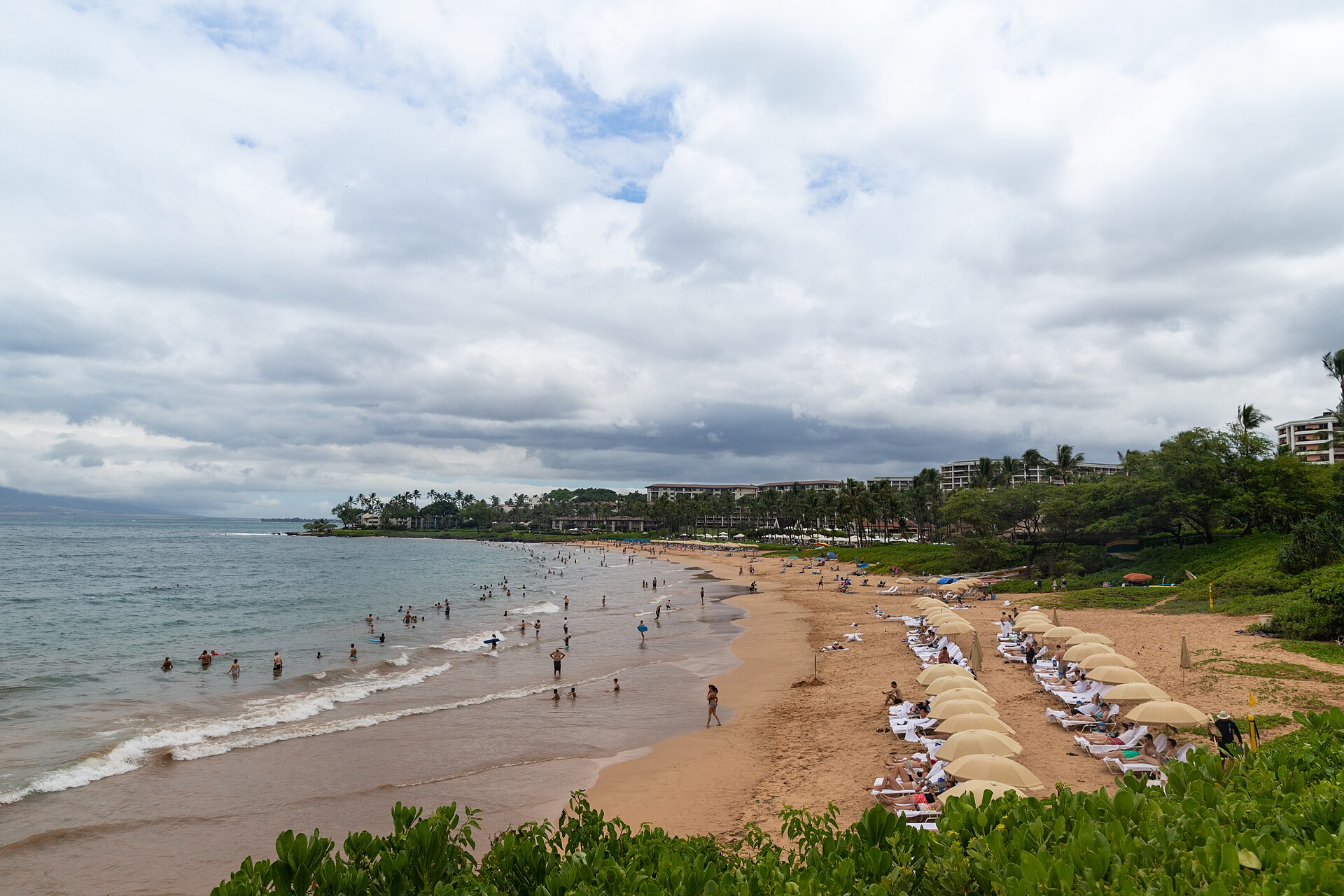
- South Maui — Wailea is the resort end of the same coast, a few miles south: planned and manicured, with full-service resorts, golf, spas, and a paved path linking calm crescent beaches. It is the priciest way to do the south, with the same weather as Kīhei up the road. Good for a resort stay where the grounds are the point.
- West Maui — Kāʻanapali is the classic Maui resort beach: a long stretch of sand backed by hotels, a shopping village, and a walkway, with the lava headland of Puʻu Kekaʻa — Black Rock — for snorkeling at the north end. Lively and family-friendly, and good for first-timers who want the resort-beach scene on the west side.
- West Maui — Kapalua and the northern coast run north of Kāʻanapali past Honokōwai, Kahana, and Napili, where the shore breaks into bays and headlands. Quieter, a touch greener, and more upscale at the Kapalua end. Good for a calmer resort stay away from the busiest sand. (Lahaina, the historic town just south of Kāʻanapali, is covered below; it is not a base right now.)
- The North Shore and Upcountry — Pāʻia, Makawao, Kula are the other Maui, up off the beach. Pāʻia is a former plantation town, now a surf town of galleries and cafes near Hoʻokipa, the windsurfing beach; Makawao is an old paniolo (cowboy) town turned art village; and Kula, higher on Haleakalā's slopes, is cool farm country of lavender, produce, and wine. Good for repeat visitors who want local character over a beach.
- East Maui — Hāna is the small, remote town at the end of the Road to Hāna, a long, winding drive from anywhere. Green, rainy, and quiet, with black-sand beaches and few services. Good for a night or two of remoteness, not a beach-and-sights base.
A word on West Maui, because it needs one. The 2023 Lahaina wildfire destroyed most of the historic town and killed 102 people, but the resort areas just to the north, Kāʻanapali and Kapalua, did not burn; they reopened in November 2023 and depend on visitors today. Lahaina town itself is still rebuilding behind fencing — covered in the practical notes near the end. Base in Kāʻanapali or Kapalua with a clear conscience, and treat the burn area with respect, not curiosity.
Starr-180326-2966-Cocos nucifera-aerial view The Grand Wailea… · Forest and Kim Starr · CC BY 3.0 US · cropped
| Area | Feel | Beach & water | Weather | Price | Best for |
|---|---|---|---|---|---|
| Kīhei | Casual condo strip, local, unfussy | Public beach parks, mostly calm | Sunny and dry | Lower to mid | Self-catering families and value |
| Wailea | Manicured resorts, golf, spas | Calm crescent beaches | Sunny and dry | Highest | Full-service resort stays |
| Kāʻanapali | Resort beach, lively, walkable | Long sand; Black Rock snorkeling | Sunny and dry | Mid to high | First-timers on the west side |
| Kapalua & northern West Maui | Quieter, upscale, bays and coves | Coves and headlands | Sunny, a little greener | High | A calmer resort stay |
| Pāʻia & Upcountry | Surf town and cool farm country | North-shore surf; no resort beach | Cooler, wetter, breezy | Varies | Local character over a beach |
| Hāna | Remote, green, very quiet | Black-sand and rugged shore | Rainy, windward | Varies | A night or two of remoteness |
Where to sleep, and what drives the price
Lodging on Maui falls into a few types. On the resort coasts are the big beachfront hotels, priced by the ocean and the grounds. In the same areas, and often the best value for families, are condominium rentals — whole apartments with kitchens, thick on the ground in Kīhei and along the West Maui coast north of Kāʻanapali. Up in Pāʻia, Makawao, and Kula are smaller inns and cottages with a cooler, more local feel, and out in Hāna a few remote places for the quiet.
Four things move the price more than anything else. The biggest is the beachfront and the ocean view; the same unit facing the water costs far more than the one facing the parking lot. Next is the area, with Wailea and Kapalua at the top, Kāʻanapali in the middle, and Kīhei and Upcountry below. Then the season, from the mid-December-to-March peak down to the cheaper spring and fall shoulders. And finally resort versus rental — a condo with a kitchen usually gives you far more room for the money than a hotel at the same nightly figure.
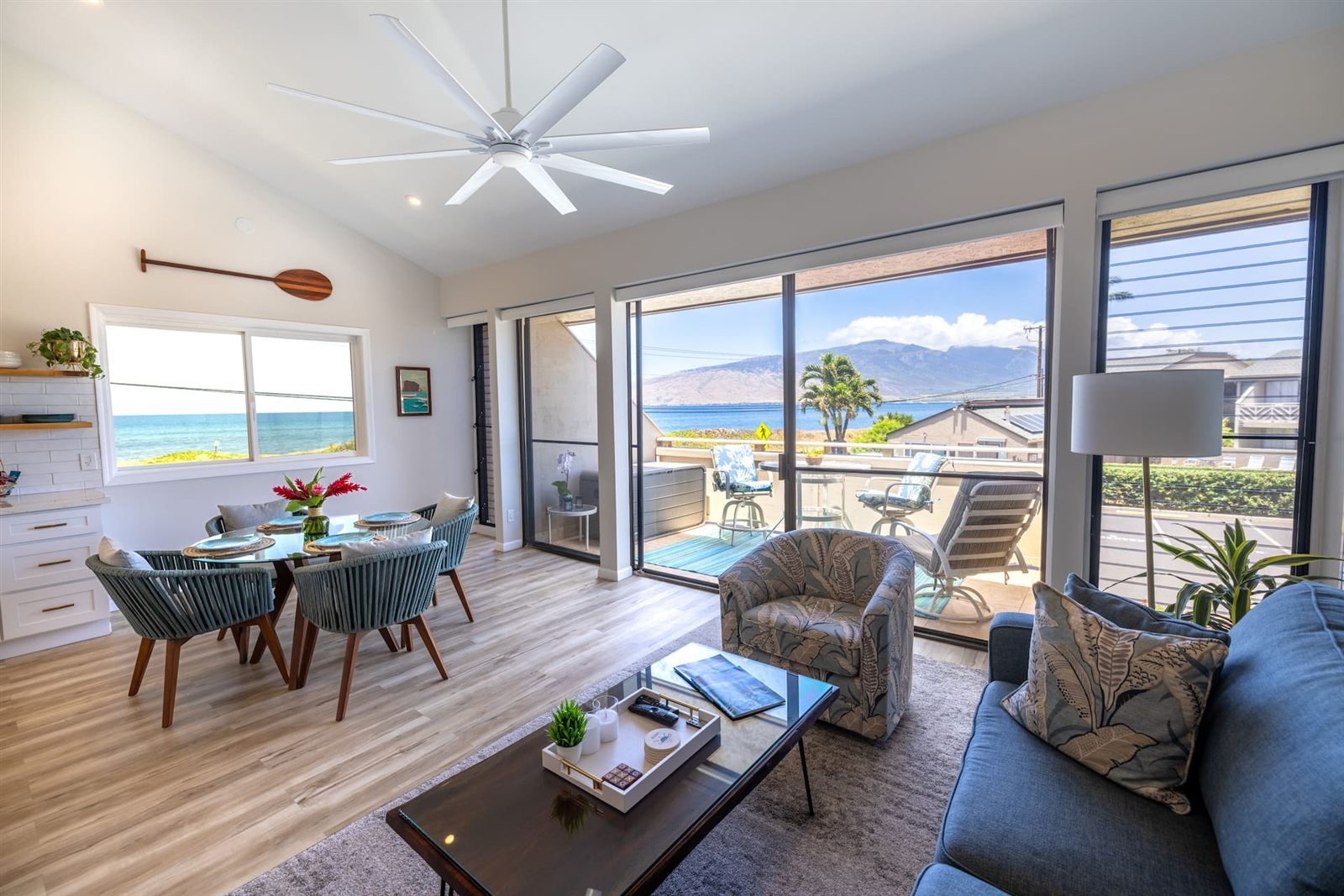
An ocean view is the thing you pay the steepest premium for on Maui. Be honest about whether you will use it. If your days are spent up at Haleakalā, out on the Road to Hāna, and on the water, that view is mostly a photo you paid extra for. If a slow morning with coffee and the sound of the surf is the whole point of the trip, it is worth every dollar.
The practical move is to decide how you will actually spend your time, then book early — the best-value condos and the winter holiday weeks go months ahead. And read the location fine print: on the West Maui coast especially, addresses spread over several miles of separate resort pockets, so check how far your place really sits from the beach and the town you want.
When to go
Maui works year-round, and the leeward beaches stay warm and swimmable in every month; the choice is really about weather, crowds, and whales. Hawaii has two loose seasons — a drier, warmer summer from about May to October, and a cooler, wetter winter from about November to April, when the north shore gets its big surf. On the leeward resort coasts the difference is mild, even in winter, but the windward east and the mountains are wetter, and the summit is cold in any season.
Two stretches draw the crowds. The winter holidays through March are the high season — reliable weather, the humpback whales in, and prices peaking hard around Christmas and New Year. The summer school holidays, roughly June through August, fill the island again. If you can choose, the shoulder months — April and May, and September into early November — give the best mix of warm water, thinner crowds, and lower prices.
The whales are worth planning around if the timing lines up. North Pacific humpbacks gather in the warm, shallow water between Maui, Lānaʻi, and Molokaʻi to breed and calve, roughly from December into April, with the most sightings from January through March. In those months you can often watch them breaching from a beach or a clifftop, and boat tours run daily from the harbors. It is one of the best places anywhere to see them, and the ʻAuʻau Channel off West Maui is the heart of it.
Wailua Falls, Hana, HI(2) · Ekrem Canli · CC BY-SA 4.0 · cropped
Getting there, and getting around
Nearly everyone flies into Kahului Airport, code OGG, on the central isthmus, with direct flights from the U.S. mainland and short hops from Honolulu. Two much smaller airfields exist — Kapalua (JHM) on the west side, propeller planes only, and Hāna (HNM) in the far east, for light aircraft — but for almost every visitor OGG is the way in.
Then rent a car — the one piece of Maui logistics you cannot skip. There is a county bus, but it is built for residents getting to work, not for reaching the summit or the far beaches, and the island's distances make a car close to essential. Book it well ahead, because rental supply on Maui runs tighter and pricier than on the mainland.
Distances feel longer than the map suggests, because the roads are two lanes and bend around the mountains. From Kahului it is roughly fifteen minutes to Kīhei and half an hour to Wailea, and about forty-five minutes up the west coast to Kāʻanapali. The two signature drives are full days out: the Haleakalā summit is about an hour and a half to two hours each way from the resort coasts, and the Road to Hāna is a full day in itself. Plan one big drive per day, and do not stack them.
Good to know
Three things on Maui now need booking before you arrive, and forgetting them can cost you a day. The Haleakalā sunrise needs a vehicle reservation through Recreation.gov, released sixty days out and gone within minutes for the popular dates. ʻĪao Valley needs a timed reservation for non-residents. And the best Molokini snorkel trips and Hāna tours sell out in high season. None is complicated, but all reward planning a week or two ahead. Almost everything else you can decide on the morning of, weather permitting.
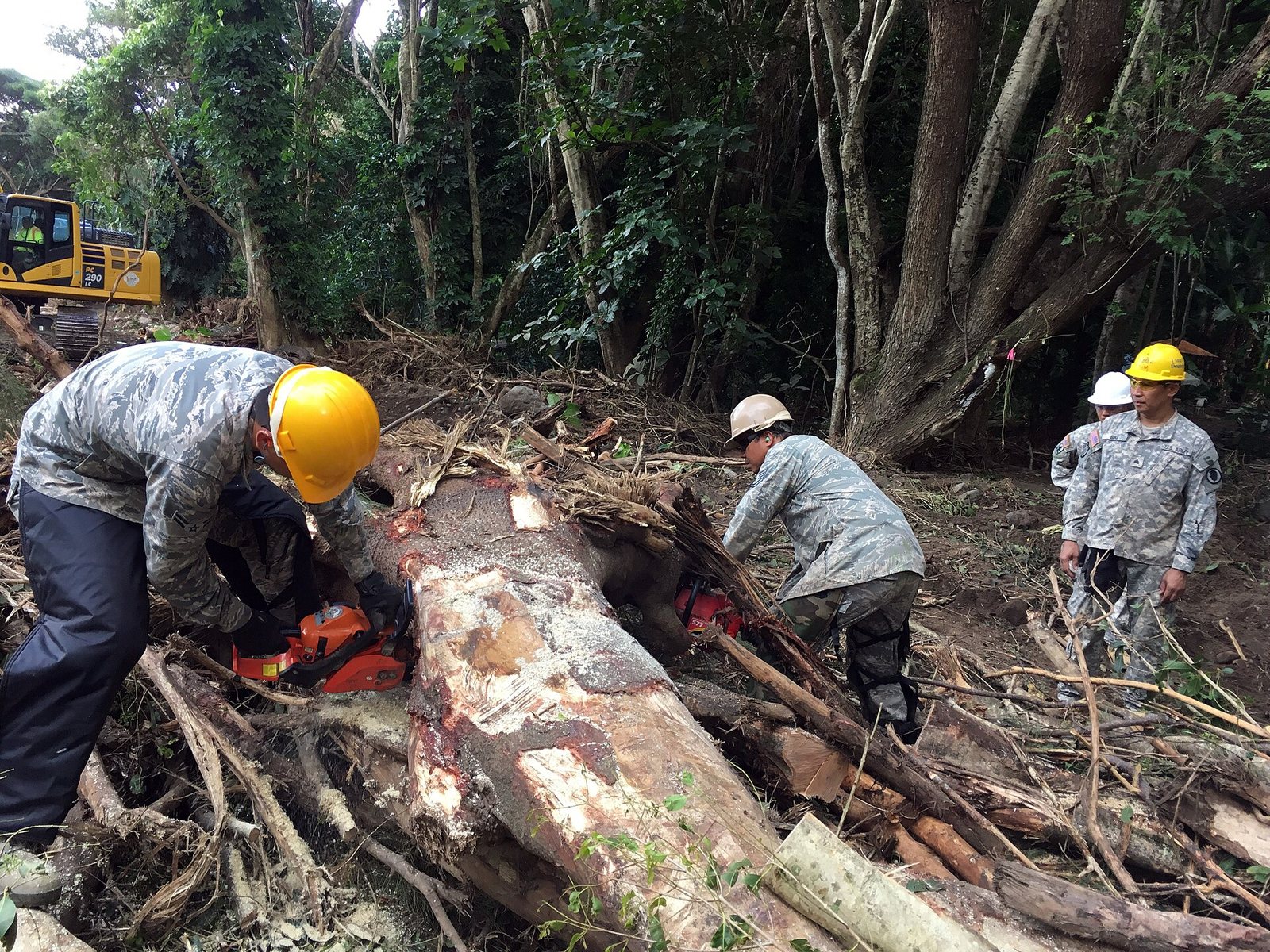
The sights worth planning around
You do not need to see everything, but a few sights are worth building your days around — and two of them now need a reservation booked in advance, so read this before you lock in your dates.
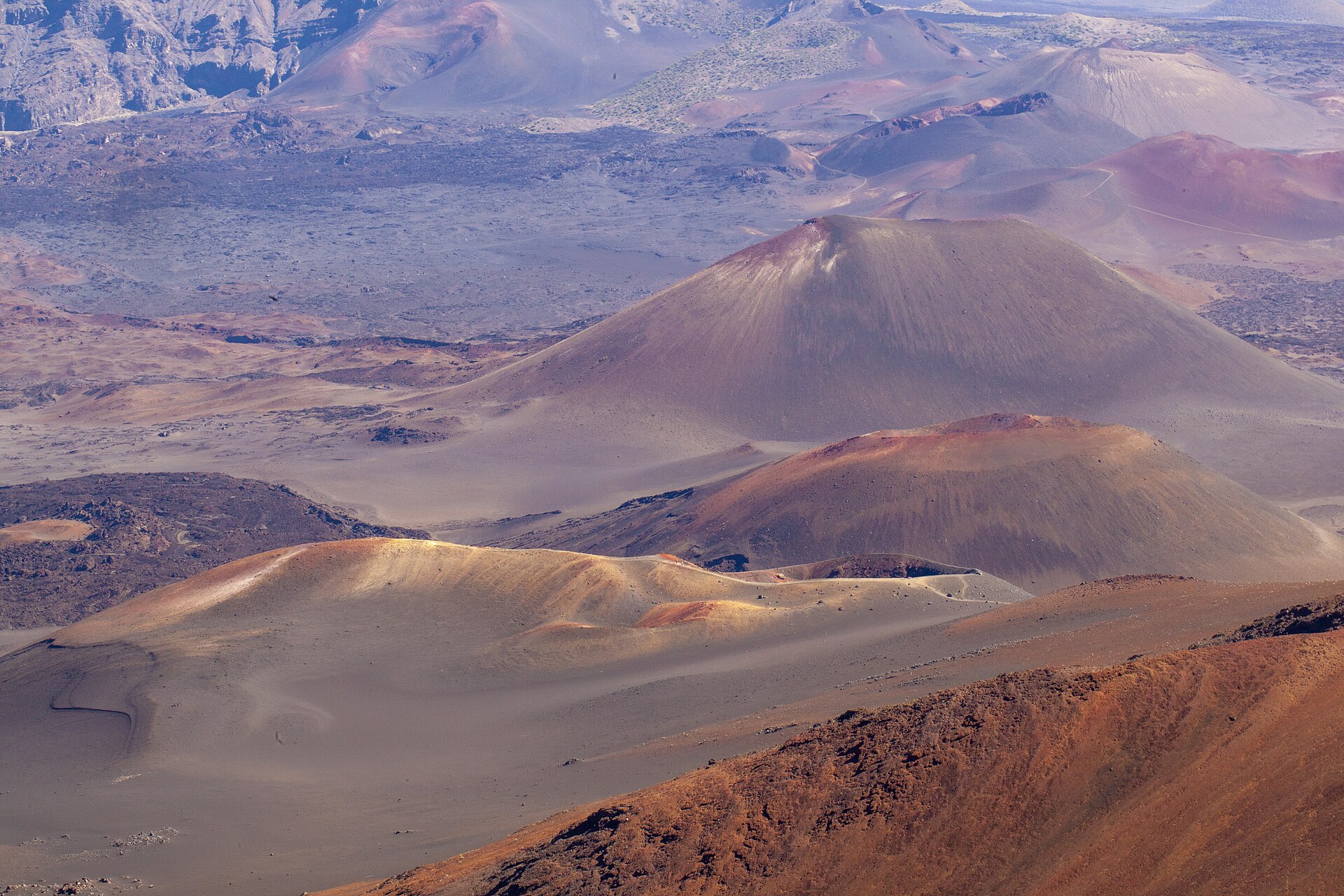
Haleakala crater zoom · Felipe Perez · CC BY-SA 4.0 · cropped
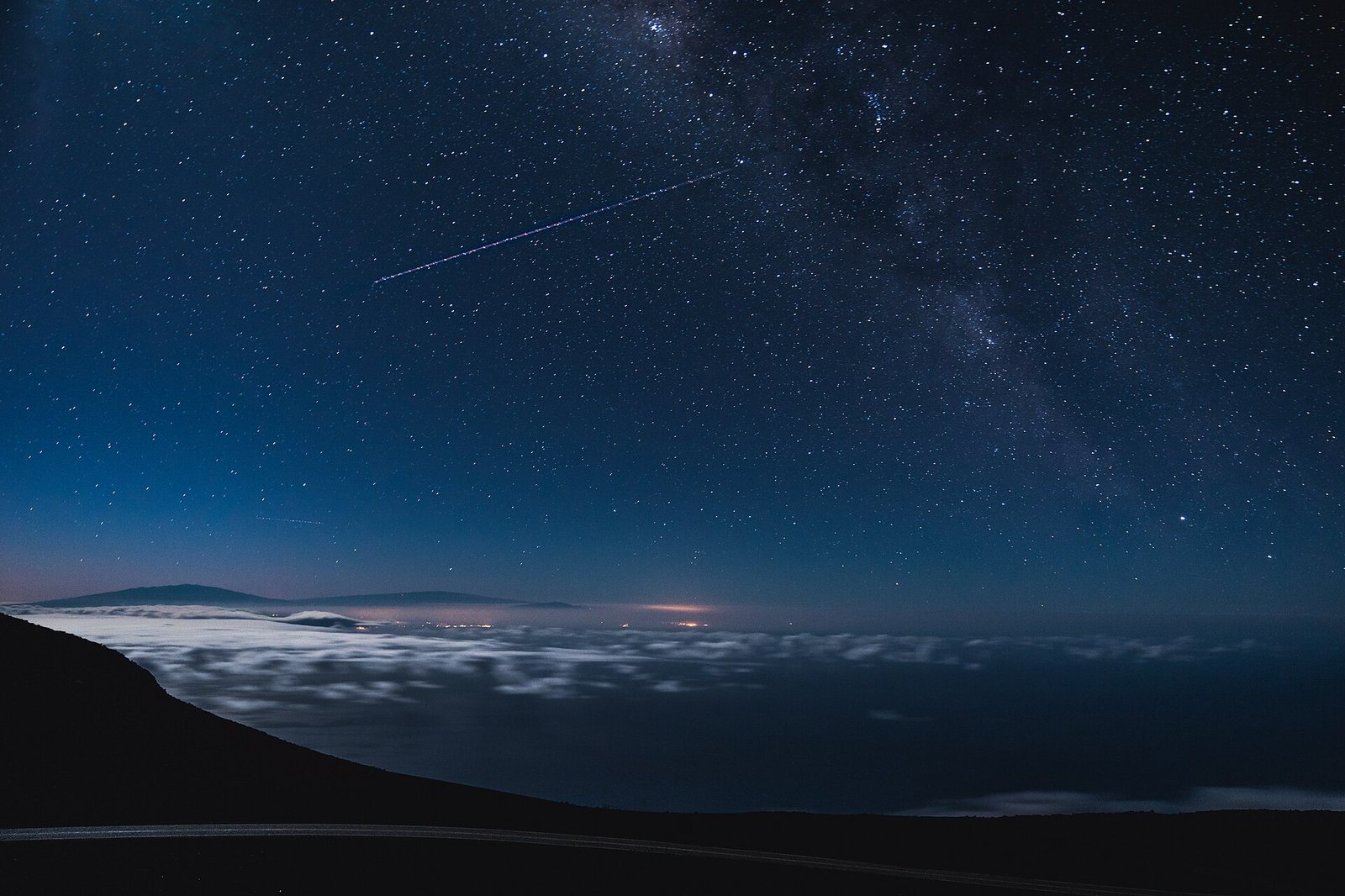
- Haleakalā National Park. The summit road climbs to just over 10,000 feet, high enough that the air is thin and near-freezing before dawn, with a long view down into the volcano's wide, cinder-cone crater. Sunrise is the famous experience, and the one that needs planning: every vehicle entering the summit for sunrise, roughly between 3 and 7 a.m., must have an advance reservation through Recreation.gov, with a small fee on top of the park entrance fee. Reservations open sixty days ahead and a smaller batch forty-eight hours ahead, and the good dates go fast. After 7 a.m. none is needed, and midday or sunset up top is worth the drive on its own. Bring warm clothes — it can be near freezing at the summit.
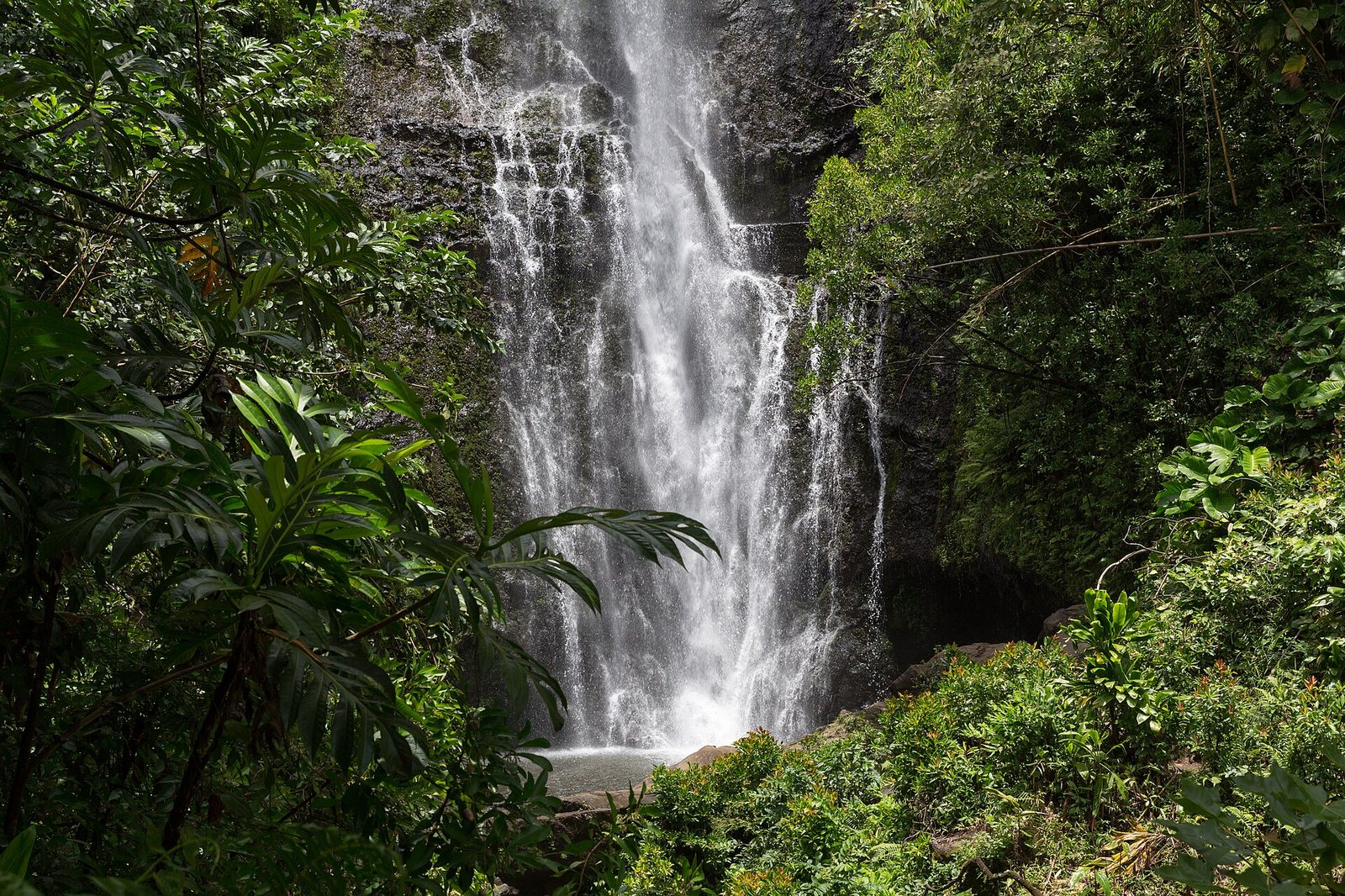
- The Road to Hāna. The Hāna Highway runs about sixty-four miles from Kahului along the windward east coast to Hāna, and the drive, not the destination, is the point: roughly 620 curves and around 60 bridges, most of them a single lane, past waterfalls and rainforest. Undistracted it is about two and a half hours each way; with stops it is a full day. Start early, fill the tank first, and let faster local drivers pass.
- Molokini. A crescent-shaped volcanic islet off the South Maui coast, in the channel between Maui and Kahoʻolawe. Its sheltered inner bay is a marine conservation district with clear water and reef fish, reachable only by boat on a snorkel or dive tour, and best on calm early mornings.
- ʻĪao Valley. A green, steep-walled valley in the West Maui Mountains above Wailuku, with the ʻĪao Needle, a rock pinnacle, rising more than a thousand feet from the valley floor. It is a short, easy stop on a paved path; non-residents need a timed reservation and pay an entry and parking fee, so check before you drive up.
- The beaches. Kāʻanapali on the west side for the resort scene and the Black Rock snorkeling; Wailea for calm, groomed crescents; and Mākena, also called Big Beach or Oneloa, south of Wailea — a long, wide, undeveloped stretch of sand with a powerful shorebreak that is not for weak swimmers or small children.
- Pāʻia and Upcountry. The surf town of Pāʻia, the cowboy town of Makawao, and the farms of Kula on Haleakalā's cool slopes make an easy day off the beach, with lavender, produce stands, and long views over the isthmus.
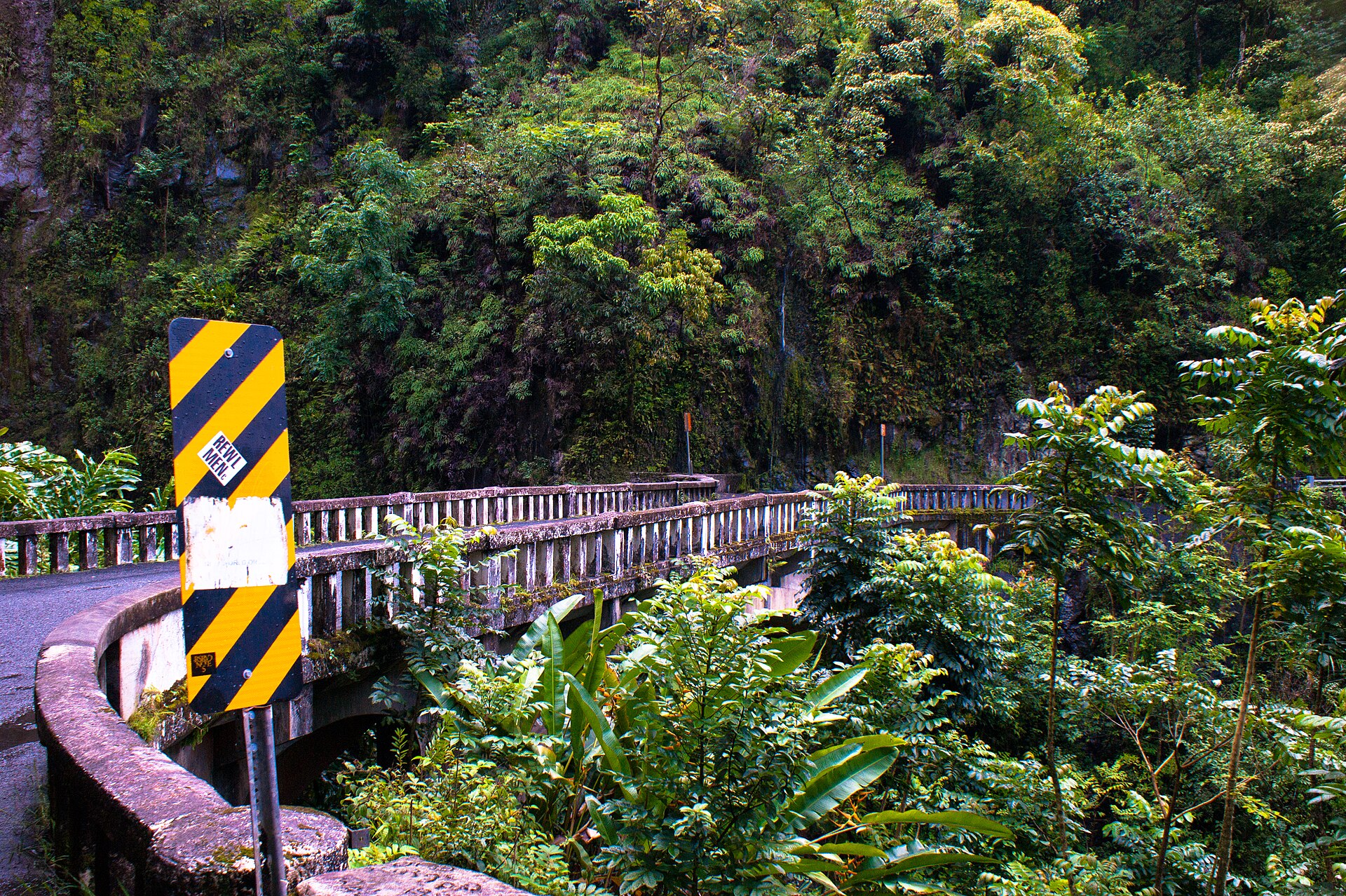
Bridge on Hana Highway · Jonathanking · CC BY-SA 3.0 · cropped
Where to eat
Maui's food is Hawaii's mix, and the everyday version is the best part. Start with poke, cubes of raw fish seasoned and sold by the pound at fish counters and markets, and the plate lunch, the local standard of two scoops of rice, macaroni salad, and something grilled or braised. Farm stands and roadside trucks are worth the stops — Upcountry produce, Maui coffee, banana bread on the Road to Hāna, fresh fish near the harbors, much of it grown or landed on the island.
Learn the rhythm and you will eat better. Pāʻia punches above its weight for dinner; Wailea and Kāʻanapali hold the resort dining rooms; Kīhei runs the casual middle; and Upcountry has a few good tables among the farms. Popular places book up, so reserve ahead in high season, and keep it honest — a plate lunch or a poke bowl a block back from the sand beats an indifferent resort buffet most days.
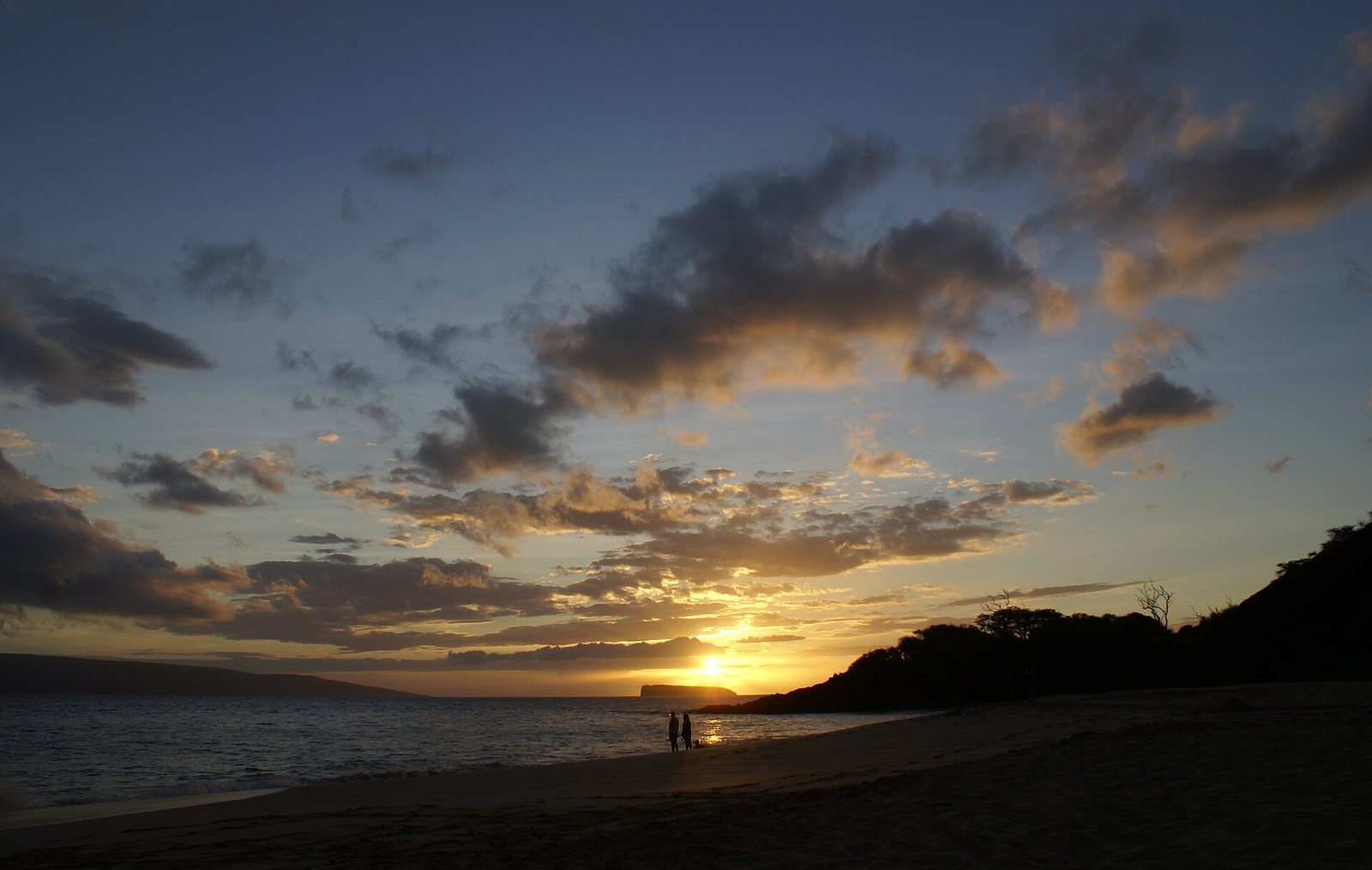
Sunset at the Big Beach in Makena State Park 02394 · Dennis Clayton · CC BY 3.0 · cropped
Practical notes, and respecting the recovery
West Maui deserves a clear, careful word. In August 2023 a wildfire swept through Lahaina and destroyed most of the historic old town, killing 102 people — the deadliest wildfire in the United States in more than a century. The nearby resort areas of Kāʻanapali and Kapalua did not burn and reopened in November 2023; West Maui is open and needs the travelers. Lahaina town itself is still being rebuilt behind fencing and is not a place to sightsee; Front Street, the old waterfront, was due to reopen to through traffic in the summer of 2026, but much of the commercial heart remains closed to general access. Treat the burn area with respect — keep out of fenced and residential zones, do not photograph it as a spectacle, and put your money into the West Maui businesses working to come back.
- A car is essential. Book it early, keep the tank full for the long drives, and expect two-lane roads that take longer than the mileage suggests.
- Reservations to line up ahead. The Haleakalā sunrise, and ʻĪao Valley for non-residents; popular Road to Hāna and Molokini tours also fill in high season.
- Sunscreen. Maui County allows only mineral sunscreen — zinc oxide or titanium dioxide — and bans the chemical kind, so bring mineral with you or buy it on-island.
- Respect the ocean. Shorebreak and currents are the real hazard at beaches like Mākena; follow posted flags and lifeguards, and note that the big surf shifts to the north and west shores in winter and the south in summer.
- Weather by elevation. It can be sunny at the beach, raining Upcountry, and near freezing on the summit on the same day, so pack a warm layer and a rain layer.
- Give the wildlife room. Keep your distance from honu, the green sea turtles, and from Hawaiian monk seals on the sand; do not touch or feed them.
- Whale season. Roughly December into April, best January through March, when boats run daily and whales are often visible from shore.
By the numbers
Common questions
Which coast should I stay on for a first trip?
South Maui or West Maui — both are leeward, sunny, calm, and lined with beaches. In the south, Kīhei is the better-value condo town and Wailea the manicured resort end; on the west side, Kāʻanapali is the classic resort beach and Kapalua the quieter option north of it. Any of them makes an easy base with a car; save Upcountry and Hāna for a repeat visit.
Do I need a car?
Yes. Maui has no visitor-friendly public transit to speak of, and the sights are spread to the far corners — the summit up one mountain road, Hāna down another. Rent a car, book it early, and budget more driving time than the distances imply.
Do I need a reservation for the Haleakalā sunrise?
Yes. Every vehicle entering the summit for sunrise, roughly between 3 and 7 a.m., needs an advance reservation through Recreation.gov. A block opens sixty days ahead and a smaller batch forty-eight hours ahead, and popular dates sell out within minutes; there is a small fee on top of the park entrance fee. After 7 a.m. no reservation is required, so a midday or sunset visit skips the system entirely.
Can I visit Lahaina, and should I?
West Maui as a whole — Kāʻanapali and Kapalua — is open and welcomes visitors, and its businesses need them. Lahaina town's burn area, destroyed in the 2023 wildfire, is a different case: it is still rebuilding, much of it remains fenced off, and it is not a sightseeing stop. Respect the closures and the residents, do not treat the burn zone as a photo opportunity, and support the West Maui businesses that are back up and running.
When is the best time to go?
Maui is a year-round island. The shoulder months — April and May, and September into early November — give the best mix of warm water, lower prices, and thinner crowds. Winter brings reliable leeward sun and the humpback whales but also the peak holiday crowds and rates; summer fills up with families. The leeward beaches stay swimmable in every season, while the windward east stays wetter.
Is the Road to Hāna worth it?
If you enjoy the drive, yes — but go in knowing it is a full day of about sixty-four miles of tight curves and one-lane bridges, and that the journey, not the town at the end, is the reward. Start early, do not rush, and let faster local drivers pass. If you are short on time or prone to car sickness, it is a fair one to skip.
Sources & further reading
- Go Hawaiʻi (Hawaii Tourism Authority) — official Maui travel guide
- National Park Service — Haleakalā National Park
- NPS — Haleakalā summit sunrise reservations
- Recreation.gov — Haleakalā summit sunrise reservation booking
- County of Maui — Maui Recovers, official wildfire recovery information
- Hawaiʻi State Parks — ʻĪao Valley State Monument
- Hawaiʻi DOT — Kahului Airport (OGG)
- NOAA — Hawaiian Islands Humpback Whale National Marine Sanctuary
Comments