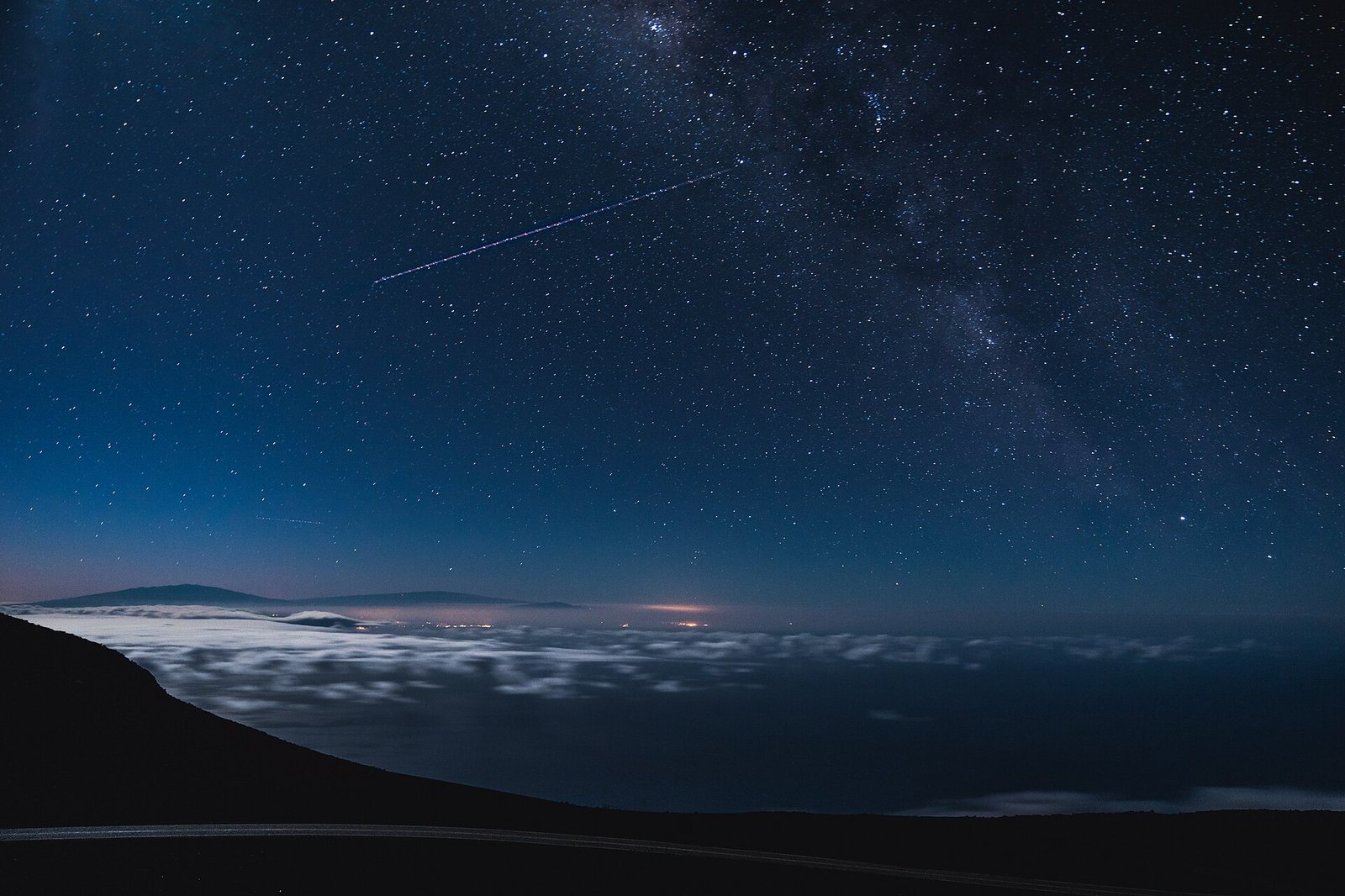
Maui's Two Big Drives
Maui's two signature drives, Haleakalā's summit and the Road to Hāna, are full days out, each requiring early starts and a full tank.
Maui is two mountains joined by a flat middle, and the decision that shapes a trip is where to base. Most first-time visitors find the leeward south and west coasts, with their sunny, calm beaches and resorts, make for an easy holiday. But the island’s big sights are flung to the corners, and two of them demand full days on the road: the summit of Haleakalā, just over 10,000 feet up, and the winding Road to Hāna along the windward rainforest. Each is a singular experience, but planning is key, and the rule that saves the week is one big drive per day.
The Haleakalā summit rises to just over 10,000 feet, high enough that the air is thin and near-freezing before dawn. The long view down into the wide, cinder-cone crater is the famous sunrise experience, and it requires advance planning. Every vehicle entering the summit for sunrise, roughly between 3 and 7 a.m., must have a reservation through Recreation.gov. These reservations open sixty days ahead and are often gone within minutes for popular dates. A smaller batch is released forty-eight hours ahead. After 7 a.m., no reservation is needed, so a midday or sunset visit offers an alternative. Regardless of the time, bring warm clothes; it can be near freezing at the summit.
The Road to Hāna, by contrast, is a journey through Maui’s windward rainforest. The Hāna Highway runs about sixty-four miles from Kahului to Hāna, and the drive itself is the point. Expect roughly 620 curves and around 60 bridges, most of them a single lane, past waterfalls and green canopy. Undistracted, it is about two and a half hours each way, but with stops for views and short walks, it becomes a full day. Start early to make the most of the light, fill the tank before leaving the main towns, and let faster local drivers pass.
These two drives are distinct, one climbing to a cold, high peak, the other winding through a warm, wet forest. Both demand an early start and a full tank of fuel. From the resort coasts, the Haleakalā summit is about an hour and a half to two hours each way. The Road to Hāna is a full day in itself. It is wise to plan one big drive per day and not stack them. The island's roads are two lanes and bend around the mountains, making distances feel longer than the map suggests.
For visitors based on the sunny leeward coasts like Kīhei, Wailea, Kāʻanapali, or Kapalua, these day trips are a welcome contrast. While the beaches stay warm and swimmable year-round, the mountains and windward side offer a different side of Maui. Choose your day, confirm your reservations, and remember that good planning makes these journeys rewarding.
From Vol. 2 · No. 08 · August 2026, The Pacific Issue. The cover story is Where to Stay on Maui. Details change; confirm specifics with the property before you travel.
More from the column
-
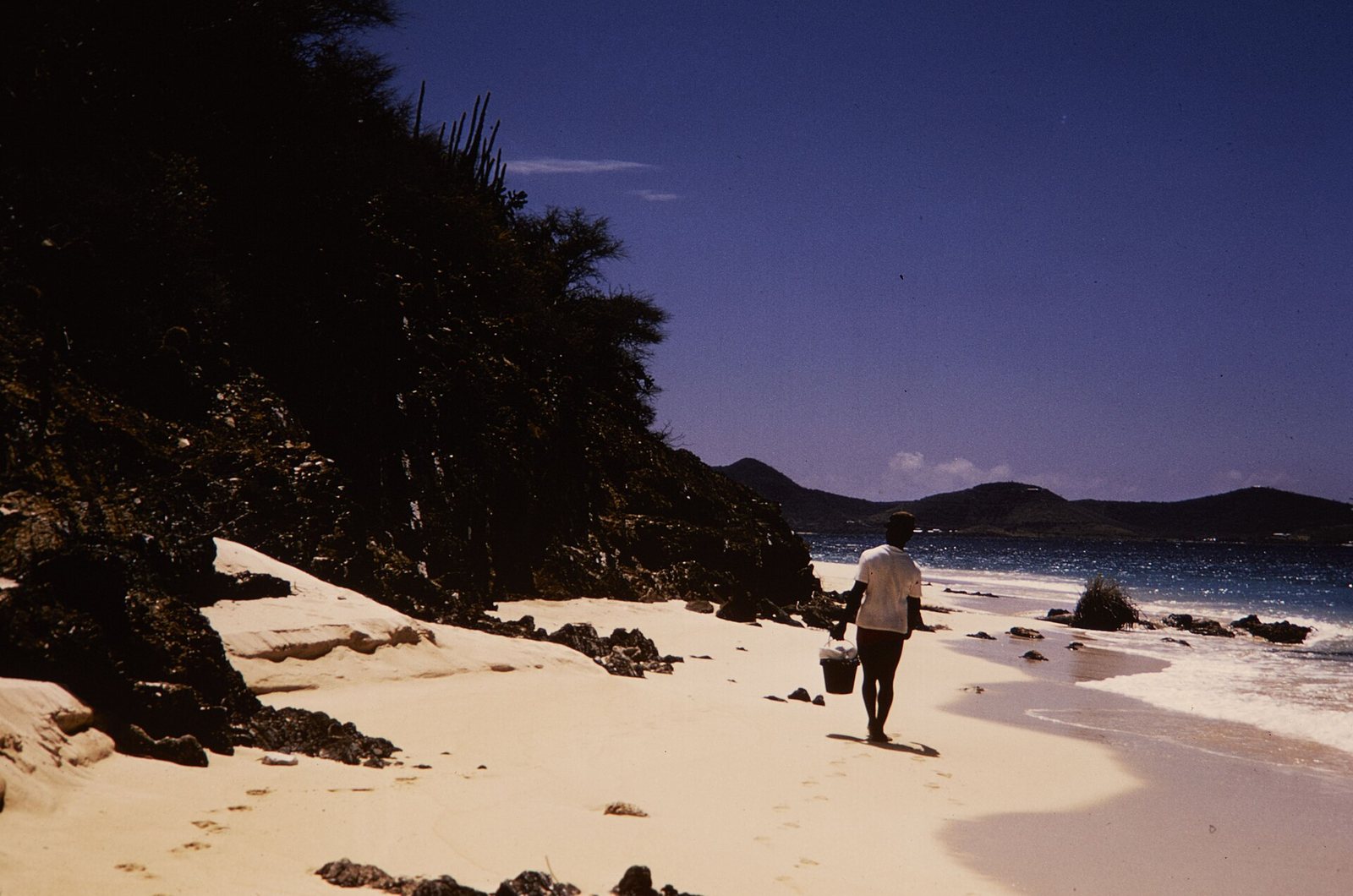 St. Croix · Vol. 2 · No. 10 · October 2026
Buck Island: St. Croix’s Reef Monument
A boat trip to Buck Island Reef National Monument offers an underwater snorkel trail and a stop at Turtle Beach.
St. Croix · Vol. 2 · No. 10 · October 2026
Buck Island: St. Croix’s Reef Monument
A boat trip to Buck Island Reef National Monument offers an underwater snorkel trail and a stop at Turtle Beach.
-
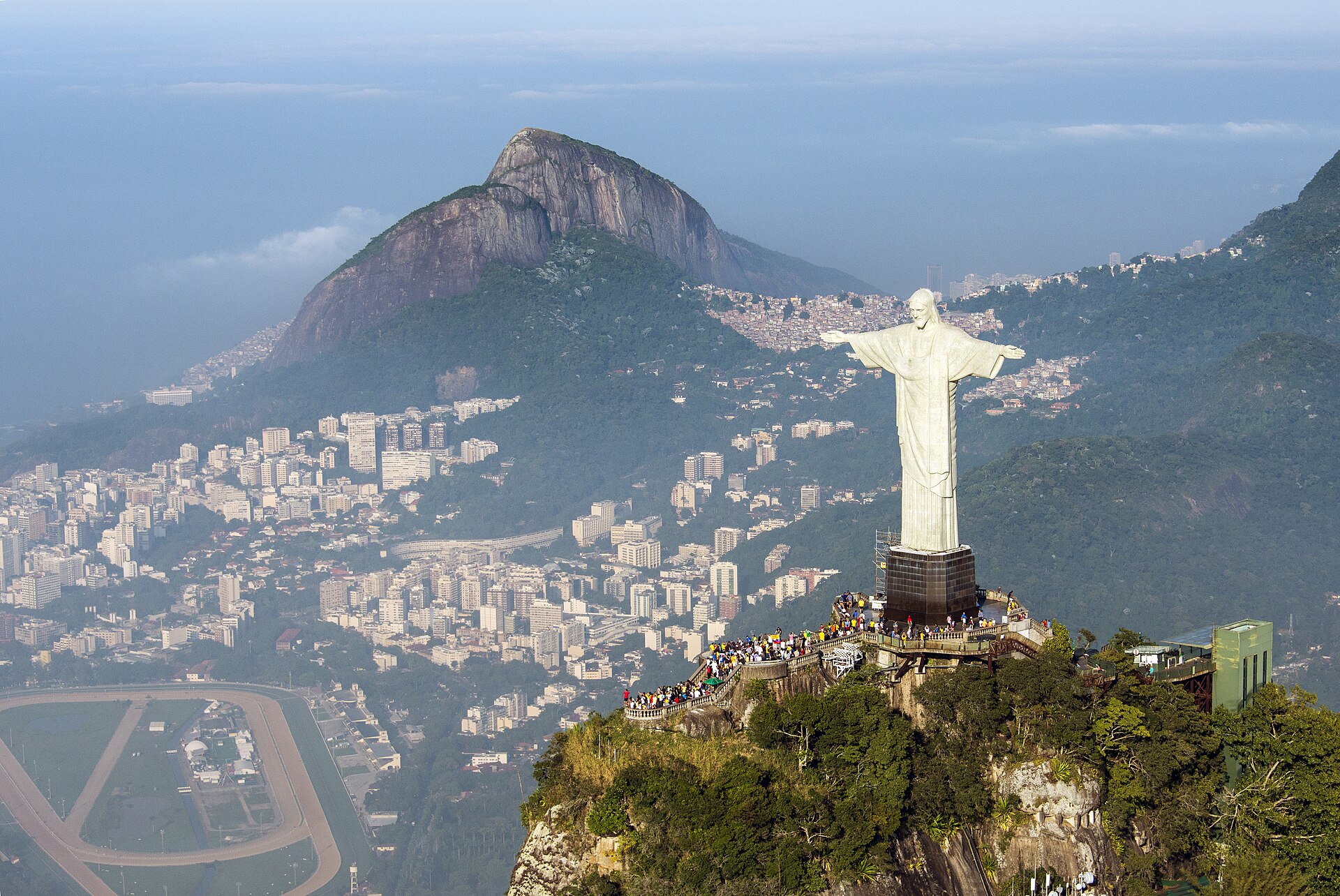 1 cristor redentor 2014 · Chensiyuan · CC BY-SA 4.0 · cropped
Rio de Janeiro · Vol. 2 · No. 09 · September 2026
Rio's Clear-Day Ascents
Plan two essential Rio climbs around the weather for views of the city and coast.
1 cristor redentor 2014 · Chensiyuan · CC BY-SA 4.0 · cropped
Rio de Janeiro · Vol. 2 · No. 09 · September 2026
Rio's Clear-Day Ascents
Plan two essential Rio climbs around the weather for views of the city and coast.
-
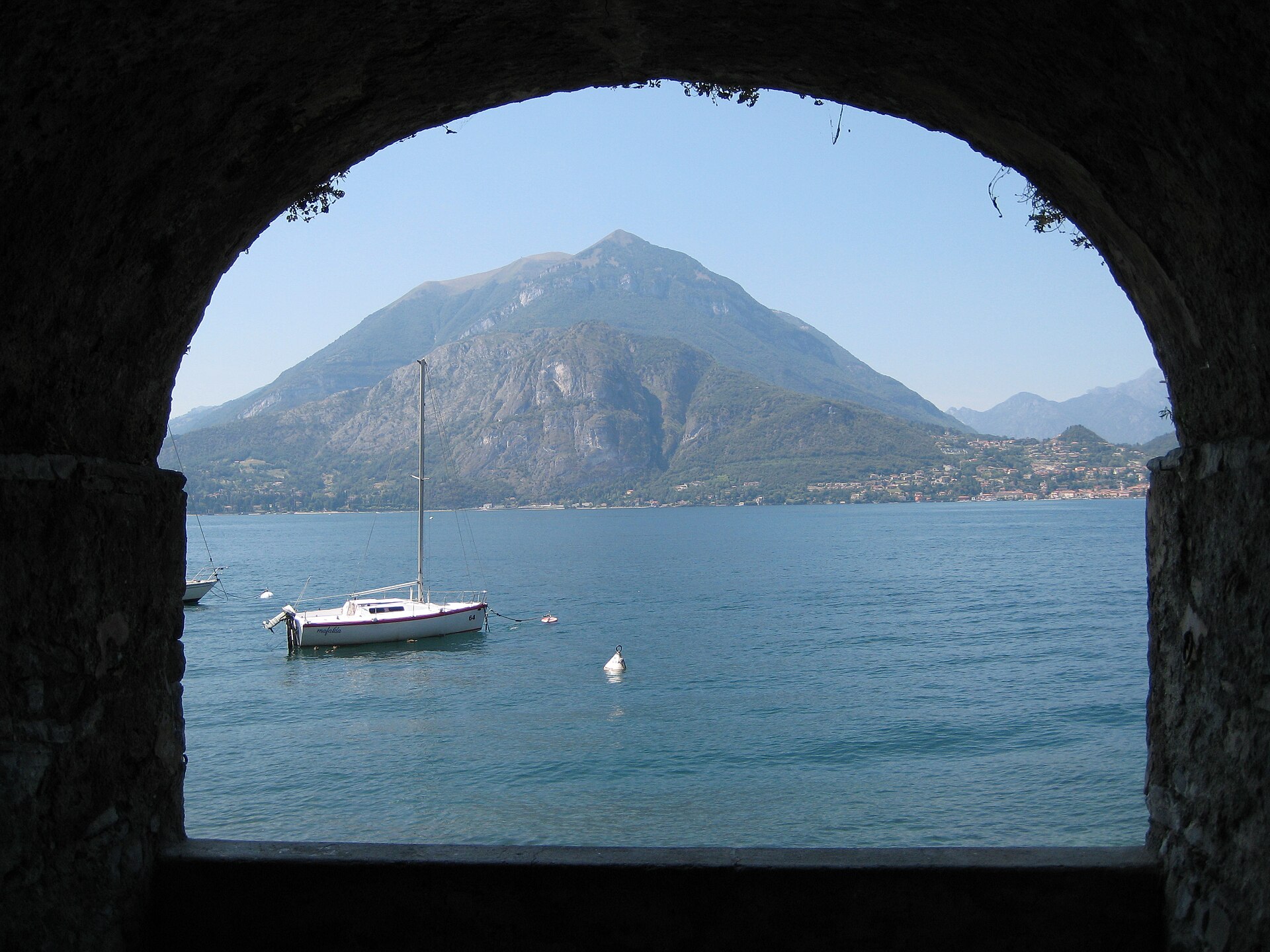 Lake Como from Varenna 01 · Aconcagua · CC BY-SA 3.0 · cropped
Lake Como · Vol. 2 · No. 07 · July 2026
Western Shore Gardens
Leaving your base for a boat day to Villa del Balbianello and Villa Carlotta reveals the cultivated beauty of Lake Como's western shore.
Lake Como from Varenna 01 · Aconcagua · CC BY-SA 3.0 · cropped
Lake Como · Vol. 2 · No. 07 · July 2026
Western Shore Gardens
Leaving your base for a boat day to Villa del Balbianello and Villa Carlotta reveals the cultivated beauty of Lake Como's western shore.
-
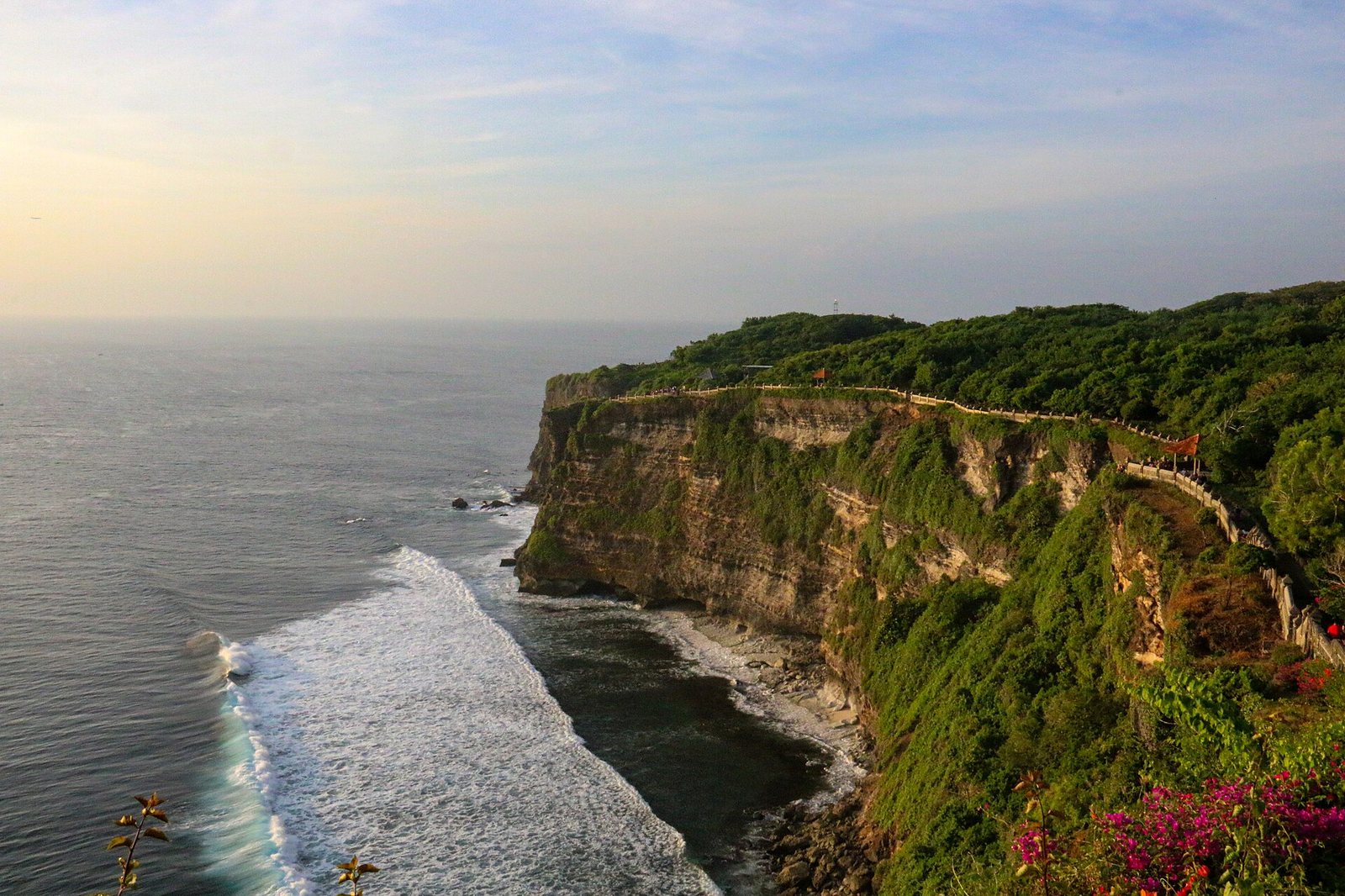 Cliff at Uluwatu temple, Bali · Emma THERY · CC BY-SA 4.0 · cropped
Bali · Vol. 2 · No. 06 · June 2026
East to Sidemen
When the central streets of Ubud feel busy, the Sidemen valley to the east offers the same terraced green with a fraction of the traffic, under the volcano.
Cliff at Uluwatu temple, Bali · Emma THERY · CC BY-SA 4.0 · cropped
Bali · Vol. 2 · No. 06 · June 2026
East to Sidemen
When the central streets of Ubud feel busy, the Sidemen valley to the east offers the same terraced green with a fraction of the traffic, under the volcano.
The columns, every month.
One considered letter when a new issue lands: the cover story, the four columns, and the month's news.
Comments