
At a glance
- Base
- Southern beach neighbourhoods (Copacabana, Ipanema, Leblon) or near Arpoador.
- When
- April and May (autumn), or September to November (spring) for warm days, thinner crowds.
- Getting there
- Fly into Galeao (GIG) or Santos Dumont (SDU); use official taxis or ride apps from airports.
- Getting around
- Metro in Zona Sul; Uber and 99 for other areas; no car needed if based in Zona Sul.
- Book ahead
- Book accommodation early for summer, very early for New Year/Carnival; timed tickets for sights.
- The price
- Sea view, neighbourhood (Leblon/Ipanema highest), season (New Year/Carnival peak), floor/outlook.
Rio de Janeiro is a big, vertical city wrapped around beaches, and the one decision that shapes your whole trip is which neighbourhood you sleep in. The city runs for miles between the mountains and the sea, and the difference between basing on the sand in Ipanema and basing up in the hills of Santa Teresa is the difference between two completely different holidays. Get the neighbourhood right and Rio is easy: you walk to the beach in the morning, ride the metro to dinner, and never think about it again. Get it wrong and you spend your days stuck in traffic on the wrong side of a tunnel.
Most visitors picture Copacabana, and Copacabana is a reasonable choice. But the answer to where to stay depends on what you want your mornings to look like. The southern beach neighbourhoods — Copacabana, Ipanema, and Leblon — are where most first-time visitors should base: they are on the sand, they are walkable, and the metro ties them to the rest of the city. This guide walks through how Rio is laid out, the neighbourhoods worth basing in, when to come, how to get around without a car, and the sights, beaches, and food that make the trip.
In this guide
How Rio is laid out
Rio divides into zones, and knowing them saves you from booking the wrong side of the city. The Zona Sul, the South Zone, is the coastal strip most visitors come for: Copacabana, Ipanema, and Leblon along the ocean, Botafogo and Flamengo along the bay, and the hillside quarter of Santa Teresa above them, all hemmed between steep green mountains and the Atlantic. The Centro is the old downtown, the business and historic core, busy by day and quiet at night. The Zona Norte, the North Zone, holds the Maracanã stadium, the international airport, and residential districts most travellers only pass through. West of the Zona Sul, past a run of tunnels and the beach at São Conrado, lies Barra da Tijuca and the wider Zona Oeste — a newer, car-built stretch of long beaches and condominium towers.
The mountains are the thing to understand. They cut the city into pockets joined by tunnels, which is why a short distance on the map can be a long drive at rush hour. In the middle sits the Tijuca forest, one of the largest urban forests in the world, with Christ the Redeemer on the Corcovado peak above it. Sugarloaf stands at the mouth of Guanabara Bay, where the city meets the sea.
Why does this matter for where you sleep? Because the beaches, the famous sights, and the metro all concentrate in the Zona Sul and the historic centre. Base there for a first trip and everything is close. Barra, out west, is a different proposition — space, calm, and a family beach, but far from the centre and built around the car.
The neighbourhoods worth basing in
Nine areas cover almost every sensible plan. Here is who each one suits.
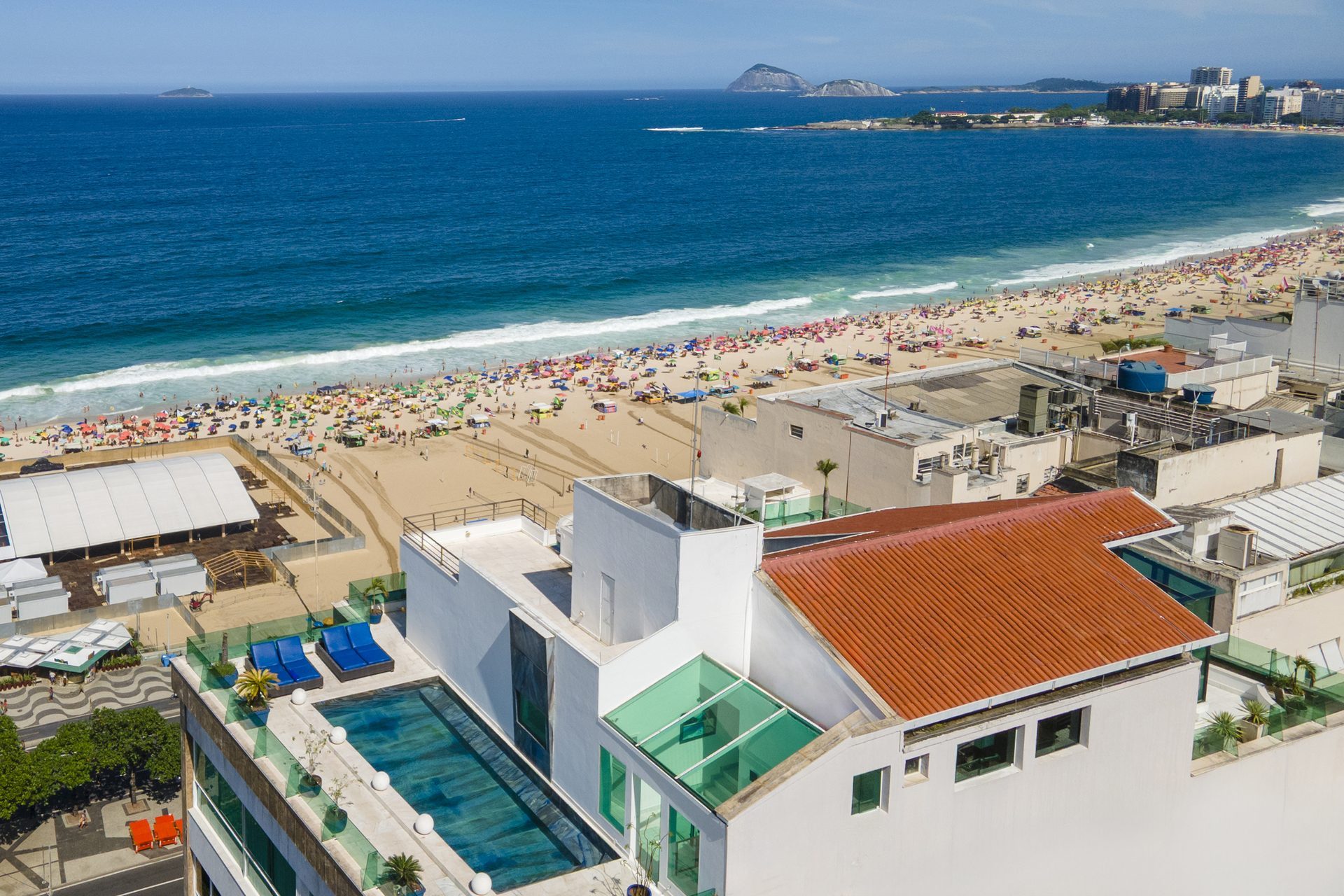
- Copacabana is the classic curve, a four-kilometre arc of sand backed by a dense, international neighbourhood that never quite sleeps. It has three metro stations on Line 1, every kind of hotel and apartment, and the black-and-white promenade everyone pictures. The trade-offs are the crowds, the tourist churn, and a few tired blocks back from the water. Good for first-timers who want the beach and easy transit. The beachfront addresses here include the Collection's Copacabana Penthouse, directly on Avenida Atlântica.
- Ipanema is calmer and more polished than Copacabana, a grid of good restaurants and shops between two beaches, with the rocky point of Arpoador at one end for the sunset. It has its own metro stations and the best all-round beach culture in the city. It tends to cost a little more than Copacabana and it is worth it for many people. Good for couples, first-timers, and anyone who likes to walk. The Collection keeps an apartment in Ipanema a couple of streets from the sand.
- Leblon is Ipanema's quieter, more residential continuation, and Rio's most refined address. Two metro stops, excellent food, leafy streets, and a family feel. It is usually the priciest of the beach neighbourhoods. Good for luxury travellers, families, and quiet stays.
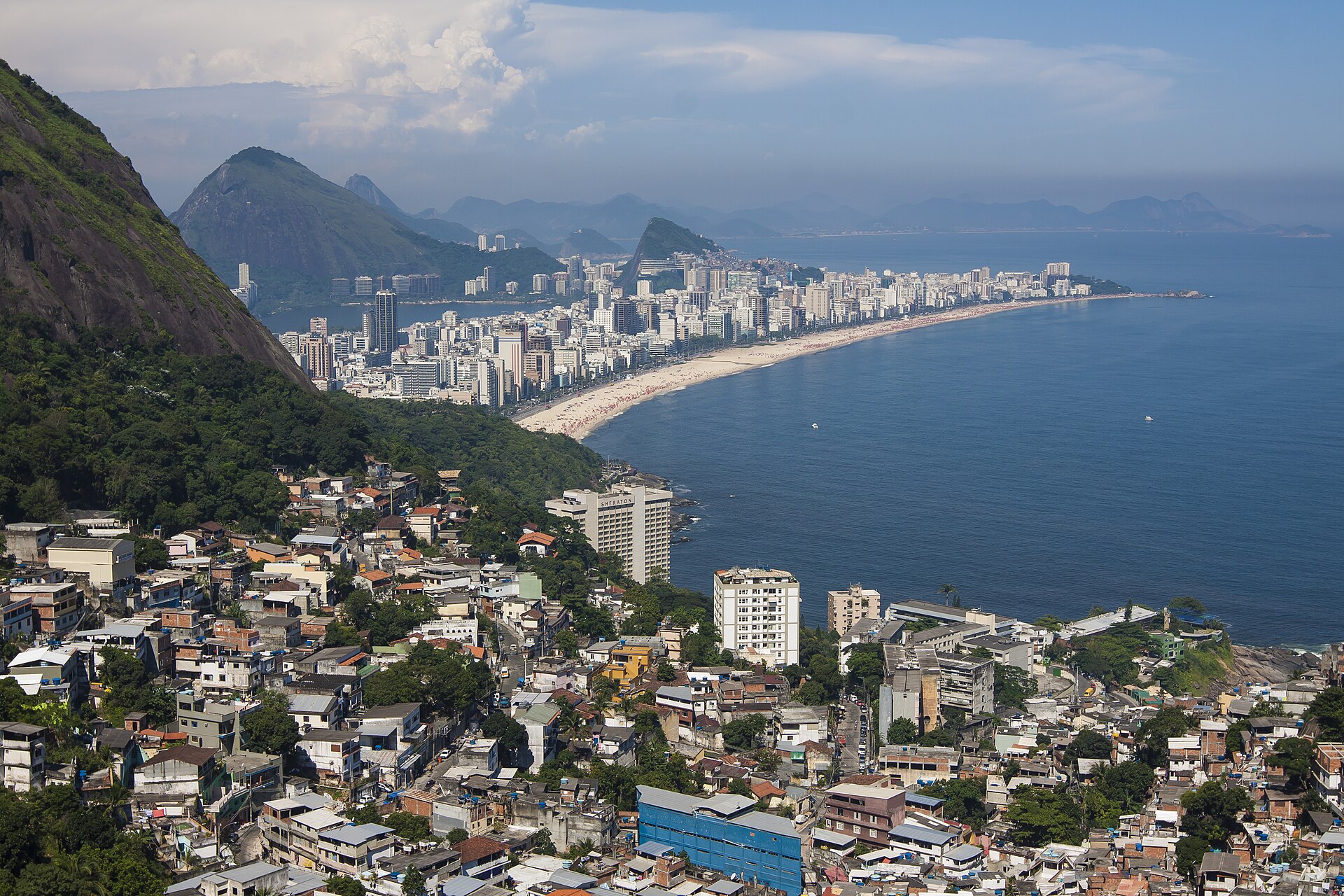
- São Conrado is a smaller beach between Leblon and Barra, under the great rock of Pedra da Gávea, where hang-gliders and paragliders launch from the hill above and land on the sand. It has a golf course, a calmer pace, and, since Line 4 opened, its own metro station. Good for space near the city and for the flying. The Collection's São Conrado house sits on this stretch.
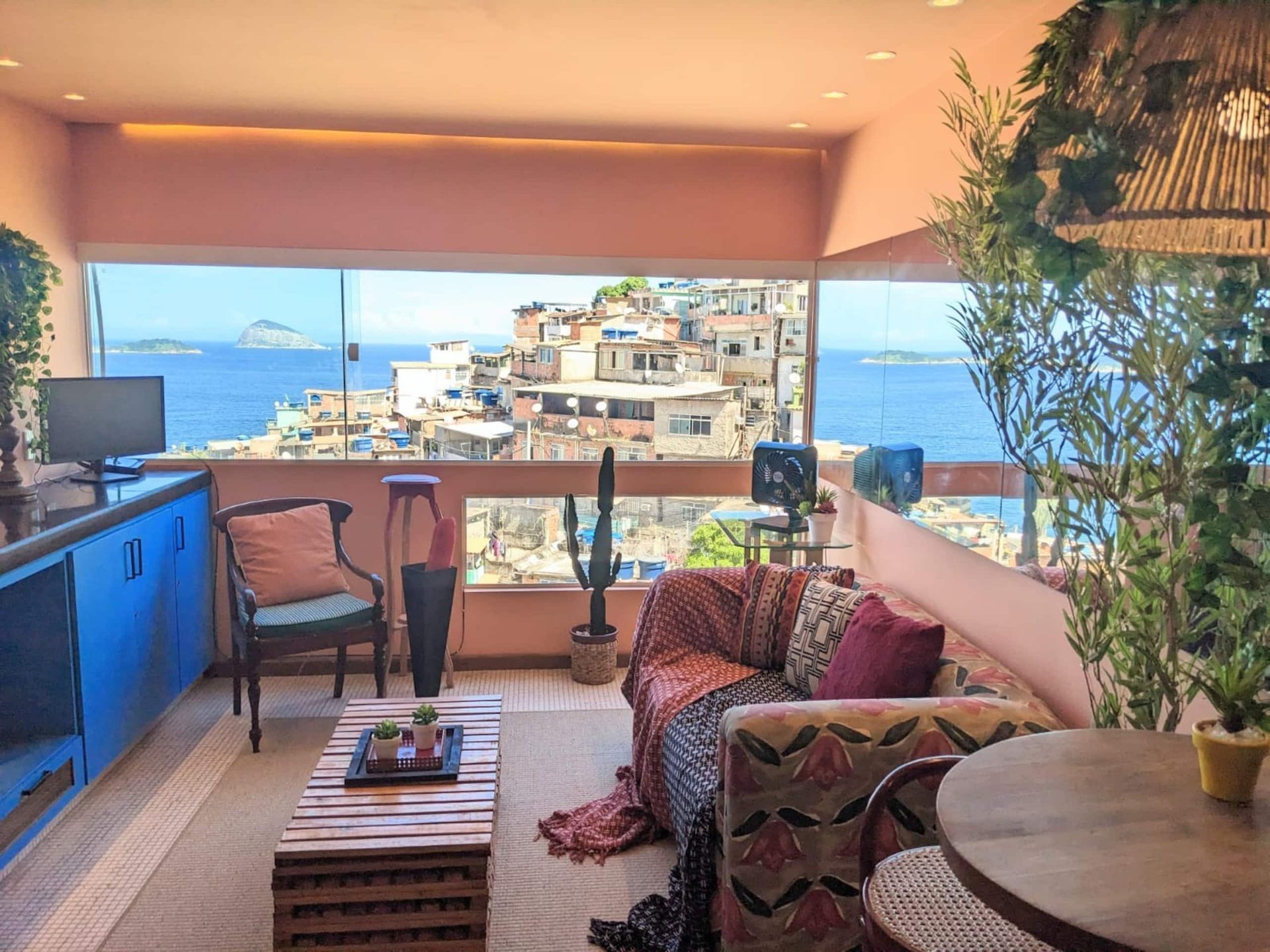
- Vidigal climbs the slope of Morro Dois Irmãos between Leblon and São Conrado, and it has some of the best views in Rio. It is a hillside community — a favela — with a small, real scene of guesthouses and bars and the trailhead for the Dois Irmãos hike at the top. It suits travellers who want the view and the neighbourhood feel over polish, and who are happy to arrange transfers and evening moves through their hosts, who know the hill. The Collection features a guesthouse in Vidigal near the summit.
- Botafogo and Flamengo sit along the bay between the beaches and Centro. They are residential, well-served by the metro, cheaper than the ocean neighbourhoods, and close to Sugarloaf, and Botafogo has become the city's best quarter for casual bars and restaurants. The one catch is the bay water, which is not for swimming — the ocean beaches are a short metro ride away. Good for value, food, and being central.
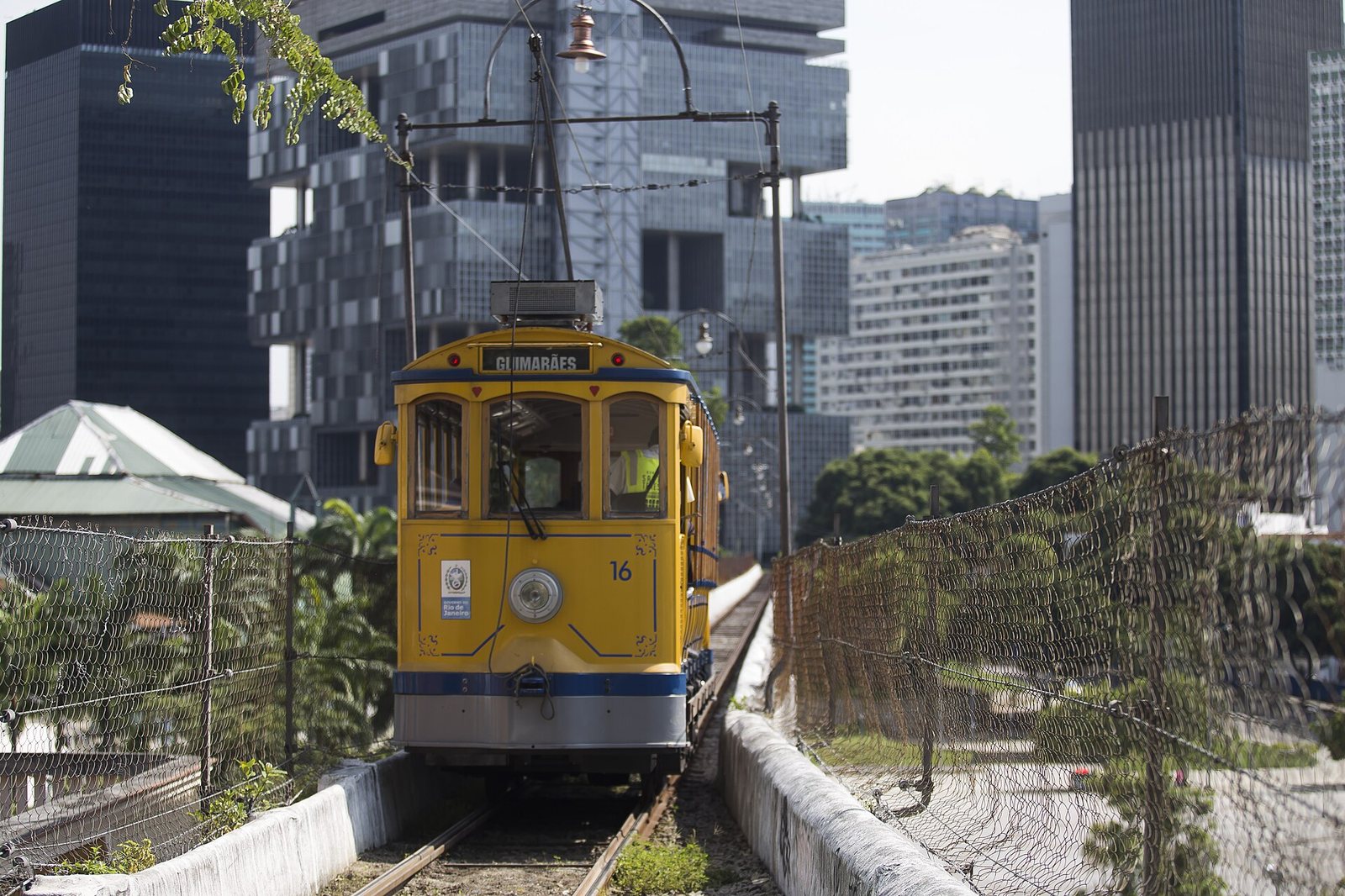
- Santa Teresa is the artists' quarter on the hill above Lapa: cobbled streets, old mansions, viewpoints, and the restored yellow tram. There is no beach and there is a climb, so you rely on taxis and apps to get around. Good for atmosphere and a different, older Rio.
- Barra da Tijuca is the long modern beach west of the city, with malls, gated condominiums, and the 2016 Olympic sites. There is space and calm and clean sand, but it is far from the centre, spread out, and easiest with a car, though the metro now runs to its edge at Jardim Oceânico. Good for families, longer stays, and beach room.
- Centro and Lapa are the downtown and the nightlife district beneath it. Centro is a weekday business core that empties after dark; Lapa, under its old aqueduct arches, is the samba-and-bar heart of the city at the weekend. Few visitors base here, but both are worth an evening.
| Neighbourhood | Feel | Beach | Metro | Price | Best for |
|---|---|---|---|---|---|
| Copacabana | Dense, international, always awake | The classic four-kilometre curve | Line 1, three stations | Mid, good value | First-timers who want the scene |
| Ipanema | Polished, walkable, good food | Best all-round beach culture | Line 1 / 4, two stations | Higher | Couples and walkers |
| Leblon | Residential, refined, leafy | Quiet end of the same sand | Line 4, two stations | Highest of the beaches | Families and quiet stays |
| São Conrado | Calm, a little apart, under the rock | Smaller, with paragliders landing | Line 4, one station | Mid to high | Space near the city |
| Botafogo & Flamengo | Bayside, local, great bars | Bay only — not for swimming | Line 1, well served | Lower | Value, food, being central |
| Santa Teresa | Bohemian hillside, old and arty | None; a climb to everything | None; tram, taxis, apps | Varies | Atmosphere over convenience |
| Barra da Tijuca | Modern, spread out, car-built | Long, clean, roomy | Line 4 terminus at the edge | Varies | Families and longer stays |
Where to sleep, and what drives the price
Lodging in Rio falls into a few types. On the beachfront in Copacabana and Ipanema are the hotels, from grand old names to plain towers, priced by their view. In the same neighbourhoods, and this is where most groups and families do best, are apartments and whole houses to rent — you get a kitchen, a living room, more room for the money, and often a better address than a hotel of the same price. On the hills of Santa Teresa and Vidigal are guesthouses with character and views. And out in Barra are the resort-style condominiums with pools and space.
Four things move the price more than anything else. The first is the beach block and the sea view — the single biggest premium in the city; a front apartment on Avenida Atlântica in Copacabana or Avenida Vieira Souto in Ipanema costs far more than the same flat a street or two back. The second is the neighbourhood, with Leblon and Ipanema above Copacabana, and Copacabana above Botafogo. The third is the season, and here Rio is extreme: New Year and Carnival are the peak by a wide margin, then the December-to-March summer, then everything else. The fourth is the floor and the outlook — high and facing the water costs most.
The sea view is the thing you pay the steepest premium for in Rio. Be sure you will use it. If your days are spent out at the sights and your evenings at dinner, that view is mostly a photograph you paid extra for. If a slow morning with coffee over the beach is the whole point, it is worth every real.
The practical move is to decide how you will actually spend your time, then book early for the summer and very early for New Year and Carnival, when the best apartments go months ahead. Amorielli's own Collection leans toward the house-and-apartment end of this — a small set of places in Rio you book direct with the people who run them, listed at the foot of this guide.

Redentor Over Clouds 1 · Donatas Dabravolskas · CC BY-SA 4.0 · cropped
When to go
Rio's seasons are the southern hemisphere's, reversed from Europe and North America, so plan around that first. The summer runs from December into March: hot, often in the low-to-mid thirties Celsius, the beach at full tilt, and the busiest and priciest time of year. It is also the season of the two great events. New Year's Eve, the Réveillon, brings around two million people to Copacabana for a midnight fireworks show off the beach, and the tradition is to wear white. Carnival lands in February or early March; in 2027 it runs in early February, with the main Sambadrome parades on the 7th and 8th and the Champions' Parade on the 13th. Both fill the city and sell out accommodation far in advance at peak rates.
The best all-round windows are the shoulders: April and May in the autumn, and September into November in the spring. You get warm days, thinner crowds, lower prices, and everything open. The water stays swimmable well into these months.
Winter, from June to August, is the quiet season — cooler, often in the low twenties, with some grey and rain and a sea that is less inviting, but plenty of clear beach days and a calmer, cheaper city. Rio gets rain year-round and the occasional cold front at any season, so check a forecast; and note that on an overcast day the Corcovado summit can sit inside the cloud, which is why the advice is always to go up on a clear morning.

Morro dois irmaos hike view 1 · Sereia apaixonada · CC BY-SA 4.0 · cropped
Getting there, and getting around
Rio has two airports. The international gateway is Galeao, formally Antônio Carlos Jobim (airport code GIG), out on the Ilha do Governador in the north, roughly forty minutes to an hour from the Zona Sul depending on traffic. Santos Dumont (SDU), on the bayfront by Centro, handles domestic flights, including the shuttle to São Paulo, and is closer to the beaches, about twenty to thirty minutes. From either, use the official airport taxis or a ride app — Uber and the local 99 both work well and cost less — and settle or meter the fare rather than negotiating on the kerb.
The metro, MetroRio, is clean, air-conditioned, safe, and the best way to move along the Zona Sul. It helps to know how the lines run:
- Line 1 threads through Copacabana with three stations, reaches Ipanema at General Osório, and runs the other way through Botafogo and Flamengo to Centro.
- Line 4, which through-runs with Line 1, carries on from Ipanema through Leblon (Jardim de Alah and Antero de Quental), out to São Conrado, and to the edge of Barra da Tijuca at Jardim Oceânico. This is the line that put three of the southern beaches and São Conrado on the network.
- Line 2 serves the North Zone and the Maracanã, of less use to most visitors.
Buy a rechargeable Giro card or single tickets at any station; it is a single flat fare per journey, around seven to eight reais at the time of writing, so check the current price. Trains run roughly from five in the morning to around midnight, later during Carnival. For anywhere off the metro — Santa Teresa, Sugarloaf, a restaurant at night — Uber and 99 are widespread and cheap, and are the easy default. The one thing to plan around is the traffic: the tunnels between neighbourhoods clog at rush hour, and the metro skips all of it.

The sights worth planning around
You do not need to see everything, but a few sights are worth building your days around, and two of them reward going early and going on a clear day.

1 cristor redentor 2014 · Chensiyuan · CC BY-SA 4.0 · cropped
- Christ the Redeemer, the Cristo Redentor, stands on the Corcovado peak in the Tijuca forest. Reach it by the cog train, the Trem do Corcovado, from Cosme Velho, or by official vans from Paineiras; book a timed ticket ahead and go early on a clear morning before the cloud and the crowds arrive.
- Sugarloaf, the Pão de Açúcar, is the two-stage cable car from Praia Vermelha in Urca, rising over the bay in two hops. Late afternoon is the time to go, to catch the light softening and the city coming on below.
- The beaches are the daily life of the city. Copacabana and Ipanema for the scene; Arpoador, the rocky point between them, for the sunset, when people gather on the rocks and applaud the last of the light; Leblon for a quieter stretch of the same sand; and the wilder beaches past Barra, Prainha and Grumari, for surf and space.
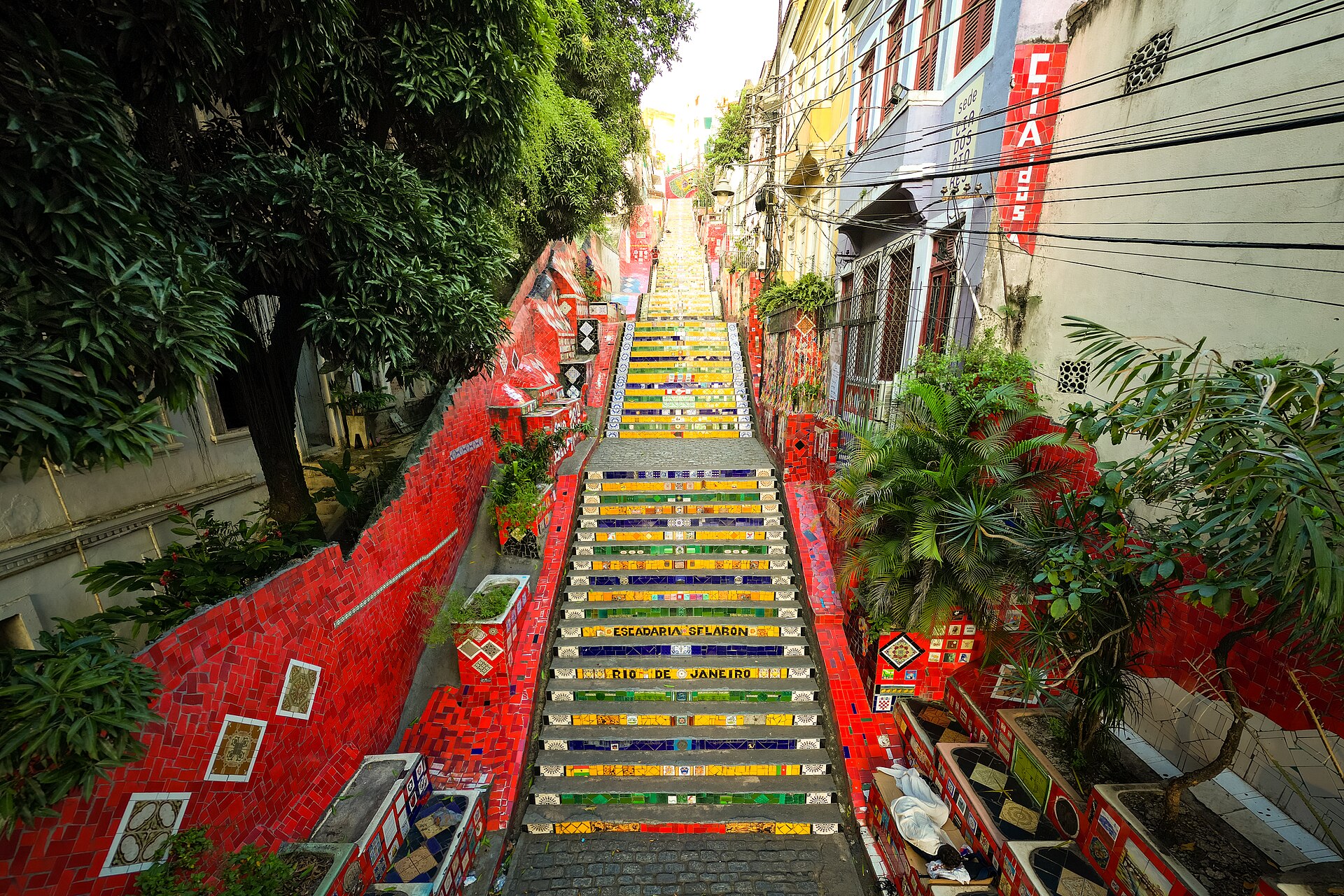
- Santa Teresa and Lapa pair a hillside walk with a night out. Below Santa Teresa are the Selarón Steps, the Escadaria Selarón, a long staircase covered in ceramic tiles, and the Arcos da Lapa, the old aqueduct arches, with samba bars around them at the weekend.
- The Tijuca forest is a national park in the middle of the city, with trails, waterfalls, and the Vista Chinesa lookout over the Zona Sul.
- The Jardim Botânico, the botanical garden at the foot of the hills, is a calm morning among specimen trees and an avenue of royal palms.
Escadaria Selarón - Rio de Janeiro - 20240417062601 · Donatas Dabravolskas · CC BY-SA 4.0 · cropped
For walkers, Rio has real hikes close to the beaches. The climb up Dois Irmãos from the top of Vidigal gives the classic Zona Sul view; Pedra Bonita above São Conrado is an easier one, and the neighbouring Pedra da Gávea a hard, long scramble; and there are trails on Morro da Urca by Sugarloaf. Take a guide for the tougher climbs.
Where to eat
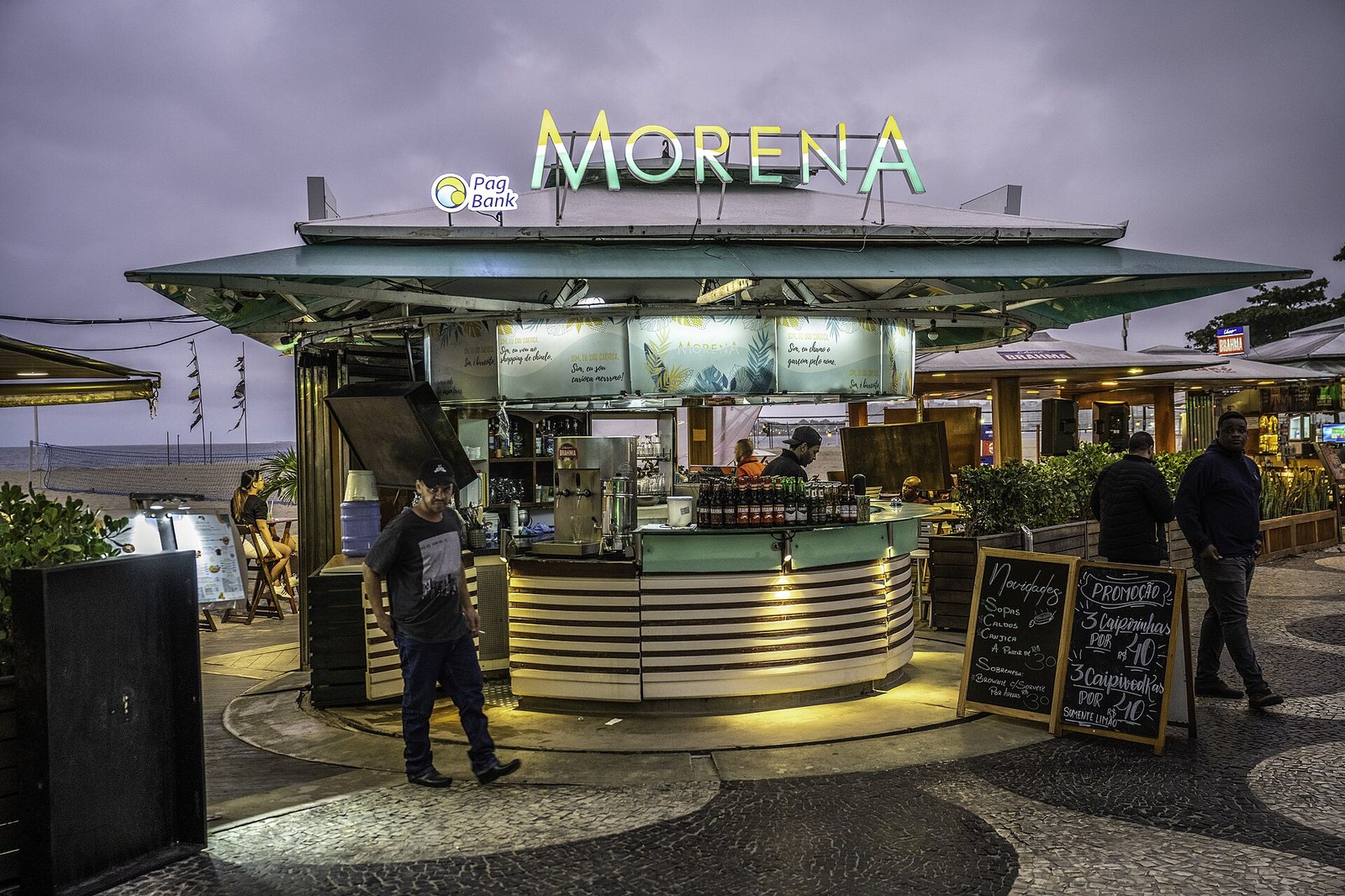
The institution to understand first is the boteco, the corner bar: cold beer, small plates, a pastel or a plate of grilled things, and no ceremony. The Saturday feijoada, the black-bean-and-pork stew served with rice, orange, and greens, is the ritual weekend lunch. Beyond that you will find the churrasco steakhouses with their carved meats, seafood and the northeastern moqueca, and, on the beach itself, açaí, coconut water, and grilled queijo coalho cheese sold by the vendors, with juice bars on every corner.
Learn the rhythm and you will eat better. Lunch is the substantial meal; dinner runs late, and nine in the evening is a normal hour to sit down. Botafogo has become the best casual eating quarter in the city, Ipanema and Leblon hold the smarter rooms, and Copacabana runs the whole range. Book ahead for the well-known places at the weekend.
Some of the best meals in Rio are the simplest — a plate and a cold beer at a boteco a block back from the sand will usually beat the tourist tables out on the beachfront.
Good to know
The Zona Sul beach neighbourhoods — Copacabana, Ipanema, Leblon — and the metro that links them are the easy, walkable core of a first Rio trip, and you can spend a week here with no car at all. Step outside that core and the city gets bigger and slower: Barra is far and built for driving, Santa Teresa is a hillside of taxis and the tram, and the tunnels between neighbourhoods clog at rush hour. Plan your two clear-day sights — Christ the Redeemer and Sugarloaf — around the weather rather than the calendar, book timed tickets ahead, and go up early or late to miss both the cloud and the crowds.
Staying safe, sensibly
Rio rewards the same street sense as any big city, with a little more attention to what you carry and where. The practical version is simple. Take to the beach only what you can afford to lose: some cash, no jewellery, a cheap phone or none, and leave the passport in the safe. The common problem for visitors is petty theft and phone-snatching, not violence. Stick to busy, lit streets after dark, and take an app car rather than walk unfamiliar blocks at night. The Zona Sul beach neighbourhoods and the metro are well-policed and easy to move around by day.
The favelas, the hillside communities including Vidigal and Rocinha behind São Conrado, are living neighbourhoods, and a few have guesthouses and organised visits. They are best entered with a local host or guide who knows the current situation, and moves in and out are best arranged through your accommodation. Conditions change from month to month, so check current travel advice before you go and follow your host's guidance over any guidebook. None of this should put you off — a beach-and-sights trip based in the Zona Sul is straightforward — but a little planning is what keeps it that way.
Common questions
Which neighbourhood should I stay in for a first trip?
Ipanema or Copacabana. Ipanema is calmer, more residential, and has the better restaurants and beach culture; Copacabana is bigger, busier, a little cheaper, and has more hotels to choose from. Both sit on the metro. Many people split the difference and stay near the Arpoador end, on the border between the two.
Is Rio safe for tourists?
With normal big-city sense, yes for a beach-and-sights trip based in the Zona Sul. Carry little on the beach, use app cars at night, and keep valuables out of sight. The common risk is theft rather than anything worse. Check your government's current travel advice before you travel, and take your host's guidance on any area you are unsure of.
Do I need a car?
No, for a trip based in the Zona Sul. The metro plus Uber or 99 covers you from Copacabana out to Barra, and a car is mostly a parking and traffic problem. Rent one only if you are basing in Barra or heading out along the coast beyond the city.
When is Carnival, and should I come for it?
Carnival falls in February or early March — early February in 2027, with the main Sambadrome parades on the 7th and 8th. It is the city at its loudest, fullest, and most expensive, and accommodation books months ahead. Come for the spectacle and the street parties, not for a quiet beach holiday, and reserve early.
How do I get to Christ the Redeemer and Sugarloaf?
For Christ the Redeemer, take the cog train from Cosme Velho or an official van from Paineiras, with a timed ticket booked ahead, early on a clear day. For Sugarloaf, take the cable car from Praia Vermelha in Urca, best in the late afternoon for the light. Both are weather-dependent, so keep them flexible and go when the sky is clear.
Copacabana or Ipanema?
Ipanema is quieter and more residential, with the better restaurants and a younger beach scene; Copacabana is larger, busier, cheaper, and more hotel-heavy. If you want polish and good dinners, choose Ipanema; if you want the classic scene and more choice for the money, choose Copacabana.
Sources & further reading
- Visit.Rio — the city of Rio de Janeiro's official tourism site
- MetroRio — official metro operator, lines, stations and fares
- Bondinho Pão de Açúcar — official Sugarloaf cable car
- Parque Nacional da Tijuca — the urban forest and Corcovado
- Rio Carnival — official 2027 dates
- Réveillon on Copacabana — background on the New Year's Eve celebration
- UK FCDO — Brazil travel advice
- US State Department — Brazil travel information




Comments