At a glance
- Base
- Base in Reykjavík for short trips, or move around the Ring Road for a fuller trip, or split between Reykjavík and the southeast.
- When
- June for midnight sun and open interior; late June to mid-July for warmest, driest weather. Avoid June for northern lights.
- Getting there
- Fly to Keflavík International Airport (KEF), a transatlantic hub 45 minutes southwest of Reykjavík.
- Getting around
- Hire a car (2WD for Ring Road, 4WD for Highlands). Campervans are an option. Book ahead, as summer fleet sells out.
- Book ahead
- Accommodation (especially south coast), hire cars, and Blue Lagoon slots must be booked months ahead.
- The price
- Fuel, food, and accommodation are expensive, especially in June when prices are at their annual peak.
Lay of the land
Iceland is roughly the size of Portugal or the American state of Kentucky, but almost everyone who lives here — around 380,000 people, well over half of them — is packed into the capital region in the southwest. The interior is empty: a plateau of lava, ash, ice cap and braided glacial rivers with no permanent settlement and, for most of the year, no open roads. What this means for a traveller is simple and worth absorbing before you book anything. The country you will actually see runs along the coast, and it is stitched together by a single two-lane road.
That road is Route 1, the Ring Road, and it circles the island in about 1,320 kilometres. It is paved the whole way, mostly one lane in each direction, and it passes within reach of a large share of the sights people come for: waterfalls off the south coast, the glacier tongues of Vatnajökull, the lava fields and fishing towns of the east, the lake and pseudo-craters of the north, and the long agricultural valleys of the west. The famous Golden Circle — Þingvellir, Geysir and Gullfoss — is not on Route 1 but sits just inland from Reykjavík on a short paved loop of its own.
The geology is the story here, and it is active. Iceland straddles the boundary of the North American and Eurasian tectonic plates, which is why the ground steams, why there is cheap geothermal heat and hot water in every town, and why the Reykjanes peninsula near the airport has erupted repeatedly since 2021. Those eruptions are relevant to planning, not just scenery: they have forced temporary closures of nearby attractions and even the town of Grindavík. Anything you read about the far south of the peninsula should be checked against current advisories, which the authorities publish and update.
The other governing fact of a June trip is light. Around the solstice, on 20 or 21 June, the sun barely leaves the sky. In Reykjavík it dips below the horizon for a couple of hours after midnight but the sky never goes properly dark; farther north, near the Arctic Circle, the sun scarcely sets at all. This is the reason to come in June and also the reason June is the hardest month to travel well. Everything is open, every road including the interior is either open or about to be, and every other visitor has made the same calculation. Prices are at their annual peak and the honeypot sites are busy from breakfast until long after a normal dinner.
The planning question is rarely what to see; the list barely changes from one visitor to the next. What matters is where to put your head down each night, and whether to stay put near the capital and take day trips or commit to driving the full circle. The rest of this guide is about that decision, because in a place this spread out the base you choose sets the balance between the hours you spend behind the wheel and the time you spend actually standing in front of the thing you came for.
Where to base
There are two answers, and they suit different trips. The first is to base in Reykjavík for the whole week and treat it as a hub, driving out and back each day. The second is to keep moving, sleeping a night or two at a time around the Ring Road so that you wake up next to the next day's sights. Most first-time visitors are quietly sold the first because it is easier to book, and many of them regret it by day three.
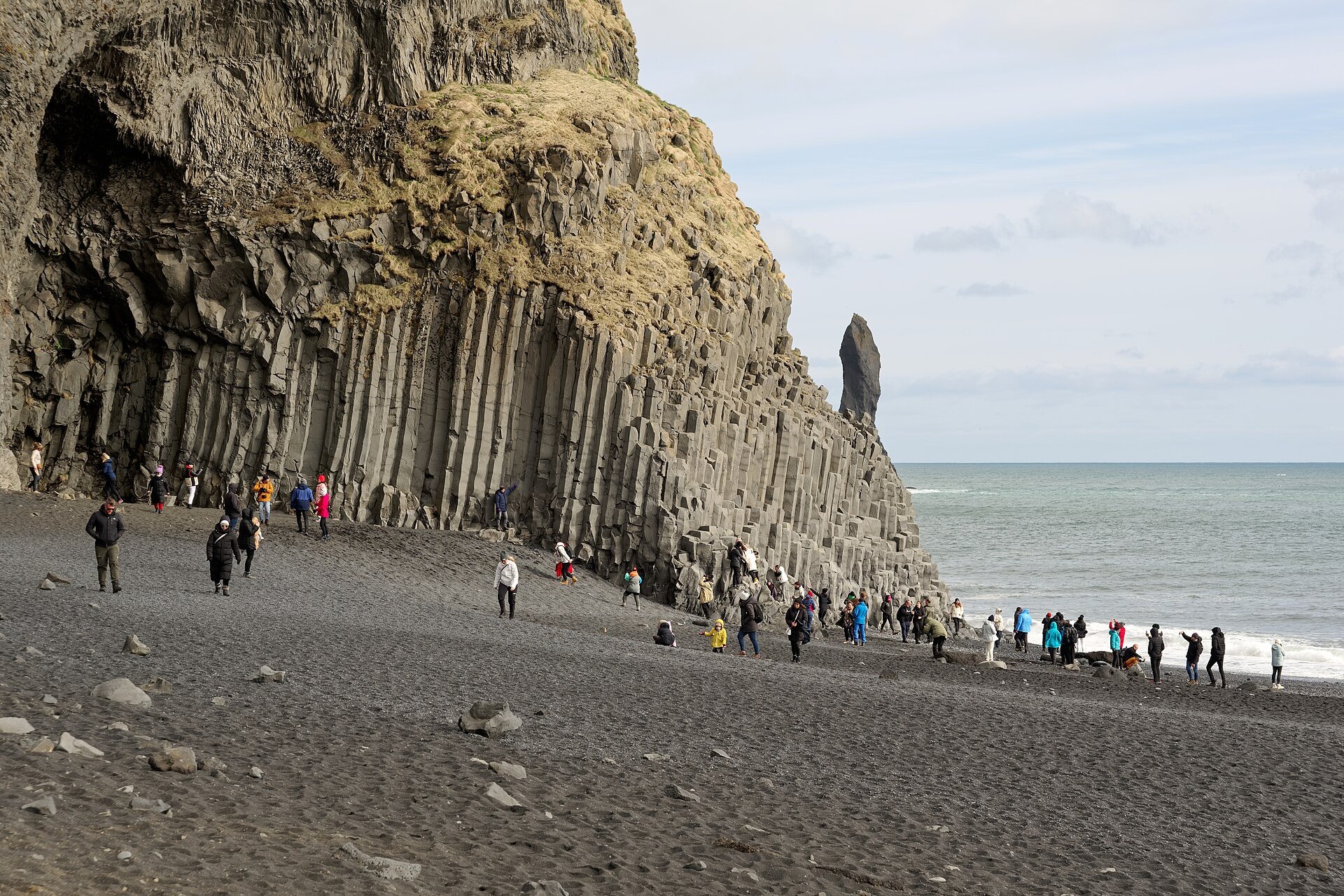
Reykjavík as a single base works if your time is short — three or four nights — or if you are travelling with people for whom a long daily drive is not welcome. The Golden Circle is an easy day out. The Blue Lagoon sits between the city and the airport. Even the first great south-coast waterfalls, Seljalandsfoss and Skógafoss, are reachable and back in a long day. The city itself is compact, walkable and rewarding for a couple of evenings. The trouble is that the best of the south — the black beach at Reynisfjara, and above all the glacier lagoon at Jökulsárlón — lies far enough east that a return day trip becomes a punishing amount of driving for a short time on the ground.
The midnight sun does not reward the itinerary that tries to see everything; it rewards the one that is willing to stop moving.
Circling the island is the fuller trip, and June is the one month when the whole ring, plus the interior, is reliably open. Give it seven nights at least; ten is more comfortable. The classic mistake is to attempt the full loop in four or five days, which turns a holiday into a relay and leaves you eating petrol-station sandwiches at 60 miles an hour. If you only have a week, a better shape is to drive the south and east one way — Reykjavík to Höfn and perhaps on to the eastern fjords — and either turn around or, if you have the nights, keep going through the north and close the loop. The south coast is where the density of sights is highest, so if something has to be cut, cut the west or shorten the north rather than rushing the stretch between Vík and Jökulsárlón.
A third, quieter option deserves a mention: base once in the southwest and once in the southeast. Two or three nights in or near Reykjavík for the city and the Golden Circle, then relocate east to somewhere around Vík or Höfn for the waterfalls, the black beach and the glacier lagoon. You unpack twice instead of six times, you halve the worst of the driving, and you still see the part of the country most people fly home talking about.
Reynisfjara, Iceland, 20230501 1639 4044 · Jakub Hałun · CC BY-SA 4.0 · cropped
Where to sleep
Accommodation in Iceland is expensive in June and books out early, so the useful advice is less about which glossy property to chase and more about matching the kind of room to where you actually need to be each night. Reserve months ahead for the summer weeks, especially anywhere near the south coast, where beds are scarce relative to the number of cars on the road.
In Reykjavík the choice runs from design-led hotels in the central 101 postcode — the streets around Laugavegur, Hallgrímskirkja and the harbour — to a large stock of guesthouses and apartments. Staying in 101 buys you evenings on foot: dinner, a swim in one of the municipal geothermal pools, a walk to the water while the light holds, all without getting back in the car. It costs more per night than the ring of business hotels farther out, and in high summer the difference can be steep, but for a city base the walkability usually earns it. If you are only using the capital to sleep between drives, a plainer hotel near the ring road out of town saves money and time.
Out in the country the pattern is different. Towns are small and often a long way apart, so you are frequently choosing the one cluster of rooms within reach of tomorrow morning rather than comparing a field of options. Vík, the small village near Reynisfjara, is the obvious overnight for the mid-south and fills quickly. Höfn, a fishing town in the southeast, is the natural base for the glacier lagoon and Vatnajökull's tongues. Between and around these you will find farm stays and guesthouses — a real and pleasant Icelandic tradition — where a working farm lets rooms, sometimes with dinner. These are often the best value and the most memorable beds on the island, and they put you out under the open sky rather than in a car park.
Two named places are famous enough to mention without hedging. The Retreat at the Blue Lagoon is the spa's luxury hotel, built into the lava field with its own private lagoon and priced accordingly; it is a destination in itself rather than a convenient stopover, and worth it only if the geothermal bathing is a centrepiece of your trip rather than a box to tick. Note that the Blue Lagoon has closed at short notice during the Reykjanes eruptions, so confirm it is operating before you build a night around it. Elsewhere, small country hotels — the kind attached to a lonely stretch of coast or a river valley — are the quiet pleasure of an Iceland trip; you do not need me to name one for it to be good.
One practical note on light and sleep. In June, pay attention to your room's curtains. The sun is up when you go to bed and up again, in effect, all night. Ask whether rooms have blackout blinds, bring an eye mask regardless, and do not be surprised if your body clock takes a night or two to believe that 11pm is 11pm.
Gullfoss, Suðurland, Islandia, 2014-08-16, DD 119 · Diego Delso · CC BY-SA 4.0 · cropped
When to go
You are reading this because you want June, and June is the right instinct for the midnight sun. But the month has a shape, and knowing it helps. Early June still carries the tail of spring: some interior roads and higher trails are not yet open, and a few mountain passes hold snow. By the solstice, around the 21st, the daylight is at its maximum and the country is fully awake. Late June and into July is the warmest, driest window and also the busiest and dearest. If your reason for coming is specifically the near-endless light and the open interior, aim for the last ten days of June through mid-July.
Weather is the variable no itinerary can fix. Icelandic summers are cool and changeable rather than warm; expect daytime temperatures roughly in the range of 10 to 15°C, wind that arrives without warning, and rain that comes and goes several times a day. The south coast in particular catches a lot of weather. Pack as you would for a bracing British spring — layers, a fully waterproof shell, sturdy shoes — and treat any forecast as a rough guide. The upside of the long light is that a washed-out morning does not cost you the day; you can wait out a squall and still have hours of usable evening.
The crowds are the real tax of June, and they are avoidable with timing rather than by staying away. The honeypot sites — the Golden Circle stops, Seljalandsfoss, Reynisfjara — are busiest from mid-morning to late afternoon, when the tour coaches out of Reykjavík arrive. Because it stays light, you can simply move your day. Reaching Gullfoss or Skógafoss at eight or nine in the evening, or before nine in the morning, can mean a near-empty car park at a place that was shoulder-to-shoulder at noon. This is the single most useful trick the midnight sun hands you, and most visitors never use it because they keep ordinary hours out of habit.
What June does not offer is the northern lights. The aurora needs dark skies, and there are effectively none between roughly late May and mid-August. If seeing the lights is your priority, June is the wrong month and you should come in autumn or winter instead. Come in June for the opposite reason: to stand on a beach at midnight in full daylight, to hike an interior trail that is closed most of the year, and to drive a mountain road at an hour that in any other season would be pitch black.
021 Wild smiling harbor seal at Jökulsárlón (Iceland) Photo b… · Giles Laurent · CC BY-SA 4.0 · cropped
Getting there and getting around
Almost every visitor arrives at Keflavík International Airport, on the Reykjanes peninsula about 50 kilometres southwest of Reykjavík — roughly a 45-minute drive. Keflavík has grown into a well-connected transatlantic hub, with direct flights from much of Europe and North America, so getting to Iceland is rarely the hard part. Domestic flights operate from the smaller Reykjavík city airport, closer to the centre, and are worth knowing about if you want to skip the long drive to the north and fly to Akureyri instead.
Once here, the answer to getting around is almost always a car. There is no railway. Public buses connect the larger towns but run on schedules that do not suit sightseeing, and organised coach tours, while competent, tie you to their timings and their crowds — which, given the midnight-sun trick above, is exactly what you want to escape. A hire car is the freedom the country is built for. Book it as far ahead as your accommodation; the summer fleet sells out.
Two vehicle decisions matter. First, whether you need four-wheel drive. For the Ring Road and the Golden Circle, an ordinary two-wheel-drive car is fine. For the interior Highlands — the F-roads — four-wheel drive is a legal and practical requirement, and many of those roads involve fording unbridged rivers, which is hazardous and not covered by standard insurance. If the Highlands are on your list, hire the right vehicle and read the rules before you go. Second, consider a campervan. In summer many visitors combine car and bed in one, which sidesteps the scarce and pricey accommodation and lets you follow the light. Camp only in designated sites; wild camping is restricted.
Driving itself is straightforward but demands respect. The Ring Road is narrow, often has no hard shoulder, and passes single-lane bridges and blind rises marked blindhæð. Sheep wander onto the carriageway. Gravel side roads throw stones. Winds can be strong enough to tear a car door off its hinges, so hold the door when you open it. Fuel stations are sparse in the east and the far north, so fill up when you can rather than when you must. Speed limits are 90 km/h on paved rural roads, less on gravel, and they are enforced. The official road authority publishes live condition and closure information, which is the first thing to check each morning — especially for any F-road, which can open later in June than you expect.
Money is easy: Iceland is close to cashless, and cards work everywhere, including at unmanned fuel pumps, where you may need a card with a PIN. Budget generously. Fuel, food and accommodation are all expensive by European standards, and June is the top of the market.
Reynisfjara Reynisdrangar iceland hdsr 2019 10 18 9999 445 · Hyppolyte de Saint-Rambert · CC BY-SA 4.0 · cropped
What to see
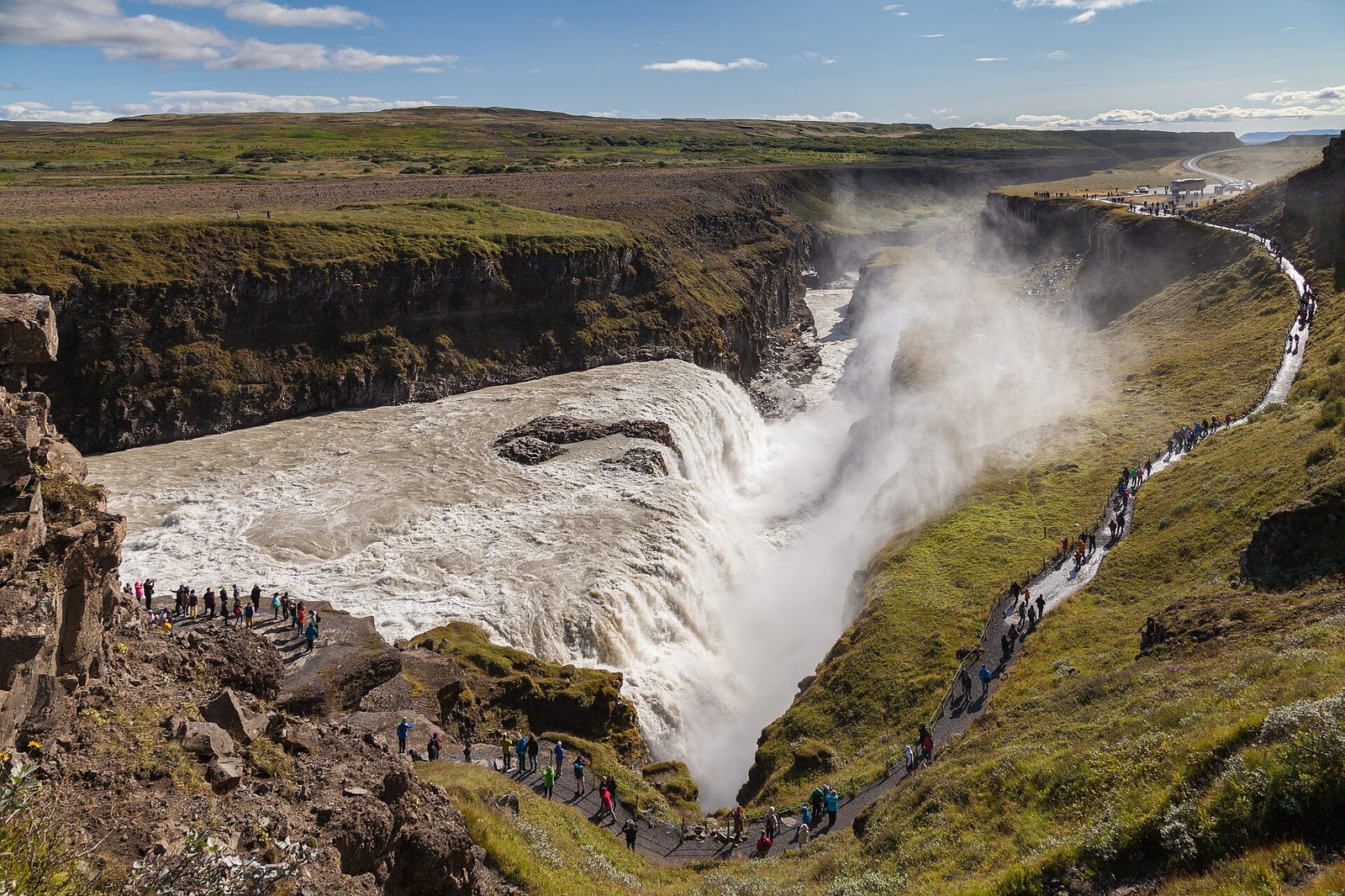
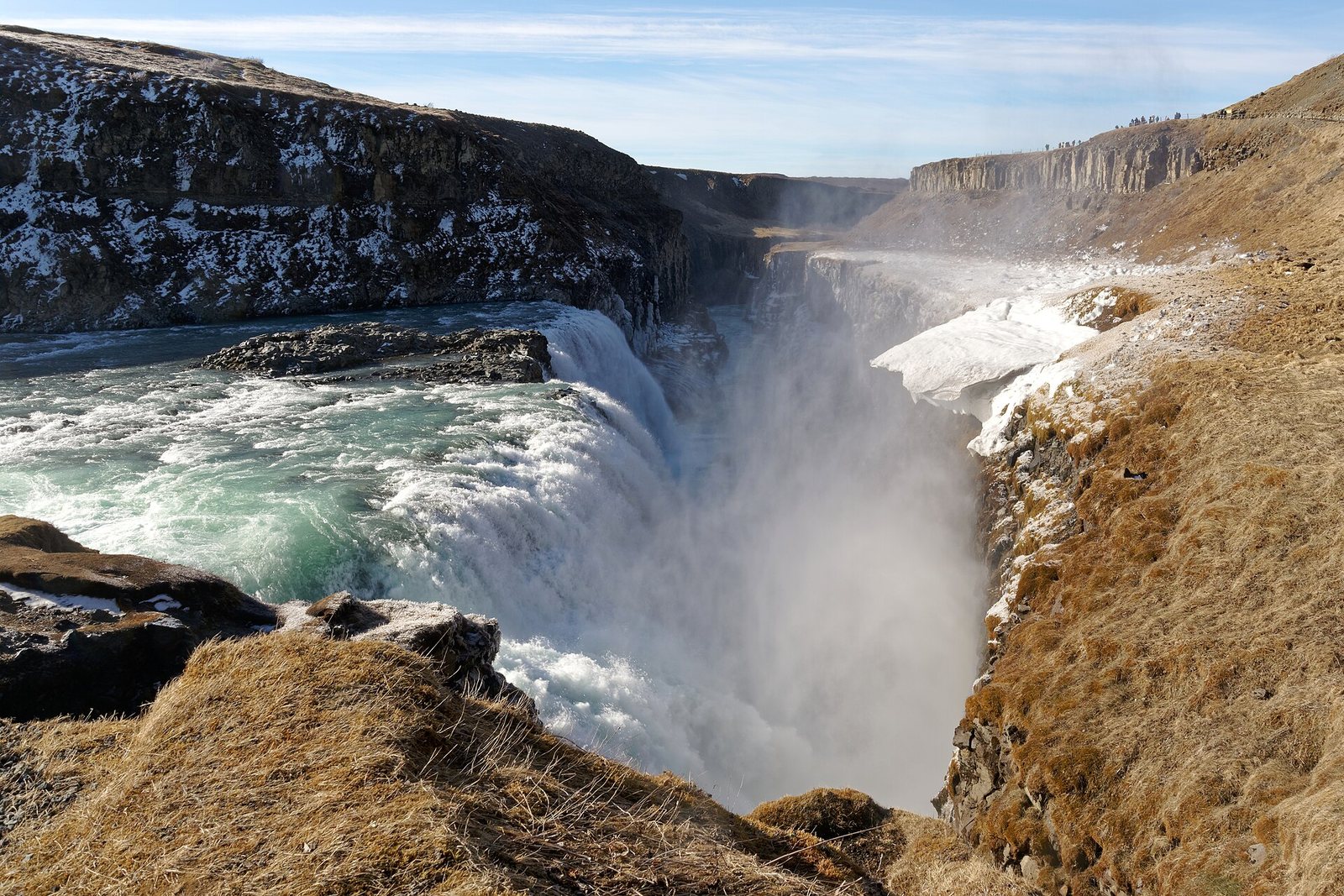
Start close and work east, because that is how the sights are strung along the road. The Golden Circle is the easy first day from Reykjavík and earns its fame. Þingvellir is where Iceland's parliament, the Alþingi, was founded in 930, making it one of the oldest such assemblies in the world; it is also a place where you can walk in the rift between the tectonic plates, and where the very clear, very cold Silfra fissure draws snorkellers and divers. Geysir gives the world the word "geyser" but is now mostly quiet; its neighbour Strokkur does the work, throwing a column of water skyward every several minutes, reliably enough that you will get your photograph. Gullfoss, a broad two-step waterfall dropping into a canyon, closes the loop.
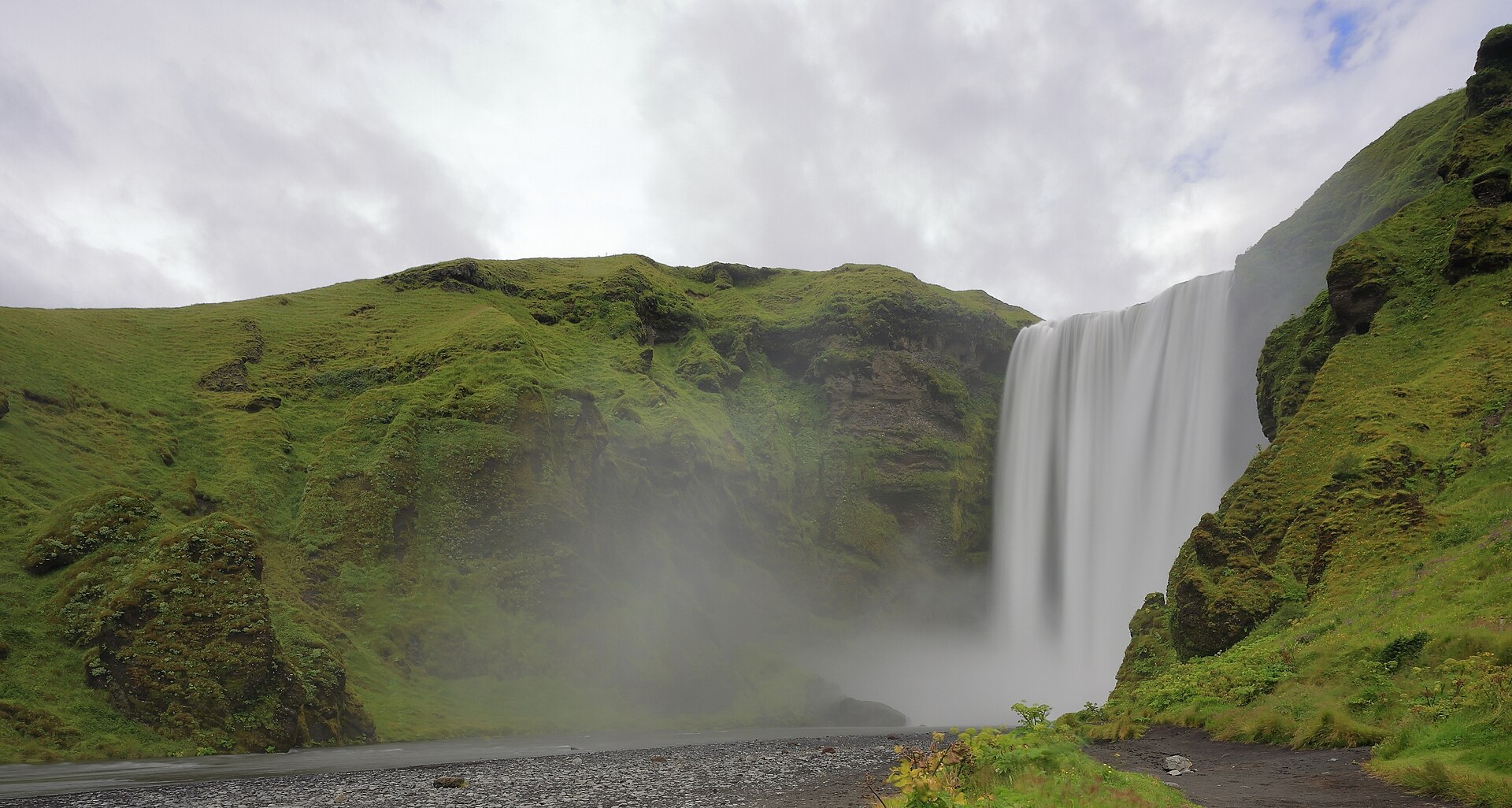
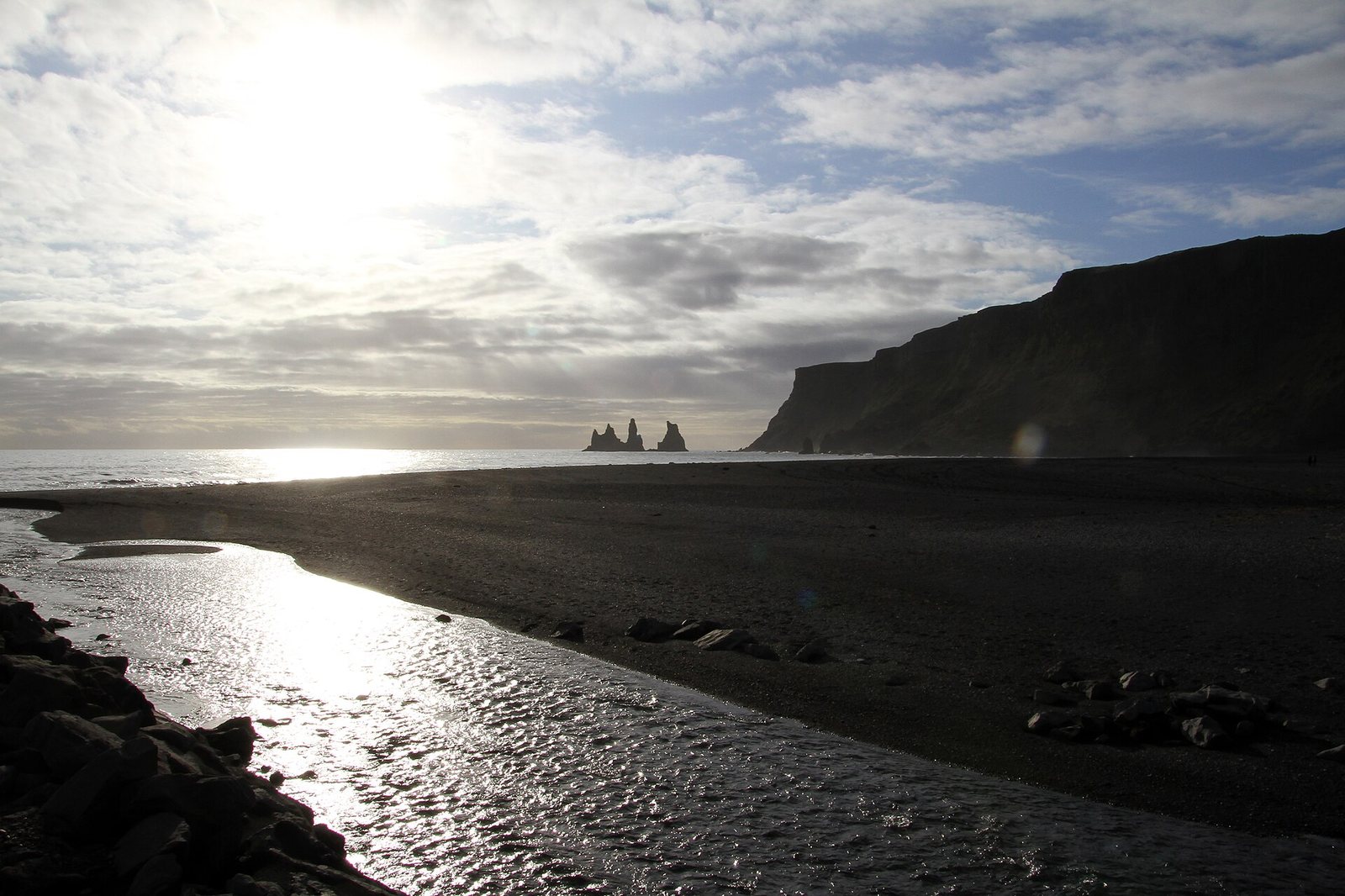
The south coast is the heart of the trip. Seljalandsfoss is the tall, narrow fall you can walk behind on a path, so bring a waterproof and expect to get wet. A short drive on, Skógafoss drops around sixty metres in a single curtain wide enough to throw rainbows on a bright day, with a staircase climbing beside it to a view from the top. Farther east, near the village of Vík, Reynisfjara is the black-sand beach with its cliff of hexagonal basalt columns and the Reynisdrangar sea stacks offshore. It is beautiful and dangerous: the beach is known for sudden, powerful "sneaker" waves that have swept people off the sand and drowned them. Stay well back from the water, keep an eye on the sea, and never turn your back on it.
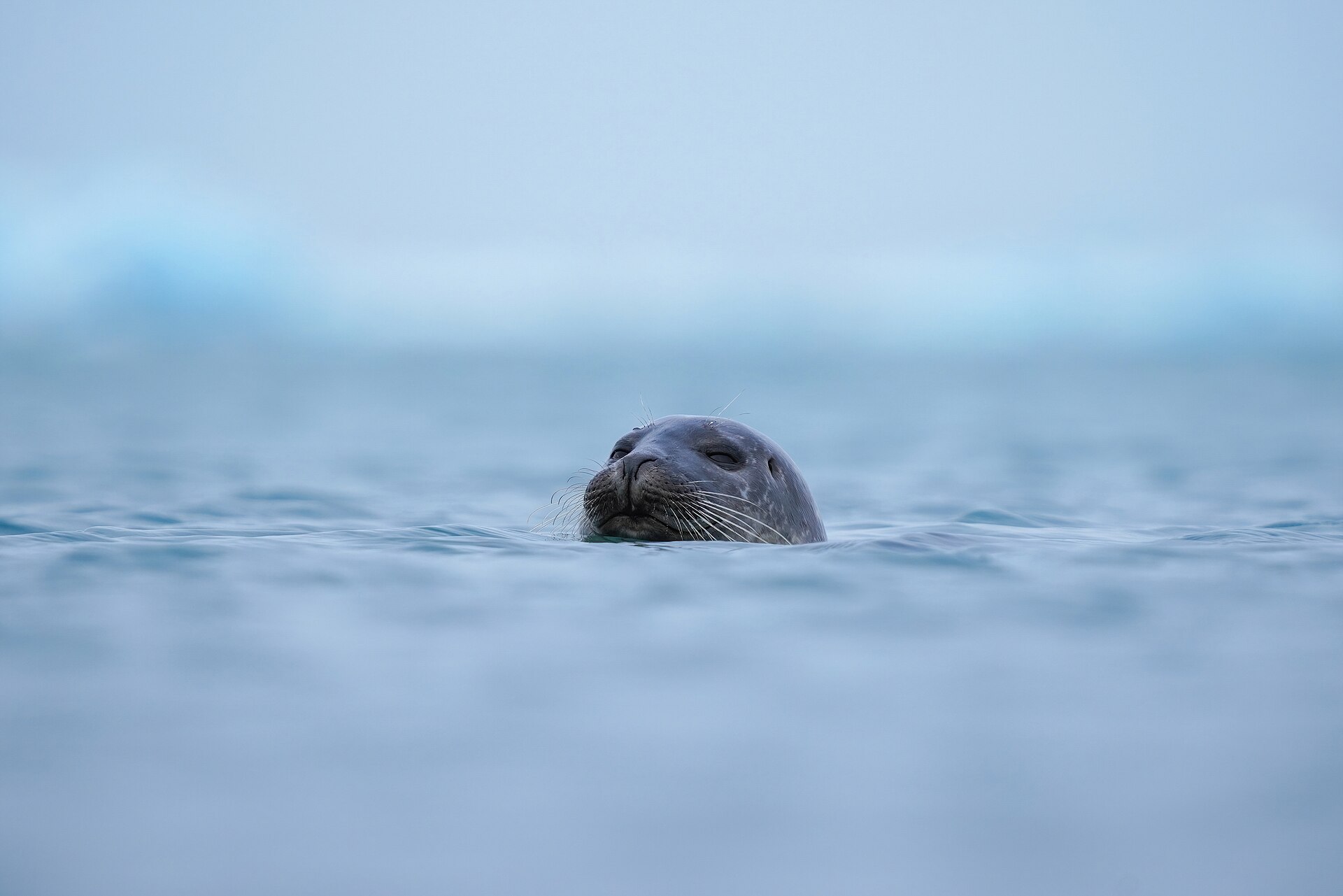
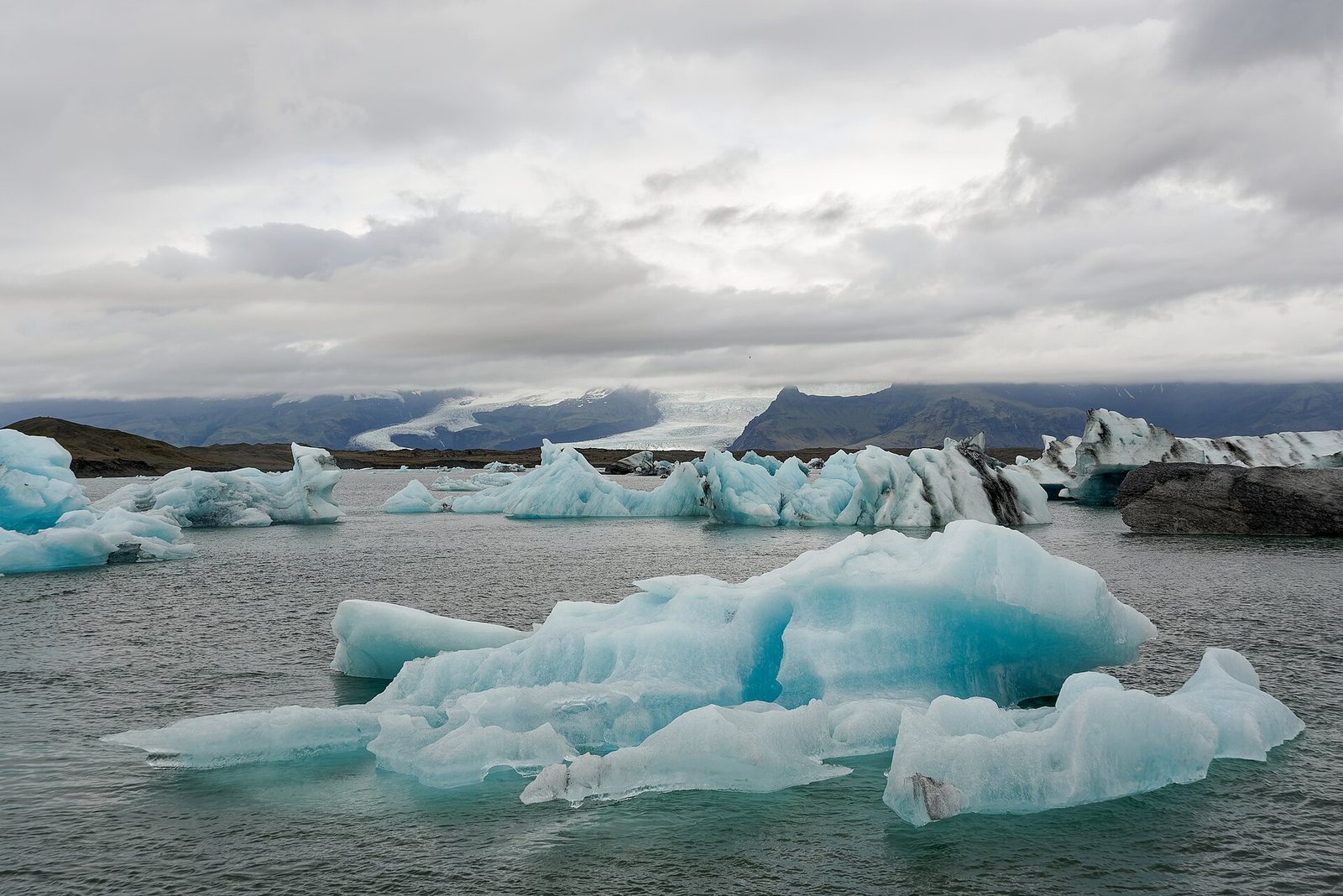
Keep going and the landscape turns to ice. The southeast is dominated by Vatnajökull, Europe's largest ice cap by volume, whose glacier tongues spill toward the road. The set piece is Jökulsárlón, a lagoon where the glacier calves icebergs that drift slowly out to sea; across the road, the beach where those bergs wash up and glitter on the black sand is often called Diamond Beach. This is, for many, the most memorable stop on the island, and it is the reason not to try to see the south as a day trip from Reykjavík — it deserves an unhurried morning, not a dash. Boat trips run on the lagoon in summer.
The Blue Lagoon, back near the airport, is the geothermal spa most visitors have heard of — a milky-blue pool set in a black lava field, fed by the outflow of a nearby power station. It is manufactured rather than natural, and it is heavily booked and priced, so reserve a slot in advance and go early or late. Given the Reykjanes eruptions, check current status before you plan around it; there are other, quieter geothermal baths around the country if it is closed or if you would rather avoid the crowds.
Jökulsárlón glacier lagoon, Iceland, 20240719 0935 2448 · Jakub Hałun · CC BY 4.0 · cropped
By the numbers
Gullfoss, Iceland, 20230501 0944 3788 · Jakub Hałun · CC BY-SA 4.0 · cropped
The interior, if you have the vehicle
The Highlands are the reason serious returnees come in summer rather than any other season, because for most of the year the interior is simply shut. The F-roads that cross it open only when the snow clears and the rivers drop, typically from late June into July, and they close again in autumn. This is a different Iceland: no towns, no fuel, no phone signal in places, and roads that require four-wheel drive and often the fording of rivers. It is not a casual detour, and it is not for a two-wheel-drive hire car whatever the weather looks like from the coast.
Two areas are worth the trouble if you are equipped for them. Landmannalaugar, reached over F-roads, is a geothermal valley of rhyolite mountains streaked in ochre, green and rust, with hot springs to bathe in and the start of Iceland's best-known multi-day hike, the Laugavegur trail. Þórsmörk, a sheltered valley of birch woods between glaciers, is the other end of that same route and a fine day's walking on its own. Both sit under the midnight sun in high summer, which means you can arrive late, walk in the long evening light, and still drive out safely because it never gets dark.
If you take the interior on, do it with respect and information. Check the road authority's F-road opening dates and daily conditions before you commit; they change year to year and can be weeks later than the calendar suggests. Never drive off marked tracks — the vegetation is fragile and the fines are real. Treat every river crossing as a decision, not a formality, and if you are not confident, turn back. Handled properly, a day or two in the Highlands is the part of an Iceland trip that feels least like anywhere else, and it exists as an option only in the weeks either side of the solstice.
Sources & further reading
Visit Iceland, the official national tourism board (visiticeland.com); SafeTravel, the Icelandic tourist safety information service run by ICE-SAR (safetravel.is), for conditions, alerts and Reynisfjara wave warnings; the Icelandic Road and Coastal Administration, Vegagerðin (road.is), for live road and F-road conditions; and Vatnajökull National Park (vatnajokulsthjodgardur.is) for the glacier region and Highlands access.
Comments