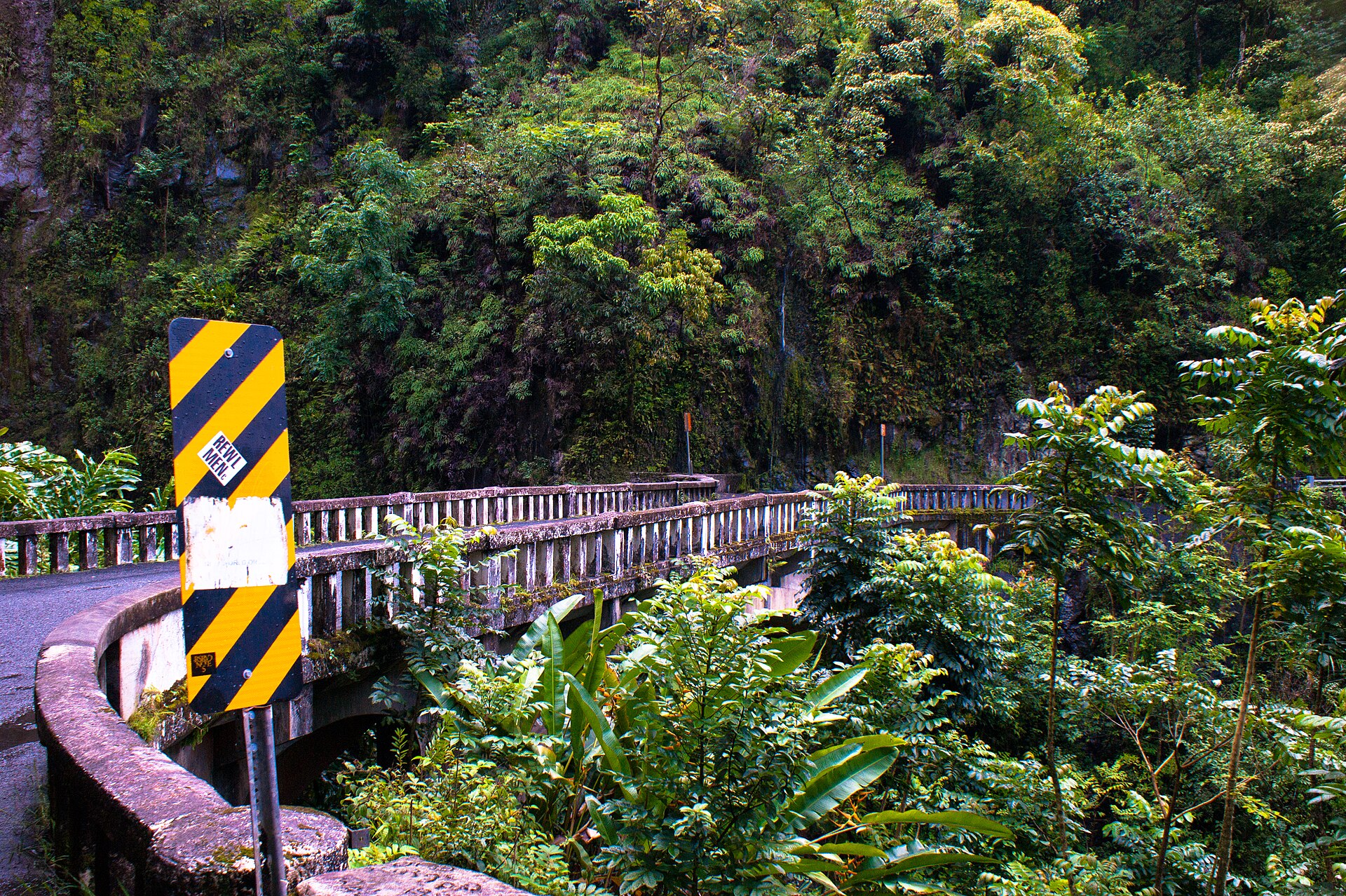
Bridge on Hana Highway · Jonathanking · CC BY-SA 3.0 · cropped
Maui: Kahului, Then a Car
Arriving on Maui means a flight to Kahului, followed by an essential rental car for getting around the island.
Nearly everyone flies into Kahului Airport, OGG, on the central isthmus, with direct flights from the U.S. mainland and short hops from Honolulu. From there, one makes a decision that shapes the entire trip: rent a car. This is the one piece of Maui logistics you cannot skip. The county bus is built for residents getting to work, not for reaching the summit or the far beaches, and the island’s distances make a car close to essential. The roads are two lanes and bend around the mountains, meaning distances feel longer than the map suggests. From Kahului, it is roughly fifteen minutes to Kīhei on the south coast, and about forty-five minutes up the west coast to Kāʻanapali.
Maui is a big island built around two volcanoes, and the one decision that shapes your whole trip is which coast you sleep on. The island is really two mountains joined by a low, flat middle, and the difference between basing on the calm, sunny south coast and basing out at the far end of the Road to Hāna is the difference between two completely different holidays. Most visitors picture a resort beach, and that instinct is sound. The two leeward coasts — South Maui and West Maui — are dry, sunny, and calm, and they hold nearly all of the island’s resorts and rental condos. For most trips, the plan is simple: base on a leeward coast for the sun and sand, then treat the sights as day trips you drive to.
Given the necessity of a vehicle, book it well ahead, because rental supply on Maui runs tighter and pricier than on the mainland. These longer-feeling drives mean the island’s signature excursions become full days out. The Haleakalā summit is about an hour and a half to two hours each way from the resort coasts. The Road to Hāna is a full day in itself, running roughly sixty-four miles of curves and around sixty bridges, many of them single-lane, through the windward rainforest. The rule for a pleasant trip is to plan one big drive per day, and do not stack them.
Beyond the car, a few key experiences require advance reservations that are worth lining up before arrival. The Haleakalā sunrise needs a vehicle reservation through Recreation.gov, released sixty days out and often gone within minutes for popular dates. ʻĪao Valley needs a timed reservation for non-residents. And the best Molokini snorkel trips and Hāna tours sell out in high season. None is complicated, but all reward planning a week or two ahead. Almost everything else you can decide on the morning of, weather permitting.
From Vol. 2 · No. 08 · August 2026, The Pacific Issue. The cover story is Where to Stay on Maui. Details change; confirm specifics with the property before you travel.
More from the column
-
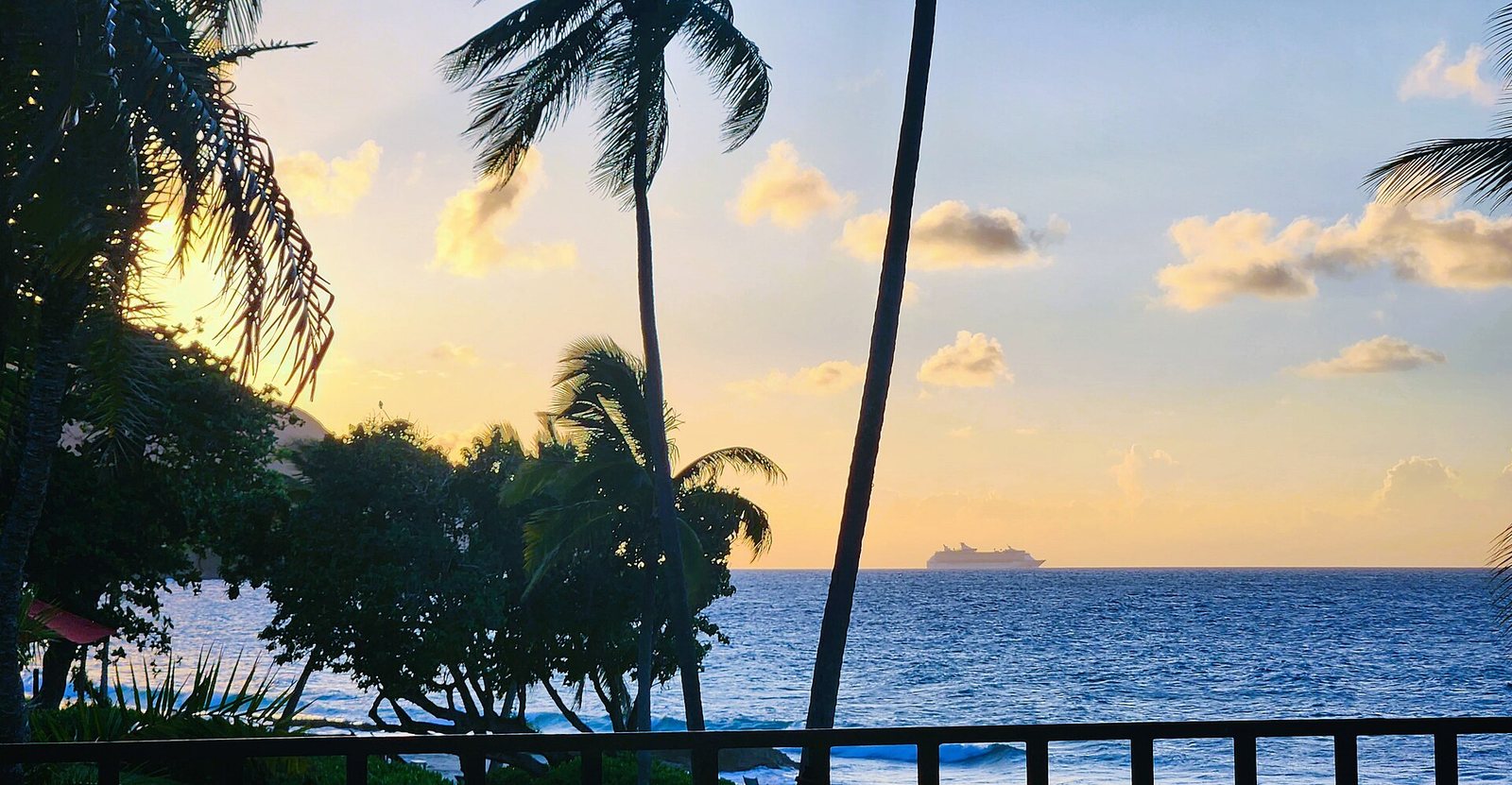 CruiseDeparts20230926 175523 · CaptJayRuffins · CC BY-SA 4.0 · cropped
St. Croix · Vol. 2 · No. 10 · October 2026
St. Croix Arrivals and Roads
Getting to St. Croix is simple for U.S. citizens, but navigating the island requires a rental car and an understanding of its unique driving rules.
CruiseDeparts20230926 175523 · CaptJayRuffins · CC BY-SA 4.0 · cropped
St. Croix · Vol. 2 · No. 10 · October 2026
St. Croix Arrivals and Roads
Getting to St. Croix is simple for U.S. citizens, but navigating the island requires a rental car and an understanding of its unique driving rules.
-
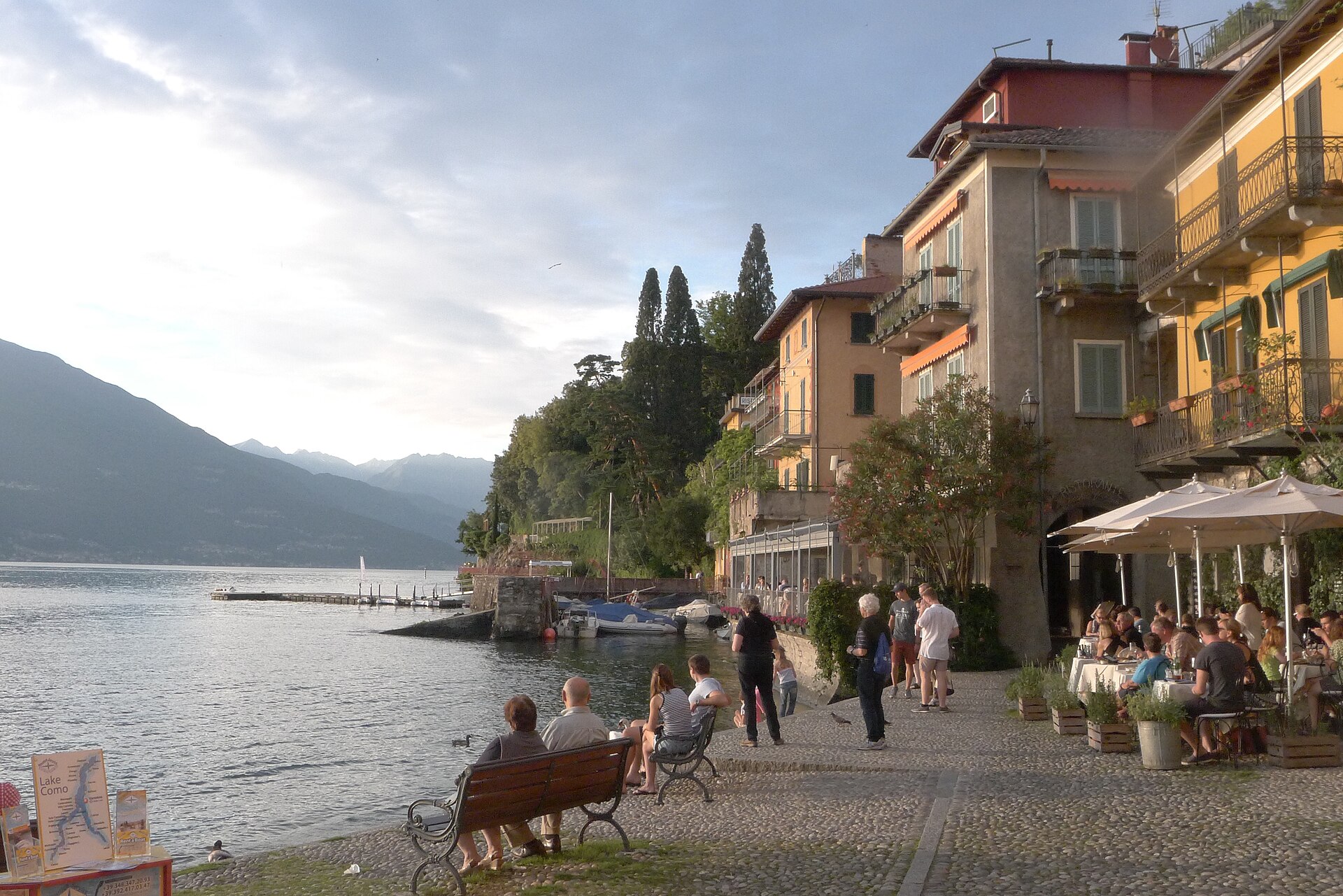 Varenna Italy, waterfront at sunset · Jmatazzoni · CC BY-SA 4.0 · cropped
Lake Como · Vol. 2 · No. 07 · July 2026
Getting Around Lake Como by Boat
Forget the narrow roads; basing in the mid-lake and using the frequent car and passenger ferries turns travel into pleasure.
Varenna Italy, waterfront at sunset · Jmatazzoni · CC BY-SA 4.0 · cropped
Lake Como · Vol. 2 · No. 07 · July 2026
Getting Around Lake Como by Boat
Forget the narrow roads; basing in the mid-lake and using the frequent car and passenger ferries turns travel into pleasure.
-
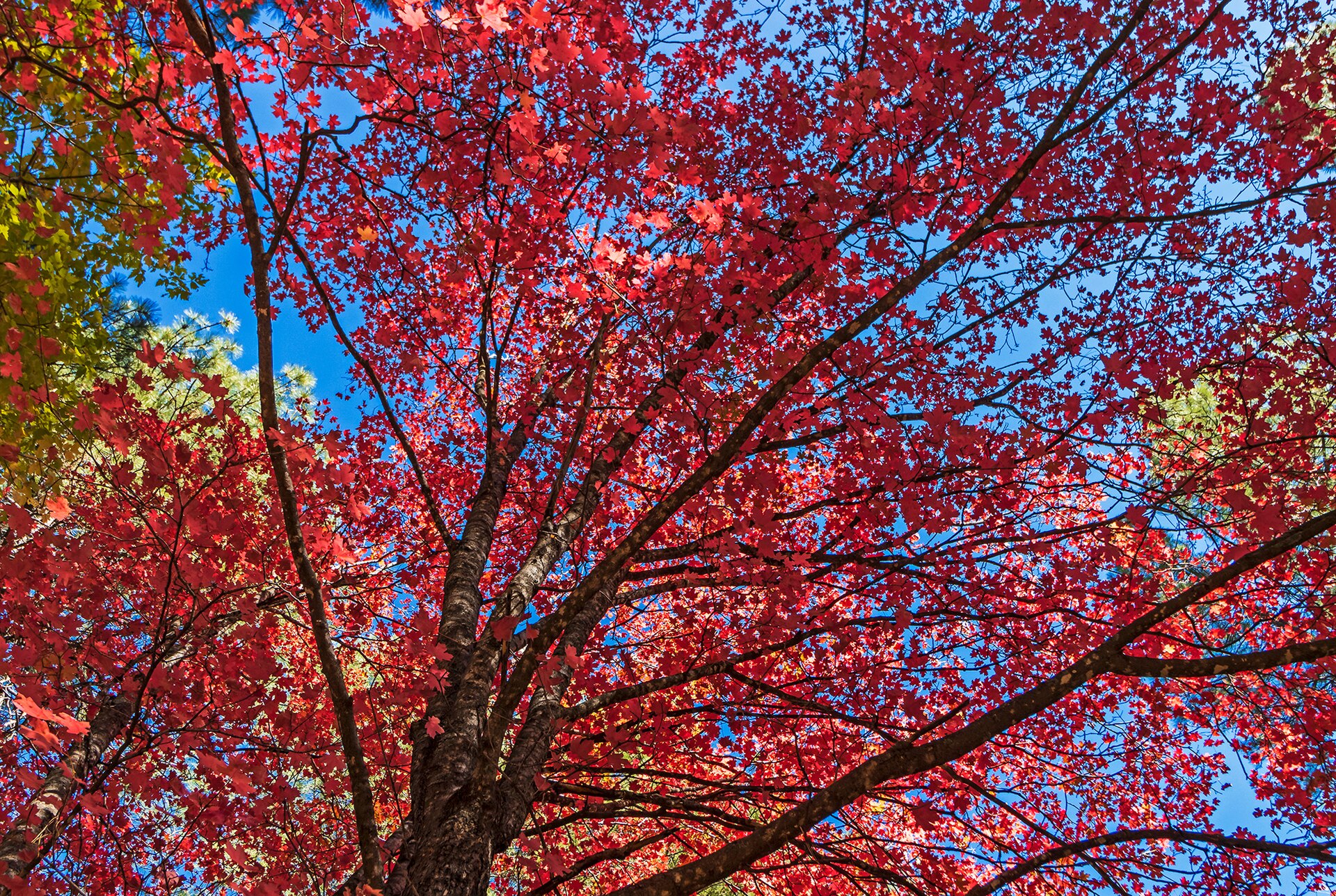 Vibrant Fall Colors In Oak Creek Canyon · Ray Redstone · CC BY-SA 4.0 · cropped
Sedona · Vol. 2 · No. 04 · April 2026
Phoenix, Car, Shuttle to Sedona
Most visitors fly into Phoenix Sky Harbor, rent a car, and then navigate Sedona's trailheads with a mix of driving and the free city shuttle.
Vibrant Fall Colors In Oak Creek Canyon · Ray Redstone · CC BY-SA 4.0 · cropped
Sedona · Vol. 2 · No. 04 · April 2026
Phoenix, Car, Shuttle to Sedona
Most visitors fly into Phoenix Sky Harbor, rent a car, and then navigate Sedona's trailheads with a mix of driving and the free city shuttle.
-
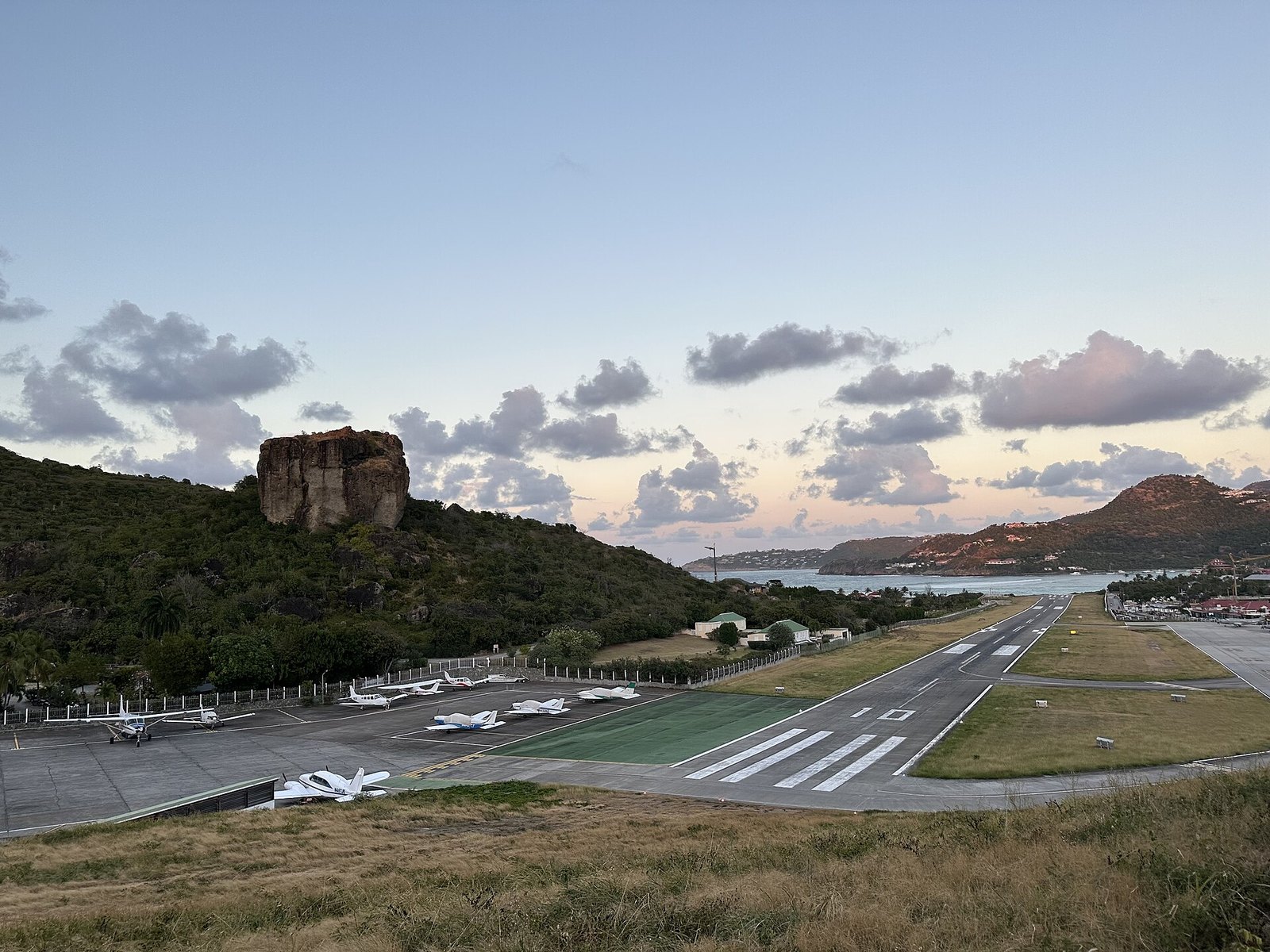 St-Barthelemy-Airport · Drozdp · CC BY-SA 4.0 · cropped
St. Barths · Vol. 1 · No. 12 · December 2025
St. Barth Arrival: Via St Maarten
Connecting through Sint Maarten is the primary way to reach St. Barth, either by a short flight or a ferry across the water.
St-Barthelemy-Airport · Drozdp · CC BY-SA 4.0 · cropped
St. Barths · Vol. 1 · No. 12 · December 2025
St. Barth Arrival: Via St Maarten
Connecting through Sint Maarten is the primary way to reach St. Barth, either by a short flight or a ferry across the water.
The columns, every month.
One considered letter when a new issue lands: the cover story, the four columns, and the month's news.
Comments