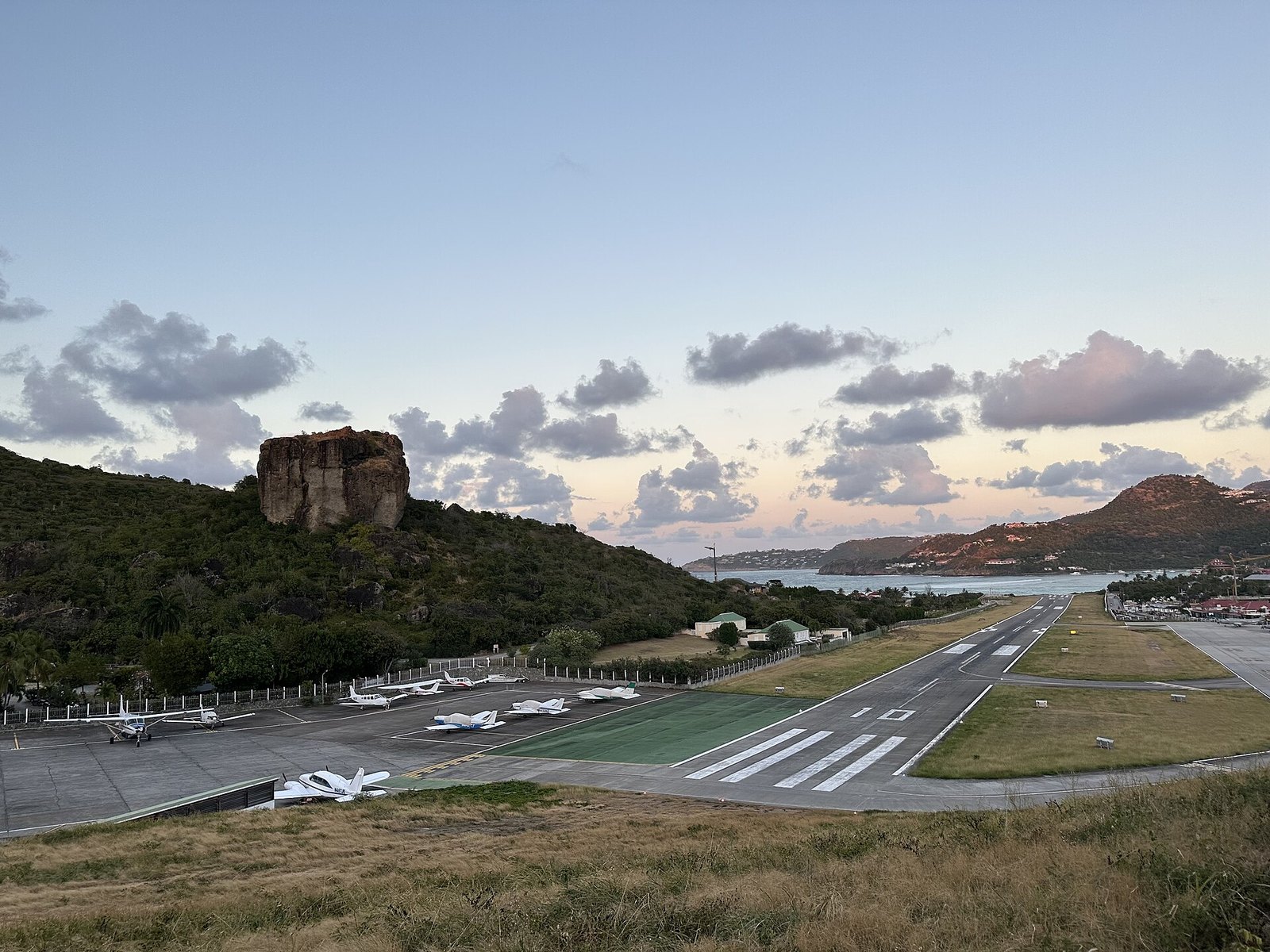
St-Barthelemy-Airport · Drozdp · CC BY-SA 4.0 · cropped
St. Barth Arrival: Via St Maarten
Connecting through Sint Maarten is the primary way to reach St. Barth, either by a short flight or a ferry across the water.
St. Barth’s Remy de Haenen airport (SBH), located in St Jean, does not accommodate long-haul flights. Its runway is notably short, concluding at the beach, and the approach is famously steep and curving. Aircraft arrive low over a dip in the hillside, with a road running across the top, then drop sharply to the tarmac. Only small short-takeoff-and-landing aircraft, typically around nineteen seats or fewer, are permitted to use it. By rule, these flights operate solely in daylight under visual flight rules; night landings are not allowed, and pilots require specific certification to land here.
Because no large jet can reach St. Barth directly, almost everyone connects. The usual gateway is Sint Maarten (SXM), specifically Princess Juliana airport on the Dutch side of the neighbouring island, which does take long-haul and regional jets. From there, the hop across to St. Barth is brief, on the order of ten to fifteen minutes in the air, aboard a small plane. Winair and St Barth Commuter run frequent shuttle flights between Sint Maarten and St. Barth. For a more polished scheduled service, Tradewind Aviation offers flights, including a longer direct route from San Juan, Puerto Rico. Cape Air and various charter operators also serve the island.
The other way across is by sea, which bypasses the small-plane experience entirely. Public ferries operate between the two islands, docking at Gustavia’s maritime terminal. Great Bay Express sails from Philipsburg on the Dutch side, while Voyager departs from Marigot on the French side. The crossing typically runs roughly thirty to forty-five minutes, depending on the route, and can be choppy. Schedules shift by season, so checking current times is advisable. Private boat transfers present a third option for water passage. A practical note on connections: because St. Barth flights stop at dusk and depend on daylight and weather, leave real margin between your incoming long-haul flight and the last hop across. Do not plan to land on St. Barth late in the day. A missed connection here usually means an unplanned night on Sint Maarten.
Once on St. Barth, the island’s dry, hilly terrain and spread-out quartiers make a hire car close to essential. You can drive from one end to the other in well under half an hour, but the roads are narrow, steep, and switchbacked. Small cars and the open-sided buggies seen everywhere are the norm. Driving is on the right, as in mainland France. Parking in Gustavia and St Jean can be tight at peak times. Taxis are limited and not cheap, and there is no real public transport. For most stays, a car is how you reach the beaches and restaurants.
From Vol. 1 · No. 12 · December 2025, The Island Issue. The cover story is Where to Stay in St. Barths. Details change; confirm specifics with the property before you travel.
More from the column
-
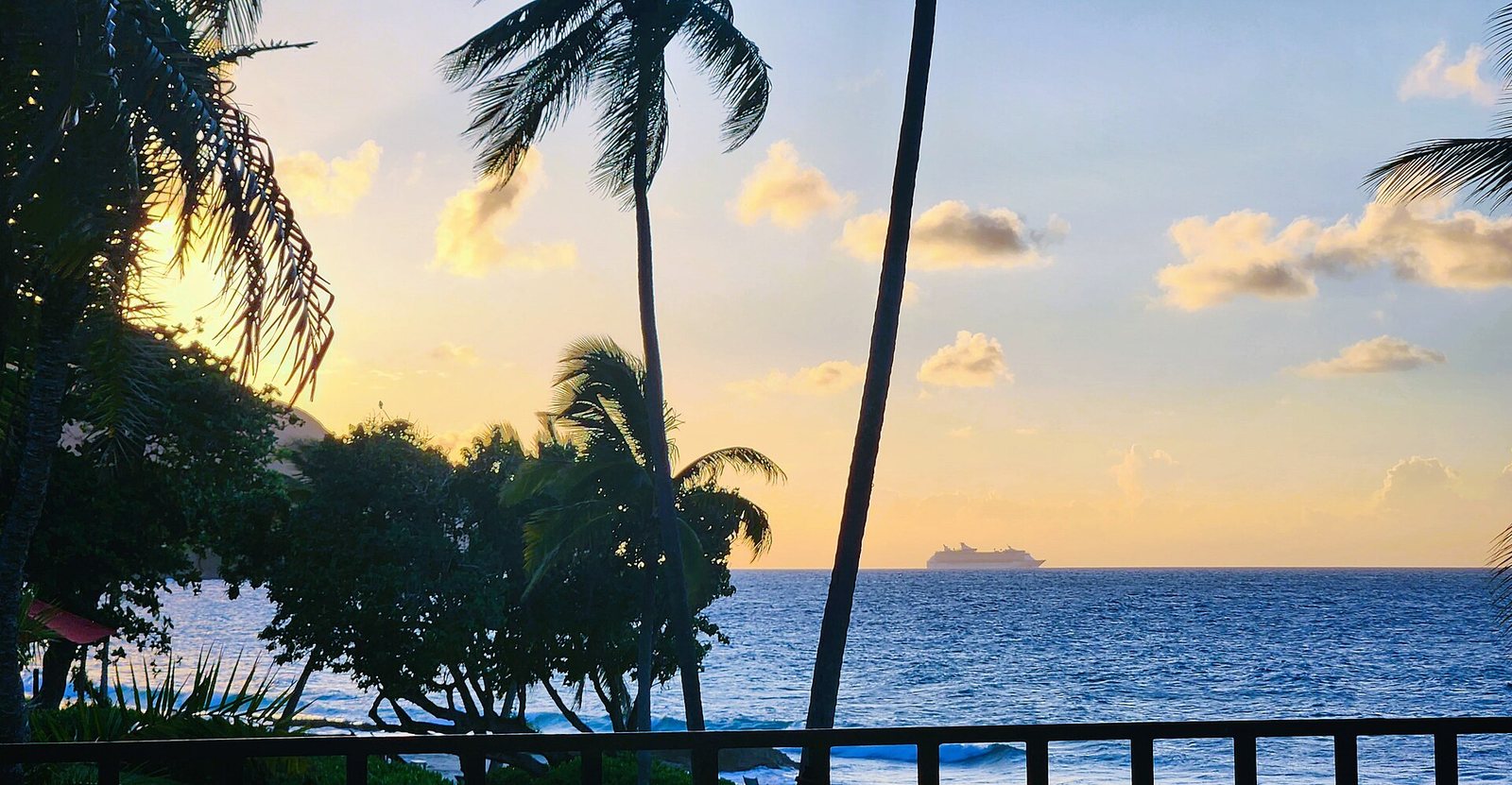 CruiseDeparts20230926 175523 · CaptJayRuffins · CC BY-SA 4.0 · cropped
St. Croix · Vol. 2 · No. 10 · October 2026
St. Croix Arrivals and Roads
Getting to St. Croix is simple for U.S. citizens, but navigating the island requires a rental car and an understanding of its unique driving rules.
CruiseDeparts20230926 175523 · CaptJayRuffins · CC BY-SA 4.0 · cropped
St. Croix · Vol. 2 · No. 10 · October 2026
St. Croix Arrivals and Roads
Getting to St. Croix is simple for U.S. citizens, but navigating the island requires a rental car and an understanding of its unique driving rules.
-
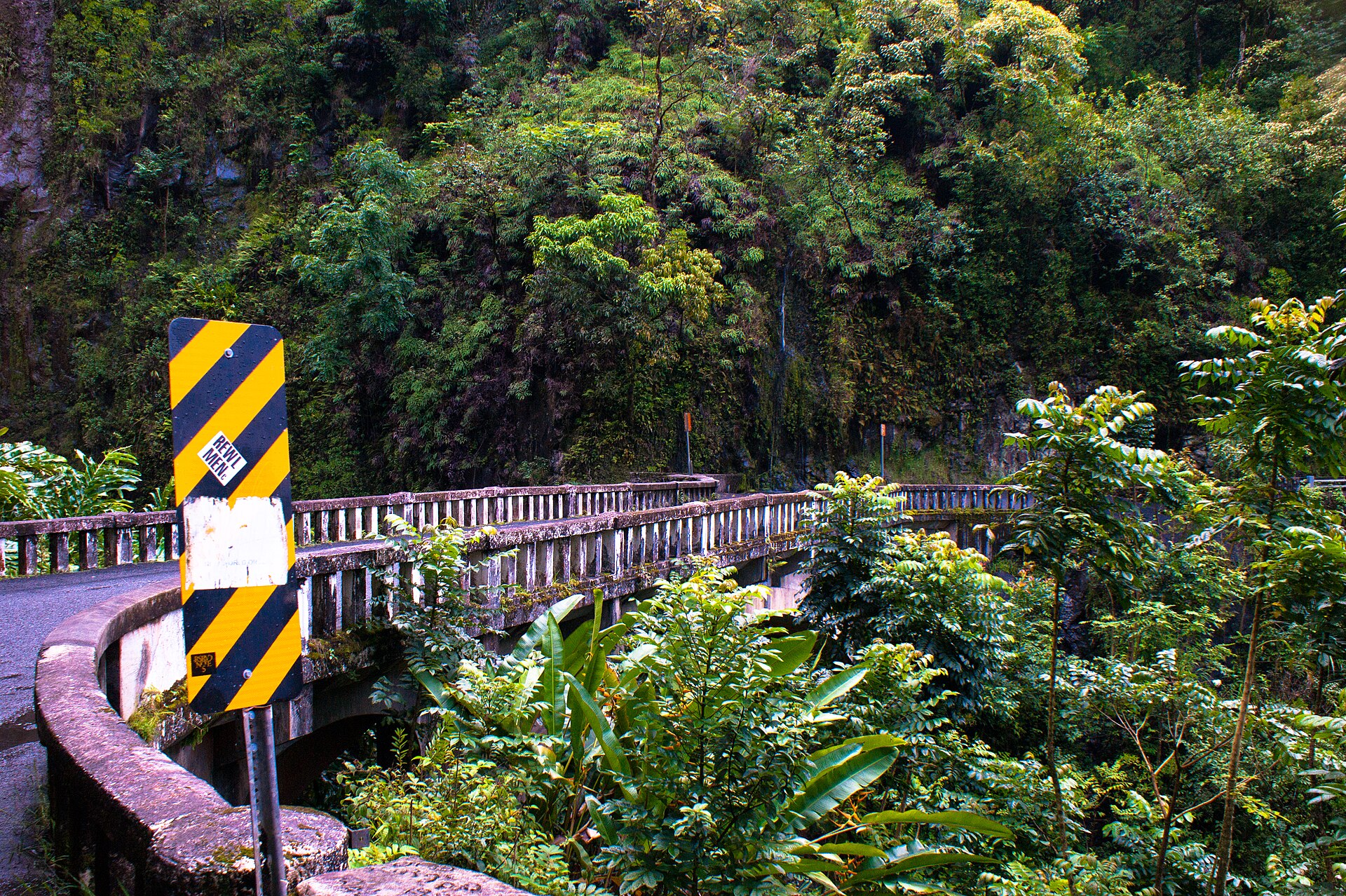 Bridge on Hana Highway · Jonathanking · CC BY-SA 3.0 · cropped
Maui · Vol. 2 · No. 08 · August 2026
Maui: Kahului, Then a Car
Arriving on Maui means a flight to Kahului, followed by an essential rental car for getting around the island.
Bridge on Hana Highway · Jonathanking · CC BY-SA 3.0 · cropped
Maui · Vol. 2 · No. 08 · August 2026
Maui: Kahului, Then a Car
Arriving on Maui means a flight to Kahului, followed by an essential rental car for getting around the island.
-
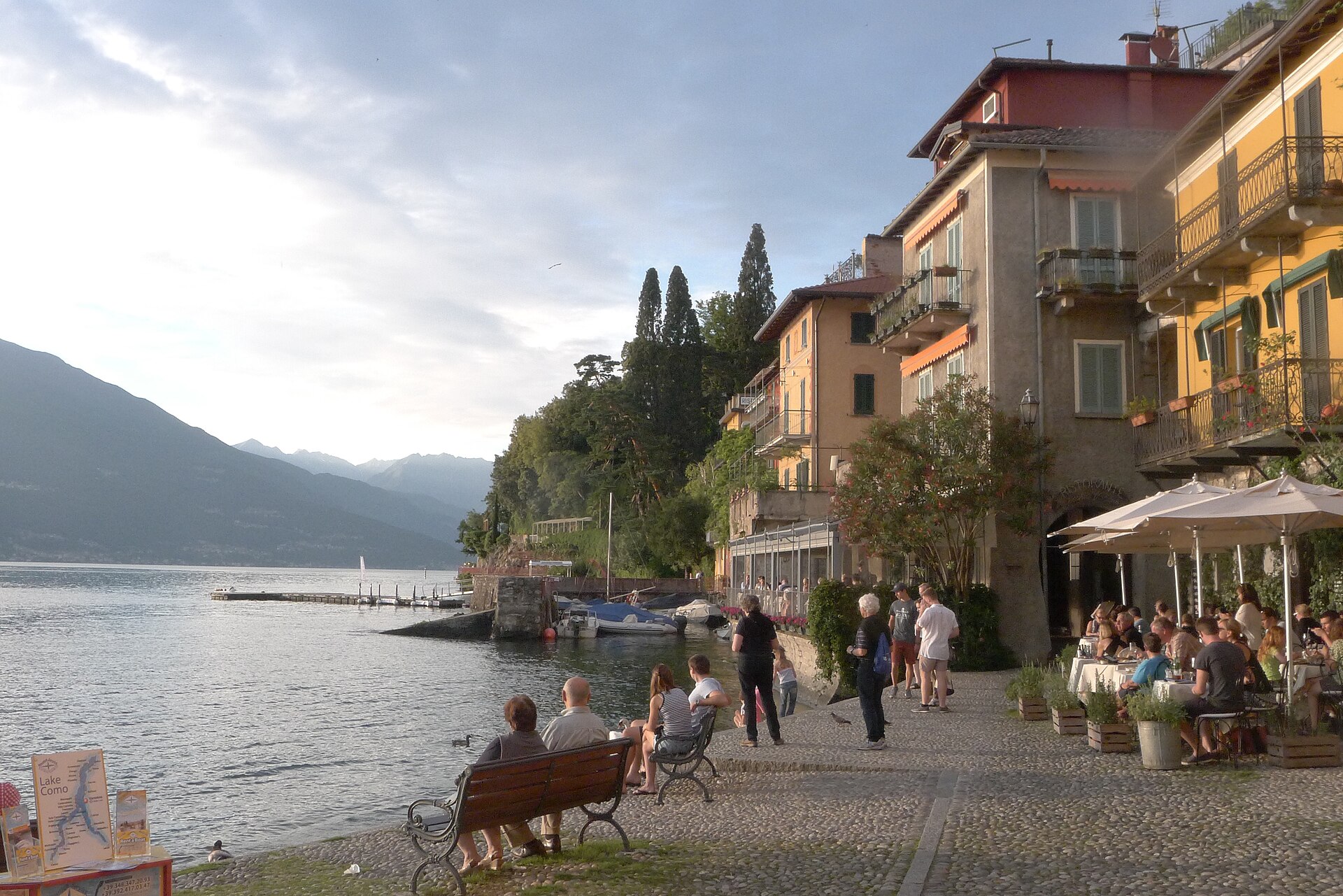 Varenna Italy, waterfront at sunset · Jmatazzoni · CC BY-SA 4.0 · cropped
Lake Como · Vol. 2 · No. 07 · July 2026
Getting Around Lake Como by Boat
Forget the narrow roads; basing in the mid-lake and using the frequent car and passenger ferries turns travel into pleasure.
Varenna Italy, waterfront at sunset · Jmatazzoni · CC BY-SA 4.0 · cropped
Lake Como · Vol. 2 · No. 07 · July 2026
Getting Around Lake Como by Boat
Forget the narrow roads; basing in the mid-lake and using the frequent car and passenger ferries turns travel into pleasure.
-
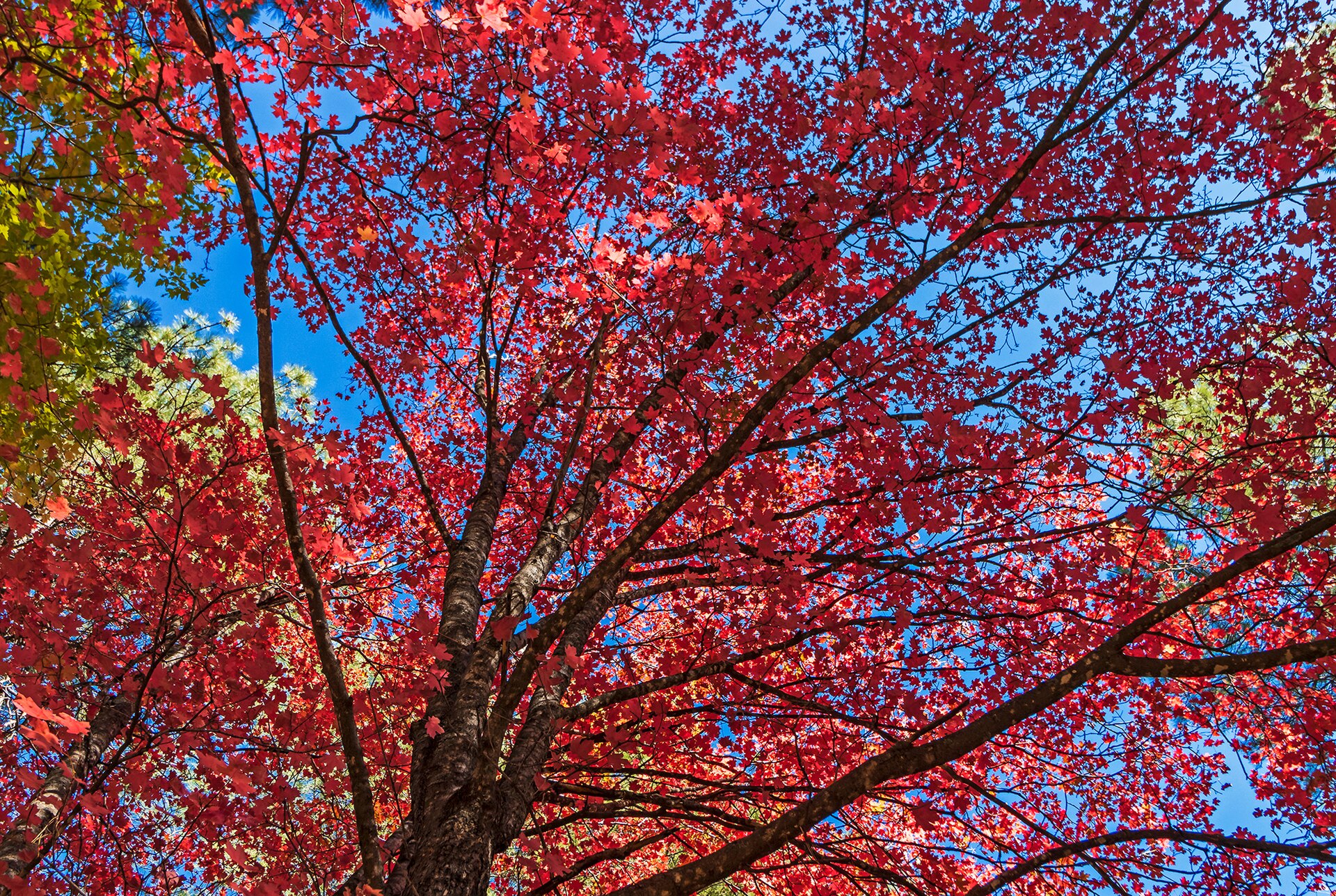 Vibrant Fall Colors In Oak Creek Canyon · Ray Redstone · CC BY-SA 4.0 · cropped
Sedona · Vol. 2 · No. 04 · April 2026
Phoenix, Car, Shuttle to Sedona
Most visitors fly into Phoenix Sky Harbor, rent a car, and then navigate Sedona's trailheads with a mix of driving and the free city shuttle.
Vibrant Fall Colors In Oak Creek Canyon · Ray Redstone · CC BY-SA 4.0 · cropped
Sedona · Vol. 2 · No. 04 · April 2026
Phoenix, Car, Shuttle to Sedona
Most visitors fly into Phoenix Sky Harbor, rent a car, and then navigate Sedona's trailheads with a mix of driving and the free city shuttle.
The columns, every month.
One considered letter when a new issue lands: the cover story, the four columns, and the month's news.
Comments