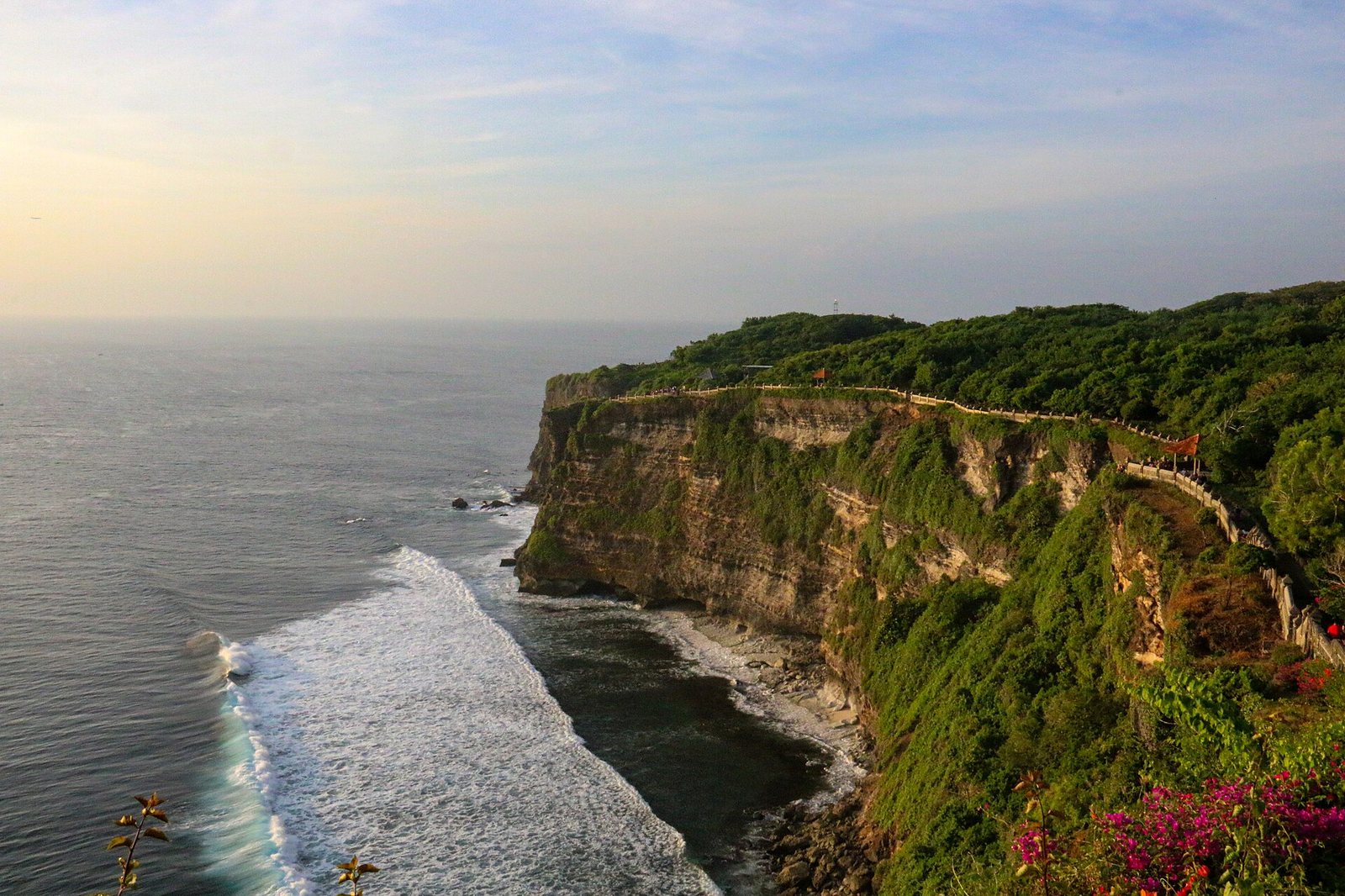
Cliff at Uluwatu temple, Bali · Emma THERY · CC BY-SA 4.0 · cropped
East to Sidemen
When the central streets of Ubud feel busy, the Sidemen valley to the east offers the same terraced green with a fraction of the traffic, under the volcano.
When the central streets of Ubud feel congested and touristy, a distinct green awaits eastwards. The Sidemen valley, listed as a further-out spot in the quieter east of the island, trades the bustle for a slower pace. It offers the same terraced rice fields that draw visitors inland, but with a fraction of the traffic, all set beneath the distant peak of Mount Agung. This is not a quick hop; the roads in Bali mean distances that seem small on a map can take hours. A day trip to Sidemen is a commitment to seeing a different side of the island's interior, away from the main tourist flows.
The journey itself forms part of the experience. Hiring a car with a driver by the day is the standard way to see the island, and for a couple or small group, it is an inexpensive and comfortable option. A good driver can also offer local insight. The main routes run through villages, and the south is congested, so factor in the time. The map often misleads; two places a thumb's width apart can be two hours away in traffic. Build a day around a single area like Sidemen rather than attempting to tick off far-flung sights. Let the driver, not the distance, set the rhythm of the day.
Once in the valley, the appeal is the quiet. Sidemen offers that characteristic terraced green, shaped by the subak system of cooperative irrigation, which is recognised by UNESCO. While Tegallalang, twenty minutes north of Ubud, is the most photographed of the rice terraces, Sidemen provides a similar landscape without the density of crowds. There are no large beach clubs or art markets here; the focus shifts to the natural surroundings and the slower rhythm of village life. It is a place for walks through the fields, for taking in views of the volcano, and for simply experiencing the calm.
For lunch, look for a local warung. These small, often family-run eateries are where much of the island's best everyday cooking is found, at excellent value. Try nasi campur, nasi goreng, or grilled satay, perhaps with a cold Bintang beer. Carry cash for warungs, market purchases, and any small entrance fees or donations. If you visit a temple in the area, the dress code is enforced: shoulders and knees covered, with a sarong and sash around the waist. Most temples lend or rent these at the entrance for a small charge. Plan a full day with a driver, and let the quiet of the valley set its own rhythm.
From Vol. 2 · No. 06 · June 2026, The Island-Interior Issue. The cover story is Where to Stay in Bali. Details change; confirm specifics with the property before you travel.
More from the column
-
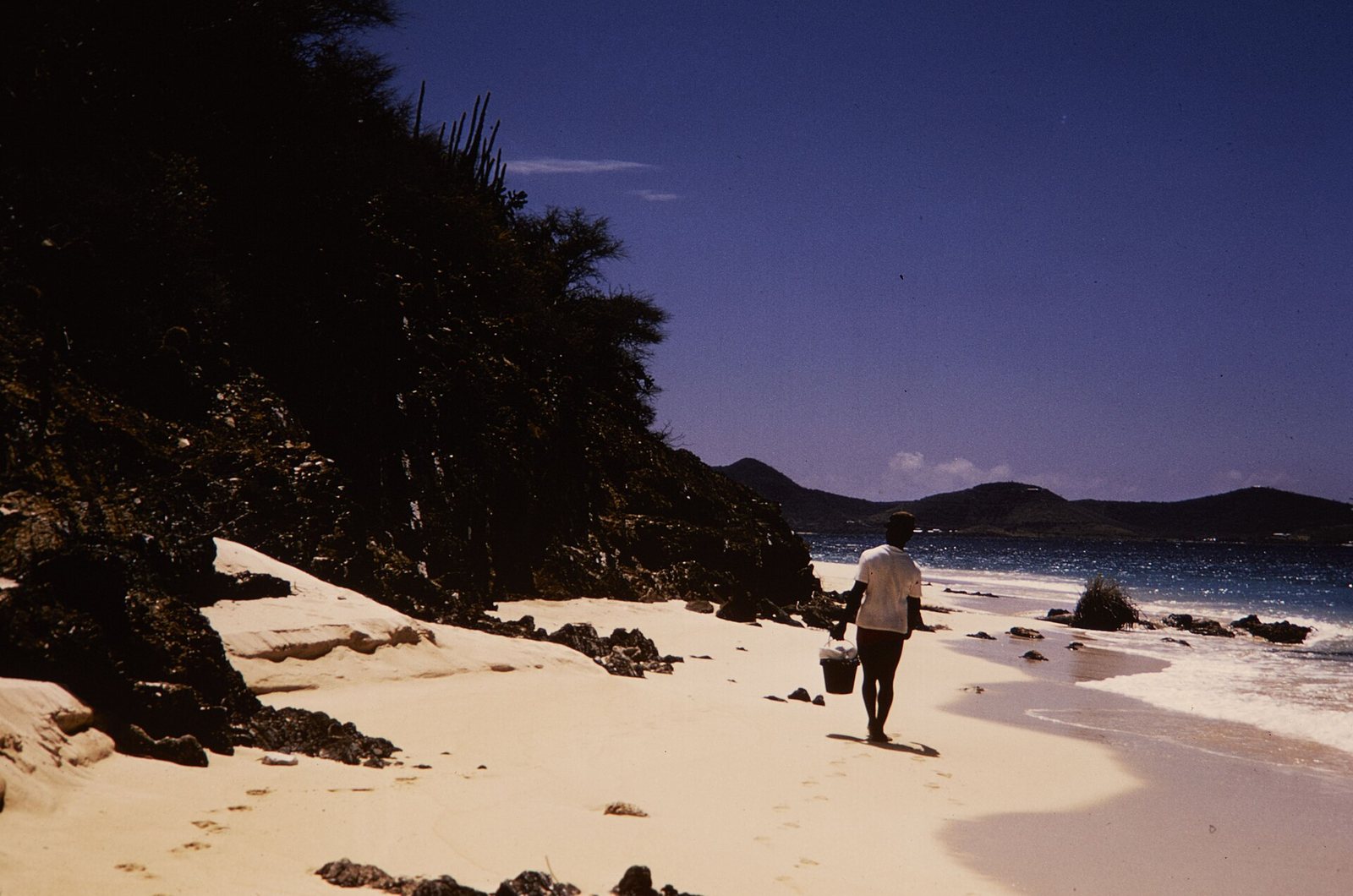 St. Croix · Vol. 2 · No. 10 · October 2026
Buck Island: St. Croix’s Reef Monument
A boat trip to Buck Island Reef National Monument offers an underwater snorkel trail and a stop at Turtle Beach.
St. Croix · Vol. 2 · No. 10 · October 2026
Buck Island: St. Croix’s Reef Monument
A boat trip to Buck Island Reef National Monument offers an underwater snorkel trail and a stop at Turtle Beach.
-
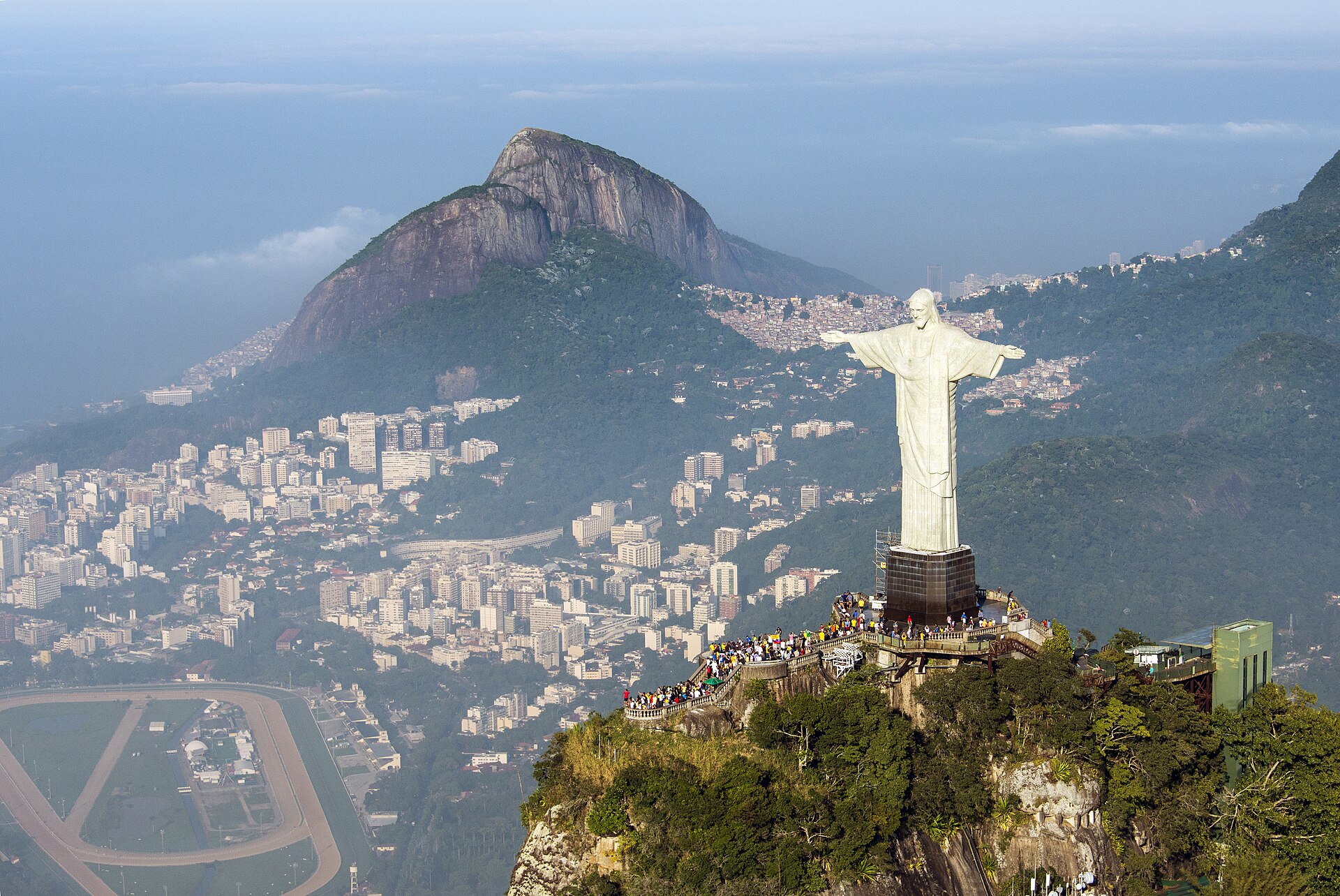 1 cristor redentor 2014 · Chensiyuan · CC BY-SA 4.0 · cropped
Rio de Janeiro · Vol. 2 · No. 09 · September 2026
Rio's Clear-Day Ascents
Plan two essential Rio climbs around the weather for views of the city and coast.
1 cristor redentor 2014 · Chensiyuan · CC BY-SA 4.0 · cropped
Rio de Janeiro · Vol. 2 · No. 09 · September 2026
Rio's Clear-Day Ascents
Plan two essential Rio climbs around the weather for views of the city and coast.
-
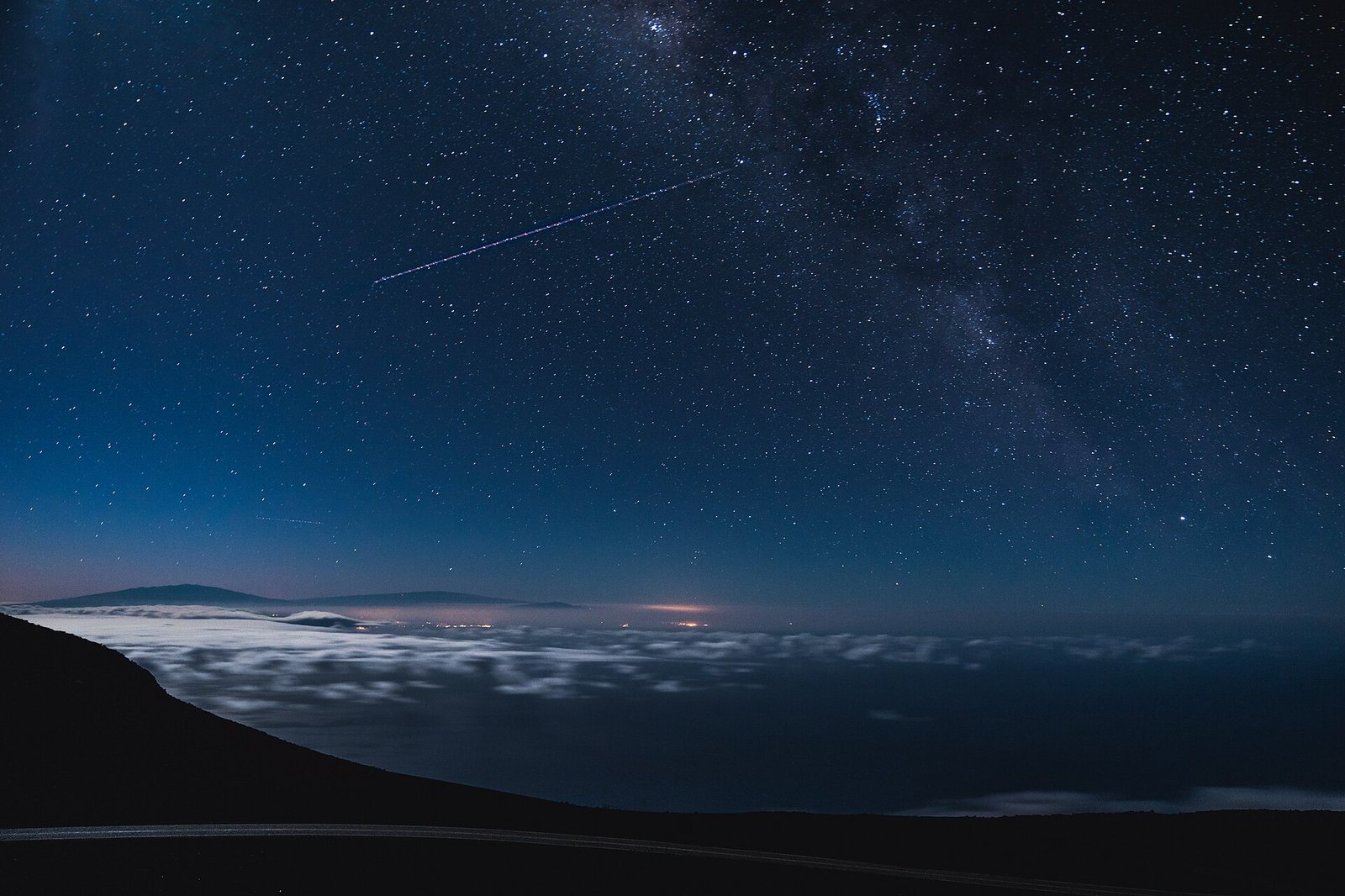 Maui · Vol. 2 · No. 08 · August 2026
Maui's Two Big Drives
Maui's two signature drives, Haleakalā's summit and the Road to Hāna, are full days out, each requiring early starts and a full tank.
Maui · Vol. 2 · No. 08 · August 2026
Maui's Two Big Drives
Maui's two signature drives, Haleakalā's summit and the Road to Hāna, are full days out, each requiring early starts and a full tank.
-
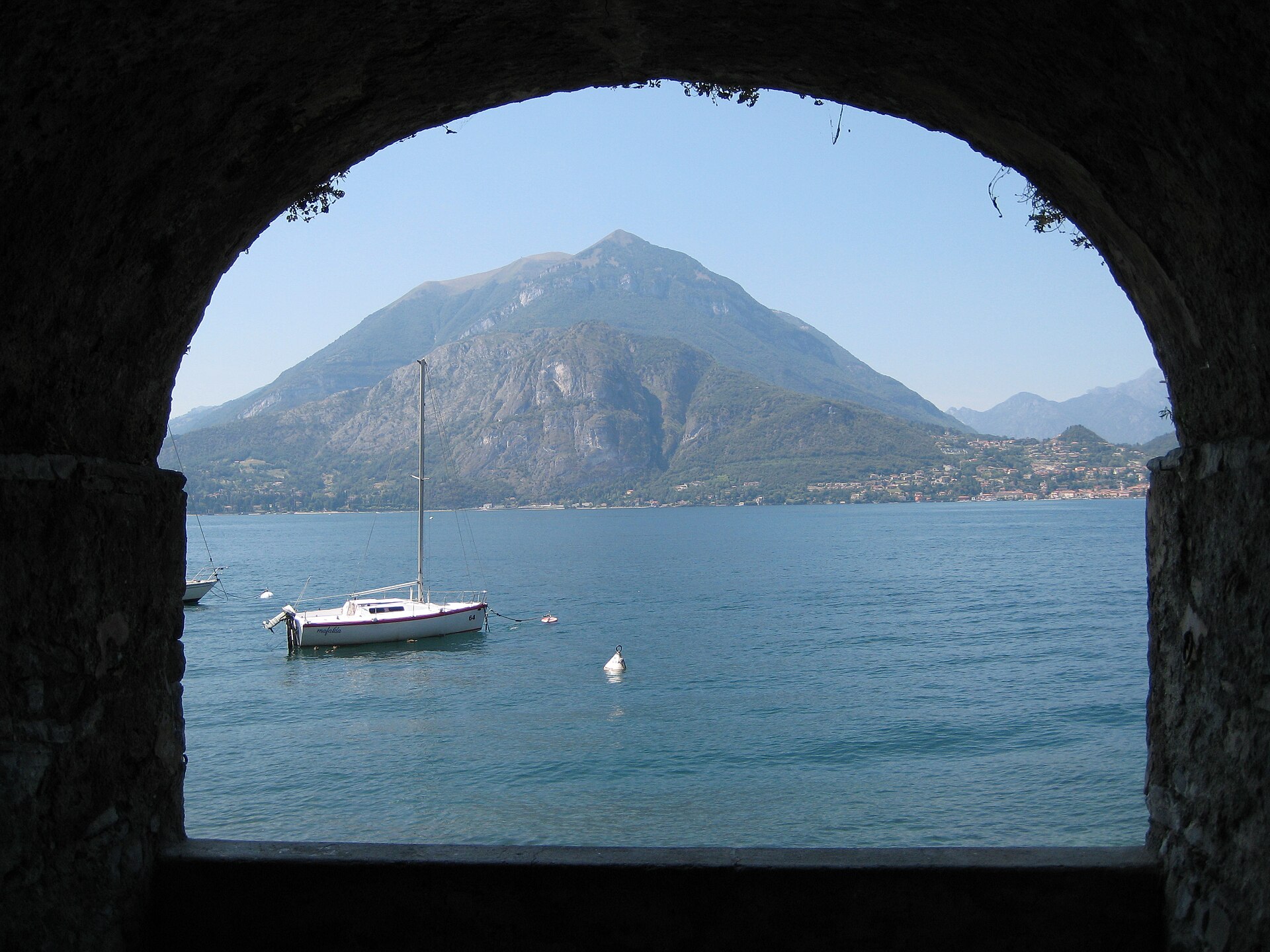 Lake Como from Varenna 01 · Aconcagua · CC BY-SA 3.0 · cropped
Lake Como · Vol. 2 · No. 07 · July 2026
Western Shore Gardens
Leaving your base for a boat day to Villa del Balbianello and Villa Carlotta reveals the cultivated beauty of Lake Como's western shore.
Lake Como from Varenna 01 · Aconcagua · CC BY-SA 3.0 · cropped
Lake Como · Vol. 2 · No. 07 · July 2026
Western Shore Gardens
Leaving your base for a boat day to Villa del Balbianello and Villa Carlotta reveals the cultivated beauty of Lake Como's western shore.
The columns, every month.
One considered letter when a new issue lands: the cover story, the four columns, and the month's news.
Comments