At a glance
- Base
- Base in a winery guesthouse among the vines, in a village like Francisco Zarco or San Antonio de las Minas, or in Ensenada.
- When
- Spring (March-June) for mild weather; August for Vendimia festival (hottest, busiest); winter (Dec-Feb) for quiet, lower prices.
- Getting there
- Fly into San Diego (drive 1.5-2 hours) or Tijuana (drive 1.25 hours), then cross the land border.
- Getting around
- A car is essential; hire a driver or guided tour for tasting days due to drinking and dirt roads.
- Book ahead
- Book accommodations, wineries, and restaurants well ahead, especially for August and weekends.
- The price
- Design hotels, vineyard views, August (Vendimia festival), and weekends drive prices up significantly.
Valle de Guadalupe is not a town you can point to and check into. It is a wide, dry valley of vineyards and olive groves about half an hour inland from the coast at Ensenada, laced with dirt side-roads and lined with small wineries and open-air grill restaurants. Most of the wine made in Mexico comes from here. The decision that shapes your trip is not which winery you like best but where in the valley you sleep — out among the vines or in a town with shops and services — and, because you will be drinking, how you plan to get from one tasting to the next. Get that right and the valley is slow and easy. Get it wrong and you spend an afternoon lost on a gravel road with no signal, or worse, driving when you should not be.
Most people arrive picturing a room among the vines, and a winery guesthouse is a fine choice. But the honest answer depends on what you want your evenings to look like and how much you are willing to drive. The valley is remote and dark at night, and you drive everywhere; the coast at Ensenada is cheaper and closer to shops and taco stands. This guide covers how the valley is laid out, where to base, when to come, how to cross the border and get around the dirt roads, how to plan a day of tastings, and where to eat — because the food here is as much the reason to come as the wine.
In this guide
How the valley is laid out
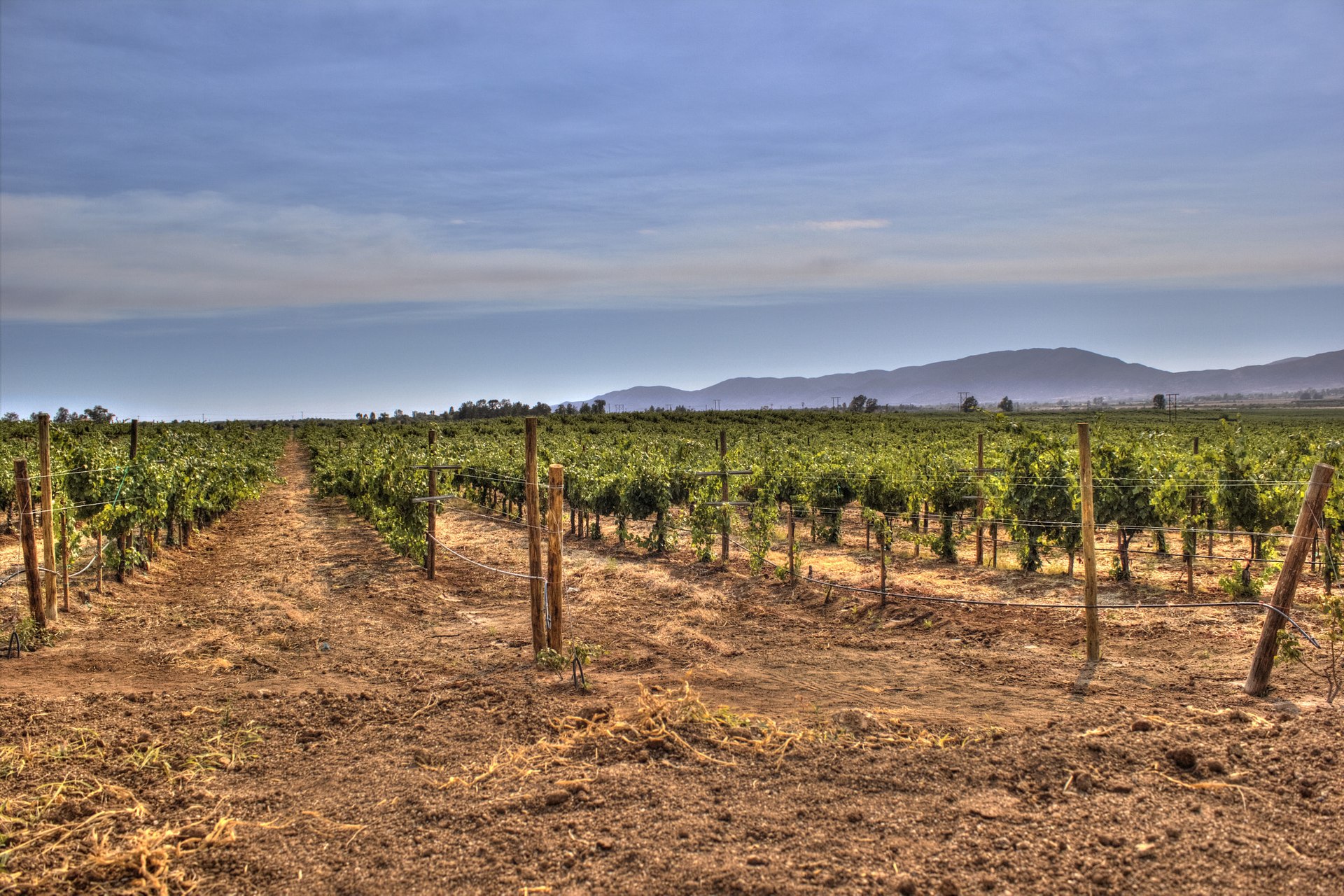
Picture a broad valley running inland from the Pacific, hemmed by low, dry hills. One road is its spine: Federal Highway 3, the Carretera Tecate–Ensenada, which everyone calls the Ruta del Vino, the Wine Route. It runs down from the border town of Tecate in the north to the coast at Ensenada in the south, and the wine country strings along it in the middle. Off that highway, and a second paved road across the valley floor, run the dirt and gravel lanes that lead to most of the wineries. This is what surprises first-timers: the valley is spread out and rural, the wineries sit at the ends of unmarked tracks, and getting between two of them can mean ten minutes of dust.
Three small communities anchor the valley. Francisco Zarco sits near the middle, the closest thing to a main village, with a handful of shops, the wine museum just outside it, and a settler history worth knowing: in 1905 a community of Russian Molokans farmed this land, and the village, once called Guadalupe, was later renamed. A small community museum still tells that story. San Antonio de las Minas lies at the southern end, nearest Ensenada, a loose cluster of restaurants and wineries along the highway, and El Porvenir fills in much of the rest. None is a resort town; these are working farm villages that happen to sit in wine country.
The land is high and dry, the growing is Mediterranean, and the weather does one thing worth planning around: hot, bright days and cool nights, with Pacific fog that usually burns off by mid-morning. Why does the layout matter for where you sleep? Because there is no walkable centre. Wherever you base, you will be in a vehicle to reach dinner and the next tasting, so the real questions are how far you want that drive and who is driving.
Where to base
Three choices cover almost every plan, trading remoteness against convenience.
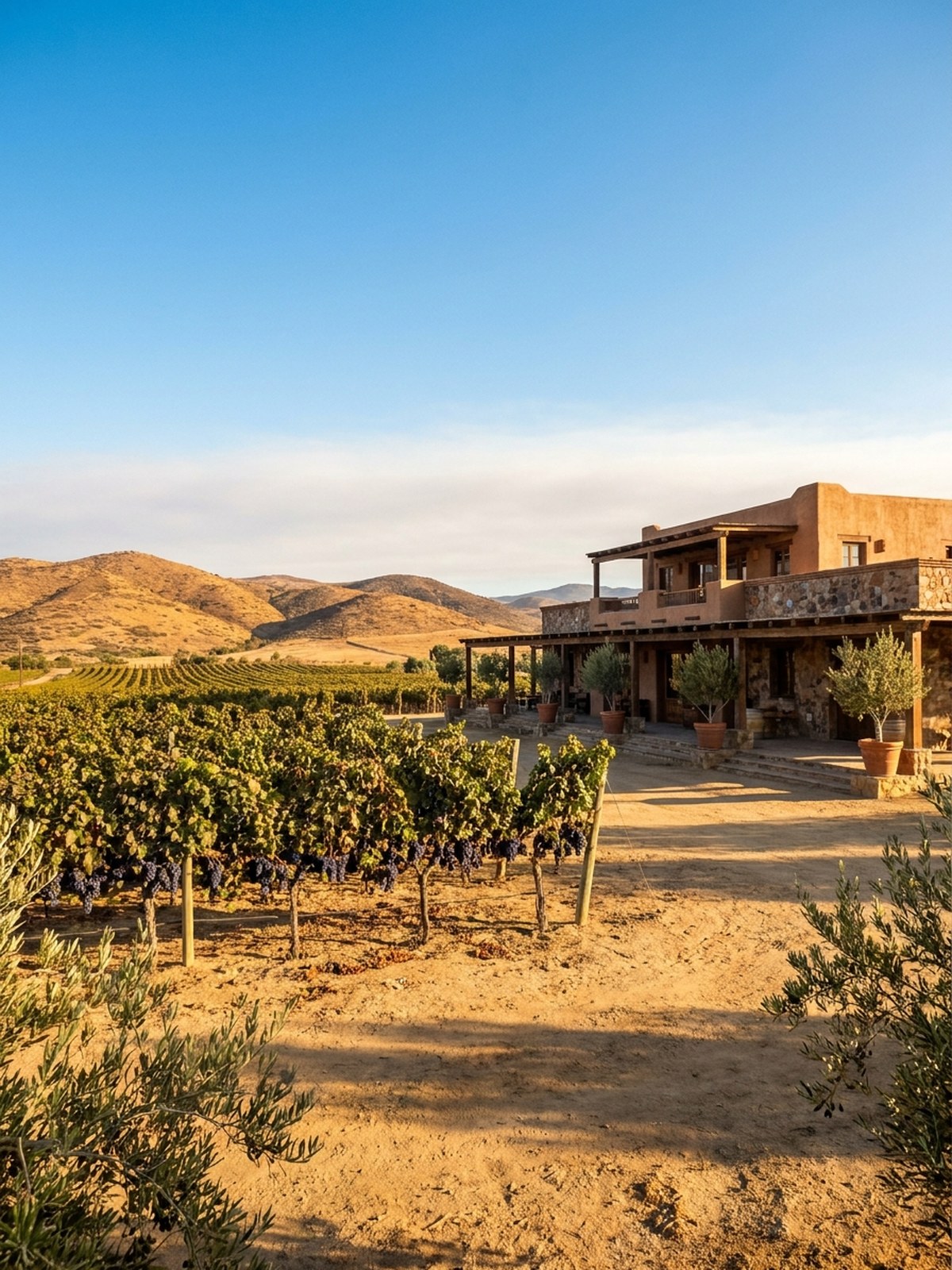
- Out in the valley is the classic choice: winery guesthouses, small design hotels, and tented camps among the vines. This is where you get the quiet, the dark skies, and the feeling of waking up in wine country. The trade-offs are real — it is remote, most places sit at the end of a dirt road, and you drive to everything, shops included. Some of the design hotels are the reason people come. Good for couples and anyone who wants the setting over convenience, and has a driver or a car sorted.
- Francisco Zarco puts you near the middle of the valley, close to the wine museum and a short drive from many wineries, with a few basic shops on hand. It is plainer than the design hotels in the vines but more central and practical. Good for a first visit when you want to be close to everything without being stranded.
- San Antonio de las Minas sits at the southern, Ensenada end, the shortest hop to the coast while still being in the wine country, with a cluster of well-known kitchens. Good for people who want one foot in the valley and one near town.
- Ensenada, on the coast about half an hour south, is the practical base: a real city with hotels at every price, restaurants, a waterfront, and services, and cheaper than the marquee places in the valley. You trade the vineyard setting for convenience and a shorter bill, then drive up for the day. Good for value, families, and anyone who would rather sleep in a town.
| Base | Feel | Services nearby | Getting around | Best for |
|---|---|---|---|---|
| Out in the valley | Remote, quiet, dark skies among the vines | Little; you drive to shops | Car or hired driver essential; dirt roads | Setting over convenience |
| Francisco Zarco | Central village, plainer, practical | Basic shops, the wine museum | Short drives to many wineries | A first visit, staying central |
| San Antonio de las Minas | Southern end, restaurants along the road | Some; closest to Ensenada | Shortest hop to the coast | One foot in the valley, one near town |
| Ensenada (coast) | Real city, waterfront, full range | Everything, and cheaper | About 30 minutes up to the wineries | Value, families, a town over a dirt road |
Where to sleep, and what drives the price
Lodging here falls into a few types. Out in the valley are winery estates with rooms, small design hotels, and tented camps that market themselves as luxury camping. In and near the villages are simpler guesthouses and inns, and down on the coast in Ensenada is the full range of city hotels. Many valley places pair a restaurant and a winery with the rooms, so you can eat and taste without moving the car.
A few things move the price more than anything else. The first is the place itself: the handful of architect-designed hotels among the vines command the top of the market, and you pay for the design as much as the room. The second is view — a room over the vines costs more than one without. The third, and the biggest swing, is the season: August, the harvest and the weeks of the Vendimia festival, is the peak by a wide margin, and rooms book out months ahead. Weekends run busier and dearer than weekdays year-round, because much of the crowd drives down from California for two nights.
The design hotels among the vines are the thing you pay the steepest premium for here, and they are genuinely lovely. Be honest about how you will use one. If your days are spent out at wineries and long lunches and you roll in after dark, you are paying for a room you mostly sleep in. If a slow morning with coffee over the vines is the whole point of the trip, it is worth it. If not, a simpler guesthouse or a hotel in Ensenada leaves more in your pocket for the wine and the table.
The practical move is to decide how you will actually spend your time, then book early — very early for August and for weekends. Amorielli's own Collection leans toward the house-and-guesthouse end of this, a small set of places you book direct with the people who run them, listed at the foot of this guide.
When to go
Spring, roughly March into June, is the easiest time to come: the hills are green from the winter rain, the days mild, the crowds thin, and everything open. If you want one recommendation for a first visit, this is it.
Late summer is the valley's big season. The grape harvest runs from about late July into September, and the Fiestas de la Vendimia, the harvest festival, fills roughly three weeks of August with tastings, winemaker dinners, concerts, and parties across dozens of wineries. It is the liveliest time to be here and also the hottest, most crowded, and most expensive; rooms and the popular dinners sell out well ahead, and the dates shift year to year, so check the festival calendar before you build a trip around it. Come for the energy, not for a quiet weekend.
High summer outside the festival is hot and dry, still busy on weekends, and autumn after the harvest is calm and pleasant, the vineyards turning colour. Winter, roughly December into February, is the quiet season: cooler, with the valley's only real rain and shorter hours at some wineries, and a few restaurants and smaller places closed altogether. It is good for lower prices, less good if a specific winery or kitchen is your reason to come — so check it is open before you commit.
Getting there, and getting around
Most visitors come through San Diego: you fly in, cross the land border into Mexico, and drive down, roughly an hour and a half to two hours depending on the crossing and the traffic. You can also fly into Tijuana, right at the border, about an hour and a quarter out; a cross-border bridge connects its airport directly to a terminal on the US side. Either way, the last stretch is a drive.
The border crossing is the part to think about. There are three options south of San Diego: San Ysidro, the busiest, in the middle; Otay Mesa to the east, usually quicker, especially in the SENTRI trusted-traveller lane; and Tecate, a small, quiet crossing further east that drops you straight onto Highway 3 at the top of the Wine Route. Driving south into Mexico is normally fast, often a few minutes. The wait that matters is coming back north into the United States, which at San Ysidro can run one to three hours at busy times. Check the live wait times on the US Customs and Border Protection app before you head back, cross early or late rather than on a Sunday afternoon, and if you cross often, the SENTRI and Ready lanes cut the wait sharply.
Once you are in the valley, you need a vehicle to move between wineries — there is no transit, and they sit far apart at the ends of dirt roads. But you will be drinking, which is the whole problem. For a tasting day, the right answer is to hire a driver or book a guided tour so nobody is behind the wheel after lunch; local drivers and small tour companies do exactly this. If you do drive yourself, keep a designated driver, buy Mexican auto insurance before you cross because a US policy will not cover you, and download offline maps, since some gravel lanes are unmarked and the signal comes and goes.
Good to know
There is no walkable centre and no public transit in Valle de Guadalupe: wherever you base, you drive to the wineries, and they sit far apart at the ends of dirt roads. Because a day here means tasting wine, the standard and safe way to do it is to hire a driver or a guided tour, and to keep the day to three or four wineries around a long lunch. Book those wineries and your restaurant table ahead — walk-ins are increasingly not a thing at the popular places — and, if you are driving back into the United States, check the northbound border wait before you leave, because that queue, not the distance, is what will eat your evening.
The wineries, and how to plan a tasting day
There are more than a hundred wineries in the valley, and by some counts well over two hundred, with new ones opening most years. You will not see them all, and trying to is how a good day turns into a blur. The better plan is to pick three, maybe four, and give each one time.
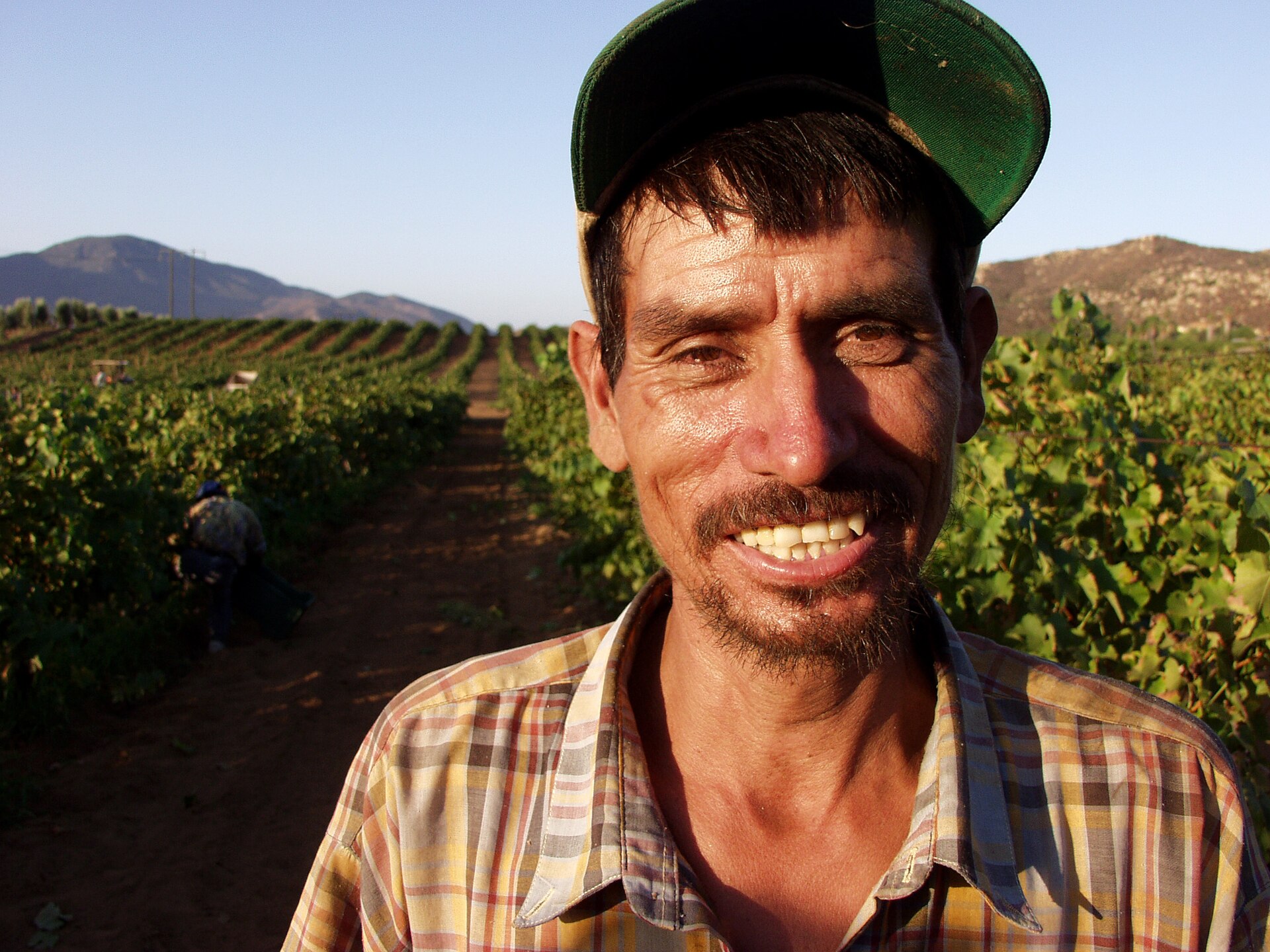
A few rules make the day work. Book ahead: most serious wineries now take visits by reservation only, and the popular ones fill up on weekends and in August. Start late in the morning and build the day around a long lunch, so you are not tasting on an empty stomach. Pace yourself and drink water between stops. And mix the scale — pair one of the big, polished houses with one or two small family wineries, where you may be poured by the person who made the wine. That contrast is the point of the valley.
Among the larger, better-known names, Monte Xanic and L.A. Cetto are two of the founding houses — Cetto the oldest and largest in the valley, started by an Italian immigrant family — and both run established tasting rooms. Adobe Guadalupe is a hacienda-style estate that also breeds horses and keeps an inn; Vena Cava, its roofs built from reclaimed fishing boats, is one of the valley's most recognisable stops; and Bruma and El Cielo are newer developments that pair wine with hotels and restaurants. For smaller, quieter tastings, Casa de Piedra, Clos de Tres Cantos with its pyramid and underground cellars, Lechuza, and Torres Alegre are worth seeking out. Treat these as starting points, not a checklist, and ask your host or driver what is pouring well and open, because the scene changes fast.
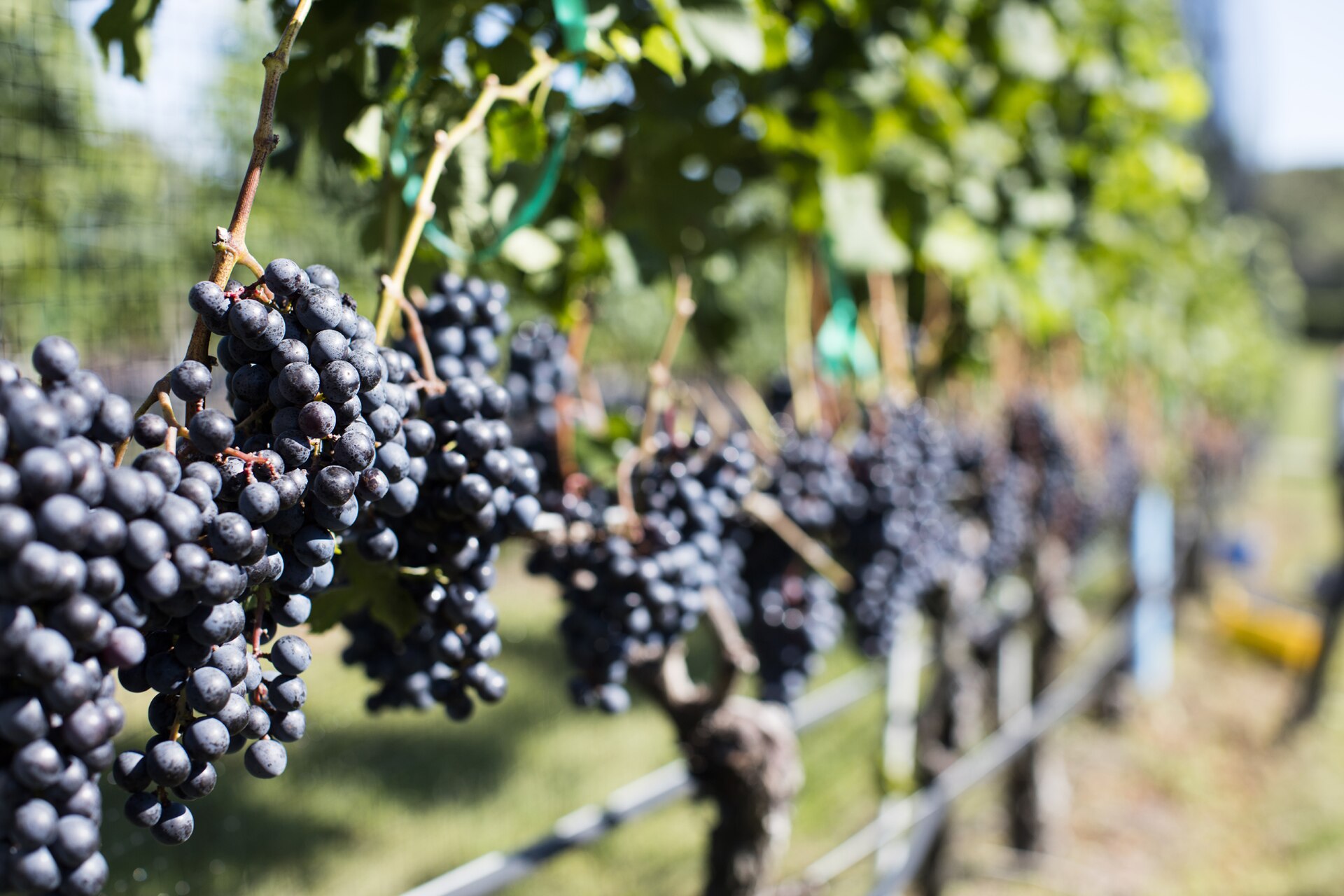
Grape worker · Tomas Castelazo · CC BY 3.0 · cropped
One stop that is not a winery is worth working in: the Museo de la Vid y el Vino, the Museum of the Vine and Wine, on Highway 3 near Francisco Zarco. It lays out the history and making of the region's wine in a modern building with a deck over the valley, and makes a good first stop to get your bearings before you taste. It is open Tuesday to Sunday and closed Mondays, when a fair number of wineries and restaurants also take their day off, so plan around that.
Where to eat
The food here is a reason to come in its own right. The valley's signature is the campestre restaurant — an open-air country kitchen among the vines, often cooking over a wood fire, serving what the region calls Baja Med: local produce, Pacific seafood, and grilled meats, with the wine made down the road. Lunch is the main event, and a table at the right place can be the best meal of the trip.
Several kitchens have earned the valley its reputation, and they are worth booking ahead. Finca Altozano, the open-fire grill from chef Javier Plascencia, looks out over the vines and is a good introduction to the campestre style. Deckman's en el Mogor, chef Drew Deckman's open-hearth restaurant, cooks sustainable Pacific seafood and meats in a vineyard setting. Corazón de Tierra serves a set tasting menu built around its own gardens, and Fauna, from chef David Castro Hussong, runs a changing menu at the Bruma development. The wine museum has its own well-regarded kitchen too. All take reservations, and you should make them, especially on weekends and in August.
La Bufadora - panoramio · panza.rayada · CC BY-SA 3.0 · cropped
Down on the coast, Ensenada is the other end of the spectrum: the city's fish tacos are famous, from the stands around the Mercado Negro fish market to the carts along the main tourist street, and the old cantinas downtown are an easy night out. It is worth a trip even if you are basing in the valley.
Keep it honest, though. Some of the best eating here is the simplest — fish tacos from a stand, or a long, unhurried grill lunch at a winery — and the tasting-menu rooms, good as they are, are not the only way to eat well.
Money and practical notes
- Money: the currency is the Mexican peso. Bigger wineries and restaurants take cards, but carry pesos in cash for small family wineries, taco stands, and tips; US dollars are sometimes accepted, usually at a poor rate.
- Passport and tourist card: foreign visitors need a valid passport to cross the border. For a stay of more than a few days, or travel beyond the immediate border zone, you are meant to fill out a tourist card, the FMM, at the crossing — ask there.
- Driving and insurance: if you bring your own or a rental car, buy Mexican auto insurance before you cross, since a US policy will not cover you in Mexico. Expect dirt roads to the wineries, download offline maps, and keep the tank topped up.
- Don't drink and drive: the wineries are spread out and the roads rural and unlit at night. Hire a driver or a guided tour for any day of serious tasting — the standard way to do the valley, and the safe one.
- Language: Spanish is the language, but English is widely understood at wineries, hotels, and restaurants used to cross-border visitors.
- Reservations: book wineries and restaurants ahead. This is not optional at the popular places on weekends or during the August festival.
- Tipping: tip at restaurants much as you would in the US, around ten to fifteen per cent or more, and tip your driver or guide.
- Sun and terrain: the valley is hot, bright, and dusty. Bring a hat, sunscreen, water, and shoes you do not mind getting dusty; the nights cool off, so carry a layer.
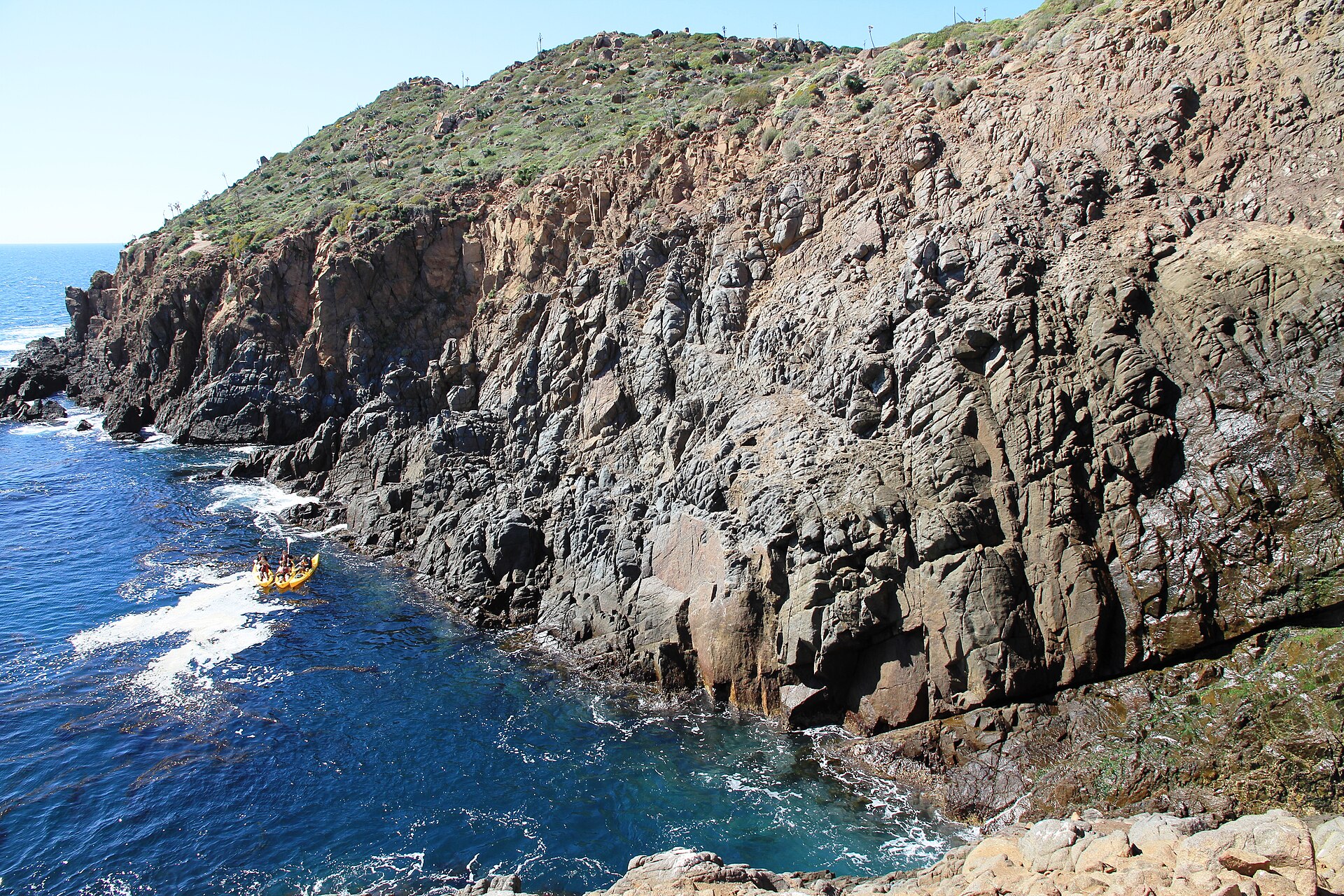
- Day trips: Ensenada for fish tacos and the waterfront, and about forty minutes south of the city, the sea geyser at La Bufadora on the Punta Banda peninsula, where the surf spouts up through a blowhole in the rocks.
Common questions
Should I stay in the valley or in Ensenada?
Stay in the valley if the setting and the quiet are the point and you have a driver or a car sorted; you will be at the end of a dirt road with little nearby, but you wake up in wine country. Stay in Ensenada if you want a real town with services, more choice, and lower prices, and do not mind a half-hour drive up each day. Many split the difference at the southern end, around San Antonio de las Minas, close to both.
Do I need a car, or should I hire a driver?
You need a vehicle to get around — there is no public transit and the wineries are far apart. But because you will be drinking, the sensible answer for a tasting day is to hire a driver or book a guided tour so nobody is driving afterward. If you do drive yourself, keep a designated driver and get Mexican auto insurance.
When is the best time to go, and when is the Vendimia?
Spring is the best all-round time: green, mild, and uncrowded. The Fiestas de la Vendimia, the harvest festival, runs about three weeks in August and is the liveliest but also the hottest, busiest, and priciest time, with rooms booked out far ahead. The dates move each year, so check the festival calendar. Winter is quiet and cool, with some closures.
How do I get there from San Diego, and how bad is the border?
Fly into San Diego, cross the land border, and drive about an hour and a half to two hours. Driving into Mexico is quick; the wait that matters is coming back north, which can run one to three hours at San Ysidro at busy times. Check the US Customs and Border Protection wait times before you cross back, consider Otay Mesa or the quieter Tecate crossing, and avoid Sunday afternoons.
Do I need reservations for the wineries and restaurants?
Yes, at the popular ones. Most serious wineries now visit by reservation rather than walk-in, and the well-known restaurants book up on weekends and throughout August. Plan three or four wineries in a day, build in a long lunch, and reserve ahead.
Do I need a passport and Mexican car insurance?
Yes to both if you are driving down from the US. Bring a valid passport to cross the border, and buy Mexican auto insurance before you cross, because a US policy does not cover you in Mexico. For a stay of more than a few days, fill out a tourist card, the FMM, at the crossing.
Sources & further reading
- Discover Baja — travel information for Baja California and the wine country
- Proturismo Ensenada — the city's official tourism board
- Provino Baja California — the region's wine-growers' association and Ruta del Vino
- Museo de la Vid y el Vino — the Museum of the Vine and Wine on Highway 3
- US Customs and Border Protection — live border wait times
- Valle de Guadalupe — background and history of the region
- US State Department — Mexico travel information