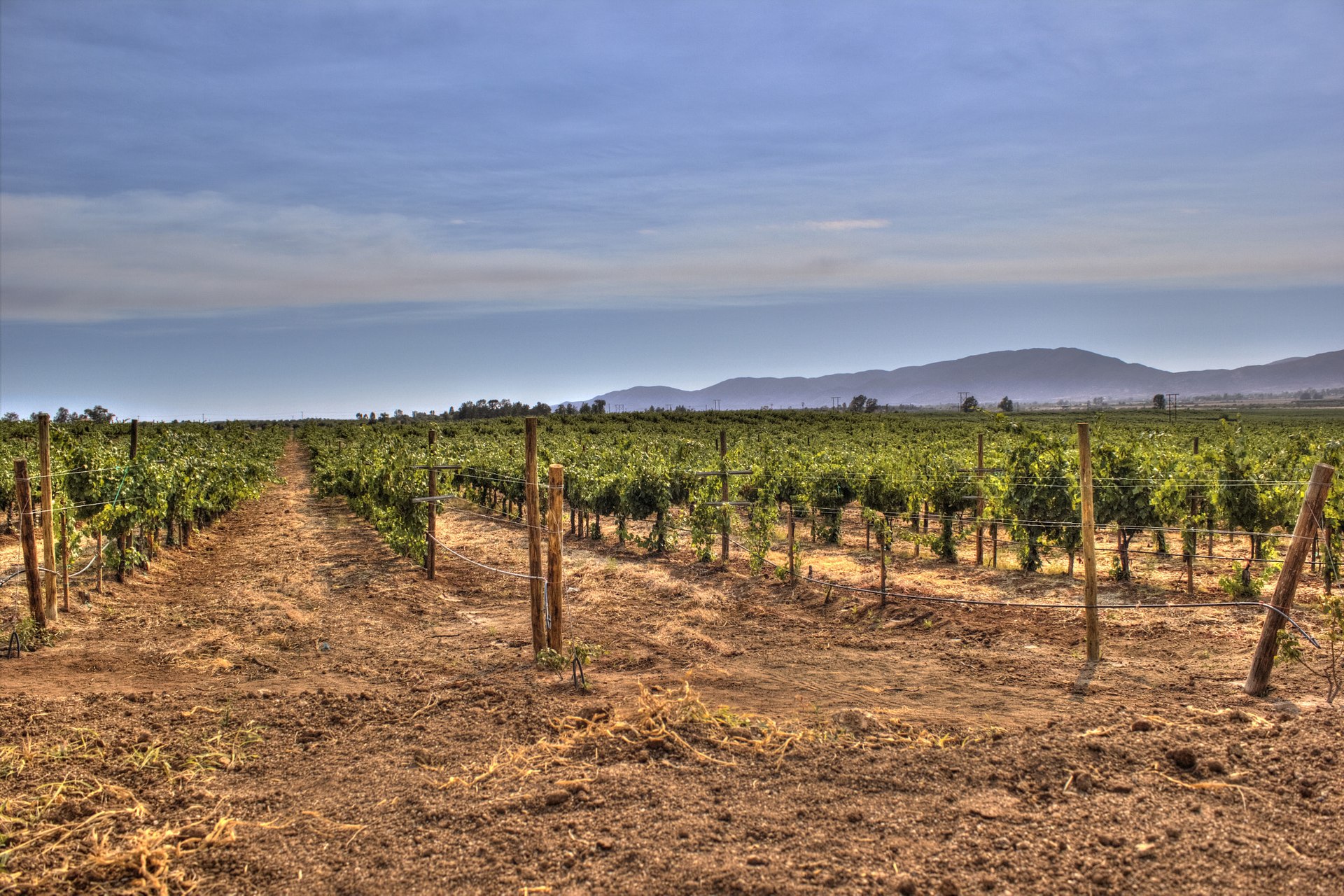
Hdr Vineyard (19455303) · Liliana Saeb · CC BY 3.0 · cropped
Border Crossing and Valley Driving
Navigating the border from California and securing transport within Valle de Guadalupe are key to a smooth visit.
Arriving at Valle de Guadalupe means making an early decision about the border. Many visitors choose to fly into San Diego, then cross the land border into Mexico for the hour and a half to two-hour drive south. Alternatively, flying into Tijuana puts you right at the border, with a cross-border bridge connecting its airport directly to a terminal on the US side. The drive from Tijuana is about an hour and a quarter. Southbound into Mexico is normally a quick affair, often taking only a few minutes. The significant wait, however, typically occurs when returning north into the United States.
That northbound queue at San Ysidro, the busiest crossing, can run one to three hours at busy times. It is wise to check the live wait times on the US Customs and Border Protection app before heading back. Consider Otay Mesa to the east, which is usually quicker, especially if one has a SENTRI trusted-traveller lane pass. For a quieter option, the Tecate crossing, further east, drops directly onto Federal Highway 3, the Carretera Tecate–Ensenada, which is the main Wine Route. Crossing early or late in the day, rather than on a Sunday afternoon, can also cut down on waiting time.
Once across the border and into the Valle de Guadalupe, a different set of logistics applies. This is not a place with public transport, nor a walkable centre; the wineries sit far apart at the ends of dirt roads. Given that a day here involves tasting wine, the practical and safe approach is to ensure someone else is driving. Hiring a local driver or booking a guided tour for the day means nobody in your party is behind the wheel after lunch, which is the standard way to navigate the region.
The valley is rural, and getting between two wineries can mean ten minutes of dust on unmarked gravel lanes, where mobile signal comes and goes. If you choose to drive yourself, a designated driver is essential. Also, remember to buy Mexican auto insurance before crossing the border, as a US policy will not cover you in Mexico. Downloading offline maps is also a sensible precaution for those dirt tracks. Planning ahead for your transport means the valley remains a slow and easy experience, rather than one spent lost or risking a drive when you should not be.
This region is not a single town; it is a wide, dry valley of vineyards and olive groves. Its charm lies in its spread-out nature, with small wineries and open-air grill restaurants scattered across the landscape. The food here is as much a reason to come as the wine, with many places pairing a restaurant and a winery. Booking your wineries and restaurant tables ahead is increasingly not optional at the popular places, especially on weekends and in August, the peak harvest season.
From Vol. 2 · No. 09 · September 2026, The Harvest Issue. The cover story is Where to Stay in Valle de Guadalupe. Details change; confirm specifics with the property before you travel.
More from the column
-
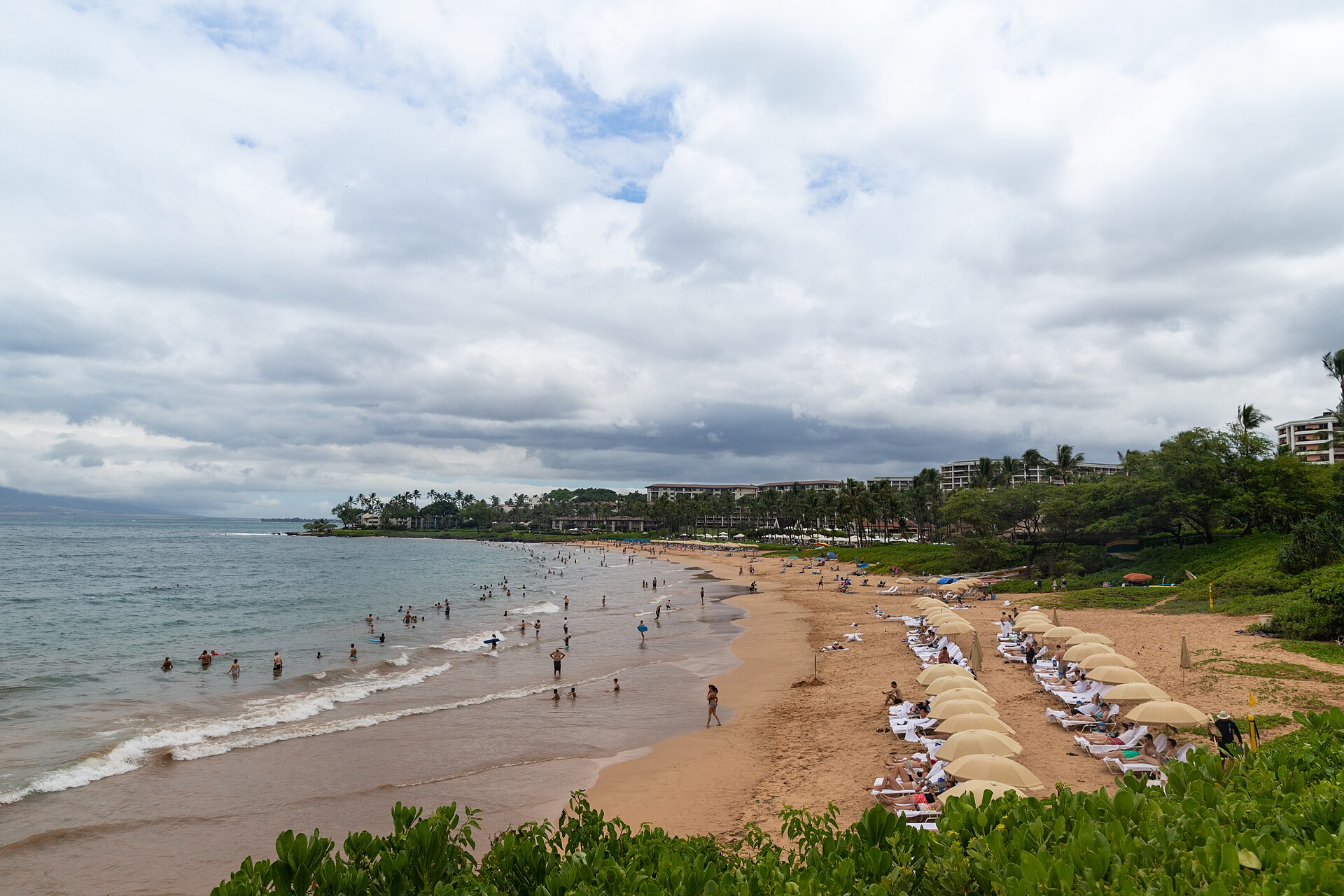 Starr-180326-2966-Cocos nucifera-aerial view The Grand Wailea… · Forest and Kim Starr · CC BY 3.0 US · cropped
Maui · Vol. 2 · No. 08 · August 2026
Maui: Kahului, Then a Car
Arriving on Maui means a flight to Kahului, followed by an essential rental car for getting around the island.
Starr-180326-2966-Cocos nucifera-aerial view The Grand Wailea… · Forest and Kim Starr · CC BY 3.0 US · cropped
Maui · Vol. 2 · No. 08 · August 2026
Maui: Kahului, Then a Car
Arriving on Maui means a flight to Kahului, followed by an essential rental car for getting around the island.
-
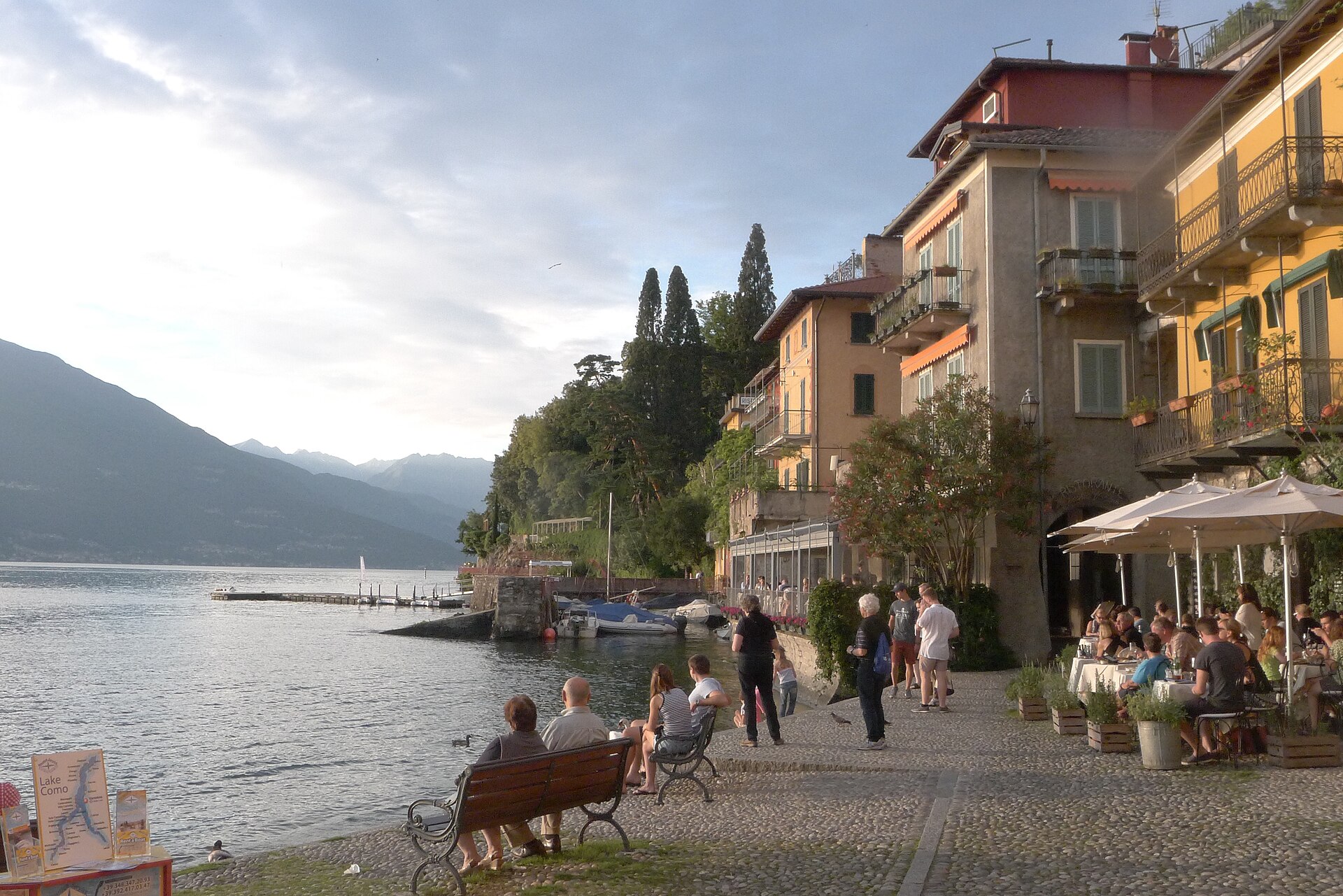 Varenna Italy, waterfront at sunset · Jmatazzoni · CC BY-SA 4.0 · cropped
Lake Como · Vol. 2 · No. 07 · July 2026
Getting Around Lake Como by Boat
Forget the narrow roads; basing in the mid-lake and using the frequent car and passenger ferries turns travel into pleasure.
Varenna Italy, waterfront at sunset · Jmatazzoni · CC BY-SA 4.0 · cropped
Lake Como · Vol. 2 · No. 07 · July 2026
Getting Around Lake Como by Boat
Forget the narrow roads; basing in the mid-lake and using the frequent car and passenger ferries turns travel into pleasure.
-
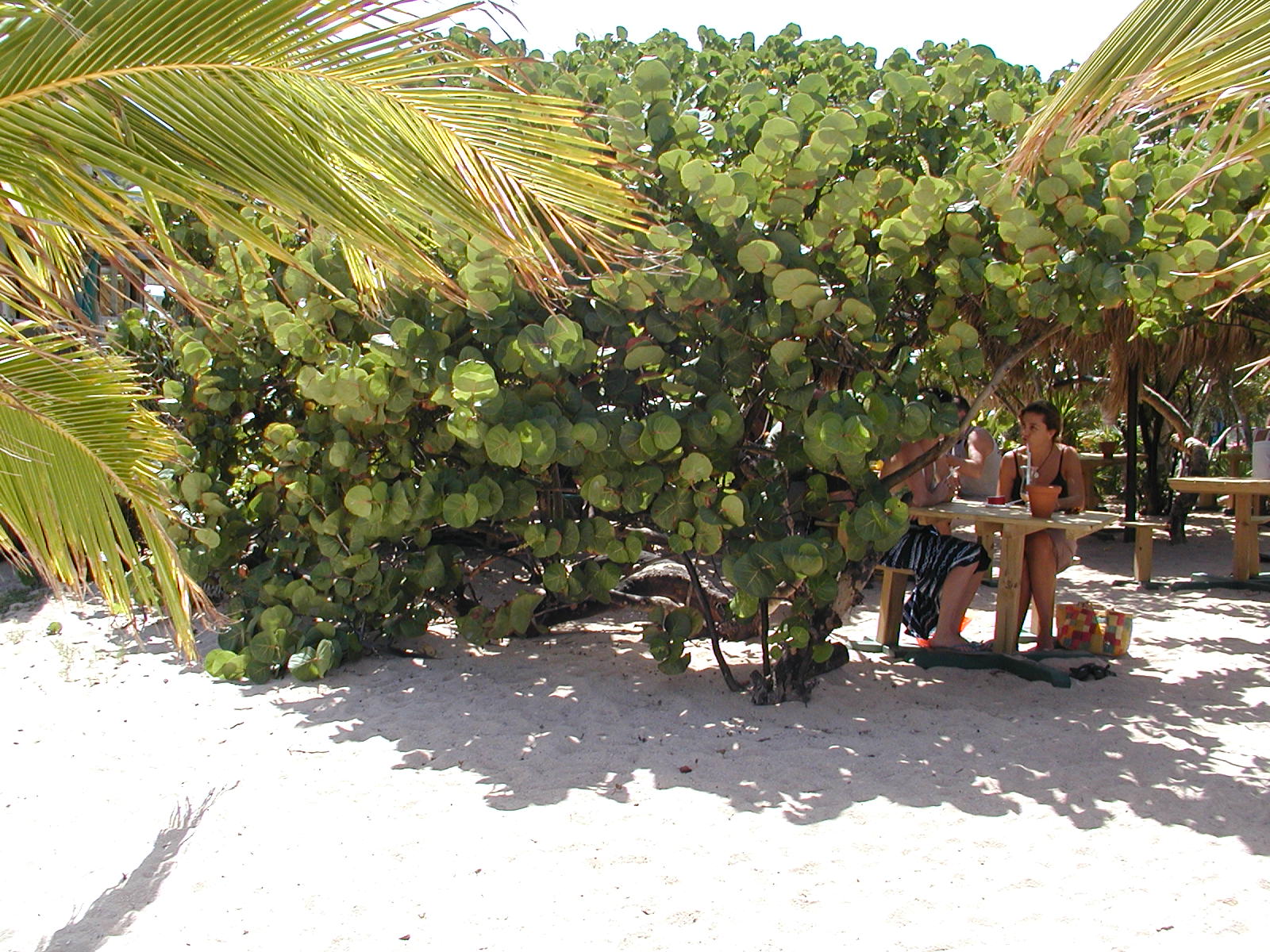 St. Barts Baie de Saint-Jean vegetation · Mike Schinkel · CC BY 2.0 · cropped
St. Barths · Vol. 1 · No. 12 · December 2025
St. Barth Arrival: Via St Maarten
Connecting through Sint Maarten is the primary way to reach St. Barth, either by a short flight or a ferry across the water.
St. Barts Baie de Saint-Jean vegetation · Mike Schinkel · CC BY 2.0 · cropped
St. Barths · Vol. 1 · No. 12 · December 2025
St. Barth Arrival: Via St Maarten
Connecting through Sint Maarten is the primary way to reach St. Barth, either by a short flight or a ferry across the water.
-
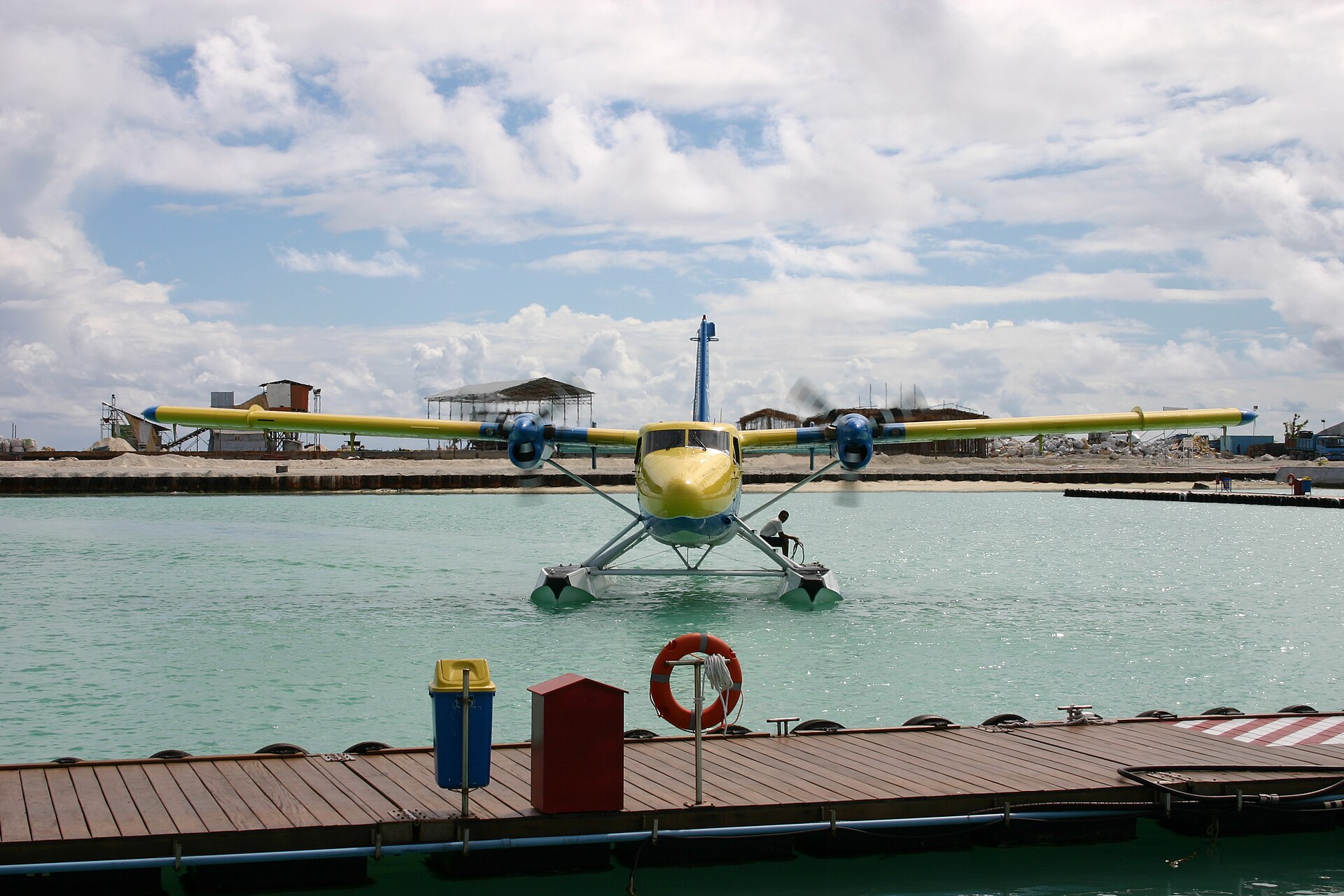 TMA TwinOtter1 · Pb1791 · CC BY-SA 3.0 · cropped
The Maldives · Vol. 1 · No. 11 · November 2025
Maldives Transfers: Seaplane Or Speedboat
The journey to your Maldivian island is more than a ride; it is a key decision shaping cost and arrival plans.
TMA TwinOtter1 · Pb1791 · CC BY-SA 3.0 · cropped
The Maldives · Vol. 1 · No. 11 · November 2025
Maldives Transfers: Seaplane Or Speedboat
The journey to your Maldivian island is more than a ride; it is a key decision shaping cost and arrival plans.
The columns, every month.
One considered letter when a new issue lands: the cover story, the four columns, and the month's news.