Hdr Vineyard (19455303) · Liliana Saeb · CC BY 3.0 · cropped
Lunch Over a Wood Fire
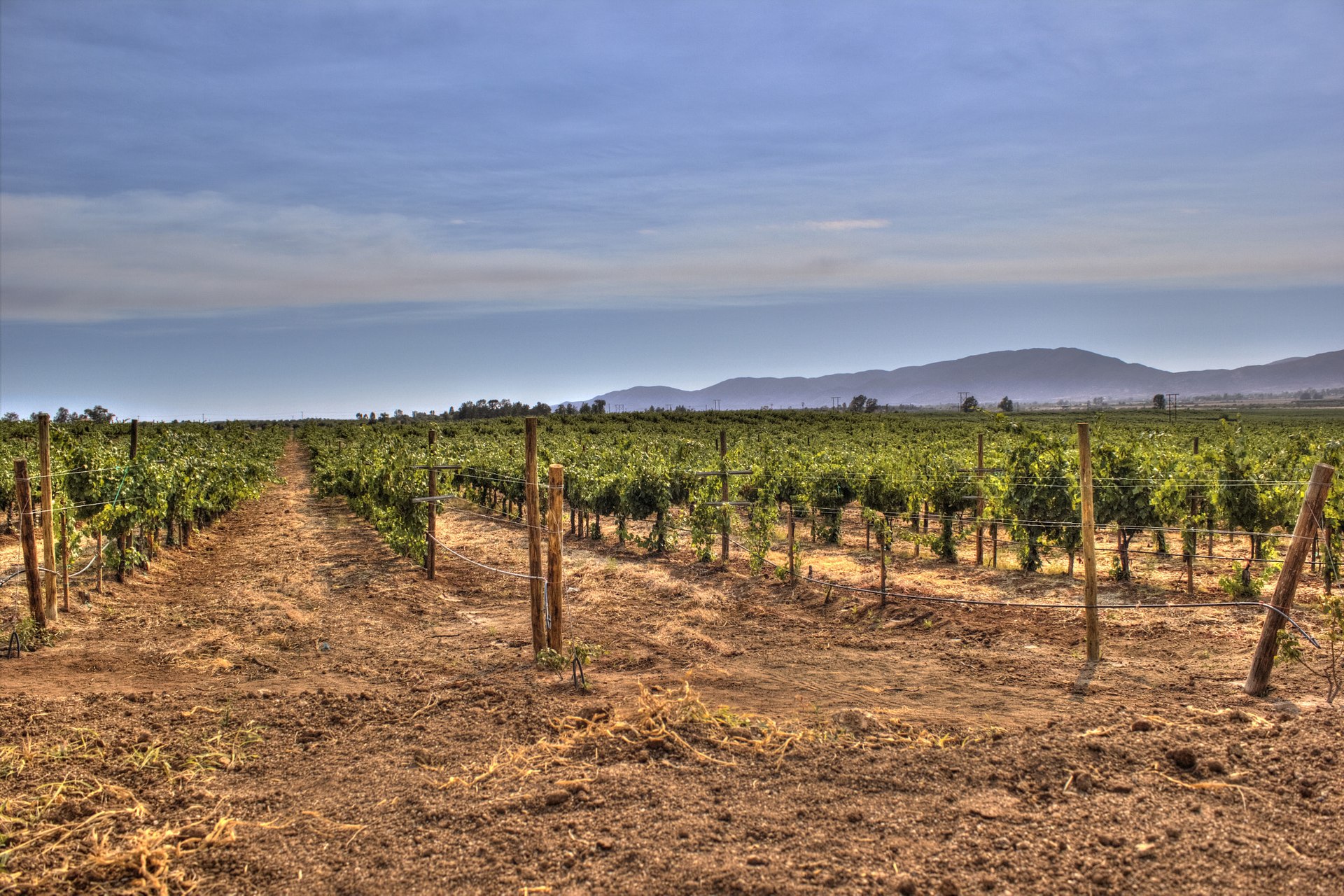
In Valle de Guadalupe, open-air country kitchens cook over wood fires, serving local produce, Pacific seafood, and grilled meats among the vines.
The valley’s dining signature is the campestre restaurant, an open-air country kitchen set among the vines. These places cook over wood fires, preparing what the region calls Baja Med: local produce, Pacific seafood, and grilled meats, often served with wine made down the road. It is a style of lunch that defines the valley, an unhurried affair under the dry, bright sky. Finca Altozano, the open-fire grill from chef Javier Plascencia, offers a clear introduction to this approach, with its tables looking out over the vineyards and the scent of woodsmoke in the air. These kitchens have established the region’s reputation for food, and a table at the right one can be the main event of a trip.
These kitchens treat fire as their main tool, using it to coax flavour from fresh ingredients. Deckman’s en el Mogor, chef Drew Deckman’s open-hearth restaurant, is another prime example. Here, sustainable Pacific seafood and carefully sourced meats are cooked with precision in a vineyard setting. The experience is about more than the food alone; it is the dry air, the quiet hum of the valley, and the sense of being deep in the country, even when a well-known kitchen is serving a refined meal. These are places for lingering, where the pace of the meal matches the slow rhythm of the surrounding vineyards. The land is high and dry, and the growing is Mediterranean, which shapes the ingredients available.
While the campestre kitchens set the tone for the valley, the coast at Ensenada offers another taste of the region’s simpler, equally essential food. About half an hour south, the city’s fish tacos are famous, a point of pride. The stands around the Mercado Negro fish market, or the carts along the main tourist street, provide a different sort of meal entirely: fast, fresh, and deeply satisfying. It is a simpler, faster experience than a long vineyard lunch, but no less essential to understanding the local food. The drive down to Ensenada is worth it for this alone, if only to taste the other end of the culinary spectrum and see the city’s waterfront.
Eating well in the valley requires some planning, as the popular places book up. Lunch often serves as the main event of the day, so booking a table ahead is wise, especially on weekends and throughout August, the busiest time of the year. Many popular places no longer take walk-ins, and turning up without a reservation can mean disappointment. A long, unhurried meal at a campestre kitchen is the point of a visit here, whether it is for grilled meats or the freshest seafood. For those driving back across the border into the United States, checking the northbound wait times before leaving the valley is a practical step, as that queue, not the distance, is what will consume a significant portion of an evening.
From Vol. 2 · No. 09 · September 2026, The Harvest Issue. The cover story is Where to Stay in Valle de Guadalupe. Details change; confirm specifics with the property before you travel.
More from the column
-
 Pura Luhur Uluwatu, Bali (16466188726) · Juan Antonio Segal from Madrid · CC BY 2.0 · cropped
Bali · Vol. 2 · No. 06 · June 2026
Eating Bali: Warung to Cliff
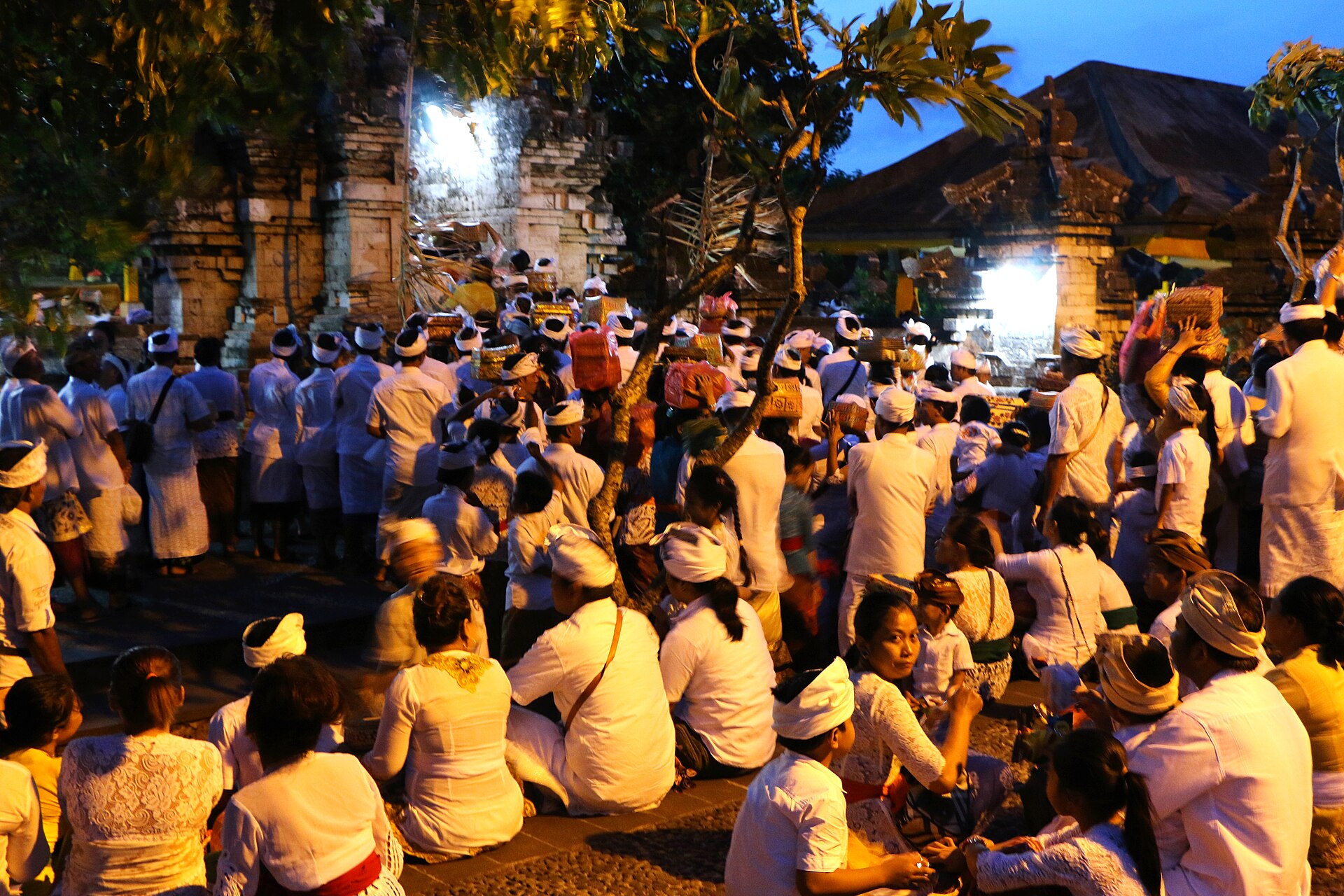
Experience the island's diverse dining, from affordable family-run warungs to dramatic cliff-edge restaurants on the Bukit Peninsula.
Pura Luhur Uluwatu, Bali (16466188726) · Juan Antonio Segal from Madrid · CC BY 2.0 · cropped
Bali · Vol. 2 · No. 06 · June 2026
Eating Bali: Warung to Cliff
Experience the island's diverse dining, from affordable family-run warungs to dramatic cliff-edge restaurants on the Bukit Peninsula.
-
 Praia da Comporta - Portugal (49801249507) · Vitor Oliveira from Torres Vedras · CC BY-SA 2.0 · cropped
Comporta · Vol. 2 · No. 05 · May 2026
Comporta Meals Shack and Pine
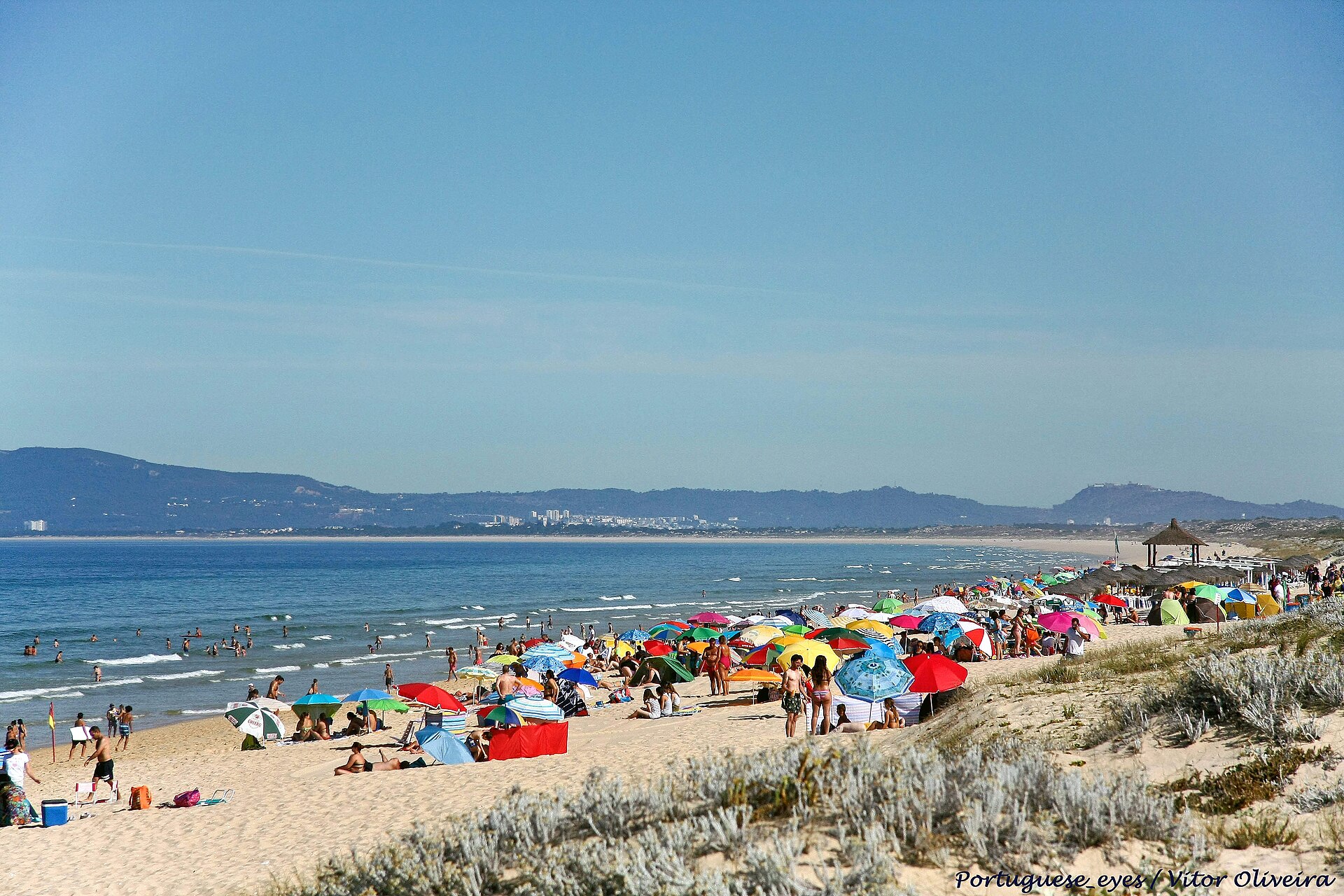
The Comporta coast offers two distinct dining experiences: barefoot beach lunches and quiet, lantern-lit dinners among the pines.
Praia da Comporta - Portugal (49801249507) · Vitor Oliveira from Torres Vedras · CC BY-SA 2.0 · cropped
Comporta · Vol. 2 · No. 05 · May 2026
Comporta Meals Shack and Pine
The Comporta coast offers two distinct dining experiences: barefoot beach lunches and quiet, lantern-lit dinners among the pines.
-
 Cabanas on the Beach , Tulum, Mexico Cabañas en la Playa, Tul… · md · CC BY 3.0 · cropped
Tulum · Vol. 2 · No. 04 · April 2026
Tulum's Table: Two Ways to Eat
Tulum offers distinct dining experiences, from the scene of the beach clubs to the authentic kitchens of the town, each with its own rhythm and cost.
Cabanas on the Beach , Tulum, Mexico Cabañas en la Playa, Tul… · md · CC BY 3.0 · cropped
Tulum · Vol. 2 · No. 04 · April 2026
Tulum's Table: Two Ways to Eat
Tulum offers distinct dining experiences, from the scene of the beach clubs to the authentic kitchens of the town, each with its own rhythm and cost.
-
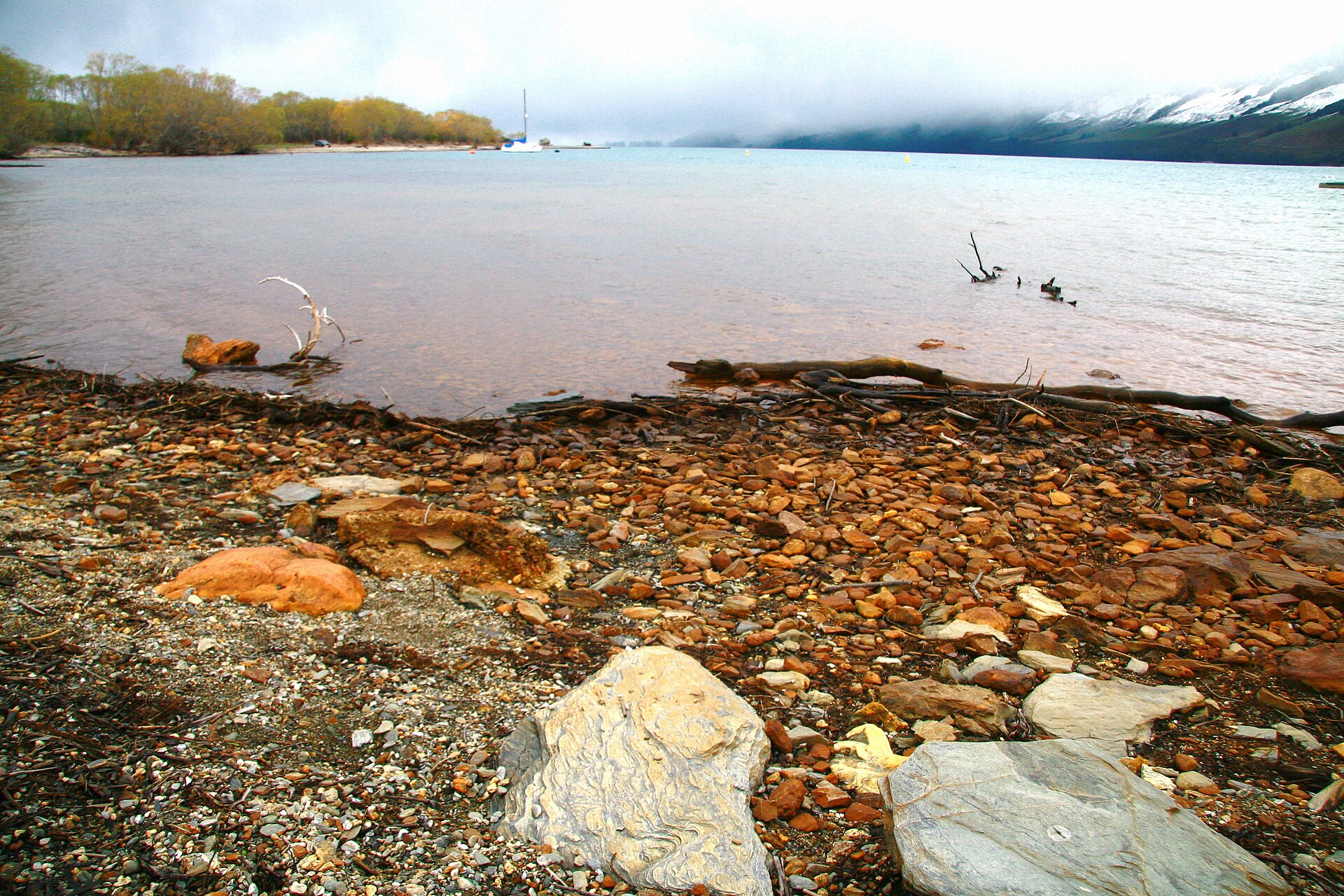 016 Gibbston valley vineyard landscape in Central Otago wine… · Marek Ślusarczyk (Tupungato) Photo portfolio · CC BY 3.0 · cropped
Queenstown · Vol. 2 · No. 03 · March 2026
Gibbston Valley Wine and Lunch
The Gibbston valley east of Queenstown offers serious Pinot Noir and long cellar-door lunches, a distinct rhythm for autumn meals.
016 Gibbston valley vineyard landscape in Central Otago wine… · Marek Ślusarczyk (Tupungato) Photo portfolio · CC BY 3.0 · cropped
Queenstown · Vol. 2 · No. 03 · March 2026
Gibbston Valley Wine and Lunch
The Gibbston valley east of Queenstown offers serious Pinot Noir and long cellar-door lunches, a distinct rhythm for autumn meals.
The columns, every month.
One considered letter when a new issue lands: the cover story, the four columns, and the month's news.