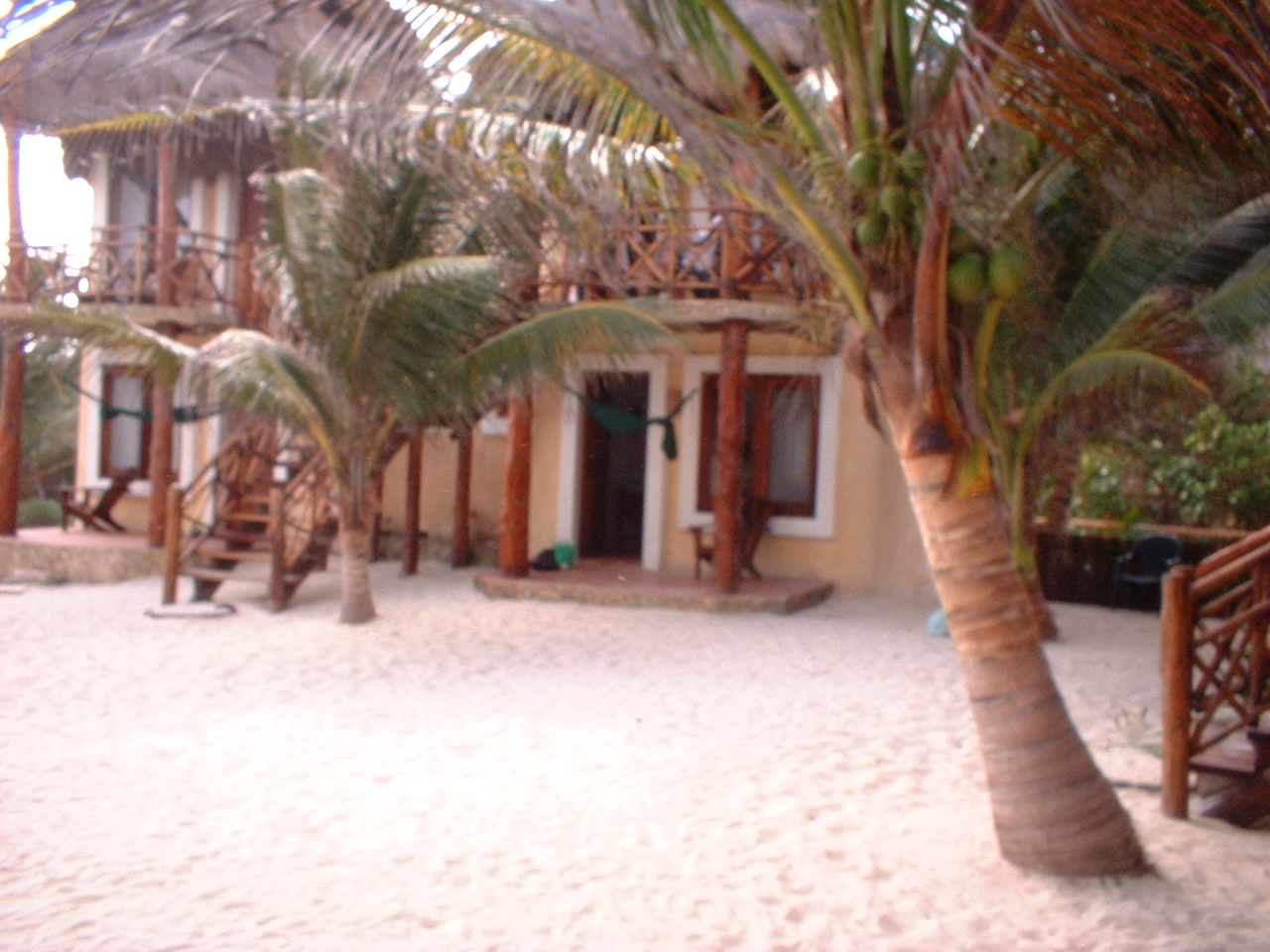
Cabanas on the Beach , Tulum, Mexico Cabañas en la Playa, Tul… · md · CC BY 3.0 · cropped
Tulum's Table: Two Ways to Eat
Tulum offers distinct dining experiences, from the scene of the beach clubs to the authentic kitchens of the town, each with its own rhythm and cost.
The beach road in Tulum presents a dining scene shaped by its unique setting. This narrow, ten-kilometer strip, hidden behind the dunes, is where open-air restaurants offer design-forward cooking over wood fires, set back into the jungle. Menus here are often priced in dollars, and well-known tables, such as Hartwood and Arca, require reservations well in advance. While the best of this style can be genuinely good, a significant portion of the cost reflects the setting itself, and the practicalities of an off-grid location. The beach zone is not connected to the municipal power grid, so establishments rely on generators, solar, and batteries for electricity, which can mean air conditioning runs only at night and Wi-Fi can be temperamental. This overhead contributes to the premium pricing.
A couple of miles inland, Tulum Pueblo offers a contrasting rhythm of meals. This is the actual town, also called Centro or downtown, strung along Highway 307, where daily life unfolds. Here, taquerías and seafood spots serve classic local dishes like al pastor, cochinita pibil, slow-cooked suadero, and fresh ceviche. These kitchens offer excellent value, often for a fraction of beach prices. Local favourites such as Taqueria Honorio and El Asadero are the kind of places residents actually eat, and a taco from either will usually beat a pricier version found closer to the sand. The town also provides the cafes, bakeries, and cheaper bars that make a longer stay comfortable and more practical.
Bridging the gap between these two Tulums is a daily consideration. Almost nothing on the beach road is within walking distance of town. Taxis are expensive and unmetered, controlled by a strong local union with no app-based competition to drive down prices. A one-way trip between town and the beach can run something like 400 to 700 pesos, and round trips add up quickly, making daily commutes costly. Bikes are a classic Tulum move, renting for around 150 pesos a day, and the ride between town and beach takes about 15 to 25 minutes on flat ground. However, the beach road is narrow, poorly lit after dark, and can be brutally hot at midday, so bikes are best considered a daytime tool. Colectivos, shared white vans, offer a cheap local option at a few tens of pesos, but they run along Highway 307 and do not serve the beach strip itself.
Your choice of base significantly impacts your eating budget and daily routine. Staying on the beach road puts you steps from the sand, but makes inland dining a costly project in taxi fares. Basing yourself in Tulum Pueblo means cheaper rooms, dependable grid power, and the best food value, but requires a ride to the water. Aldea Zama, a planned development between town and beach, offers a middle path: calmer than downtown, cheaper and more practical than the beach, with condo pools and a safe, walkable feel. Regardless of where you settle, always carry Mexican pesos. Paying in dollars usually results in a poor exchange rate, and cash is essential for taxis, cenote entries, and smaller taquerías. When visiting beach clubs, confirm any minimum spend or entry fee before you settle in, as loungers are rarely free. Do not drink the tap water; stick to purified or bottled, which is readily available.
From Vol. 2 · No. 04 · April 2026, The Coastline Issue. The cover story is Where to Stay in Tulum. Details change; confirm specifics with the property before you travel.
More from the column
-
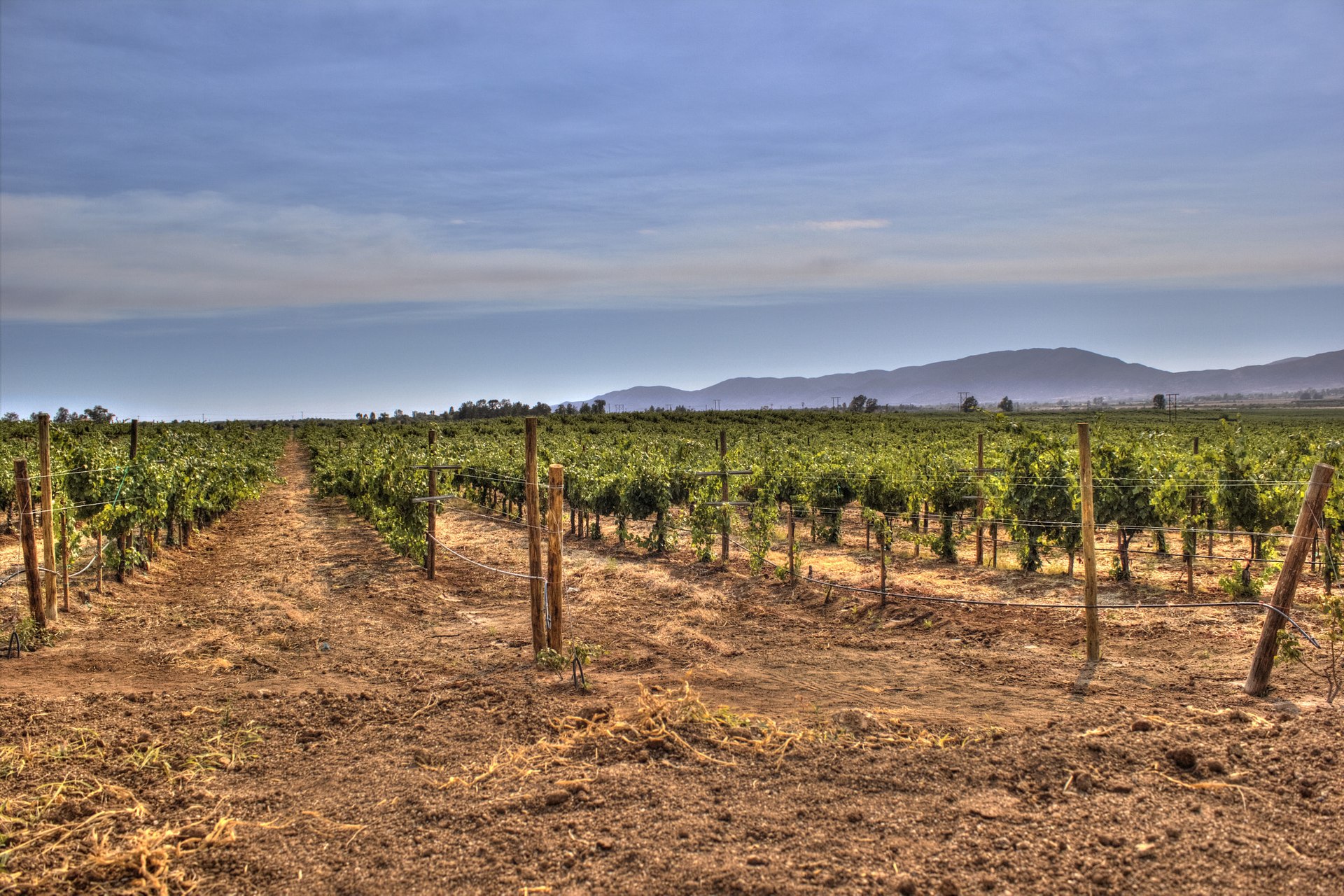 Hdr Vineyard (19455303) · Liliana Saeb · CC BY 3.0 · cropped
Valle de Guadalupe · Vol. 2 · No. 09 · September 2026
Lunch Over a Wood Fire
In Valle de Guadalupe, open-air country kitchens cook over wood fires, serving local produce, Pacific seafood, and grilled meats among the vines.
Hdr Vineyard (19455303) · Liliana Saeb · CC BY 3.0 · cropped
Valle de Guadalupe · Vol. 2 · No. 09 · September 2026
Lunch Over a Wood Fire
In Valle de Guadalupe, open-air country kitchens cook over wood fires, serving local produce, Pacific seafood, and grilled meats among the vines.
-
 Pura Luhur Uluwatu, Bali (16466188726) · Juan Antonio Segal from Madrid · CC BY 2.0 · cropped
Bali · Vol. 2 · No. 06 · June 2026
Eating Bali: Warung to Cliff
Experience the island's diverse dining, from affordable family-run warungs to dramatic cliff-edge restaurants on the Bukit Peninsula.
Pura Luhur Uluwatu, Bali (16466188726) · Juan Antonio Segal from Madrid · CC BY 2.0 · cropped
Bali · Vol. 2 · No. 06 · June 2026
Eating Bali: Warung to Cliff
Experience the island's diverse dining, from affordable family-run warungs to dramatic cliff-edge restaurants on the Bukit Peninsula.
-
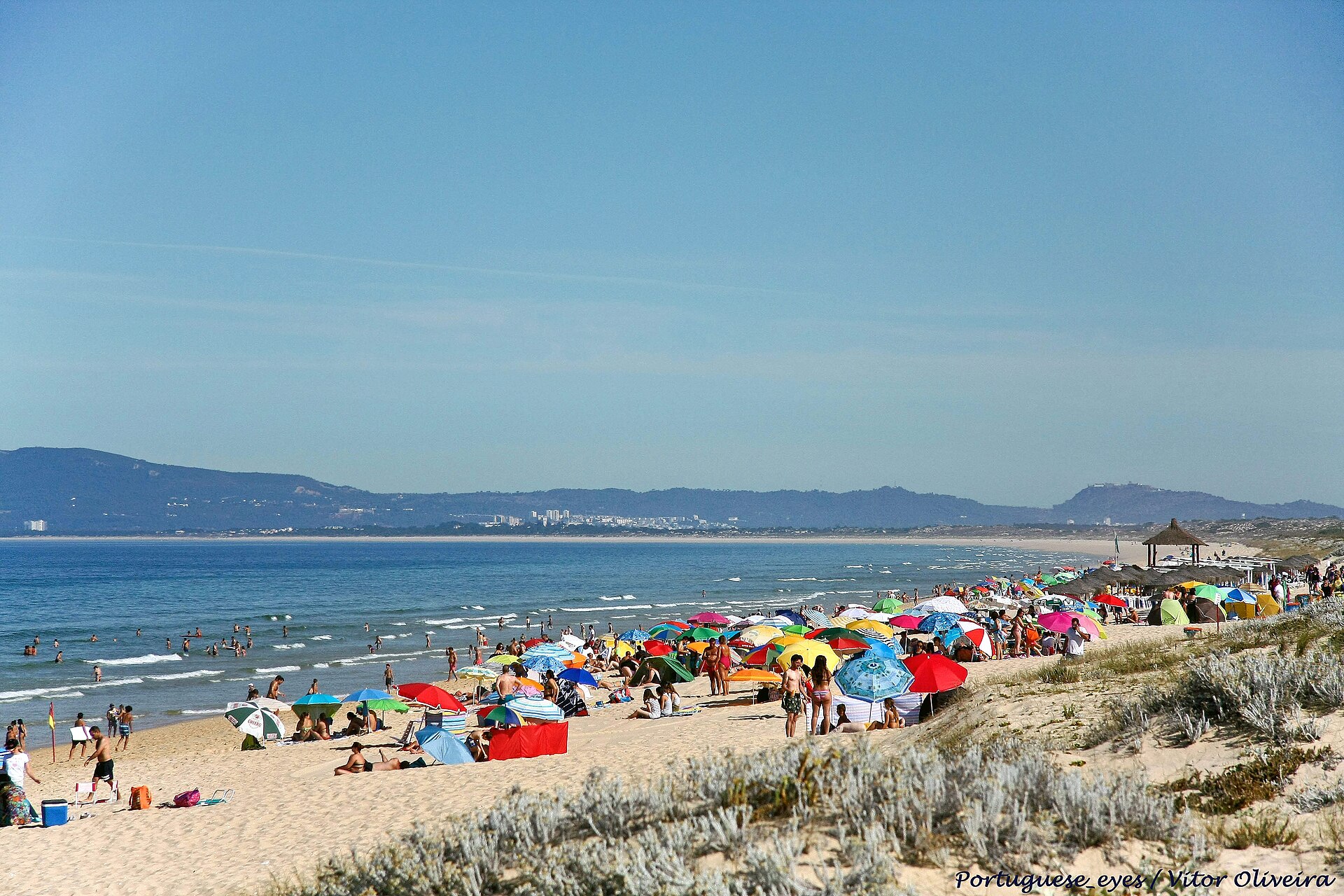 Praia da Comporta - Portugal (49801249507) · Vitor Oliveira from Torres Vedras · CC BY-SA 2.0 · cropped
Comporta · Vol. 2 · No. 05 · May 2026
Comporta Meals Shack and Pine
The Comporta coast offers two distinct dining experiences: barefoot beach lunches and quiet, lantern-lit dinners among the pines.
Praia da Comporta - Portugal (49801249507) · Vitor Oliveira from Torres Vedras · CC BY-SA 2.0 · cropped
Comporta · Vol. 2 · No. 05 · May 2026
Comporta Meals Shack and Pine
The Comporta coast offers two distinct dining experiences: barefoot beach lunches and quiet, lantern-lit dinners among the pines.
-
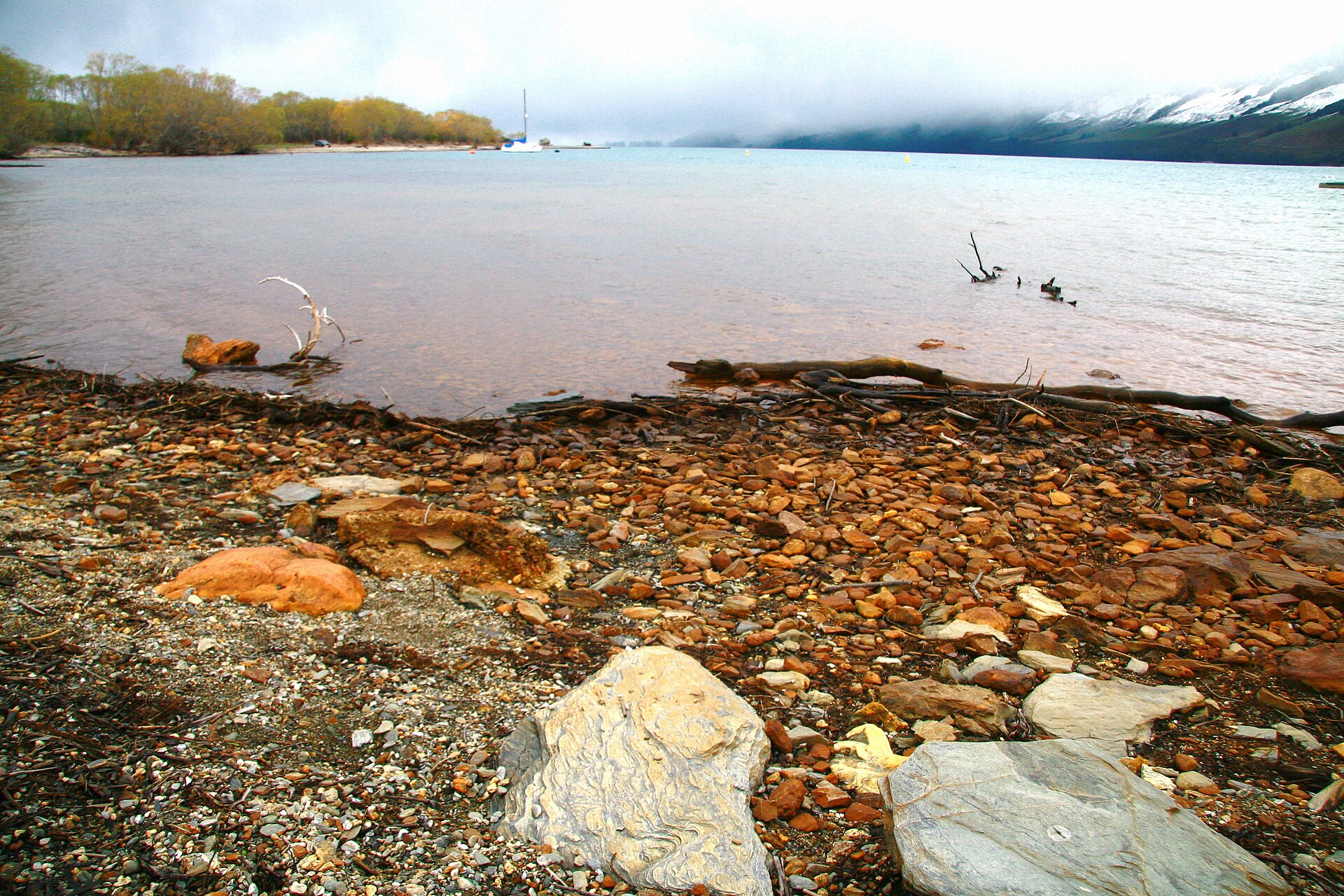 016 Gibbston valley vineyard landscape in Central Otago wine… · Marek Ślusarczyk (Tupungato) Photo portfolio · CC BY 3.0 · cropped
Queenstown · Vol. 2 · No. 03 · March 2026
Gibbston Valley Wine and Lunch
The Gibbston valley east of Queenstown offers serious Pinot Noir and long cellar-door lunches, a distinct rhythm for autumn meals.
016 Gibbston valley vineyard landscape in Central Otago wine… · Marek Ślusarczyk (Tupungato) Photo portfolio · CC BY 3.0 · cropped
Queenstown · Vol. 2 · No. 03 · March 2026
Gibbston Valley Wine and Lunch
The Gibbston valley east of Queenstown offers serious Pinot Noir and long cellar-door lunches, a distinct rhythm for autumn meals.
The columns, every month.
One considered letter when a new issue lands: the cover story, the four columns, and the month's news.