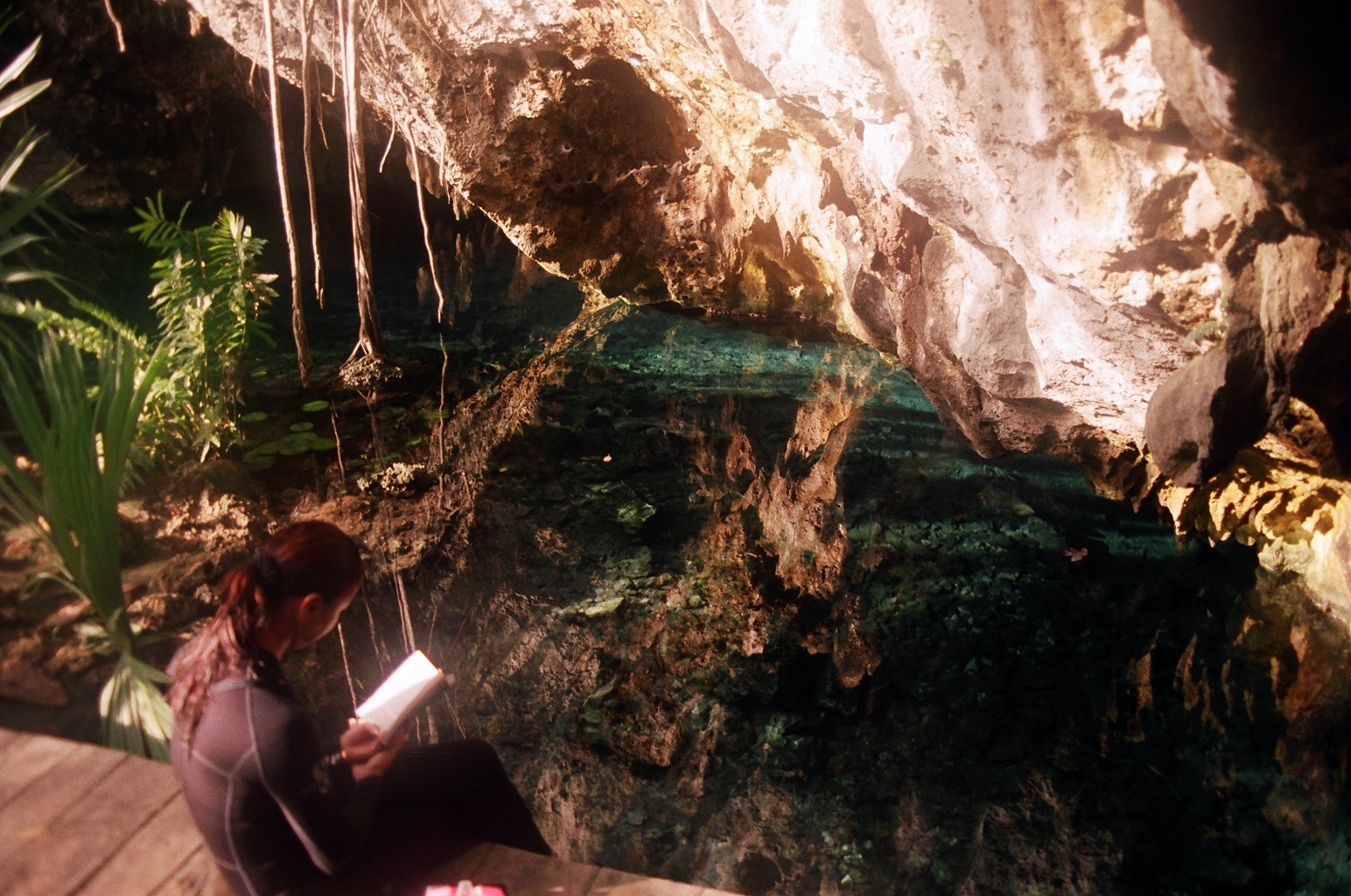
Grand Cenote - panoramio · Eduardo Manchon · CC BY-SA 3.0 · cropped
Cenotes and Ruins Beyond Tulum
Early morning at the cliff-top Maya ruins, then inland to cool off in the freshwater cenotes.
The walled Maya city that gives Tulum its name provides its most famous image: gray stone temples set on a low cliff above the turquoise Caribbean. Occupied from around 1250 into the 1500s, the Tulum Archaeological Zone was a trading port, and its setting remains its primary appeal. Among the structures are the cliff-top El Castillo and the Temple of the Frescoes, which reward an early start. Arriving at opening, typically 8 or 9 in the morning, allows one to avoid both the intense heat and the tour buses, making for a quieter experience of the site.
Access to the ruins now routes through the new Parque del Jaguar. Admission involves a few separate fees: one for the site itself and others for the surrounding park. Once inside, shade is scarce, so a hat and plenty of water are essential for comfort. Iguanas are everywhere, often basking on the ancient stones. Remember to bring cash for the entrance fees; it is often the most straightforward way to pay for entry.
After a morning exploring the ruins, the afternoon offers a different kind of immersion. The area’s landscape is marked by cenotes: natural sinkholes where the Yucatan’s limestone has collapsed to reveal cool, clear freshwater flowing underground. The Maya considered these sacred, and a handful near Tulum are easy half-day trips, providing a refreshing escape from the midday sun. Gran Cenote, a few kilometers out of town towards Coba, is a popular semi-open cenote good for snorkeling among small fish and turtles. It does get busy, so an early arrival is still advisable here.
Closer to downtown, near the ruins, is Cenote Calavera, nicknamed the skull cenote for the holes in its roof; it is a smaller, jump-in kind of spot. Further north, about twenty minutes towards Playa del Carmen, Dos Ojos is part of one of the longest underwater cave systems in the world, a favourite for both snorkeling and cave diving. For any cenote visit, a few habits make the trip smoother: always arrive early to beat the crowds, and carry cash for the entrance fees. Most cenotes ban regular sunscreen to protect the water, so either skip it entirely or use a rinse-off, reef-safe kind. Water shoes can be helpful on rocky paths, as facilities range from full setups to almost nothing.
Getting to these sites from either town or the beach requires planning. While the ten-kilometer beach road is manageable by bike for about 150 pesos a day, a rental car earns its keep if one plans to chase multiple cenotes and ruins from an inland base. Taxis are an option, but they are unmetered and expensive, controlled by a local union with no real app-based competition. A one-way trip between town and the beach can run something like 400 to 700 pesos, so always agree the fare in pesos before you get in. The cost adds up quickly, making transport a key consideration for the day beyond the base.
From Vol. 2 · No. 04 · April 2026, The Coastline Issue. The cover story is Where to Stay in Tulum. Details change; confirm specifics with the property before you travel.
More from the column
-
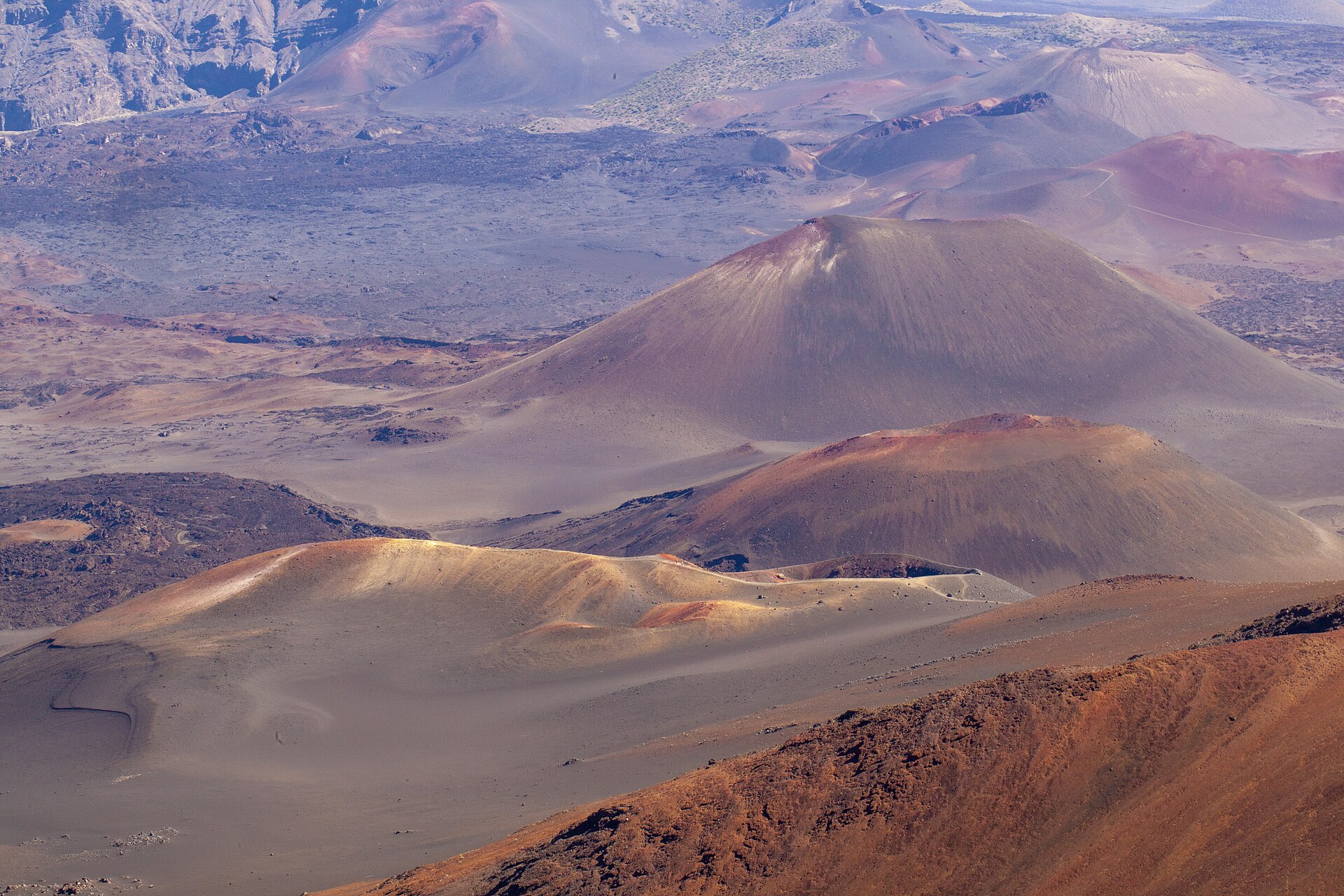 Haleakala crater zoom · Felipe Perez · CC BY-SA 4.0 · cropped
Maui · Vol. 2 · No. 08 · August 2026
Maui's Two Big Drives
Maui's two signature drives, Haleakalā's summit and the Road to Hāna, are full days out, each requiring early starts and a full tank.
Haleakala crater zoom · Felipe Perez · CC BY-SA 4.0 · cropped
Maui · Vol. 2 · No. 08 · August 2026
Maui's Two Big Drives
Maui's two signature drives, Haleakalā's summit and the Road to Hāna, are full days out, each requiring early starts and a full tank.
-
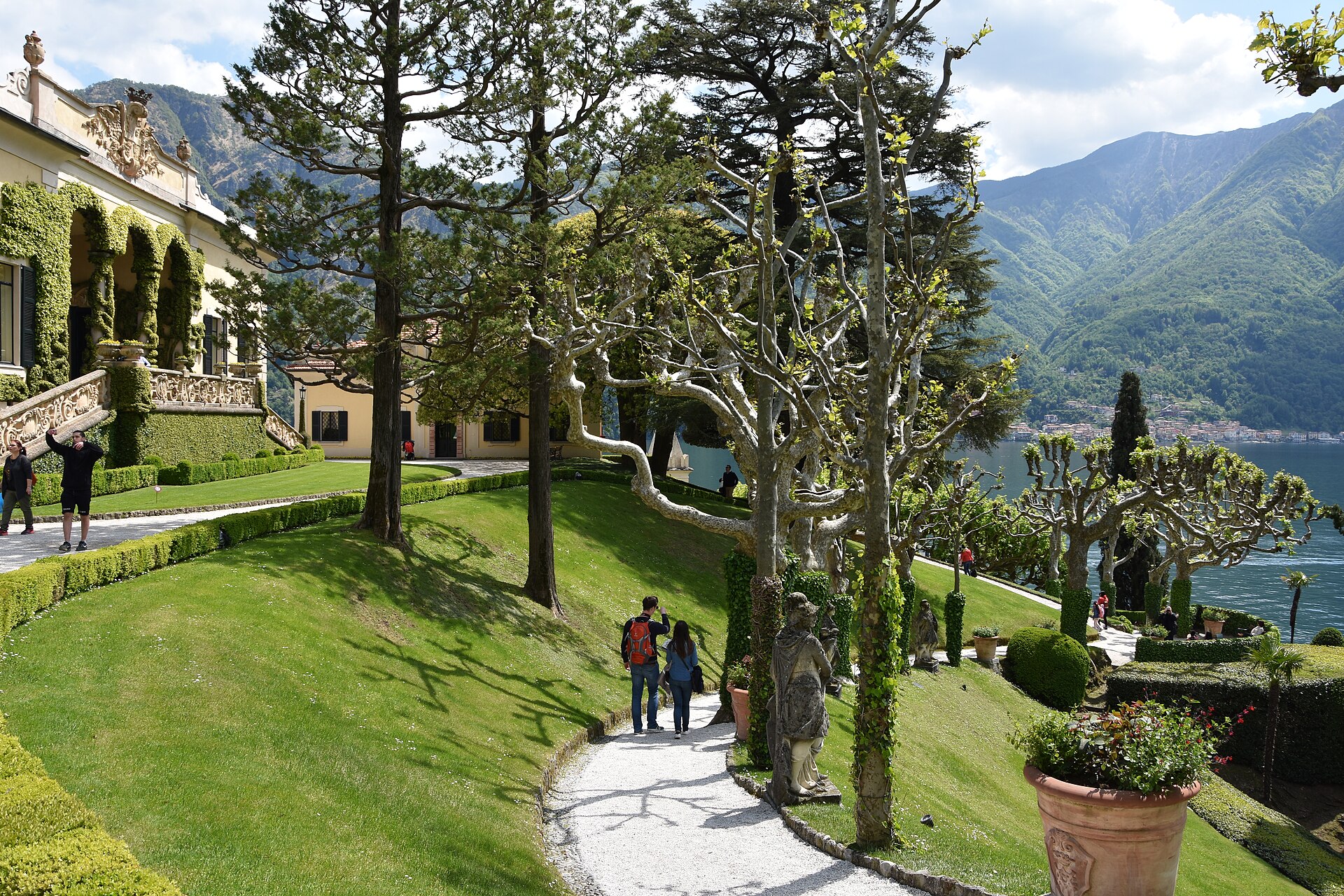 Lenno - Villa del Balbianello 0613 · Phyrexian · CC BY-SA 4.0 · cropped
Lake Como · Vol. 2 · No. 07 · July 2026
Western Shore Gardens
Leaving your base for a boat day to Villa del Balbianello and Villa Carlotta reveals the cultivated beauty of Lake Como's western shore.
Lenno - Villa del Balbianello 0613 · Phyrexian · CC BY-SA 4.0 · cropped
Lake Como · Vol. 2 · No. 07 · July 2026
Western Shore Gardens
Leaving your base for a boat day to Villa del Balbianello and Villa Carlotta reveals the cultivated beauty of Lake Como's western shore.
-
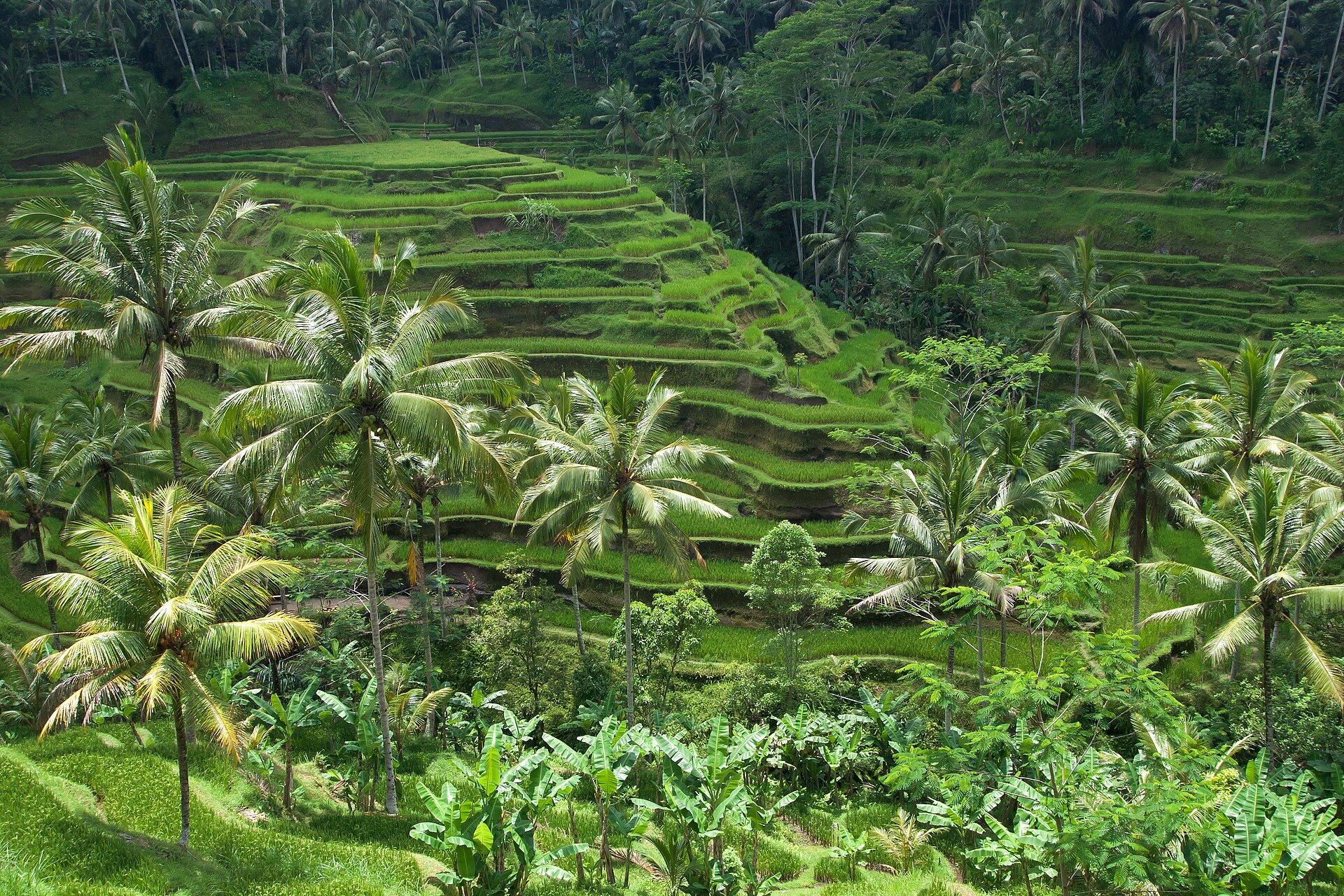 Rice terraces, Bali · Vyacheslav Argenberg · CC BY 4.0 · cropped
Bali · Vol. 2 · No. 06 · June 2026
East to Sidemen
When the central streets of Ubud feel busy, the Sidemen valley to the east offers the same terraced green with a fraction of the traffic, under the volcano.
Rice terraces, Bali · Vyacheslav Argenberg · CC BY 4.0 · cropped
Bali · Vol. 2 · No. 06 · June 2026
East to Sidemen
When the central streets of Ubud feel busy, the Sidemen valley to the east offers the same terraced green with a fraction of the traffic, under the volcano.
-
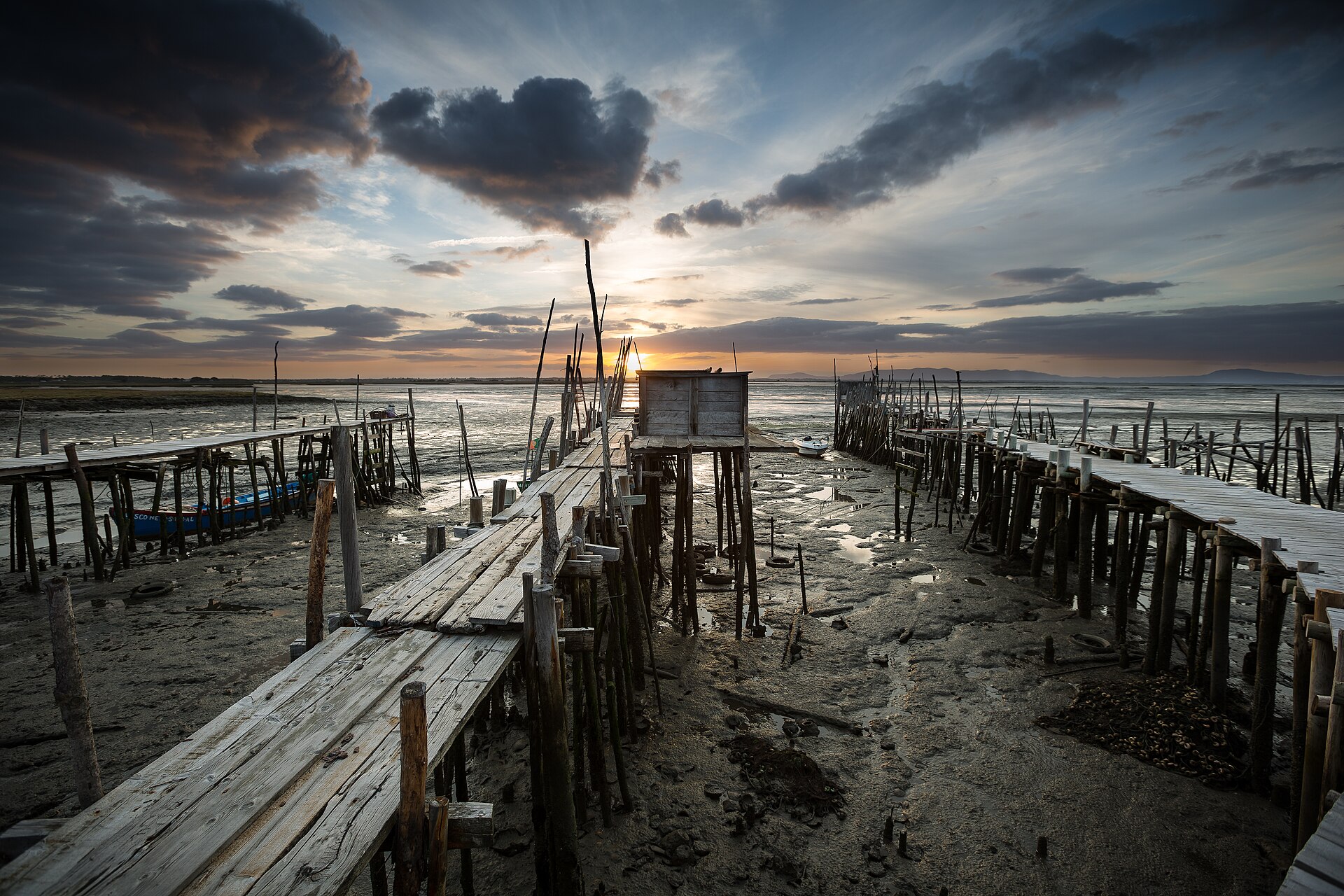 Cais Palafítico da Carrasqueira (15266547350) · Paulo Valdivieso from Lisboa · CC BY-SA 2.0 · cropped
Comporta · Vol. 2 · No. 05 · May 2026
Carrasqueira's Stilts Over The Estuary
Beyond Comporta's beaches, the rickety palafitte pier at Carrasqueira offers a strange, photogenic landmark on the Sado estuary.
Cais Palafítico da Carrasqueira (15266547350) · Paulo Valdivieso from Lisboa · CC BY-SA 2.0 · cropped
Comporta · Vol. 2 · No. 05 · May 2026
Carrasqueira's Stilts Over The Estuary
Beyond Comporta's beaches, the rickety palafitte pier at Carrasqueira offers a strange, photogenic landmark on the Sado estuary.
The columns, every month.
One considered letter when a new issue lands: the cover story, the four columns, and the month's news.