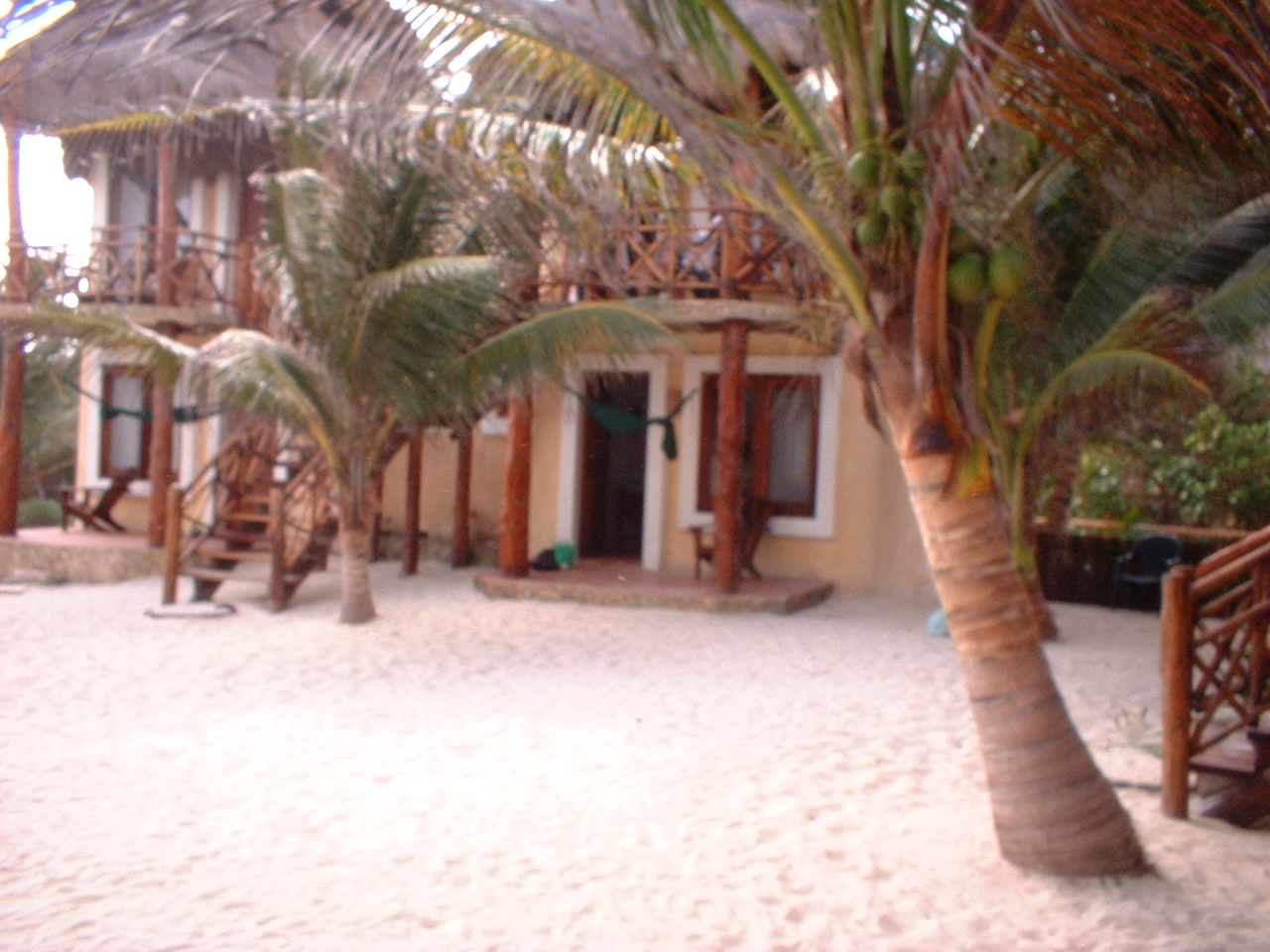
Cabanas on the Beach , Tulum, Mexico Cabañas en la Playa, Tul… · md · CC BY 3.0 · cropped
Tulum Beach Road Pueblo Or In Between
Tulum's appeal splits between its iconic beach road, the everyday town, and newer areas, each offering a distinct experience and price point.
Choosing where to sleep in Tulum is choosing which Tulum one will wake up in. The pictures that sell the place – turquoise water, thatched cabanas, Maya temples on a cliff – nearly all come from one narrow, ten-kilometer strip: the beach road, hidden behind the dunes. This is the Zona Hotelera, where design-forward cabana hotels line the sand, operating off the municipal power grid. It is beautiful, but the trade-offs are real: expensive rooms, temperamental power and Wi-Fi, and a distinct separation from the rest of the area. A short ride inland, however, sits Tulum Pueblo, the actual town on Highway 307. This is where most of the rooms, restaurants, banks, and daily life are, offering a dramatically different experience at a different price.
The beach road delivers the postcard view, ideal for those wanting to be steps from the sand, spending days at a beach club. Prices here are highest, driven by scarcity, location, and the overhead of off-grid operation. Hotels often generate their own electricity from generators, solar, or wind, meaning air conditioning might run only at night, or rooms might have fans only. Hot water and Wi-Fi can be limited or patchy. This setup is a poor match for anyone needing to work online or expecting deep cold at night. Transport into town becomes a project, with taxis costing 400 to 700 pesos for a one-way trip, easily rivaling a dinner bill.
Inland, Tulum Pueblo offers grid power, full-time air conditioning, and dependable Wi-Fi as standard, with pools common and prices a fraction of the beach zone. This is the base for budget travelers, longer stays, and remote workers who prefer local food value and a real town feel over immediate beach access. Between the town and the beach, newer areas like Aldea Zama, La Veleta, and Region 15 have filled in. Aldea Zama, a planned development, offers paved streets and a calmer atmosphere, good for families and remote workers seeking kitchens and reliable power. La Veleta and Region 15 cater to groups and longer stays, with rental villas and condos offering more space and quiet for the money, albeit with rougher roads.
The daily reality is the gap between the town and the beach, and how one crosses it shapes the trip. Taxis are unmetered and expensive, run by a local union, so the fare in pesos should be agreed before getting in. Bikes are a classic Tulum move, with many hotels renting them for about 150 pesos a day; the ride takes 15 to 25 minutes on flat ground, though the beach road is narrow and poorly lit after dark. A rental car makes sense for exploring cenotes, ruins, and day trips from an inland base. For those staying on the beach, a lounger at most beach clubs comes with a minimum spend or entry fee, which is worth confirming upfront.
Consider splitting a stay: a few nights on the beach road for the iconic experience, followed by a longer stretch in Tulum Pueblo or Aldea Zama for value and practicality. If visiting between spring and fall, particularly June through August, checking a current sargassum tracker before booking a beachfront room is advisable. The brown seaweed can wash up in large amounts, affecting the beach experience, while the clearest water and sand are most reliable from November through February.
From Vol. 2 · No. 04 · April 2026, The Coastline Issue. The cover story is Where to Stay in Tulum. Details change; confirm specifics with the property before you travel.
More from the column
-
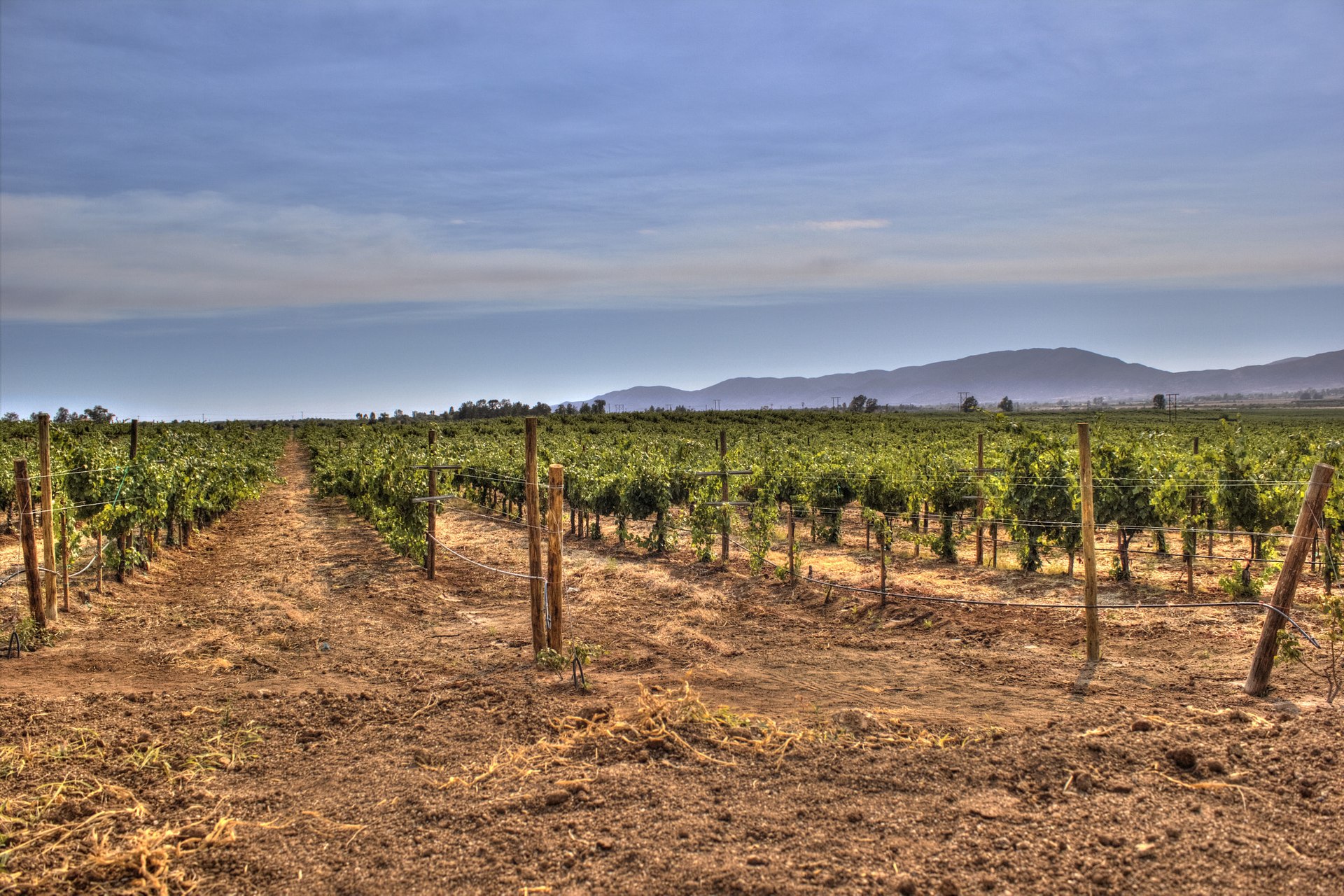 Hdr Vineyard (19455303) · Liliana Saeb · CC BY 3.0 · cropped
Valle de Guadalupe · Vol. 2 · No. 09 · September 2026
Valle de Guadalupe: Where to Sleep
Choosing where to stay in Valle de Guadalupe, from vineyard guesthouses to city hotels, determines the rhythm of a trip.
Hdr Vineyard (19455303) · Liliana Saeb · CC BY 3.0 · cropped
Valle de Guadalupe · Vol. 2 · No. 09 · September 2026
Valle de Guadalupe: Where to Sleep
Choosing where to stay in Valle de Guadalupe, from vineyard guesthouses to city hotels, determines the rhythm of a trip.
-
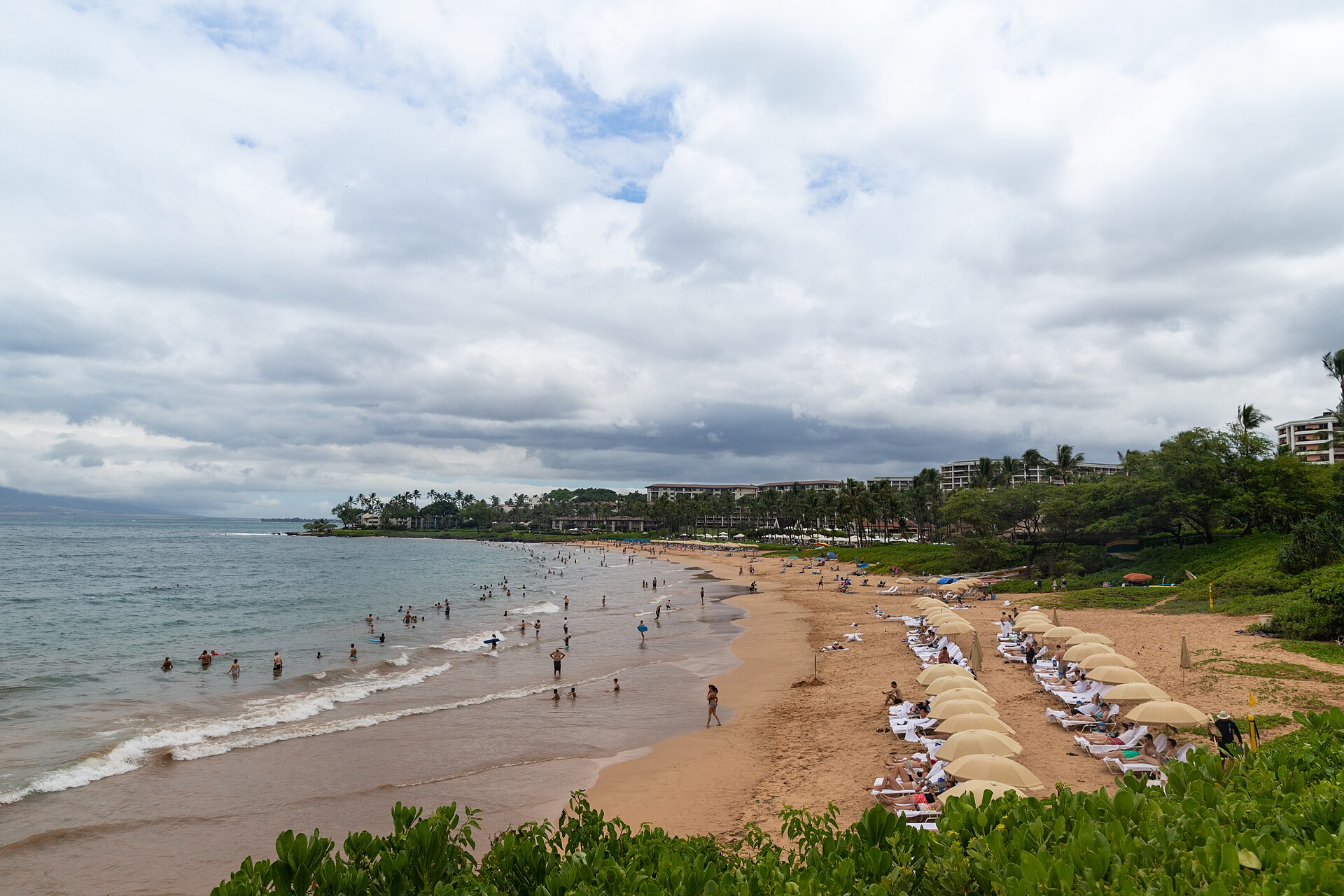 Starr-180326-2966-Cocos nucifera-aerial view The Grand Wailea… · Forest and Kim Starr · CC BY 3.0 US · cropped
Maui · Vol. 2 · No. 08 · August 2026
Maui Coasts: Where to Sleep
Deciding on South Maui or West Maui makes all the difference for a first trip, with options from value condos to full-service resorts.
Starr-180326-2966-Cocos nucifera-aerial view The Grand Wailea… · Forest and Kim Starr · CC BY 3.0 US · cropped
Maui · Vol. 2 · No. 08 · August 2026
Maui Coasts: Where to Sleep
Deciding on South Maui or West Maui makes all the difference for a first trip, with options from value condos to full-service resorts.
-
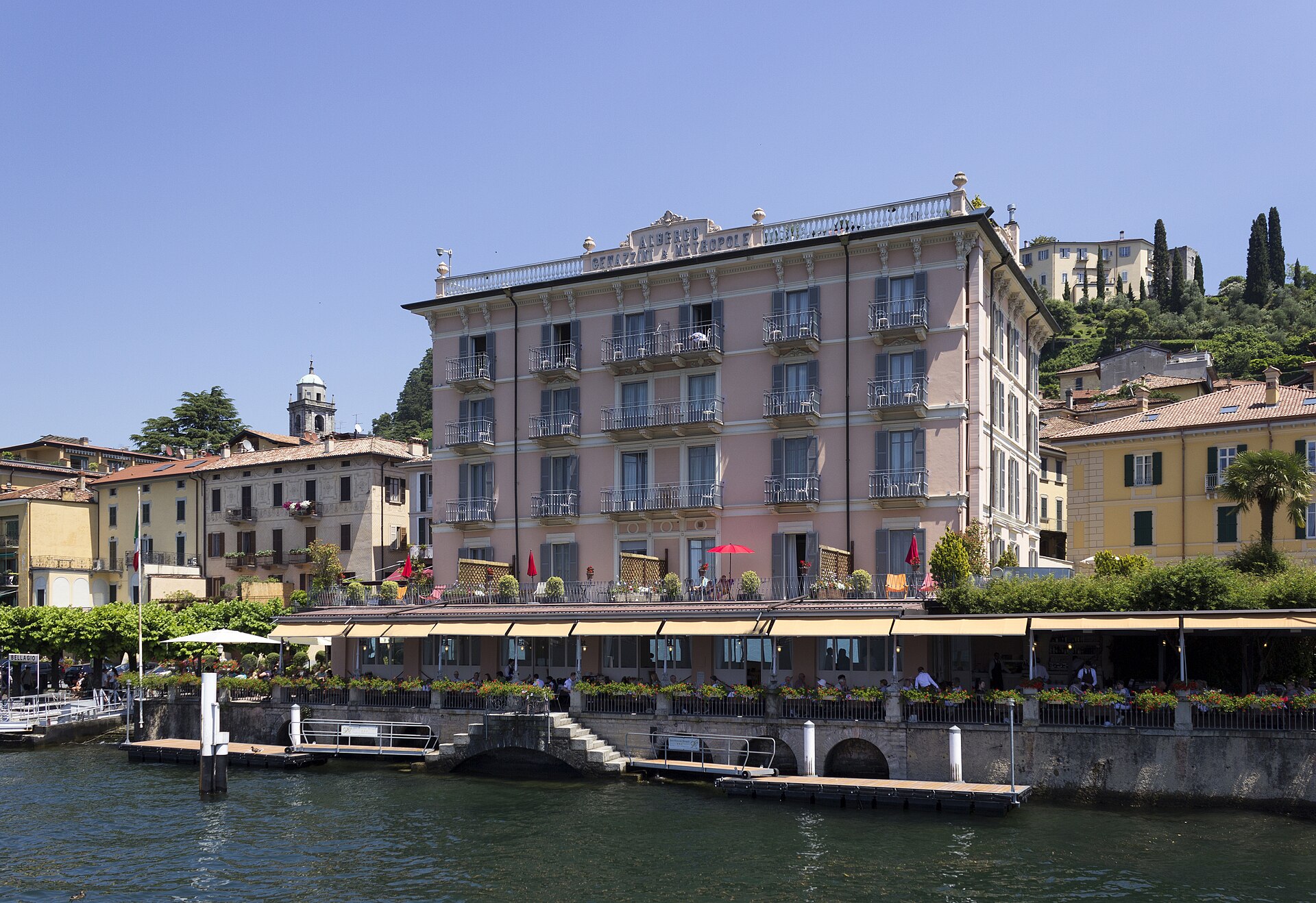 Bellagio - Albergo Genazzini & Metropole from Lake Como · Xavier Caré · CC BY-SA 4.0 · cropped
Lake Como · Vol. 2 · No. 07 · July 2026
Which town
Bellagio sits where the two arms split and gets the postcards, along with the crowds that come with them. Varenna, across the water, is smaller, walkable and has the train from Milan. The western shore — Cernobbio, Tremezzo, Lenno — holds the grand villa-hotels and the gardens. Pick for how you mean to spend your mornings.
Bellagio - Albergo Genazzini & Metropole from Lake Como · Xavier Caré · CC BY-SA 4.0 · cropped
Lake Como · Vol. 2 · No. 07 · July 2026
Which town
Bellagio sits where the two arms split and gets the postcards, along with the crowds that come with them. Varenna, across the water, is smaller, walkable and has the train from Milan. The western shore — Cernobbio, Tremezzo, Lenno — holds the grand villa-hotels and the gardens. Pick for how you mean to spend your mornings.
-
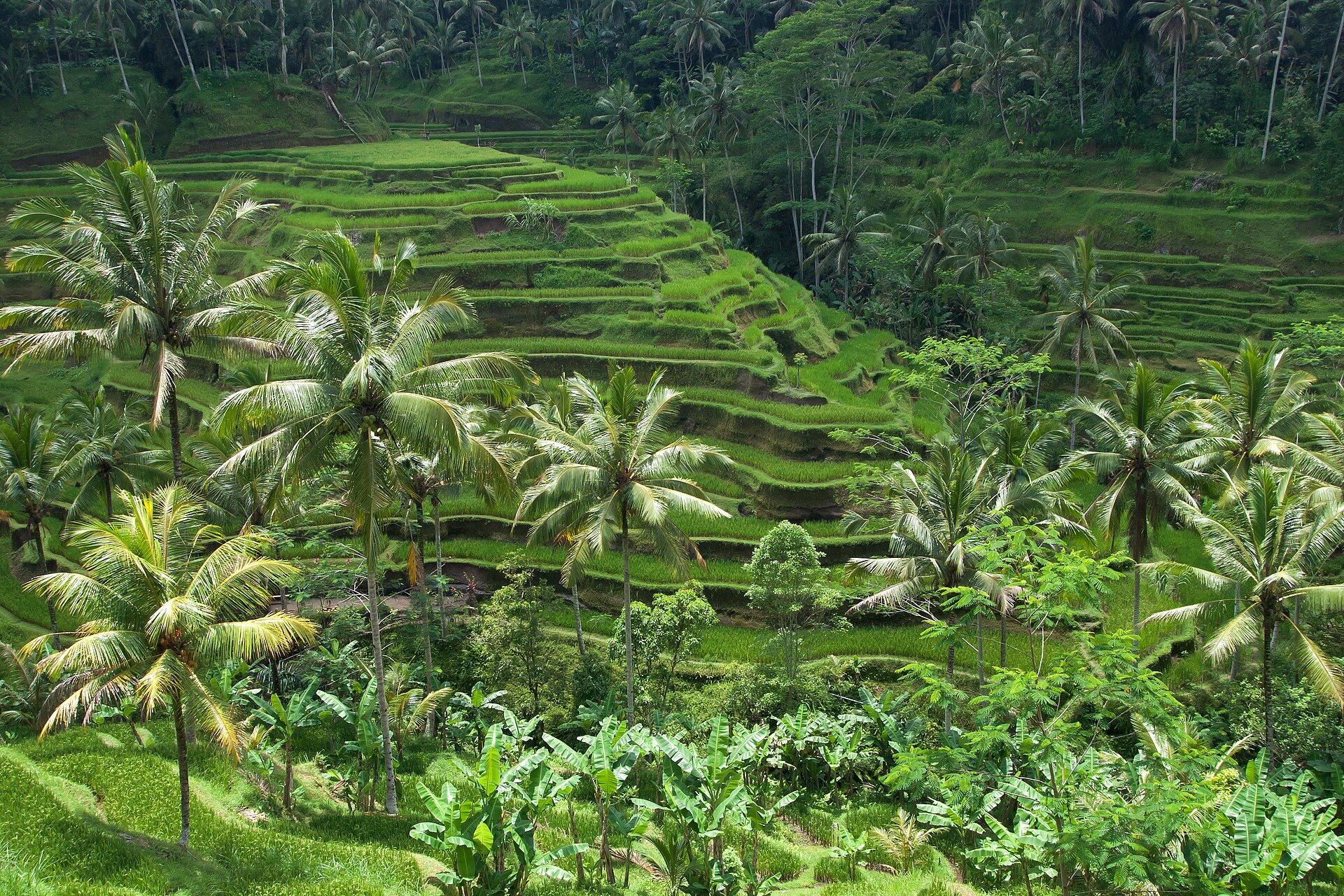 Rice terraces, Bali · Vyacheslav Argenberg · CC BY 4.0 · cropped
Bali · Vol. 2 · No. 06 · June 2026
Bali: Coast or Interior
Deciding where to sleep in Bali means choosing between the island's green, cultural heart and its varied coastline, each offering a distinct trip.
Rice terraces, Bali · Vyacheslav Argenberg · CC BY 4.0 · cropped
Bali · Vol. 2 · No. 06 · June 2026
Bali: Coast or Interior
Deciding where to sleep in Bali means choosing between the island's green, cultural heart and its varied coastline, each offering a distinct trip.
The columns, every month.
One considered letter when a new issue lands: the cover story, the four columns, and the month's news.