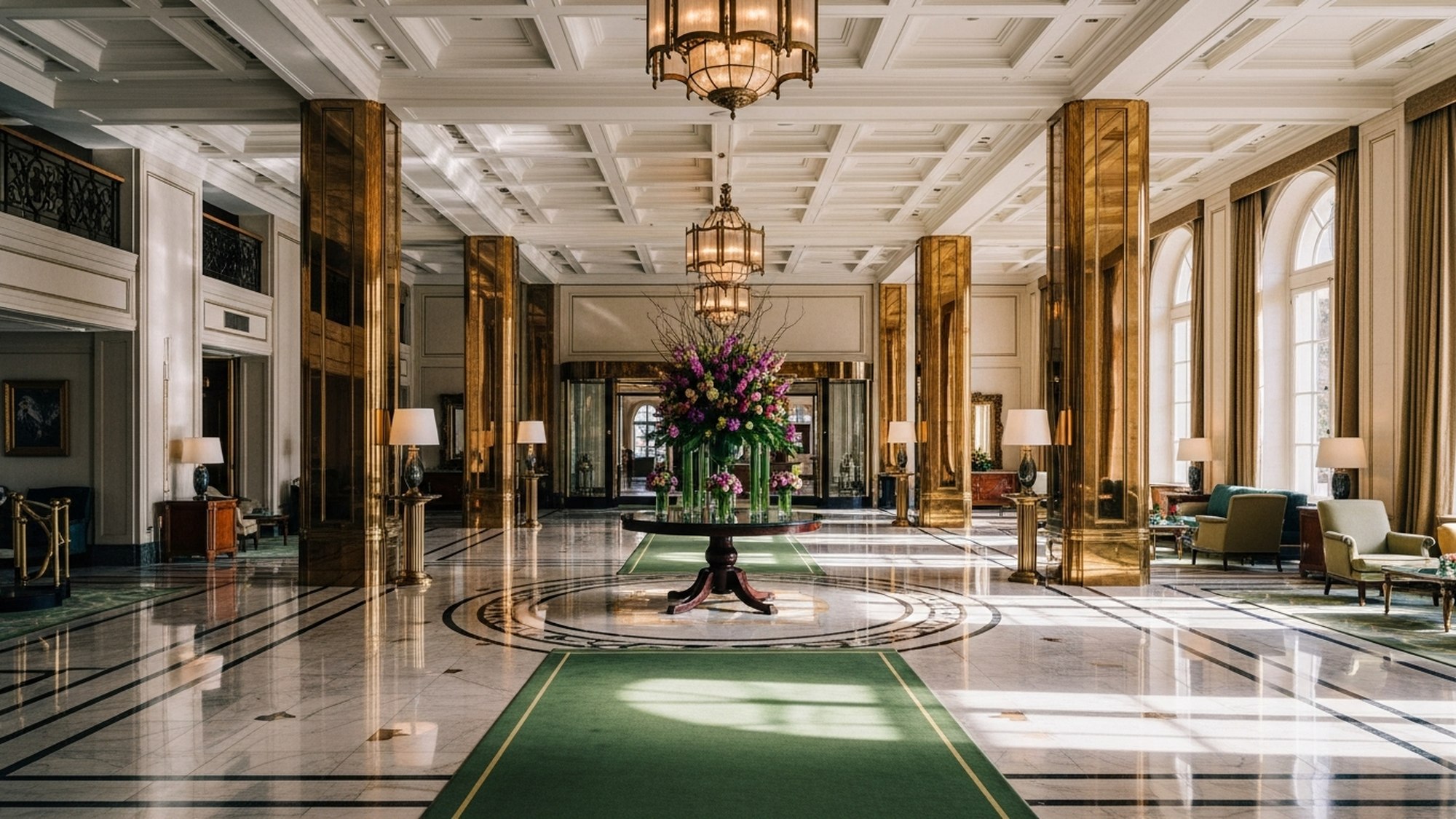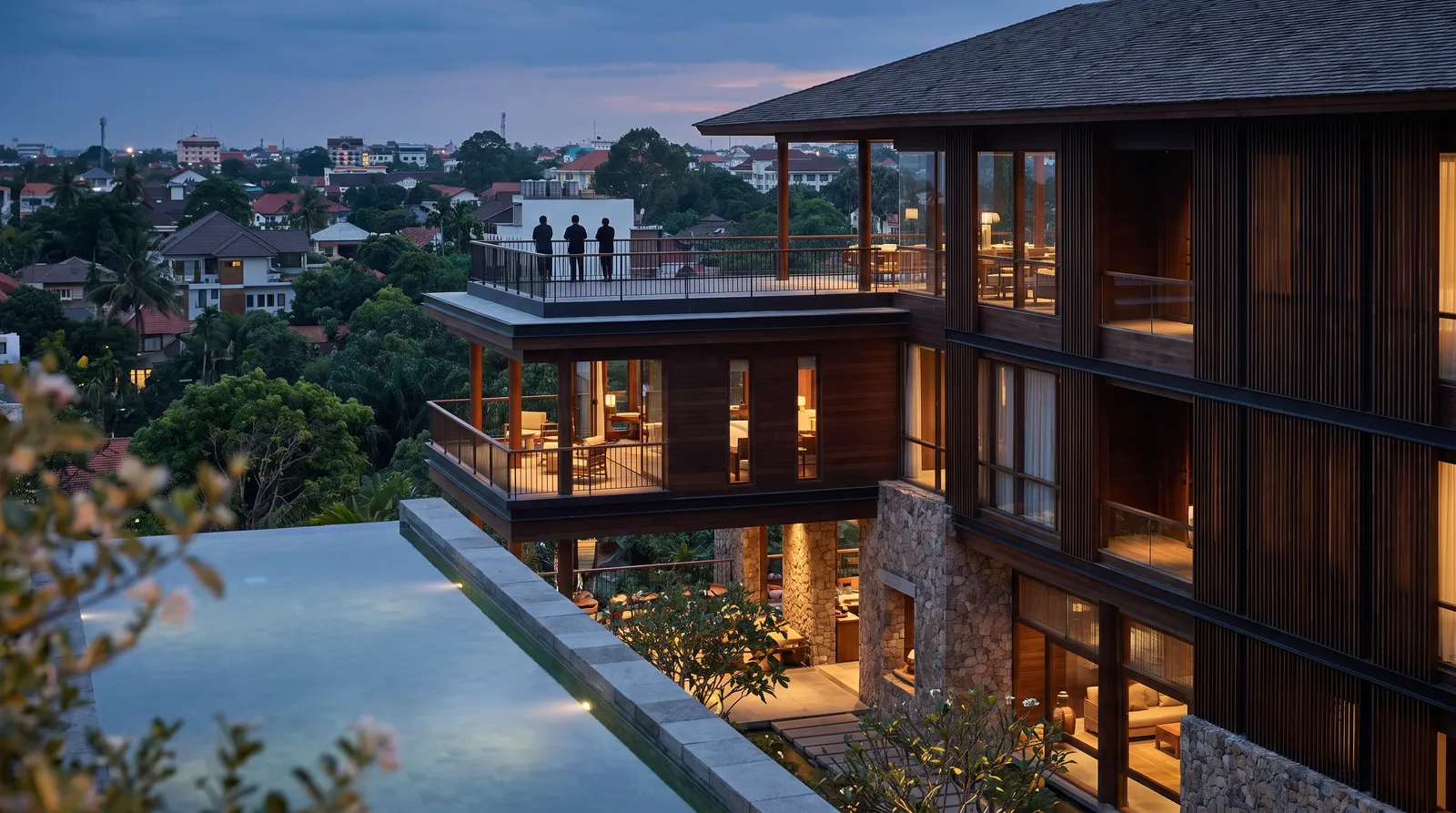
Opening image A new luxury hotel rises in an emerging Southeast Asian destination. Amorielli studio image
The quiet hum of the luxury travel market often precedes a roar, and the latest announcement from Marriott International feels like precisely that prelude. In a move that signals a significant shift in Southeast Asia’s hospitality landscape, Marriott has confirmed an agreement with The Royal Group International to introduce The Ritz-Carlton brand to Cambodia. This isn’t merely about another five-star hotel opening its doors; it’s about establishing a new benchmark, complete with the debut of luxury branded residences, in a country historically known more for its ancient wonders and intrepid exploration than its gilded towers of hospitality.
For years, Cambodia has captivated a particular kind of traveler: the cultural explorer drawn to the awe-inspiring temples of Angkor Wat, the history enthusiast delving into Phnom Penh’s poignant past, and the adventurer seeking unspoiled coastlines. While boutique hotels and charming guesthouses have long catered to this demographic, the arrival of a brand as globally recognised and meticulously refined as The Ritz-Carlton marks a clear inflection point. It’s a statement of confidence, a declaration that Cambodia is ready for, and indeed demanding, a deeper integration into the global luxury circuit, moving beyond its well-trodden paths to offer an experience designed for the most discerning international clientele.
The implications of this debut stretch far beyond the immediate property. It suggests a strategic recalibration of how major hospitality players view the region, recognising not just its existing tourism appeal but its burgeoning economic potential and the rising affluence of both international visitors and local elites. This is a story about a brand’s calculated expansion, a developer’s ambitious vision, and a nation’s evolving identity on the world stage of high-end travel and residential living.
Cambodia’s New Luxury Horizon
The news is straightforward: Marriott International, through its flagship luxury marque, The Ritz-Carlton, is entering Cambodia. This venture is made possible by an agreement with The Royal Group International, a significant regional player. Crucially, the plan includes not only a hotel but also luxury branded residences. This combination is key to understanding the full scope of the announcement, as branded residences represent a distinct, and often more lucrative, segment of the high-end property market.
Cambodia, for many years, has been a destination of contrasts. Its spiritual heart, Angkor Wat, remains one of humanity’s most profound architectural achievements, drawing millions. Its capital, Phnom Penh, offers a vibrant, if sometimes chaotic, urban experience, blending colonial architecture with modern development. The southern coast, particularly around Sihanoukville, has seen rapid, often controversial, development, much of it driven by foreign investment. Yet, across this varied landscape, truly integrated, globally recognised luxury hospitality has been somewhat nascent. While independent operators and smaller chains have made inroads, the arrival of The Ritz-Carlton signifies a coming of age for the market.
The brand’s entry suggests that Cambodia has reached a critical mass in terms of infrastructure, economic stability, and a growing pool of potential high-net-worth clients, both transient and residential. It’s a signal to other major players that the risks are diminishing and the rewards are becoming more tangible. This isn’t merely a response to existing demand; it’s a proactive step to help shape and accelerate the demand for a particular echelon of service and lifestyle that The Ritz-Carlton promises to deliver. For a country still navigating its path in the global economy, such an endorsement from a brand of this calibre is a powerful statement of confidence.
The Ritz-Carlton Blueprint for Global Dominance
The Ritz-Carlton is not just a hotel chain; it’s an institution. For over a century, the name has been synonymous with a particular strain of classical luxury: impeccable service, grand architecture, and a meticulous attention to detail that borders on the reverential. Its 'Ladies and Gentlemen' ethos, a cornerstone of its service philosophy, has set a benchmark in hospitality, often studied and emulated but rarely replicated with the same consistency. When The Ritz-Carlton enters a market, it doesn’t just open a hotel; it imports an entire operational philosophy and a promise of an experience that is both predictable in its excellence and regionally sensitive in its execution.
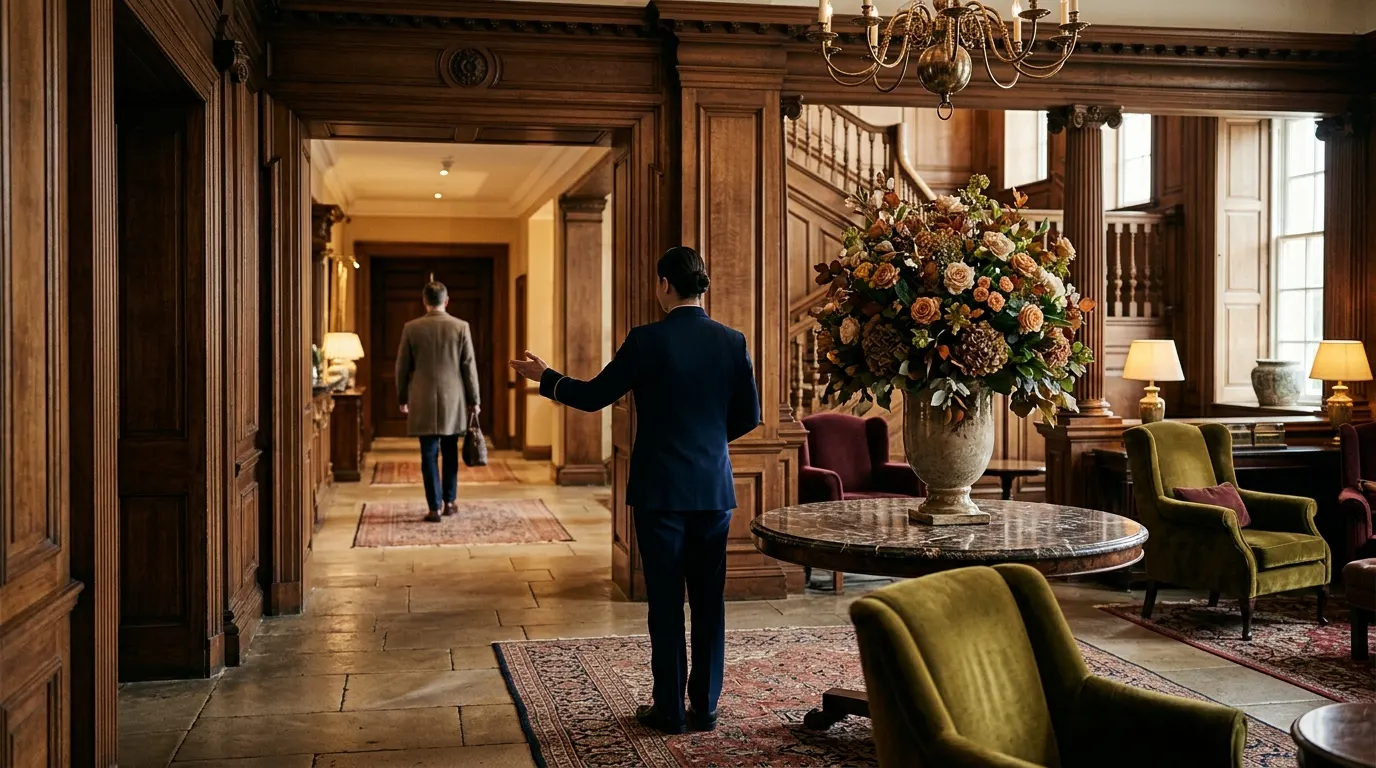
Under the expansive umbrella of Marriott International, The Ritz-Carlton plays a pivotal role in the conglomerate’s multi-tiered luxury strategy. Marriott’s portfolio includes diverse luxury brands like St. Regis, W Hotels, Edition, and JW Marriott, each targeting slightly different demographics or design sensibilities. The Ritz-Carlton typically serves as the standard-bearer for traditional, refined luxury, often leading the charge into emerging high-potential markets where a strong, established brand name can anchor a new development and attract both international visitors and local investment.
The brand’s expansion into Asia has been a long and deliberate process, reflecting the continent’s economic dynamism and the rapid growth of its affluent classes. From Tokyo to Shanghai, Singapore to Bali, The Ritz-Carlton has established a formidable presence, often in partnership with powerful local developers. These partnerships are crucial, blending the brand’s global standards and operational prowess with the developer’s local market insight, land access, and capital. For developers, aligning with The Ritz-Carlton offers immediate credibility, a global distribution network, and a proven track record of attracting high-spending guests and residents. For Marriott, it means expanding its footprint in key strategic regions without the massive capital expenditure of owning properties outright, instead leveraging its brand power through management and licensing agreements.
The Royal Group International: Local Vision, Global Ambition
Behind every major international brand debut in a developing market, there is almost always a powerful local partner. In this instance, it is The Royal Group International. While specifics of their portfolio in Cambodia are not detailed in the announcement, one can infer the nature of such a conglomerate based on similar partnerships seen across Southeast Asia. These groups are typically vast, with interests spanning multiple sectors, from telecommunications and energy to infrastructure and real estate. They possess the local knowledge, the political connections, and, crucially, the financial muscle to undertake projects of this scale and complexity.
The decision by The Royal Group International to partner with Marriott for The Ritz-Carlton’s Cambodian debut is a testament to their strategic vision. Such partnerships are not entered into lightly. They represent a calculated move to elevate their own standing, diversify their portfolio, and tap into the global luxury market. For a local developer, bringing in a brand like The Ritz-Carlton provides immediate access to a sophisticated customer base that might otherwise be difficult to attract. It also brings with it a level of design, construction, and operational expertise that sets a new standard for local developments.
The symbiotic relationship is clear: The Royal Group provides the land, the capital, and the local operational context, navigating the intricacies of local regulations and supply chains. Marriott, through The Ritz-Carlton, provides the brand equity, the global marketing reach, the operational standards, and the sophisticated management systems. This division of labour allows both parties to leverage their core competencies, creating a powerful synergy that can drive significant economic impact, from job creation and skills development to the stimulation of ancillary businesses in the local economy. It’s a model that has proven highly effective in many emerging markets, accelerating development and raising overall industry standards.
The Irresistible Rise of Branded Residences
The inclusion of luxury branded residences in The Ritz-Carlton Cambodia project is as significant as the hotel itself, perhaps even more so from a long-term market perspective. Branded residences are essentially private homes, be they apartments, villas, or townhouses, that are affiliated with a luxury hotel brand. Owners benefit from access to the hotel’s services and amenities, such as concierge, housekeeping, room service, spa, and fitness facilities, all managed and maintained to the exacting standards of the associated brand.
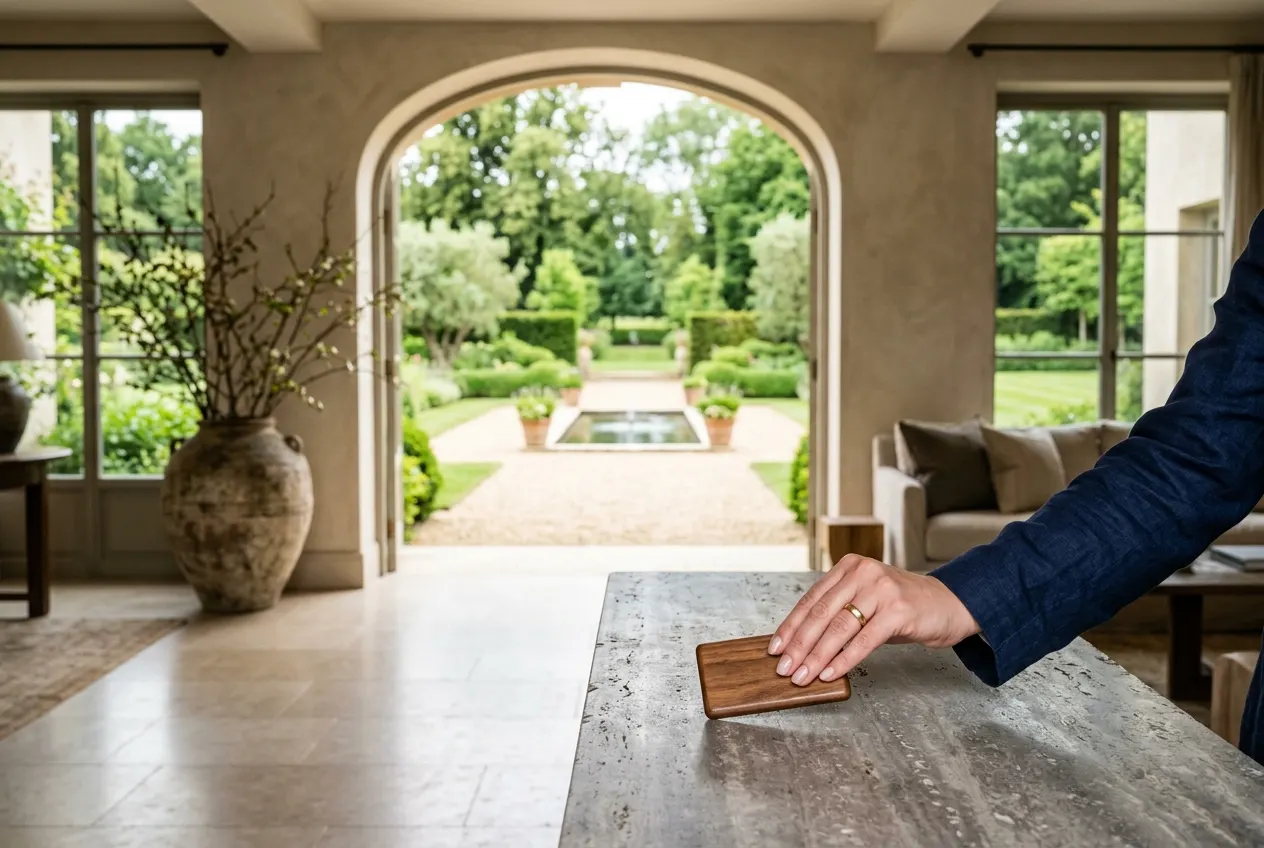
The appeal for buyers is multifaceted. Firstly, it offers a lifestyle of unparalleled convenience and service. Imagine returning to a perfectly maintained home, with every detail taken care of, and the option of a five-star meal delivered to your door. Secondly, there’s the investment aspect. Branded residences often command a premium over comparable unbranded properties due to the perceived quality, security, and potential for rental income through a hotel-managed programme. For international buyers, the brand affiliation provides a level of trust and familiarity in an unfamiliar market, simplifying property management and maintenance.
For developers and brands, branded residences are a powerful financial engine. They diversify revenue streams beyond traditional hotel operations, offering higher margins from property sales. The upfront capital generated from residential sales can significantly de-risk the entire project, helping to finance the hotel component. For the brand, it extends its reach beyond temporary guests, fostering a deeper, more permanent relationship with high-net-worth individuals who become part of the brand’s community. This model has seen explosive growth globally, becoming a cornerstone of luxury hospitality expansion, especially in emerging markets where the demand for secure, high-quality residential options is often unmet by local offerings.
The arrival of The Ritz-Carlton in Cambodia isn’t merely about another five-star hotel; it’s about establishing a new benchmark, complete with luxury branded residences, in a country historically known more for its ancient wonders than its gilded towers of hospitality.
Cambodia’s Evolving Hospitality Tapestry
Cambodia’s journey in hospitality has been one of gradual evolution. For decades, it was largely the domain of budget travellers and intrepid backpackers, with a smattering of charming, locally owned guesthouses and a few mid-range hotels in key tourist hubs. The early 2000s saw the emergence of more sophisticated boutique properties, often artfully blending traditional Khmer design with modern comforts, particularly in Siem Reap and Phnom Penh.
In recent years, larger international chains have started to take notice, with brands like Raffles, Park Hyatt, and Sofitel establishing a presence, offering a higher tier of service and amenities. However, The Ritz-Carlton’s entry marks a significant escalation. It’s a brand that typically commands the highest rates and attracts a clientele accustomed to the very pinnacle of luxury. This will undoubtedly raise the bar for all other operators in the market, pushing them to innovate and improve their offerings.
The timing of this debut is also noteworthy. While global travel faced unprecedented challenges in recent years, the long-term outlook for Southeast Asia remains robust. Cambodia has been working to improve its infrastructure, including airports and road networks, to better accommodate increasing tourist numbers. The government has also been actively promoting the country as a viable investment destination. The Ritz-Carlton project, therefore, arrives at a moment when the pieces are beginning to fall into place for a more comprehensive luxury tourism ecosystem.
The challenge for The Ritz-Carlton, and for Cambodia as a destination, will be to strike a balance between delivering global luxury standards and retaining the unique cultural authenticity that makes the country so compelling. The most successful luxury properties in such destinations are those that manage to integrate local artistry, cuisine, and hospitality traditions into their offerings, rather than simply replicating a generic international style. This integration is crucial for creating a truly memorable and meaningful experience for guests, and for ensuring that the benefits of such developments extend deeply into the local community.
The Economics of Aspirational Living and Investment
The financial mechanics behind a project like The Ritz-Carlton Cambodia, particularly with its branded residences component, are complex and driven by multiple incentives. For the developer, The Royal Group International, the attraction lies in the prestige and the potential for premium pricing. Branded residences often sell for 20-30% more than comparable non-branded properties, and sometimes even higher, due to the associated brand value, services, and amenities. This premium translates directly into higher profits and a quicker return on investment.

For Marriott, the branded residences model offers a capital-light expansion strategy. Instead of investing heavily in real estate, they license their brand and manage the operations, generating fees from both the hotel and the residential components. This allows them to expand their global footprint rapidly and profitably, leveraging their brand equity without tying up significant capital in ownership.
From an investor’s perspective, buying a branded residence in a market like Cambodia presents both opportunities and risks. The opportunity lies in potential capital appreciation as the market matures and the country’s profile as a luxury destination grows. There’s also the potential for rental income, particularly if the property can be placed into a hotel-managed rental pool, offering a hassle-free investment with professional management. However, risks include market volatility, political stability, and the long-term enforceability of property rights for foreign owners. While Cambodia has made strides in these areas, it remains an emerging market, and investors will need to conduct thorough due diligence.
Beyond the direct financial gains for the developer and brand, such projects have a significant ripple effect on the local economy. They create jobs, not just in construction but in ongoing operations, from hotel staff to maintenance, security, and administrative roles. They also stimulate demand for local goods and services, from fresh produce for hotel restaurants to artisan crafts for interior decor. This influx of investment and activity can contribute to skills development, infrastructure improvements, and overall economic growth, albeit with the perennial challenge of ensuring that growth is inclusive and sustainable for the broader population.
The Future of Southeast Asian Luxury
The Ritz-Carlton’s move into Cambodia is not an isolated incident but rather a piece of a larger puzzle that is the evolving landscape of luxury travel in Southeast Asia. Countries like Vietnam, Laos, and even Myanmar, despite their individual challenges, have seen increasing interest from major international luxury brands. This reflects a broader trend where affluent travellers are seeking more diverse and authentic experiences beyond the traditional hotspots of Thailand and Bali, while still demanding the comforts and assurances of established luxury brands.
The future of luxury in the region is likely to be characterised by several key trends. There will be a continued emphasis on experiential travel, where guests seek not just comfort but also immersive cultural encounters, adventure activities, and opportunities for personal growth. Wellness tourism will continue its ascent, with luxury properties integrating spas, mindfulness programmes, and healthy cuisine into their offerings. Sustainability will also become an increasingly critical factor, with travellers and residents alike expecting properties to demonstrate a genuine commitment to environmental protection and community engagement.
The branded residences model will also continue to expand, driven by global wealth creation and the desire for secure, professionally managed second homes or investment properties in desirable locations. This trend blurs the lines between hospitality and residential real estate, creating integrated lifestyle ecosystems. For destinations like Cambodia, this means not only attracting more high-spending tourists but also potentially drawing a new class of long-term residents and investors, further integrating the country into the global luxury economy. The challenge for these markets will be to manage this growth responsibly, ensuring that the benefits are widely distributed and that the unique cultural and natural heritage of the region is preserved for future generations.
What it means for where you stay
For the traveller considering a trip to Cambodia, the arrival of The Ritz-Carlton presents a compelling new option. It signifies a significant upgrade in the country’s high-end accommodation offerings, guaranteeing a level of service, comfort, and amenity that has previously been less common. If you are someone who values the predictable excellence and refined experience that a brand like The Ritz-Carlton delivers, this will be a welcome development. It means you can now explore Cambodia’s rich history and vibrant culture with the assurance of returning to a hotel that meets the highest global standards. However, it also means potentially encountering a more globalised version of luxury, which might appeal less to those who seek a more raw, locally-infused experience. The choice, as ever, will depend on your personal travel philosophy. It’s a good reminder to research how well a global brand integrates local culture into its design, cuisine, and service ethos.

For owners and hosts in the existing luxury rental market, particularly those operating high-end Airbnb or Vrbo properties, this development is a clear signal of market maturation and increased competition at the very top tier. The Ritz-Carlton’s branded residences will set a new benchmark for pricing, services, and expectations. While independent luxury rentals may offer a more personalised or unique experience, they will need to work harder to differentiate themselves on service, design, and authentic local connection. This move could also drive up overall property values in the surrounding areas, potentially creating investment opportunities for those looking to develop or upgrade high-end rental units. However, it also means a more competitive landscape, requiring greater professionalism and a keen understanding of what the new, highly demanding luxury traveller truly seeks beyond just a place to sleep.
Source
Great Travel Philippines — reported 20 August 2026. Read by the Amorielli news desk.