The quiet hum of city life, once a predictable rhythm, has been increasingly interrupted by the clamour of luggage wheels on cobblestones and the transient nature of short-term stays. For years, Europe’s most desirable destinations have grappled with the double-edged sword of tourism: economic vitality versus the slow erosion of residential fabric. Now, a powerful new actor is stepping into the fray, with the European Union preparing legislation that promises to fundamentally reshape the battleground between local residents and the burgeoning short-term rental market.

This isn't just another municipal bylaw. This is Brussels, the bloc’s executive branch, aiming to provide a continent-wide legal framework, a central component of a forthcoming Affordable Housing Act, as reported on September 4, 2026. The European Commission, according to a December statement, believes the EU “can and must play a stronger role in supporting, coordinating, and amplifying national, regional and local efforts” to address a housing crisis that has seen EU home prices surge by over 60% since 2013, alongside a near-doubling of short-term rental bookings since 2018. The stakes are high, not just for property owners and platforms like Airbnb and Vrbo, but for the very character of Europe’s iconic cities.

A preliminary agenda indicates the Commission is slated to discuss this critical mandate on September 9. While the full text is yet to be officially released, a leaked draft, published by European news website Euractiv, has offered a revealing glimpse into the detailed mechanisms authorities might soon wield to restrict short-term rentals in areas experiencing significant housing pressure. This isn't a suggestion; it’s a blueprint for action, designed to resolve years of legal ambiguity and provide concrete tools for cities that have long felt outmatched.

For over a decade, the rise of platforms like Airbnb and Vrbo has transformed travel, offering visitors a more localised experience and property owners a new revenue stream. Yet, this seismic shift came with a profound, often unaddressed, cost to urban living. As residential properties transitioned into de facto hotel rooms, the availability of long-term housing plummeted, and rents soared, particularly in Europe’s most magnetic cities. Local authorities, from Barcelona to Amsterdam, responded with a patchwork of regulations: outright bans in some districts, caps on rental days, mandatory registration schemes, and steep fines for non-compliance. Each city, acting largely in isolation, faced an uphill battle.

The fundamental challenge, beyond the sheer logistical effort of enforcement, lay in legal ambiguity. A pivotal 2020 EU court ruling, while acknowledging the public interest in regulating short-term rentals, introduced the concept of “proportionality.” Restrictions, the court stated, had to be justified by public interest and be proportionate to the problem they sought to solve. However, the ruling left the determination of what constituted ‘proportionality’ to national courts, creating a quagmire of inconsistent interpretations and protracted legal battles. Cities found their carefully constructed regulations challenged, often successfully, on the grounds that they were either too broad, too narrow, or lacked sufficient evidence to justify their impact on property owners’ rights.

This legal grey area meant that even well-intentioned municipal efforts often failed to stick. An attempt to limit rental days might be overturned; a registration scheme might be deemed an undue burden on property owners. The result was a fragmented regulatory landscape across the continent, where the effectiveness of local crackdowns varied wildly. Property investors and platforms exploited these inconsistencies, finding loopholes or simply shifting their focus to areas with weaker enforcement. The 2020 ruling, intended to provide clarity, instead deepened the uncertainty, empowering individual courts to second-guess policy decisions made by democratically elected local governments. This left cities feeling vulnerable and residents increasingly frustrated, as the problem of housing scarcity intensified without a clear, unified path to resolution. The EU’s new legislation is a direct response to this deadlock, seeking to provide the very legal backbone that has been missing.

Brussels Steps Into the Fray

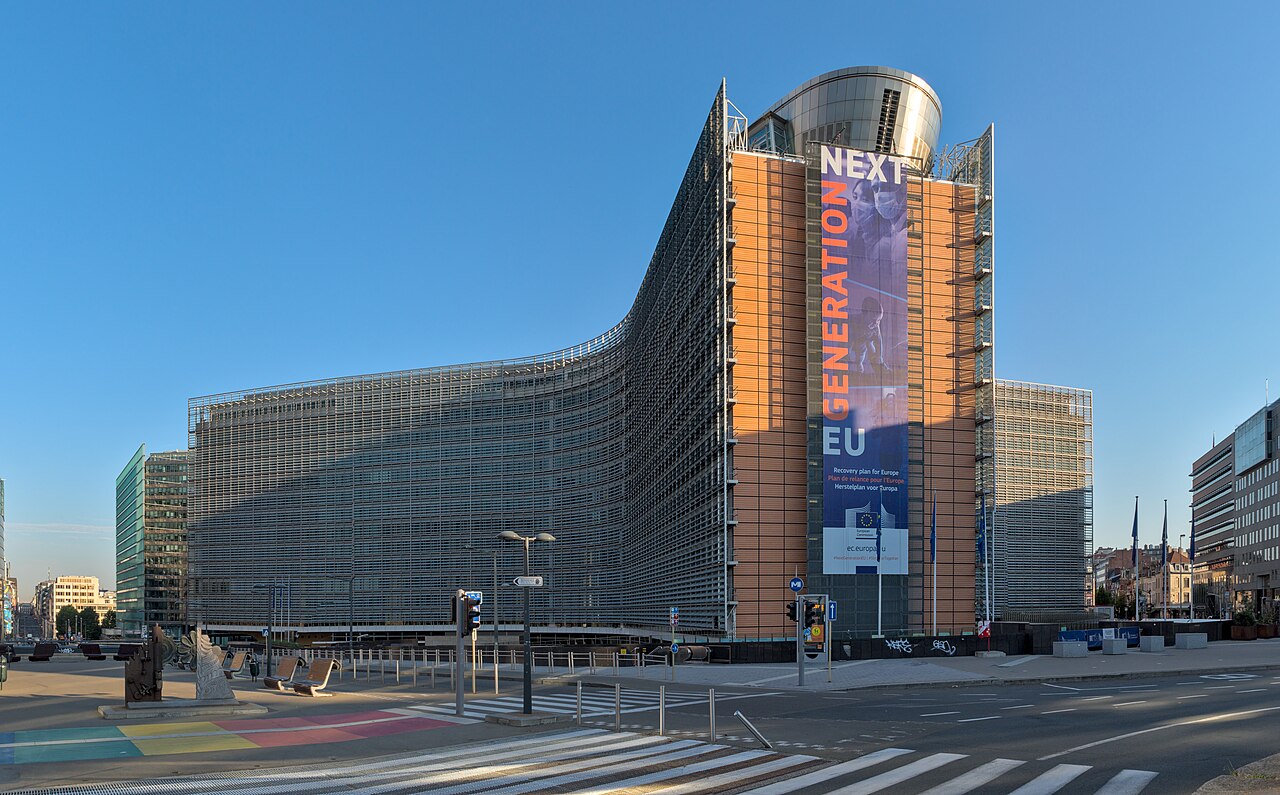
The European Union, often perceived as a distant bureaucratic entity, is now positioning itself as a crucial player in the deeply local debate over housing and tourism. This intervention is not a sudden whim but the culmination of years of growing concern across the bloc regarding the affordability and availability of housing. The forthcoming legislation, embedded within a broader Affordable Housing Act, signifies a strategic shift from merely observing the housing crisis to actively shaping policy that can alleviate it.

The Commission’s December statement articulated a clear intent: the EU “can and must play a stronger role in supporting, coordinating, and amplifying national, regional and local efforts.” This language is telling. It acknowledges that local efforts are vital but insufficient on their own. The scale of the housing crisis, evidenced by EU home prices rising over 60% since 2013 and short-term rental bookings nearly doubling since 2018, demands a coordinated, continent-wide response. Fragmentation, Brussels has concluded, is no longer an option when fundamental rights to housing are at stake.

The EU’s involvement aims to establish a common legal framework, standardising the rules of engagement for short-term rentals across all member states. This is a monumental undertaking, designed to resolve the “proportionality” conundrum left by the 2020 court ruling. By defining clear parameters and evidence thresholds, the EU seeks to empower cities with legitimate tools that are less susceptible to legal challenge. This isn't about micro-managing local policy; it's about setting the overarching conditions under which local policy can be effectively implemented. It’s about creating a level playing field, not just for residents, but also for traditional hospitality providers who have long argued that short-term rentals operate with an unfair regulatory advantage.

Moreover, the move reflects a broader political will to address quality of life issues for European citizens. The housing crisis is not just an economic problem; it is a social one, impacting everything from family formation to urban cohesion. By tackling short-term rentals as part of an Affordable Housing Act, the EU is signalling that housing is a fundamental right, and its availability should not be unduly compromised by the demands of the tourism market. This represents a significant rebalancing of priorities, potentially heralding a new era where the convenience of travellers is weighed more carefully against the long-term well-being of urban communities. The September 9 meeting of the European Commission to discuss this mandate marks a pivotal moment in this unfolding narrative, where the abstract ideals of housing policy begin to take concrete, regulatory form.

The Blueprint for Restriction: Evidence and Thresholds

The leaked draft of the new legislation, published by Euractiv, provides the first tangible insights into how European cities might finally gain the teeth they need to manage their short-term rental markets. Far from a blanket ban, the proposed framework is designed to be targeted and evidence-based, a direct answer to the “proportionality” requirement that has stymied previous local efforts. It outlines specific, quantifiable thresholds that authorities would need to meet before imposing restrictions, aiming to ensure interventions are justified and legally robust.

One of the most striking proposed thresholds involves housing affordability: cities would need to demonstrate that average home prices in a given area are at least eight times the median disposable income. This metric is intended to clearly identify areas under severe housing stress, where the conversion of residential units to short-term rentals demonstrably exacerbates an existing affordability crisis. It moves the conversation beyond anecdotal evidence or subjective assessments, anchoring regulatory action in hard economic data. For cities where property speculation and tourism-driven demand have inflated prices beyond the reach of local earners, this threshold provides a clear benchmark for intervention.

Furthermore, the draft mandates proof of an adverse impact on housing availability for at least three consecutive years. This requirement aims to prevent knee-jerk reactions or short-term policy shifts, ensuring that any restrictions are a response to a sustained and demonstrable problem. It forces authorities to collect and analyse data over a meaningful period, linking the rise of short-term rentals directly to a measurable decline in long-term housing options. This evidence-based approach is a significant departure from the more arbitrary limits sometimes imposed in the past, offering a more defensible position against legal challenges.

Crucially, the leaked draft reportedly favours quantitative caps and grandfathering over outright bans. Quantitative caps would mean setting a maximum number or percentage of short-term rentals allowed in a specific area, allowing some level of operation while preventing saturation. Grandfathering, on the other hand, would protect existing, legally operating short-term rentals from new, stricter regulations, allowing them to continue under previous rules. This approach aims to mitigate the economic shock to current hosts and investors, acknowledging their established operations, while controlling future growth. It signals a pragmatic attempt to balance the needs of residents with the economic realities of the tourism sector.

The implications of these specific mechanisms are profound. For cities, it means a significant investment in data collection and analysis to build a robust case for intervention. For property owners and platforms, it implies a more predictable, albeit more restrictive, regulatory environment. The shift towards caps and grandfathering suggests a future where short-term rentals remain a feature of European cities, but one that is far more tightly controlled and integrated into urban planning, moving away from the unregulated expansion that defined their early growth. This is not a wholesale rejection of the model, but a sophisticated attempt to tame its excesses and ensure its coexistence with sustainable urban life.

The Industry’s Counter-Arguments

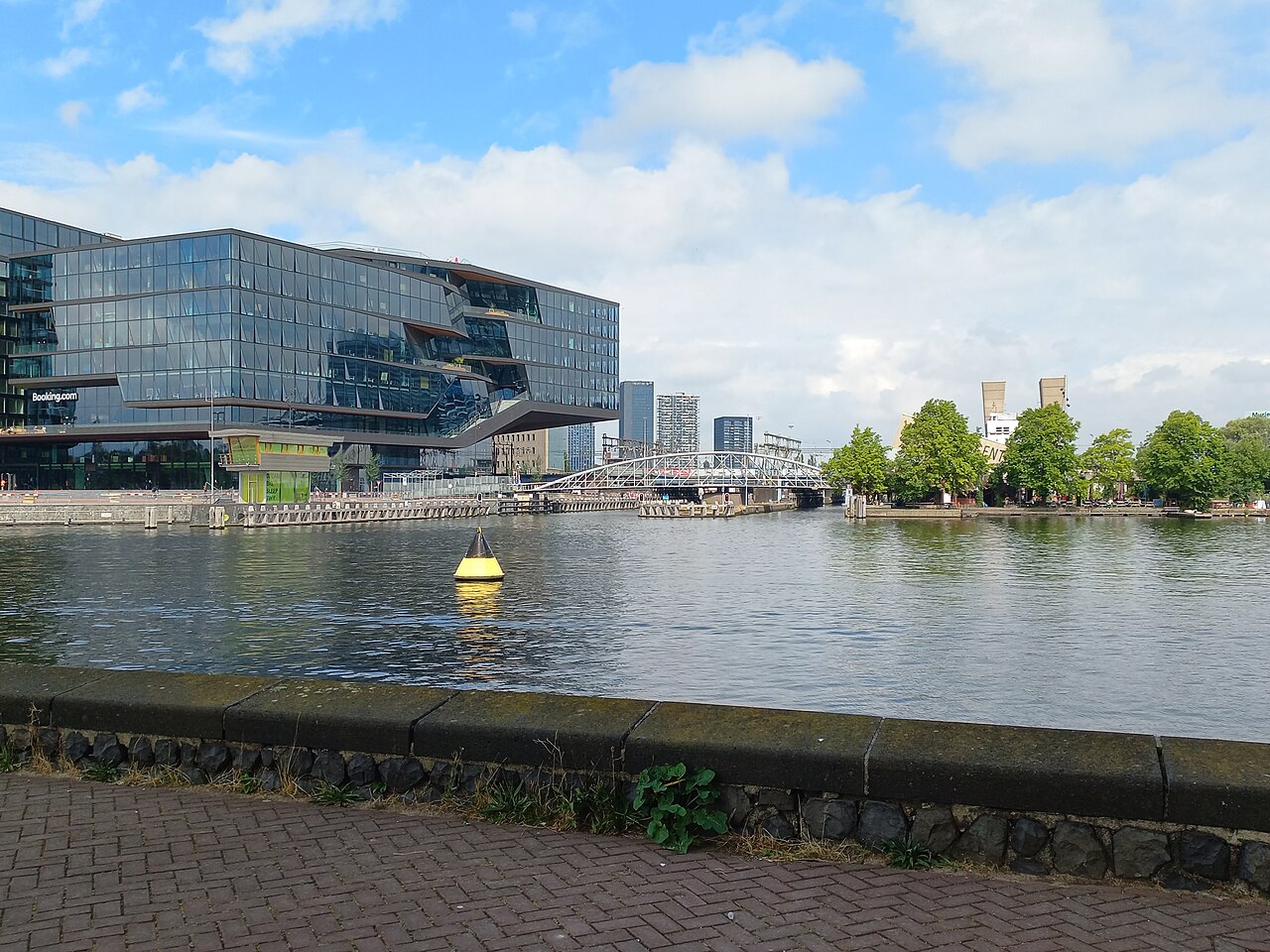
Unsurprisingly, the short-term rental industry and its major platforms are not embracing Brussels’ initiative with open arms. Leading players like Airbnb, Booking.com, and Expedia, along with various industry trade groups, have voiced strong objections, characterising the proposed legislation as premature and based on an incomplete understanding of the market. Their arguments primarily hinge on two key points: the statistical representation of short-term rentals within the broader housing stock, and the timing of the regulatory push in relation to ongoing data collection efforts.

A central tenet of their opposition is the claim that short-term rentals constitute only a small fraction of the overall housing supply. According to the industry, STRs make up approximately 1.2% of Europe’s housing stock. This figure is frequently cited to suggest that the impact of these rentals on the continent’s housing crisis is minimal, or at least exaggerated. The argument implies that focusing on this small percentage distracts from the larger, systemic issues contributing to housing shortages, such as inadequate new construction, restrictive zoning laws, and broader economic factors. From this perspective, singling out short-term rentals for stringent regulation is an overreaction, disproportionate to their actual contribution to the problem.

However, this aggregate statistic can be misleading. While 1.2% might seem small at a continental level, the impact is highly concentrated. In popular tourist districts of cities like Rome, Paris, or Lisbon, the percentage of housing units converted to short-term rentals can skyrocket, reaching well over 10% or even 20% in specific neighbourhoods. It is in these localised hotspots that the adverse effects on housing availability and community character are most acutely felt. The industry’s pan-European statistic, therefore, risks obscuring the very real, concentrated problems that the EU legislation seeks to address.

The second major point of contention for the industry is the timing of the proposed legislation. They argue that the initiative is “premature,” asserting that comprehensive data, mandated under a 2024 law with a May 2026 compliance deadline, is only just beginning to be collected. This data, they contend, is crucial for making informed policy decisions. The platforms have consistently pushed for a data-driven approach to regulation, often advocating for a collaborative framework where they share anonymised data with authorities. Their argument is that without this full picture, any regulatory framework risks being ill-conceived, potentially stifling economic activity without effectively solving the housing crisis.

Yet, this stance also highlights a historical tension. For years, platforms have been reluctant to share granular data with local authorities, citing privacy concerns or competitive disadvantages. This resistance has often left cities in the dark, struggling to quantify the true scale of the problem and justify their regulatory attempts. The EU’s 2024 law mandating data collection was itself a response to this lack of transparency. The industry’s current plea for more data, while seemingly reasonable, can also be interpreted as a tactic to delay regulation, buying more time for the status quo to persist. The debate, therefore, is not just about the numbers themselves, but about who controls the narrative and the pace of regulatory change.

Beyond the Numbers: The Soul of the City

While the debate around short-term rentals often converges on statistics – housing percentages, income multiples, booking growth – the deeper, more profound impact touches upon the very essence of urban life. Europe’s cities are not merely collections of buildings; they are living, breathing entities, shaped by generations of residents, local businesses, and cultural traditions. The unchecked proliferation of short-term rentals, particularly in historic centres, has, for many, begun to erode this fundamental character, transforming residential neighbourhoods into transient zones.

This phenomenon, sometimes referred to as the “ghost city” effect, is starkly visible in popular tourist destinations. Streets that once bustled with daily life – children walking to school, neighbours greeting each other, local grocers and bakeries serving a consistent community – now often fall quiet in the off-season, or are dominated by a continuous churn of unfamiliar faces and luggage. The local businesses that relied on a stable resident population find themselves struggling, replaced by souvenir shops, fast-food outlets, and generic cafes catering exclusively to tourists. The authenticity that travellers seek in these destinations is, paradoxically, slowly being eaten away by the very mechanism that delivers them there.

The social fabric is also frayed. Neighbours, who once knew each other by name, are replaced by a revolving door of strangers. Concerns about noise, security, and the degradation of shared amenities become commonplace. The sense of community, a cornerstone of European urbanism, diminishes. This isn't just about housing availability; it's about the erosion of civic life, the loss of cultural continuity, and the increasing difficulty for young people and families to afford to live in the cities where they grew up or wish to build a future.

This legislation, therefore, represents more than just a regulatory adjustment; it is an attempt to reclaim the soul of the city. It signals a growing recognition that the market, left entirely to its own devices, does not always serve the broader public good. The concept of “responsible tourism” has moved from a niche ethical concern to a mainstream policy imperative. It acknowledges that while tourism brings undeniable economic benefits, these benefits must be balanced against the preservation of urban heritage, the well-being of residents, and the long-term sustainability of the cities themselves. The EU’s intervention is a powerful statement that the identity and liveability of its cities are not commodities to be traded freely, but precious assets to be protected and nurtured for future generations.

The EU’s intervention is a powerful statement that the identity and liveability of its cities are not commodities to be traded freely, but precious assets to be protected and nurtured for future generations.

A Shifting Landscape for Hospitality Design and Investment

The impending EU legislation is poised to send ripples far beyond the immediate concerns of hosts and housing activists, fundamentally altering the landscape for hospitality design and investment across the continent. For years, the booming short-term rental market encouraged a particular kind of property development and refurbishment: the conversion of residential units, often with minimal regulatory oversight, into transient accommodation. This often meant standardising interiors for broad appeal, prioritising quick turnaround and Instagrammable aesthetics over long-term residential functionality or deep local character. The new framework will likely pivot this trend dramatically.

For developers and investors, the calculus of opportunity will shift. The speculative appeal of acquiring residential blocks for wholesale conversion into short-term rental portfolios will diminish significantly, particularly in cities identified as ‘housing-stressed’ under the new criteria. The explicit preference for quantitative caps and grandfathering over outright bans means that while existing, compliant operations may continue, the pathway for new, unregulated growth will be severely constrained. This will force a re-evaluation of risk and return, with a greater emphasis on regulatory compliance and the long-term viability of assets.

Instead, we can expect a renewed focus on models that inherently align with stricter commercial and planning regulations. Serviced apartments, for instance, which often operate more akin to hotels with commercial zoning and dedicated management, are likely to see increased investment. Aparthotels, blending the amenities of a hotel with the space and self-catering options of an apartment, offer another compliant pathway. These models naturally fit within established hospitality frameworks, complete with appropriate licensing, safety standards, and tax obligations. Hospitality designers, too, will adapt, moving away from generic residential aesthetics to create spaces that meet commercial codes while still offering a sense of place and comfort, potentially blurring the lines between traditional hotels and residential living in more sophisticated ways.

Institutional investors, who have increasingly poured capital into the short-term rental sector, will now face a more complex due diligence process. The regulatory risk, once a vague concern, will become a quantifiable factor in valuation. This could lead to a consolidation of the short-term rental market, with larger, more professional operators who can navigate complex legal frameworks and invest in compliant properties gaining an advantage over smaller, independent hosts. We may also see a geographical redistribution of investment, with capital flowing towards less regulated areas or alternative asset classes altogether, if the compliance burden in prime European cities becomes too onerous.

Ultimately, this legislation signals a maturation of the short-term rental industry in Europe. It’s no longer the wild west of unregulated growth. Instead, it’s a market being compelled to integrate into the existing urban and hospitality ecosystem, adhering to the same principles of responsibility and sustainability that govern other sectors. This shift, while challenging for some, holds the promise of a more stable, predictable, and ultimately more equitable market for all stakeholders.

What it means for where you stay

For both the traveller planning a European holiday and the property owner navigating the rental market, the EU’s impending legislation marks a significant turning point. The days of unfettered choice and casual hosting are drawing to a close in many of Europe’s most beloved urban destinations, giving way to a more regulated, and perhaps more predictable, landscape.

  • For the Traveller:
  • Fewer Options in Prime Urban Centres: Expect a reduction in the sheer volume of short-term rental apartments available in highly popular, housing-stressed city centres. As cities implement caps and enforce compliance, the extensive inventory that once defined platforms like Airbnb will likely shrink in these specific, high-demand areas.
  • Potential for Higher Prices: With reduced supply and increased regulatory costs for compliant hosts, the prices for legally operating short-term rentals in desirable locations may climb. Travellers might find that booking a private apartment becomes comparable, or even more expensive, than a traditional hotel stay.
  • Greater Clarity and Consumer Protection: On the upside, legally compliant rentals will offer more transparency. You’ll have greater assurance that your booking adheres to local laws, potentially offering better consumer protection and a more reliable experience, free from the risk of last-minute cancellations due to regulatory crackdowns.
  • Shift to Alternative Accommodation: This shift might steer more travellers towards traditional hotels, serviced apartments, or purpose-built aparthotels, which operate under established commercial regulations. It could also encourage exploration of less central, but still vibrant, neighbourhoods that are not subject to the same housing pressures.
  • Longer-Term Stays Affected: The legislation’s focus on housing stress means that even longer-term stays in residential units might face new restrictions, particularly if they fall outside grandfathered provisions or commercial zoning.
  • For the Owner or Host:
  • Increased Regulatory Burden: The era of casual hosting is largely over in key European markets. Owners will face significantly higher compliance requirements, including mandatory registration, data sharing, and adherence to specific operational rules. This will demand more time, effort, and potentially legal expertise.
  • Risk of Market Exit: If your property is in an area identified as housing-stressed and you cannot meet the new evidence thresholds or fall within grandfathered provisions, you may be forced to cease short-term rental operations. This could mean converting to a long-term rental, selling the property, or exploring other commercial uses if zoning permits.
  • Focus on Professionalisation: For those who remain in the market, there will be a strong push towards professionalisation. This involves investing in proper licensing, adhering to safety standards, paying appropriate taxes, and potentially using professional management services to navigate the complex regulatory environment.
  • Impact on Property Value: The value proposition of properties previously purchased for short-term rental income may change. Properties in highly desirable, but now heavily regulated, areas might see their potential income streams curtailed, impacting their market value unless they can pivot effectively.
  • Understanding Local Nuances: While the EU provides a framework, local authorities will still interpret and implement the rules. Hosts must stay acutely aware of specific regulations in their city or region, as the impact will not be uniform across Europe. Due diligence on local ordinances will become paramount before any investment or operation.
  • Opportunity in Compliant Models: For developers and investors, the shift creates opportunities in purpose-built serviced apartments and aparthotels that are designed from the outset to comply with commercial hospitality regulations.

In essence, the EU’s move represents a concerted effort to rebalance the relationship between tourism and urban living. For travellers, it means planning ahead and understanding that the choice of accommodation might become more constrained and potentially more expensive in popular city centres. For owners, it demands a strategic re-evaluation of their assets and operations, with a clear imperative to comply or adapt to a new regulatory reality. The market is not disappearing, but it is certainly growing up.

Source

Skift — reported 4 September 2026. Read by the Amorielli news desk.