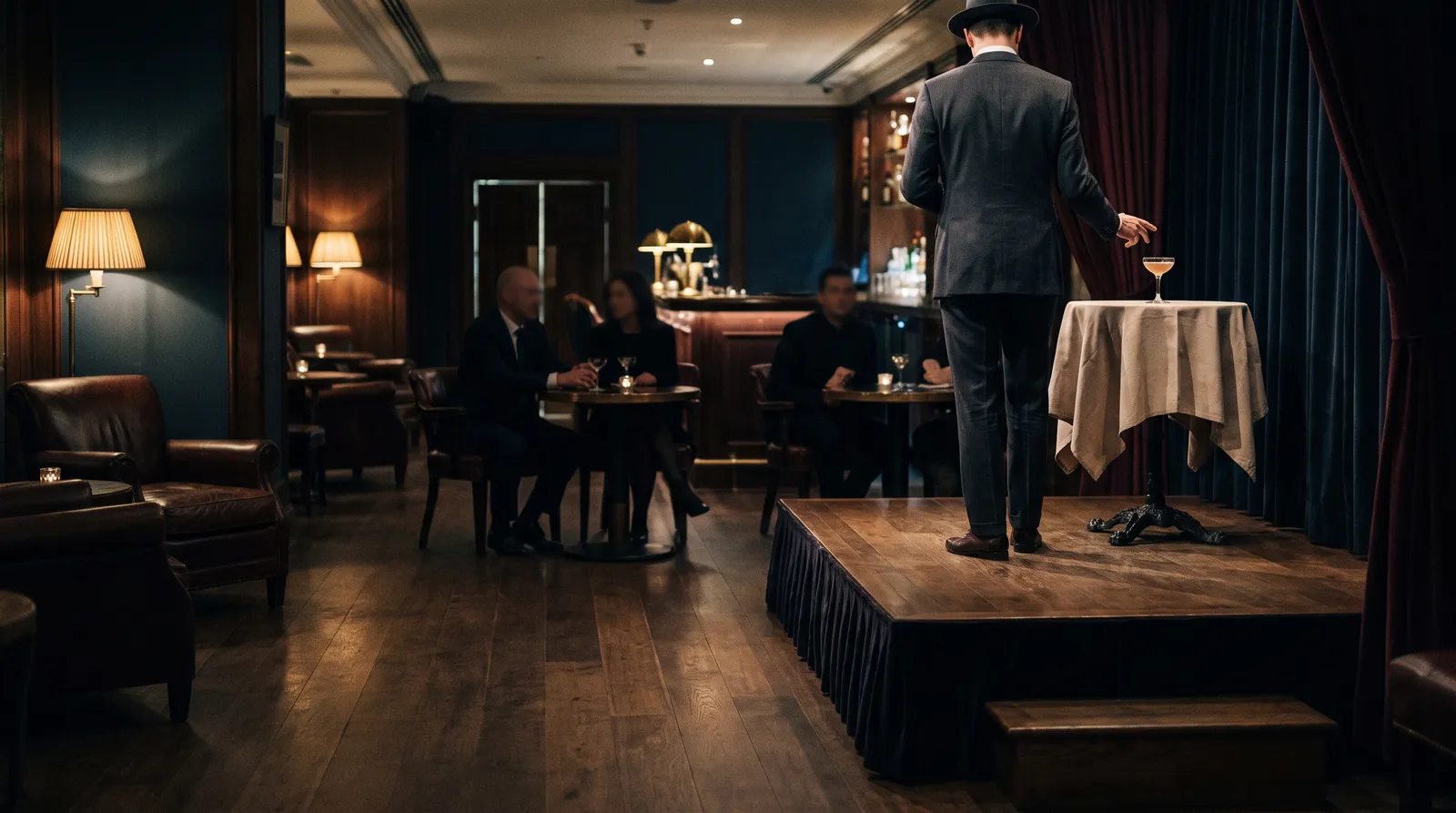
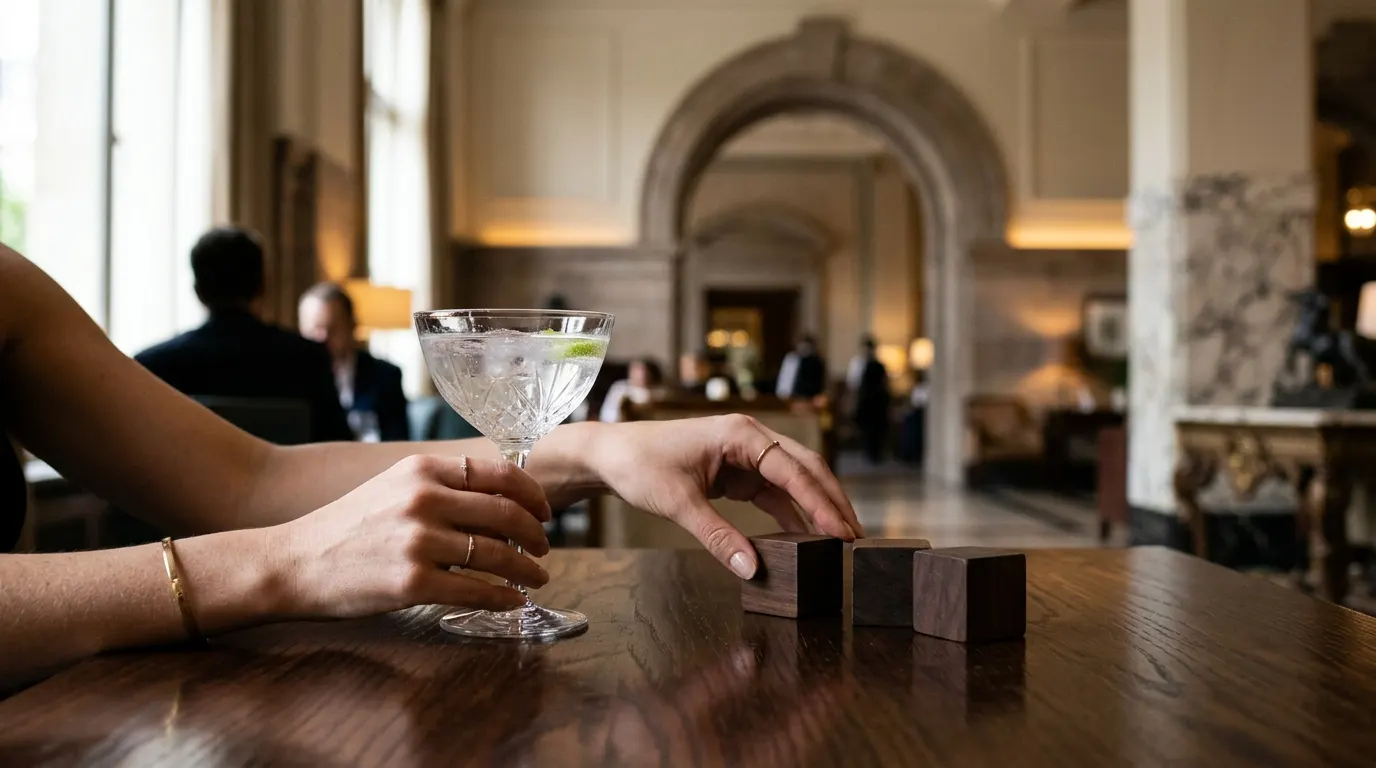
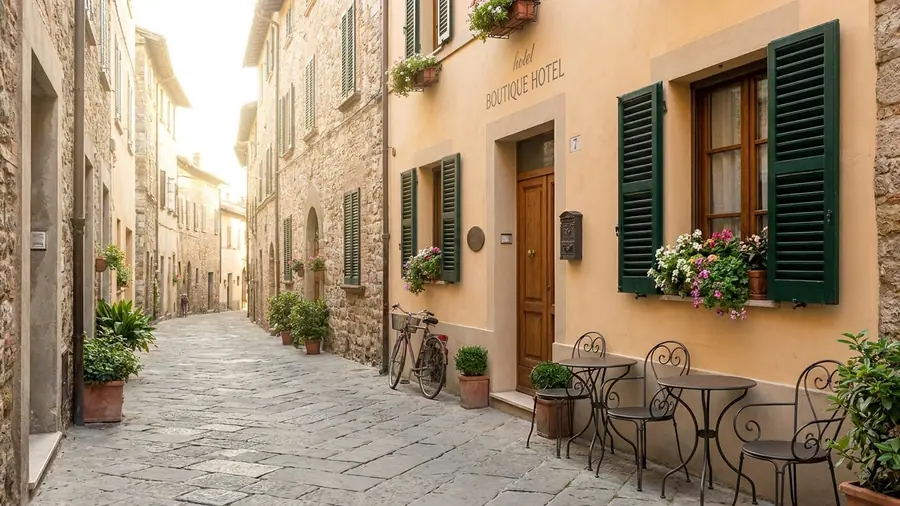
Opening image A hotel offers an intimate magic and cocktail experience in a refined setting. Amorielli studio image
Washington D.C. is a city built on power, prestige, and the quiet ballet of diplomacy. Its grand hotels have long served as silent witnesses to history, their gilded corridors echoing with the hushed conversations of world leaders and the measured footsteps of cultural icons. These are not places known for overt spectacle; their allure lies in understated elegance, impeccable service, and a sense of being at the very nexus of influence. Yet, a recent announcement has introduced a surprising new element into this carefully curated world: magic.
A stately D.C. hotel, a property that has seen everyone from heads of state to luminaries like Robert De Niro and football superstar Kylian Mbappé pass through its doors, is now preparing to host a different kind of star. It is launching a new 90-minute live magic and cocktail experience, a departure from the usual high-stakes political manoeuvres and discreet celebrity encounters. The source, Secret DC, describes it as an offering “you won’t want to miss,” a bold claim in a city where missing the latest policy briefing or power lunch can feel like a far greater oversight.
This development isn’t just a curious anomaly; it’s a bellwether. It signals a deeper shift in what constitutes luxury hospitality, even in the most traditional of settings. The shift is towards experiences, towards the ephemeral and the personal, towards moments that transcend the thread count and the Michelin star. For Amorielli readers, both the discerning traveller and the astute owner, this move raises a compelling question: is a magic show the new must-have amenity in the world’s most dignified hotels, or is it a calculated gamble on an increasingly fickle market?
The New Act in Town: Conjuring Connection in a Digital Age
The news, as reported by Secret DC, is concise: a venerable Washington D.C. hotel, a fixture in the city’s high society, is adding a 90-minute live magic and cocktail experience to its repertoire. The hotel’s pedigree is impeccable, having hosted a guest list that spans global politics and entertainment royalty. This isn’t a new, trendy boutique property trying to make a splash; this is an established institution, a ‘stately’ presence in the nation’s capital, making a deliberate move into the realm of live, intimate entertainment. The choice of magic, specifically, is intriguing.
Magic, particularly the close-up, sleight-of-hand variety, thrives on intimacy and direct engagement. In an era saturated with digital screens and mediated experiences, the direct, unmediated wonder of a live illusion holds a particular power. It demands presence, challenges perception, and, crucially, creates a shared, in-the-moment experience that is increasingly rare. A 90-minute format suggests a structured, sophisticated show, not merely background entertainment, but a focal point for an evening. Paired with cocktails, it evokes the classic allure of a speakeasy or a sophisticated parlour, a space where adults can momentarily shed their cynicism and embrace a sense of playful disbelief.
The hotel’s past clientele—world leaders, film stars, sports icons—underscores its existing reputation for exclusivity and discretion. These are individuals accustomed to the finest things, but also to intense scrutiny. An intimate magic show offers a different kind of escape, a chance to be entertained and amazed in a controlled, private environment, away from the glare of public life. It’s an experience designed not just for hotel guests, but likely for the city’s affluent residents and those seeking a distinctive night out that transcends the typical dinner-and-a-show formula. The very fact that a hotel of this calibre is embracing such an offering speaks volumes about the evolving demands of the luxury market.
Beyond the Marble Halls: D.C.’s Evolving Luxury Scene
Washington D.C.’s hospitality landscape is traditionally defined by gravitas. Its grand hotels often boast Beaux-Arts architecture, historical significance, and a palpable sense of occasion. Think of properties that have seen countless inaugurations, state dinners, and pivotal political discussions. Their lobbies are often hushed, their service precise, their dining rooms home to power breakfasts and discreet negotiations. For decades, the draw was primarily location, prestige, and an almost institutional reliability.
However, D.C. has been quietly transforming. While its identity as a political hub remains paramount, the city has cultivated a vibrant arts scene, a burgeoning culinary landscape, and a growing demand for leisure travel that extends beyond historical monuments. New neighbourhoods have revitalised, bringing with them a wave of independent restaurants, high-end retail, and a younger, more dynamic energy. This shift has put pressure on even the most established luxury hotels to adapt, to offer more than just a comfortable bed and a well-appointed meeting room.
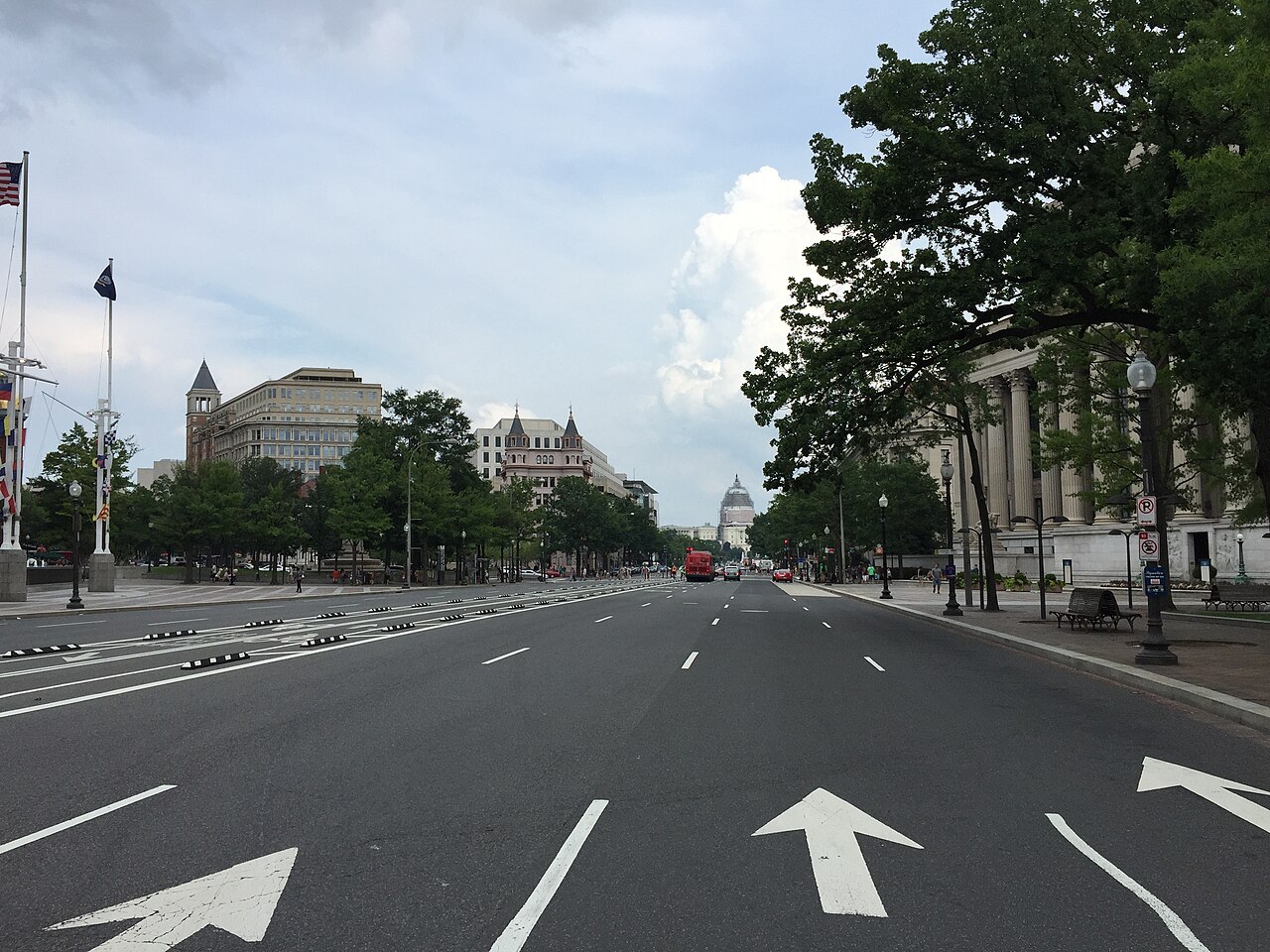
The modern luxury traveller, whether visiting D.C. for business or pleasure, is increasingly seeking authentic, memorable, and shareable experiences. They want stories to tell, not just amenities to list. A hotel can no longer rely solely on its heritage or its location; it must actively engage its guests, offering unique opportunities that differentiate it from its competitors. This means moving beyond the expected spa treatment or the standard afternoon tea, and venturing into more creative, experiential territory. The introduction of a dedicated magic and cocktail experience is a clear response to this evolving demand, a bid to capture a segment of the market that craves novelty and engagement.
The Allure of the Intimate Illusion: Spectacle in Miniature
The choice of a live magic show, specifically one that is 90 minutes and paired with cocktails, taps into several contemporary trends in entertainment and hospitality. Firstly, there’s the ‘anti-digital’ movement. In a world awash with screens, the tangible, immediate, and often baffling nature of live magic offers a refreshing counterpoint. It demands attention, fosters connection, and provides a genuine sense of wonder that algorithms simply cannot replicate. The intimacy of close-up magic, where illusions unfold just inches from the spectator, is particularly potent, creating a personal bond between performer and audience.
Secondly, the resurgence of the speakeasy and the craft cocktail culture has created a demand for sophisticated, adult-oriented entertainment within a refined drinking environment. These venues often prioritise atmosphere, exclusivity, and a curated experience. A magic show within a hotel setting, especially one with a strong bar programme, fits perfectly into this niche. It transforms a hotel’s lounge or a dedicated private space into a destination in itself, drawing both hotel guests and the local populace seeking an elevated night out.
This isn’t about grand stage illusions; it’s about mentalism, sleight of hand, and the art of misdirection, delivered with charm and wit. These performances often require significant skill and years of practice, making them a true art form. By bringing this calibre of entertainment in-house, a hotel signals its commitment to offering not just comfort, but genuine cultural enrichment and sophisticated amusement. It’s a gamble on the enduring human desire to be astonished, to see the impossible made real, even if only for a fleeting moment, and to do so in a setting that feels both exclusive and welcoming.
Hotels as Theatres: A History of Hospitality Entertainment
The idea of a hotel as a venue for entertainment is far from new. Indeed, for centuries, grand hotels were often the epicentres of a city’s social and cultural life. In the late 19th and early 20th centuries, hotel ballrooms hosted elaborate dances, orchestras played nightly in their dining rooms, and cabaret acts graced their stages. From the big bands that defined an era to the jazz clubs tucked into basements, hotels were where society gathered to see and be seen, to dine, dance, and be entertained. They were, in essence, the original multipurpose entertainment complexes.
Over time, as independent theatres, dedicated music venues, and later, television and cinema, rose to prominence, many hotels scaled back their in-house entertainment offerings. The focus shifted more squarely to accommodation, dining, and convention facilities. Entertainment became less about grand performances and more about background music in the lounge or perhaps a resident pianist. However, the pendulum is swinging back. In an increasingly competitive market, hotels are rediscovering the power of unique, in-house experiences to draw guests and differentiate their brand.
This D.C. hotel’s magic and cocktail experience can be seen as a modern iteration of this historical role. It’s a return to the idea of the hotel as a destination for more than just sleep—a place where one can encounter art, culture, and memorable moments without ever having to step outside. It’s a sophisticated revival of the hotel as a social hub, tailored for contemporary tastes that value intimacy, quality, and a touch of the unexpected. By investing in such programming, the hotel is not just offering an amenity; it is reclaiming its historical legacy as a purveyor of prestige and pleasure.
The Business of Enchantment: Why Hotels Invest in Experiences
From a commercial perspective, the decision to launch a magic and cocktail experience at a high-profile D.C. hotel is a calculated strategic move. In today’s highly saturated luxury market, simply offering an exceptional room and service is no longer enough to guarantee loyalty or command premium rates. Hotels, particularly those with a long-standing reputation, must find innovative ways to remain relevant and compelling. Experiences are the new currency.
Firstly, it’s a powerful differentiator. How many other hotels in D.C., especially those of a ‘stately’ character, offer a dedicated, high-quality magic show? Very few, if any. This instantly sets the hotel apart, providing a unique selling proposition that can attract new guests and give existing patrons a reason to return. It creates buzz, generates word-of-mouth, and provides excellent fodder for social media, all invaluable marketing tools in the digital age. Guests are increasingly sharing their travel experiences online, and a captivating magic show offers prime content.
Secondly, it’s a significant revenue generator. A 90-minute show paired with cocktails suggests a premium price point. This isn’t a complimentary amenity; it’s a ticketed event designed to generate additional income, not just from hotel guests but also from the local community. It encourages ancillary spend—guests attending the show might also dine at the hotel’s restaurant beforehand or extend their evening at the bar afterwards. For luxury hotels, maximising revenue per available room (RevPAR) often involves increasing non-room revenue streams, and a successful entertainment programme is an effective way to achieve this.
Furthermore, such an experience enhances guest loyalty and perceived value. Guests who have a truly memorable, unique experience are more likely to book directly again, recommend the hotel to others, and view their stay as more than just a transaction. It transforms the hotel from a place to sleep into a destination in itself, a hub of activity and enjoyment. This deepens the relationship between the guest and the brand, fostering a sense of connection that extends beyond the tangible comforts of the room.
The Stakes and the Sleight of Hand: What Could Go Wrong (or Right)
Introducing a new entertainment offering, especially one as specific as a magic and cocktail experience, comes with its own set of challenges and opportunities. The success of such an endeavour hinges on several critical factors, not least of which is the quality of the performance itself. A hotel of this calibre cannot afford a B-list magician; the talent must be exceptional, capable of captivating an audience accustomed to the highest standards in all aspects of their lives. The performers must possess not only technical skill but also charisma, wit, and the ability to connect with a sophisticated clientele.
Beyond the talent, the execution of the entire experience is paramount. This includes the ambience of the chosen space—is it intimate enough? Does it feel exclusive? The quality of the cocktails, naturally, must match the hotel’s existing reputation for fine dining and beverage programmes. The service before, during, and after the show needs to be seamless, reflecting the meticulous attention to detail that defines luxury hospitality. Any misstep, from a poorly mixed drink to an uninspired illusion, could detract from the hotel’s overall image and lead to negative reviews.
Marketing is another crucial element. How does a stately D.C. hotel communicate this new, somewhat unconventional offering without alienating its traditional clientele? The messaging needs to be carefully crafted, positioning the experience as an enhancement to its existing prestige, rather than a departure from it. It must appeal to those who appreciate refined entertainment and unique cultural offerings, rather than just those seeking a casual night out. The aim is to broaden its appeal while maintaining its exclusive identity.
However, the potential upsides are significant. A successful magic and cocktail experience could become a signature offering, synonymous with the hotel’s brand. It could attract a younger, more diverse demographic while retaining its core high-net-worth guests. It could generate considerable positive press and social media engagement, positioning the hotel as an innovator in the luxury experiential space. In an industry where differentiation is increasingly difficult, a truly unique and well-executed experience can be a powerful competitive advantage, solidifying the hotel’s status as a leader in refined hospitality.
The modern luxury traveller, whether visiting D.C. for business or pleasure, is increasingly seeking authentic, memorable, and shareable experiences.
What it means for where you stay
For the discerning traveller, this development in D.C. offers a clear signal: when choosing your next luxury stay, look beyond the traditional amenities. The landscape of high-end hospitality is evolving, and truly exceptional properties are increasingly defined by their ability to offer unique, immersive experiences. Don’t just ask about the thread count or the spa menu; inquire about the hotel’s curated events, its bespoke activities, and its commitment to providing moments of genuine delight and discovery. A hotel that invests in something as specific as a 90-minute magic and cocktail experience is likely one that understands the value of creating lasting memories, not just providing temporary comfort. Seek out properties that are not afraid to innovate, even if they have a long and storied history. These are the places that are actively working to redefine luxury for the modern age, offering more than just a room, but a richer, more engaging narrative for your travels.
For hotel owners and operators, the message is equally clear: differentiation through experience is no longer optional; it’s imperative. In a market where every new opening seems to promise ‘world-class service’ and ‘curated design’, true competitive advantage will come from offerings that are genuinely unique, memorable, and difficult to replicate. This D.C. hotel’s move demonstrates that even the most established brands can, and perhaps must, embrace new forms of entertainment and engagement to remain relevant. Consider your property’s unique identity and location, and then brainstorm how you can translate that into an experience that surprises and delights your target audience. This might mean partnering with local artists, developing bespoke culinary journeys, or, indeed, bringing in a master illusionist. The investment in such experiences, while potentially significant, can yield substantial returns in terms of brand loyalty, increased revenue streams, and a vibrant, dynamic atmosphere that sets your property apart in a crowded marketplace. The goal isn’t to simply provide a place to sleep, but to offer a stage for truly unforgettable moments.
Source
Secret DC — reported 3 September 2026. Read by the Amorielli news desk.
Report an error in this story · Corrections policy and log
Pictures marked “Amorielli studio image” are illustrative scenes made for this story, not photographs of any property, company or person named. Pictures credited to a photographer are real photographs from Wikimedia Commons, used under the licence named beside each one; each caption says what the photograph shows. Details can change after publication; confirm specifics with the property or source. Like this? Get the newsletter.
Comments