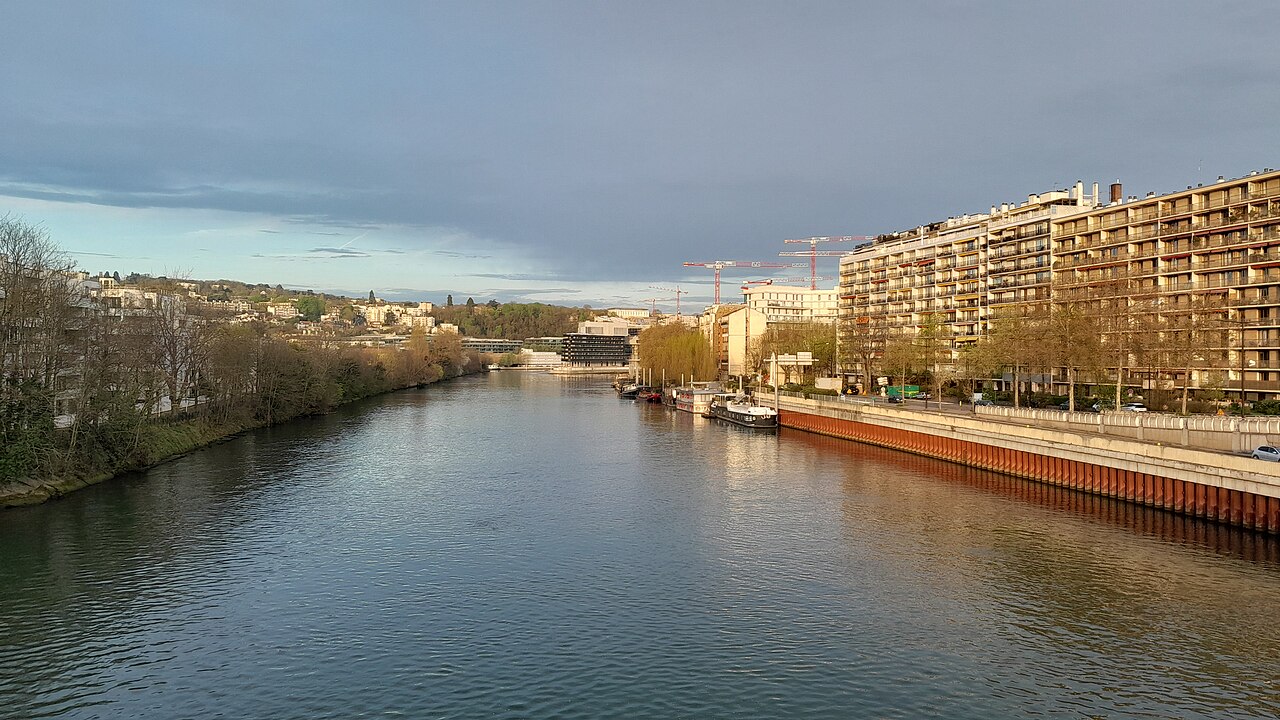
For decades, Île Seguin, a slender landmass nestled in a bend of the Seine southwest of central Paris, was synonymous with industrial might. Its skyline was dominated not by the spires of Notre Dame or the Eiffel Tower, but by the colossal factory complex of Renault, a powerhouse of French manufacturing. This was a place of steel, grease, and the rhythmic clang of production lines, far removed from the city’s postcard-perfect boulevards and hushed museum galleries. It was, in short, a working island, serving a very specific, utilitarian purpose in the national economy.
But the gears of industry turn, and sometimes they grind to a halt. The Renault factory closed its doors in 1992, leaving behind a vast, empty canvas where thousands once toiled. For years, the island lay largely fallow, a monument to a bygone era. Now, however, the narrative of Île Seguin is being rewritten, not with blueprints for new factories, but with plans for cultural institutions, public spaces, and hospitality. This autumn, a significant piece of that ambitious transformation is set to open: Large, a new contemporary art center that promises to shift Paris’s cultural gravity just a little further downriver.
The impending arrival of Large, slated to open its doors on October 17, 2026, marks more than just another gallery opening in a city already saturated with art. It represents a potent symbol of urban regeneration, a deliberate act of reimagining what a post-industrial landscape can become. For Amorielli’s readers, it also signals a new frontier for luxury stays and cultural exploration, a reason to venture beyond the familiar arrondissements and discover a burgeoning destination that marries historical resonance with cutting-edge design.
From Factory Floor to Cultural Hub
The story of Île Seguin is, in many ways, the story of modern France itself. For much of the 20th century, the island was home to the enormous Renault factory, a symbol of national pride and industrial prowess. It was here that some of France’s most iconic automobiles were conceived and built, providing employment for tens of thousands and shaping the identity of the surrounding commune of Boulogne-Billancourt. The factory’s closure was a seismic event, leaving a significant economic and social void, but also presenting an unparalleled opportunity for urban planners and developers to envision a new future.
The idea of transforming former industrial zones into vibrant cultural districts is not new. Cities around the world have embraced this model, from London’s Bankside, where the Tate Modern famously repurposed a power station, to New York’s High Line, which turned an elevated railway into a celebrated park. These projects often share common threads: a desire to preserve some memory of the past while creating something entirely new, to reclaim public space, and to stimulate economic growth through culture and tourism. Île Seguin’s journey follows this well-trodden, yet always challenging, path.
The reinvention of Île Seguin began in earnest some time ago, with initial developments paving the way for a broader cultural vision. The island is already home to La Seine Musicale, a striking performing arts complex that has become a prominent landmark on the river. The ambition, however, extends far beyond a single venue. The entire western tip of the island, known as the Pointe des Arts development, is being conceived as a comprehensive cultural playground, an ecosystem where art, music, cinema, and leisure converge. Large is the newest, and perhaps most significant, anchor in this evolving landscape, offering a dedicated space for contemporary art that aims to draw visitors not just from Paris, but from across the globe.
Large: The New Art Anchor
The specifics of Large, as outlined by Condé Nast Traveler, are compelling. The new contemporary art center, dedicated primarily to the French art scene, occupies a substantial 1.25-acre building. Within its walls, visitors will find nearly 27,000 square feet of exhibition space spread across several levels. A particular highlight is a vast, pillar-free main gallery that rises to an impressive height of 46 feet, offering an expansive canvas for large-scale installations and exhibitions, a rarity in many older Parisian venues.
The architecture of Large is, in itself, intended as a draw. Designed by the Catalan studio RCR Arquitectes, winners of the 2017 Pritzker Architecture Prize, in collaboration with the French practice CALQ, the building is described as playing with light, scale, and views across the Seine. RCR Arquitectes are known for their sensitive integration of architecture with its natural surroundings, often employing robust materials like steel and concrete in a way that feels simultaneously raw and refined, creating spaces that are both monumental and inviting. This approach seems particularly fitting for Île Seguin, bridging its industrial heritage with an artistic future.
Visitors will enter through a 4,000-square-foot atrium, designed to be an amphitheater-like space for talks and performances, before ascending through the building via corridors, monumental escalators, and galleries that overlook one another, fostering a sense of interconnectedness and discovery. Outside, terraces will offer panoramic views towards the river and the hills of Meudon, ensuring that the building’s setting is always part of the experience. Crucially, Large is not intended to function solely as a traditional museum. Around 40 percent of the building will be accessible without a ticket, including the atrium, a bookshop, a children’s art space, and Extra Large, a café with its own panoramic terrace overlooking the Seine. Entry to exhibitions will also be free for visitors aged 26 and under, alongside several other groups, indicating a clear intent to foster broad public engagement.
A Curatorial Nod to the Past
The inaugural exhibition at Large, titled “Moteur Imaginaire (Imaginary Engine),” promises to be more than just a debut; it is a direct engagement with the island’s rich, industrial past. Curated by Cecilia Alemani, the Italian curator renowned for her work on the 2022 Venice Biennale, the exhibition draws explicitly on Île Seguin’s history as the home of the Renault factory. It aims to explore humanity’s complex relationship with machines, industry, and, specifically, the automobile.
Alemani’s curatorial vision, as quoted in the reporting, states: “The exhibition takes its inspiration from the symbolic legacy of the historic Renault factory on the Île Seguin, a site that has long been at the forefront of French industry. The selection of artists and works explores the complex relationship between humans (humanity) and the machines (artifacts) we create, with a particular focus on the automobile. The car here appears as a powerful symbol of innovation, progress, and freedom, whilst acting as a catalyst for technological change, environmental transformations, urban development, and new social identities.” This approach is not merely an academic exercise; it grounds the new institution firmly in the history of its location, giving it a unique narrative anchor.
"The exhibition takes its inspiration from the symbolic legacy of the historic Renault factory on the Île Seguin, a site that has long been at the forefront of French industry. The selection of artists and works explores the complex relationship between humans (humanity) and the machines (artifacts) we create, with a particular focus on the automobile. The car here appears as a powerful symbol of innovation, progress, and freedom, whilst acting as a catalyst for technological change, environmental transformations, urban development, and new social identities," says Cecilia Alemani, the exhibition’s curator.
The exhibition will bring together 120 works by 55 artists from 23 countries, including pieces by established figures such as Jean Dubuffet, Niki de Saint Phalle, Jean Tinguely, and Victor Vasarely. Significantly, it will also feature 17 new commissions, ensuring a contemporary edge. Some of these new works promise a playful, direct engagement with Renault’s legacy. Bertrand Lavier, for instance, will display a Renault Formula One car covered in his signature thick, painterly brushstrokes, while Bianca Bondi will present a Renault 12 chassis transformed using salt, water, and vegetation. Ghanaian artist Paa Joe and his son have even created a hand-carved coffin inspired by the 1899 Renault Type B, a poignant and culturally rich reinterpretation. This thoughtful curation, blending historical context with diverse artistic interpretations, suggests an exhibition that will be both intellectually stimulating and visually engaging.
The Wider Pointe des Arts Vision
Large, impressive as it is, is merely one component of the much grander Pointe des Arts cultural development plan for Île Seguin. This ambitious vision encompasses more than 13 acres, transforming the entire western end of the island into a multifaceted destination. The existing La Seine Musicale, with its distinctive architecture and diverse program of concerts and performances, already serves as a major draw, attracting a broad audience for everything from classical music to contemporary pop. The addition of Large significantly broadens the cultural spectrum, anchoring the visual arts firmly on the island.
Beyond these two major institutions, the development includes further amenities designed to create a complete visitor experience. An eight-screen Pathé cinema offers mainstream entertainment, while Parc Gauthier Mougin is planned to feature more than 30 sculptures, turning green space into an open-air gallery. The integration of public art within parks is a proven strategy for making art accessible and engaging, encouraging casual discovery alongside deliberate visits. This holistic approach is crucial for creating a destination that encourages longer stays and repeat visits, rather than just a quick stop at a single museum.
Completing this picture are plans for restaurants, cafés, and, critically for Amorielli readers, a forthcoming four-star hotel. This hospitality component is essential for cementing Île Seguin’s status as a genuine destination. A successful hotel provides not just accommodation, but also a hub for visitors, offering dining, relaxation, and a base from which to explore the island and its surroundings. The quality and character of this hotel will be vital in attracting the kind of discerning traveller who seeks both high culture and high comfort. Its presence signals confidence in the island’s ability to attract and retain a luxury-oriented clientele, transforming a day trip into an overnight, or even a weekend, stay.
Paris Beyond the Périphérique
The location of Île Seguin, just beyond the official city limits of Paris, in Boulogne-Billancourt, presents both a challenge and an opportunity. For many visitors, the allure of Paris is inextricably linked to its central arrondissements, the iconic monuments, and the well-trodden paths of its historic core. A destination requiring a 10-minute walk from the end of Métro line 9 might, at first glance, seem somewhat remote. However, this very distance from the hyper-touristed centre could be its strength, offering a different kind of Parisian experience.
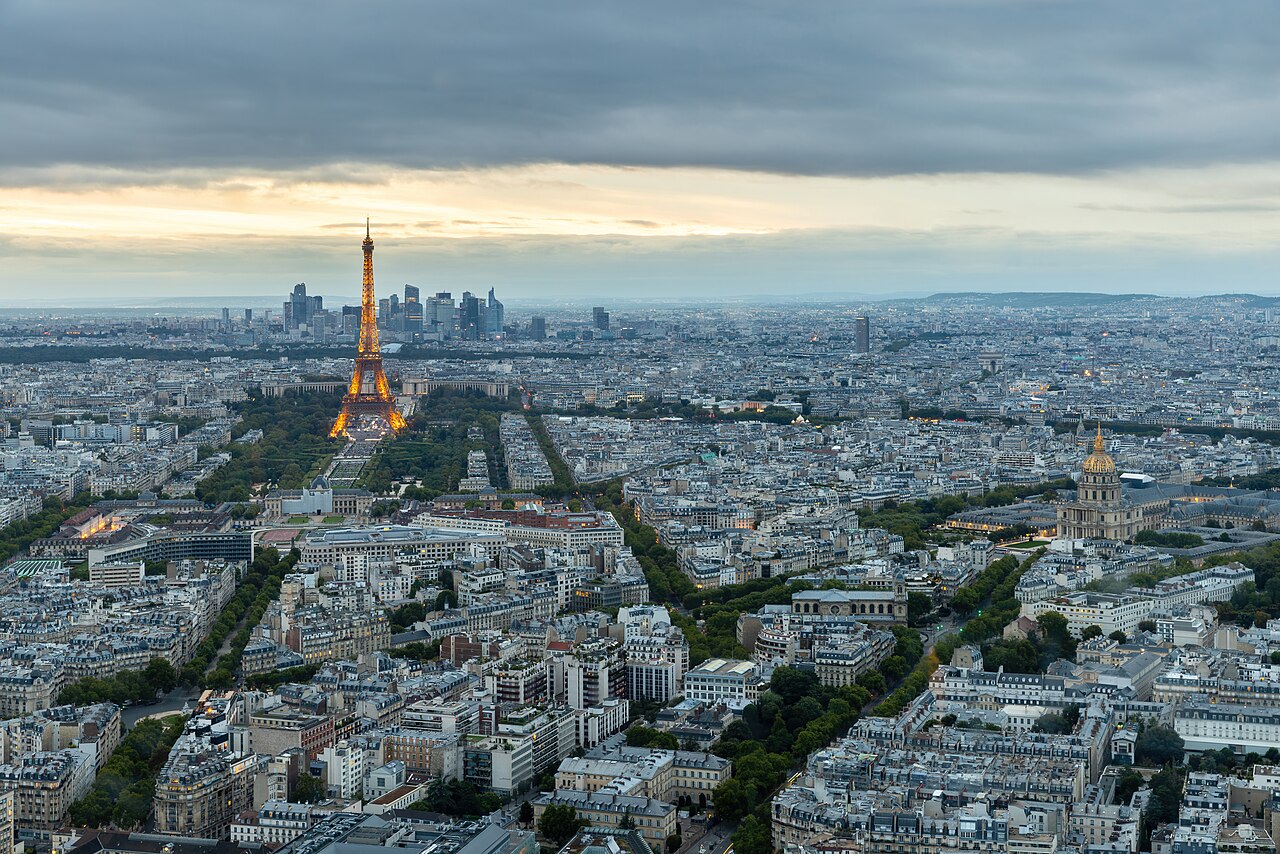
Cities globally are increasingly seeing a decentralisation of cultural attractions, driven by a combination of factors: the scarcity and cost of space in city centres, a desire to regenerate overlooked neighbourhoods, and a recognition that audiences are willing to travel for compelling experiences. Île Seguin benefits from excellent public transport links, making it easily accessible from anywhere in Paris. The Métro line 9, a major artery, offers a direct and efficient connection, meaning the journey is straightforward, if not immediate. This accessibility is paramount for a development seeking to attract a broad audience.
By establishing a significant cultural hub outside the Périphérique, the ring road that encircles central Paris, the Île Seguin project is effectively expanding the definition of “Parisian” culture. It encourages visitors to explore beyond the conventional tourist map, discovering areas that offer a more contemporary perspective on the city. This aligns with a growing trend among savvy travellers who seek authentic, less crowded experiences, and who appreciate the opportunity to delve into the nuances of a city’s wider metropolitan area. It also signifies a strategic investment by the region in its cultural infrastructure, aiming to distribute the benefits of cultural tourism more broadly.
The transformation of Île Seguin is a potent narrative of urban alchemy, taking the raw materials of history and forging something new.
What it means for where you stay
For the discerning traveller considering a trip to Paris, the opening of Large and the ongoing development of Île Seguin present a compelling new option for cultural immersion. No longer is the city’s contemporary art scene solely concentrated within the Marais or the Beaubourg district. This new hub offers a fresh perspective, a chance to engage with art in a purpose-built, architecturally significant space that directly acknowledges its industrial past. It suggests an itinerary that could include a morning at the Louvre, an afternoon exploring the modern galleries of central Paris, and then an evening dedicated to the performances at La Seine Musicale or the exhibitions at Large, perhaps followed by dinner with river views. It means planning for a full day, or even an overnight stay, to truly appreciate the island’s offerings, particularly once the four-star hotel opens. For those who have visited Paris many times, this offers a genuinely new layer to explore, moving beyond the well-trodden paths to discover a vibrant, emerging cultural landscape.
For property owners and hosts, particularly those operating in the high-end vacation rental market, the transformation of Île Seguin signals a significant shift in the desirability and potential value of properties in Boulogne-Billancourt and its immediate vicinity. Historically, this area might have been considered a residential suburb, but with the influx of world-class cultural institutions, a cinema, planned sculptures, and a new hotel, it is rapidly evolving into a destination in its own right. This creates a ripple effect: increased visitor numbers will drive demand for accommodation, from short-term luxury apartment rentals to boutique hotel rooms. Property owners in the area should anticipate a rise in interest from culturally inclined travellers seeking a blend of Parisian accessibility and a quieter, more contemporary environment. Investing in properties that offer design-led interiors, modern amenities, and easy access to the Métro line 9 could prove to be a shrewd long-term strategy, capitalising on the island’s burgeoning reputation as a cutting-edge cultural centre. The market for luxury stays is always seeking the next compelling narrative, and Île Seguin is currently writing one of the most intriguing.
Sources
Condé Nast Traveler — reported 17 October 2026. Read by the Amorielli news desk.
- bonart.cat - RCR architects outline a new horizon for art in Paris - Bonart.
- renaultgroup.com - The Renault factory on the Seguin island.
- confinity.com - Tate Modern: A Power Station on the Thames | Confinity.
- en.wikipedia.org - Boulevard Périphérique - Wikipedia.
- merveil-paris.com - Art Galleries in the Marais in 2026: The Tour | Merveil Paris.
Checked by the Amorielli standards desk: 68 specifics checked, 66 traced to the source material and the sources added below, 2 general background, none removed.
Report an error in this story · Corrections policy and log
Pictures marked “Amorielli studio image” are illustrative scenes made for this story, not photographs of any property, company or person named. Pictures credited to a photographer are real photographs from Wikimedia Commons, used under the licence named beside each one; each caption says what the photograph shows. Details can change after publication; confirm specifics with the property or source. Like this? Get the newsletter.
Comments