The Plaza Hotel, a sentinel on Fifth Avenue and a fixture in New York City’s cultural imagination, is preparing for an unprecedented four-year closure. Beginning this upcoming January, the grand dame will cease operations to allow for an extensive repair and restoration of its landmark-protected exterior. It is a monumental undertaking, signalling not just a temporary pause for a single property, but a stark reminder of the immense cost and complexity involved in preserving the architectural heritage that defines so many of our most cherished luxury stays.
Fairmont Hotels & Resorts, the operator of the storied establishment, confirmed the plans in a press statement, noting the hotel’s “unique place in New York City’s architectural heritage and cultural history.” The statement underscored the “complexity of maintaining a property of such architectural and historical significance,” citing “careful consideration given to preservation requirements and the building’s long-term care, as well as the safety of our guests, employees, and the wider community.” While the necessity of such work on a building dating back to 1907 is undeniable, the sheer duration of the closure—at least four years—is a jolt to the city’s hospitality landscape and to anyone who holds a particular affection for the Plaza’s enduring charm.
A Century of Story and Stone
The Plaza Hotel has stood proudly at the nexus of Central Park and Fifth Avenue since 1907, a testament to the vision of its architect, Henry Janeway Hardenbergh. For well over a century, its distinctive French Renaissance château style has defined a corner of Manhattan, its edifice witnessing the ebb and flow of New York history. The building is more than just a hotel; it is a cultural touchstone, a backdrop for countless personal milestones and a character in its own right in the city’s narrative.
Its guest list reads like a who’s who of the 20th century, from the Beatles finding refuge within its walls to Christian Dior adding a touch of Parisian chic. On the silver screen, its presence has been equally magnetic, starring in classics such as The Way We Were and The Great Gatsby’s 2013 adaptation. But perhaps its most beloved fictional resident remains Eloise, the mischievous child of author Kay Thompson’s imagination, whose adventures cemented the Plaza’s playful, yet undeniably sophisticated, identity in the minds of generations.
This is not the first time the Plaza has undergone significant change. In 2005, the building saw a substantial renovation that partly converted its hotel rooms into luxury condominiums. This transformation reflected a broader trend in high-value urban real estate, blurring the lines between transient hospitality and permanent residence. That earlier project, however, did not necessitate a complete closure of the hotel portion for such an extended period, highlighting the exceptional nature of the current undertaking.
The Demands of a Landmark Facade
The decision to close for four years for facade work speaks volumes about the condition of the building’s exterior and the stringent requirements of New York City’s landmark preservation laws. While the exact details of the complex work remain undisclosed by Fairmont, the scope is clearly immense. Historic facades, particularly those constructed with intricate stonework, terra cotta, and ornate detailing common in early 20th-century architecture, are subject to relentless wear from weather, pollution, and the passage of time.
Water infiltration, freeze-thaw cycles, and the natural degradation of mortar and stone can lead to cracks, spalling, and dislodged elements, posing significant safety risks. For a building of the Plaza’s stature and public visibility, any deterioration of its exterior is not only an aesthetic concern but a serious structural and liability issue. The city’s Landmarks Preservation Commission, tasked with safeguarding such architectural treasures, typically mandates meticulous restoration using historically appropriate materials and methods, which are often labour-intensive and costly.
The announcement underscores that the “scope and complexity of the façade works require detailed planning and coordination with relevant stakeholders, alongside adherence to applicable historic preservation requirements.” This suggests a multi-faceted project involving architects specialising in historic preservation, structural engineers, skilled artisans, and a host of regulatory approvals. It is a slow, exacting process, where every piece of stone, every decorative element, must be carefully assessed, repaired, or replicated to maintain the building’s original integrity.
A Four-Year Hibernation for a Hospitality Icon
For a hotel of the Plaza’s calibre, a four-year closure represents an extraordinary disruption. The property’s 282 rooms will be shuttered, bringing an end to the daily rhythm of guest arrivals and departures. More poignantly, the Palm Court, which has hosted the Plaza’s celebrated afternoon tea for over a century, will also close. This is not merely a temporary inconvenience; it is a hiatus for a significant cultural institution, a pause in a tradition that has defined luxury hospitality for generations.
The economic implications are substantial. Four years of lost revenue for a property that commands premium rates in one of the world’s most competitive markets is immense. While the restoration is a capital expenditure, the absence of operational income will undoubtedly be felt by the owners and operators. This decision signals a long-term investment strategy, prioritising the enduring value and structural integrity of the asset over immediate profitability. It is a calculated gamble that the Plaza’s brand equity and its revitalised appearance will justify the prolonged absence and the considerable financial outlay.
A four-year closure for a hotel of the Plaza’s calibre represents an extraordinary disruption, a hiatus for a significant cultural institution, and a pause in a tradition that has defined luxury hospitality for generations.
The luxury hotel market in New York City is dynamic and fiercely competitive, with new properties constantly emerging and existing ones undergoing significant modernisations. While the Plaza’s legacy is formidable, a four-year absence means it will return to a potentially altered landscape, with new contenders vying for the attention of high-end travellers. Its return will need to be carefully orchestrated to reassert its position and remind guests of its unique appeal.
The Unseen Impact on Residents and Staff
Beyond the hotel’s guests and operations, the closure raises questions for the Plaza’s other inhabitants: its 181 condo residents. The source material notes that one of these condos listed for $8 million a few years back, underscoring the high value of these private residences. Fairmont’s statement did not clarify whether these residents would need to vacate the premises during the renovation. This is a critical detail, as a four-year facade project would invariably involve extensive scaffolding, noise, dust, and potential disruptions to light and views, significantly impacting the quality of life for those living there.
Coordinating such a massive project in a mixed-use building, where private residences coexist with a public hotel, adds layers of complexity. The needs and rights of condo owners, who have invested heavily in their homes, must be carefully balanced with the operational requirements of the restoration. This often leads to intricate legal and logistical challenges, requiring detailed communication and potentially compensation for the disruption.
Equally significant is the impact on the Plaza’s substantial workforce. The Hotel & Gaming Trades Council union, which represents the 378 staff members working at the Plaza, will be attempting to place them in different jobs. This is a considerable number of employees, whose livelihoods are directly affected by the closure. While unions often have mechanisms to assist members in such situations, the sheer scale of displacement highlights the human cost of such large-scale property renovations. The hospitality sector, especially in a city like New York, relies heavily on experienced staff, and retaining that institutional knowledge through a four-year hiatus will be a challenge.
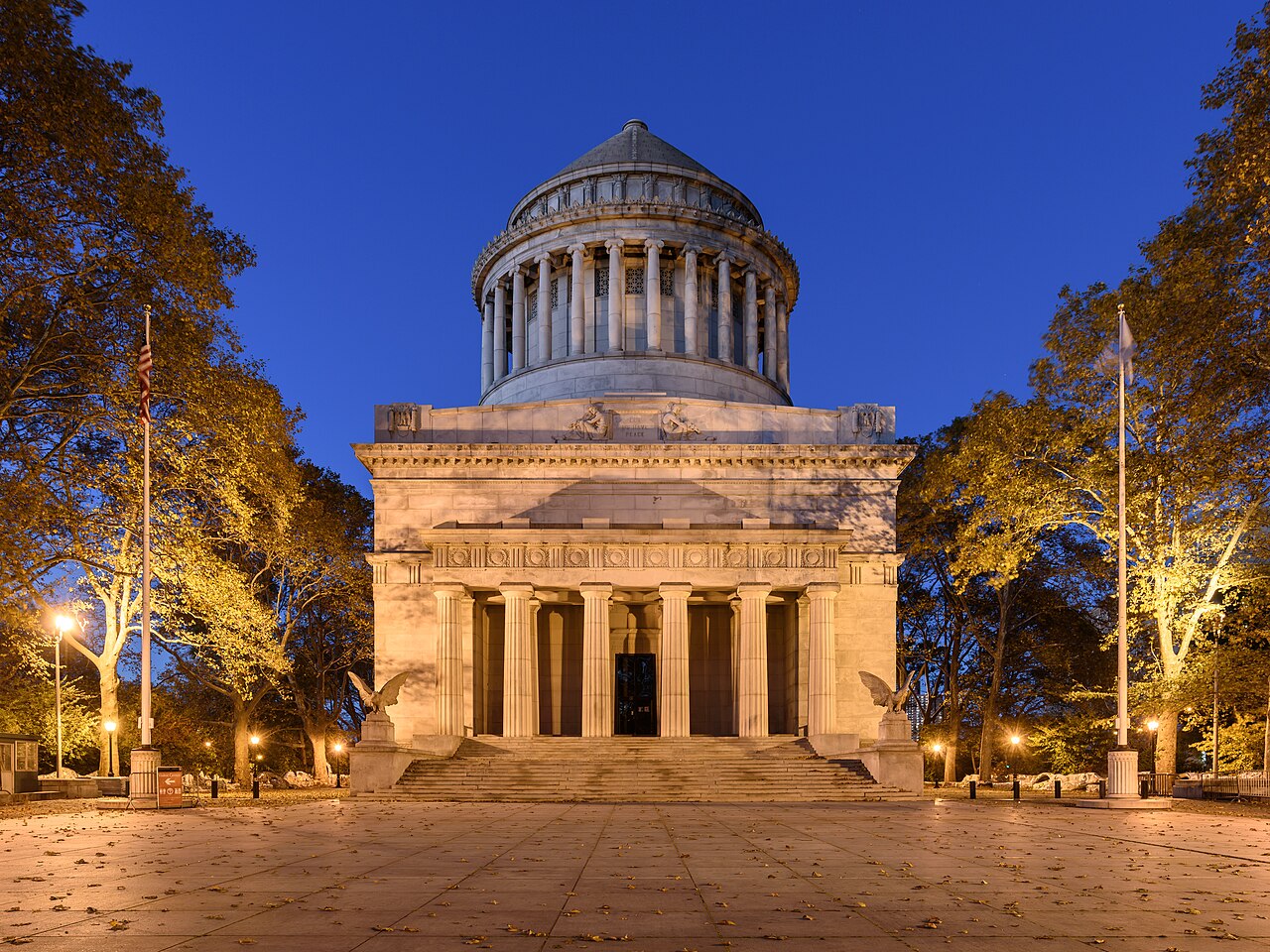
“Understanding the unique place in New York City’s architectural heritage and cultural history it holds, the Plaza Hotel is advancing plans for repair and restoration works to its landmark-protected façade,” Fairmont Hotels & Resorts, the Plaza’s operator, said in a press statement.
The Broader Canvas of Historic Preservation
The Plaza’s situation reflects a broader challenge faced by owners and operators of historic luxury properties worldwide. Maintaining these grand dames, with their intricate architecture, bespoke craftsmanship, and often outdated infrastructure, is a constant battle against entropy and escalating costs. Unlike newer builds, where materials are standardised and construction methods streamlined, historic renovations demand a bespoke approach, often requiring custom fabrication and specialist skills that are increasingly rare.
The decision to undertake such an extensive, long-term project often comes after years of smaller interventions, patching, and temporary fixes. Eventually, a point is reached where a comprehensive overhaul becomes not just desirable, but essential for the building’s long-term viability and safety. This is particularly true for facades, which are the public face of a property and critical to its structural integrity. The Plaza’s choice to commit to a four-year closure, rather than attempt a piecemeal renovation with the hotel partially open, suggests the work required is fundamental and cannot be rushed or compromised.
This kind of investment in heritage is a double-edged sword. On one hand, it preserves invaluable architectural and cultural assets, ensuring they remain part of our urban fabric for future generations. On the other, it represents a significant financial burden, often requiring patient capital and a willingness to forego short-term gains. It also forces a re-evaluation of the property’s future, its amenities, and its competitive positioning once it re-emerges. The expectation, of course, is that the revitalised Plaza will be even more resplendent, capable of commanding even higher rates and reinforcing its legendary status.
What it means for where you stay
For the luxury traveller contemplating a visit to New York City, the Plaza’s closure means a significant, albeit temporary, void. Those seeking the particular brand of Gilded Age grandeur and historical resonance that the Plaza offers will need to adjust their plans for the next four years. While New York is replete with exceptional luxury hotels, few possess the unique blend of history, location, and cultural cachet of the Plaza. Travellers might explore other historic grand hotels in the city, or opt for newer, design-forward properties that offer a different, more contemporary take on luxury.
This period of absence also presents an opportunity for other high-end establishments to capture a segment of the market that might otherwise have gravitated towards the Plaza. It will be interesting to observe how the competitive landscape shifts and whether other iconic properties see an uptick in bookings from those seeking a classic New York experience.
For owners and hosts in the luxury rental and hospitality market, the Plaza’s saga serves as a powerful object lesson. It underscores the critical importance of proactive, long-term maintenance planning, especially for historic properties. The cost of delaying essential repairs can be astronomical, eventually necessitating drastic measures like extended closures. It highlights that an asset’s value isn’t just in its immediate earning potential, but in its structural integrity and its ability to withstand the test of time.
Furthermore, for those involved in mixed-use developments, where residential and commercial spaces coexist, the Plaza’s situation is a stark reminder of the complexities inherent in such projects. Clear communication, robust contingency planning, and an understanding of the diverse stakeholder interests are paramount when embarking on large-scale renovations. Ultimately, the Plaza’s four-year hibernation is a testament to the enduring value of heritage, but also to the immense commitment—financial, logistical, and human—required to preserve it.
Sources
Robb Report — reported 15 October 2026. Read by the Amorielli news desk.
- evergreene.com - The Plaza Hotel & Residences - EverGreene.
- ala.org - Literary Landmark: Plaza Hotel, home of Eloise - Kay Thompson | United for Libraries.
Checked by the Amorielli standards desk: 32 specifics checked, 32 traced to the source material and the sources added below, none removed.
Report an error in this story · Corrections policy and log

Pictures marked “Amorielli studio image” are illustrative scenes made for this story, not photographs of any property, company or person named. Pictures credited to a photographer are real photographs from Wikimedia Commons, used under the licence named beside each one; each caption says what the photograph shows. Details can change after publication; confirm specifics with the property or source. Like this? Get the newsletter.