A new ultra-luxury hospitality brand is set to arrive on Mykonos, with its flagship property scheduled to open in May 2027. This venture comes from Ora Hospitality, described as the design-driven hospitality arm of the global real estate entity Ora Developers. The yet-to-be-named brand signals a significant investment, with its debut resort on the Greek island carrying a price tag of €100 million.
The announcement, made in October 2026, details a vision that aims to carve out a distinct niche within the crowded high-end travel market. The brand’s stated goal is to offer a “fresh approach” to ultra-luxury, one that seeks to balance elements of “exploration and discovery with moments of tranquillity, escape and renewal.” This is a familiar refrain in the upper echelons of hospitality, but the specifics of its execution on Mykonos — an island often associated more with energetic revelry than quiet introspection — bear closer examination.
Behind this ambitious project is Naguib Sawiris, who is reportedly guiding every aspect of the resort’s design and concept personally. His involvement, described as deeply personal and rooted in decades of family memories on Mykonos, suggests a project driven by more than just commercial opportunity. The promise is a property that will weave art, architecture, music, wellness, and local gastronomy into a guest experience defined by “intuitive, personal service.” It is a grand statement for a market already saturated with grand statements, and it invites a deeper look into what this new entrant might genuinely bring to the Aegean.
Ora Developers: A Global Real Estate Force Enters Hospitality
To understand the magnitude of Ora Hospitality’s entry into the ultra-luxury segment, it is useful to first consider its parent company, Ora Developers. Naguib Sawiris is a name synonymous with large-scale development and significant financial influence, particularly across the Middle East and Africa. Ora Developers, as a global real estate leader, has built a reputation for undertaking ambitious projects, often master-planned communities that encompass residential, commercial, and leisure components. Their portfolio typically includes sprawling developments that redefine landscapes, from residential compounds to integrated townships.
The move into hospitality through a dedicated arm, Ora Hospitality, is a natural progression for a real estate developer of this scale. In many large-scale developments, hotels and resorts serve as anchor points, drawing visitors and residents, and adding prestige and value to the surrounding properties. However, creating and managing an “ultra-luxury” hospitality brand is a different beast entirely from constructing and selling residential units or office towers. It demands a nuanced understanding of service, guest experience, and brand identity, areas where a pure real estate play can sometimes fall short.
Sawiris’s personal involvement in the Mykonos project, as reported, is noteworthy. While many developers lend their name or capital to a hospitality venture, few immerse themselves in the granular details of “curating custom playlists” or “sourcing artwork from local artists.” This level of hands-on engagement suggests a genuine passion project, perhaps even a legacy endeavor, rather than a purely strategic diversification. It echoes a trend seen in other high-net-worth individuals who, having achieved success in other sectors, turn their attention to hospitality as a means of expressing personal taste, creating unique experiences, or simply enjoying the process of building something tangible and experiential.
The financial backing of Ora Developers, a company with a track record of multi-million and billion-dollar projects, immediately lends credibility to the €100 million investment on Mykonos. This is not a speculative venture by a small player; it is a calculated move by a formidable entity. The capital available allows for a certain freedom in design, materials, and staffing that smaller operations cannot match. It permits the pursuit of genuine quality and the kind of long-term vision that Sawiris himself articulates, focusing on “meaningful businesses that deliver lasting value for guests, partners, and local communities alike.” This long-term perspective is often a distinguishing feature of developer-backed hospitality, as opposed to pure hotel management companies driven by quarterly returns.
Historically, the lines between real estate development and hospitality have blurred considerably. Many of the world’s most renowned hotel groups began as, or evolved into, significant real estate players, owning the assets they operate. Conversely, developers frequently bring in established hotel brands to manage properties, leveraging their expertise and global booking systems. Ora Hospitality’s decision to launch its own, as yet unnamed, brand signals a desire for complete control over the vision and execution. This approach, while more demanding, allows for a truly distinctive product, unconstrained by existing brand standards or third-party management agreements. It is a bold move, indicative of a leadership team confident in its ability to not only build the physical structure but also to define and deliver the intangible essence of ultra-luxury hospitality.
Mykonos: The Evolution of an Icon
Mykonos occupies a unique, often contradictory, position in the global imagination. For decades, it has been synonymous with hedonism, a crucible of international nightlife, beach clubs that pulse from afternoon until dawn, and a scene that attracts a specific, celebratory crowd. The island’s reputation as a party destination, particularly during peak summer months, is well-earned and meticulously maintained by its vibrant hospitality sector. Yet, beneath the veneer of relentless revelry, there has always existed another Mykonos: the Cycladic charm of its whitewashed villages, the quiet beauty of its lesser-known coves, and the authentic rhythm of island life that predates the superyachts and DJs.
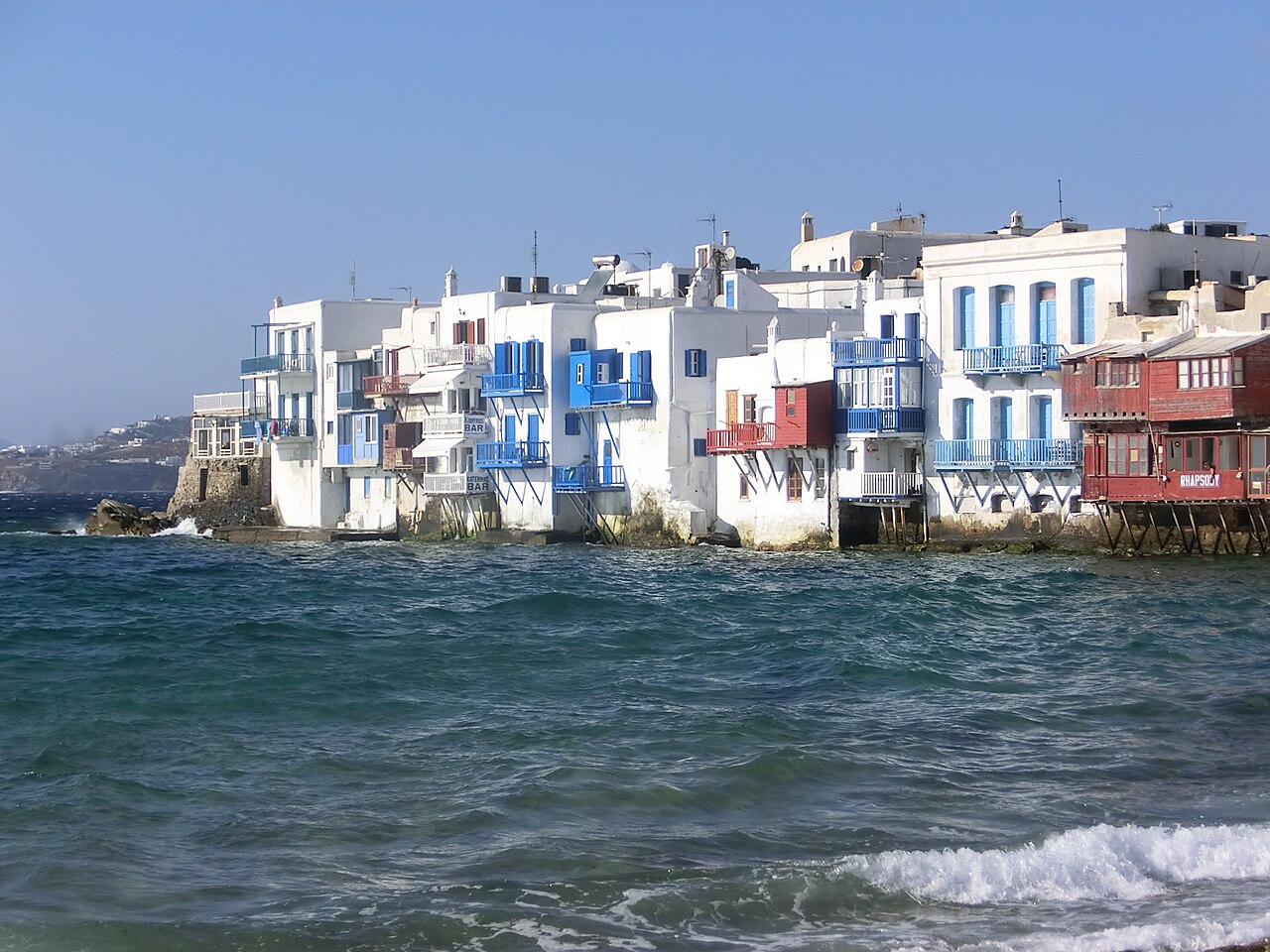
In recent years, however, Mykonos has begun a subtle, yet significant, transformation. While the party culture remains robust, there has been a noticeable shift towards a more sophisticated, high-end offering. The influx of ultra-luxury hotels, private villas, and refined dining experiences speaks to a growing demand for a different kind of Mykonos holiday – one that prioritises privacy, understated elegance, and a deeper engagement with the island’s natural beauty and cultural heritage. This shift is partly driven by the maturation of its core demographic, with many long-time visitors now seeking more refined experiences, and partly by the broader trend in luxury travel towards authenticity and exclusivity.
The island’s topography, with its dramatic hillsides, hidden beaches, and panoramic Aegean views, lends itself perfectly to this evolution. Developers have increasingly sought out parcels of land away from the busiest hubs, allowing for the creation of secluded resorts that offer a sense of escape. Kalo Livadi Bay, where Ora Hospitality’s debut resort will be situated, is one such area. While not entirely unknown, it is generally considered a more tranquil alternative to the likes of Psarou or Super Paradise, offering a blend of beach life and relative serenity. The description of the site as an “elevated hillside rising above Kalo Livadi Bay” and an “undeveloped stretch of prime coastline” points to a deliberate choice to leverage the island’s natural assets for a more private, view-driven experience.
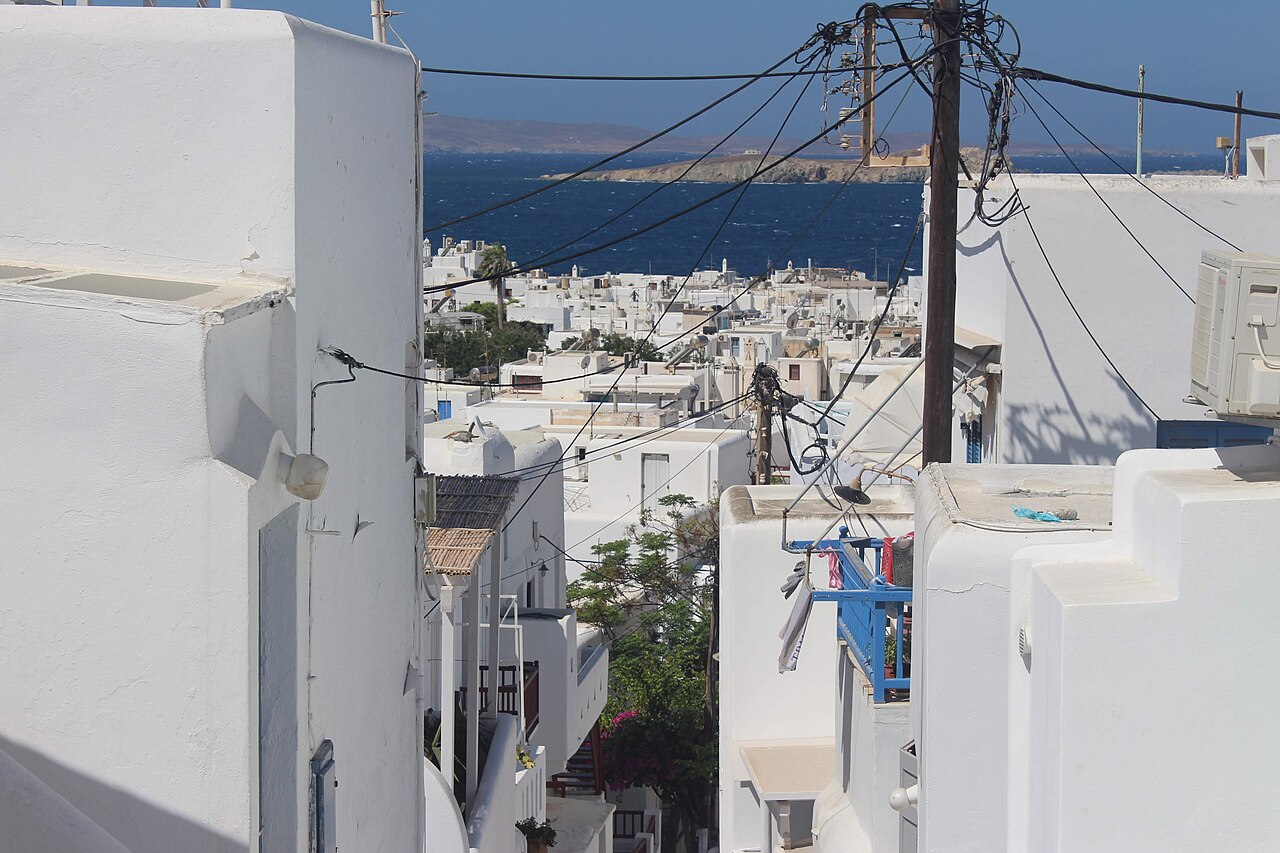
The price point of Mykonos property and hospitality has soared over the last decade, reflecting its desirability and the limited supply of premium locations. The island has become a magnet for investment, drawing both international brands and independent operators keen to capitalise on its enduring appeal. This competitive landscape means that any new entrant, especially one aiming for the “ultra-luxury” tier, must bring something genuinely distinctive to the table. Simply offering high thread counts and private pools is no longer enough; guests at this level expect an experience that is both seamless and singular, deeply connected to the place while delivering global standards of service.
The seasonal nature of Mykonos also presents a challenge and an opportunity. The island truly comes alive during the summer months, with a relatively short, intense peak season. Resorts must be designed to maximise revenue during this period, but also to retain appeal during the shoulder seasons, when the island sheds some of its frenetic energy and reveals its quieter charm. A brand aiming to showcase the “more refined, quieter side of Mykonos” might find particular success in extending its season, appealing to those who prefer the island’s gentler pace in spring or autumn. This aligns with a broader industry trend of encouraging year-round tourism in popular destinations, mitigating the impacts of over-tourism during peak times and supporting local economies more consistently.
The Architecture of Tranquillity: Rockwell Group and the Mykonos Vision
The choice of Rockwell Group to design Ora Hospitality’s Mykonos resort is a significant detail, speaking volumes about the ambition and aesthetic direction of the project. Rockwell Group is a globally recognised architecture and interior design firm, celebrated for its work in hospitality, theatre, and retail. Their portfolio includes numerous high-profile hotels, restaurants, and public spaces, often characterised by a theatrical flair, a keen eye for storytelling, and a masterful integration of local context with contemporary design principles.
For a project aiming to blend “contemporary luxury with nature through seamless indoor-outdoor spaces,” Rockwell Group is a logical fit. The firm has a proven track record of creating environments that blur the boundaries between interior and exterior, using natural materials, abundant light, and thoughtful landscaping to create a sense of place. Their approach often involves a deep dive into the cultural and historical narratives of a location, translating them into design elements that feel both authentic and modern. On Mykonos, this could manifest in a sophisticated reinterpretation of Cycladic architecture, moving beyond the cliché of whitewashed cubes to explore more nuanced forms, textures, and spatial arrangements.
The resort’s layout, described as “village-style with sea views and private outdoor spaces,” suggests a design that respects the traditional scale and rhythm of island settlements. This approach, rather than presenting a monolithic hotel block, creates a more intimate and dispersed experience for guests. It allows for a greater sense of privacy and connection to the landscape, with individual rooms, suites, and villas nestled into the hillside. The 93 keys – comprising 60 rooms, 28 suites, and five exclusive villas – further underscore this tiered offering, catering to different preferences for space and seclusion. The villas, in particular, will undoubtedly represent the apex of the resort’s offering, providing private sanctuaries for those seeking ultimate discretion.
The integration of four restaurants and bars, an event space for 200 guests, and a substantial 900m² wellness centre demonstrates a comprehensive approach to guest amenities. The wellness centre, in particular, points to a strong emphasis on the “renewal” aspect of the brand’s stated mission. A facility of this size allows for a wide array of treatments, fitness programmes, and holistic experiences, positioning the resort as a destination for well-being as much as for leisure. The F&B offerings will be crucial in defining the resort’s character, and given the focus on “local gastronomy” and partnerships with “leading global names,” one can anticipate a diverse and high-quality culinary programme that reflects both international sophistication and regional flavour.
Naguib Sawiris’s personal guidance over the design and concept, extending to details like custom playlists and local artwork, further reinforces the bespoke nature of the project. This level of involvement, while potentially challenging for the design team, ensures a cohesive vision that is deeply personal to the founder. It suggests a strong desire to avoid a generic, off-the-shelf luxury aesthetic, instead striving for a unique identity that resonates with Sawiris’s own experiences and appreciation for Mykonos. The challenge for Rockwell Group, then, is to translate this personal vision into a built environment that is both functionally excellent and aesthetically compelling, creating spaces that genuinely evoke the “refined, quieter side of Mykonos” while meeting the demands of contemporary ultra-luxury travel.
Defining Ultra-Luxury in a Crowded Market
The term “ultra-luxury” has become almost ubiquitous in hospitality marketing, often applied to properties that, while certainly high-end, do not always deliver an experience truly beyond the ordinary. For Ora Hospitality’s new brand to genuinely stand out, it must offer a clear, tangible differentiation. The announcement provides several clues as to how it intends to achieve this: an experience-led approach, a focus on art, architecture, music, wellness, and local gastronomy, and partnerships with leading global names in these fields.
An “experience-led approach” in ultra-luxury typically translates into highly personalised itineraries, access to exclusive local activities, and immersive cultural encounters. It moves beyond passive consumption of amenities to active participation in a destination’s offerings. For Mykonos, this could mean anything from private yacht charters to secluded coves, to cooking classes with local chefs, to guided tours of ancient sites or traditional villages often overlooked by the party crowd. The emphasis on “local gastronomy” and sourcing artwork from “local artists” under Naguib Sawiris’s guidance suggests an attempt to root the guest experience firmly in the island’s unique identity, rather than presenting a generic international style that could be found anywhere.
The mention of partnerships with “leading global names across wellness, F&B and lifestyle” is also a common strategy in this segment. These collaborations can bring instant credibility and a touch of glamour, elevating the perceived value of the resort’s offerings. Whether these partnerships involve Michelin-starred chefs overseeing a restaurant, renowned wellness practitioners developing bespoke programmes, or high-end fashion or design brands contributing to retail or aesthetic elements, they are designed to create buzz and attract a discerning clientele accustomed to the best. The key, however, will be ensuring these partnerships feel organic and integrated into the resort’s core vision, rather than appearing as mere endorsements.
The concept of “intuitive, personal service” is arguably the most challenging and most crucial aspect of ultra-luxury. It goes beyond efficient check-ins and polite staff; it implies a predictive understanding of guest needs, a seamless anticipation of desires, and a genuine warmth that makes each interaction feel authentic and unscripted. This requires meticulous staff training, a high staff-to-guest ratio, and a culture of genuine hospitality that permeates every level of the organisation. For a new brand, building this service culture from the ground up is an immense undertaking, but one that is absolutely essential for long-term success in the top tier of the market.
Naguib Sawiris’s personal connection to Mykonos and his stated desire to create a resort that “leaves a positive mark on the island” and makes people “feel true happiness” are powerful emotional anchors for the brand. In an age where travellers often seek more than just comfort, but also meaning and connection, this narrative could resonate strongly. If the resort can genuinely deliver on the promise of allowing guests to “slow down, connect and experience the island in a more meaningful way,” it could indeed carve out a distinctive identity, appealing to those who appreciate Mykonos for its deeper charms rather than solely its reputation for exuberance.
The true test of ultra-luxury is not just in what a property offers, but in how it makes a guest feel, and whether that feeling lingers long after the stay concludes.
The Mykonian Competitive Landscape and What Came Before
Mykonos, for all its charm, is not an easy market to crack. The island has seen a proliferation of high-end properties over the past decade, from established international chains to independent boutique hotels and a vast network of private villas available through platforms like Airbnb and Vrbo. This intense competition means that any new entrant must not only meet but exceed the already high expectations of guests.
Prior to the current wave of ultra-luxury development, Mykonos’s hospitality scene was dominated by a mix of traditional family-run hotels, often charming but lacking in modern amenities, and a growing number of design-forward boutique properties that catered to a younger, trend-conscious crowd. The island’s reputation for nightlife gradually attracted global brands, leading to the opening of properties like Mykonos Grand, Bill & Coo, and Cavo Tagoo – each pushing the boundaries of what a luxury stay on the island could offer. These early pioneers set new benchmarks for design, service, and amenities, demonstrating the market’s capacity for sophisticated offerings beyond the beach clubs.
More recently, the island has seen an influx of even larger-scale, internationally branded resorts, often backed by significant investment. These properties typically offer extensive facilities, multiple dining options, and a level of service that aligns with global luxury standards. The challenge for Ora Hospitality’s unnamed brand will be to differentiate itself from these established players, many of whom have already cultivated loyal clienteles and integrated themselves into the Mykonian fabric. The strategy of showcasing a “more refined, quieter side of Mykonos” is a direct response to this competitive environment, aiming to capture a segment of the market that may feel underserved by the more overtly glamorous or party-centric options.
The rise of high-end private villas has also significantly altered the Mykonian market. Many affluent travellers now prefer the privacy, space, and bespoke services offered by a villa, often complete with private chefs, concierge services, and dedicated staff. This trend has put pressure on traditional hotels to offer more villa-like experiences, such as larger suites with private pools and secluded outdoor spaces, or to develop hybrid models that combine the best of both worlds. Ora Hospitality’s inclusion of five exclusive villas, alongside its rooms and suites, is a clear acknowledgement of this market demand, catering to those who seek ultimate privacy without sacrificing resort amenities.
Furthermore, the broader Mediterranean luxury market is experiencing its own boom, with destinations like Santorini, Ibiza, Capri, and the Turkish Riviera also seeing significant investment in high-end hospitality. Mykonos exists within this larger competitive landscape, vying for the attention and euros of the same global clientele. Resorts in these comparable destinations often offer similar promises of design excellence, personalised service, and local immersion. To truly stand out, Ora’s new brand must not only be excellent by Mykonian standards but also by the benchmark of the wider Mediterranean, offering a compelling reason for travellers to choose Mykonos and this specific property over other compelling options.
The sheer number of luxury offerings on Mykonos also means that talent acquisition and retention can be a significant challenge. Delivering “intuitive, personal service” requires a highly skilled and motivated workforce, and competition for the best hospitality professionals is fierce. A new brand must invest heavily in training and fostering a positive work culture to ensure its service standards match its ambitious design and financial investment. This is often an overlooked aspect in launch announcements, but it is fundamental to the long-term success of any ultra-luxury operation.
What it means for where you stay
For the luxury traveller, Ora Hospitality’s new Mykonos brand presents a potentially compelling new option for those seeking a more refined and contemplative experience on an island often associated with energetic nightlife. If the resort lives up to its promise of understated luxury, seamless indoor-outdoor living, and truly personal service, it could offer a welcome alternative to the more crowded or overtly branded properties. Travellers interested in art, wellness, and authentic local gastronomy, rather than just beach clubs and parties, will find the proposed vision particularly appealing. The choice of Kalo Livadi Bay, a relatively calmer area, further reinforces this positioning. However, it is crucial for potential guests to temper expectations until the property opens and its service delivery can be independently assessed. The true test will be whether it can foster genuine connection and tranquillity amidst Mykonos’s vibrant, sometimes overwhelming, energy. The fact that Naguib Sawiris is personally involved might signal a rare level of attention to detail and a commitment to a singular vision, which can often translate into a more memorable and coherent guest experience.
For owners and hosts in the wider luxury rental market, particularly those with properties on Mykonos or in comparable Mediterranean destinations, this development signals a continued upward trend in the demand for high-end, experience-driven stays. The €100 million investment underscores the robust confidence in the ultra-luxury segment. The resort’s emphasis on design by Rockwell Group, comprehensive wellness facilities, and a focus on local culture suggests that properties offering unique design, high-quality amenities, and a strong sense of place will continue to command premium rates. It also highlights the importance of offering more than just a place to sleep; guests are increasingly seeking immersive experiences, personalised services, and a genuine connection to their destination. Owners of high-end villas might consider enhancing their offerings with bespoke concierge services, curated local experiences, or partnerships with wellness practitioners to compete effectively with such ambitious new resort developments. The push for a “quieter Mykonos” also indicates a growing market for properties that offer seclusion and serenity, suggesting that locations away from the busiest hubs may see increased desirability and value.
Source
Sleeper — reported 14 October 2026. Read by the Amorielli news desk.
Checked by the Amorielli standards desk: 1 specific that could not be traced to the source was removed or attributed before publication.
Report an error in this story · Corrections policy and log

Pictures marked “Amorielli studio image” are illustrative scenes made for this story, not photographs of any property, company or person named. Pictures credited to a photographer are real photographs from Wikimedia Commons, used under the licence named beside each one; each caption says what the photograph shows. Details can change after publication; confirm specifics with the property or source. Like this? Get the newsletter.