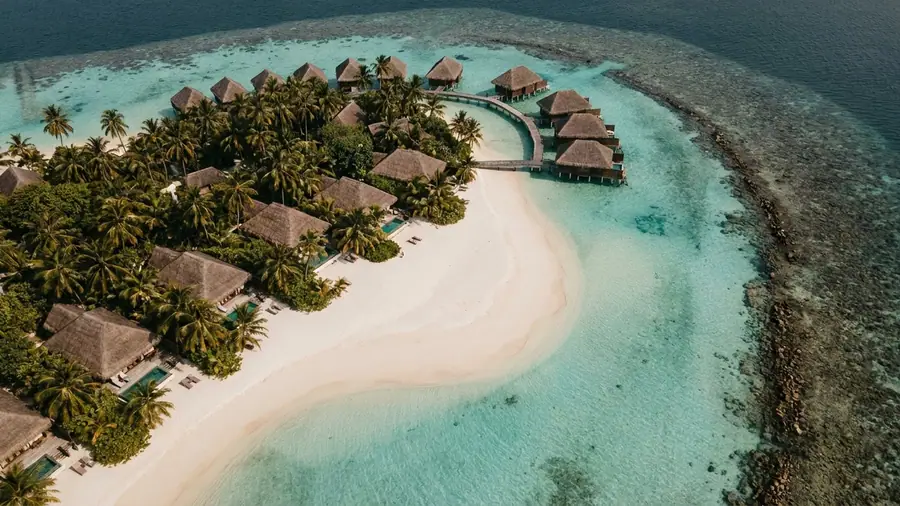
The tranquil, turquoise waters of the Maldives have long been a favoured retreat for those seeking a singular escape, a destination synonymous with private overwater bungalows and a profound sense of removal from the everyday. This image, however, is not static. The currents of global travel are shifting, and major hospitality players are adjusting their sails to catch the emerging winds.
Marriott International, a titan in the global hotel industry, is making a calculated move to deepen its presence in the Maldivian archipelago, specifically targeting a burgeoning demographic: the Indian traveller. This strategy comes at a pivotal moment, as the destination navigates a recalibration of its source markets in the wake of recent geopolitical turbulence.
The company’s investment signals a broader trend in luxury travel, where the resilience of certain markets is proving crucial for destinations historically reliant on a narrower band of global visitors. It is a story of adaptation, foresight, and the relentless pursuit of growth in an ever-changing landscape.
A Shift in the Sands
This established travel pattern faced an abrupt disruption in March, according to Silvio Rosenberger, market vice president for the Maldives at Marriott International and vice president of operations for Asia Pacific excluding China. The onset of what he termed the “Middle East crisis” led to an immediate drop in arrivals as European and American travellers reconsidered their routes or postponed their trips.
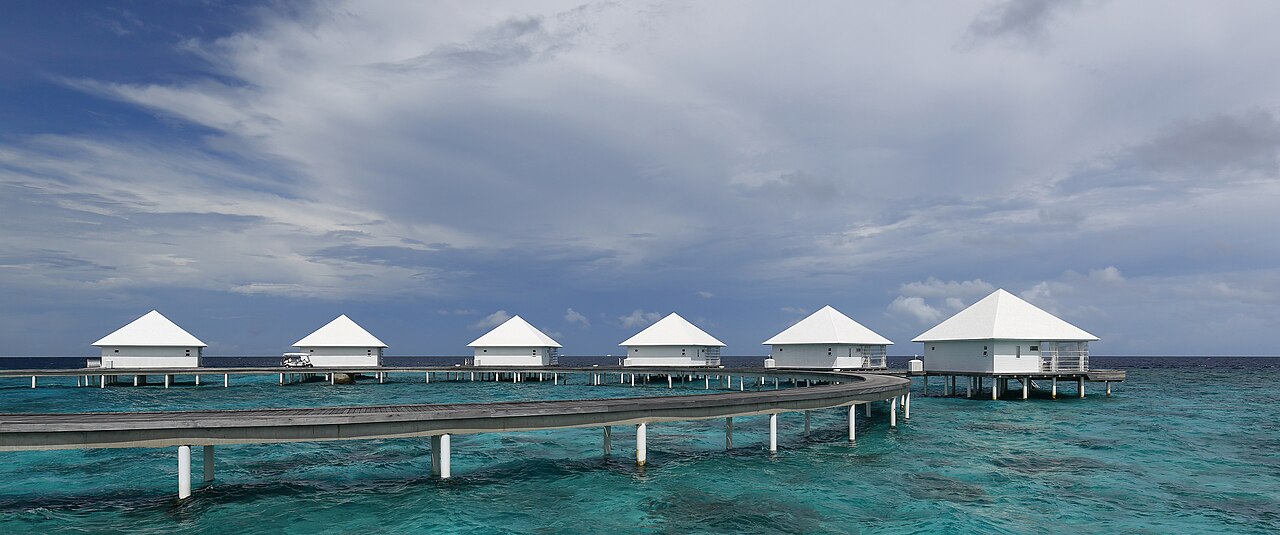
While the initial decline was sharp, Rosenberger notes a remarkable recovery in overall visitor numbers. “We had an an immediate drop in arrivals, but now we’re almost back to normal in terms of numbers, maybe not from the same markets,” he said. This candid assessment reveals a significant pivot: the destination is recovering, but the demographic tapestry of its visitors is changing. The void left by traditional markets is being filled by a different mix, with India emerging as a key player in this recalibration.
The Maldives’ unique “one island, one resort” model has always lent itself to exclusivity and a high level of personalised service, characteristics that appeal to the luxury segment. However, maintaining high occupancy and robust revenue requires a consistent flow of guests. When traditional channels falter, even temporarily, the imperative to diversify becomes clear. Marriott’s strategic focus on India is a direct response to this need, recognising the immense potential of a market that is not only geographically proximate but also demonstrably keen on luxury travel experiences.
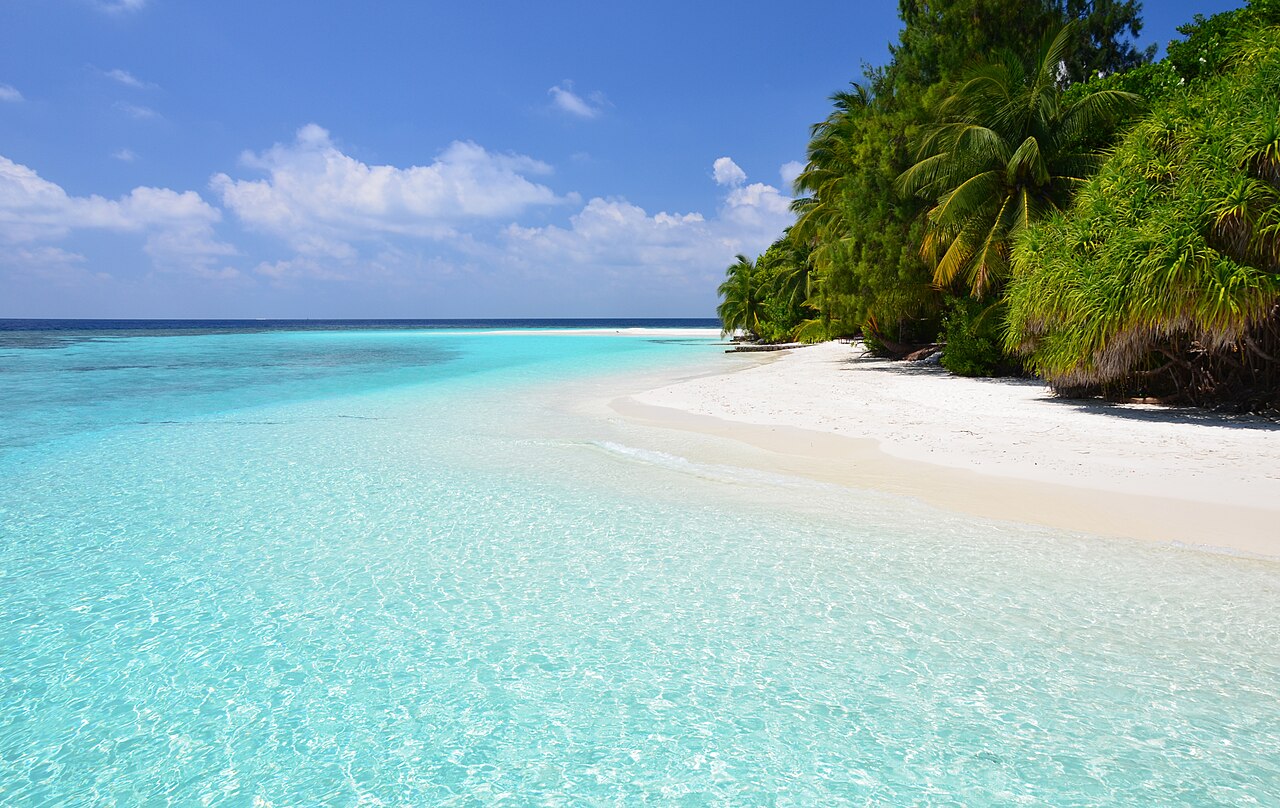
The Rising Tide of Indian Travel
India’s outbound travel market has been on a steep upward trajectory for several years, driven by a rapidly expanding middle class and an increasingly affluent demographic with significant disposable income. For these travellers, the Maldives offers an aspirational yet accessible escape, a perception carefully cultivated over time. Historically, Indian visitors have gravitated towards the Maldives for honeymoons, drawn by the allure of romantic, secluded settings.
However, the opportunity, as observed by Skift, extends well beyond this traditional segment. Hotels are now looking to attract Indian travellers for repeat visits, expanding their reasons for travel to include short family breaks, milestone birthday celebrations, and long weekends. This shift from a once-in-a-lifetime honeymoon destination to a more frequent, multi-purpose retreat is crucial for sustainable growth.
Marriott’s data underscores India’s growing importance. Rosenberger stated that India consistently ranks among the Maldives’ top 10 source markets, and its position is steadily climbing. In 2025, Indian arrivals reached 112,229, placing the country sixth overall. Through August of the current year, the numbers had already hit 76,000, indicating a strong performance that is on track to surpass or at least match previous years, especially considering the broader market shifts. This consistent growth, even amid global uncertainties, highlights India’s resilience and its increasing influence on global luxury travel trends.
Marriott’s Strategic Play
Marriott’s response to these market dynamics is not merely observational; it is operational. The company is actively expanding its footprint in the Maldives, with plans to open “more properties,” including the highly anticipated Bulgari Resort next year. This expansion is a clear indicator of confidence in the long-term viability of the destination and, crucially, in the sustained growth of the Indian outbound luxury market.
The Bulgari brand, known for its understated Italian glamour and impeccable service, represents the pinnacle of Marriott’s luxury portfolio. Its introduction into the Maldives speaks volumes about the perceived demand for ultra-high-end experiences from this new wave of travellers. Such properties are not just about rooms and amenities; they are about curating an entire lifestyle experience, from exclusive dining to bespoke wellness offerings, all designed to appeal to a sophisticated clientele.
This strategic push by Marriott aligns with its broader global strategy of brand diversification and market penetration. By offering a spectrum of brands, from the more accessible luxury of a W Hotel (like the W Maldives, which was featured in the source material’s photo credit) to the rarefied air of a Bulgari Resort, Marriott aims to capture a wide range of affluent Indian travellers, catering to different preferences and price points within the luxury segment. It is a calculated move to cement its position as a dominant player in a highly competitive market, ensuring that as more Indian travellers seek out the Maldives, a Marriott-branded option is readily available, no matter their specific taste or occasion.
The Maldives as a Mirror for Global Trends
The situation in the Maldives serves as a microcosm for broader shifts in the global luxury travel landscape. Destinations that once relied heavily on a predictable flow of visitors from established markets are now compelled to look east, south, and within their own regions for growth. The Middle East crisis, while specific in its immediate impact, highlights the inherent vulnerability of tourism economies to external shocks, whether geopolitical, economic, or health-related.
This vulnerability necessitates diversification, not just in terms of marketing campaigns, but in fundamental infrastructure and service offerings. The rise of India as a dominant source market for the Maldives reflects several global trends: the growth of Asian economies, the increasing connectivity between Asian cities, and a cultural affinity for luxury experiences that combine relaxation with aspirational travel.
Furthermore, the ability of a destination to pivot quickly and effectively, as the Maldives appears to be doing with India, speaks to the adaptability of its tourism sector. This flexibility is not accidental; it often involves concerted efforts from government bodies, local operators, and international brands like Marriott to identify new opportunities and invest in the necessary infrastructure and marketing to capitalise on them. It is a testament to the fact that in the luxury travel sphere, staying ahead often means looking beyond the obvious, anticipating the next wave of travellers before it fully breaks.
“We had an immediate drop in arrivals, but now we’re almost back to normal in terms of numbers, maybe not from the same markets,” said Silvio Rosenberger, market vice president for the Maldives at Marriott International and vice president of operations for Asia Pacific excluding China.
The Mechanics of Luxury Hospitality and Design
In a destination like the Maldives, the appeal is as much about the physical environment as it is about the service. Hospitality design plays a critical role in shaping the guest experience and differentiating properties in a competitive market. The iconic overwater villas, private beach bungalows, and open-air common areas are not just aesthetically pleasing; they are meticulously designed to blend with the natural environment, offer unparalleled privacy, and provide a sense of seamless connection to the ocean.
For brands like Marriott and its luxury sub-brands, this means investing heavily in architectural innovation and sustainable design practices. The construction of a Bulgari Resort, for instance, implies a commitment to a certain aesthetic and functional standard that resonates with the brand’s global reputation. This often involves working with world-renowned architects and interior designers to create spaces that are both visually striking and supremely comfortable. Considerations range from the orientation of villas to maximise sunset views, to the use of local materials and craftsmanship, to the integration of advanced climate control and water management systems.
The operational complexities are equally significant. Delivering a truly five-star experience in a remote island setting requires a robust logistics chain, highly trained staff, and an acute attention to detail across all touchpoints, from arrival by seaplane or speedboat to bespoke culinary experiences and personalised excursions. This deep infrastructure and operational expertise are what allow major players like Marriott to consistently deliver on the promise of luxury, making them attractive partners for investors and destinations looking to elevate their tourism offerings.
The Maldives, with its unique geography and high-end positioning, offers a compelling case study in how luxury destinations adapt to the evolving demands of a global clientele.
The Evolving Definition of Luxury for Indian Travellers
The Indian luxury travel market, while growing rapidly, is also evolving in its preferences. While traditional markers of luxury such as high-end brands, premium services, and exclusive access remain important, there is an increasing demand for authentic experiences, wellness offerings, and family-friendly amenities. This means that a resort targeting Indian guests cannot simply transplant a Western luxury model; it must adapt and incorporate elements that resonate culturally.
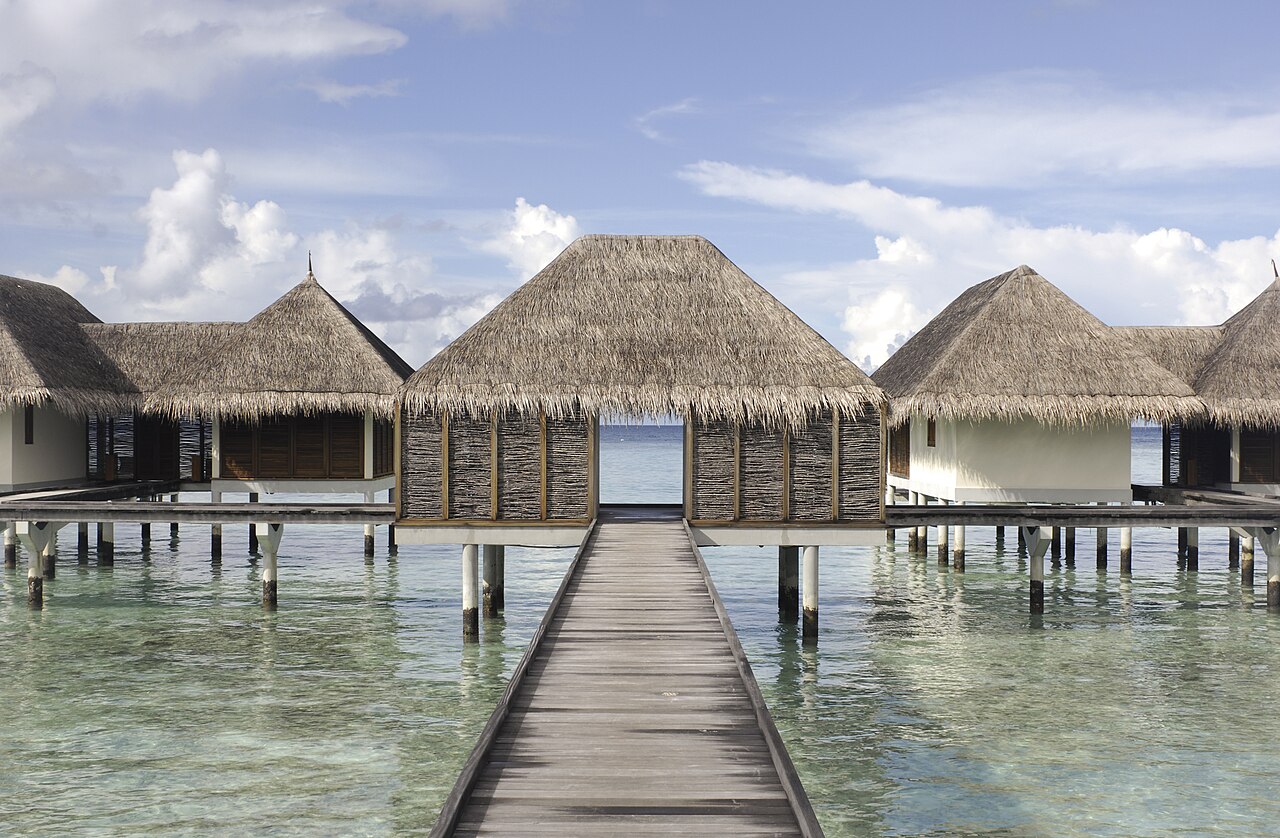
For instance, while honeymooners might seek romantic seclusion, families often look for activities that cater to all ages, from kids’ clubs to water sports and cultural excursions. The emphasis on celebrating milestones—birthdays, anniversaries, multi-generational trips—also means that resorts need to be equipped to host larger groups and facilitate special events with a high degree of customisation. This requires a nuanced understanding of the market and a willingness to tailor services accordingly.
Marriott’s strategy, therefore, is not just about bringing more properties to the Maldives; it is about bringing the right properties with the right services. The Bulgari Resort, for example, will likely offer a distinct flavour of luxury, potentially appealing to a segment of Indian travellers who appreciate European design sensibilities and a certain level of sophisticated restraint. Complementary brands within the Marriott portfolio can then cater to those seeking a more vibrant, activity-rich experience or a family-focused retreat, ensuring a comprehensive offering for a diverse and demanding market.
What it means for where you stay
For the traveller considering a trip to the Maldives, Marriott’s increased investment and focus on the Indian market means a few things. Firstly, there will likely be even more choice in high-end accommodation, with new properties and brands entering the scene. This competition can sometimes lead to innovation in service and amenities as resorts vie for attention. However, it might also subtly shift the atmosphere on the islands. While the Maldives will always offer seclusion, a greater mix of nationalities could bring a different energy to communal spaces.
Expect to see more tailored offerings catering to Indian preferences, from specific culinary options to entertainment and celebratory packages. This is a positive development for Indian travellers, providing a more personalised experience. For those from other regions, it means becoming part of a more globally diverse guest demographic, which can enrich the travel experience by exposing visitors to different cultures and perspectives. Ultimately, the core appeal of the Maldives – its natural beauty, privacy, and serene environment – will remain, but the tapestry of its visitors will continue to evolve.
For owners and hosts in the luxury short-term rental or boutique hotel market, the story of Marriott in the Maldives offers a clear lesson: market diversification is not just a good idea, it is a business imperative. Identifying and cultivating relationships with growing source markets can provide a crucial buffer against unforeseen disruptions in traditional ones. It also highlights the value of brand strength and operational excellence in attracting and retaining guests in a competitive luxury segment. Investing in properties that can cater to multi-generational travel, offer bespoke experiences, and maintain high service standards will be key to capturing the attention of these increasingly influential global travellers.
Sources
Skift — reported 15 October 2026. Read by the Amorielli news desk.
- travelspan.in - Marriott International takes Maldives portfolio to Indian travel trade - Travel Span.
Checked by the Amorielli standards desk: 24 specifics checked, 23 traced to the source material and the sources added below, 1 removed before publication.
Report an error in this story · Corrections policy and log

Pictures marked “Amorielli studio image” are illustrative scenes made for this story, not photographs of any property, company or person named. Pictures credited to a photographer are real photographs from Wikimedia Commons, used under the licence named beside each one; each caption says what the photograph shows. Details can change after publication; confirm specifics with the property or source. Like this? Get the newsletter.