A new luxury resort carrying the InterContinental flag is slated for Papar, a coastal district in Sabah, Malaysia, representing an investment of RM1 billion. The project, officially known as the InterContinental Sabah Kota Kinabalu Resort, is being positioned as a landmark development with the ambition to significantly transform regional tourism. This announcement, reported by Vocal, signals a substantial commitment to the hospitality sector in East Malaysia, a region known for its natural beauty and diverse cultural heritage, yet often overshadowed by the more developed tourism hubs of Peninsular Malaysia or neighbouring Southeast Asian destinations.
The sheer scale of the investment — RM1 billion — immediately commands attention. In a market where new builds are carefully scrutinised for their economic viability and long-term impact, such a figure suggests an expansive property, rich in amenities, and designed to appeal to a high-spending international and domestic clientele. For InterContinental Hotels Group (IHG), one of the world’s largest hotel companies, this venture marks a deepening of its presence in a strategically important growth market, leveraging its brand recognition to capture a share of Sabah’s evolving visitor economy.
Yet, beyond the headline figures and bold claims of transformation, lies a complex interplay of market dynamics, environmental considerations, and local aspirations. An investment of this magnitude in a district like Papar, historically less developed than the state capital Kota Kinabalu, raises pertinent questions about infrastructure readiness, the delicate balance between tourism growth and ecological preservation, and the genuine meaning of ‘transformation’ for the region and its communities. Amorielli readers, keen observers of the luxury travel landscape, will want to understand not just the 'what' but the 'why' and 'what next' of such a significant undertaking.
A Legacy of Grand Stays: InterContinental's Global Ambition
The InterContinental Hotels & Resorts brand, a flagship of IHG, carries a long and storied history, tracing its origins back to the post-World War II era when Pan American World Airways founder Juan Trippe envisioned a chain of hotels to support his airline's international routes. Since those early days, the brand has evolved into a global icon, synonymous with classic luxury, sophisticated service, and a distinct sense of place. InterContinental properties are often found in prime city centre locations or as grand resorts in sought-after destinations, catering to a clientele that expects impeccable standards alongside an authentic local experience.
IHG’s strategy for the InterContinental brand typically involves positioning it at the upper end of the luxury segment, competing with venerable names like Conrad, Fairmont, and Grand Hyatt. These properties are designed not just as places to sleep, but as destinations in themselves, offering extensive dining options, substantial event spaces, comprehensive wellness facilities, and often private beach access or golf courses in resort settings. The operational model for many InterContinental resorts involves a management agreement, where IHG lends its brand, operational expertise, and global distribution network to a property owned by a third-party developer. This allows for rapid expansion and leveraging local investment while maintaining brand consistency.
In Southeast Asia, IHG has been steadily expanding its portfolio across its diverse brands, from the budget-friendly Holiday Inn Express to the ultra-luxury Regent and Six Senses. The InterContinental brand, in particular, has a strong presence, with properties in key cities like Singapore, Bangkok, and Kuala Lumpur, as well as resort destinations such as Bali, Phuket, and Danang. These regional properties often reflect a blend of international design sensibilities with local architectural motifs and cultural elements, aiming to provide guests with a sense of connection to their surroundings while delivering the expected level of comfort and service. The success of these existing properties provides a blueprint, and perhaps a benchmark, for how the new Sabah resort might perform.
The move into Papar, while perhaps less immediately obvious than a capital city or established island retreat, aligns with a broader trend of luxury brands seeking out emerging or underexplored destinations within popular regions. As primary tourism hubs become more saturated or increasingly expensive for development, secondary markets with strong natural assets and improving infrastructure become attractive. IHG’s decision to plant a significant flag in Sabah with an RM1 billion investment suggests a long-term view of the region’s potential, betting on its ability to draw a discerning market willing to venture beyond the most beaten paths for a high-calibre resort experience.
Sabah: The Land Below the Wind Beckons
Sabah, often called 'The Land Below the Wind' due to its location south of the typhoon belt, is a Malaysian state on the northern part of Borneo island. It is a place of extraordinary natural diversity, boasting rainforests teeming with unique wildlife, including orangutans, proboscis monkeys, and pygmy elephants. Its coastline offers pristine beaches and world-renowned diving sites, particularly around Sipadan Island, which consistently ranks among the top dive destinations globally. Inland, the majestic Mount Kinabalu, Southeast Asia’s highest peak, draws hikers and nature enthusiasts from around the world. This rich tapestry of natural attractions has long been the backbone of Sabah’s tourism industry.
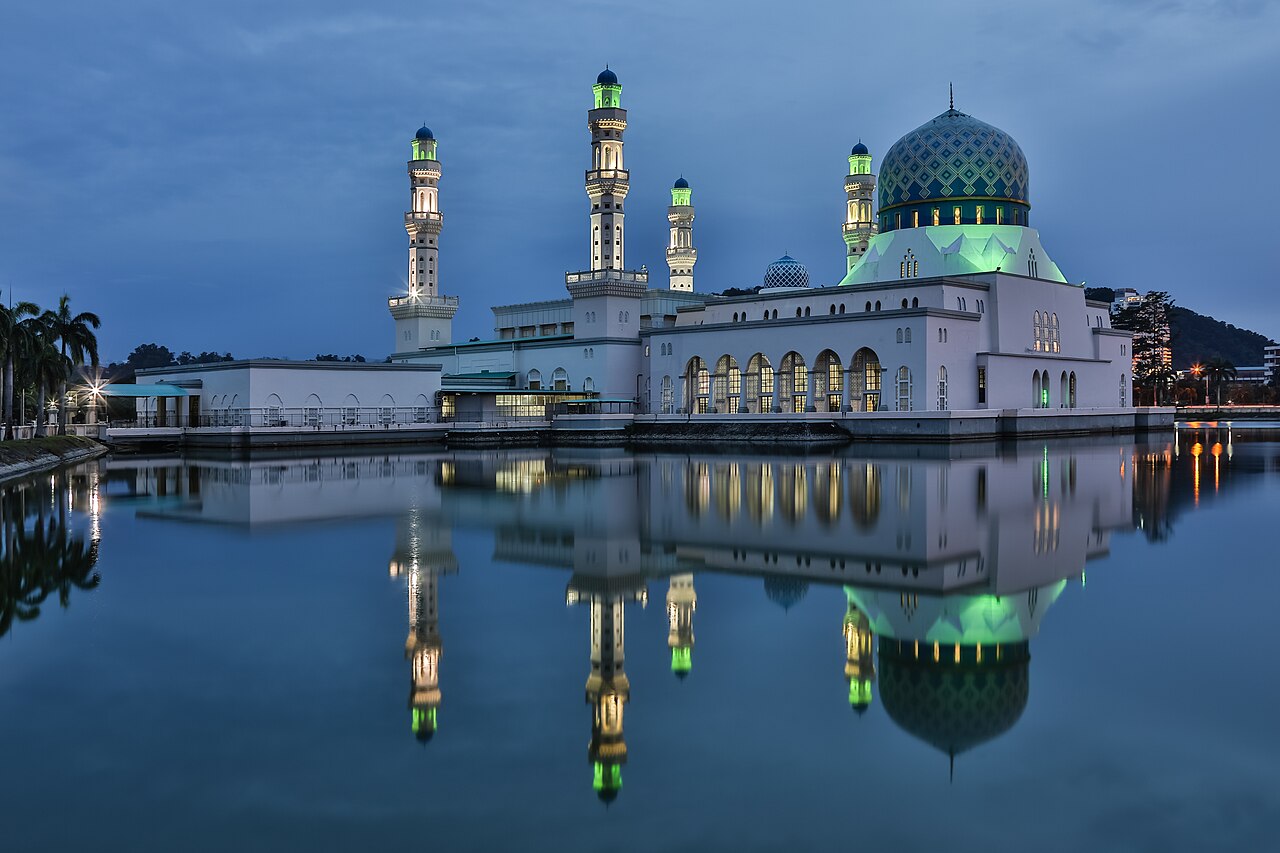
For decades, Kota Kinabalu, the state capital, has served as the primary gateway and tourism hub. The city itself offers a vibrant mix of markets, seafood restaurants, and cultural experiences, with a string of established hotels and resorts along its waterfront and nearby islands. Travellers often use KK as a base to explore the region, undertaking day trips to national parks, wildlife sanctuaries, and cultural villages, or embarking on longer excursions to the east coast for diving. The existing tourism infrastructure, while robust for a regional capital, has largely focused on serving a mix of adventure tourists, nature lovers, and a growing segment of family holidaymakers from within Asia.
However, Sabah's tourism sector, like many others globally, faced significant challenges during the recent pandemic. International arrivals plummeted, and the industry relied heavily on domestic travel for recovery. As borders have reopened, there has been a concerted effort to revitalise and diversify the tourism offerings, attracting higher-spending visitors and encouraging longer stays. This involves not only promoting existing attractions but also developing new experiences and upgrading accommodation options. The state government has often expressed a desire to move beyond mass tourism and attract a more sustainable, high-value segment.
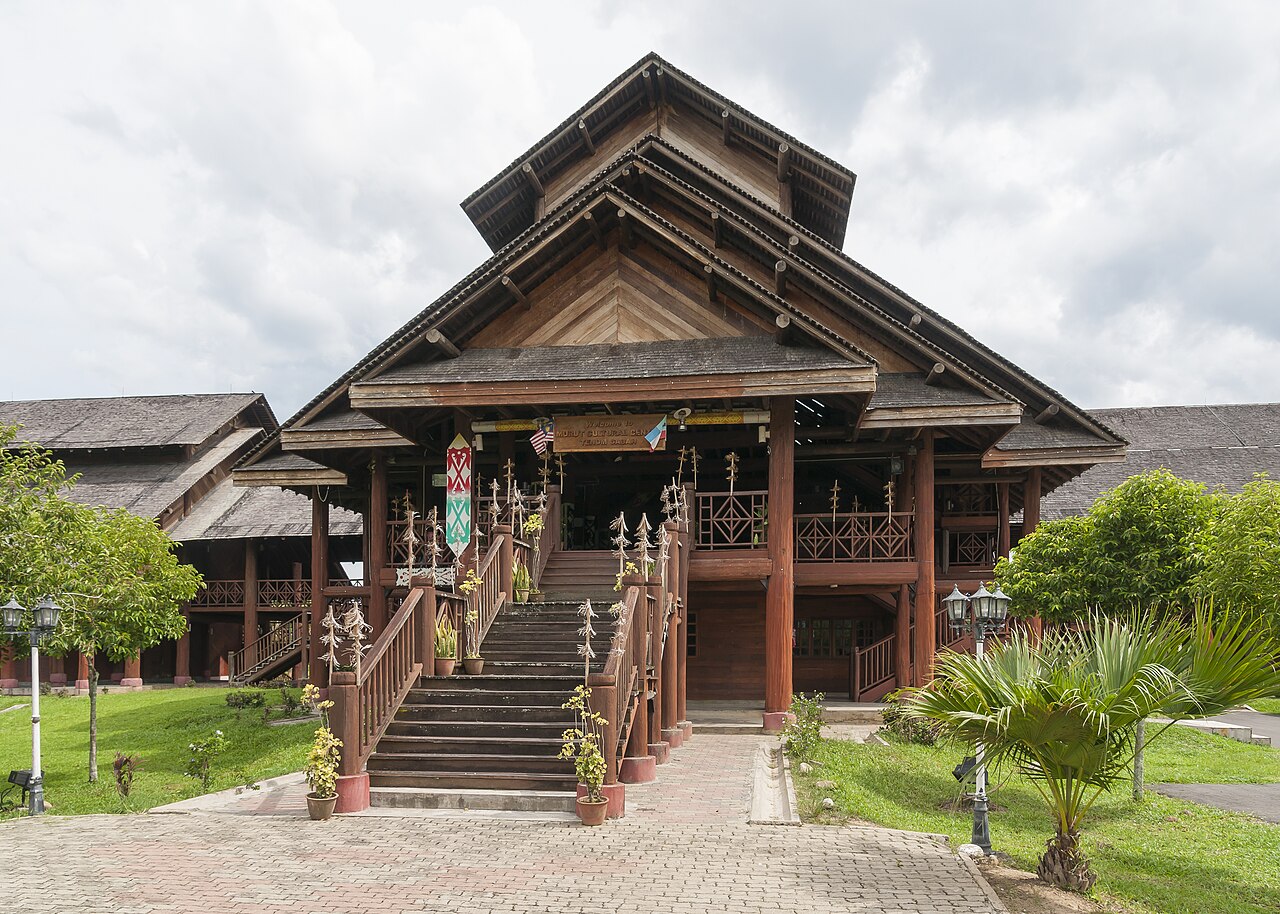
The appeal of Sabah lies in its authenticity and the relatively untouched nature of much of its interior and coastline. Unlike some more heavily developed island destinations, Sabah still offers a sense of discovery and a genuine connection to nature. This unique selling proposition is what luxury brands like InterContinental are likely seeking to tap into. The challenge, however, is to develop high-end infrastructure that enhances the visitor experience without compromising the very natural assets that draw people to the region in the first place. This balance is critical for the long-term health of Sabah’s tourism economy and its environment.
Papar: A New Horizon for Sabah's Coast
Papar is a district located near Kota Kinabalu, the state capital of Sabah. Historically, it has been a predominantly agricultural area, known for its rice paddies and fruit orchards, with a charming small town at its heart. While it possesses its own stretches of scenic coastline and is home to some local attractions, it has not traditionally been a major destination for international tourism. Instead, it has served more as a quiet retreat for Kota Kinabalu residents or a stopover point for those travelling further south. The announcement of an InterContinental resort here marks a significant shift in Papar’s economic trajectory and its role within Sabah’s tourism landscape.
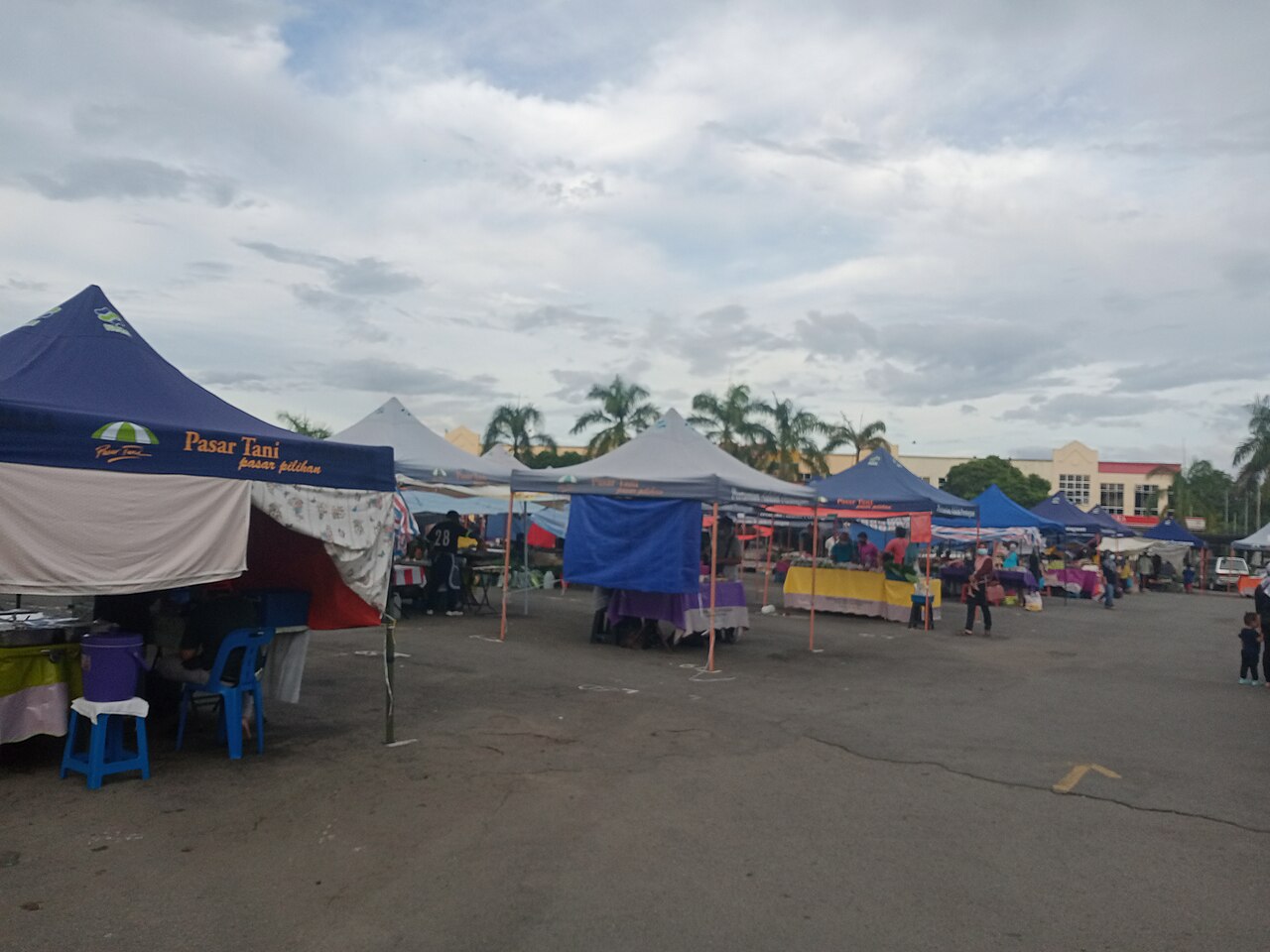
The choice of Papar for such a substantial luxury development is strategic. For one, land acquisition costs are likely to be more favourable than in the immediate vicinity of Kota Kinabalu, where prime coastal plots are either scarce or prohibitively expensive. This allows for the construction of a sprawling resort, offering ample space for extensive facilities, which is a hallmark of high-end InterContinental resorts. Furthermore, Papar’s proximity to Kota Kinabalu International Airport (BKI) ensures convenient access for international and domestic travellers, a crucial factor for a luxury property aiming for broad appeal. The drive from the airport to Papar is manageable, offering guests a relatively quick transition from plane to resort.
Developing in Papar also presents an opportunity to create a new tourism node, potentially alleviating some of the pressure on Kota Kinabalu’s more crowded areas. As tourism grows, diversification of offerings and dispersal of visitors becomes increasingly important for managing impact and enhancing the overall visitor experience. A high-profile resort in Papar could act as an anchor, drawing visitors to a new area and potentially stimulating the development of ancillary services, local businesses, and improved infrastructure in the surrounding district. This kind of ‘hub and spoke’ development model is often seen in maturing tourism destinations.
However, developing in a less-established area like Papar also comes with its own set of challenges. Infrastructure, while perhaps adequate for local needs, may require significant upgrades to support a large luxury resort and its guests, including roads, utilities, and waste management systems. There is also the question of local labour availability and the need for training to meet the demanding service standards of an InterContinental property. Integrating such a large-scale project into a predominantly rural and agricultural community requires careful planning and engagement to ensure that the benefits are widely shared and that the local character and environment are respected. The success of this venture will depend not just on the resort itself, but on its symbiotic relationship with the Papar district.
The Billion Ringgit Bet: What RM1 Billion Buys
An investment of RM1 billion for a single resort project is a substantial sum by any measure, particularly in the Southeast Asian context. To put this figure into perspective, it suggests a development that is not merely a hotel, but a comprehensive leisure destination. Such an investment typically covers a vast array of costs: land acquisition, which in a scenic coastal area can be significant; extensive architectural and interior design fees, often involving renowned international firms; the construction of hundreds of rooms and suites; multiple food and beverage outlets ranging from casual to fine dining; large-scale conference and event facilities; and a full suite of recreational amenities.
These amenities might include multiple swimming pools, a luxury spa and wellness centre, a fitness studio, children’s clubs, watersports facilities, and potentially a golf course or other unique offerings specific to the location. Furthermore, a significant portion of the budget would be allocated to ‘back-of-house’ infrastructure: sophisticated utility systems, staff accommodation, extensive landscaping, and robust security. The sheer scale of an RM1 billion project implies a commitment to delivering a product that stands out in the regional luxury market, designed to compete with the very best resorts in places like Bali, Phuket, or Langkawi.
From an economic perspective, an investment of this magnitude represents a powerful stimulus for the local and regional economy. During the construction phase, it generates thousands of jobs for skilled and unskilled labourers, engineers, architects, and project managers. It drives demand for building materials, equipment, and related services, often sourced from local suppliers where possible. Once operational, the resort will become a major employer, creating permanent jobs in hospitality across various departments: front office, housekeeping, food and beverage, spa, recreation, administration, and management. These jobs provide income, contribute to the local tax base, and can lead to skill development and career progression for the local workforce.
Beyond direct employment, a large luxury resort acts as a powerful economic multiplier. Its guests will spend money not just within the resort but also on local excursions, transport, crafts, and other services. This injects capital into a broader network of small and medium-sized enterprises (SMEs), from tour operators and local guides to craft vendors and farmers supplying fresh produce. The increased economic activity can justify improvements in public infrastructure, such as roads and utilities, benefiting not only the resort but also the surrounding communities. However, the distribution of these benefits is not always even, and careful planning is required to ensure genuine local empowerment rather than just trickle-down effects.
Transforming Claims and Market Realities
The assertion that the InterContinental Sabah Kota Kinabalu Resort is 'set to transform regional tourism' is a bold declaration, common in the marketing of large-scale developments. To truly transform a region's tourism landscape requires more than just a single, however grand, new property. It implies a fundamental shift in visitor demographics, market positioning, infrastructure, and potentially even the local culture and economy. The question is, how might an RM1 billion resort in Papar realistically contribute to such a transformation?
One way is by elevating the overall perception of Sabah as a luxury destination. While Sabah is well-regarded for its natural attractions, it hasn't always been at the forefront of the ultra-high-end luxury resort market, especially when compared to its regional peers. The arrival of a globally recognised brand like InterContinental, backed by such a significant investment, signals to the international travel community that Sabah is serious about catering to a discerning clientele. This can attract new segments of travellers who might previously have overlooked Sabah in favour of more established luxury havens. These new visitors often have higher disposable incomes and longer average stays, contributing more significantly to the local economy.
Another aspect of transformation could involve setting new benchmarks for service, design, and sustainability within the region. A property developed with RM1 billion would likely incorporate cutting-edge design, advanced guest amenities, and potentially pioneering environmental practices. By operating at the highest international standards, the InterContinental resort could compel existing properties to upgrade their offerings and inspire new local businesses to meet similar quality levels. This 'raising the bar' effect can lead to an overall improvement in the quality of the tourism product across Sabah, benefiting both visitors and local operators. However, this also puts pressure on smaller, independent operators who may struggle to compete with the resources of a global brand.
Furthermore, the resort could transform the accessibility and perception of Papar itself. From a relatively quiet agricultural district, Papar could emerge as a recognised luxury resort destination, complete with improved roads, more direct transport links, and a heightened profile on international travel maps. This geographic diversification of tourism within Sabah could be a genuine transformation, creating new focal points for economic activity and spreading the benefits of tourism beyond the confines of Kota Kinabalu. However, the success of this transformation hinges on careful integration with local communities, ensuring that development is inclusive and respects the existing social and environmental fabric, rather than imposing a foreign vision.
Southeast Asia's Luxury Tapestry: Competition and Niche
Southeast Asia is a vibrant and highly competitive market for luxury hospitality. Destinations like Bali, Phuket, Koh Samui, Langkawi, and Vietnam's central coast are already saturated with high-end resorts, each vying for the attention of affluent travellers from across the globe, particularly from China, Europe, North America, and increasingly, within the ASEAN region itself. These established players offer a diverse range of experiences, from secluded private villas to sprawling family-friendly complexes, often featuring world-class golf courses, award-winning spas, and direct beach access. The competition is not just among individual properties but also between entire destinations, each positioning itself based on unique cultural offerings, natural beauty, and accessibility.
Within this crowded landscape, new entrants like the InterContinental Sabah Kota Kinabalu Resort must carve out a distinct niche. Sabah’s unique selling proposition lies in its unparalleled biodiversity and adventure tourism potential – rainforests, wildlife, and diving. While other destinations might offer beautiful beaches and cultural experiences, few can match the raw, untamed nature that Sabah presents. This means the InterContinental will need to skillfully blend its signature luxury experience with an authentic embrace of Sabah’s natural heritage, offering excursions and activities that truly connect guests with the 'Land Below the Wind' rather than just providing a generic resort bubble.
The rise of high-end vacation rentals, spearheaded by platforms like Airbnb Luxe and Vrbo’s premium offerings, also adds another layer of competition. While a five-star resort offers a full-service experience, a luxury villa rental provides privacy, space, and a more personalised, often self-catered, stay. Affluent families or groups of friends increasingly opt for these rentals, especially for longer stays, seeking a home-away-from-home feel with concierge services. This trend pushes traditional resorts to continually innovate, offering unique experiences, bespoke services, and unparalleled amenities that cannot be easily replicated in a private rental setting. The RM1 billion investment suggests the InterContinental Sabah aims to deliver precisely this kind of comprehensive, experiential offering.
Furthermore, the luxury market itself is evolving. Today’s affluent traveller is often seeking more than just comfort and indulgence; they are looking for meaningful experiences, cultural immersion, and increasingly, sustainable travel options. Resorts that can demonstrate a genuine commitment to environmental protection and community engagement, beyond mere greenwashing, are gaining favour. The InterContinental Sabah, with its substantial investment, has an opportunity to set a new standard in this regard, integrating responsible tourism practices into its core operations and guest offerings. This could be a powerful differentiator in a competitive market, appealing to a generation of conscious luxury consumers.
The true measure of a luxury resort's transformative power will be its long-term, equitable impact on the local community and environment.
The Sustainability Question: Growth and Responsibility
Any large-scale development in a naturally rich and ecologically sensitive area like Sabah inevitably raises questions about sustainability. The RM1 billion InterContinental resort in Papar, while promising economic benefits, must navigate the delicate balance between growth and environmental responsibility. Sabah's tourism appeal is inextricably linked to its pristine natural environment – its rainforests, marine life, and unique wildlife. Any development that compromises these assets risks undermining the very foundation of the region's long-term tourism viability.
Key environmental considerations for a project of this size include land clearing, potential impact on coastal ecosystems, waste management, water consumption, and energy use. Building on a coastal strip can lead to erosion, habitat destruction for marine life, and increased pressure on local water resources. A responsible developer and operator would need to implement robust environmental impact assessments, employ sustainable building practices, and invest in advanced waste and wastewater treatment facilities. Furthermore, the resort's operational phase must prioritise energy efficiency, reduce single-use plastics, and source food and other supplies locally to minimise its carbon footprint.
Beyond environmental concerns, there are significant social and cultural dimensions to sustainability. Integrating a large international luxury resort into a rural community like Papar requires careful consideration of local livelihoods, cultural heritage, and community empowerment. Will local residents have genuine opportunities for employment and career advancement, or will most senior positions be filled by expatriates? Will local businesses be given preference in supply chains, or will the resort rely heavily on imported goods and services? How will the resort engage with and support local communities, beyond token gestures, to ensure that the benefits of tourism are equitably shared?
The concept of 'transformation' must also encompass a commitment to preserving and celebrating local culture. A luxury resort can play a significant role in showcasing local arts, crafts, cuisine, and traditions, providing a platform for cultural exchange and economic opportunities for local artisans. Conversely, insensitive development can lead to the commodification of culture, displacement of communities, and a loss of local identity. For the InterContinental Sabah Kota Kinabalu Resort to genuinely contribute to sustainable regional tourism, its development and operation must be underpinned by a deep respect for Sabah’s natural and cultural heritage, ensuring that economic gains do not come at an irreversible cost to the environment or local way of life.
What it means for where you stay
For the discerning traveller, the arrival of the InterContinental Sabah Kota Kinabalu Resort signals a significant new option in Southeast Asia’s luxury landscape. If the RM1 billion investment translates into the kind of expansive, amenity-rich property expected from the InterContinental brand, it will offer a high-calibre alternative to established luxury resorts in other parts of Malaysia and beyond. Travellers seeking a sophisticated base from which to explore Sabah’s unique natural wonders – Mount Kinabalu, the rainforests, and world-class diving – will find a globally recognised brand promising consistent service and extensive facilities. This resort is likely to appeal to those who value the comfort and reliability of a well-known luxury chain, combined with the allure of an authentic and biodiverse destination. It might also attract a segment of the market that previously found Sabah’s luxury offerings somewhat limited compared to its natural assets, opening up the region to a broader, higher-spending demographic.
For owners and hosts in Sabah’s existing hospitality market, particularly those in Kota Kinabalu and the surrounding areas, this development presents both opportunities and challenges. The InterContinental's presence will undoubtedly raise the profile of Sabah as a luxury destination, potentially increasing overall visitor numbers and demand for high-end services. This could create spillover benefits for local tour operators, boutique hotels, and luxury vacation rental owners who cater to a similar clientele. However, it also introduces a formidable competitor with vast resources, a global marketing reach, and the ability to set new benchmarks for service and amenities. Smaller operators will need to differentiate themselves through hyper-local experiences, personalised service, and niche offerings that cannot be replicated by a large resort. It underscores the ongoing need for continuous improvement, innovation, and a clear understanding of one’s target market. For investors considering new hospitality ventures in Sabah, the InterContinental’s entry validates the market’s potential but also intensifies the competitive landscape, requiring thoughtful positioning and a robust business model.
Source
Vocal — reported 10 October 2026. Read by the Amorielli news desk.
Checked by the Amorielli standards desk: 2 specifics that could not be traced to the source were removed or attributed before publication.

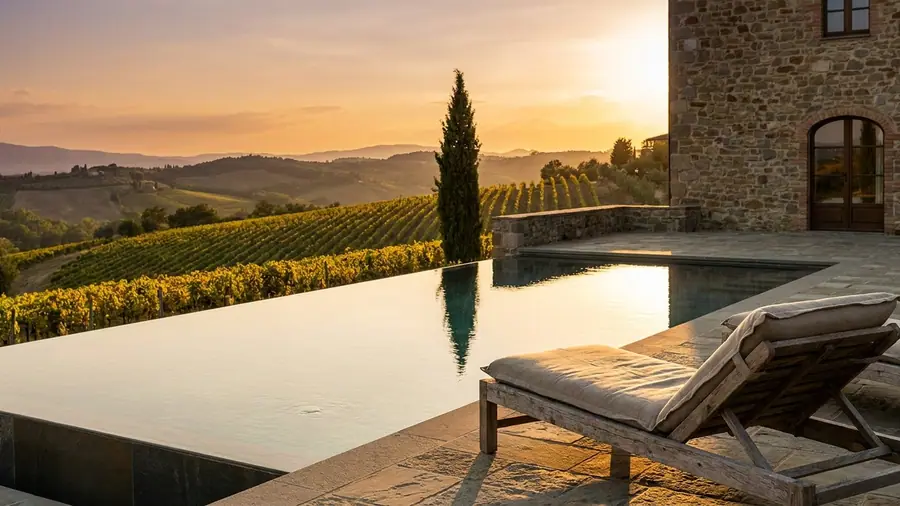
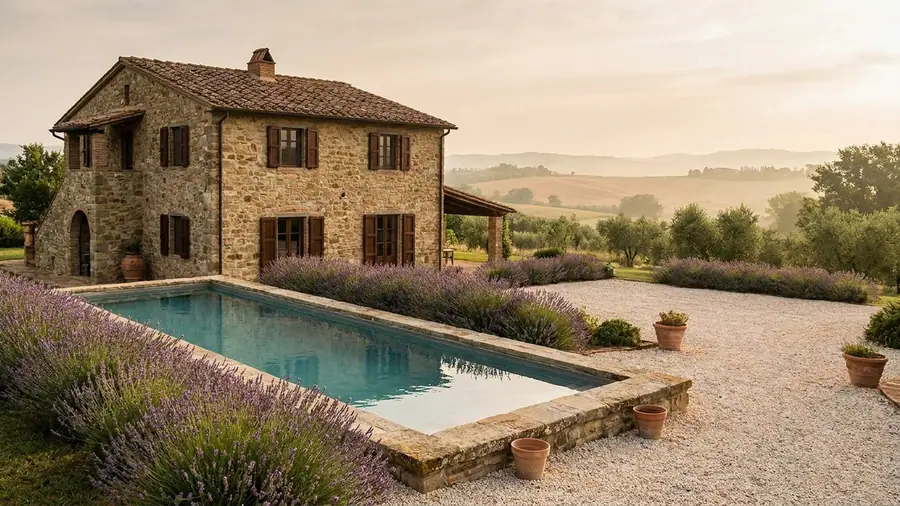
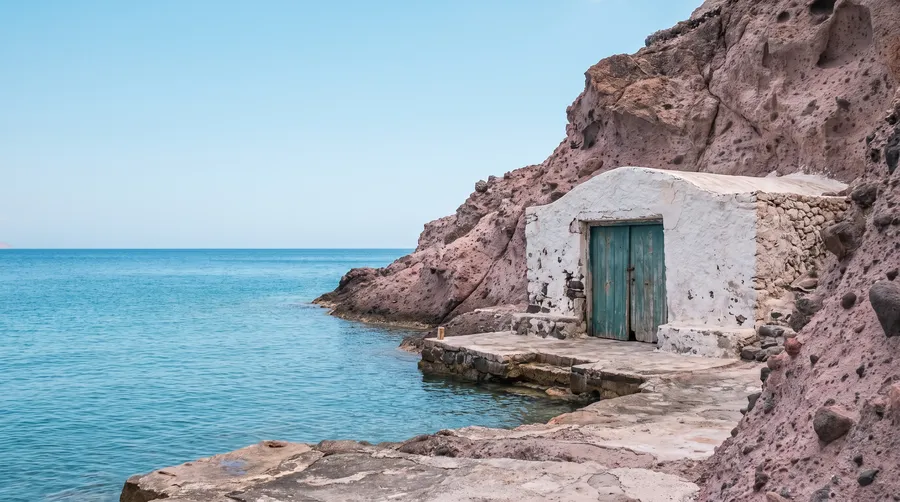
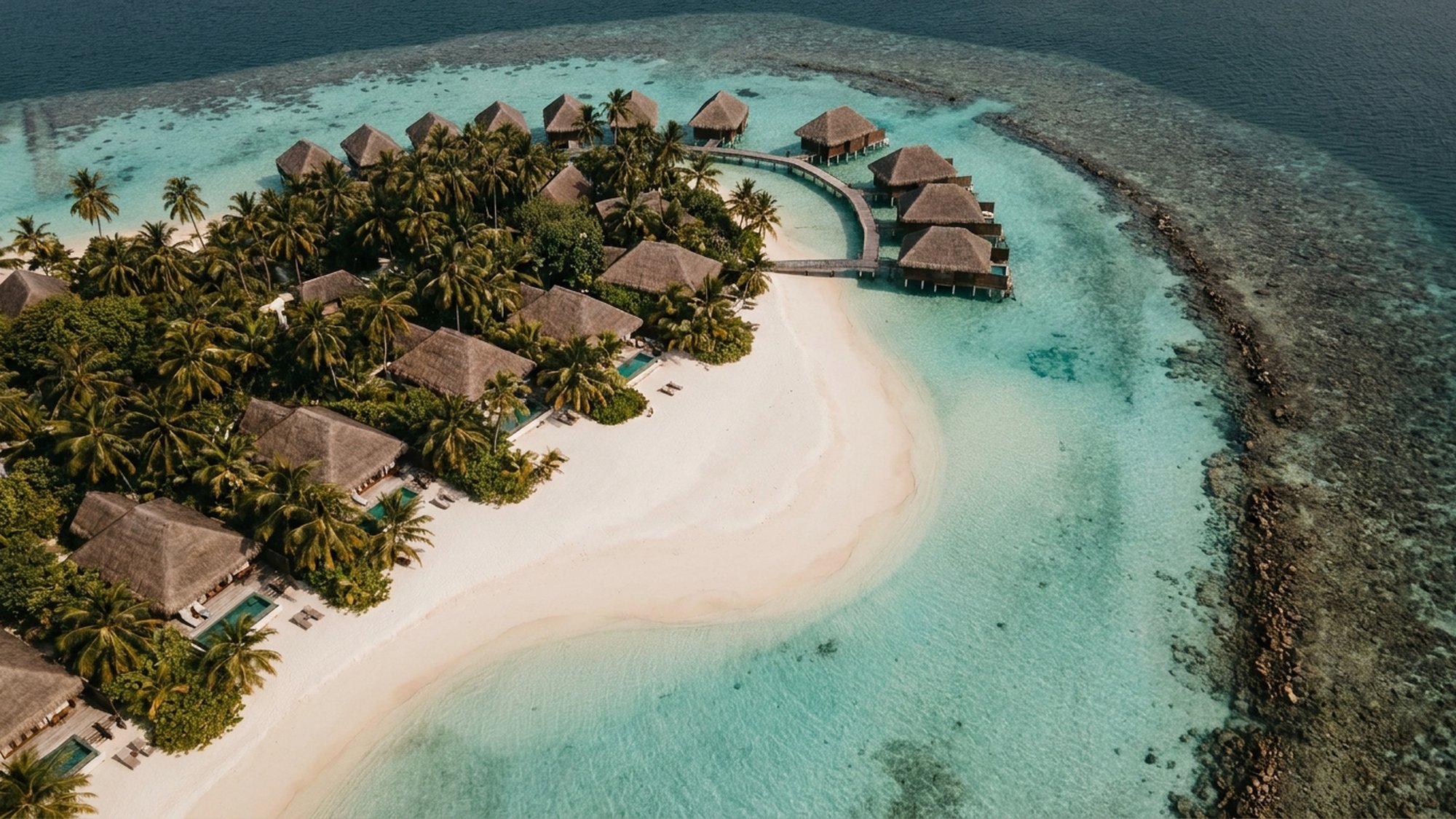
Pictures marked “Amorielli studio image” are illustrative scenes made for this story, not photographs of any property, company or person named. Pictures credited to a photographer are real photographs from Wikimedia Commons, used under the licence named beside each one; each caption says what the photograph shows. Details can change after publication; confirm specifics with the property or source. Like this? Get the newsletter.