The Aegean Sea, a sapphire expanse fringed by whitewashed villages and ancient rock formations, holds countless secrets, but few are as captivating as the traditional boathouses of Milos. Known as syrmas, these humble structures, carved into the volcanic rock or built directly on the water’s edge, once served as practical shelters for fishing vessels and winter quarters for their owners. Today, many are finding a second life, transformed into some of the most sought-after, and certainly most distinctive, accommodations in the Cyclades.
One such transformation recently caught the attention of Condé Nast Traveler, with writer Callie Thorpe describing a private syrma on Fyrmapatamos as having ‘checked every single box’ for a Greek summer spot. This isn't just another pretty Airbnb listing; it’s a tangible representation of a shift in what discerning travellers seek, and what a new generation of hospitality providers are offering. It’s a story about the redefinition of luxury, the enduring allure of authenticity, and the quiet ambition of a property category that thrives on its very unconventionality.
The property in question, a one-bedroom apartment perched directly on the edge of Fyrmapatamos beach, offers an intimate connection to the sea that few hotels, however grand, can rival. It’s a place where the line between indoors and out blurs, where the sounds of the ocean are a constant companion, and where privacy is the ultimate amenity. This is the kind of stay that Amorielli readers understand — not just a bed for the night, but an immersion into a place, its history, and its unique rhythm.
Milos: An Island of Unseen Depths
Milos has long been a whispered secret among those who seek the true essence of the Cyclades, often overshadowed by its flashier neighbours like Mykonos and Santorini. Yet, for those willing to venture beyond the usual tourist trails, Milos reveals a character all its own. Its volcanic origins have sculpted a landscape of dramatic contrasts: lunar beaches, vibrant rock formations, and, crucially, an intricate coastline riddled with caves and coves. It’s this geological artistry that gave birth to the syrmas, the very architectural gems now being rediscovered.
The island’s history is rich, from its Neolithic settlements to its Roman period, famously yielding the Venus de Milo statue. But it’s the enduring fishing culture that has shaped much of its coastal identity. Villages across the island are renowned for their colourful syrmas, their doors painted in vibrant hues reflecting the boats they once sheltered. These are not merely quaint facades; they are living relics of a bygone era, deeply embedded in the island’s heritage. The syrmas were functional, built to protect boats from the winter gales and often incorporating living quarters for fishermen during the harsher months when their primary homes in the island’s interior were too far to commute daily. This dual purpose, utilitarian yet inherently coastal, is what makes their modern-day reimagining so compelling.
Unlike the polished marble and infinity pools of some Cycladic resorts, Milos offers a rawer, more authentic experience. Its beaches, shaped by dramatic rock formations, are geological wonders. The food scene, as Callie Thorpe notes, is rooted in tradition: ‘excellent gyro shops, family-run fish restaurants, and taverna-style dining that always hits the mark.’ This unpretentious charm, combined with its unique architecture, has positioned Milos as a destination that rewards exploration and values genuine connection over curated spectacle.
Fyrmapatamos: A Cove for the Discerning
The specific location of the Condé Nast Traveler feature, Fyrmapatamos, is described as ‘one of the most beautiful beaches on Milos,’ known for its ‘exceptionally blue waters and the dusky pink clay rock formations that cocoon it.’ This isn’t a bustling resort beach; it's a secluded cove, a natural amphitheatre where the elements have sculpted a unique micro-environment. The description of it being ‘hard-to-reach’ but accessible by ‘buses and road access’ immediately signals its appeal to those seeking genuine escape.
Fyrmapatamos embodies the Milos experience in miniature. During the day, it hums with the ‘sounds we associate with summer beach days: the batting of balls, echoes of laughter, and splashes of water.’ It’s a vibrant, communal space, but one that, by virtue of its slightly challenging access, remains relatively uncrowded compared to more easily accessible shores. The ability to retreat from this lively daytime scene into a private sanctuary, as the writer did, is key to its appeal. This duality — the shared joy of the beach and the private solace of one's own space — is a defining feature of the syrma experience.
As evening descends, Fyrmapatamos transforms. The article paints a picture of swimming at ‘golden hour before warming up in our outdoor shower and pouring ice-cold drinks in the comfort of our own private space.’ This transition from public enjoyment to private indulgence, facilitated by the boathouse’s direct beach access, is a powerful draw. The night, free from 'bright street lights,' offers a sky full of stars and the gentle lapping of waves as you sleep. This sensory immersion, a luxury often lost in more developed areas, becomes the ultimate amenity, a testament to the power of location over conventional services.
From Boat Shed to Bohemian Retreat
The transformation of a functional syrma into a habitable, desirable rental property is a testament to sensitive design and a clear understanding of what modern travellers value. The property described is a ‘one-bedroom apartment plunked right on the edge of the sea,’ small in a way that felt ‘novel, cozy, and utterly special.’ This isn’t a sprawling villa; it’s an intimate space, designed to complement, not overshadow, its spectacular surroundings.
The interiors are described as ‘chic with organic curves, whitewashed textured walls, and built-in shelves that display tiny, real seashells.’ This aesthetic is a masterclass in understated elegance, blending traditional Cycladic elements with contemporary minimalism. The whitewashed walls are a classic Greek island trope, but here they are elevated by texture and organic forms, creating a soothing, almost sculptural environment. The inclusion of ‘real seashells’ on built-in shelves is a clever touch, a ‘gentle nod to the surroundings that felt curated rather than cliché.’ This distinction is crucial: it’s about authenticity and connection to place, not generic coastal decor.
The syrma’s layout further enhances its unique character. It’s ‘split into two sections,’ with the bedroom upstairs reached via a ‘very narrow wooden spiral staircase.’ This detail, while potentially ‘a little precarious,’ contributes to the property’s ‘authentic and charming’ feel. It’s a reminder of the building’s original purpose and its inherent architectural quirks, which, rather than being smoothed over, have been embraced as part of its charm. This willingness to work with the building’s heritage, rather than against it, is a hallmark of successful adaptive reuse projects in the luxury rental market.
The Redefinition of a Sea View
For many, a ‘sea view’ in a hotel means a balcony overlooking the water, perhaps with a distant horizon. This syrma, however, redefines the concept entirely. Its most unique feature, as the Condé Nast Traveler piece highlights, is the ‘outdoor space, and your constant proximity to the water.’ There’s a ‘patio from the kitchen that leads to the best seats in the house: two chairs that sit at the edge of what once would have been a boat dock.’ This isn’t just a view; it’s an interaction.
From these chairs, one can watch ‘the sparkles from the sun dance on the sea,’ get lost in a book, or, most importantly, be ‘just one step or a quick splosh away from a cooling, salty dip.’ This direct, unmediated access to the Aegean is the property’s crowning glory. It’s a private beach club, a personal swimming pool, and a meditative retreat all rolled into one. The view is not merely observed; it is experienced, felt, and tasted. The framing of ‘the iconic blue and white shutters of fishermen’s huts across the bay’ adds another layer of authentic charm, ensuring that even the vista is deeply rooted in the Milos vernacular.
This level of intimacy with the natural environment is exceedingly rare, even in the most exclusive hotel settings. It’s what transforms a simple rental into a truly memorable stay. The ability to wake to the sound of lapping waves, to step directly from one’s private terrace into the sea, and to enjoy sunset swims in complete privacy is a form of luxury that transcends thread counts and Michelin stars. It’s a luxury of space, of time, and of an unadulterated connection to nature.
The Allure of the Unconventional Stay
The appeal of this Milos boathouse taps into a broader trend that Amorielli has observed for years: the increasing demand for unique, experiential stays over conventional luxury hotels. In a world saturated with standardised five-star offerings, travellers are actively seeking properties that tell a story, offer a genuine sense of place, and provide a level of privacy and immersion that large resorts simply cannot deliver.
The rise of platforms like Airbnb and Vrbo has democratised access to these unconventional properties, allowing owners of everything from treehouses to historic castles, and indeed, traditional syrmas, to open their doors to a global audience. This particular boathouse perfectly exemplifies what has become known as ‘experiential luxury’ — where the value lies not in traditional amenities like room service or a concierge, but in the singularity of the experience itself. As Callie Thorpe notes, ‘there’s no room service and no fancy amenities, but instead, you get the luxury of an unbelievable view and the chance to experience a cultural, unique stay.’ This statement is the crux of the modern luxury rental market.
Post-pandemic, the desire for seclusion and self-sufficiency has only intensified. Guests are often willing to forgo daily housekeeping and on-site restaurants for the peace of mind that comes with a private residence. They seek spaces where they can dictate their own rhythm, cook their own meals if they choose, and truly feel like temporary residents rather than transient guests. This shift reflects a deeper cultural movement towards authenticity, sustainability, and a more mindful approach to travel. The Milos syrma, with its direct connection to nature, its historical roots, and its private setting, is a perfect embodiment of this evolving travel philosophy.
This isn’t just another pretty Airbnb listing; it’s a tangible representation of a shift in what discerning travellers seek, and what a new generation of hospitality providers are offering.
Navigating the Nook and Cranny Market
While the allure of a private syrma on Fyrmapatamos is undeniable, the practicalities of accessing and managing such a unique property are part of its unique character, and something potential guests and hosts must understand. The Condé Nast Traveler account highlights this with details like the arrival instructions delivered via ‘a video recording from a friendly local virtually walking us from the parking lot to the property,’ and the journey down ‘a small alleyway from the road adjacent to the beach’ to a ‘tiny teal door.’ These elements, while charming and part of the adventure, are a far cry from a hotel check-in desk.
This ‘nook and cranny’ aspect is both a feature and a potential friction point. For those who relish discovery and a sense of adventure, these quirks enhance the experience. The ‘hard-to-reach’ nature of Fyrmapatamos, while ensuring tranquility, means that spontaneous excursions might require more planning. Public transport options exist, but a private car or scooter, and familiarity with Milos’s less-travelled roads, would undoubtedly improve the stay for many. It necessitates a certain level of independence and a willingness to embrace the logistical challenges as part of the authentic journey.
For hosts operating in this market, the implications are clear: communication is paramount. Providing detailed, even video-based, instructions for arrival and local navigation is essential. Managing guest expectations regarding amenities (or lack thereof) is crucial to avoid disappointment. The ‘no room service and no fancy amenities’ is a selling point for many, but it must be clearly articulated. Furthermore, the maintenance of properties directly on the water’s edge presents its own set of challenges, from salt corrosion to the constant battle against the elements. This isn't a passive income stream; it requires active, engaged management and a deep understanding of the property's unique needs and its environment.
The Future of Heritage Hospitality
The reimagining of syrmas on Milos is part of a larger, global trend in heritage hospitality. From converted lighthouses to historic castles, disused industrial buildings to traditional farmhouses, owners are increasingly recognising the value in repurposing unique architectural assets for tourism. This not only provides a distinctive offering in a crowded market but also contributes to the preservation of cultural heritage and supports local economies.
However, this trend is not without its complexities. The conversion of traditional structures like syrmas requires a delicate balance between modernisation and preservation. The ‘chic with organic curves’ design of the Milos boathouse demonstrates a successful approach, integrating contemporary comfort without stripping away the building’s essential character. The danger lies in over-commercialisation or insensitive renovations that sacrifice authenticity for perceived luxury, ultimately diluting the very appeal that drew guests in the first place. Maintaining the ‘curated rather than cliché’ distinction is vital.
Furthermore, the increasing popularity of such unique properties, particularly through global platforms, raises questions about sustainability and potential over-tourism in sensitive areas. While Milos has so far avoided the sheer volume of visitors seen on neighbouring islands, the spotlight cast by publications like Condé Nast Traveler can quickly change that. Responsible development, community engagement, and a focus on low-impact tourism will be crucial to ensure that the charm of places like Fyrmapatamos, and the integrity of its syrmas, are preserved for future generations. The challenge for local authorities and property owners will be to manage this growth thoughtfully, ensuring that the essence of Milos remains intact even as its unique offerings gain wider recognition.
What it means for where you stay
For the discerning traveller, the Milos syrma is a powerful reminder that true luxury often lies beyond the predictable confines of traditional hotels. It signals a market where uniqueness, authenticity, and an immersive sense of place are increasingly prized over standardised amenities. When planning your next trip, consider widening your search beyond conventional options. Look for properties with a story, a distinctive architectural heritage, or an unparalleled connection to their environment. Be prepared for trade-offs: a 'precarious' staircase might be the gateway to an extraordinary view, and a lack of room service could mean unmatched privacy. The key is to manage your expectations, understanding that the 'luxury' here is experiential, not service-driven. Read reviews carefully, pay attention to details about access and local context, and don’t shy away from properties that require a little more effort to reach; often, the greatest rewards are found off the beaten path.
For property owners and aspiring hosts, the Milos boathouse offers invaluable lessons. Firstly, identify and celebrate the unique aspects of your property. What makes it genuinely different? For the syrma, it’s its history, its direct water access, and its charmingly idiosyncratic architecture. Secondly, invest in thoughtful, sensitive design that enhances, rather than erases, the property’s original character. The 'curated rather than cliché' approach is essential for standing out. Thirdly, embrace the 'no fancy amenities' reality by highlighting the inherent luxuries your property offers – be it privacy, views, or a deep connection to local culture. Finally, be proactive and clear in your communication, especially regarding practicalities like directions and services. In a market increasingly driven by the search for the extraordinary, leveraging your property’s unique narrative and delivering an authentic experience can command a premium and build a loyal following.
Source
Condé Nast Traveler — reported 7 October 2026. Read by the Amorielli news desk.
Checked by the Amorielli standards desk: 3 specifics that could not be traced to the source were removed or attributed before publication.

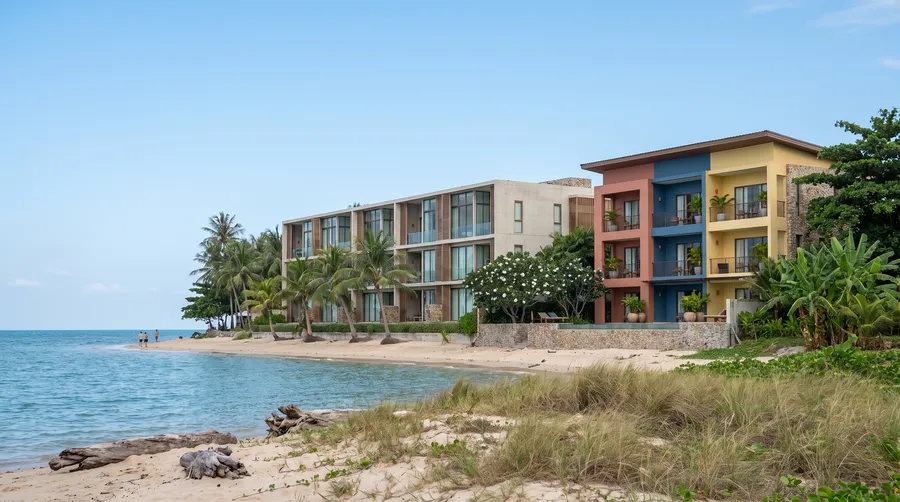
The illustration is an Amorielli studio image, a representative scene rather than a photograph of the property named. Details can change after publication; confirm specifics with the property or source. Like this? Get the newsletter.