High above the ochre valleys of Wadi Safar, a new kind of luxury is taking shape. The Oberoi Sukoonvilas, Wadi Safar, is not merely another high-end hotel opening; it is a meticulously planned statement, a bold entry into Saudi Arabia’s rapidly evolving hospitality scene, and, according to Oberoi Hotels & Resorts, the first hotel set to welcome guests in the highly anticipated Wadi Safar destination. Unveiled today with a glimpse into its design and offerings, this intimate resort, scheduled to open in the first quarter of 2027, promises an experience deeply rooted in local heritage while delivering the refined service Oberoi is known for.
Perched on a dramatic 70-metre escarpment, approximately 30 minutes from Riyadh and close to the UNESCO World Heritage Site of At-Turaif in Diriyah, the resort is designed to be a sanctuary where contemporary luxury, cultural authenticity, and nature converge. It will feature 60 standalone villas and 10 branded residences spread across more than 37 acres of landscaped terrain, all conceived with the timeless elegance of Najdi architecture in mind. This debut is more than just a new address for the well-travelled; it is a bellwether for the kind of sophisticated, culturally sensitive development Saudi Arabia aims to foster as it throws open its doors to a global audience.
The vision, as described by the Diriyah Company, is for Wadi Safar to become an exclusive lifestyle destination where heritage, culture, wellbeing, and nature meet. The Oberoi Sukoonvilas is positioned as a distinctive expression of luxury hospitality, deeply connected to the landscape, history, and cultural identity of a region that is quickly becoming one of the most talked-about frontiers in global travel. This is not a project that could be transplanted anywhere; its essence is intrinsically tied to its location, a deliberate choice that speaks volumes about the direction of luxury tourism in the Kingdom.
A Desert Canvas, Redefined
The very name ‘Sukoonvilas’ – likely derived from the Arabic ‘sukoon’ meaning peace or tranquillity, paired with ‘vilas’ – hints at the resort’s core promise. Set against the backdrop of Wadi Safar’s dramatic desert valleys, the choice of a 70-metre escarpment for its perch is a deliberate stroke, ensuring commanding views and a sense of elevated seclusion. The sheer scale of the project, spanning over 37 acres, allows for a generous spacing of its 60 standalone villas and 10 branded residences, a common thread in true luxury developments where privacy and expansive personal space are paramount.
The design brief, executed by internationally acclaimed architectural firm Aedas and interiors by leading global design studio Blink, explicitly calls for an embrace of Najdi architecture. This isn't merely a stylistic flourish; it is a commitment to a regional vernacular known for its robust, earthy aesthetics, intricate geometric patterns, and shaded courtyards, all designed to harmonise with the harsh desert climate. The report highlights refined craftsmanship, azure waterbodies, and a seamless connection between indoor and outdoor living, elements crucial for a desert retreat where the interplay of light, shade, and water defines comfort and beauty. The 65-metre infinity pool, overlooking the vast expanse of Wadi Safar, is set to be a focal point, a shimmering counterpoint to the rugged landscape, offering both refreshment and a visual anchor.
Wadi Safar itself is framed by the Diriyah Company as an ambitious new chapter in Saudi Arabia’s tourism narrative. Its proximity to the UNESCO World Heritage Site of At-Turaif, the birthplace of the First Saudi State, immediately imbues it with historical significance. This isn’t a blank slate; it’s a canvas steeped in history, and the Oberoi Sukoonvilas aims to build upon that foundation, weaving ancient threads with contemporary comforts. The destination is envisioned as a convergence point for heritage, culture, wellbeing, and nature – a holistic offering designed to attract a discerning clientele seeking more than just sun and sand. This deep contextualisation is key to understanding the project’s ambition; it seeks to offer an authentic Saudi experience, filtered through the lens of ultra-luxury hospitality.
The Diriyah Company’s Group Chief Executive Officer, Mr Jerry Inzerillo, underscores this, stating that the opening of The Oberoi Sukoonvilas will mark an important milestone for Wadi Safar as the first hotel to welcome guests. He notes that Oberoi’s commitment to exceptional hospitality, craftsmanship, and a strong sense of place aligns closely with Diriyah’s vision, suggesting a partnership built on shared values rather than mere commercial transaction. This strategic alignment is critical in a region where cultural sensitivity and national vision are paramount, ensuring that the development contributes positively to the Kingdom’s broader goals.
The Oberoi Pedigree: A Legacy of Refined Hospitality
For decades, Oberoi Hotels & Resorts has cultivated a reputation synonymous with understated elegance, meticulous service, and a deep respect for local culture. Originating in India, the brand has expanded cautiously, prioritising quality and bespoke experiences over rapid global proliferation. Their portfolio, while not vast, is distinguished by properties that often become landmarks in their respective destinations. This deliberate pace and focus on excellence make their entry into Saudi Arabia, particularly as the first hotel in a new flagship destination like Wadi Safar, particularly noteworthy.
Oberoi’s approach to hospitality is often described as intuitive and sincere. They are known for anticipating guest needs without being obtrusive, delivering a level of personal service that fosters loyalty. This philosophy, as articulated by Mr Vikram Oberoi, Chief Executive Officer, Oberoi Hotels & Resorts, is central to the Sukoonvilas project. He emphasised that Wadi Safar presents a rare opportunity to create a resort experience deeply rooted in its surroundings, thoughtfully conceived as a sanctuary of understated luxury where architecture, landscape, and hospitality come together in harmony. This isn't just marketing copy; it reflects a brand DNA that has consistently delivered on these promises across diverse locations and cultural contexts.
The brand's expansion into the region represents a significant step, bringing their blend of Indian hospitality traditions to a new audience. Their properties often feature strong design narratives, incorporating local artistry and materials while ensuring modern comforts and sustainability. The 'thoughtful cultural dialogue between Saudi Arabia and India' mentioned in the announcement is a direct extension of this, suggesting a fusion of two rich and enduring traditions within the resort’s architecture, culinary experiences, and overall philosophy of service. This cross-cultural exchange is a hallmark of Oberoi’s global ventures, allowing them to create unique propositions that stand apart from more homogenised luxury brands.
For Oberoi, entering Wadi Safar as the vanguard speaks to a confidence in the Saudi market and a belief in the Diriyah Company’s vision. It suggests that they see not just a commercial opportunity but also a chance to shape the nascent luxury hospitality landscape of a historically significant region. Their past projects demonstrate a capacity to integrate complex cultural narratives into a luxury product without diluting authenticity, a skill that will be vital in a destination as culturally sensitive and ambitious as Wadi Safar. This move is not just an expansion for Oberoi; it is a strategic positioning at the forefront of a major global tourism shift.
Saudi Arabia’s Grand Designs: Vision 2030 and Luxury Tourism
The opening of The Oberoi Sukoonvilas is not an isolated event; it is a key piece in the colossal jigsaw puzzle that is Saudi Arabia’s Vision 2030. This ambitious national transformation plan, spearheaded by Crown Prince Mohammed bin Salman, aims to diversify the Kingdom’s economy away from oil, with tourism playing a pivotal role. The scale of investment in new tourism infrastructure is unprecedented, encompassing giga-projects like NEOM, The Red Sea Project, Amaala, AlUla, and Diriyah, each conceived as a distinct luxury destination targeting different segments of the global travel market.
Diriyah, where Wadi Safar is located, is a cornerstone of this vision, positioned as a cultural and heritage hub. The Diriyah Company, responsible for its development, is transforming the historic area around At-Turaif into a global destination that celebrates Saudi heritage. The strategy is clear: leverage the Kingdom’s rich history and natural beauty to create compelling, high-value tourism experiences. Unlike some of the more futuristic concepts like NEOM, Diriyah and Wadi Safar lean heavily into authenticity, using the country's past as a foundation for its future.
The focus on 'heritage, culture, wellbeing and nature' for Wadi Safar is consistent with the broader national strategy. Saudi Arabia is not just building hotels; it is building entire ecosystems designed to offer immersive experiences. This includes developing world-class sporting events, cultural festivals, and wellness retreats, all aimed at attracting a diverse range of international visitors who seek more than just traditional sightseeing. The target demographic is broad, but the emphasis on luxury and exclusivity suggests a focus on high-net-worth individuals and discerning travellers who can contribute significantly to the local economy.
The sheer number of luxury brands flocking to Saudi Arabia, from St. Regis and Four Seasons to Six Senses and Aman, underscores the perceived potential of this market. However, Oberoi’s early entry into Wadi Safar, specifically, is a testament to its strategic importance. As Mr Jeremy Canivet, General Manager of The Oberoi Sukoonvilas, Wadi Safar, states, the resort has been designed to create moments of discovery, connection, and renewal, offering guests an opportunity to experience Saudi Arabia through a lens of culture, authenticity, wellbeing, and understated elegance. This narrative is crucial for a country that is still defining its image on the global tourism stage, moving beyond pilgrimage and business travel to leisure and experiential tourism.
This debut is more than just a new address for the well-travelled; it is a bellwether for the kind of sophisticated, culturally sensitive development Saudi Arabia aims to foster as it throws open its doors to a global audience.
The Architecture of Authenticity: Najdi Inspiration Meets Modernity
The architectural mandate for The Oberoi Sukoonvilas is clear: 'inspired by the timeless elegance of Najdi architecture.' This is a significant design choice, moving away from generic international luxury aesthetics to embrace a regional vernacular. Najdi architecture, indigenous to the Najd region of central Saudi Arabia, is characterised by its distinctive mud-brick construction, triangular wall patterns, intricately carved wooden doors and windows, and a focus on shaded courtyards and wind towers to mitigate the harsh desert climate. Its earthy tones and robust forms are deeply resonant with the landscape.
The challenge for Aedas and Blink, the architectural and interior design firms respectively, is to translate this historical style into contemporary luxury without sacrificing its essence. The report mentions 'refined craftsmanship' and a 'seamless connection between indoor and outdoor living,' which are hallmarks of traditional Najdi design adapted for modern comfort. This means not just aesthetic mimicry, but an understanding of the principles behind the architecture – passive cooling, natural ventilation, and the creation of intimate, shaded spaces that offer respite from the sun.
Aedas, an internationally acclaimed firm with a strong presence in the Middle East and Asia, has a portfolio that ranges from high-rise towers to cultural centres. Their expertise lies in delivering large-scale, complex projects that often incorporate elements of local context. For Sukoonvilas, their role will be to ensure that the structural integrity and overall form factor pay homage to Najdi principles while meeting the demands of modern resort operations and luxury standards. This involves careful consideration of materials, ensuring they are both authentic in spirit and durable for a high-end property.
Blink, a global design studio specialising in hospitality, is tasked with the interiors. Their work often focuses on creating a sense of place through narrative-driven design. For Sukoonvilas, this will involve selecting furnishings, textiles, and art that reflect the 'cultural dialogue between Saudi Arabia and India' while maintaining the Najdi aesthetic. This could mean incorporating traditional patterns, local artisans' work, and a palette inspired by the desert landscape – rich browns, ochres, and deep blues – complemented by the azure of water features. The emphasis on 'shaded courtyards' and 'azure waterbodies' suggests a design that actively engages with the environment, creating microclimates of comfort and beauty within the resort.
The integration of these elements – from the robust external forms to the intricate internal details – is crucial. A successful execution will mean guests feel immersed in a distinctly Saudi environment, one that is both historically informed and utterly contemporary. It’s a delicate balance: honouring tradition while providing the expectations of a modern luxury traveller. The mention of 'understated luxury' suggests a rejection of ostentation in favour of quality materials, thoughtful design, and a quiet elegance that allows the sense of place to truly shine.
A Feast for the Senses: Culinary and Wellness Journeys
Beyond its architecture and setting, The Oberoi Sukoonvilas is clearly investing heavily in experiential luxury, particularly in its culinary and wellness offerings. The report details a diverse dining landscape designed to cater to varied palates while celebrating craftsmanship and cultural connection. This is a crucial differentiator in the luxury market, where exceptional food and holistic wellbeing are no longer optional extras but core components of a memorable stay.
Leading the charge in contemporary Indian dining is Yatra, curated by Michelin-starred Chef Rohit Ghai. Ghai is a significant name in the global culinary scene, known for his innovative approach to Indian cuisine, often reinterpreting traditional dishes with modern techniques and presentation. His involvement immediately elevates the resort’s dining proposition, promising a sophisticated and authentic culinary journey. The name ‘Yatra’ itself means 'journey' or 'pilgrimage' in Sanskrit, hinting at a culinary exploration that goes beyond the ordinary. This choice also reinforces the 'cultural dialogue between Saudi Arabia and India,' a recurring theme in the resort’s philosophy.
For those with a sweet tooth or seeking a more casual setting, Linnet will offer artisanal pastries and café culture, led by acclaimed pastry chef Lily Vanilli. Vanilli is celebrated for her creative and often whimsical approach to baking, running a successful bakery in London and having a strong public profile. Her presence suggests a vibrant, engaging café experience, perhaps becoming a local favourite for guests and residents alike. The inclusion of such specific, high-calibre culinary talent signals a serious commitment to F&B, moving beyond standard hotel fare to create destination dining.
International cuisine will be available at Beyla, providing a broader range of options, while relaxed poolside dining will offer more casual fare with the spectacular escarpment views as a backdrop. This comprehensive approach ensures that guests have a variety of choices, from fine dining to relaxed bites, all executed to a high standard. The trend in luxury hospitality is increasingly towards bespoke, chef-driven concepts that tell a story, and Sukoonvilas appears to be embracing this fully.
Wellness, too, is central to the guest experience, with the resort’s ASMI by Oberoi wellness programme. 'Asmi' means 'I am' or 'existence' in Sanskrit, suggesting a focus on self-discovery and holistic being. The programme will offer signature wellness journeys complemented by hammams – a traditional Middle Eastern bathing ritual – indoor wellness pools, and state-of-the-art fitness facilities. The presence of these dedicated spaces underscores a commitment to comprehensive wellbeing, moving beyond a simple spa to a more integrated approach that often includes bespoke programmes, nutritional guidance, and mindful practices. The spectacular 65-metre infinity pool, while visually striking, also offers opportunities for relaxation and quiet reflection, reinforcing the resort’s promise of tranquillity amidst a dramatic natural setting.
“Wadi Safar presents a rare opportunity to create a resort experience that is deeply rooted in the history, culture and natural beauty of its surroundings. Building on Diriyah’s vision for a destination that celebrates Saudi Arabia’s rich heritage, The Oberoi Sukoonvilas, Wadi Safar has been thoughtfully conceived as a sanctuary of understated luxury, where architecture, landscape and hospitality come together in harmony.”
The Geopolitics of Hospitality: Navigating a New Frontier
Operating a luxury resort in a rapidly transforming nation like Saudi Arabia involves more than just design and service; it is intertwined with geopolitics, cultural shifts, and the complexities of nation-building. The Oberoi Sukoonvilas is opening in a country that is actively courting international tourism while simultaneously navigating profound internal reforms and external scrutiny. This context adds layers of challenge and opportunity to its debut.
Saudi Arabia’s Vision 2030 is fundamentally about opening up the Kingdom, both economically and culturally. For decades, inbound tourism was largely restricted to religious pilgrims and business travellers. The current push for leisure tourism represents a seismic shift, requiring significant investment not only in infrastructure but also in adapting societal norms to accommodate a diverse international clientele. Luxury brands like Oberoi are key partners in this transformation, acting as cultural ambassadors and setting new benchmarks for service and experience.
The 'thoughtful cultural dialogue between Saudi Arabia and India' is particularly interesting in this regard. Historically, there have been strong ties between the two nations, from trade to a significant Indian diaspora in the Gulf. Leveraging this existing connection within the hospitality experience can create a bridge, fostering understanding and appreciation for both cultures among guests. It also provides a unique selling proposition, differentiating the resort from those that might adopt a more generic 'international luxury' veneer. However, this dialogue must be handled with genuine sensitivity and respect, avoiding superficiality or cultural appropriation.
One of the quiet challenges for any luxury operator in Saudi Arabia is balancing the expectations of international guests with local customs and regulations. While the Kingdom has made strides in liberalising aspects of public life, it remains a conservative society. Resorts like Sukoonvilas must navigate this carefully, creating spaces that feel inclusive and welcoming to all, while respecting the cultural context of their location. This often involves discreet design choices, staff training in cultural sensitivity, and a nuanced approach to entertainment and activities.
Furthermore, the sheer scale of development in Saudi Arabia raises questions about market saturation and the long-term sustainability of so many ultra-luxury properties. While the ambition is laudable, the ability to fill these high-end resorts consistently, especially given their remote locations and premium price points, will be a significant test. Oberoi, by being the first in Wadi Safar, mitigates some of this risk by establishing itself early, but the competitive landscape will undoubtedly intensify as other planned openings materialise.
The involvement of the Diriyah Company, a state-backed entity, underscores the strategic importance of this project. Their vision for Wadi Safar as a convergence of heritage, sport, wellbeing, nature, and luxury hospitality indicates a long-term commitment and significant resources. This kind of government endorsement is invaluable for large-scale luxury developments, providing stability and support that might be absent in other markets. For Oberoi, this partnership is not just about a single property; it is about being a foundational part of a nation’s grand design.
What it means for where you stay
For the luxury traveller, the opening of The Oberoi Sukoonvilas, Wadi Safar, represents a compelling new option in a destination that is rapidly gaining prominence. If you are someone who values genuine cultural immersion, sophisticated design, and impeccable service, this resort should be high on your radar. Its commitment to Najdi architecture and the 'thoughtful cultural dialogue' with India suggests an experience that goes beyond the superficial, offering a deeper connection to the destination. The presence of Michelin-starred Chef Rohit Ghai and acclaimed pastry chef Lily Vanilli also signals a serious culinary proposition, making it a destination in itself for food enthusiasts.
The resort’s location, approximately 30 minutes from Riyadh and near the historic At-Turaif, offers a unique blend of accessibility to a major city and immersion in a dramatic natural and historical landscape. This allows for a diverse itinerary, combining cultural exploration with relaxation and wellness. The ASMI by Oberoi wellness programme, with its hammams and indoor pools, positions it as a strong choice for those seeking rejuvenation and mindful experiences. Expect a high degree of privacy and personalised service, characteristic of the Oberoi brand and amplified by the standalone villa concept.
However, it is important to remember that this is a new destination in a country still defining its tourism identity. While luxury standards will be met, travellers should approach it with an open mind, appreciating the unique cultural context. Early 2027 is still some way off, so more details on specific experiences, pricing, and booking channels will emerge closer to the opening. For those who enjoy being among the first to experience a groundbreaking luxury property in an emerging destination, this is a significant development to watch.
For owners and investors in the luxury rental and hospitality market, The Oberoi Sukoonvilas signals the continued and intensifying interest in Saudi Arabia as a prime investment destination. The Diriyah Company’s vision for Wadi Safar, backed by substantial national investment, indicates a robust long-term plan for the area. Oberoi’s decision to be the first operator here, coupled with the inclusion of branded residences, suggests confidence in the market’s ability to attract both high-spending guests and luxury real estate buyers. The emphasis on cultural authenticity and bespoke design, rather than generic luxury, is a key takeaway: future developments in the region will likely need to offer a strong sense of place to differentiate themselves.
This project underscores the trend of luxury hospitality moving into experiential and culturally rooted offerings, especially in emerging markets. For smaller luxury rental operators or boutique hotel owners considering expansion or new builds, the lesson is clear: authenticity, bespoke service, and a strong narrative connected to the destination are increasingly non-negotiable. Merely offering high thread counts and infinity pools is no longer enough; the discerning traveller, and thus the savvy investor, is looking for a deeper, more meaningful connection to their stay. The success of Sukoonvilas will provide valuable insights into the viability and demand for this high-calibre, culturally integrated luxury model in the Kingdom and beyond.
Source
Hotel Designs — reported 7 October 2026. Read by the Amorielli news desk.
Checked by the Amorielli standards desk: 2 specifics that could not be traced to the source were removed or attributed before publication.

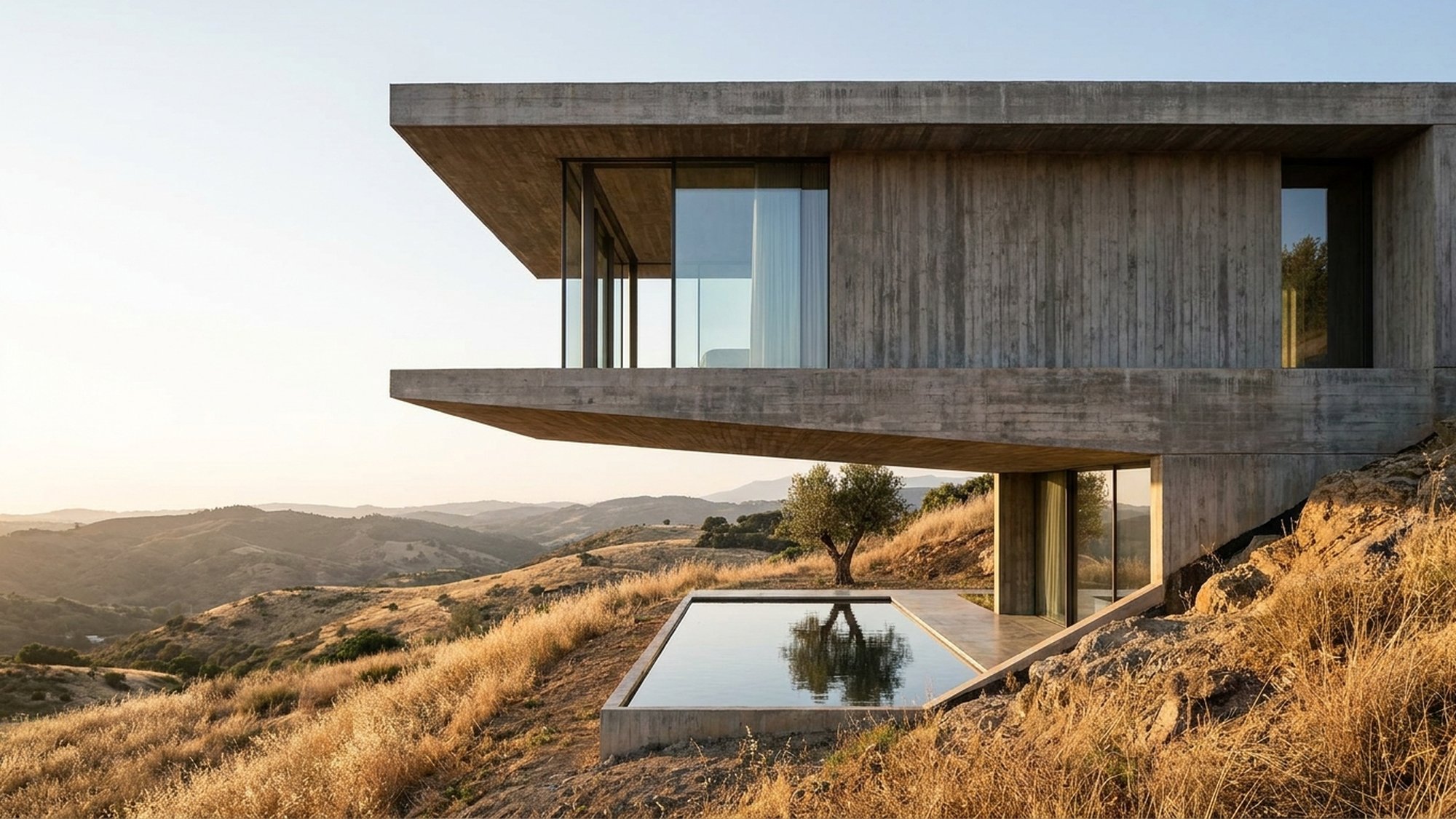
The illustration is an Amorielli studio image, a representative scene rather than a photograph of the property named. Details can change after publication; confirm specifics with the property or source. Like this? Get the newsletter.