
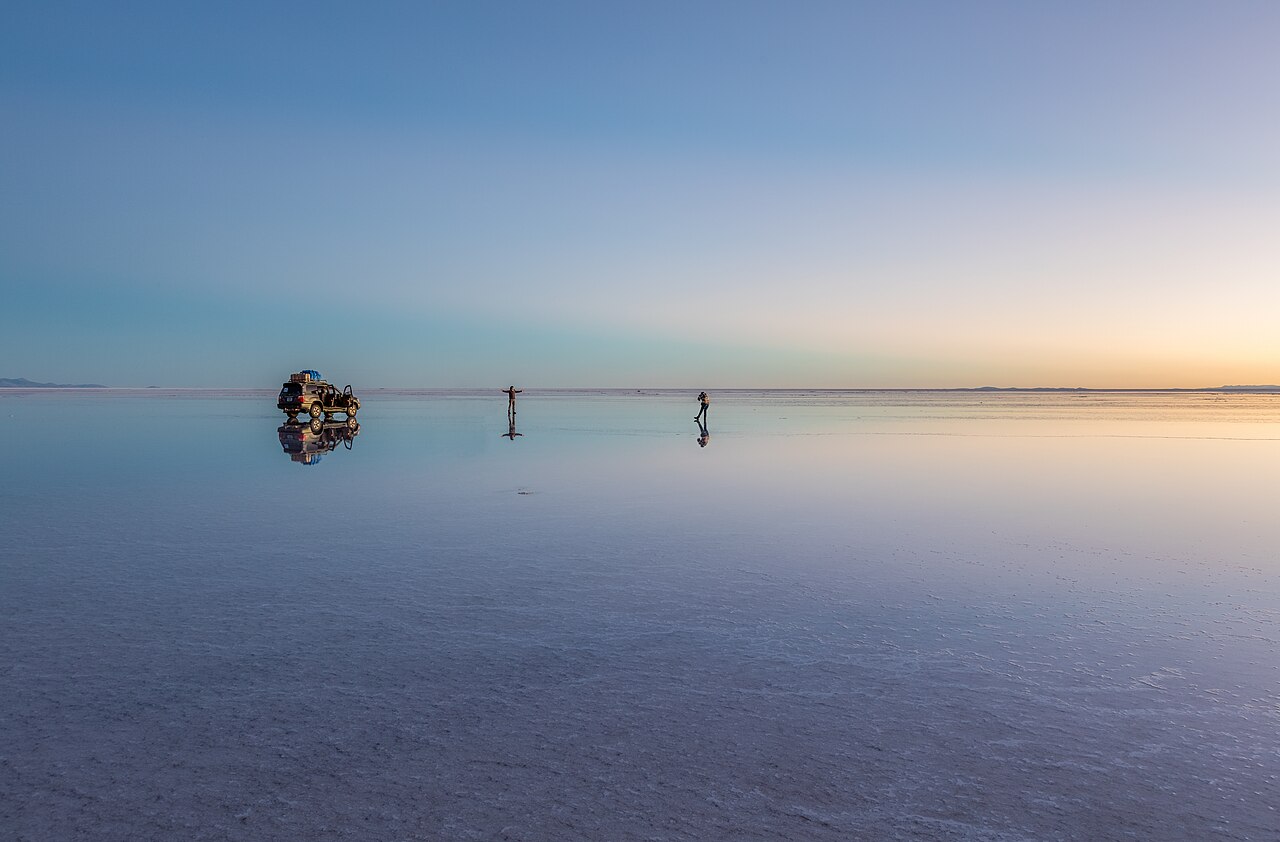
The Salar de Uyuni in Bolivia is not merely a landscape; it is a celestial canvas, a place where the horizon stretches into infinity and the sky feels closer than anywhere else on earth. It is an environment of stark, almost alien beauty, where the earth underfoot can transform from a blinding expanse of hexagonal salt tiles to the world’s largest mirror, reflecting the clouds in an unbroken expanse. This remote, profound setting is where A&K Sanctuary, famous for elite expedition travel, intends to launch its latest venture: Samkani Camp, a luxury mobile camp built entirely from architect-designed Airstreams, slated for a late 2027 debut.
The announcement of Samkani Camp is more than just another luxury opening; it signals a particular evolution in experiential travel, pushing the boundaries of comfort and design into environments that typically demand significant compromise. The choice of the Salar de Uyuni, a place of extreme altitude and minimal infrastructure, immediately sets a demanding stage. A&K Sanctuary is not just placing a camp here; it is attempting to embed a refined, mobile experience directly into the very fabric of one of South America’s most striking natural wonders.
This project arrives at a time when the desire for authentic, immersive, and often exclusive encounters with the natural world is at an all-time high. Travellers are increasingly seeking not just a destination, but a story, a personal narrative tied deeply to their journey. Samkani Camp, with its distinctive approach to shelter, mobility, and local engagement, appears designed to deliver exactly that, offering a deep dive into the unique ecology and culture of the Bolivian altiplano, all from the comfort of a polished aluminium capsule.
The Silver Caravans of the Salar
At the heart of Samkani Camp’s distinctive identity are its six Airstreams. These aren’t merely parked trailers; they are, according to the company, architect-designed suites, each a 33-foot Airstream rebuilt from the shell inwards. The classic, curved aluminium exterior of an Airstream carries a certain nostalgic appeal, an echo of mid-century American wanderlust, yet here, in the vastness of the Bolivian altiplano, they are reimagined as sophisticated, self-contained havens.
Studio Ibsen, led by architect Adriana Granato, is responsible for the interiors, bringing an approach that prioritises material and a sense of place. Granato’s previous work on A&K Sanctuary’s Pure Amazon riverboat demonstrates a commitment to integrating local context into design, and this philosophy is clearly evident in Samkani. Inside, the polished aluminium walls curve overhead, softened by a warm timber lattice ceiling. This interplay of cool metal and natural wood sets a tone of contemporary elegance that respects the Airstream’s industrial heritage while elevating its domestic feel. A woven panel in rust and sand tones frames each bed, serving as a subtle nod to the rich textile traditions of the Andean region.
The colour palette—terracotta, leather, and deep Andean blue—is said to draw inspiration directly from the surrounding landscape, specifically the volcanoes that punctuate the salar’s edge. This connection to the environment is further reinforced by the use of Bolivian blue sodalite, which tops the bedside tables and the double vanity in each bathroom. Such choices are not arbitrary; they ground the otherwise modern design in the local geology and culture. Each suite is configured with either a queen or twin beds, and a sofa provides an additional sleeping space for one child, indicating a design that considers family travel. Beyond aesthetics, practicalities for a high-altitude desert environment are addressed: heating, air conditioning, and electric blankets ensure comfort even when nights regularly fall below freezing at 3,650 metres. Modern amenities like Starlink Wi-Fi, a stocked minibar, and a tablet with destination information complete the offering, ensuring guests remain connected and informed, despite the remote location. Each suite extends onto a private wooden deck, designed for evenings spent under the famously clear Bolivian sky.
A Stage Set for the Seasons
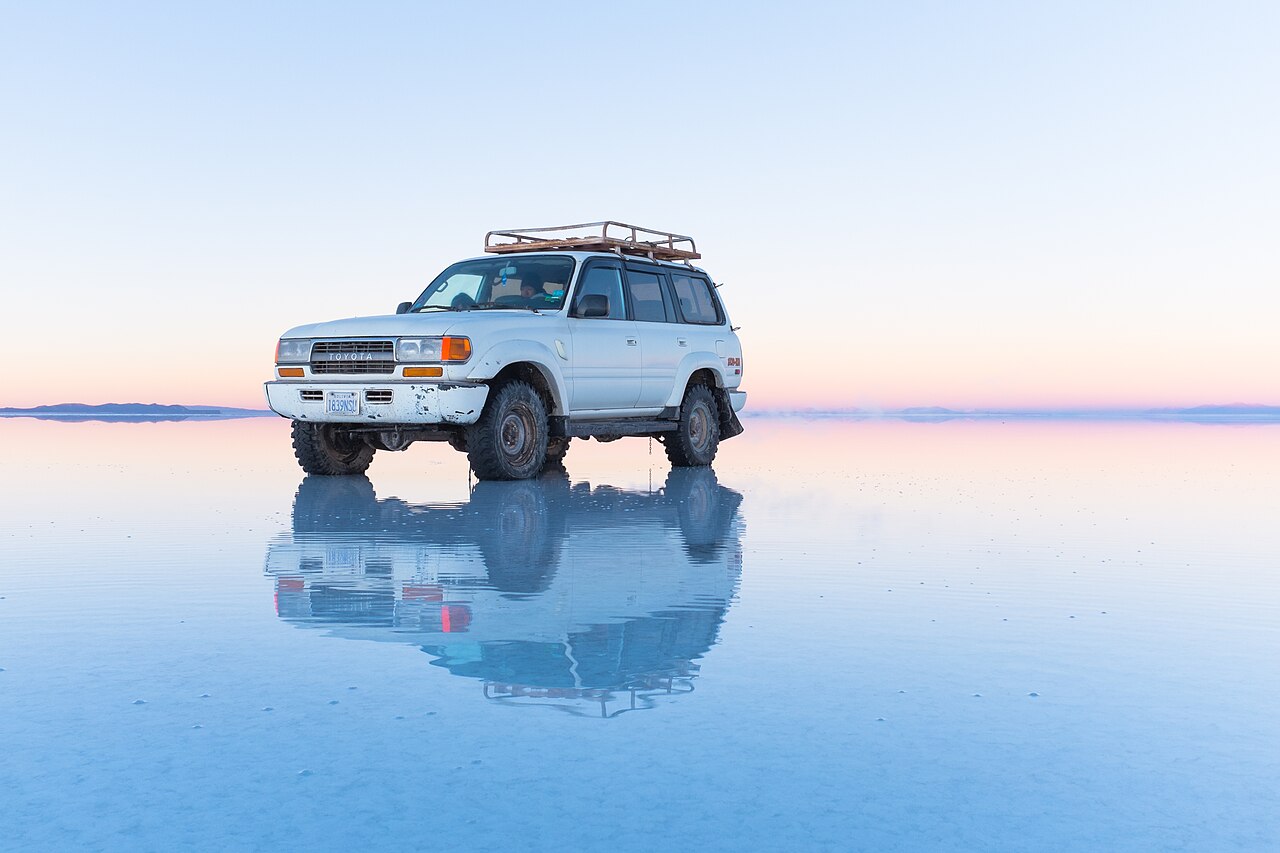
The standout feature of Samkani Camp’s design may well be how easily it can move. The Airstreams are fully mobile, a crucial feature that allows the camp to be repositioned throughout the year, ensuring guests experience the Salar de Uyuni at its most spectacular, regardless of the season. This dynamic approach offers a level of immersion and variability that fixed structures simply cannot match, turning the camp itself into an active participant in the landscape’s seasonal drama.
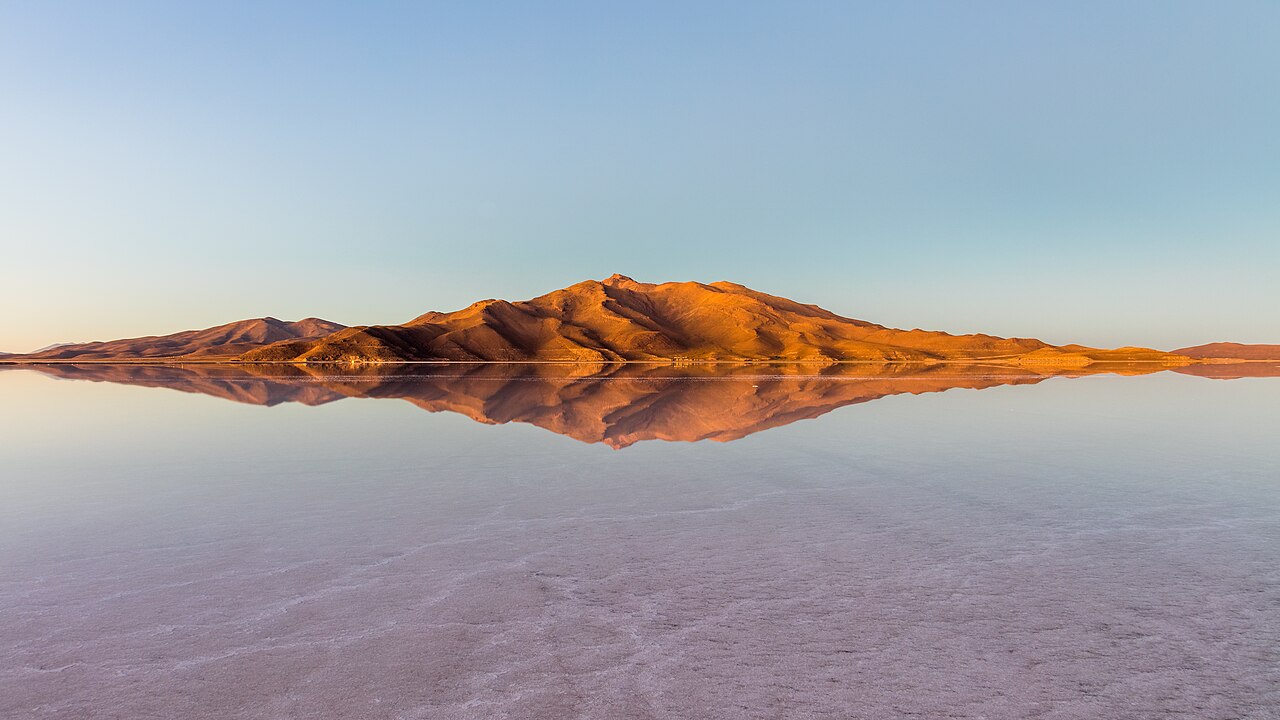
In the dry season, which runs from April to November, the camp will be pitched in a quiet, secluded corner of the southern salar. Here, the vast salt crust cracks into an endless mosaic of hexagonal tiles, a surreal geometric pattern that stretches to the horizon. The company notes that visitors in this area are usually many kilometres away, emphasising the sense of profound isolation and exclusivity. This period offers stark, unblemished views of the salt flats, ideal for photography and quiet contemplation under vast, open skies.
As the landscape transforms with the arrival of the rainy season, roughly from December to March, so too does the camp’s location. It moves north, to the edge of the salar near the pre-Inca ruins of Pukara de Ayque. During these months, a thin layer of water covers the salt surface, transforming it into the world’s largest natural mirror. The effect is famously ethereal, blurring the lines between earth and sky, creating breathtaking reflections that draw photographers and travellers from across the globe. The company suggests that these two distinct seasonal manifestations are so different they feel like two separate places, providing a compelling reason for guests to return and experience both.
This strategic repositioning is a logistical feat, requiring meticulous planning and execution in an area devoid of conventional infrastructure. It underscores A&K Sanctuary’s commitment to delivering not just a view, but an evolving, site-specific experience that adapts to the natural rhythms of the environment. The mobility is not merely a practical solution; it is central to the narrative of discovery and wonder that the camp aims to provide.
Dining Under the Vast Sky
The sixth Airstream in the Samkani Camp serves as its social heart, housing the lounge, bar, and dining room. This communal space mirrors the design sensibilities of the suites, with long banquettes running beneath a row of windows that frame the ever-changing salar views. At one end, a bar faced in Bolivian blue sodalite stands as a focal point, its curved timber shelving following the natural line of the Airstream’s shell, creating an inviting and cohesive space for guests to gather and share their daily adventures.
The culinary philosophy at Samkani Camp is firmly rooted in Bolivia’s rich gastronomic heritage. Menus are built around the country’s native ingredients and traditional cooking methods, promising an authentic taste of the altiplano. This commitment extends to the beverage programme, which features wines from the vineyards of Tarija, notably among the highest-altitude vineyards in the world. Alongside these, guests can sample local specialities such as singani, a grape brandy; mocochinchi, a dried peach drink; quinoa beer; and indigenous coca and muña teas, each offering a unique flavour profile and a connection to local customs.
Dining at Samkani Camp is not confined to the Airstream. The experience extends into the landscape itself, with lunches laid out on the salt beside remote islands, offering a truly singular picnic experience amidst the vastness. Dinners are served outdoors around a fire, providing warmth and a focal point against the cool, dark desert nights. These al fresco dining arrangements are not just about the food; they are about the theatre of the environment, the sensory experience of eating under an immense sky, with the crisp, dry air and the silence of the salar as companions. This approach to food and drink transforms meals into integral parts of the overall expedition, enhancing the sense of immersion and connection to the Bolivian landscape and culture.
Where the Earth Meets the Cosmos
After dark, Samkani Camp pivots its focus to an entirely different, yet equally spectacular, aspect of the Salar de Uyuni: its celestial dome. The camp is positioned in a location renowned for some of the clearest skies on earth, a reputation earned through a unique combination of high altitude, extremely dry air, and almost complete absence of light pollution. These conditions create an unparalleled vantage point for observing the night sky, allowing the Milky Way to be seen in remarkable detail, a sight that for many city dwellers is increasingly rare.
Evenings at Samkani Camp are structured around a programme of guided sessions led by A&K’s expert guides. This includes astrophotography, offering guests the chance to capture the grandeur of the night sky over the reflective salt flats. Beyond pure observation, there are sessions on astroarchaeology and Andean cosmology, delving into the ways the region’s earliest cultures interpreted and related to the stars. This integrates the scientific and spiritual dimensions of the night sky, connecting the present experience with millennia of indigenous knowledge and belief systems. Guests can also simply engage in stargazing from their private decks, identifying constellations and tracing the luminous band of the Milky Way, allowing for moments of quiet, personal contemplation.
This emphasis on astronomical observation is a significant draw, aligning with a growing interest in ‘dark sky tourism’. It leverages the Salar’s natural attributes to provide an educational and profoundly moving experience. The expert guidance ensures that guests not only witness the celestial display but also understand its cultural and scientific significance, adding layers of meaning to an already extraordinary visual spectacle. It transforms the camp into a temporary observatory, a place where the human scale is humbled by the cosmic, and ancient wisdom meets modern exploration.
The Mechanics of Remote Luxury
Operating a luxury camp in a location as isolated and devoid of infrastructure as the Salar de Uyuni presents significant logistical and environmental challenges. Samkani Camp, by necessity, is designed to be entirely self-sufficient. The company states it runs on solar power, a fundamental choice for minimising its environmental footprint in a pristine ecosystem. This commitment to renewable energy is complemented by an on-site desalination plant, which provides filtered drinking water throughout the stay. In an area where fresh water resources are scarce, this technology is critical, ensuring both guest comfort and a reduced reliance on external, potentially unsustainable, water supplies.
The human element of Samkani Camp is equally important. The team of drivers, guides, and chefs is entirely Bolivian, drawing on local expertise and providing employment opportunities within the region. This approach is not just about cultural authenticity; it speaks to the practical necessity of having a team with decades of experience and deep understanding of the local environment, its challenges, and its nuances. Such local knowledge is indispensable for navigating the vast, often featureless salt flats, understanding the subtle shifts in weather patterns, and interpreting the cultural significance of the landscape for guests.
The success of a mobile, high-altitude camp hinges on more than just innovative design and sustainable technology; it relies heavily on the professionalism and dedication of its staff. Their ability to manage complex logistics, ensure guest safety and comfort in extreme conditions, and provide enriching interpretive experiences is paramount. This integration of local talent and sustainable practices is a hallmark of responsible luxury travel, aiming to ensure that the presence of the camp contributes positively to the region, rather than simply extracting from it. It represents a careful balancing act: delivering a high-end experience while respecting the delicate ecology and cultural fabric of a unique destination.
A&K Sanctuary is not just placing a camp here; it is attempting to embed a refined, mobile experience directly into the very fabric of one of South America’s most striking natural wonders.
A&K’s Evolving Expeditions
The development of Samkani Camp fits squarely within a broader trend in luxury travel, particularly within the expedition and safari market, where mobile and semi-permanent camps are becoming increasingly sophisticated. A&K Sanctuary, as part of the larger Abercrombie & Kent group, has a long history of pioneering travel to remote and culturally rich destinations. The ‘Sanctuary’ brand itself implies a focus on immersive, often wilderness-based experiences that prioritise unique access and thoughtful engagement with the environment.
This move towards mobile, design-forward camps is not unique to A&K. The broader industry has seen similar innovations. For example, Wilderness Safaris has launched luxury mobile camps in locations like Serengeti National Park, and Angama Mara has set up camps in Kenya’s Kimana Sanctuary. Even properties like Camp Sarika, which opened within Amangiri, while not mobile in the same sense, represent a similar drive towards highly exclusive, design-led accommodations in dramatic natural settings. These ventures collectively underscore a market demand for intimate, flexible, and deeply integrated experiences that move beyond the traditional fixed-resort model.
What distinguishes Samkani Camp is its distinct choice of locale and the specific adaptation of the Airstream concept. While African safaris have long utilised mobile tents, the application of architect-designed Airstreams to the high-altitude salt flats of Bolivia introduces a novel architectural and operational challenge. It speaks to a willingness by A&K Sanctuary to push creative boundaries, to adapt iconic forms to entirely new contexts, and to invest in the complex logistics required to make such an ambitious project viable. This approach reinforces their position at the forefront of experiential luxury, catering to a clientele that seeks not just comfort, but profound and often transformative encounters with the world’s most extraordinary places.
What it means for where you stay
For travellers contemplating their next extraordinary destination, Samkani Camp offers a glimpse into a future of highly specialised, deeply immersive luxury. This is not a quick weekend getaway; it is a commitment to an experience that demands attention, respect for the environment, and a readiness for adventure. The appeal lies in its distinctiveness: the opportunity to witness the Salar de Uyuni’s dramatic seasonal transformations from a mobile, comfortable base, guided by local experts who can unlock its cultural and natural secrets. Travelers should consider the altitude and the remote nature of the location, ensuring they are prepared for such an environment. The reward, however, is likely to be a profound connection with one of the planet’s most unique landscapes and a truly unforgettable encounter with the cosmos.
Samkani Camp offers a striking example of creative thinking that operators across high-end lodging can learn from. It demonstrates that the demand for truly unique and experiential stays continues to grow, even in the most challenging environments. The mobile camp model, while logistically complex, offers unparalleled flexibility and the ability to adapt to seasonal changes, providing a fresh perspective for returning guests. It underscores the importance of thoughtful design that integrates local materials and culture, as well as a robust commitment to self-sufficiency and local employment. The success of such a venture hinges on meticulous planning, deep local partnerships, and an unwavering focus on delivering an authentic, high-quality experience that justifies its premium positioning. Samkani Camp illustrates how blending iconic design, environmental sensitivity, and unparalleled access can define the next generation of luxury remote stays.
Sources
Sleeper — reported 19 November 2026. Read by the Amorielli news desk.
- thenewstays.com - Samkani Camp - New Airstream Stay in Uyuni, Bolivia - The New Stays.
- swissafrican.com - Angama Amboseli - Kimana Sanctuary - Amboseli National Park, Kenya.
The Amorielli standards desk read this piece against its sources: 30 points of fact examined; 28 found in the material and in the sources listed below; 2 left as general background; nothing taken out.
The conversation