On June 21, 1976, from a balcony on Via delle Botteghe Oscure in central Rome, Enrico Berlinguer, then general secretary of the Italian Communist Party (PCI), proclaimed a momentous electoral victory: “One in three Italians votes Communist!” The image of that moment, of the charismatic leader addressing the crowds from what was effectively the ‘red Vatican’ of the West, is etched into Italy’s collective memory.
Today, stepping out onto that very balcony, one finds themselves in Room 207 of the newly opened Thompson Rome hotel. A bottle of Valpolicella might sit on the table, and a glance down at the street below reveals a different reality: it is likely that only one in three passers-by is not a tourist. The legendary headquarters of the PCI, a building that once housed the largest communist party in the Western world, has undergone a profound transformation, reopening as a luxurious five-star hotel under the Hyatt group’s Thompson brand. A night in Berlinguer’s former office now commands a price of around €600, or $670, according to reports.
The news has, understandably, caused a considerable stir across Italy. This is not merely the repurposing of an old office block; it is the re-imagining of a significant piece of the republic’s history, a building steeped in the ideological battles and political dramas that shaped modern Italy. Its metamorphosis into a luxury hotel is a powerful symbol, reflecting not just the shifting sands of the hospitality market but also the broader currents of a nation grappling with its past.
The Red Vatican Reimagined
The Italian Communist Party’s former home was more than just an administrative centre; it was a potent symbol, a focal point for millions. Staff at the new hotel, led by Spanish manager Arturo Reguero, acknowledge its magnetic pull, noting that “a lot of people come to see it.” The building’s historical weight is immediately evident upon entry, where a striking artwork from 1978 by celebrated sculptor Giò Pomodoro, featuring a hammer and sickle, remains embedded in a wall. This piece, along with a copy of the red flag of the Paris Commune, the entrance’s paving with a five-pointed star, and an imposing bust of Antonio Gramsci at the foot of the staircase, were all required to be preserved by historic preservation authorities.
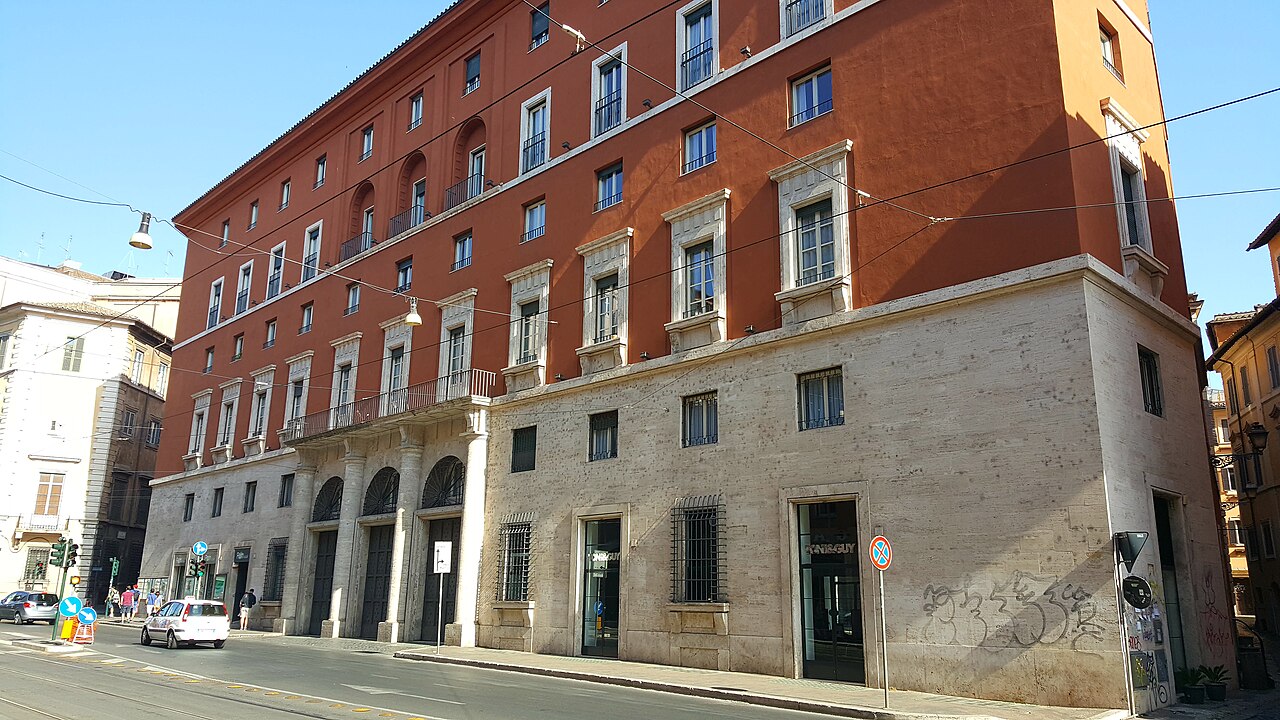
These elements serve as poignant reminders of the building’s former life, a stark contrast to the modern luxury that now surrounds them. Walter Veltroni, a former party leader who visited the transformed premises, reportedly expressed his sadness and found himself disoriented, unable to navigate the familiar corridors that now lead to guest rooms and upscale dining. The architectural and decorative changes have rendered the interior largely unrecognisable to those who once frequented it, proving the sheer extent of the hotel’s overhaul.
The PCI, after its dissolution in 1991, saw its successor parties, the Democrats of the Left (DS) and later the Democratic Party (PD), vacate the building in 2000. This departure marked the beginning of a gradual, almost inevitable, commercialisation of the space. The building’s journey from political powerhouse to luxury destination is a microcosm of Italy’s own evolution, a nation where the grand narratives of the 20th century are increasingly giving way to the demands of the global economy and the allure of international tourism.
A City’s Shifting Sands
Rome, the Eternal City, has continuously pulled in travelers for generations, as its deep history attracts millions of people annually. The city’s core, with its ancient ruins, Renaissance masterpieces, and Baroque flourishes, offers an inexhaustible canvas for exploration. Yet, this constant influx of tourism, while economically vital, also exerts a powerful transformative force on its urban fabric. Historic buildings, once serving civic or residential purposes, are increasingly re-envisioned as hotels, rental apartments, or retail spaces catering to a transient population.
The location of the former PCI headquarters on Via delle Botteghe Oscure holds additional layers of historical resonance. Just over 100 metres away, the body of Aldo Moro, a former prime minister and leader of the Christian Democracy party, was found in the boot of a red Renault 4. This grim discovery in 1978, at a point equidistant from the headquarters of both the PCI and Christian Democracy, was widely interpreted as a chilling message from the Red Brigades, or other shadowy forces, against political compromise. The street, therefore, carries not only the echoes of political triumph but also the profound trauma of national tragedy.
The arrival of a Thompson hotel in such a charged location speaks volumes about the priorities of contemporary Rome. While some tourists, particularly those from Asian and Arab countries, are described as indifferent to the site’s political significance, the hotel has included explanatory panels to bridge this gap. This blend of historical preservation and contemporary commerce is a delicate dance, one that many historic cities are performing as they seek to balance their heritage with the pressures of economic development and the ever-growing demands of the global travel market.
Echoes of Ideology and Commerce
Turning the PCI building into a high-end hotel does not stand alone; it marks the endpoint of a sequence of shifts that started decades back. After the DS vacated the premises in 2000, the Italian Banking Association moved in, prompting cynical jokes about the irony of capital occupying the former bastion of communism. This shift was a clear signal of the changing times, a precursor to the more overt commercialisation that would follow.
The party’s famous ground-floor bookstore, Rinascita (meaning ‘Rebirth’), which had nurtured generations of left-wing readers, managed to survive for a time. Carmen Llera, wife and later widow of Alberto Moravia, famously worked there as a volunteer, receiving books as payment. However, the economic realities eventually proved insurmountable. The bookstore faced a monthly rent of €15,000, or $16,600, a sum that would have required the sale of an astonishing number of books on capitalism’s contradictions. Rinascita closed its doors in 2009, another casualty in the relentless march of urban redevelopment and market forces.
The space was then rented to a newspaper, and later stood empty, a vacant shell awaiting its next iteration. The symbolic endpoint arrived in 2015 when a supermarket opened there, one of those ubiquitous establishments catering primarily to tourists, stocking beer and shampoo. This progression — from political epicentre, to banking hub, to intellectual haven, to a mundane convenience store — illustrates a steady erosion of the building’s original identity, each step further divorcing it from its revolutionary past. The final acquisition by Antonio Angelucci, a prominent figure of Italy’s hard right, a businessman and Lega deputy known for his infrequent parliamentary attendance, merely adds another layer of political irony to this historical palimpsest.
The Unseen Hands of Change
The decision by the Hyatt group to establish a Thompson hotel in such a historically charged location is a calculated move, reflecting a wider shift across high-end lodging. Global hotel brands are increasingly seeking out unique, historically significant properties in prime urban locations, understanding that these offer a distinct narrative alongside authentic local character that new builds often lack. The Thompson brand, famous for focusing on regional tradition alongside design-led styles and a homey atmosphere, fits this type of venture remarkably well.
The economic incentives are clear. Rome remains one of the world’s most sought-after destinations, and a luxury hotel in its historic centre commands premium rates. The former PCI building, despite its political past, benefits from an enviable address and a compelling story, two assets that can be leveraged to draw a particular class of wealthy tourist. The challenge for the developers and designers was to integrate the building’s potent history into a contemporary luxury experience without sanitising it entirely, or rendering it merely a theme park version of its former self. The preservation of key historical artefacts, mandated by authorities, aids in this delicate balance, ensuring that fragments of the past remain visible within the new commercial context.
This conversion also highlights the fluidity of urban real estate. Buildings are not static monuments but dynamic entities, constantly adapting to the economic, social, and political currents of their time. The capital required for such a large-scale renovation, coupled with the long-term vision of a major hotel group, underscores the significant investment and belief in Rome’s enduring appeal as a luxury travel destination, irrespective of the property’s prior ideological associations.
The building’s journey from political powerhouse to luxury destination is a microcosm of Italy’s own evolution, a nation where the grand narratives of the 20th century are increasingly giving way to the demands of the global economy and the allure of international tourism.
From Manifesto to Minibar
The Thompson Rome has managed to turn what was once an austere office block into a very pleasant place, according to the source. With 69 rooms, it offers a more intimate scale than some of Rome’s grander hotels, allowing for a focused approach to service and guest experience. The culinary offerings are equally ambitious, with the restaurant boasting an impressive collection of 900 wine labels, a testament to Italy’s rich viticultural heritage and a clear nod to the sophisticated palates of its clientele. This extensive selection alone suggests a commitment to providing a top-tier dining experience, far removed from the utilitarian canteens that might have once served party functionaries.
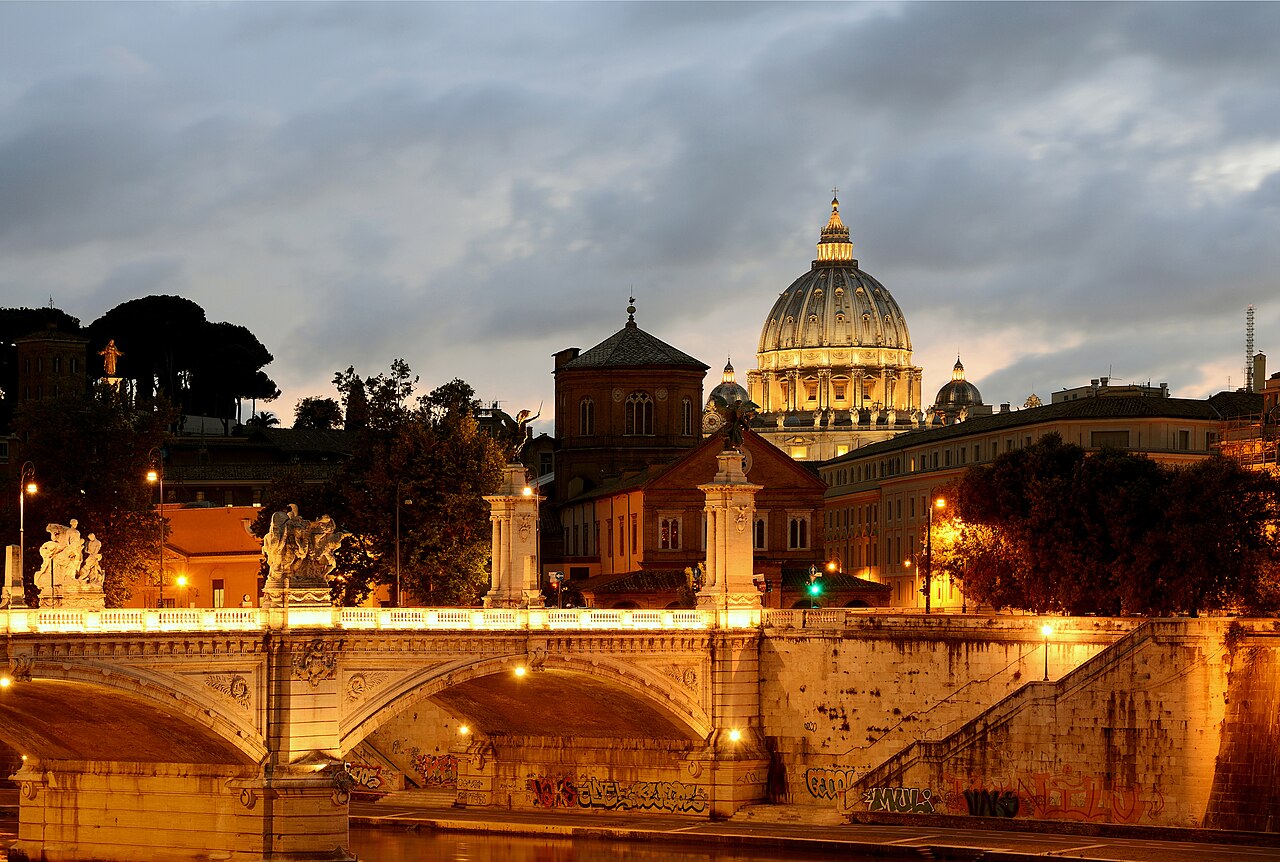
The hotel’s amenities extend beyond the immediate comforts of its rooms and dining spaces. An astonishing terrace, set to open in spring, promises one of the most impressive views of Rome. This rooftop vantage point, where guests can enjoy a Negroni, offers a literal and figurative elevation from the street-level political struggles of the past. The transformation is complete: where once central committee meetings debated the future of the republic, now guests contemplate the ancient city skyline.
Even the building’s more enigmatic features have been re-contextualised. A safe, hidden at the end of a corridor on the third floor, next to room 314, now merely whispers of history when opened, its former secrets replaced by the hum of the air conditioning. This detail, almost a playful wink at the building’s past, highlights the careful balance the hotel has struck between acknowledging its heritage and fully embracing its new identity as a haven of modern hospitality.
More Than Just a Room
For the modern traveller, a stay at the Thompson Rome offers a peculiar blend of historical immersion and contemporary comfort. It is not simply a room with a view, but a room with a story, one that stretches back through decades of Italian political life. The opportunity to sleep in Enrico Berlinguer’s former office, to stand on the balcony where history was made, provides a unique talking point and a tangible connection to a pivotal era.
Yet, the question remains: how deep does this connection run? Is the experience genuinely enriching, or is it merely a superficial encounter with a commodified past? The hotel’s design ethos, described as having “respectfully and harmoniously integrated” the historical elements, suggests an attempt to honour the building’s legacy. This method intends to foster a space where history feels near yet manageable, so visitors can value the heritage without feeling like hotel guests inside a museum exhibit.
The target demographic for such a hotel is likely varied. It will appeal to history enthusiasts seeking a novel perspective on Rome, to luxury travellers who appreciate unique design and provenance, and perhaps to a younger generation for whom the Italian Communist Party is a distant historical footnote, easily absorbed into the broader tapestry of Rome’s rich narrative. The hotel’s ability to cater to these diverse expectations, providing both a luxurious stay and a respectful nod to its former life, will be key to its long-term success.
What it means for where you stay
For travellers contemplating a trip to Rome, the Thompson Rome offers a distinct proposition. It is for those who seek a stay that transcends the purely functional, offering a narrative alongside comfort. If the idea of sleeping in a room where momentous political decisions were once made, or enjoying a cocktail on a terrace overlooking a city steeped in millennia of history, appeals, then this hotel provides a singular experience. It encourages a different kind of engagement with the city, one that prompts reflection on how places evolve and how history continues to shape the present, even when cloaked in luxury. However, for those seeking a more traditional, overtly Roman aesthetic, or a property entirely devoid of political undertones, other options abound.
For owners and developers in the hospitality sector, particularly those eyeing historic properties, the Thompson Rome serves as a powerful case study. It demonstrates the immense potential, and inherent challenges, of adaptive reuse. The success here lies in a delicate balance: respecting the historical integrity and distinct identity of a building while simultaneously transforming it into a commercially viable, high-end offering. This requires not just significant capital investment but also a sensitive design approach, a keen understanding of the target market, and the ability to weave a compelling story around the property. The building’s journey from a political symbol to a luxury hotel underscores that even the most ideologically charged spaces can find new life and purpose, provided there is a strategic vision and a willingness to navigate the complex interplay of history, heritage, and modern commerce.
Source
EL PAÍS English — reported 14 November 2026. Read by the Amorielli news desk.
The Amorielli standards desk read this piece against its sources: 51 points of fact examined; 50 found in the material; 1 left as general background; nothing taken out.

The conversation