
The annual Dezeen Awards, a barometer for global design excellence, recently crowned its Interiors Project of the Year for 2026, shining a spotlight on a Spanish renovation that manages to be both profoundly respectful of its past and strikingly contemporary. In a London ceremony, the top honour was bestowed upon La Casa del Pirata by Raul Sanchez Architects, a project that transformed a 19th-century sailor’s home in Mataro, Spain, into a vibrant living space for his descendant.
This particular win, which also secured the residential interior (small) project of the year, resonated deeply with the judges. They described it as “probably the boldest and most well-executed project we saw,” noting its ability to retain existing elements while creating “a much more interesting place.” Such accolades are not handed out lightly, and the choice of La Casa del Pirata over a field of 13 other category winners, spanning diverse projects from a boutique hotel in Bali to a minimalist Kazakh retail space, speaks volumes about the current trajectory of design philosophy.
The decision, according to the judges, was unanimous: “There was no discussion – this was the winner.” The shared agreement highlights a rising respect for old-building updates that take bold risks and refuse “to not play it safe.” This bold choice stands out in a sector that frequently leans toward untouched modern builds or plays it too safe with restoration. Whether Amorielli’s audience wants ideas for an upcoming boutique getaway or guidance on building high-end real estate, this win provides a striking example of celebrating history while giving it a fresh twist.
Mataro Heritage Reimagined
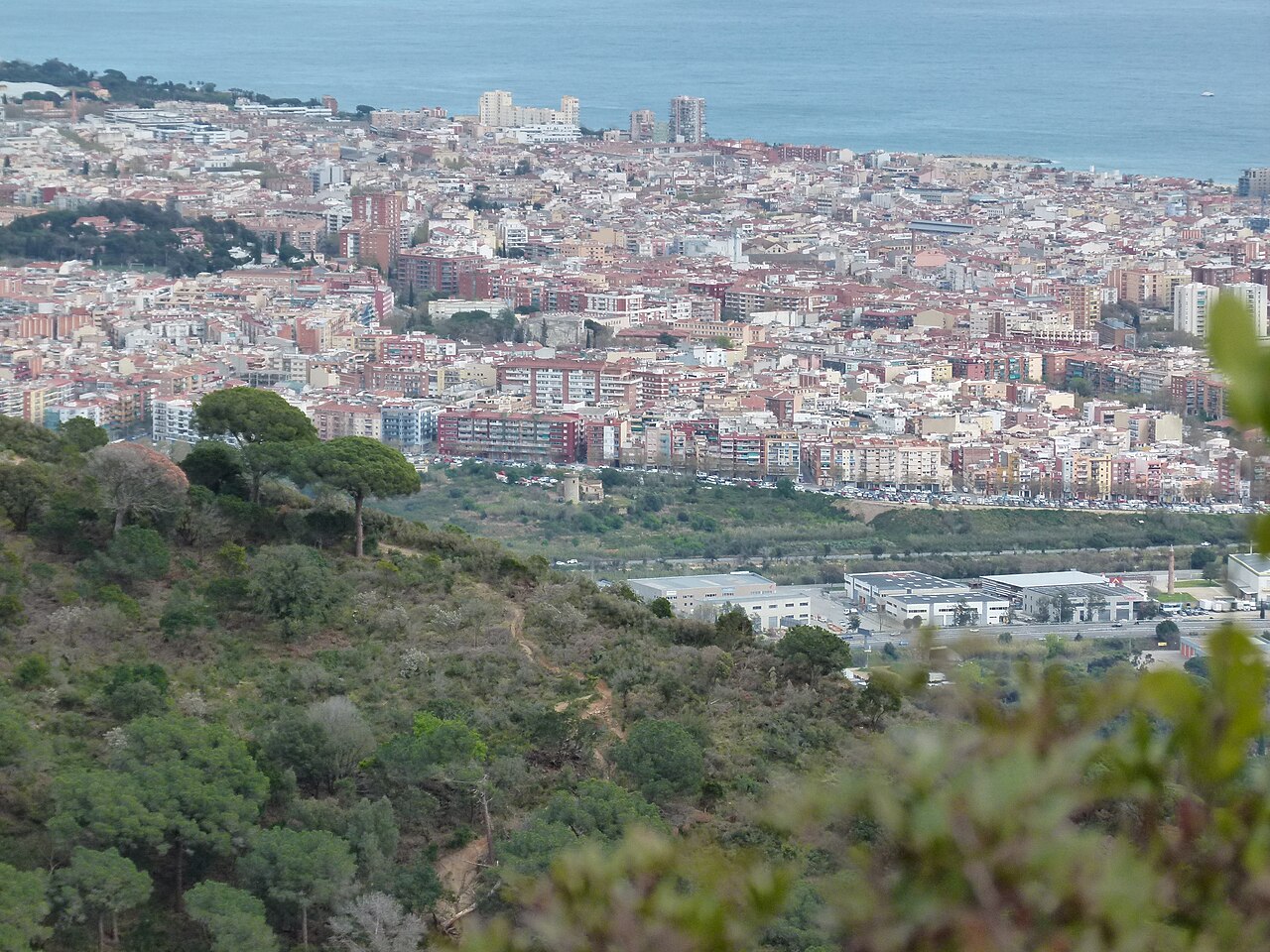
Mataro, a coastal city north of Barcelona, has a rich maritime history that stretches back centuries. Its port has long been a hub of trade and shipbuilding, shaping the architecture and character of the town. To understand La Casa del Pirata, one must first appreciate this backdrop. The home, once belonging to a 19th-century sailor, carries with it the echoes of voyages, of a life lived by the sea. Raul Sanchez Architects’ task was not merely to update a dwelling but to interpret and extend this narrative for a modern inhabitant.
The project specifically addressed three key areas within the home: the entrance hall, the dining room, and the living area. These are spaces that, in any residence, define the initial impression, communal life, and relaxation. The architects’ approach, as highlighted by the Dezeen judges, was to keep “everything that was already there.” This is a crucial distinction from a typical gut renovation. Instead of stripping away the past, they layered new design elements onto it, creating a dialogue between eras.
The term “bold” used by the judges is key. It suggests a departure from conventional notions of luxury, which often lean towards seamless, pristine finishes. Here, the luxury lies in the thoughtful juxtaposition, the deliberate contrast, and the respect for the building’s patina. It’s an approach that celebrates imperfection and history, allowing the original structure to breathe while introducing modern functionality and aesthetic flair. Pulling off this type of makeover calls for extensive knowledge of historic buildings as well as modern lifestyle demands, creating a harmony that is famously tough to achieve.

Calling it La Casa del Pirata, or “The Pirate’s House,” brings to mind nautical tales and ocean living, even if the first resident was just a humble mariner. This narrative thread likely informed the design choices, subtly weaving in elements that speak to its nautical past without resorting to overt, thematic decoration. The success of such a project hinges on its ability to tell a story through its spaces, to make residents and visitors feel a connection to its unique history.
The Dezeen Awards: A Global Benchmark
The Dezeen Awards, now in its ninth edition, has firmly established itself as a significant platform for recognising and celebrating architectural and design excellence worldwide. Partnering with global technology company Trimble, the awards programme aims to inspire and support creative talent across the globe. Winning an award from Dezeen is not just a feather in an architect’s cap; it’s a powerful endorsement that can elevate a studio’s profile and influence future commissions.
The 2026 edition saw winners from 10 different countries, including Australia, China, Czech Republic, Kazakhstan, Mexico, and Ukraine, underscoring the truly international scope of contemporary design. This geographical diversity reflects a global conversation about aesthetics, sustainability, and cultural identity in design. The awards span various categories, from residential and commercial interiors to leisure, retail, and workplace projects, offering a comprehensive snapshot of the industry’s most innovative work.
The master jury, composed of leading figures in architecture and design, looks for projects that demonstrate innovation, originality, and a clear vision. Their comments on La Casa del Pirata – praising its execution, spatial intelligence, and refusal to “play it safe” – reveal the criteria that now resonate most strongly within the design community. It’s not enough for a space to be beautiful; it must also be intelligent, thoughtful, and, increasingly, sustainable.
The awards also serve as a crucial trendspotter. By highlighting projects like La Casa del Pirata, they signal to the wider market what constitutes cutting-edge design. If you build upscale lodging or top-tier holiday homes, these honors shed light on emerging guest and buyer desires: places with true personality, a clear backstory, and a visual approach that cuts deeper than mere surface shine.
A Spectrum of Design Innovation
Beyond the overall winner, the Dezeen Awards 2026 celebrated a diverse array of projects that collectively paint a picture of contemporary design’s priorities. Each category winner offers its own lessons for the luxury stays and rental market, demonstrating how different challenges can be met with ingenuity and a distinct point of view.
In the residential interior (large) category, Gisbert Pöppler’s Garden Home in Ruhr, Germany, transformed a 1920s villa with a bold colour scheme and artisanal details. The judges were captivated by the contrast between the classic exterior and the vibrant interior, noting its "character and doesn’t play it safe." This speaks to a desire for personality in larger homes, moving away from uniform elegance towards expressive individuality. For large vacation rentals, this suggests that a strong, cohesive aesthetic, even if unconventional, can be a major draw.
The hotel and short-stay interior of the year went to Moon Gang by YSG Studio, a former private vacation residence converted into a boutique hotel in Bali, Indonesia. Located among Ubud’s rice fields, it features five interconnected suites, outdoor terraces, and a lounge, all influenced by Indonesian and Japanese design. The jury praised its "innovation and playfulness," along with a "good use of local craftsmanship, as well as a collaborative spirit." This highlights the value of culturally sensitive design, local materials, and a sense of fun in hospitality, especially in destinations like Bali where authenticity is paramount. It’s a compelling example of how a residential property can successfully transition into a boutique hotel, retaining a sense of intimacy while offering a unique guest experience.
The true premium now lies in distinction, in creating spaces that feel genuinely lived-in, that tell a story, and that aren’t afraid to show their age or their quirks.
The restaurant interior of the year, Jeju by &Daughters in Vancouver, Canada, showcased a rich material palette of basalt, cork, concrete, thatch, and wood, nodding to traditional Korean touches. The master jury commended its "level of innovation while being quite exquisite in every element," noting its balance of contemporary and traditional, with cultural influence used effectively, “not just there for decoration.” This demonstrates how culinary spaces, often integral to a luxury stay, can create immersive cultural experiences through thoughtful design.
Adaptive reuse was a strong theme. Not a Hotel’s own office in Tokyo, Japan, won workplace interior (large) for its transformation of a 1967 warehouse into a brutalist workspace with seven-metre-tall ceilings. The judges found it “radical and dramatic,” making "coming to the office feel like a dip back into the culture." Similarly, RooMoo Design Studio’s Cloudhaus Hotel in Chongqing, China, won sustainable interior of the year for converting a five-level sales office into a 24-room retreat. They retained the original structure and repurposed materials like concrete drill cores, discarded bricks, and timber salvaged from abandoned mountain cabins. This commitment to sustainability and material reuse is not just ethical; it creates spaces with inherent texture and narrative, a kind of luxury that cannot be manufactured new.
The Art of Minimal Intervention and Bold Statements
Several other winners reinforced the idea that thoughtful design often involves either a light touch or a decisive, singular vision. Laibei 1087 by Tant A Temps Design in Xi’an, China, a cafe within the Beilin Museum, exemplified minimal intervention. It aimed to revive Tang Dynasty aesthetics with new additions designed to be detachable and reversible, leaving the building’s original features untouched. “This project is new and modern, but still connected to the past,” the judges observed, praising its refreshing approach to working with, and reinventing, an existing building.
Rosadoce by Reims 502 in Querétaro, Mexico, a workplace with a stepped facade, showcased a bold, monochromatic vision. The building’s pink hue extended throughout the interior, finishing steel structures, concrete blockwork, grilles, and service equipment in the same tone. This “very architectural project” connected interior and exterior design seamlessly, creating an adaptable and sophisticated space. It’s a reminder that a strong, singular colour or material choice, executed with precision, can define a space’s entire character.
Retail spaces also demonstrated innovative approaches. Gunia Project Showroom by Temp Project in Kyiv, Ukraine, mixed modern materials like mirrors and tiled surfaces with a late 19th-century building’s ornate interior. The result was a “carefully edited and sophisticated” space that navigated constraints with elegance. Messa House by Up2date Architects in Almaty, Kazakhstan, reimagined the form of a Kazakh yurt for a minimalist womenswear store. Its “perfect” use of materials and contrast between glossy tiles, walls, and furniture created “a small architectural world inside the space,” showing how cultural motifs can be abstracted into contemporary luxury.
Even highly functional spaces received awards for their design prowess. Pine Island Cottage by Thom Fougere Studio & Bureau Tempo in Ontario, Canada, won kitchen interior of the year, praised for its functionality, beauty, and use of local materials informed by its rocky surroundings. Lumeah by Pepper & Well in Macedon, Australia, won bathroom interior of the year for creating a contemporary en-suite within a historic building by celebrated architect Paul Couch, demonstrating a clever mix of concrete, stone, and glass that extended the interior feel to the garden.
The Money and Incentives Behind Distinctive Design
Funding award-winning design goes far beyond visual appeal; it serves as a calculated commercial move. For an architectural practice like Raul Sanchez Architects, winning the Dezeen Interiors Project of the Year brings invaluable global recognition, leading to increased commissions and a stronger brand presence. For property owners, whether residential or commercial, such accolades translate directly into enhanced market value, higher occupancy rates, and the ability to command premium prices.
Consider the Moon Gang hotel in Bali or the Cloudhaus Hotel in China. These are not just places to sleep; they are destinations in themselves. Their distinctive design, rooted in local culture or sustainable practices, becomes a primary draw for travellers seeking unique experiences. In the highly competitive short-term rental market, where platforms like Airbnb and Vrbo offer a vast array of choices, properties with a compelling design narrative stand out. They become conversation starters, generating organic social media buzz and positive reviews, which are priceless in today’s digital landscape.
The incentives extend beyond direct financial returns. Projects like Cloudhaus, with its salvaged materials and retained structure, tap into this desire for conscious travel. Properties that can genuinely claim to be sustainable or culturally integrated are increasingly seen as a higher form of luxury, appealing to a demographic willing to pay for values as much as amenities.
Furthermore, these awards highlight the power of adaptive reuse. Converting an old sailor’s home, a 1920s villa, or a 1967 warehouse into a vibrant new space is often more cost-effective and environmentally friendly than new construction. It also imbues the property with an immediate sense of history and character that new builds struggle to replicate. This approach, while requiring creative problem-solving, can yield truly unique and memorable results that resonate deeply with guests and residents alike.
What it means for where you stay
For the traveller planning their next escape, these awards offer a clear indication of what constitutes truly exceptional design in the contemporary world. Forget the generic luxury template; the new benchmark is character, narrative, and authenticity. As you browse a boutique resort or top-tier holiday getaway, pay attention to more than high thread counts and dramatic pools. Seek out properties that tell a story, that have been thoughtfully renovated or designed with a strong sense of place. Ask: Does this property connect me to its location’s history, culture, or natural environment? Is there a discernible design philosophy that feels unique and intentional, rather than simply fashionable?
A stay in a place like La Casa del Pirata, or the Moon Gang hotel, promises more than just comfort; it offers an immersive experience, a chance to inhabit a piece of history or a culturally rich environment. These are the kinds of places that create lasting memories, that you forward to a friend with genuine enthusiasm. They represent a shift towards experiential luxury, where the design itself becomes an integral part of the journey.
The takeaway for high-end property hosts and proprietors is just as obvious: prioritize unique design. A property that wins awards, or simply embodies the principles celebrated by Dezeen, will differentiate itself in a crowded market. Consider engaging architects and designers who are known for their bold approaches, their sensitivity to heritage, and their commitment to local materials and craftsmanship. Don’t be afraid to embrace the quirks of an older building or to infuse a new build with a strong, unique identity. The return on investment for truly thoughtful, character-driven design is not just financial; it’s about creating a legacy, a property that guests will remember, recommend, and return to.
The future of luxury stays is not about uniform perfection, but about compelling individuality. It’s about spaces that provoke thought, evoke emotion, and offer a genuine connection to their surroundings. The Dezeen Awards 2026 have underscored this trend, providing a roadmap for both those seeking the next unforgettable stay and those aiming to create it.
Source
Dezeen Interiors — reported 16 November 2026. Read by the Amorielli news desk.
The Amorielli standards desk read this piece against its sources: 79 points of fact examined; 77 found in the material; 2 left as general background; nothing taken out.
The conversation