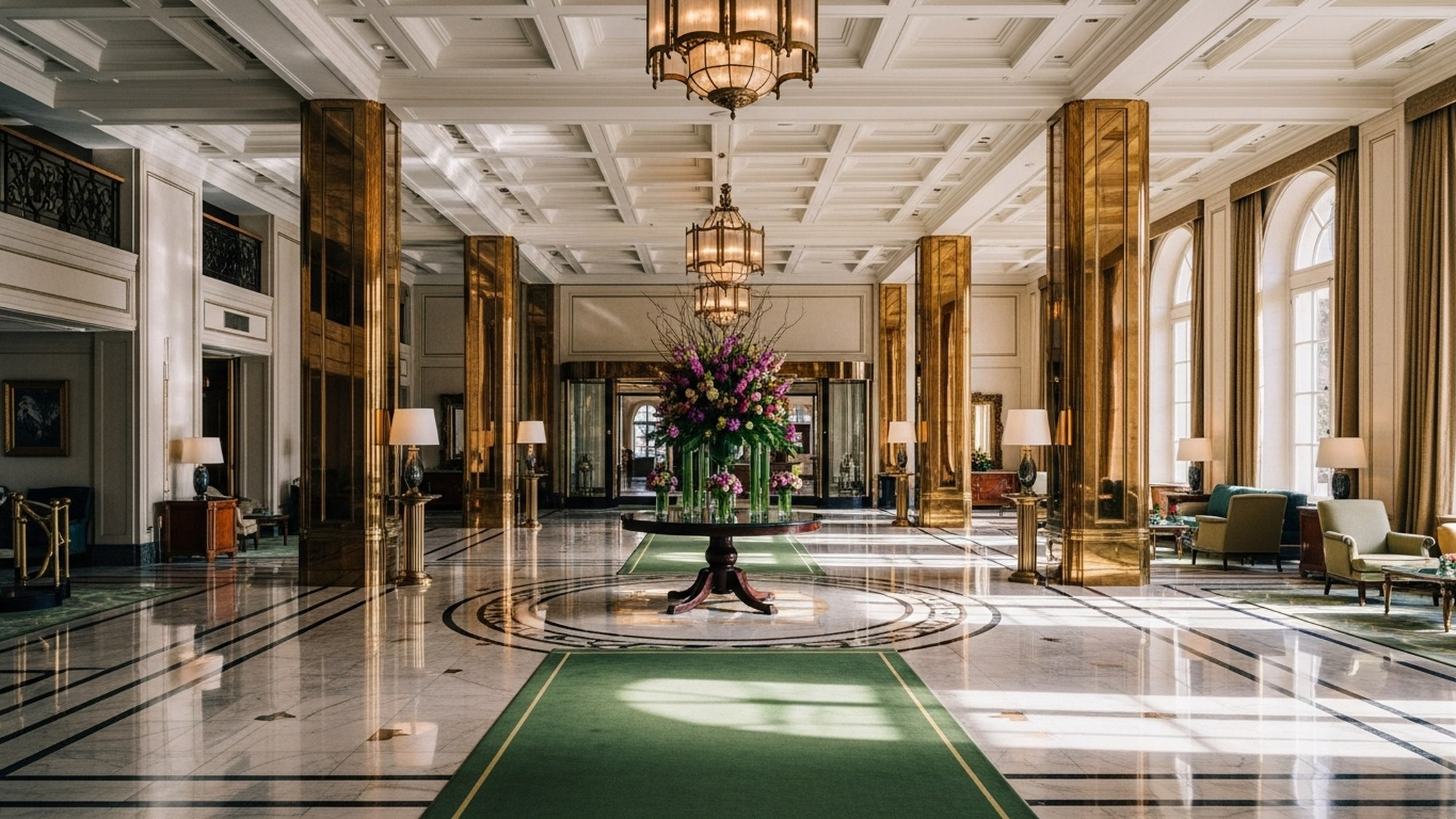

The annual migration instinct is a powerful one, particularly when the grey chill of winter begins its slow, insistent creep. For those with the means and inclination, the solution is not merely to endure but to escape, trading the muted palette of colder climes for the vibrant hues of perpetual summer. Chasing the sun involves far more than swapping landscapes; it represents a deliberate reset, choosing spots where the months are, to quote one outlet, “not taken very seriously” and where “an outdoor adventure is always on the table.”
This year, the quest for winter respite takes on a particular resonance. After a period of constrained movement, the appetite for genuinely absorbing experiences, for places that offer both profound relaxation and engaging activity, is palpable. The choices presented to the modern luxury traveler are extensive, spanning the familiar Caribbean havens to the unexpected cultural hubs, each promising comfortable temperatures, advantageous off-peak conditions, and a distinct character. From the volcanic landscapes of Costa Rica to the historic medinas of Morocco, the options reveal a nuanced understanding of what high-end travelers truly seek when the mercury drops elsewhere.
The Seasonal Shift Unpacked
While the allure of a warm beach in January is self-evident, the true draw of these destinations often lies in their specific seasonal advantages. Avoiding the summer crowds, benefiting from optimal weather conditions for exploration, or catching unique cultural events can transform a simple trip into a memorable experience. Condé Nast Traveler highlights several such opportunities, painting a picture of deliberate, rather than default, travel.
Consider Maui, Hawaii, which sees average winter temperatures of 80–85 degrees in January. While it marks the start of the rainy season, the publication notes these showers are typically brief and localised, leaving ample sunshine. This period, after the holiday rush, also brings significantly cheaper flights, and the arrival of humpback whales from Alaska, visible from points like Papawai Point. For the intrepid, heavy north swells create prime surfing conditions at Ho‘okipa Beach Park, while the Road to Hana becomes particularly lush and less crowded, offering access to sites such as Twin Falls and Waianapanapa State Park’s black sand beach. It is a time when the island reveals a different, often more intimate, side to its grandeur.
Across the Pacific, San Diego, California, presents a milder, yet equally appealing winter option. With average temperatures around 65 degrees in December and January, it offers an escape for those seeking festive cheer without the deep chill. The city’s Parade of Lights, where over a hundred private boats illuminate San Diego Bay, is a classic seasonal event. The Hotel del Coronado even offers ice skating alongside the Pacific, a whimsical juxtaposition. Winter is also said to be the best time for San Diego sunsets, with the sun’s lower trajectory and reduced coastal marine fog creating spectacular views from places like Sunset Cliffs Natural Park.
Caribbean Charms and Central American Escapes
For those firmly committed to tropical heat and island rhythms, the Caribbean and Central America offer a compelling suite of choices. Puerto Rico, for instance, beckons from December to March with dry season temperatures ranging from 70–85 degrees. The island extends holiday festivities beyond Christmas, with Three Kings Day celebrations in Juana Díaz and the San Sebastian Street Festival in Old San Juan. Winter is also the ideal time to explore El Yunque National Forest, free from the summer’s intense humidity, allowing for hikes to La Coca Waterfall and views from Yokahú Tower, accompanied by the singing coquí frogs.
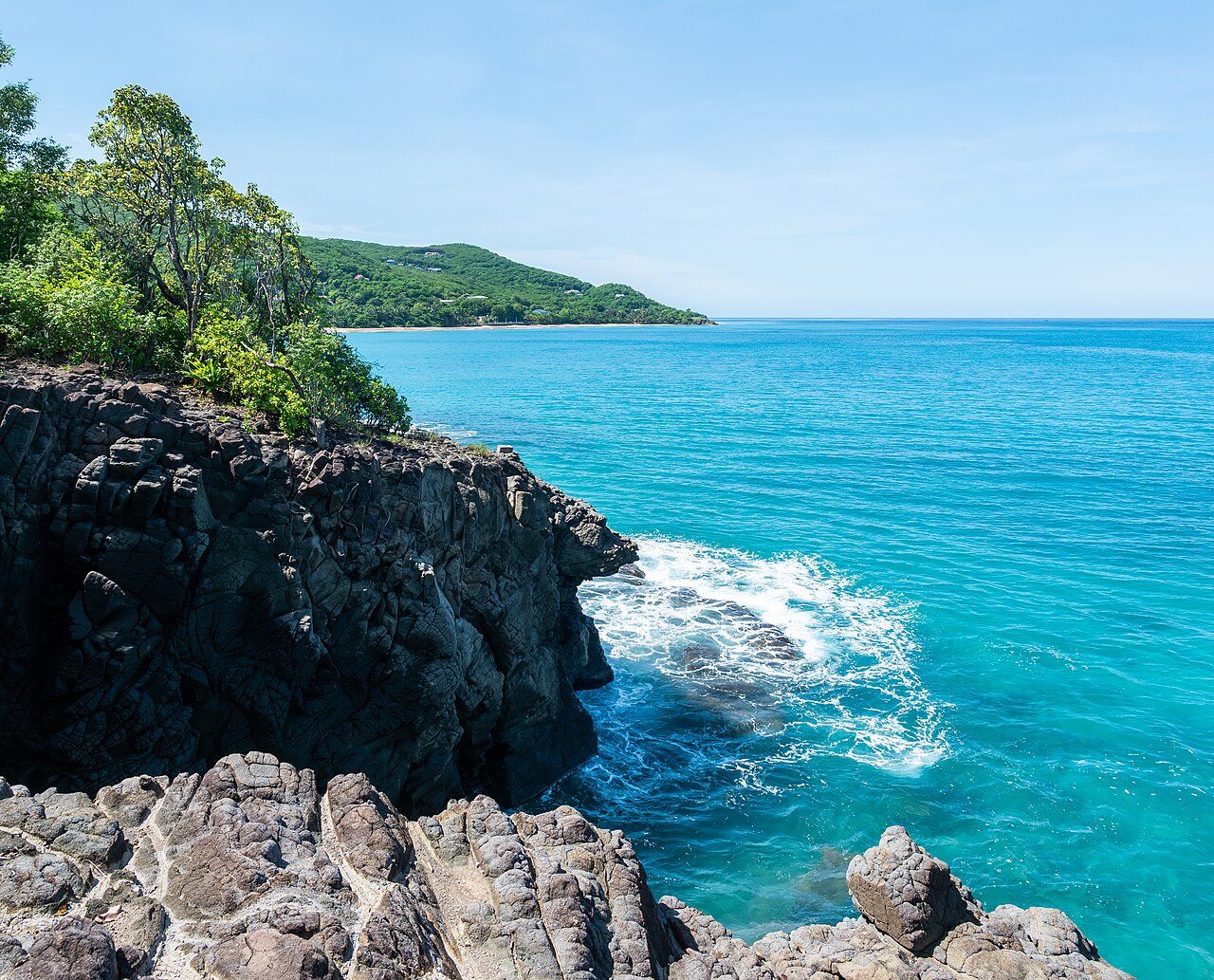
The US Virgin Islands, another passport-free option for US travelers, enters its peak season from December to March, boasting no rain, calm seas, and temperatures between 77 and 85 degrees. St. Croix offers white sands and Danish colonial history, while St. John presents natural wonders like the Underwater Snorkel Trail at Trunk Bay and ancient Taíno petroglyphs along the Reef Bay Trail. St. Thomas serves as a bustling, cosmopolitan port. Similarly, Punta Cana in the Dominican Republic enjoys its peak vacation period from December through April, with average highs in the 80s and lows in the 70s, clear skies, and subsided rainy season. February brings a chance to spot humpback whales off the Península de Samaná, and the country’s Independence Day celebrations on the 27th mean Carnaval parades and bachata dance circles.
Belize, a small Central American nation, provides a diversity of experiences from December to April, with temperatures between 80–85 degrees. Ambergris Caye serves as a gateway to the barrier reef, while Caye Caulker offers a car-free alternative for snorkeling excursions. Further south, Punta Gorda provides rugged adventures, Mayan culture, and access to numerous offshore cayes, along with jungle tours on the Monkey River and hikes to waterfalls at Rio Blanco National Park. The Toledo District also offers Mayan ruins like Lubaantun, dating back to 700–900 AD. These destinations collectively underscore a trend towards blended travel, where relaxation is intertwined with cultural immersion and natural exploration.
Desert Oases and Volcanic Vistas
Not all warm escapes are coastal. Marrakech, Morocco, offers a distinctly different, yet equally appealing, winter proposition. From December to February, average temperatures hover around 65 degrees. While the Atlas Mountains may be snow-capped, the city itself sees ample sun, creating ideal conditions for exploring its vibrant souks, the cobalt blue Jardin Majorelle, or the Yves Saint Laurent Museum, all with thinner crowds. The Marrakech International Film Festival, typically held in November or December, adds a cultural highlight, this year running from November 20 to 28 with 76 films from 39 countries.
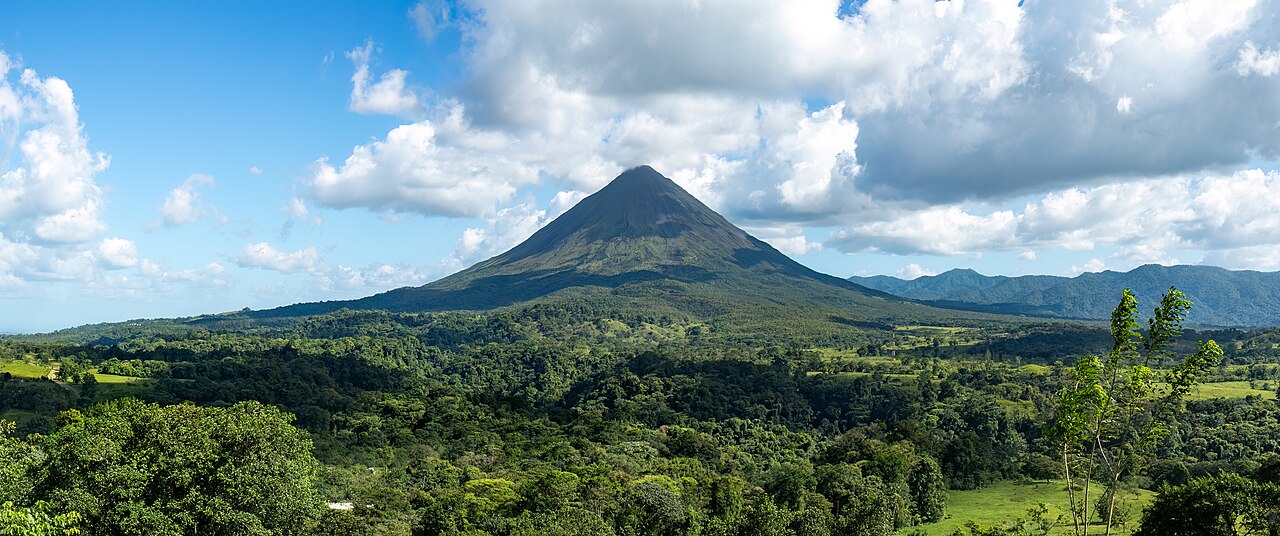
In La Fortuna, Costa Rica, the towering Arenal Volcano dominates the landscape, heating the region’s natural springs. From December to April, the chances of seeing the volcano without cloud cover are greater, and temperatures range from 80–90 degrees. This period is ideal for a blend of adventure and relaxation: hiking through cooled lava fields at Arenal Volcano National Park, swimming at La Fortuna Waterfall, or indulging in the natural hot springs at Tabacón Thermal Resort and Spa. Unique experiences, such as horseback riding into the Arenal River with Arenal Horse Tours, further enhance the appeal of this volcanic heartland. The emphasis here is on active engagement with a dramatic natural environment, balanced by restorative thermal waters.
The truly compelling winter escape is not just about avoiding the cold, but about finding a destination where the season itself unlocks unique advantages and deeper experiences.
Pacific Shores and Bohemian Havens
Along the Pacific coast, Mexico’s Todos Santos provides another prime location for winter warmth and wildlife. Baja California’s southern tip witnesses the migration of humpback and gray whales from December to April, with opportunities to swim with whale sharks around the Bay of La Paz. The rainy season concludes in November, making way for sunny 70-degree beach days and mild evenings. This creative town is home to numerous art galleries, like Galeria de Todos Santos, and offers access to the Sierra de la Laguna mountains for trails and swimming holes. Surfers find excellent waves at Playa Los Cerritos and Playa San Pedro, cementing Todos Santos’s reputation as a bohemian haven with a strong connection to both art and nature.
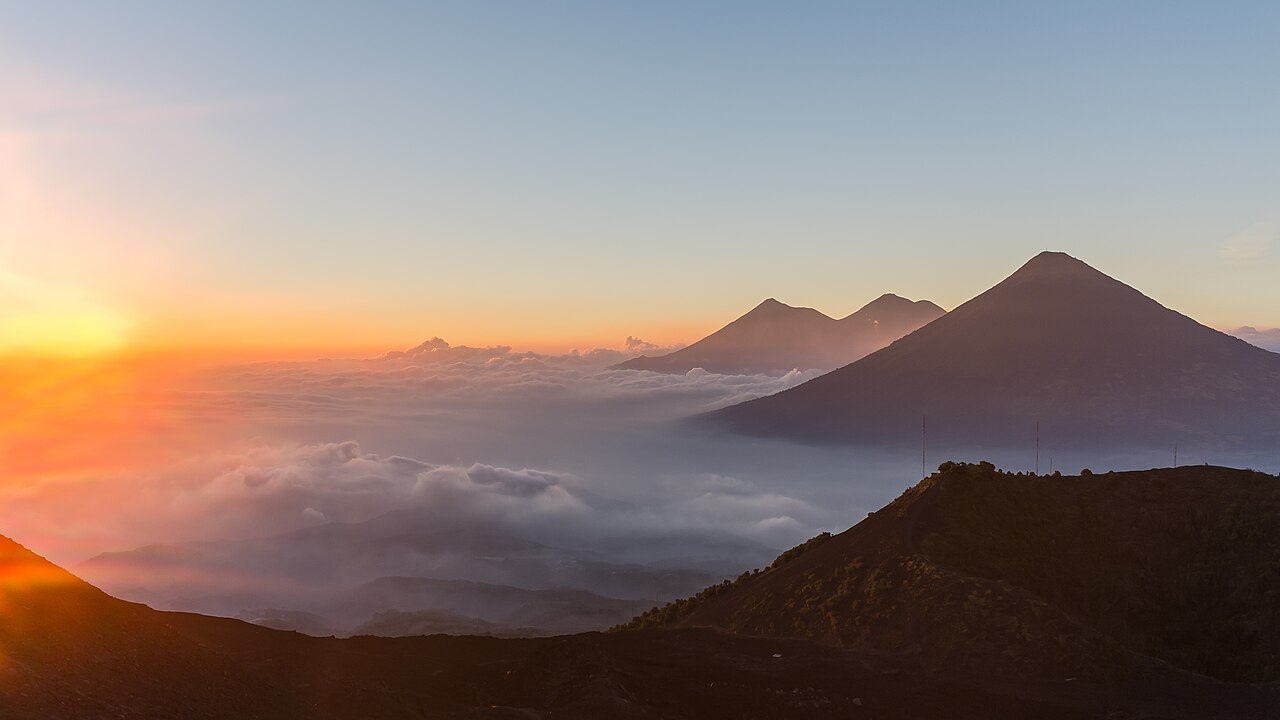
These Pacific destinations, from the Hawaiian islands to the Baja peninsula, share a common thread of natural beauty and outdoor activity, but each carves out its own distinct identity. Maui offers a blend of iconic landscapes and cultural depth, San Diego provides urban sophistication with coastal charm, and Todos Santos leans into a relaxed, artistic surf culture. The variety ensures that whether a traveler seeks adrenaline, artistic inspiration, or simply a pristine beach, the Pacific winter options deliver.
The Evolving Landscape of Luxury Stays
The accommodations recommended across these destinations reflect a dynamic shift in the luxury hospitality sector. Traditional five-star resorts remain prominent, with properties like the Hāna-Maui Resort, Four Seasons Resort and Residences Puerto Rico, La Mamounia in Marrakech, and the W Punta Cana earning accolades. These establishments consistently deliver a high standard of service and amenities, often serving as anchors in their respective markets. La Mamounia, for example, is described as having “every inch of this palatial property hyper-considered to make the guest feel as though they have arrived in some regal estate of an Arabian kingdom,” while the Royal Mansour offers private butlers for every riad.
However, the list also prominently features a growing array of distinctive boutique hotels and private rentals. Hotel Wailea in Maui offers an adults-only experience, while Hotel San Cristobal in Todos Santos embodies bohemian surf town vibes. The inclusion of Airbnb and other private rental options is particularly notable. From Jimi Hendrix’s former gingerbread-style home in Maui to a family-friendly villa with a heated pool and cinema room in Marrakech, and an eight-bedroom Airbnb with a private pool in Tortuga Bay, Punta Cana, these choices highlight a demand for unique, often more intimate, and sometimes more secluded experiences. This trend extends to eco-chic accommodations like Lovango Resort and Beach Club’s treehouses and explorer-style tents in the US Virgin Islands, or Copal Tree Lodge’s jungle suites in Belize.
The Hyatt Vivid Punta Cana, a new upscale all-inclusive in the Dominican Republic, is a telling example of ongoing investment in the resort sector, with its August 2026 opening promising swim-out suites and a chic speakeasy. This forward-looking development indicates confidence in the enduring appeal of the all-inclusive model, even as other segments of the market diversify. The overall picture is one of a multifaceted hospitality landscape, where travelers can tailor their winter escape to precise preferences, whether that means the curated grandeur of a grand dame hotel or the secluded charm of a private, off-grid retreat.
What it means for where you stay
Anyone picking a getaway spot for the cold months ahead will find the sheer range of choices exciting yet overwhelming. The key takeaway is to look beyond the obvious. While the allure of guaranteed sunshine is universal, the specific advantages of each destination’s winter season — fewer crowds, unique wildlife spectacles, or cultural festivals — should guide the choice. Consider the type of experience desired: do you seek the structured service of a full-scale resort, the intimate design of a boutique hotel, or the privacy and local immersion offered by a high-end vacation rental? Each category has its merits, and the integration of rentals like those found on Airbnb into these recommendations underscores their growing legitimacy within the luxury sphere. The “off-grid” and “adults-only” designations also point to a market segment valuing bespoke experiences over generic ones. Researching the specific seasonal activities and local character will ensure the chosen destination delivers on its promise of a genuinely absorbing escape, rather than just a warm weather alternative.
For owners and hosts in these desirable warm-weather markets, the message is equally clear: differentiation is paramount. The market is not monolithic; there is demand for both the established luxury brand and the unique, character-filled private property. The repeated mention of specific features like private pools, hammams, or proximity to natural wonders in recommended rentals highlights the importance of distinct amenities and a strong narrative. Stays that truly ground guests in the regional nature or culture, such as the Indigenous history activities at a Four Seasons or agricultural visits at Copal Tree Lodge, are drawing serious interest. Investing in unique design, thoughtful service, and a clear articulation of a property’s special appeal will be crucial for standing out in a competitive, yet highly lucrative, market. The future of winter sun hospitality lies in offering not just warmth, but a compelling, authentic reason to visit.
Source
Condé Nast Traveler — reported 22 November 2026. Read by the Amorielli news desk.
The Amorielli standards desk read this piece against its sources: 107 points of fact examined; 104 found in the material; 3 left as general background; nothing taken out.
The conversation