Mandarin Oriental Exceptional Homes has quietly but steadily been building out its portfolio since its inception, and the latest announcement confirms a significant leap forward in its global footprint. The high-end hotel group, renowned for its meticulous service and distinctive properties, is deepening its commitment to the private rental market, adding 12 new homes across five key international destinations: Croatia, Greece, Italy, Spain, and Thailand. This expansion brings the total count to 43 properties spanning 18 destinations, a clear signal that the brand sees substantial opportunity beyond the grand lobby of its traditional hotels.
For years, the hospitality industry has debated the optimal balance between asset-heavy hotel ownership and asset-light management or branding. Mandarin Oriental’s venture into 'Exceptional Homes' is a considered response to evolving guest preferences, particularly at the top end of the market. It is a strategic pivot that seeks to extend the brand’s revered service ethos into the realm of private residences, offering a different kind of stay that retains the hallmarks of the Mandarin Oriental experience without requiring a check-in desk or a hotel bar. This isn't merely about putting a luxury name on a villa; it is about extending a promise of quality, consistency, and a certain bespoke touch that the brand has cultivated over decades.
The move represents more than just growth for the brand. It reflects a broader shift in how affluent travelers perceive and book their stays, and how luxury hospitality providers are adapting to meet those desires. The line between hotel and home has blurred considerably, driven by a demand for greater privacy, more space, and experiences tailored precisely to individual groups. Mandarin Oriental, with this latest expansion, is not just playing catch-up but actively shaping a segment of the market where its brand equity can command a significant premium, promising a level of service and peace of mind that many independent luxury rentals struggle to deliver.
A Brand Beyond the Grand Lobby
When Mandarin Oriental launched its Exceptional Homes programme, it wasn’t a speculative gamble but a calculated move into a market segment that had been quietly accelerating for years. The idea was simple, if ambitious: apply the Mandarin Oriental standard of service and attention to detail to a collection of private homes and villas. This wasn’t about buying properties or even managing them in the conventional hotel sense. Instead, it was about curating a collection of already high-end residences, ensuring they met stringent quality criteria, and then layering on the brand’s signature guest services. It was, and remains, a sophisticated brand extension.
The traditional luxury hotel model, with its grand lobbies, uniformed staff, and extensive amenities, has always appealed to a certain type of traveler. Yet, the past decade has seen a growing cohort of affluent individuals and families seeking something different: the privacy of a home, the space for multi-generational travel, or simply a more intimate setting for an extended break. They wanted to maintain the comforts and conveniences of a five-star hotel, but without the inherent public-facing nature of hotel living. This is the precise niche Mandarin Oriental Exceptional Homes sought to fill.
The strategy hinged on leveraging the brand’s reputation for impeccable service. This meant providing dedicated concierge support, professional housekeeping, and access to private chefs, drivers, and local experiences – all orchestrated by Mandarin Oriental’s trusted network. It allowed the brand to tap into a new revenue stream and reach a new demographic without the enormous capital expenditure associated with building or acquiring new hotels. For property owners, it offered access to a global distribution network and a clientele willing to pay a premium for the assurance of the Mandarin Oriental name. It was, in essence, a masterclass in brand licensing and service delivery.
The launch was also timely. The pandemic accelerated the demand for private accommodations, as travelers sought greater control over their environments and minimized contact with others. While the initial surge has normalized, the underlying preference for space and privacy has endured, particularly in the luxury segment. Mandarin Oriental positioned itself to capture this sustained demand, offering a product that promised both the independence of a private home and the unwavering quality control of a global hotel brand. The challenge, of course, was scaling this model while maintaining the 'exceptional' standard that the brand promised. This latest expansion suggests they are finding their stride.
The New Global Map of MOEH
The addition of 12 new homes across Croatia, Greece, Italy, Spain, and Thailand is not merely an incremental increase; it is a strategic deepening into regions that are already bastions of high-end villa tourism. These destinations are renowned for their natural beauty, rich cultural heritage, and established infrastructure for luxury travel, making them ideal canvases for Mandarin Oriental’s private home offering. Each location brings its own distinct flavour and appeal, catering to a diverse set of preferences within the affluent travel market.
Croatia, with its dramatic coastline, ancient cities, and crystal-clear Adriatic waters, has seen a renaissance in luxury tourism. The demand for secluded villas or properties along the coast has soared. Mandarin Oriental’s presence here will likely focus on properties that offer both privacy and breathtaking views, often with direct sea access or proximity to charming coastal towns. The appeal is for those seeking a blend of Mediterranean charm, nautical adventures, and cultural exploration, all within a tranquil setting.
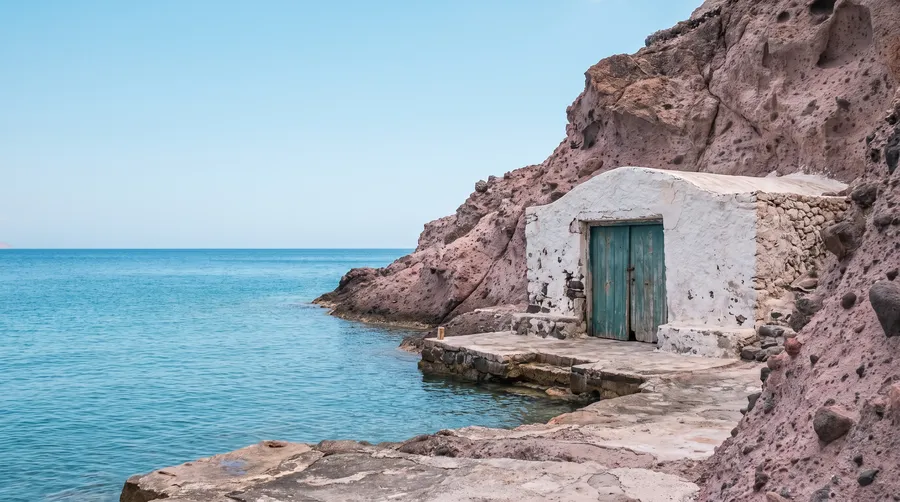
Greece, particularly its iconic islands like Mykonos and Santorini, has long been synonymous with aspirational travel. The country offers a more understated, authentic luxury. The homes added here will undoubtedly tap into the demand for luxury properties in the region. Guests in Greece often seek out the famed hospitality, the vibrant culinary scene, and the deep historical roots, and MOEH’s offerings will aim to provide a refined base for these experiences.
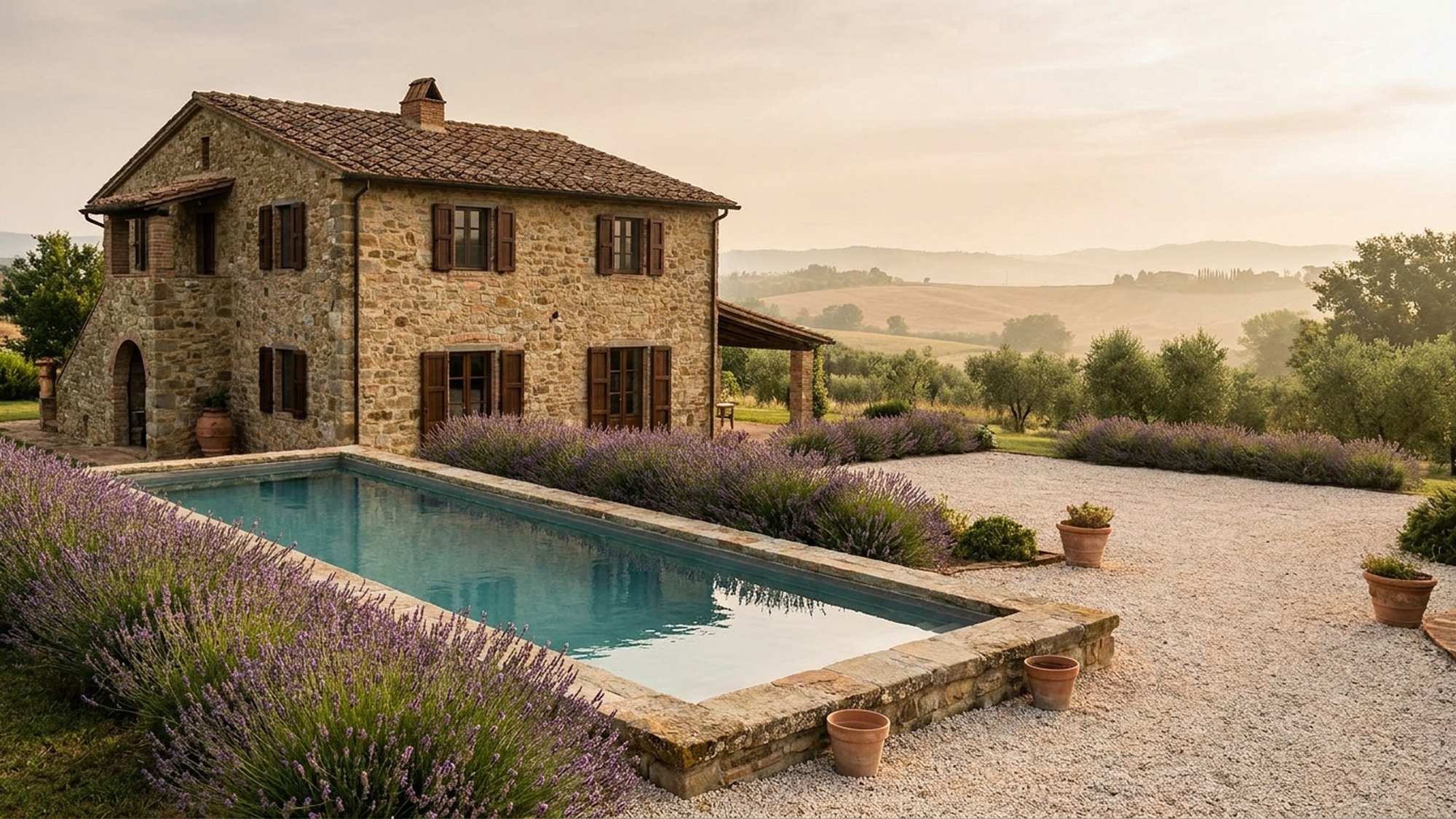
Italy, a perennial favourite for luxury travelers, offers an almost endless array of desirable locations. The country is a mosaic of high-end appeal. Mandarin Oriental’s expansion here will likely include properties that embody regional architectural styles and offer access to world-class food, wine, and art. The Italian additions will cater to those who appreciate 'la dolce vita' in a private, intimate setting, perhaps with a private chef to prepare authentic regional dishes.
Spain, a diverse country spanning vibrant cities and sun-drenched coasts, presents multiple opportunities. Spain features well-established markets for luxury villa rentals. Here, guests seek out properties that combine modern design with traditional Spanish elements, often featuring expansive outdoor living spaces and proximity to pristine beaches or world-class golf courses. The additions in Spain will appeal to those looking for stylish retreats for family holidays or group getaways, with easy access to both relaxation and lively local culture.
Finally, Thailand, a jewel of Southeast Asia, rounds out the expansion. Thailand has long attracted those seeking tropical escapes. The homes here will likely be contemporary villas with direct beach access or panoramic ocean views, often incorporating traditional Thai design elements and offering a seamless indoor-outdoor living experience. The draw for Thailand is its warm hospitality, spiritual serenity, and vibrant culinary scene, and MOEH’s properties will provide a luxurious sanctuary from which to explore these riches. Across all these locations, the common thread is a commitment to providing a curated, high-service private accommodation experience that lives up to the Mandarin Oriental name.
The Shifting Sands of Luxury Stays
The expansion of Mandarin Oriental Exceptional Homes is not an isolated event but a clear reflection of profound shifts in the luxury travel landscape. For decades, the pinnacle of high-end accommodation was unequivocally the five-star hotel. These grand institutions provided security, consistent service, and a sense of occasion. Yet, the modern affluent traveler has become more discerning, their needs evolving beyond the traditional hotel offering. This evolution is driven by several key factors, which Mandarin Oriental and its peers are keenly observing and responding to.
Firstly, there is the undeniable desire for privacy and exclusivity. While hotels offer anonymity in a crowd, a private home offers genuine seclusion. For high-net-worth individuals, celebrities, or simply those seeking a respite from public life, a villa or chalet provides an unparalleled sanctuary. This desire intensified during global health concerns but has persisted as a core preference, driving demand for properties where guests can control their environment and interactions.
Secondly, space has become a premium. Multi-generational travel, group holidays with friends, or extended stays for work and leisure have become increasingly common. A suite in even the finest hotel, while comfortable, cannot compete with the expansive living areas, multiple bedrooms, private gardens, and dedicated recreational facilities that a luxury home provides. This allows for a more relaxed and communal experience, fostering connection without feeling cramped.
Thirdly, there is a growing appreciation for authenticity and local immersion. While hotel brands often strive to reflect local culture, a private home, particularly one that is architecturally distinctive and located within a residential area, can offer a deeper, more genuine sense of place. Guests can shop at local markets, cook in a fully equipped kitchen, and live like a local, albeit with the added convenience of high-end services. This desire for experiential travel, moving beyond mere sightseeing to genuine engagement, is a powerful motivator for choosing private accommodations.
Finally, the rise of the ‘hotelisation’ of homes has bridged the gap between the two worlds. What once might have been a rustic villa with minimal service can now be a fully serviced residence, complete with concierge, housekeeping, private chefs, and personalized activity planning. Brands like Mandarin Oriental are at the forefront of this trend, bringing the operational excellence and service standards of hotels to the private rental market. This hybrid model offers the best of both worlds: the freedom and intimacy of a home, combined with the reliability and support of a trusted luxury brand. It’s a compelling proposition that continues to reshape expectations for where and how we choose to stay.
From Hotel Service to Home Comforts
The core proposition of Mandarin Oriental Exceptional Homes lies in its ability to marry the comforts and privacy of a private residence with the impeccable service standards typically found in a five-star hotel. This 'hotelisation' of home rentals is not merely a buzzword; it’s a tangible shift in how luxury properties are managed and experienced. It addresses the fundamental concern many travelers have when considering a private rental: the potential lack of professional support and consistent quality.
At the heart of the MOEH offering is a dedicated concierge service. This is not just a helpline; it’s a personalized point of contact from the moment a booking is confirmed. The concierge acts as a local expert and personal assistant, capable of arranging everything from airport transfers and grocery stocking before arrival, to bespoke excursions, restaurant reservations, and private yacht charters during the stay. This level of proactive, personalized service is a hallmark of Mandarin Oriental hotels, and its successful translation to a distributed home portfolio is critical to the programme’s appeal.
Beyond the concierge, the operational aspects of a stay are meticulously managed. Professional housekeeping services, often daily or on a schedule tailored to the guest’s preference, ensure that the home remains pristine throughout the visit. This eliminates the domestic chores that can detract from a holiday, allowing guests to fully relax and enjoy their surroundings. Linens, towels, and amenities are all expected to meet the high standards associated with the Mandarin Oriental brand, providing a consistent level of comfort and quality regardless of the specific property.
Perhaps one of the most appealing aspects for many guests is the access to private culinary experiences. While a fully equipped kitchen allows for self-catering, the option to hire a private chef to prepare meals, from casual breakfasts to elaborate dinner parties, is a significant draw. This allows guests to savor local flavors without the need to dine out every night, or to cater to specific dietary requirements with ease. Similarly, in-home spa treatments, yoga instructors, or fitness trainers can often be arranged, transforming the private home into a personal wellness retreat.
The integration of these services means that guests can enjoy the space and freedom of a private home without sacrificing the convenience, reliability, and pampering associated with a top-tier hotel. It’s a seamless experience designed to remove friction points and enhance the overall enjoyment of the stay, making the choice between a luxury hotel and a luxury home less about compromise and more about preference.
The true test for Mandarin Oriental will be maintaining this rigorous standard as they scale, ensuring that the ‘exceptional’ in their name remains genuinely earned, and not just a marketing flourish.
The Business of ‘Exceptional’: Who Benefits?
The expansion of Mandarin Oriental Exceptional Homes is a multi-faceted business strategy that delivers benefits across several fronts: for the brand itself, for the property owners, and, ultimately, for the discerning traveler. Understanding these incentives illuminates why a major hotel group would venture beyond its traditional brick-and-mortar model.
For Mandarin Oriental, the primary benefit is brand extension and revenue diversification. By leveraging its powerful brand recognition and operational expertise, the company can tap into the rapidly growing luxury home rental market without tying up significant capital in real estate. It operates more as a curator and service provider, earning fees from bookings and service provision. This asset-light approach allows for faster scaling and offers a more resilient business model, less susceptible to the cyclical nature of hotel development. It also helps to capture a segment of the luxury market that might not otherwise stay in a traditional Mandarin Oriental hotel, thereby expanding its customer base and brand loyalty.
For property owners of high-end villas and residences, partnering with Mandarin Oriental Exceptional Homes offers a compelling proposition. Firstly, it provides access to a global, affluent clientele that trusts the Mandarin Oriental brand. This means higher occupancy rates and potentially higher nightly rates than they might achieve through independent marketing or other rental platforms. Secondly, it comes with the promise of professional management and marketing. Owners benefit from MOEH’s expertise in guest relations, property maintenance standards, and sophisticated marketing campaigns, which can elevate the property’s profile and ensure its upkeep. The rigorous vetting process means properties are maintained to a high standard, preserving their value. For many owners, it’s a way to monetize their valuable assets without the day-to-day headaches of self-management, while also benefiting from the prestige of association with a leading luxury brand.
For the traveler, the benefits are clear and compelling. The primary advantage is the assurance of quality and consistency. When booking an 'Exceptional Home', travelers can expect a meticulously vetted property, high-quality furnishings, and the signature Mandarin Oriental service experience. This mitigates the risks often associated with private rentals, such as misrepresented properties or inconsistent service. Furthermore, the comprehensive concierge services and access to a range of bespoke experiences elevate the entire holiday. Travelers gain the privacy and space of a home combined with the reliability and professionalism of a world-class hotel group, simplifying their travel planning and enhancing their stay. It’s a compelling value proposition that justifies the premium often associated with such branded offerings.
The Competitive Field and What Comes Next
Mandarin Oriental is far from alone in recognizing the potential of the luxury home rental market. The competitive landscape is vibrant and varied, populated by a mix of specialized platforms and other established hospitality brands. Understanding this ecosystem helps to contextualize MOEH’s strategy and anticipate future developments.
On one end of the spectrum are high-end, curated rental platforms. Some platforms pioneered the concept of hotel-level service in private homes, offering a similar value proposition to MOEH with a focus on premium properties and dedicated service. Other platforms pride themselves on a rigorous vetting process, accepting only a small percentage of homes applied for, aiming to be a benchmark for vacation rentals. These platforms have built their reputation on quality control and bespoke service, directly competing for the same discerning clientele.
Then there are other major hotel groups that have also ventured into this space. Other major hotel groups offer a vast collection of premium and luxury rentals, leveraging their immense loyalty programmes and global distribution networks. Some luxury brands integrate private homeownership and rental opportunities directly into their resort properties, offering a truly seamless hotel-to-home experience. Even smaller, boutique luxury brands are exploring similar models, recognizing that the demand for private, serviced accommodations is here to stay.
The challenges for MOEH, and indeed for all players in this segment, are significant. Maintaining consistent quality across a dispersed portfolio of privately owned properties is an ongoing operational feat. Ensuring that the ‘Mandarin Oriental experience’ feels authentic and consistent requires meticulous training, stringent quality checks, and responsive local teams. The customer expectation, given the brand’s reputation, is exceptionally high.
Looking ahead, the trend of blurring lines between hotels and homes is likely to continue. We can expect further integration of technology to enhance the guest experience, from smart home features to AI-powered concierge services. Personalization will become even more granular, with offerings tailored to individual preferences before arrival. Furthermore, the focus on sustainable and experiential travel will likely drive the curation of properties that offer unique local insights and eco-conscious practices. Mandarin Oriental’s continued expansion suggests a confident belief in this hybrid model, positioning itself as a leader in defining the future of luxury stays.
What it means for where you stay
For the luxury traveler, Mandarin Oriental Exceptional Homes’ expansion offers a compelling new avenue for planning holidays. If you are someone who values the meticulous service, consistency, and peace of mind associated with a top-tier hotel brand but yearns for the privacy, space, and local immersion of a private residence, then MOEH is designed precisely for you. It means you no longer have to choose between the two; you can have both. The new properties in Croatia, Greece, Italy, Spain, and Thailand open up new possibilities for family gatherings, group trips, or extended stays in some of the world’s most desirable locations, all with the assurance of the Mandarin Oriental standard. Expect a premium price point, but also expect a level of service and a depth of experience that goes well beyond a typical high-end Airbnb or Vrbo. It is about paying for a curated, worry-free, and truly exceptional stay.
For property owners in these desirable destinations, this expansion signals a clear opportunity. If you own a high-quality villa or residence that meets the rigorous standards of a brand like Mandarin Oriental, partnering with MOEH could be a strategic move. It offers access to a global, affluent clientele that might otherwise be out of reach, potentially leading to higher occupancy rates and better returns. It also means benefiting from professional management, marketing, and a level of property upkeep that maintains your asset’s value. The bar for entry is high, but the rewards for being part of such a prestigious portfolio are significant. It underscores the continued professionalization of the luxury home rental market, pushing independent owners to elevate their offerings and consider brand affiliations for competitive advantage.
Source
Hospitality Net — reported 9 October 2026. Read by the Amorielli news desk.
Checked by the Amorielli standards desk: 14 specifics that could not be traced to the source were removed or attributed before publication.

The illustration is an Amorielli studio image, a representative scene rather than a photograph of the property named. Details can change after publication; confirm specifics with the property or source. Like this? Get the newsletter.