High in the Canadian Rockies, built into the mountainside above the town of Banff, a longstanding landmark has reopened its doors under a new banner. The Rimrock Banff, a property already familiar to generations of travellers to Canada’s most famous national park, has completed an extensive transformation and now marks the North American debut of Accor’s Emblems Collection. This isn’t merely a fresh coat of paint; it’s a strategic repositioning of a significant asset, aiming to blend a refined residential sensibility with the raw, protected wilderness of a UNESCO World Heritage Site.
The move by Accor, a global hospitality giant, signals a deliberate push into the North American luxury market with a brand designed to capture unique, independent-spirited properties. For the Rimrock Banff, it’s an evolution that seeks to deepen its connection to its dramatic alpine surroundings, offering a new vision of mountain hospitality that prioritises design, wellness, and an intimate guest experience. The project, according to its developers, represents both a commitment to investment in Canadian hospitality and a thoughtful stewardship of an irreplaceable location.
This debut offers a fascinating case study in how established luxury brands are adapting to contemporary demands, particularly in sensitive natural environments. It raises questions about what “curated luxury” truly means in practice, how a large-scale hotel can deliver an “intimate” experience, and what this signals for both high-end travellers seeking authentic encounters and property owners navigating the ever-evolving landscape of premium hospitality.
A Landmark Reimagined in the Rockies
The Rimrock Banff has long held a distinctive position in Banff National Park. Perched high above the Bow Valley, its terraced architecture has afforded guests unparalleled views of the Canadian Rockies for decades. Now, following what the operator describes as an “extensive reimagination,” the resort has been reshaped around a more intimate vision of mountain hospitality, reflecting the Emblems Collection philosophy of character-rich properties deeply connected to their destination.
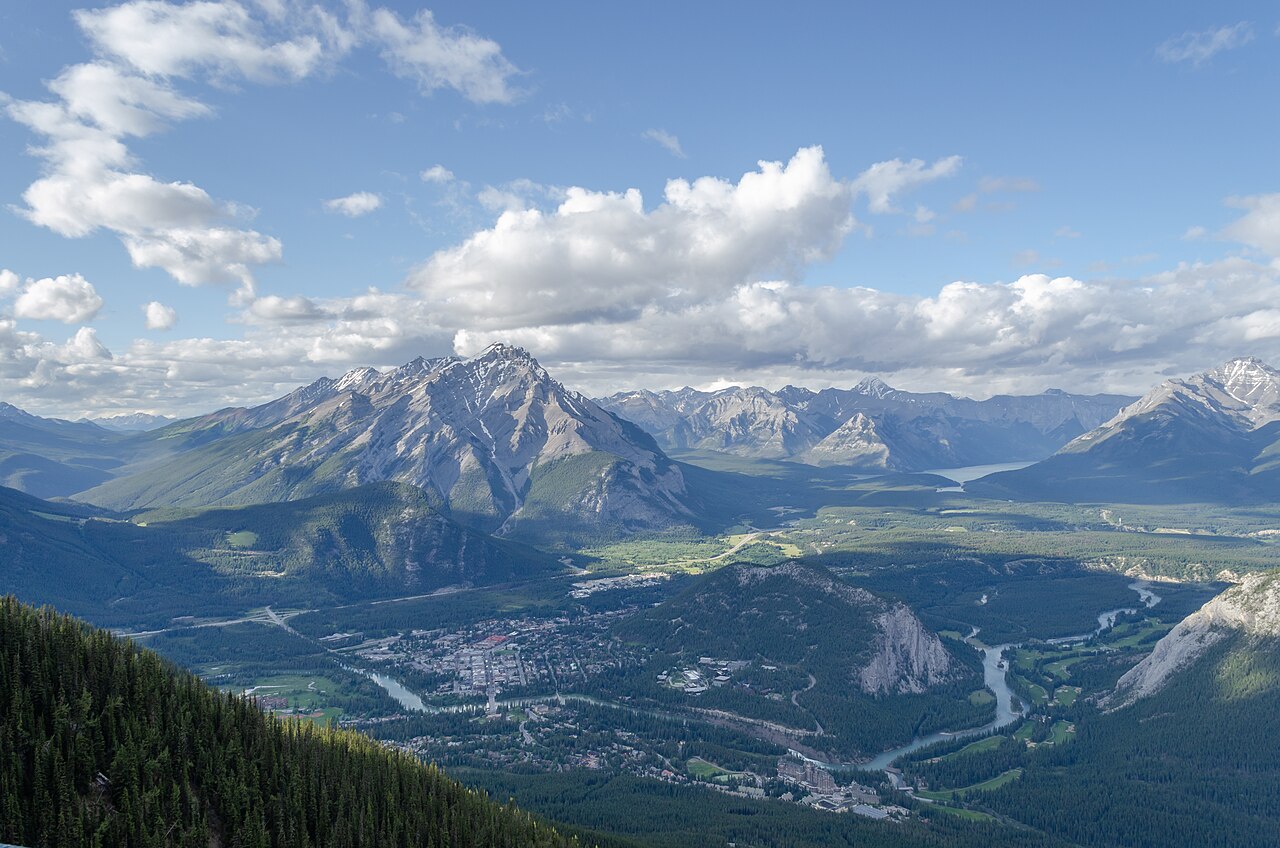
Banff National Park itself is a name that resonates with travellers globally. Established in 1885, it is Canada’s oldest national park and a cornerstone of the UNESCO World Heritage Site encompassing the Canadian Rocky Mountain Parks. Spanning more than 2,500 square miles of protected wilderness, it is a landscape of towering peaks, turquoise lakes, dense forests, and abundant wildlife. The park’s appeal is year-round, drawing hikers, climbers, and wildlife enthusiasts in summer, and skiers and snowboarders to its famed resorts in winter. Its natural hot springs have been a draw since the late 19th century, contributing to a rich history of tourism that predates modern luxury hospitality.
The challenge for any property within such a revered natural setting is to honour its surroundings while providing a contemporary, high-end experience. The Rimrock Banff’s redesign, according to the project’s statements, aims to do just that. While retaining its original architectural structure, the property has been extensively reconfigured. Expansive windows, natural materials, and carefully framed sightlines are central to the new design, ensuring a continuous visual and tactile connection between the interiors and the dramatic alpine landscape beyond. This approach speaks to a broader trend in luxury design, where the external environment is not just a backdrop but an integral part of the guest experience, blurring the lines between indoors and out.
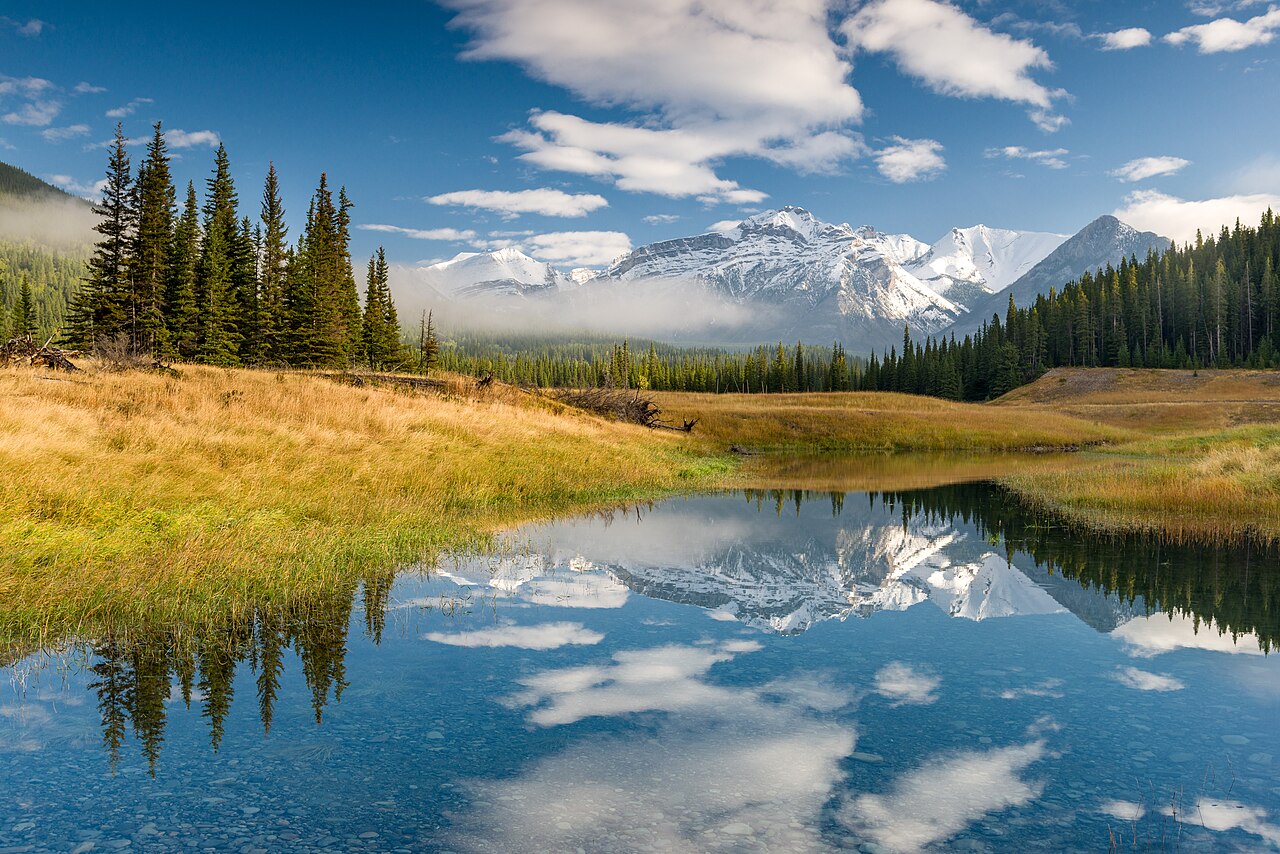
The resort’s 320 guestrooms, including 57 suites, have been designed with the surrounding views as their primary focus. Beds, seating, and dedicated spaces are positioned to keep the Canadian Rockies at the heart of every stay. Interiors draw on the colours and textures of the region, utilising a nature-inspired palette of warm wood tones, natural stone, and tactile textiles. This creates spaces that aim to combine contemporary comfort with a strong sense of place, moving beyond generic luxury to something rooted in its specific geography. It’s a subtle but significant shift, recognising that in a location like Banff, the true luxury lies in the connection to nature, not merely in opulent finishes.
Emblems Collection: Accor’s Strategic Play
The arrival of Rimrock Banff as an Emblems Collection property marks a significant step in Accor’s global strategy. Emblems Collection was first introduced by Accor in December 2021, positioned as a curated portfolio of distinctive, high-end properties. According to Maud Bailly, CEO of Emblems Collection, the brand seeks out “established properties with a character of their own, deeply connected to its destination and reimagined through thoughtful design and highly personal service.” This statement encapsulates the ‘soft brand’ philosophy: a collection that offers the benefits of a global loyalty programme and distribution network, without imposing the rigid design and operational standards of a conventional branded hotel.
Accor, a French multinational hospitality company, operates thousands of properties across the globe under a diverse portfolio of brands, ranging from economy to ultra-luxury. In the luxury segment alone, it manages iconic names such as Fairmont, Raffles, Sofitel, and Orient Express. The creation of Emblems Collection, much like Marriott’s Luxury Collection or Autograph Collection, Hilton’s LXR, or Hyatt’s Independent Collection, addresses a specific market need. Many owners of independent luxury hotels cherish their unique identity and character, reluctant to conform to a strict brand playbook. However, they also recognise the immense value of a global reservations system, a powerful loyalty programme, and the marketing reach that only a major hotel group can provide.
Emblems Collection, therefore, is Accor’s answer to this dilemma. It allows independent hotels to retain their distinct personality while gaining access to Accor’s global ecosystem. For Accor, it’s a way to rapidly expand its luxury footprint, particularly in key destinations and with properties that might not fit neatly into existing brand categories. The company has been actively building out the collection, with announcements of 2026 openings and a new Greek signing in recent years, indicating a sustained commitment to this growth strategy. The North American debut is particularly important, as the region remains a crucial market for luxury travel and a battleground for major hospitality groups.
The choice of Rimrock Banff for this debut is telling. It’s a property with a history, a strong sense of place, and a prime location within a globally recognised destination. It’s the kind of asset that, with significant investment and a thoughtful repositioning, can command premium rates and attract a discerning clientele. By aligning it with Emblems, Accor aims to signal that these are not just hotels, but experiences – unique addresses that offer a genuine reflection of their surroundings, backed by the reliability and service standards expected of a luxury brand.
Designing for the Mountainside: A Refined Sensibility
The transformation of Rimrock Banff goes beyond a simple refurbishment; it’s a comprehensive design overhaul aimed at creating a “refined, residential sensibility” within a dramatic alpine setting. The core architectural structure, with its terraced form extending from the mountainside towards the Bow Valley, has been preserved, but the interiors have been entirely rethought. This approach respects the building’s heritage while infusing it with contemporary aesthetics and functionality.
The design philosophy, as detailed in the announcement, is deeply biophilic, striving to connect guests with the natural environment at every turn. Expansive windows are not just for light; they are carefully framed sightlines, directing the eye towards specific peaks, forests, or the vastness of the national park. This intentional framing turns the views into an integral part of the interior décor, a living artwork that changes with the seasons and the time of day. Natural materials are used throughout – warm wood tones, natural stone, and tactile textiles – chosen not just for their aesthetic appeal but for their ability to evoke the textures and colours of the Canadian Rockies. This creates a cohesive palette that feels organic and calming, a stark contrast to the sometimes overwhelming grandeur of the mountains outside.
The guestrooms and suites exemplify this approach. With 320 rooms, including 57 suites, the property is substantial, yet the design aims for intimacy. Beds and seating areas are strategically positioned to maximise the connection to the views, ensuring that the Rockies are a constant presence. The intention is to create a sanctuary where guests can relax and feel immersed in nature, even from within their private space. The Infinity Two-Bedroom Suite stands out as the resort’s most exceptional accommodation, opening onto a wraparound terrace of more than 1,260 square feet. This outdoor space is designed for true alpine living, complete with a barrel sauna, a fire table, and panoramic views across Banff National Park. It’s a direct response to the desire for private, experiential outdoor living, a trend accelerated by recent shifts in travel preferences.
Beyond the standard guestrooms, the Wellness Studio suites extend the resort’s focus on restoration. These suites offer movement and recovery amenities, wellness minibars stocked with health-conscious options, and sleep-focused touches designed to enhance rest and rejuvenation. Crucially, they also provide access to the resort’s Expeditions gear-lending programme. This thoughtful inclusion acknowledges that guests coming to Banff are often active and adventurous, requiring specific equipment. By providing high-quality gear, the resort removes a barrier to outdoor exploration and enhances the overall guest experience, positioning itself not just as a place to stay, but as a base camp for adventure, seamlessly blending comfort with utility.
Wellness at Altitude: Banff’s First Hydrothermal Experience
Wellness is positioned as a central pillar of the Rimrock Banff experience, and the resort’s new 9,600 square foot Bathhouse is a testament to this commitment. It introduces what is described as Banff’s first luxury hydrothermal wellness experience, a significant addition to the region’s luxury offerings. The Bathhouse features a comprehensive array of indoor and outdoor thermal environments designed for restoration and rejuvenation. These include vitality and hot pools, a mountain-facing infinity pool that blurs the line between the built environment and the natural landscape, a salt sauna, an aromatic steam room, and glacial cold plunges. The integration of cold plunges, in particular, speaks to a growing interest in cryotherapy and its purported health benefits, especially appealing to those seeking recovery after strenuous outdoor activities.
Beyond the physical therapies, the Bathhouse also offers spaces for more contemplative experiences, drawing inspiration from the natural rhythms of the Canadian Rockies. A suspended meditation room provides a quiet sanctuary for mindfulness, while the Aurora sensory room offers an immersive environment designed to engage the senses and promote deep relaxation. These elements move beyond standard spa offerings, aiming to create a holistic wellness journey that resonates with the serene and powerful energy of the mountain environment. The emphasis on natural inspiration, from the Aurora Borealis to the glacial waters, grounds the wellness experience firmly in its unique location.
Complementing the Bathhouse is a 3,800 square foot Active Centre, catering to guests who wish to maintain their fitness routines or engage in guided movement. Equipped with Technogym and Peloton equipment, it offers state-of-the-art facilities for cardio and strength training. More uniquely, the centre includes climbing and bouldering walls, reflecting the adventurous spirit of Banff and providing an indoor option for a popular outdoor pursuit. Guided movement classes and recovery-focused offerings further enhance the centre’s appeal, providing structured programmes for guests of all fitness levels. This dual focus on active pursuits and deep relaxation positions Rimrock Banff as a comprehensive wellness destination, appealing to a wide range of luxury travellers who prioritise both physical activity and mental restoration.
The rise of wellness tourism has been one of the most significant trends in luxury hospitality over the past decade. Travellers are increasingly seeking experiences that promote health, balance, and mindfulness, moving beyond mere indulgence. In a destination like Banff, with its inherent connection to nature and outdoor activity, a robust wellness offering is not just an amenity but a necessity. The Rimrock Banff’s investment in the Bathhouse and Active Centre demonstrates a clear understanding of this market demand, aiming to provide a differentiated experience that leverages the unique attributes of its mountain setting. This strategic focus on wellness is likely to be a key driver for attracting a new generation of luxury travellers to the property.
Ownership, Stewardship, and the National Park Economy
The transformation of Rimrock Banff is not just a story of brand strategy and design; it is also one of significant investment and the unique responsibilities that come with operating within a national park. Tyler Seaman, Executive Vice President Head of Canada at Oxford Properties, articulated this duality, stating that the project reflects “both our commitment to invest in Canada and our stewardship of exceptional and irreplaceable hotels across the country.” He further emphasised the “unique privilege and responsibility that comes with owning landmark Canadian hotels that operate within Canada’s National Parks,” highlighting a focus on “thoughtfully and sustainably investing in these properties to preserve their legacy and ensure they remain inspiring for future generations.”
Operating a luxury hotel within a national park presents a distinct set of challenges and opportunities. Environmental regulations are often stringent, limiting development and dictating construction practices to minimise ecological impact. The sheer volume of visitors to Banff National Park, while a boon for business, also necessitates careful management of resources and infrastructure. The seasonal nature of tourism in mountain destinations can lead to fluctuating demand, impacting staffing and operational efficiency. Yet, the reward is access to an irreplaceable location, a captive audience of nature enthusiasts, and the prestige of being part of a protected natural wonder. For investors like Oxford Properties, which manage a diverse global real estate portfolio, these assets are considered long-term holdings, valued for their scarcity and enduring appeal.
The economics of such extensive transformations are considerable. A project of this scale, involving a complete redesign of 320 guestrooms, 57 suites, and the creation of a 9,600 square foot Bathhouse and a 3,800 square foot Active Centre, represents a substantial capital expenditure. The expectation, of course, is that this investment will yield higher average daily rates (ADR) and revenue per available room (RevPAR), solidifying the property’s position at the top of the luxury market. The partnership with Accor and its Emblems Collection is crucial here, providing the marketing muscle and global distribution network necessary to attract the high-spending international clientele required to make such an investment viable.
Beyond the financial returns, the concept of “stewardship” is particularly resonant in a national park context. It implies a commitment to sustainability, conservation, and responsible tourism. While the announcement doesn’t detail specific environmental initiatives, the emphasis on connecting guests to nature through design and experience suggests an implicit understanding of the park’s value. The challenge for Rimrock Banff, and indeed for all luxury operators in sensitive environments, is to demonstrate that their operations are not just profitable, but also contribute positively to the preservation of the very landscapes that draw their guests.
The true luxury in a place like Banff lies in the connection to nature, not merely in opulent finishes.
The Competitive Alpine Landscape
The Canadian Rockies have long been a destination for luxury travellers, boasting a number of iconic properties. The Fairmont Banff Springs, often referred to as the “Castle in the Rockies,” and the Fairmont Chateau Lake Louise are perhaps the most famous, both grand historic hotels that evoke a bygone era of railway tourism. The Post Hotel & Spa in Lake Louise offers a more intimate, European-style lodge experience, consistently ranking among Canada’s top hotels. Rimrock Banff, now under the Emblems Collection banner, enters this competitive landscape with a distinct proposition, aiming to blend contemporary design with a deep wellness focus.
Beyond Canada, the North American luxury mountain resort market is fiercely competitive, with destinations like Aspen, Vail, Whistler, and Jackson Hole setting high benchmarks. These resorts continually innovate with new design trends, sophisticated food and beverage offerings, and expansive wellness facilities. Properties in these areas often feature ski-in/ski-out access, private chalets, and a strong emphasis on experiential travel, from heli-skiing to bespoke guided hikes. The “residential sensibility” that Rimrock Banff aims for is a common thread in these markets, where high-net-worth individuals often seek a blend of hotel services with the privacy and comfort of a home.
The rise of high-end vacation rentals, particularly through platforms like Airbnb Luxe and Vrbo, has also reshaped the luxury mountain market. Wealthy travellers increasingly opt for private chalets and villas, especially for group or family travel, valuing the space, privacy, and often, the bespoke services that can be arranged. This puts pressure on traditional hotels to differentiate themselves. A “collection” brand like Emblems, by emphasising individuality and a strong sense of place, attempts to bridge this gap. It aims to offer the unique character often found in independent rentals, combined with the reliability, amenities, and service standards of a luxury hotel group.
Rimrock Banff’s specific focus on a luxury hydrothermal wellness experience and an extensive active centre provides a clear differentiator within this crowded market. While many mountain resorts offer spas, the scale and specific offerings of the Bathhouse, including the mountain-facing infinity pool and glacial cold plunges, position it as a unique selling point. The Expeditions gear-lending programme also speaks to a desire for convenience and curated experiences, appealing directly to the active, outdoor-oriented luxury traveller who wants to explore the park without the hassle of bringing all their own equipment. This strategic positioning is crucial for carving out a niche in a market where discerning travellers have a wealth of options.
The Evolution of Mountain Hospitality Design
The design choices at Rimrock Banff reflect a broader evolution in luxury mountain hospitality. For decades, the dominant aesthetic in alpine resorts often leaned towards rustic charm, characterised by heavy timber, stone fireplaces, and a somewhat traditional lodge feel. While appealing, this style can sometimes feel dated or overly thematic. The contemporary trend, exemplified by the Rimrock Banff’s transformation, moves towards a more refined, understated elegance that still respects its natural surroundings but does so with a modern sensibility.
The emphasis on natural materials – warm wood tones, natural stone, tactile textiles – is not new, but its application is. Instead of merely decorating with these elements, the design integrates them structurally and texturally to create a cohesive, calming environment. The goal is to evoke the feeling of the mountains without resorting to overt clichés. The use of a nature-inspired palette ensures that the interiors feel harmonious with the exterior landscape, creating a seamless transition from the rugged outdoors to the sophisticated indoors. This approach is rooted in biophilic design principles, which seek to connect occupants with nature to enhance well-being and a sense of place.
Crucially, the design prioritises views and natural light. Expansive windows and carefully framed sightlines are not just features; they are foundational to the guest experience. In a location like Banff, with its dramatic vistas, the ability to constantly connect with the outside world is a primary luxury. This means furniture is often arranged to face windows, and architectural elements are designed to enhance, rather than obstruct, the visual connection to the mountains. The terraced architecture of the Rimrock Banff naturally lends itself to this, allowing multiple levels to capture distinct perspectives of the Bow Valley and surrounding peaks.
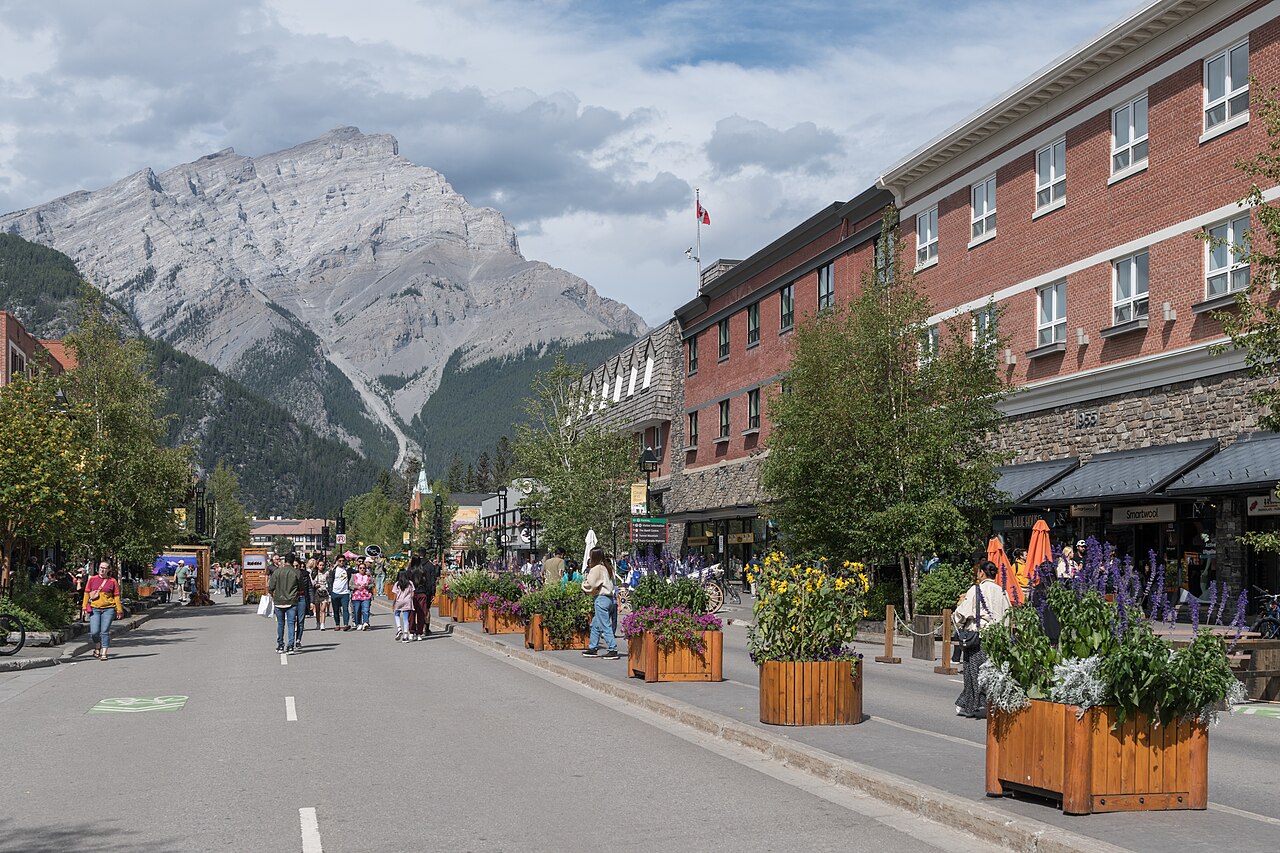
Furthermore, the integration of wellness and activity spaces into the overall design is indicative of a holistic approach. The Bathhouse, with its indoor and outdoor thermal environments, and the Active Centre, with its climbing walls and movement studios, are not isolated amenities. They are designed to be extensions of the guest experience, reflecting a lifestyle where physical and mental well-being are paramount. The Expeditions gear-lending programme, while not strictly a design element, speaks to the broader concept of experiential design – creating opportunities for guests to engage with the destination in meaningful ways, facilitated by the property’s offerings. This evolution signifies a move beyond mere aesthetics to a more integrated, experience-driven design philosophy in luxury mountain hospitality.
Accor’s Global Luxury Push and North American Ambitions
The North American debut of Emblems Collection with Rimrock Banff is not an isolated event but a strategic move within Accor’s broader global expansion in the luxury and lifestyle segments. Accor has been aggressively building its portfolio of high-end brands, recognising the significant growth potential and higher profit margins associated with luxury travel. The company’s strategy involves both acquiring established brands, such as its integration of Fairmont, Raffles, and Swissôtel, and developing new concepts like Emblems Collection and its lifestyle brands under the Ennismore joint venture.
North America is a critical market for this expansion. Despite Accor’s strong presence in Europe, Asia, and the Middle East, its luxury footprint in the United States and Canada has historically been less dominant compared to competitors like Marriott, Hilton, and Hyatt. The Emblems Collection provides a flexible vehicle for Accor to enter new North American markets or deepen its presence in existing ones, by partnering with owners of unique, independent luxury properties. As Maud Bailly noted, this opening marks an “important milestone in our international development and brings our art of living to a new continent.” It signifies a deliberate effort to capture a larger share of the affluent North American traveller market, leveraging the strength of its global loyalty programme, ALL – Accor Live Limitless.
The timing of this debut is also noteworthy. The post-pandemic travel landscape has seen a surge in demand for experiential and nature-based travel, particularly in destinations that offer both adventure and high-end comfort. Banff National Park fits this description perfectly, making Rimrock Banff an ideal flagship property for the Emblems Collection’s North American launch. The property’s extensive transformation, with its focus on wellness, design, and connection to nature, aligns perfectly with current luxury travel trends, positioning it to attract a discerning clientele seeking more than just a place to sleep.
Looking ahead, Accor has already announced further expansion plans for Emblems Collection, with “2026 openings” and new signings in regions like Greece mentioned in related posts. This indicates that Rimrock Banff is just the beginning of a sustained effort to grow the brand globally. For Accor, Emblems Collection is a key component of its strategy to become a leading player in the global luxury and lifestyle hospitality sector, offering a diverse range of brands that cater to every segment of the affluent traveller market, from historic grand hotels to contemporary design-led properties and independent-spirited collections.
What it means for where you stay
For the luxury traveller, the transformed Rimrock Banff as an Emblems Collection property presents a compelling new option in an already celebrated destination. If the execution matches the ambition, it promises a refined, design-led mountain experience that prioritises connection to nature and holistic wellness. The Bathhouse, with its hydrothermal journey and contemplative spaces, offers a significant differentiator, especially for those seeking restoration after outdoor activities. The Expeditions gear-lending programme is a practical touch that enhances the adventurous spirit of a Banff stay. Travellers can expect a high level of service and amenities, backed by Accor’s global standards, while hopefully enjoying the distinct character promised by the Emblems brand. The key question for travellers will be whether the price point, undoubtedly elevated by this investment, delivers a truly intimate and unique experience that justifies the premium over other luxury options in the Rockies.
For owners and hosts in the high-end hospitality market, the Rimrock Banff story offers several valuable insights. Firstly, it underscores the enduring value of irreplaceable assets in prime locations. Properties within national parks, while challenging to operate, offer a scarcity value that can command significant investment and generate strong returns over the long term. Secondly, it highlights the power of strategic partnerships. Aligning with a global brand like Accor, particularly through a flexible “soft brand” like Emblems Collection, provides access to a vast distribution network, a loyal customer base, and sophisticated marketing capabilities, all while allowing the property to retain its unique identity. This can be a potent formula for unlocking value in independent luxury hotels that might otherwise struggle to compete on a global scale.
Finally, the emphasis on design, wellness, and experiential offerings at Rimrock Banff signals the current demands of the luxury market. Owners contemplating renovations or new developments should note the shift towards biophilic design, integrated wellness programmes, and services that facilitate immersive experiences. The blurring lines between hotels and high-end vacation rentals also means that traditional hotels must offer compelling differentiators – whether it’s unparalleled service, unique amenities, or a truly distinctive sense of place – to attract and retain the most discerning guests. The Rimrock Banff’s transformation is a testament to the idea that even established landmarks must continually evolve to remain relevant and inspiring in the competitive world of luxury hospitality.
Source
Sleeper — reported 13 October 2026. Read by the Amorielli news desk.
Checked by the Amorielli standards desk: 1 specific that could not be traced to the source was removed or attributed before publication.

Pictures marked “Amorielli studio image” are illustrative scenes made for this story, not photographs of any property, company or person named. Pictures credited to a photographer are real photographs from Wikimedia Commons, used under the licence named beside each one; each caption says what the photograph shows. Details can change after publication; confirm specifics with the property or source. Like this? Get the newsletter.