The grand ballroom of Gotham Hall in New York City recently buzzed with the particular energy of an industry celebrating itself. It was the AHEAD Americas awards, marking a decade of recognising outstanding hospitality design across the continent. For ten years, these awards have served as a significant barometer for what is considered truly excellent in the world of luxury hotels and high-end rentals, from the most ambitious new builds to the most thoughtful renovations.
The 2026 ceremony, as reported by Sleeper magazine, saw a diverse collection of projects take home honours, spanning categories from the intimate scale of a bar or a suite to the expansive vision of an entire resort or a ground-up new hotel. These aren’t merely accolades; they are a declaration of where the industry’s focus lies, what trends are gaining traction, and which design firms and operators are setting the pace. The Americas winners now advance to compete against their counterparts from other regions, vying for the ultimate global titles.
For Amorielli readers, whether they are planning their next discerning stay or navigating the intricate market as owners and developers, these awards offer more than just a list of names. They provide a lens through which to understand the evolving landscape of luxury hospitality, revealing the underlying philosophies and financial commitments that shape the spaces we inhabit when we travel.
A Decade of Design Distinction
The AHEAD awards platform, now celebrating its tenth anniversary, has firmly established itself as a benchmark for design excellence in hospitality. Unlike some industry accolades that might focus solely on operational performance or guest satisfaction metrics, AHEAD places design front and centre. It acknowledges the profound impact that well-conceived spaces have on the guest experience, recognising that in the luxury sector, the environment is as crucial as the service.
These awards are not just about aesthetics; they delve into functionality, innovation, and the narrative that a space tells. The judging panels, typically composed of leading figures from the design, architecture, and hospitality industries, scrutinise entries for their ability to push boundaries, respond thoughtfully to their context, and create memorable moments for guests. Winning an AHEAD award signals a project that has achieved a rare synthesis of creative vision and practical execution, often at considerable financial investment.
The Americas edition, specifically, offers a fascinating cross-section of the continent’s diverse hospitality scene. From the vibrant urban centres to serene coastal retreats and rugged mountain landscapes, the winning projects reflect the varied demands and opportunities within this vast market. The fact that these regional winners progress to a global competition underscores the ambition of the awards: to identify not just the best in a specific region, but those projects that can stand shoulder-to-shoulder with the finest designs worldwide.
Miami’s Enduring Icon, Reimagined
Few hotels embody the spirit of Miami Beach quite like the Delano. Originally opened in 1947, it became a landmark of Art Deco glamour before its iconic 1990s Philippe Starck redesign cemented its place in popular culture. To win three AHEAD Americas awards in 2026 – for Bar, Hotel Renovation, and Lobby – suggests a property that has successfully navigated the delicate balance between preserving heritage and embracing contemporary relevance. The Delano Miami Beach, under the stewardship of Cain International, Ennismore, and with Elastic credited for its design, has clearly achieved a significant update.
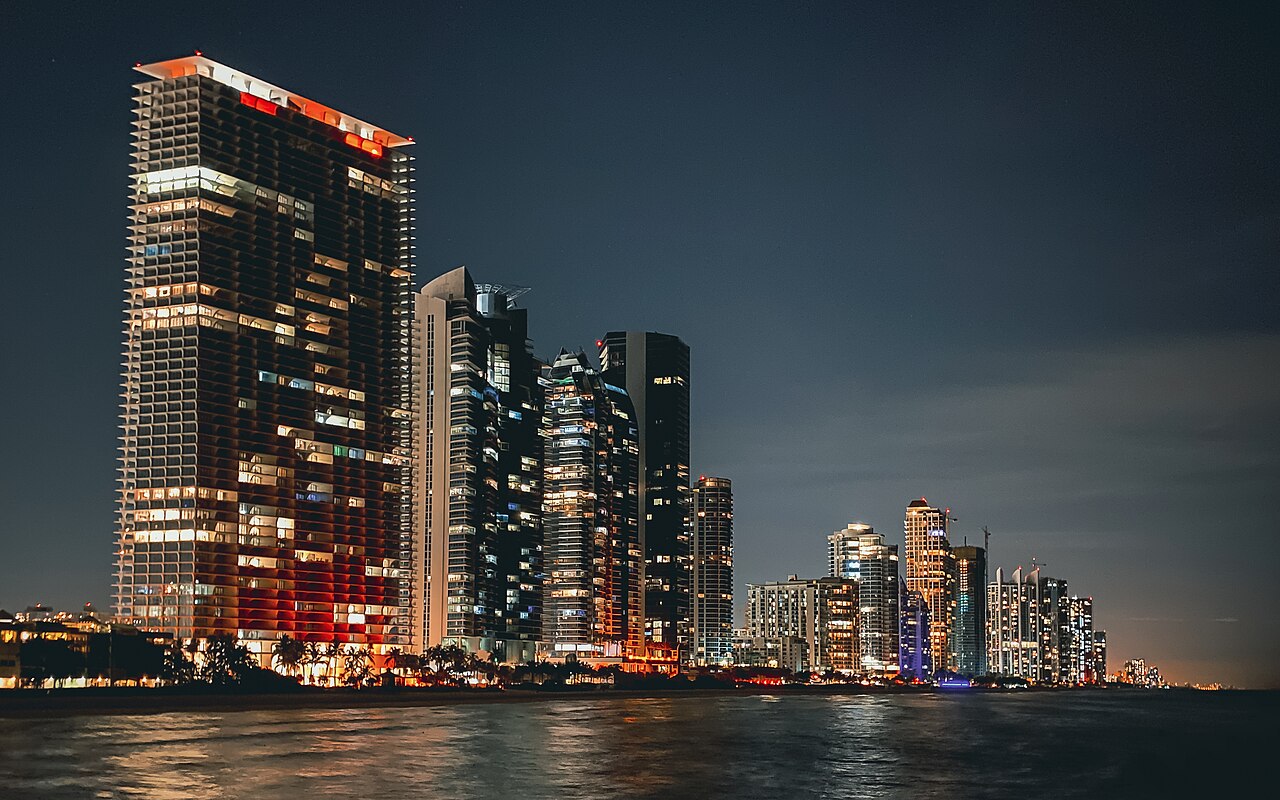
Renovating a hotel with such a strong, recognisable identity is a high-stakes endeavour. The challenge lies in updating infrastructure and amenities to meet modern luxury standards without erasing the character that made it famous. For the Delano, this would mean retaining its whimsical, surrealist elements while perhaps softening some of the stark minimalism that defined its earlier incarnation. A win for its Bar, the Rose Bar, indicates a space that has managed to maintain its social cachet, a notoriously difficult feat in a city as dynamic and trend-driven as Miami. The Lobby award further suggests that the hotel’s central public space continues to be a captivating entry point, a place where guests want to linger and be seen.
Ennismore, as an operator known for its lifestyle brands, brings a particular sensibility to such a project. Their portfolio often focuses on creating social hubs and unique experiences, which aligns well with the Delano’s historical role as a destination unto itself. This triple win for a renovation speaks volumes about the enduring value of well-located, historically significant properties when paired with thoughtful investment and a clear design vision. It signals that even in a market constantly chasing the new, the revitalised classic can still reign supreme.
New York’s Dual Vision: Grandeur and Intimacy
New York City, a perennial battleground for luxury hospitality, saw two distinct projects recognised. The Waldorf Astoria, a name synonymous with grand American hotels, won for Event Spaces. According to the Sleeper report, Strategic Hotels, Hilton Worldwide, Skidmore, Owings & Merrill (SOM), and Pierre-Yves Rochon were involved. This award points to the successful reimagining of spaces designed for large-scale gatherings, from banquets to conferences, within a building that carries immense historical weight. The Waldorf’s multi-year renovation has been one of the most closely watched projects in the city, transforming its historic hotel rooms into private residences while retaining a luxury hotel component. Winning for event spaces implies a successful blend of classic grandeur with modern functionality and technological integration, crucial for today’s high-profile events.
In contrast, the Spa Nalai at the Park Hyatt Hotel secured the award for Spa & Wellness. Hyatt Hotels Corporation and Studio Whynought are credited here. The Park Hyatt, located in Midtown, represents a more contemporary iteration of luxury, known for its understated elegance and focus on personalised service. The Spa Nalai’s win highlights the increasing importance of wellness offerings within urban hotels. A successful spa design in a city like New York must create a sanctuary, a quiet escape from the relentless pace outside, all while delivering a high-end, effective wellness experience. This often involves a careful selection of materials, lighting, and spatial planning to evoke a sense of calm and rejuvenation. The contrast between the Waldorf’s expansive public event spaces and the Park Hyatt’s intimate wellness retreat illustrates the breadth of design challenges and triumphs within New York’s luxury market.
Mexico’s Pacific and Sustainable Futures
Mexico emerged as a significant winner, showcasing both its established allure as a luxury resort destination and its burgeoning commitment to environmental design. Rosewood Mandarina, located on the Riviera Nayarit, was a standout, securing awards for Guestrooms, Resort, and Suite. RLH Properties, Rosewood Hotels & Resorts, MCEstudio, Idea Associados, and Bando x Seidel Meersseman are all listed as contributors. Rosewood, as a brand, is synonymous with ultra-luxury and a deep respect for local culture and environment, often integrating indigenous design elements and materials. Its multiple wins suggest a holistic design approach that permeates every aspect of the guest experience, from the private sanctuaries of its suites and guestrooms to the overall master plan of the resort itself.
The Riviera Nayarit, with its lush jungle, pristine beaches, and Pacific coastline, provides a natural canvas for such high-end developments. The design challenge here is often about creating a sense of seamless integration with the natural surroundings, offering a luxurious experience that feels authentic and connected to the place. Winning across these categories implies a successful execution of this vision, where comfort, aesthetics, and a sense of place are perfectly balanced within the private and public spaces of the resort.
Further south in Baja California, Mira Earth Studios in Valle de Guadalupe received the Sustainability award. This project, involving the Kendall Family, Juniette Bermudez, Nacion Verde, Felipe Ricalde Saucedo, Angel David Olguin, and Fernando Moreno, points to a growing emphasis on environmentally conscious design. Valle de Guadalupe, known for its burgeoning wine region, is a landscape where sustainable practices are not just desirable but increasingly essential. A sustainability award typically recognises projects that minimise their environmental footprint through innovative construction techniques, use of local and recycled materials, energy efficiency, water conservation, and a commitment to preserving the natural ecosystem. This win highlights a shift in luxury hospitality, where ‘green’ credentials are no longer a niche concern but a core component of high-end design.
The Wild West, Redefined
The American West also featured prominently, showcasing both rugged new builds and thoughtful urban conversions. One&Only Moonlight Basin in Big Sky, Montana, took the award for Hotel Newbuild. Lone Mountain Land Company, Kerzner International, Olson Kundig, and Ben Young Landscape Architects are credited. This win speaks to the growing trend of luxury hospitality venturing into pristine, natural landscapes, offering experiences that blend adventure with unparalleled comfort. Big Sky, Montana, is known for its dramatic mountain scenery and world-class skiing, attracting a clientele seeking both outdoor pursuits and refined relaxation.
Designing a new build in such an environment presents unique challenges: respecting the natural topography, integrating with the local vernacular, and creating structures that can withstand harsh weather while offering expansive views and a sense of connection to the wilderness. Olson Kundig, an architecture firm known for its modernist designs that often incorporate operable elements and a strong connection to nature, would be a natural fit for such a project. The One&Only brand, typically associated with exotic beach resorts, signals a strategic expansion into a different kind of luxury adventure market, suggesting a broader appeal for high-end wilderness experiences.
On the urban front, Populus in Seattle, Washington, won for Hotel Conversion. Urban Villages, Aparium Hotel Group, The Miller Hull Partnership, and Curioso are listed as the team behind it. Hotel conversions are a fascinating category, often involving the repurposing of existing structures into new hospitality spaces. This approach is inherently sustainable, reducing the environmental impact of new construction, and often results in properties with unique character and a deep sense of place. Seattle, a city known for its innovation and natural beauty, provides a dynamic backdrop for such a project. A successful conversion requires creative problem-solving to adapt an old building’s bones to modern hotel requirements, while imbuing it with a distinct personality that resonates with its urban context. Aparium Hotel Group often focuses on independent, character-driven properties, making this win consistent with their brand philosophy.
Global Horizons: Patagonia and Colorado’s Classics
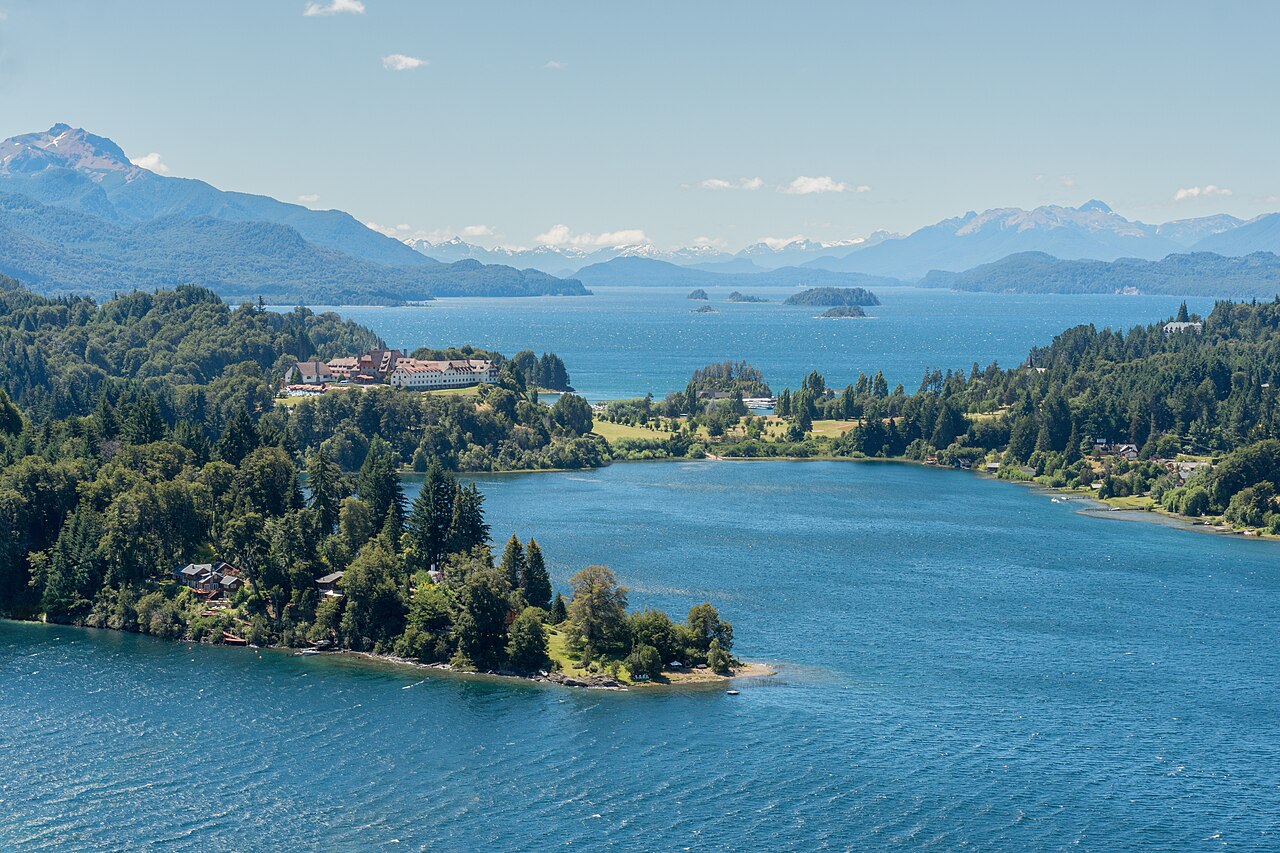
The reach of the AHEAD Americas awards extended beyond the more commonly cited luxury destinations, embracing projects in Patagonia and the heart of the American Rockies. Casa Gallareta in Villa La Angostura, Patagonia, Argentina, secured the award for Lodges, Cabins & Tented Camps. Casa Gallareta and Organic & Joyful Architecture are named. This category represents a specific niche within luxury hospitality: experiential stays that immerse guests in nature without sacrificing comfort. Patagonia, with its dramatic landscapes of mountains, glaciers, and lakes, is an ideal setting for such ventures. The design of lodges and tented camps in these remote locations often prioritises sustainable practices, local materials, and a deep respect for the environment, creating intimate, often off-grid, experiences. This win underscores the growing demand for authentic, nature-focused luxury travel that goes beyond traditional hotel formats.
These awards are not just about aesthetics; they delve into functionality, innovation, and the narrative that a space tells.
Bringing a touch of classic American grandeur, The Penrose Room at The Broadmoor Hotel in Colorado Springs, Colorado, USA, won for Restaurant. The Anschutz Corporation, The Broadmoor-Sea Island Company, James W. Nakai & Associates, and Tihany Design are credited. The Broadmoor is a venerable institution, a historic resort known for its timeless elegance and impeccable service. For its signature restaurant, The Penrose Room, to win a design award suggests a successful blend of tradition with contemporary refinement. Adam Tihany, a name synonymous with high-end restaurant and hotel design, would be expected to deliver a space that is both visually stunning and highly functional, capable of delivering a sophisticated dining experience. This award demonstrates that even in established, classic properties, design evolution and a commitment to excellence remain paramount, ensuring that heritage venues continue to captivate modern diners.

What it means for where you stay
For the Amorielli reader, whether planning a trip or considering an investment in the hospitality market, the AHEAD Americas 2026 awards offer concrete insights. For the traveller, these winning properties represent some of the most thoughtfully designed and executed spaces in the Americas. A stay at the Rosewood Mandarina, for instance, promises an immersive luxury experience where every detail, from guestroom to resort layout, has been meticulously considered. The Delano Miami Beach’s wins suggest that its recent renovation has successfully reinvigorated an icon, making it a compelling choice for those seeking classic glamour with a contemporary edge. If a tranquil escape is in order, the Spa Nalai at the Park Hyatt New York offers a benchmark for urban wellness design. For those seeking adventure in nature, the One&Only Moonlight Basin in Montana or Casa Gallareta in Patagonia signal exceptional design that harmonises with dramatic landscapes. These awards serve as a reliable guide to properties where the design itself is a significant part of the draw, promising an experience that transcends mere accommodation.
For property owners and those looking to invest in the luxury rental or hotel market, the awards underscore several critical trends. Firstly, design is paramount. It is not merely decoration but a strategic investment that drives guest satisfaction, brand reputation, and ultimately, profitability. The success of renovations like the Delano and conversions like Populus demonstrates that existing assets, when approached with a clear vision and significant investment, can outperform new builds. Secondly, sustainability is no longer optional; it is becoming an expectation, as evidenced by Mira Earth Studios’ win. Integrating eco-conscious practices into design and operations adds value and appeals to an increasingly aware clientele. Finally, the geographic spread of the winners — from established urban centres to remote natural escapes — highlights the diverse opportunities within the luxury market. Success lies in understanding the unique context of a location and developing a design narrative that resonates deeply with its specific audience, whether that’s a grand event space in New York or a secluded lodge in Argentina. Investing in award-winning design is investing in a future where the aesthetic and experiential quality of a stay is the ultimate currency.
Sources
Sleeper — reported 16 October 2026. Read by the Amorielli news desk.
- en.wikipedia.org - Delano Miami Beach Hotel - Wikipedia.
- forbestravelguide.com - Park Hyatt New York - New York City Hotels - New York, United States - Forbes Travel Guide.
- inspirato.com - Riviera Nayarit, Mexico | Destination Guide | Inspirato.
Checked by the Amorielli standards desk: 92 specifics checked, 90 traced to the source material and the sources added below, 2 general background, none removed.
Report an error in this story · Corrections policy and log

Pictures marked “Amorielli studio image” are illustrative scenes made for this story, not photographs of any property, company or person named. Pictures credited to a photographer are real photographs from Wikimedia Commons, used under the licence named beside each one; each caption says what the photograph shows. Details can change after publication; confirm specifics with the property or source. Like this? Get the newsletter.