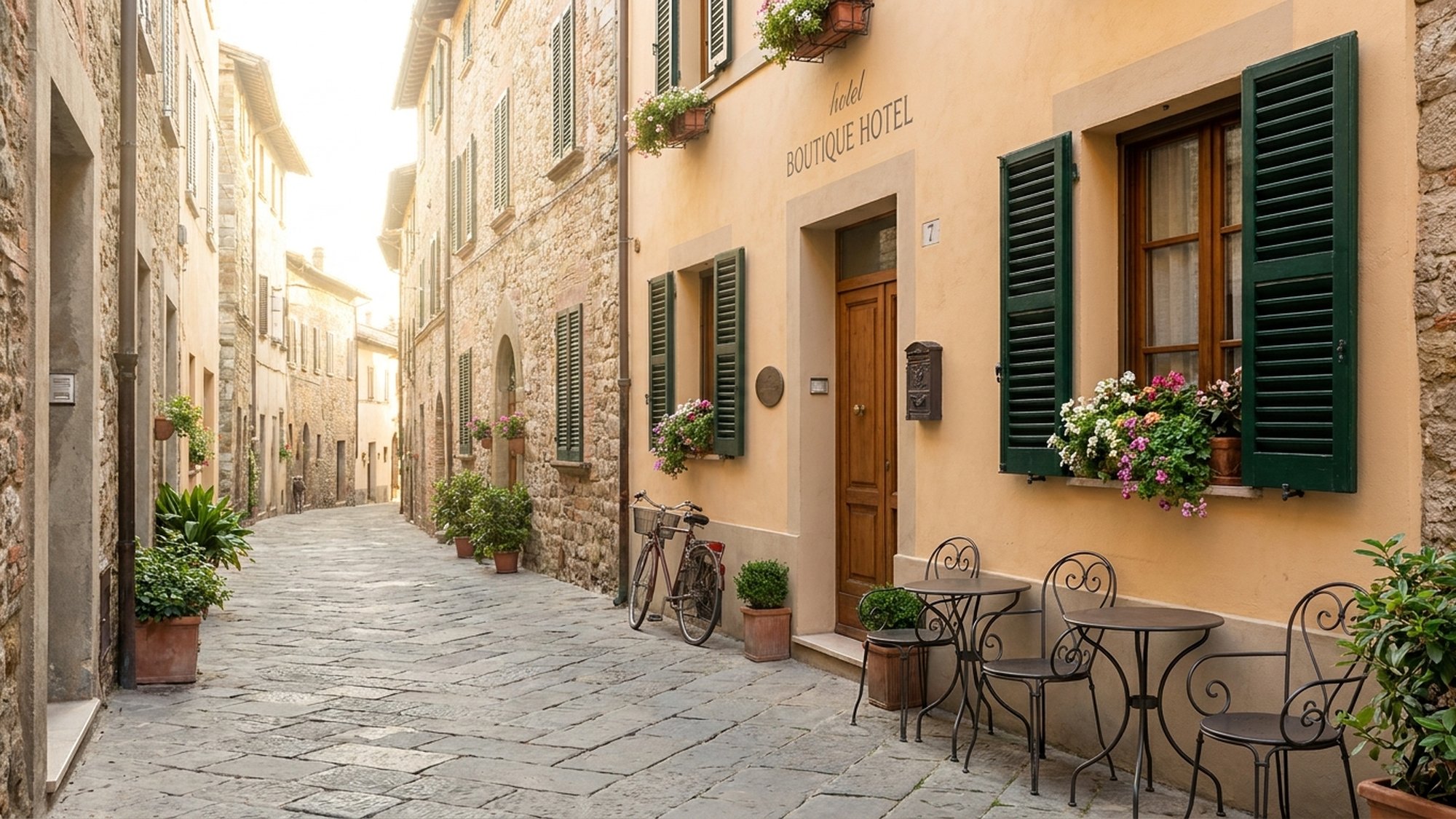
Florence has added a new, exclusive address to its luxury accommodation scene, with La Réserve Firenze opening its doors on October 16, 2026. This isn’t a conventional hotel with a lobby buzzing with activity and a multitude of guestrooms; instead, it offers just six private residences within a meticulously restored 15th-century palace in the historic Oltrarno district. The concept is a blend of independent apartment living and highly personalised hotel services, a model increasingly favoured by ultra-high-net-worth travellers seeking both discretion and a deep immersion in their destination.
Occupying the venerable Palazzo Segni on Via Santo Spirito, the property stakes a claim as one of Florence’s most expensive options, with advertised rates starting from approximately €1,300 to €1,890 per night, depending on the source and booking conditions. This launch signals a significant move for Michel Reybier Hospitality, marking its first foray into Italy with its distinctive Private Homes collection. It also adds another layer to the ongoing discussion in Florence about the careful balance between preserving the city’s heritage and catering to the demands of a burgeoning luxury tourism market.
A New Kind of Grandeur in Oltrarno
The choice of location for La Réserve Firenze is as deliberate as its operational model. Palazzo Segni, a 15th-century Renaissance palace, sits at 6 Via Santo Spirito, firmly rooted in Florence’s Oltrarno district. This neighbourhood, on the southern bank of the River Arno, offers a distinctly different atmosphere from the often-crowded streets surrounding the Duomo and Uffizi Gallery. Oltrarno, literally meaning “beyond the Arno,” has long been celebrated for its authenticity, its labyrinthine historic streets, and its enduring connection to Florentine craftsmanship.
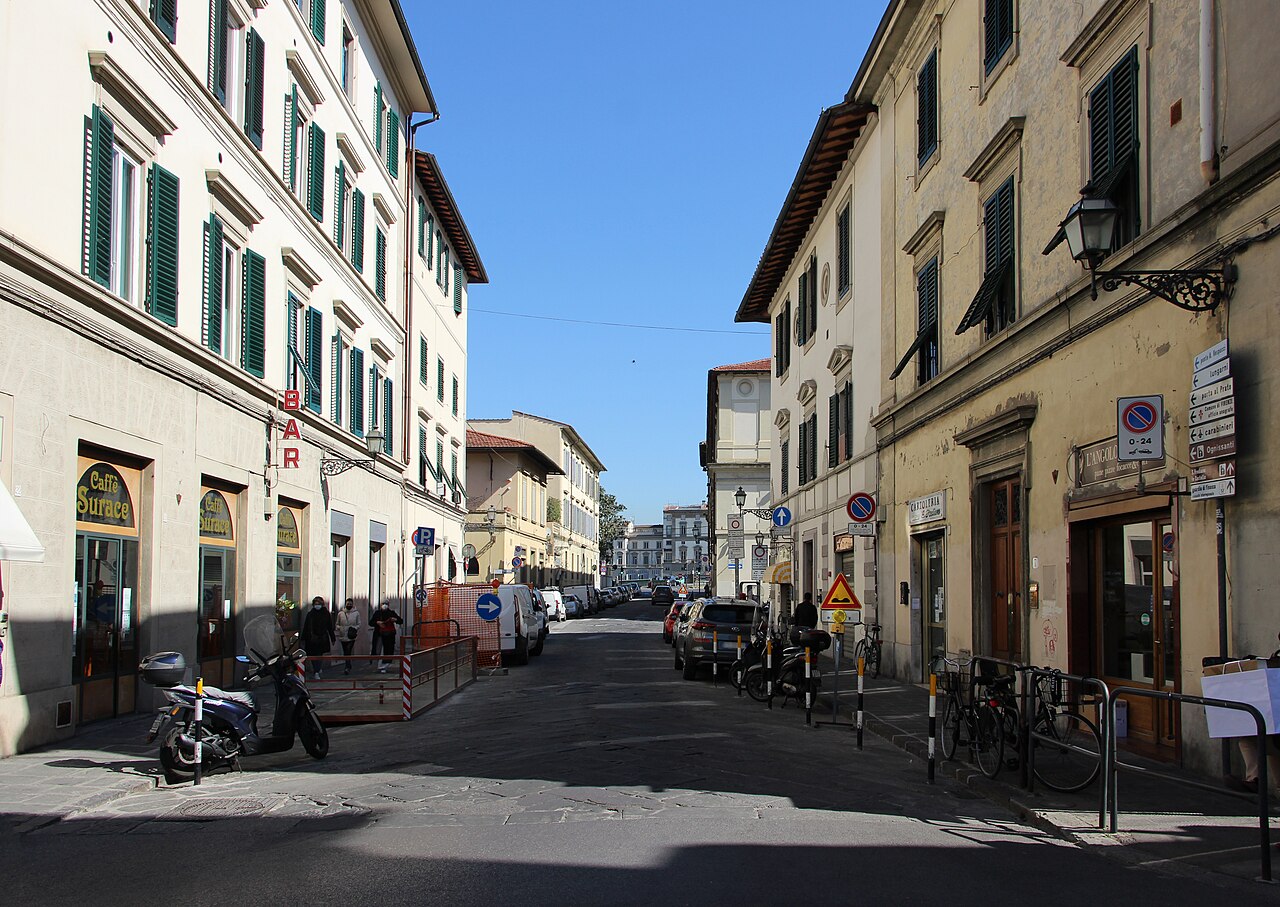
Here, guests are placed amidst a vibrant ecosystem of artisan workshops, independent restaurants, and antique dealers, many of whom have plied their trades for generations. The air in Oltrarno often carries the scent of leather from a workshop or the faint sound of a sculptor’s chisel, a testament to its living history. This is not the Florence of glossy storefronts but of genuine creative endeavour. Proximity to cultural landmarks is also a key draw; Palazzo Pitti, once the opulent residence of the powerful Medici family and now home to several significant museums and art collections, is approximately five minutes away by foot. The expansive Boboli Gardens, a masterpiece of Italian garden design, also lies within easy walking distance, providing a vast green sanctuary.
While offering a quieter, more residential experience, the property remains exceptionally well-connected to the city’s primary attractions. The iconic Ponte Vecchio and the bustling historic centre are readily accessible by foot, offering a seamless transition between the tranquil intimacy of Oltrarno and the grandeur of Florence’s more famous squares and galleries. The location serves as a strategic compromise, allowing guests to retreat to a private, culturally rich haven while still having the city’s pulse at their fingertips. This delicate balance of accessibility and seclusion is central to the appeal of La Réserve Firenze, a property designed for those who seek to experience Florence not merely as a tourist, but as a temporary resident.
The district itself has seen increasing attention from high-end hospitality, as developers look beyond the traditional central areas for properties that can offer both space and character. The 15th-century palace setting ensures that the property is inherently woven into the fabric of Florence’s past, providing a genuine sense of place that newer constructions simply cannot replicate. The decision to restore such a significant historical building also reflects a broader trend in luxury travel, where the authenticity of the setting is becoming as important as the quality of the service. This move into Oltrarno by a brand like La Réserve could further cement the district’s reputation as a prime destination for sophisticated travellers.
Beyond the Hotel Room: The Private Residence Model
La Réserve Firenze operates under a distinctive concept that diverges sharply from the conventional luxury hotel. It is positioned as part of Michel Reybier Hospitality’s Private Homes collection, rather than a typical hotel offering individual guestrooms. This model centres on providing serviced luxury residences, marrying the spaciousness and autonomy of private apartments with the comprehensive support of five-star hotel services. For many contemporary luxury travellers, this distinction is not merely semantic; it represents a fundamental shift in how they wish to experience a destination.
The property’s six residences range from approximately 170 to 210 square metres, offering significantly more space than even the most generously proportioned hotel suites. Each apartment features one to three bedrooms, making them suitable for a diverse clientele, from couples seeking an expansive retreat to families or small private groups desiring communal living areas without sacrificing individual privacy. A key feature of these residences is the inclusion of a separate living area and an equipped kitchen. This allows guests the flexibility to prepare their own meals, entertain privately, or simply enjoy the comfort of a home-like environment, a luxury often elusive in traditional hotel settings.
This residential approach appeals to those who value discretion and an extended sense of belonging. The absence of a bustling public lobby or a conventional full-service restaurant encourages guests to experience Florence more intimately, perhaps sourcing fresh produce from local markets to cook in their own kitchens, or choosing to dine at neighbourhood eateries. It caters to a desire for authenticity and a less structured itinerary, where the rhythm of the city can be absorbed at one’s own pace. The largest of these residences, a three-bedroom duplex, further exemplifies this commitment to private space, boasting a private rooftop terrace of approximately 55 square metres. This outdoor sanctuary provides panoramic views across Florence, an exclusive vantage point for appreciating the city’s iconic skyline, from the Duomo to the distant hills, all from the privacy of one’s own quarters.
Michel Reybier Hospitality has cultivated a reputation for properties that prioritise a refined, understated form of luxury, often characterised by exclusivity and a focus on wellness. Their existing portfolio includes properties in destinations such as Paris, Geneva, and the French Riviera, all of which share this ethos of private, high-end experiences. The expansion into Italy with La Réserve Firenze signifies a strategic move to bring this particular brand of hospitality to one of Europe’s most culturally rich and sought-after cities. It underscores a growing trend in the luxury market where the emphasis is shifting from grand, opulent hotels to more intimate, discreet, and residential-style accommodations that offer a deeper, more personal connection to the locale.
The Art of Restoration and Refined Design
The transformation of Palazzo Segni into La Réserve Firenze was a project of considerable scale and sensitivity, spanning approximately four years. This was not merely a renovation but a meticulous restoration, guided by owners Olivia and Grégory Marciano. Their vision, executed in collaboration with French interior designers Gilles & Boissier, aimed to bridge the centuries, preserving the indelible marks of the palace’s 15th-century Renaissance heritage while integrating the comforts and aesthetics demanded by contemporary luxury.
The commitment to historical preservation is evident in the retention of original architectural details that narrate the palace’s long history. Historic frescoes and painted ceilings, which might otherwise have been concealed or sacrificed in a less considerate redevelopment, have been carefully preserved. These elements serve as a constant reminder of the building’s past, providing an unparalleled backdrop to the modern interiors. Gilles & Boissier are known for their ability to blend classical elegance with a modern sensibility, often employing a restrained palette and tactile materials to create spaces that feel both grand and intimately comfortable. Their approach here involved introducing contemporary furnishings and custom pieces that complement, rather than compete with, the Renaissance grandeur.
The balance achieved through this design philosophy is crucial for a property of this nature. It ensures that guests feel connected to Florence’s rich artistic legacy without feeling as though they are staying in a museum. Instead, the design creates a dialogue between eras, where the patina of age meets the polish of modern craftsmanship. The challenge in such a project lies in updating infrastructure and amenities to meet the exacting standards of ultra-luxury accommodation — modern facilities, climate control, sophisticated lighting — all while ensuring these interventions are discreet and do not detract from the historical integrity. The four-year timeline suggests a painstaking process, indicative of the care taken to ensure every detail, from structural reinforcement to the placement of bespoke furniture, was executed with precision.
This kind of restoration speaks to a particular appreciation for heritage, elevating the building itself to a central role in the guest experience. It is an investment not just in a property, but in a piece of Florentine history, ensuring its continued relevance and vitality. For guests, it means staying in a space that tells a story, a rare privilege in an age where many luxury accommodations, while outwardly impressive, often lack the deep sense of place that only a genuine historic structure can provide. The collaboration between the Marcianos and Gilles & Boissier has seemingly aimed to create an environment where the past is not just acknowledged but actively embraced and made comfortable for the present.
Services Tailored to Discretion
The service model at La Réserve Firenze is meticulously crafted to support its residential concept, prioritising discretion and personalisation over the standardised offerings of a large hotel. While the property does not operate a conventional full-service restaurant, it compensates with a suite of highly tailored services designed to cater to every guest’s needs within the privacy of their residence. This approach underscores the property’s commitment to an independent yet fully supported stay.
Core services include concierge assistance, which extends beyond typical bookings to provide truly personalised guest support, guiding visitors through Florence’s myriad offerings with local insight. Housekeeping services ensure that the spacious residences are maintained to the highest standards, allowing guests to enjoy their stay without domestic concerns. A key feature of the residential model is the availability of private chefs on request. This allows guests to arrange bespoke dining experiences within their own equipped kitchens, whether for a special occasion or simply for the convenience of gourmet meals prepared exactly to their preferences. This service offers an intimate culinary journey, potentially featuring local ingredients and traditional Florentine recipes, all without needing to leave the comfort of the apartment.
For those who prefer to dine out but still wish for the convenience of in-residence meals, La Réserve Firenze has established a partnership with Trattoria Cammillo, a well-regarded local restaurant. This collaboration facilitates room service directly from an established Florentine eatery, allowing guests to sample authentic local cuisine without venturing far. Breakfast, a daily essential, is served directly in the residences, maintaining the theme of private, unobtrusive service. This eliminates the need for guests to adhere to fixed breakfast hours or navigate a public dining room, instead offering a leisurely start to the day in their own space.
Beyond the individual residences, La Réserve Firenze provides a selection of shared facilities designed for relaxation and enjoyment, though these are presented as extensions of the private experience rather than bustling public zones. These include a fitness area for maintaining personal routines, a library offering a quiet space for reading and reflection, and a billiards room for leisurely recreation. These communal areas are likely to be intimate, catering to a limited number of guests and fostering a sense of exclusive club membership rather than a public gathering space. Furthermore, spa treatments and other bespoke experiences, such as private tours or cooking classes, can be organised privately, underscoring the comprehensive nature of the personalised support available. This ecosystem of services ensures that guests receive the attentiveness of a luxury hotel, but on their own terms and within their own private domain.
Florence’s Shifting Luxury Landscape
The opening of La Réserve Firenze is not an isolated event but rather a distinct indicator of a broader trend within Florence’s luxury accommodation market. The city has witnessed increasing investment in premium lodging, particularly within its historic buildings, as international hospitality brands recognise the unique appeal of marrying ancient architecture with contemporary comfort. This surge in high-end properties reflects a calculated strategy to attract discerning international travellers who seek more than just a bed for the night; they desire an immersive experience rooted in the city’s rich cultural tapestry.
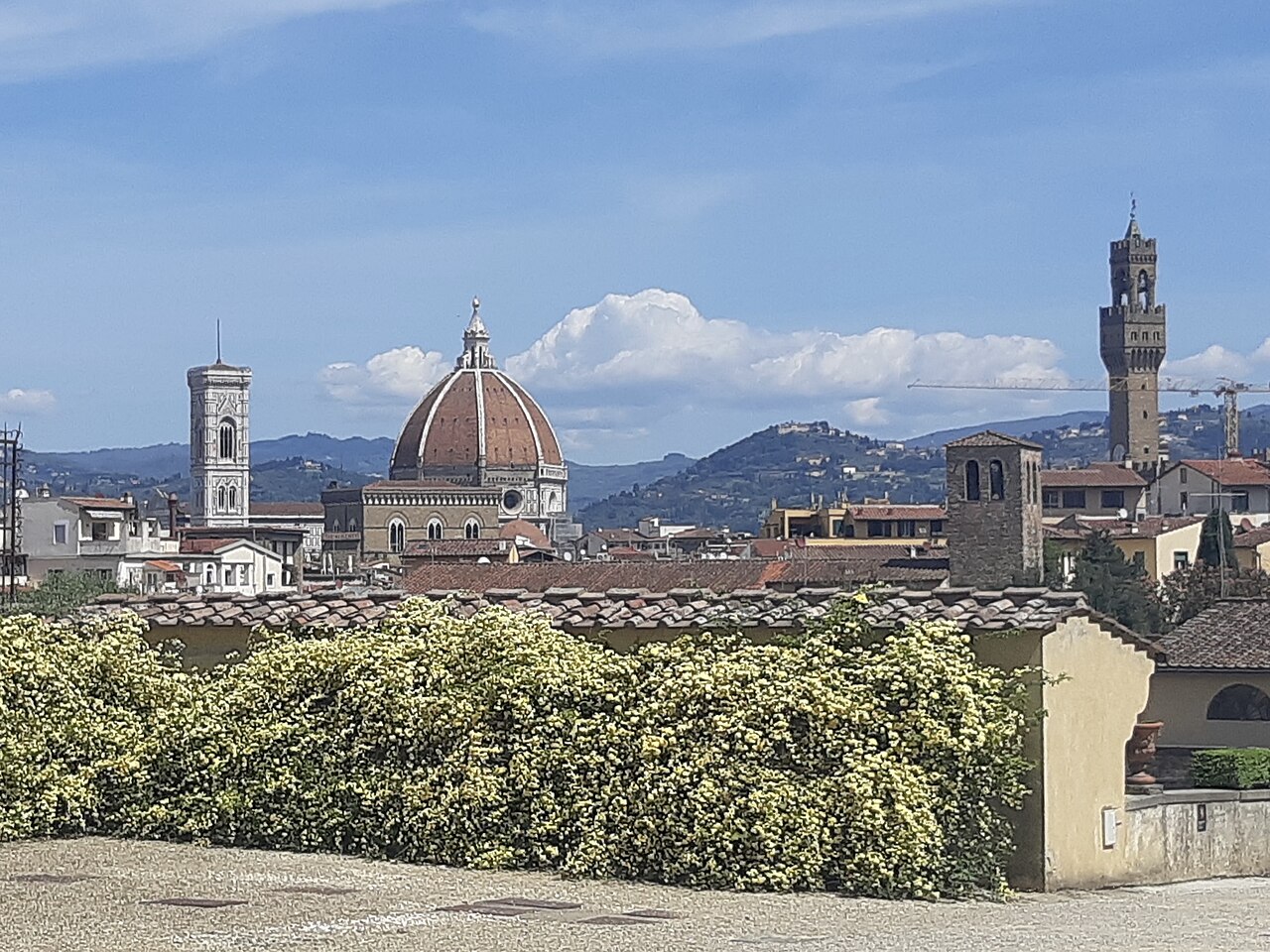
Recent years have seen several notable developments in this sector. The Porta Rossa Hotel Firenze, part of the Colbert Collection, recently reopened, showcasing another instance of a historic Florence landmark being repurposed for luxury tourism. Similarly, Rocco Forte has unveiled redesigned versions of its Hotel Savoy in Florence and Hotel de Russie elsewhere, demonstrating established players’ commitment to upgrading and refreshing their offerings to meet evolving luxury standards. These projects collectively signal a robust appetite for high-value properties in prime Florentine locations, often involving the complex and costly restoration of significant historical structures.
The attraction for these brands is clear: Florence, with its unparalleled artistic heritage, iconic landmarks, and global renown, offers an inherently strong draw for high-net-worth individuals. The challenge, however, lies in finding suitable properties that can be adapted to modern luxury specifications while respecting their historical integrity. The conversion of palaces and other grand buildings, like Palazzo Segni, into hotels or serviced residences provides a solution, offering unique architectural character and a sense of place that purpose-built structures cannot replicate. This strategy allows brands to offer a differentiated product in a competitive market, capitalising on Florence’s enduring allure.
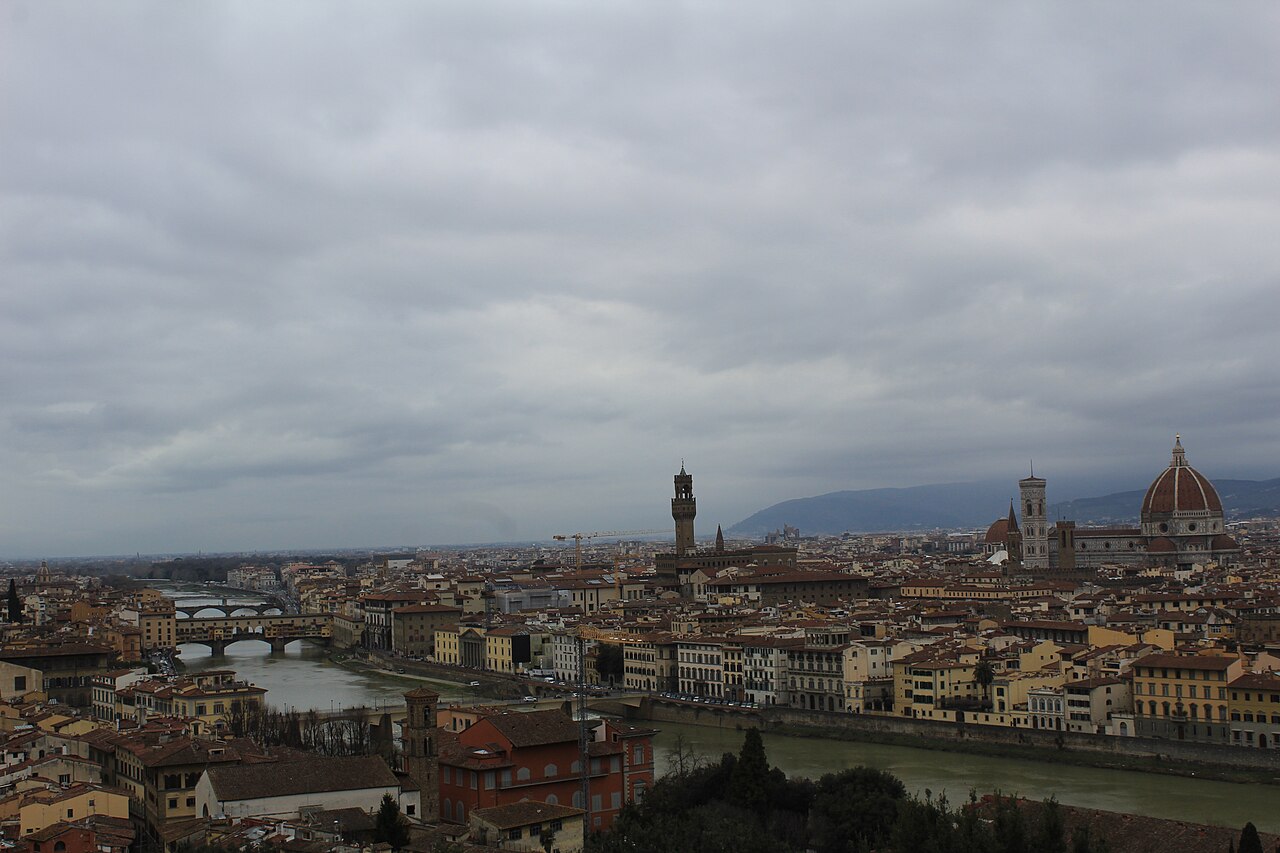
However, this growth is not without its complexities. The increasing conversion of historic properties into tourism businesses has sparked considerable local debate. Florence, like many popular European cities, grapples with significant pressure on its housing supply and the overall impact of tourism on its historic city centre. While luxury developments bring investment and prestige, they also contribute to a changing urban fabric, often reducing residential options for local inhabitants and altering the character of neighbourhoods. This tension between economic development through tourism and the preservation of local community life is a recurring theme in the city’s discourse, and properties like La Réserve Firenze, by their very nature and exclusivity, inevitably become part of this larger conversation.
The Price of Privacy and Place
The financial proposition of La Réserve Firenze immediately places it at the apex of Florence’s accommodation market. Advertised rates ahead of the opening started at approximately €1,890 per night, according to one source, while another indicated nightly rates from around €1,300. Both figures position the property among the city’s most expensive options, with actual prices, as is standard practice, dependent on specific dates, the chosen residence category, and booking conditions, alongside a stated minimum two-night stay. This pricing strategy is a clear signal of the target demographic: ultra-high-net-worth individuals, families, and small groups who prioritise exclusivity, space, and a high degree of personalised service above all else.
At this price point, guests are not merely paying for accommodation; they are investing in a unique experience that combines the architectural grandeur of a 15th-century palace with the privacy and flexibility of a modern, fully serviced home. The value proposition extends beyond the physical attributes of the 170 to 210 square metre residences, their one to three bedrooms, equipped kitchens, and separate living areas. It encompasses the intangible benefits of discretion, the seamless provision of services like butler assistance and private chefs, and the rare privilege of a private rooftop terrace overlooking one of the world’s most celebrated cities. For these travellers, the ability to retreat into a private sanctuary after a day exploring Florence, without the constant interaction of a busy hotel, is a significant draw and a justification for the premium.
The demand for such high-end, discreet accommodations is robust, particularly among those who have grown weary of the conventional luxury hotel experience. These guests often travel with entourages, require significant personal space, or simply value the quietude and domesticity that a private residence affords. The ability to host intimate gatherings, conduct business in a relaxed setting, or simply enjoy extended family time without the constraints of hotel schedules and public spaces becomes a compelling factor. The cost, while substantial, is relative to the lifestyle and expectations of this clientele, who are accustomed to bespoke services and unparalleled environments.
Furthermore, the pricing reflects the immense investment in the four-year restoration of Palazzo Segni, the meticulous work of French interior designers Gilles & Boissier, and the ongoing operational costs of providing such a high level of personalised service for only six residences. The exclusivity inherent in having such a limited inventory naturally drives up the per-night cost. It is a calculated decision to focus on a niche market willing to pay a premium for what is essentially a private Florentine home with all the comforts and conveniences of a world-class luxury brand. This strategy allows La Réserve Firenze to carve out a distinct identity in a crowded luxury market, appealing to those for whom privacy is the ultimate commodity.
This isn’t a place for casual tourists; it’s for those who want to feel like they own a piece of Florence, if only for a few nights.
The Unspoken Trade-offs: Tourism vs. Local Life
While the opening of La Réserve Firenze undeniably adds a new dimension to Florence’s luxury tourism offerings, it also contributes to a complex, often contentious, urban dynamic that many historic European cities are grappling with. The announcement itself, acknowledging the growth of high-end visitor accommodation, also directly references the local debate over the conversion of historic properties into tourism businesses. This isn’t a unique Florentine issue, but it resonates particularly strongly in a city where heritage is both its greatest asset and, at times, its greatest burden.
The core of the debate revolves around the pressure on housing and the changing character of the historic city centre. As more and more historic palaces and traditional residential buildings are repurposed for hotels, serviced apartments, or short-term vacation rentals, the available housing stock for local residents diminishes. This reduction in supply, coupled with increasing demand, inevitably drives up rental and property prices, making it increasingly difficult for Florentines, particularly younger generations and working families, to afford to live in their own city centre. The Oltrarno district, despite its artisanal charm, is not immune to these pressures.
Critics argue that this trend transforms vibrant, mixed-use neighbourhoods into areas primarily catering to tourists, leading to a loss of essential local services, shops, and community infrastructure. The concern is that Florence risks becoming a "museum city," beautiful but devoid of the everyday life that gives it its authentic character. While luxury properties like La Réserve Firenze offer employment opportunities and contribute to the local economy through high-spending guests, the benefits are often weighed against the social costs of gentrification and displacement. The four-year restoration of Palazzo Segni, while preserving a historical building, simultaneously removes it from the potential residential market for locals, locking it into the tourism economy.
City authorities in Florence, much like those in Venice, Rome, and Barcelona, have been actively seeking ways to manage and mitigate the negative impacts of over-tourism and uncontrolled property conversions. Measures have included restrictions on new hotel developments in certain areas, attempts to regulate short-term rentals (like Airbnb and Vrbo), and incentives to encourage long-term residential occupancy. The opening of an ultra-luxury property with just six residences, while small in scale, symbolises this larger struggle. It represents the pinnacle of a market trend that, while economically attractive, forces a critical examination of who a city is ultimately for: its residents or its visitors. The conversation around La Réserve Firenze, therefore, extends far beyond its opulent interiors and personalised services, touching upon the very soul of Florence’s future.
Michel Reybier’s Italian Debut
The selection of Florence for La Réserve’s inaugural Italian property is a strategic affirmation of the city’s status as a premier global luxury destination. Michel Reybier Hospitality, a brand synonymous with exclusivity and a refined approach to hospitality, is extending a portfolio that includes established luxury hotels and private residences in highly coveted locations such as Paris, Geneva, and the French Riviera. This expansion into Italy, a country celebrated for its art, culture, and culinary traditions, represents a significant milestone for the collection.
The brand's philosophy typically revolves around delivering an intimate, discreet, and highly personalised experience, often within historically significant properties. Their Paris establishment, for instance, is renowned for its private residential feel, while their Geneva property offers a tranquil lakeside escape. These existing locations share a common thread of catering to an elite clientele who value privacy and bespoke services. Bringing this model to Florence, a city saturated with historical grandeur and a discerning visitor base, seems a natural progression for Michel Reybier. The city provides the ideal canvas for their Private Homes concept, allowing them to leverage Florence’s inherent appeal while offering a distinct product that stands apart from the more traditional luxury hotel landscape.
The development of La Réserve Firenze was a collaborative effort, involving Michel Reybier himself alongside Olivia and Grégory Marciano, who acquired Palazzo Segni in 2022. This partnership suggests a shared vision for transforming a historic asset into a contemporary luxury offering that respects its past while embracing modern demands. The four-year restoration period underscores the commitment to this vision, ensuring that the property not only meets but exceeds the high standards associated with the La Réserve name. It’s a testament to the meticulous planning and execution required to adapt a 15th-century palace for ultra-luxury accommodation in the 21st century.
This Italian debut is more than just a new opening; it signifies Michel Reybier Hospitality’s confidence in the enduring appeal of Italy’s cultural capitals and the specific demand for residential-style luxury in these markets. It sets a precedent for how the brand might further expand within Italy, potentially exploring other iconic cities or regions that offer similar opportunities for combining historical elegance with their signature private home experience. For the luxury travel industry, it reinforces the idea that true distinction increasingly lies in offering unparalleled privacy and a deep connection to local heritage, rather than simply grand scale.
What it means for where you stay
For the discerning traveller, La Réserve Firenze represents a significant new option, particularly if the conventional luxury hotel experience no longer feels sufficiently private or expansive. If your travel priorities include ample personal space, the flexibility of an equipped kitchen, and the option for highly personalised services like a private chef or butler, all within a historically rich setting, then this property warrants serious consideration. It is an ideal choice for extended stays, families, or small groups who value the independence of an apartment but still desire the comfort and convenience of top-tier hospitality. Its Oltrarno location offers a more authentic, less tourist-centric immersion into Florentine life, while still keeping major attractions within easy reach. However, be prepared for rates that place it among the city’s most exclusive, reflecting the premium on privacy, bespoke service, and the privilege of a fully restored Renaissance palace. This is not a casual booking; it’s an investment in a particular kind of Florentine experience.
For owners and hosts observing the luxury accommodation market, La Réserve Firenze offers several key takeaways. Firstly, it underscores the enduring appeal and profitability of converting historic, architecturally significant properties into high-end accommodation, provided the restoration is meticulous and respectful of heritage. Secondly, the success of the "Private Homes" concept signals a clear demand for residential-style offerings that blend independence with five-star services. This model, which offers more space and privacy than traditional hotel rooms, appeals to a growing segment of affluent travellers. Consider how your property can offer a more bespoke, less transactional experience. Finally, the local debate surrounding such developments highlights the importance of balancing tourism growth with community needs. While individual properties may be small, their collective impact is significant. Understanding and engaging with these local dynamics will be crucial for sustainable success in high-value urban markets. The market is clearly shifting towards experiences that offer deep authenticity and personal space, and adapting to this trend is key for both travellers and those in the business of hosting them.
Sources
Rus Tourism News — reported 18 October 2026. Read by the Amorielli news desk.
- Rustourismnews.com — Florence Opens Ultra-Luxury La Réserve With Six Private Residences From €1,890 a Night.
- Focus on Travel News — La Réserve Firenze Opens in 15th-Century Florence Palace.
- Yahoo — Florence Pugh Brings British Luxury Fashion Stateside for ‘East of Eden’ Press.
- fattiretours.com - Everything You Need to Know About the Florence Duomo - Fat Tire Tours.
- thisisluxurytravel.com - La Réserve Firenze Opens October 2026: Apartments & Details.
Checked by the Amorielli standards desk: 43 specifics checked, 43 traced to the source material and the sources added below, none removed.
Report an error in this story · Corrections policy and log

Pictures marked “Amorielli studio image” are illustrative scenes made for this story, not photographs of any property, company or person named. Pictures credited to a photographer are real photographs from Wikimedia Commons, used under the licence named beside each one; each caption says what the photograph shows. Details can change after publication; confirm specifics with the property or source. Like this? Get the newsletter.
Comments