Opening image The expanded list reflects the diverse and evolving landscape of global luxury hospitality. Amorielli studio image
The annual unveiling of The World’s 50 Best Hotels list has, for years, been a keenly anticipated moment in the high-end hospitality calendar. It is a declaration of taste, a validation of excellence, and, for the properties fortunate enough to be included, an immediate, undeniable boost to prestige and bookings. But as the luxury travel market has expanded, diversified, and become increasingly granular in its offerings, the confines of a mere ‘Top 50’ began to feel, to some, a touch too narrow, perhaps even a little exclusionary.
This year, 50 Best, the organisation behind the influential rankings, has responded to that evolving landscape with a significant move. On 1 September 2026, ahead of the main event in Paris on 15 September, it unveiled an extended list, acknowledging hotels ranked from No. 51 to No. 100. This expansion, according to 50 Best, underscores a commitment to recognising a broader spectrum of outstanding hospitality experiences. For Amorielli, it’s not just an expansion of a list; it’s a revealing snapshot of where luxury hospitality stands today, and where it might be heading tomorrow.
The extended list, spanning 23 different territories and 40 cities, includes 10 independent hotels, a detail that speaks volumes about the shifting dynamics of ownership and brand power. It’s a move designed to deepen the conversation, to highlight properties that might otherwise sit just outside the brightest spotlight, yet still offer experiences that resonate deeply with the sophisticated traveller. Our task now is to read between the lines, to understand the currents flowing beneath these rankings, and to gauge what this broader recognition truly signifies for the industry and for anyone seeking a genuinely exceptional stay.
The Geography of Excellence: Asia Leads, Europe Endures
One of the most immediate takeaways from the extended 51-100 list is the pronounced geographical distribution. Asia, according to 50 Best, tops the list with a formidable 20 hotels ranked, nearly half of the entire extended roster. This is not merely a strong showing; it is a declaration of Asia’s undeniable ascendancy in the luxury hospitality sector. For years, observers have tracked the region’s explosive growth, driven by burgeoning economies, a rapidly expanding wealthy class, and a deep-seated cultural appreciation for meticulous service and design. Japan, in particular, stands out within Asia, claiming seven of those 20 spots, including the venerable Park Hyatt Tokyo at No. 53, Hotel The Mitsui in Kyoto at No. 79, and the Waldorf Astoria Osaka at No. 89. Mainland China also makes its mark with two entries: Mandarin Oriental Shenzhen at No. 90 and The Peninsula Shanghai at No. 99.

Europe, however, remains a steadfast pillar of classic luxury, contributing 16 properties to the extended list. France, naturally, holds its own, with La Réserve Paris leading the entire 51-100 list at No. 51. It is joined by new entries Ritz Paris at No. 72 and Carlton Cannes at No. 80, alongside another unnamed property. Italy, meanwhile, dominates Europe’s rankings with an impressive nine hotels. This includes coastal gems like Il San Pietro di Positano (No. 58), Tuscan retreats such as Castiglion del Bosco in Montalcino (No. 62), and urban elegance with Orient Express La Minerva in Rome (No. 66). The unique Forestis Dolomites (No. 68) also features, highlighting the country’s diverse landscape of high-end offerings. The UK contributes two hotels, and Turkey one, rounding out the European presence.
North America’s showing is concentrated but impactful, with New York City claiming three spots: The Fifth Avenue Hotel at No. 78, Aman New York at No. 87, and The Greenwich Hotel at No. 92. Mexico also registers strongly with three properties: Hotel Esencia (No. 64), Montage Los Cabos (No. 67), and Four Seasons Tamarindo (No. 74). Elsewhere, South America features two properties – Palacio Nazarenas (No. 54) in Cusco, Peru, and Hotel das Cataratas (No. 77) in Brazil’s Iguassu Falls. Oceania claims two hotels, Huka Lodge (No. 82) in New Zealand’s Taupō and The Calile (No. 83) in Brisbane, Australia. La Mamounia (No. 75) in Morocco proudly represents Africa with its singular inclusion. This spread paints a picture of a global luxury market that is both consolidating in established hubs and expanding into new, exciting territories.
The Power of the Name: Brand vs. Independent
The extended list reveals an ongoing tension, and indeed a fascinating dynamic, between the established power of global luxury hotel brands and the undeniable allure of independent properties. The presence of major players like Park Hyatt, Waldorf Astoria, Mandarin Oriental, The Peninsula, Aman, Montage, and Four Seasons is expected. These brands bring with them a formidable reputation, a consistent service standard, and often, an extensive loyalty programme that appeals to a certain segment of the luxury traveller. Their inclusion on such lists reinforces their market position and validates their often significant investments in design, location, and operational excellence.
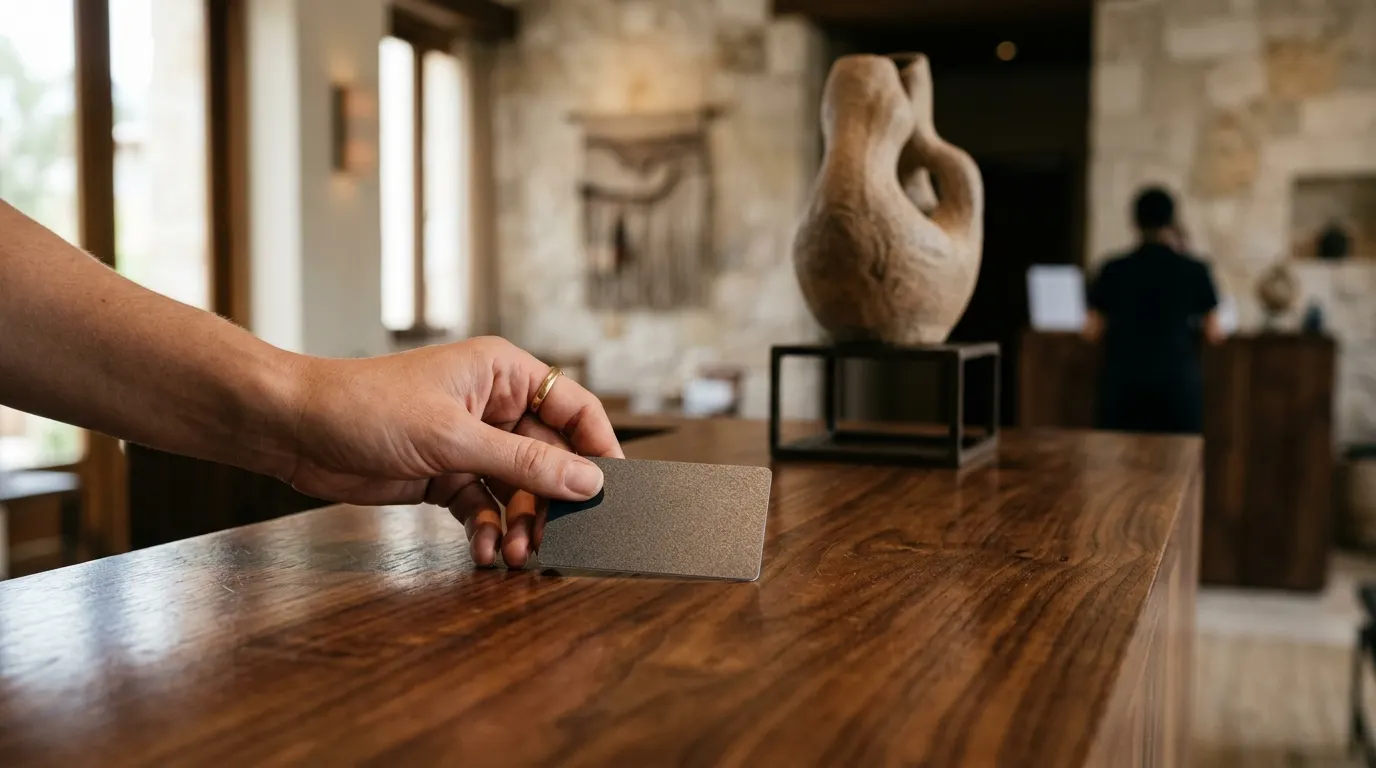
However, the fact that 10 independent hotels made it onto this 51-100 list is equally, if not more, telling. These are properties that thrive on their unique character, their singular vision, and their ability to offer something truly distinct from the often more standardised, albeit high-quality, experience of a large brand. Hotels like La Réserve Paris, leading the extended list at No. 51, or Il San Pietro di Positano, with its iconic cliffside setting, are not just places to stay; they are destinations in themselves, often family-owned or managed by passionate individuals whose personal touch permeates every aspect of the guest experience. Huka Lodge in New Zealand, a legendary fly-fishing retreat, is another prime example of an independent property whose reputation precedes it, built on decades of bespoke service and an unrivalled connection to its natural environment.
The inclusion of these independents signals a broader recognition by 50 Best’s voting academy that true luxury transcends corporate affiliations. It speaks to a growing appetite among sophisticated travellers for authenticity, for hotels that tell a story, and for experiences that cannot be replicated elsewhere. This trend also poses a challenge to the larger brands: how to maintain their scale and consistency while still fostering a sense of individuality and local character that independent hotels often capture so effortlessly. The best brands are increasingly attempting to emulate this, often through highly localised design, bespoke F&B programmes, and partnerships with local artisans and guides. But the soul of an independent property, nurtured over years, remains a difficult thing to mass-produce.
The ‘One To Watch’ and the Art of the New
Among the entries, one hotel receives a special commendation: The Fifth Avenue Hotel in New York, ranked at No. 78, is also this year’s winner of the American Express Travel One To Watch Award. This accolade is significant because it highlights not just current excellence, but future potential. It is a nod to properties that are, in the words of 50 Best, ‘defining what great hospitality means today’ and are poised to become major players in the years to come. For the Amorielli reader, this is particularly valuable intelligence. It points towards emerging trends, innovative concepts, and places where the industry’s cutting edge is being refined.
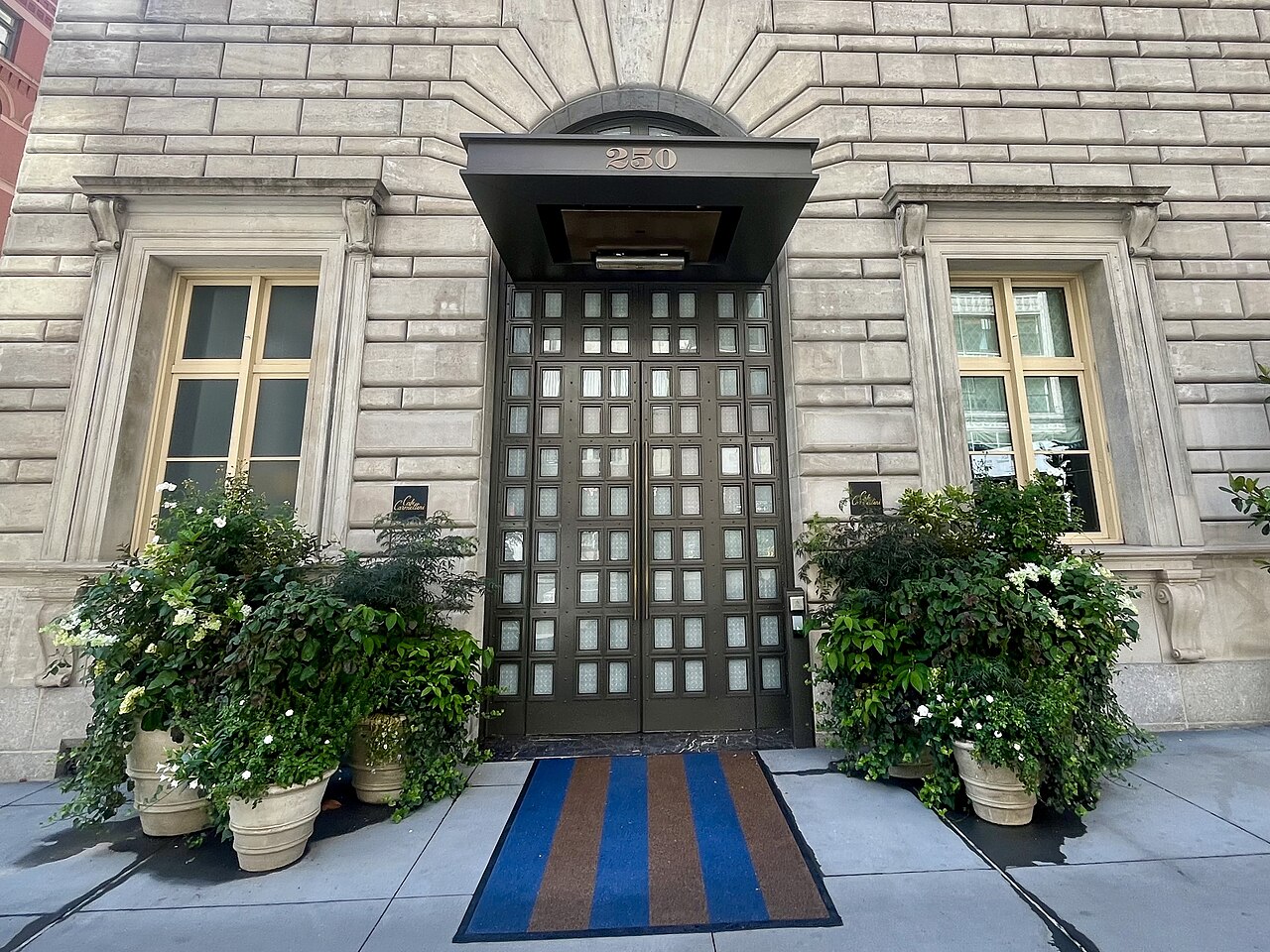
The Fifth Avenue Hotel, in a city as competitive and saturated with luxury hotels as New York, must be doing something truly remarkable to earn such recognition. While the specifics of its offering are not detailed in the announcement, the ‘One To Watch’ award typically goes to properties that blend exceptional design, thoughtful service, and a distinct point of view. It often suggests a hotel that is pushing boundaries, whether through its culinary program, its wellness offerings, its art collection, or its unique interpretation of local culture. Its presence alongside established giants like Aman New York (No. 87) and The Greenwich Hotel (No. 92) underscores the dynamic nature of the city’s luxury scene, where new entrants can quickly carve out a significant niche.
This award also serves as a crucial bellwether for developers and investors. It indicates where the smart money might be going, what kind of new concepts are resonating, and which markets are ripe for innovation. For an industry often accused of being slow to adapt, the ‘One To Watch’ category provides a vital injection of fresh perspective, celebrating those who are daring to do things differently. It also encourages other hoteliers to innovate, knowing that true originality and excellence can be recognised, even if their property is not yet a household name. This is, in essence, an investment in the future of luxury hospitality, betting on the next generation of iconic stays.
The Legacy of Luxury and the Rise of Experiential Stays
The extended list showcases a fascinating blend of hotels that represent the enduring legacy of traditional luxury and those that exemplify the contemporary shift towards highly experiential stays. Properties like The Peninsula Shanghai (No. 99) or Ritz Paris (No. 72) embody an almost timeless elegance, a commitment to classic service, opulent interiors, and a sense of history that few modern hotels can replicate. These are establishments where grand traditions are upheld, where white-gloved service and polished brass are part of the very fabric of the experience. They cater to a clientele that appreciates consistency, discretion, and an environment steeped in refined grandeur. The Ritz, for instance, is not just a hotel; it’s an institution, a symbol of Parisian chic and understated extravagance.
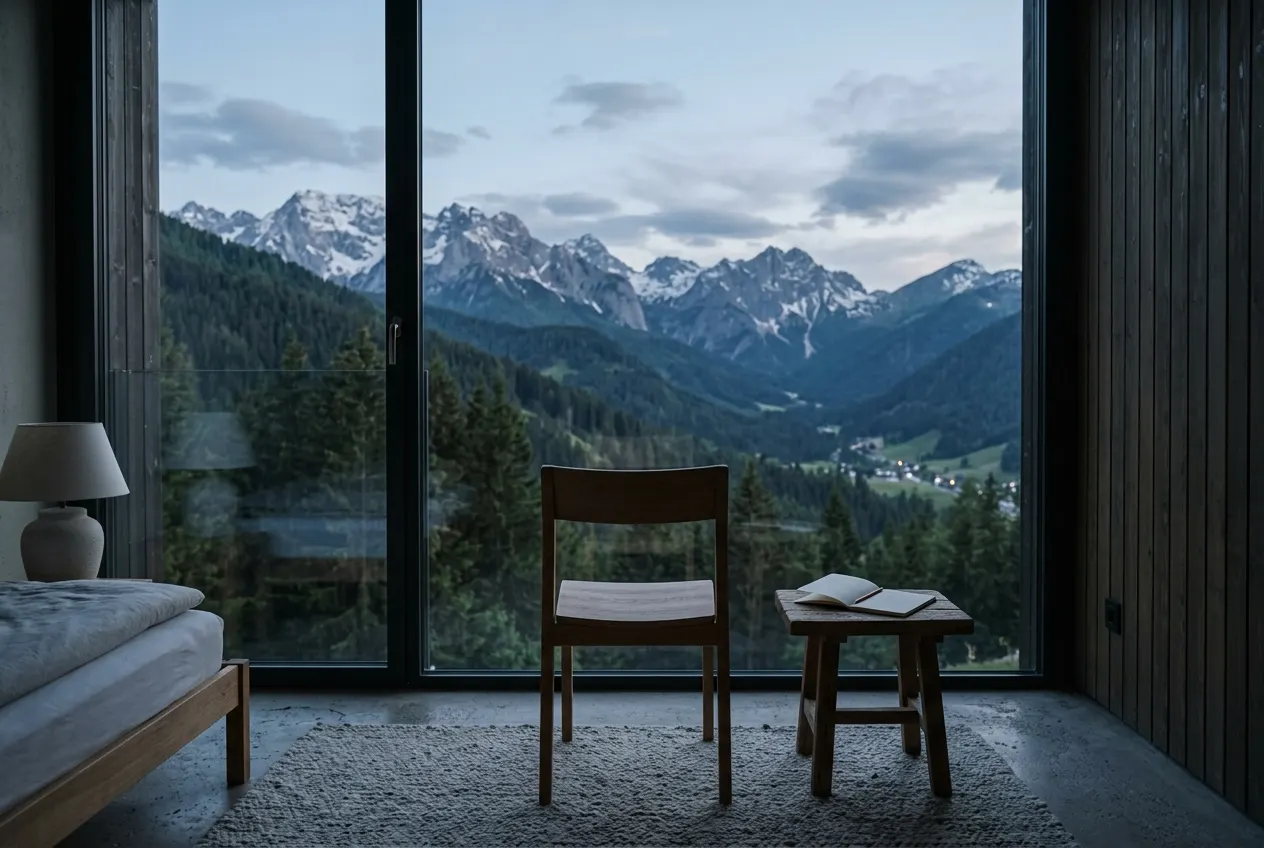
In contrast, many of the newer entries, and indeed some of the long-standing independents, lean heavily into the experiential. Consider Forestis Dolomites (No. 68), a property that promises not just a room, but an immersive connection to its alpine surroundings, often with a strong focus on wellness, nature, and minimalist design that foregrounds the views. Or Palacio Nazarenas (No. 54) in Cusco, Peru, a former convent transformed into a luxury hotel, offering a deep dive into local history and culture, often with personalised excursions and authentic culinary experiences. These hotels understand that today’s luxury traveller seeks more than just comfort; they seek enrichment, connection, and a story to tell. They want to be moved, inspired, and transformed by their environment.
The inclusion of both types of properties on the extended list suggests a mature and multifaceted luxury market. There is still a strong demand for the reassuring familiarity and impeccable standards of established luxury brands and historic hotels. Simultaneously, there is an ever-growing desire for unique, destination-specific experiences that resonate on a deeper, more personal level. Hoteliers are increasingly challenged to balance these two poles, to offer the reliability of luxury while injecting genuine local flavour and innovative, memorable experiences. The most successful properties, whether traditional or modern, are those that manage to weave a coherent narrative around their offerings, making every aspect of the stay feel purposeful and distinct.
The real value of these lists is not as a definitive decree, but as a robust conversation starter, highlighting properties that are undeniably excellent and pushing the boundaries of service, design, and experience.
Regional Deep Dive: From Tokyo to Taupō
Delving deeper into the regional highlights reveals specific trends and strengths. Asia’s dominance is particularly interesting when examining the specific cities and hotel types. Japan, with seven entries, showcases a blend of established icons and newer, refined offerings. The Park Hyatt Tokyo, for example, has been a benchmark for urban luxury for decades, its timeless design and impeccable service enduring through various hospitality trends. Hotel The Mitsui in Kyoto, on the other hand, represents a contemporary interpretation of Japanese luxury, often blending traditional aesthetics with modern comforts and a strong focus on wellness and local heritage. The Waldorf Astoria Osaka signifies the arrival of global luxury brands making significant inroads into key Japanese cities, often with a distinct local flavour in their design and F&B concepts.

In Europe, Italy’s nine entries demonstrate the country’s unparalleled ability to offer diverse luxury experiences. From the coastal glamour of Il San Pietro di Positano, a property synonymous with the Amalfi Coast’s allure, to the serene Tuscan countryside retreat of Castiglion del Bosco, a former estate turned into a lavish resort with its own vineyards. The Orient Express La Minerva in Rome speaks to a revival of grand dame hotels with a contemporary twist, often leveraging their historical architecture with updated interiors and services. Forestis Dolomites, meanwhile, represents the growing trend of high-design, nature-integrated wellness resorts in unique, often remote, locations. This breadth reflects Italy’s rich tapestry of landscapes, culture, and culinary traditions, all of which are expertly woven into its luxury hotel offerings.
North America’s showing, particularly in New York and Mexico, reinforces existing perceptions while also hinting at new directions. New York City, a perennial magnet for luxury, continues to see high-end development, with The Fifth Avenue Hotel, Aman New York, and The Greenwich Hotel representing different facets of urban sophistication – from boutique charm to ultra-luxury exclusivity. Mexico’s strong performance, with three properties in popular resort destinations like Los Cabos and Tamarindo, underscores the country’s appeal for high-net-worth individuals seeking sun, surf, and secluded luxury. Hotel Esencia, Montage Los Cabos, and Four Seasons Tamarindo collectively highlight Mexico’s success in creating world-class resort experiences that blend natural beauty with impeccable service and amenities. Even the single entry from Africa, La Mamounia in Morocco, is a testament to an iconic property whose global reputation for exotic glamour and impeccable service remains undimmed, drawing travellers seeking a taste of North African mystique.
The Business of ‘Best’: Reputation and Revenue
The economic impact of being named to a list like The World’s 50 Best Hotels, even the extended 51-100 list, is substantial. For hoteliers, such recognition translates directly into enhanced brand reputation, increased visibility, and often, a significant boost in bookings and average daily rates. A hotel’s inclusion on this list is a powerful marketing tool, providing independent validation of its quality and service. It offers a clear, third-party endorsement that resonates with luxury travellers who rely on trusted sources and peer recommendations when making their often-significant investment in a high-end stay.
The prestige associated with these rankings can also attract top talent in the hospitality industry, from general managers to world-renowned chefs and spa directors. Exceptional staff are crucial to delivering an exceptional guest experience, and being associated with a ‘best’ hotel is a strong draw for professionals seeking to work at the pinnacle of their craft. For owners and investors, a spot on such a list can increase the asset value of the property, making it a more attractive proposition for future acquisitions or refinancing. It signals a robust operation, a strong market position, and a healthy return on investment potential. The ‘One To Watch’ award, in particular, can fast-track a newer property’s trajectory, catapulting it into the awareness of both discerning travellers and potential investors much sooner than organic growth might allow.
Moreover, the ripple effect extends beyond the individual hotel to the destination itself. When a city or country has multiple properties on the 50 Best list, it elevates its overall profile as a luxury travel destination. Japan’s seven entries, Italy’s nine, and New York’s three, for instance, reinforce their status as premier destinations for sophisticated travellers. This can lead to increased tourism, infrastructure investment, and a general uplift in the local economy. The announcement from 50 Best, therefore, is not just a curated list of hotels; it is an economic indicator, a barometer of global luxury travel trends, and a powerful engine for reputation and revenue generation within the hospitality sector.
“This extended 51-100 list broadens the spotlight to a remarkable community of properties and the passionate people who bring them to life - each one defining what great hospitality means today.”
What it means for where you stay
For the discerning traveller, the unveiling of The World’s 50 Best Hotels extended 51-100 list offers both expanded opportunities and a renewed challenge. On the one hand, it provides a much wider, more diverse array of vetted, high-quality options across the globe. If you’ve always wanted to experience the pinnacle of luxury but found the top 50 too exclusive or too predictable, this list opens up new horizons. It encourages exploration beyond the obvious, highlighting properties that might be slightly less famous but no less deserving of recognition. Use it as a starting point for your research, looking into hotels that align with your personal travel style – whether you seek urban sophistication, remote wilderness, historical grandeur, or cutting-edge design.
The emphasis on independent hotels, and specific awards like the ‘One To Watch,’ also points towards a growing appreciation for unique, authentic experiences. This means that when you’re planning your next trip, look beyond brand names. Investigate the story behind the hotel, its connection to the local culture, its sustainability initiatives, and the unique amenities or experiences it offers. A smaller, independent hotel might provide a more personalised, memorable stay than a larger, more conventional luxury property, even if both are on a ‘best’ list. Consider what kind of impact you want your travel to have, and choose properties that reflect those values.
For owners and hosts, particularly those operating high-end vacation rentals or boutique hotels, this list offers invaluable insights into market trends and the evolving definition of luxury. The strong showing of Asia, the enduring appeal of European classics, and the rise of experiential stays all provide cues. It’s no longer enough to offer just a beautiful space; travellers are seeking genuine connection, exceptional service, and a distinct sense of place. For those in the Airbnb or Vrbo market, this means understanding that even in the private rental space, the bar for quality and experience is continually being raised. Investing in thoughtful design, personalised touches, and seamless service can help even a rental property compete indirectly with these titans of hospitality. The lesson is clear: excellence, authenticity, and a compelling narrative are the currencies of success in today’s luxury travel market.
Source
50 Best — reported 1 September 2026. Read by the Amorielli news desk.
Report an error in this story · Corrections policy and log

Pictures marked “Amorielli studio image” are illustrative scenes made for this story, not photographs of any property, company or person named. Pictures credited to a photographer are real photographs from Wikimedia Commons, used under the licence named beside each one; each caption says what the photograph shows. Details can change after publication; confirm specifics with the property or source. Like this? Get the newsletter.