
Opening image A changing city landscape where traditional homes meet modern development. Amorielli studio image
Belfast, a city once defined by its turbulent past, has in recent decades quietly, yet defiantly, reinvented itself as a vibrant hub for tourism, culture, and innovation. Its transformation from a place of conflict to a destination celebrated for its Titanic legacy, burgeoning food scene, and a warm, distinct character has drawn visitors in ever-increasing numbers. This surge in popularity, while undeniably a boon for the local economy and civic pride, has also brought with it a familiar modern urban dilemma: the rapid proliferation of short-term rental properties, and the inevitable friction with the city's long-term housing needs.
The current narrative unfolding in Northern Ireland’s capital is not unique, but its timing and the scale of the response offer a compelling case study for cities worldwide grappling with the same pressures. As the number of properties available for holidaymakers and temporary stays approaches a critical mass, the city's authorities are moving beyond mere observation, initiating a significant crackdown that promises to reshape the landscape for both property owners and visitors. This isn't just about a few rogue operators; it's a systemic shift, a clear signal that the Wild West days of unregulated short-term letting are drawing to a close, at least in Belfast.
The stakes are high. For residents, it's about the availability and affordability of homes. For property owners, it's about the viability of an increasingly popular income stream. For the city, it's about balancing economic growth with social responsibility, ensuring that its newfound popularity doesn't inadvertently price out its own citizens. As enforcement ramps up and new planning guidance looms, understanding the intricacies of Belfast's approach offers crucial insights into the evolving dynamics of the global short-term rental market.
The New Front Line in Belfast
The numbers speak with a quiet, undeniable authority. Belfast City Council has significantly increased its enforcement actions against short-term rental properties, issuing 19 enforcement notices between January 2025 and June 2026. The pace of this activity has accelerated dramatically, with 11 of these notices handed out in the first half of 2026 alone. This compares sharply with just two notices issued throughout all of 2024 and none in 2023, according to figures reported by The Irish News. This isn't a slow burn; it's a sudden, concentrated effort, indicating a clear change in strategic priorities.

This surge in regulatory attention aligns directly with the growth of the short-term rental market itself. Data supplied to The Irish News by AirDNA, a prominent analytics firm in the sector, identified 1,942 active short-term rental listings across greater Belfast. A substantial majority of these, 1,526 to be precise, were entire-property listings, meaning whole homes or apartments removed from the long-term rental market. The remaining 416 listings offered private or shared rooms. These figures are not just statistics; they represent nearly 2,000 individual decisions by property owners to offer their spaces to transient visitors rather than permanent residents, a cumulative choice that has tangible effects on the urban fabric.
The council's concerns are explicitly tied to the impact of this visitor accommodation on the city's housing supply. This isn't an abstract worry; it's a direct response to a palpable shift in the rental market. Policy HOU13, part of Belfast’s Local Development Plan, is the existing regulatory framework. It stipulates that converting an entire residential dwelling into short-term accommodation constitutes a change of use and therefore requires planning permission. Applications under HOU13 are assessed against several criteria, including access to public transport, proximity to tourism clusters or visitor attractions, and the proposed management arrangements for the property. Crucially, where an existing home is converted, a portion of the property must be retained for permanent residential accommodation. This last point is a significant hurdle for many entire-home conversions, signalling a pre-existing bias in the city's planning policy towards preserving residential stock.
The current enforcement drive, therefore, isn't an invention of new rules, but a more rigorous application of existing ones. The dramatic uptick in notices suggests a shift from a largely permissive or under-enforced environment to one where compliance is actively sought and non-compliance carries consequences. This comes as dozens of additional investigations are reportedly active, indicating that the initial wave of enforcement is likely just the beginning. For many operators who may have viewed the existing rules as a theoretical constraint rather than a practical one, this marks a substantial re-evaluation of their business model's risk profile.
Beyond planning permission, there's another layer of mandatory compliance in Northern Ireland: all visitor accommodation must hold certification from Tourism NI before operating. This requirement, often overlooked by independent hosts, adds another administrative and quality control dimension to the legality of short-term rentals. It aims to ensure a baseline standard for visitor experience and safety, but also provides another avenue for authorities to identify and regulate properties operating outside the established framework. The dual requirements of planning permission for change of use and Tourism NI certification mean that the pathway to legitimate operation is not trivial, and the council's current actions are clearly designed to ensure these pathways are followed.
A City Transformed, A Market Awakened
Belfast's resurgence over the past two decades has been nothing short of remarkable. Once synonymous with the Troubles, the city has painstakingly rebuilt its image and its infrastructure, transforming into a magnet for investment, culture, and tourism. The opening of the Titanic Belfast experience in 2012, for example, became a global draw, anchoring a revitalised waterfront and attracting millions of visitors. This iconic attraction, alongside a growing reputation for vibrant nightlife, world-class universities, and a burgeoning tech sector, has fundamentally altered the city's economic and social landscape.

This transformation created fertile ground for the short-term rental market. As hotels struggled to keep pace with demand, and visitors sought more authentic, localised experiences, property owners saw an opportunity. The allure of higher nightly rates compared to traditional long-term leases, coupled with the flexibility offered by platforms like Airbnb and Vrbo, made converting residential properties into holiday lets an attractive proposition. For many, it represented a way to generate supplemental income, monetise a spare room, or even fund a mortgage on a second property. The ease of entry, facilitated by user-friendly apps and a seemingly hands-off approach from authorities, fuelled rapid growth.
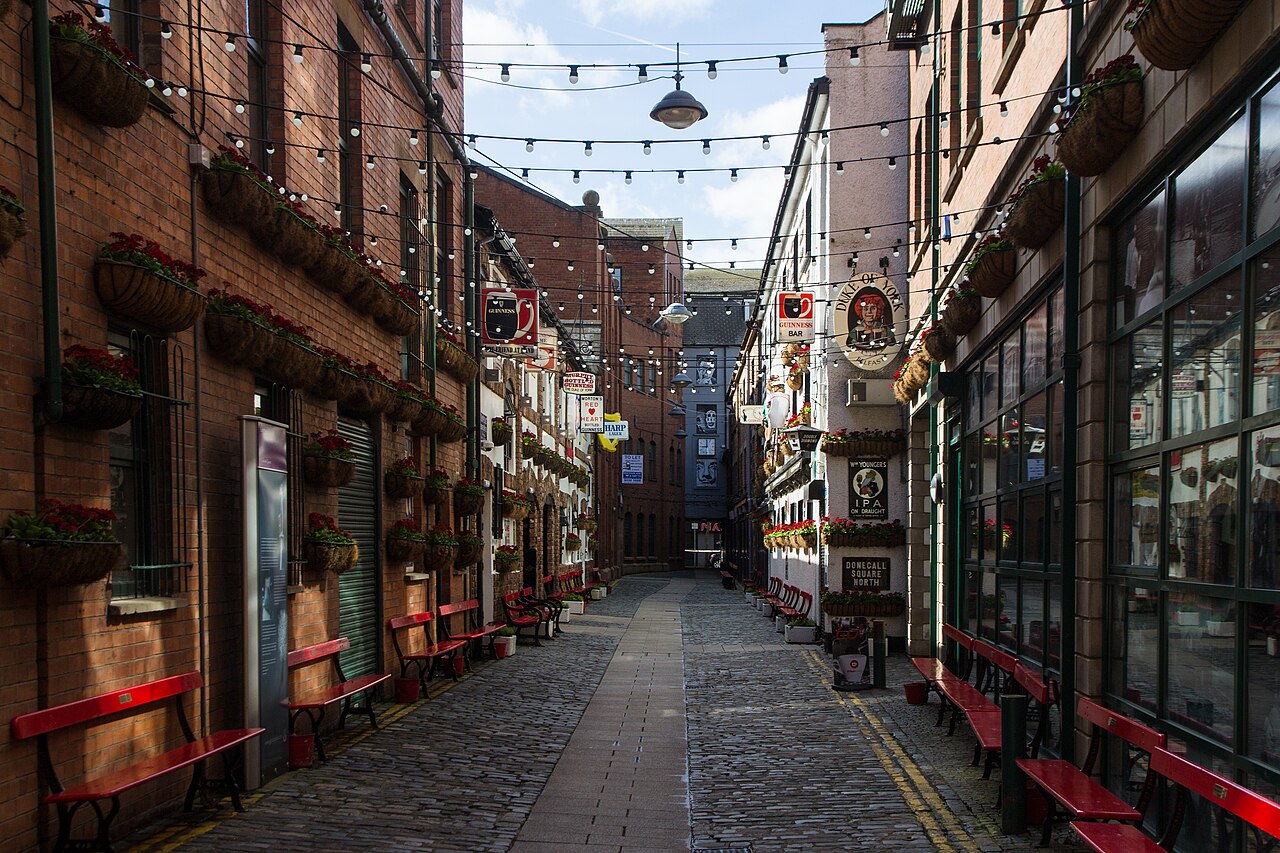
The types of travellers drawn to Belfast are diverse. There are the leisure tourists, keen to explore the city's history, visit Game of Thrones filming locations, or simply soak in the atmosphere. There are business travellers, attending conferences or working on short-term contracts, who often prefer the amenities and space of an apartment over a hotel room. And there are those visiting family or friends, or attending events, who appreciate the convenience and cost-effectiveness of a self-catering option. This broad appeal meant that demand for short-term accommodation was robust across various segments, providing a steady stream of bookings for hosts.
The growth of the short-term rental market also mirrored a broader trend across the United Kingdom and Ireland. Cities like Edinburgh, Dublin, and London have all experienced similar booms, with varying degrees of regulatory response. Belfast, perhaps due to its more recent and rapid tourism growth, might have appeared to be a latecomer to the regulatory party, but the current actions indicate a swift catch-up. The sheer volume of listings approaching 2,000, with a significant majority being entire properties, suggests that the market has reached a scale where its impact is no longer negligible but systemic.
The shift from a post-conflict economy to a service-driven, tourism-reliant one has had profound effects. While the economic benefits are clear – job creation in hospitality, increased spending in local businesses, and a general vibrancy – the unintended consequences are now becoming equally apparent. The very success of Belfast in attracting visitors has put pressure on its housing stock, leading to a direct conflict between the needs of its residents and the demands of its booming tourism sector. This is the classic dilemma of successful urbanisation in the age of the sharing economy, and Belfast is now squarely in the midst of negotiating its terms.
The Policy Maze: HOU13 and Beyond
Belfast's existing regulatory framework for short-term rentals, specifically Policy HOU13 within its Local Development Plan, has been on the books for some time. Its core premise is straightforward: converting an entire residential dwelling for short-term visitor accommodation constitutes a 'change of use' and therefore requires planning permission. This is a critical distinction, as it places short-term lets into a different category than simply renting out a spare room, which typically doesn't trigger the same planning requirements.
The assessment criteria under HOU13 are designed to balance the economic benefits of tourism with the social imperative of housing. Factors considered include the property's access to public transport, its proximity to existing tourism clusters or visitor attractions, and the proposed management arrangements. These criteria are not arbitrary; they reflect a desire to direct visitor accommodation to appropriate areas, where it can be serviced by infrastructure and contribute positively to tourism zones, rather than disrupting quiet residential neighbourhoods. The requirement that part of an existing home must be retained as permanent residential accommodation, even if a portion is converted, further underscores the policy's intent to protect the city's housing stock.
The challenge, however, has often been one of enforcement. A policy, no matter how well-intentioned, is only as effective as its implementation. For years, the sheer volume of listings and the anonymous nature of online platforms made comprehensive enforcement a daunting task. Many hosts, either through ignorance or deliberate choice, operated outside these planning requirements, confident that the chances of being caught were minimal. The recent increase in enforcement notices suggests that the council has either enhanced its monitoring capabilities, received more complaints from residents, or simply decided that the cumulative impact of non-compliance has become too great to ignore.
Adding another layer to the regulatory landscape is the mandatory requirement for all visitor accommodation in Northern Ireland to hold certification from Tourism NI. This certification process is intended to ensure quality and safety standards, covering aspects like fire safety, cleanliness, and facilities. While separate from planning permission, it provides another official gatekeeper for legitimate short-term operations. An operator might have planning permission but lack Tourism NI certification, or vice-versa, meaning full compliance requires navigating both bureaucratic pathways. The council's increased focus on enforcement likely extends to properties lacking this certification, providing a dual-pronged approach to bringing the market to heel.
Looking ahead, the Belfast City Council is not just reacting; it is preparing for a more structured future. They are developing Supplementary Planning Guidance (SPG) specifically intended to clarify how its short-term rental policy should be applied. This SPG will involve a 12-week public consultation, a process that invites input from stakeholders across the spectrum – residents, hosts, tourism bodies, and industry representatives. The creation of dedicated SPG is a significant step, moving beyond general planning policy to provide explicit, detailed guidelines for short-term lets. This suggests a desire for greater clarity, consistency, and perhaps, more robust and streamlined enforcement mechanisms in the future.
The introduction of SPG is often a precursor to a more formalised and potentially more restrictive regulatory environment. It allows the council to refine its approach, address specific local concerns, and ensure that its policies are legally sound and practically implementable. For property owners, this means that the rules are likely to become clearer, but also potentially stricter. The consultation period will be crucial for all parties to voice their concerns and influence the final shape of these regulations, which will undoubtedly define the future of short-term rentals in Belfast for years to come.
The Housing Squeeze: More Than Just Holiday Lets
The core of Belfast City Council's argument for increased enforcement hinges on the impact of short-term rentals on the city's housing supply. This is a narrative that resonates deeply across many popular urban centres, where the allure of tourist dollars often clashes directly with the fundamental need for affordable homes for local residents. The council's actions are not happening in a vacuum; they are set against a backdrop of a broader housing crisis that has seen rental prices soar across Northern Ireland.
PropertyPal data highlighted a stark reality: Belfast’s average monthly rent rose by a staggering 57 percent between the first quarter of 2021 and the same period in 2026. This kind of rapid escalation puts immense pressure on individuals and families, making it increasingly difficult for many to secure stable, affordable long-term accommodation. While the PropertyPal report acknowledges that several factors have influenced these rent increases and does not definitively establish that short-term rentals are the sole cause, the correlation is hard to ignore. The removal of nearly 1,500 entire properties from the long-term rental market undoubtedly contributes to a reduction in supply, and basic economics dictates that reduced supply, in the face of consistent or growing demand, will lead to higher prices.
The debate around housing affordability in Belfast, much like in Dublin or Edinburgh, extends beyond just short-term lets. It encompasses issues of insufficient new housing construction, rising interest rates, cost of living pressures, and demographic shifts. However, short-term rentals are a visible and tangible factor that local authorities can directly influence through regulation. Unlike broader economic forces, the conversion of residential properties to tourist accommodation is a policy lever that councils can pull, and thus it often becomes a focal point for public and political frustration regarding housing availability.
The social implications of this housing squeeze are profound. A city where locals cannot afford to live risks losing its essential character and workforce. Key workers, young professionals, and families may be forced out, leading to a less diverse and less vibrant urban environment. It can also lead to 'hollowed-out' neighbourhoods, where once-bustling streets become quiet outside of peak tourist seasons, populated by transient visitors rather than permanent communities. This erosion of community fabric is often cited by residents' groups and advocacy organisations as a primary concern.
From the perspective of property owners, the economic incentives to favour short-term lets have been compelling. The potential for higher revenue, particularly in a strong tourist market like Belfast, often outweighs the perceived hassle of managing multiple tenants, dealing with longer contracts, and navigating the complexities of landlord-tenant law. For some, it's also a way to maintain a property that they might wish to use themselves for part of the year. However, these individual economic decisions, when aggregated across thousands of properties, create a collective impact that the city council is now determined to address.
The council's move is therefore a political and social statement as much as it is a regulatory one. It signals a commitment to prioritising residents' housing needs, even if it means potentially impacting a segment of the tourism economy. The forthcoming Supplementary Planning Guidance will be crucial in defining the precise balance the city aims to strike, but the current enforcement actions leave little doubt as to the direction of travel: Belfast is serious about protecting its long-term housing supply.
The enforcement surge isn't just a regulatory adjustment; it's a profound re-evaluation of how Belfast balances the allure of tourism with the fundamental right to a home.
The Operator's Dilemma: Navigating a Shifting Landscape
For individuals and companies operating short-term rentals in Belfast, the current enforcement drive presents a significant dilemma. Many entered the market during a period of relative laxity, where the rules around planning permission and certification from Tourism NI were either poorly understood or inconsistently applied. The sudden intensification of enforcement, with dozens of investigations active and 11 notices issued in just six months, fundamentally alters the risk-reward calculation for these operators.
The landscape for hosts is highly varied. On one end, there are individual homeowners who perhaps rent out a spare room or their primary residence for short periods to supplement income. For them, navigating complex planning regulations and certification processes can be daunting and potentially disproportionate to their earnings. On the other end are professional property management companies, who often manage multiple units on behalf of absentee landlords or investors. These operators are typically more sophisticated in their understanding of regulations, but even they may have relied on a 'don't ask, don't tell' approach given the historical enforcement environment.
The requirement for planning permission for entire-home conversions under HOU13, coupled with the need to retain part of the property for permanent residential use, is a significant hurdle. For many existing entire-property listings, achieving retrospective compliance may be impossible without substantial alterations or a complete change in business model. This could mean a forced return to the long-term rental market, selling the property, or attempting to pivot to a shared-room model, which typically generates less revenue and may not be suitable for all properties or guests.
The mandatory Tourism NI certification adds another layer of compliance. While intended to ensure quality and safety, the process involves inspections, paperwork, and adherence to specific standards. For a casual host, this can be an unexpected bureaucratic burden. For professional operators, it's an additional cost and administrative overhead, but one that is often easier to absorb given their scale and existing operational infrastructure. The challenge is ensuring that properties meet these standards, and that operators are aware of and actively pursuing the necessary certification.
The uncertainty created by increased enforcement can also deter new entrants to the market, or cause existing ones to reconsider their investments. Property investors who bought units specifically with the intention of operating them as short-term lets may find their financial models severely disrupted. The potential for fines, legal action, or even forced closure creates a climate of risk that was largely absent just a few years ago. This shift in risk profile is a direct consequence of the council's more assertive stance.
Furthermore, the upcoming Supplementary Planning Guidance (SPG) introduces another period of uncertainty. While it aims to clarify policies, it could also introduce new restrictions, stricter definitions, or more onerous compliance requirements. Operators will need to closely monitor the consultation process and be prepared to adapt their strategies once the SPG is finalised. This dynamic regulatory environment demands agility and a proactive approach to compliance, a significant departure from the more passive approach that many may have adopted previously.
Lessons From Elsewhere: A UK/European Perspective
Belfast's struggle with short-term rental regulation is far from unique; it mirrors a broader trend seen across major cities in the UK and Europe. From Edinburgh to Amsterdam, Barcelona to Berlin, local authorities have grappled with the same challenges: housing affordability, noise complaints, community impact, and the desire to maintain a vibrant, yet livable, urban environment. The lessons learned from these cities offer valuable context for Belfast's current trajectory.
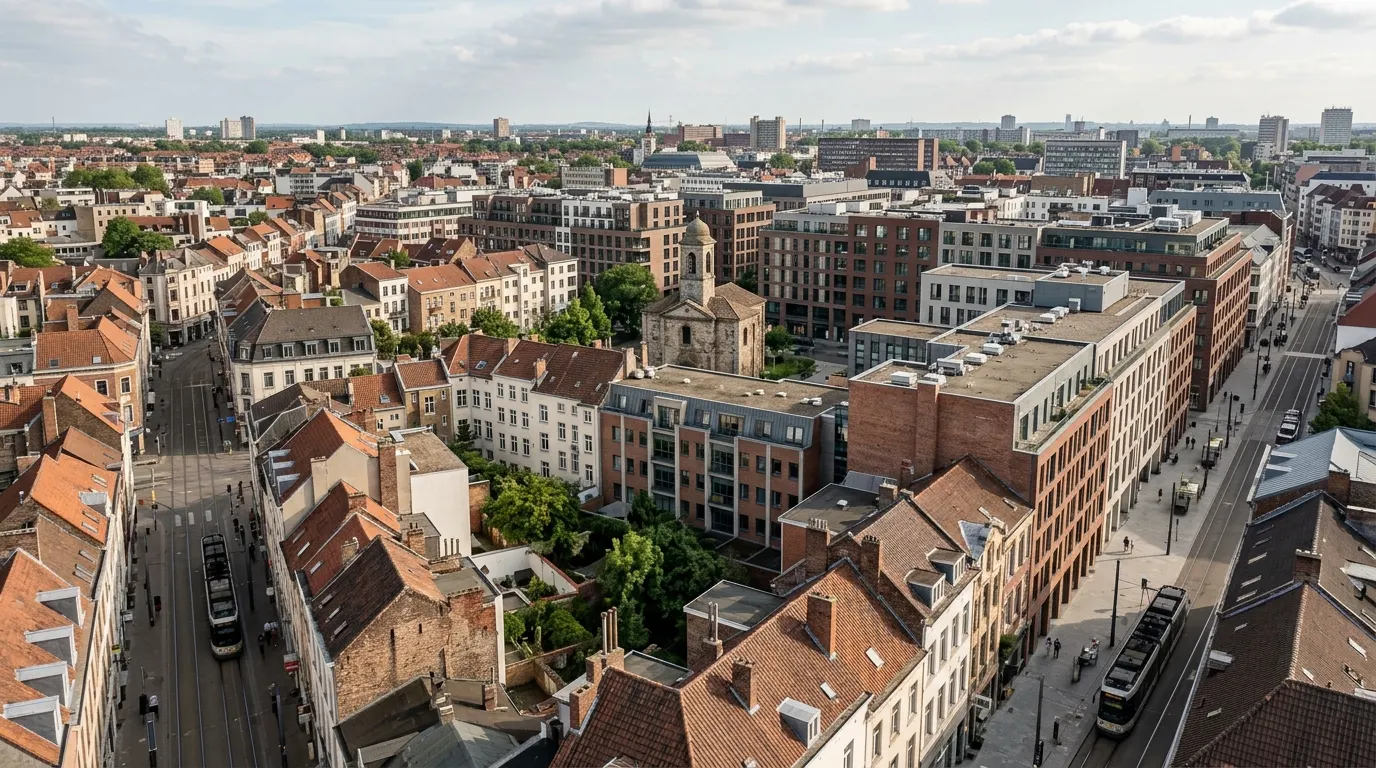
Edinburgh, for instance, has been at the forefront of STR regulation in the UK. The Scottish capital, with its iconic castle and festival season, has long been a magnet for tourists, leading to a significant proliferation of short-term lets. The city introduced a licensing scheme requiring all short-term lets to obtain a licence, with strict conditions on things like fire safety, noise, and insurance. Importantly, new planning rules also made it a requirement to apply for a 'change of use' planning permission for properties that are not a host's principal home. This approach, similar in principle to Belfast's HOU13, aims to control the density and location of STRs, particularly entire-home conversions.

In the Republic of Ireland, Dublin has faced similar pressures, leading to comprehensive legislation. Since 2019, planning permission is generally required for short-term letting in Rent Pressure Zones (which includes Dublin city) if the property is not a principal private residence. There are exemptions, such as for renting out a room in a principal private residence, but the overall intent is to steer properties back into the long-term rental market. Enforcement has been a challenge, but the legal framework is robust, providing a clear pathway for action.
Across Europe, cities like Amsterdam and Barcelona have implemented even more stringent measures. Amsterdam initially allowed short-term rentals for up to 60 nights a year, later reducing it to 30 nights, alongside a mandatory registration system and strict penalties for non-compliance. Barcelona, one of the first European cities to really feel the brunt of overtourism, has effectively banned new tourist apartment licenses in its most central areas and actively uses data to identify and fine illegal listings. These examples demonstrate a spectrum of regulatory approaches, from licensing and registration to outright bans and strict limits, all driven by the desire to manage the impact of tourism on residential life.
The common thread running through these examples is the recognition that an unregulated short-term rental market can have detrimental effects on a city's housing supply and community cohesion. While specific regulations vary, the underlying principles are often the same: protect residential housing, ensure safety standards, and manage tourism impacts. Belfast's move towards increasing enforcement and developing specific Supplementary Planning Guidance aligns with this broader European trend, suggesting that it is adopting best practices from cities that have been grappling with these issues for longer.
These precedents also highlight the challenges of enforcement. Even with robust regulations, monitoring thousands of listings across multiple platforms, investigating complaints, and pursuing legal action requires significant resources. Many cities have invested in dedicated enforcement teams, data analytics tools, and partnerships with platforms to try and stem the tide of illegal listings. Belfast's current surge in enforcement notices suggests it is committing more resources to this task, moving beyond a reactive stance to a more proactive one, learning from the experiences of its peers.
The Economics of Choice: Why STRs Flourished
To understand why Belfast's short-term rental market grew to nearly 2,000 listings, one must look closely at the underlying economics that incentivised property owners. The decision to convert a residential property into a holiday let is rarely purely altruistic; it's almost always driven by a compelling financial calculus that, for a long time, favoured short-term over long-term rentals.
The primary driver is often the potential for significantly higher revenue. In a city like Belfast, with a growing tourism sector and fluctuating demand, nightly rates for short-term lets can often far exceed the pro-rata monthly income from a traditional long-term lease. While occupancy rates are never 100%, and there are additional costs associated with cleaning, maintenance, and guest management, the gross income potential can be substantially more attractive. This is particularly true for properties in desirable locations, close to tourist attractions or business hubs, where demand from visitors is consistently high.
Furthermore, the flexibility offered by short-term rentals is a key appeal for many owners. Unlike a fixed-term tenancy, a short-term let allows property owners to block out dates for personal use, for family visits, or for planned maintenance. This flexibility is especially valuable for those with second homes or investment properties they wish to use themselves for part of the year. It provides a means to offset ownership costs while retaining personal access, an option not available with a permanent tenant.
The rise of global platforms like Airbnb and Vrbo dramatically lowered the barrier to entry for aspiring hosts. These platforms provided easy-to-use booking systems, secure payment processing, and built-in marketing to a global audience. They effectively democratised property rental, allowing individuals to compete with established hotels without needing extensive marketing budgets or complex booking infrastructure. This ease of access, combined with a generally light-touch regulatory environment in its early years, created a perfect storm for rapid growth.
Another factor is the perceived reduction in landlord-tenant complexities. While short-term rentals come with their own set of management challenges (e.g., frequent cleaning, guest communication, managing reviews), they often bypass the more stringent legal protections afforded to long-term tenants. The risk of protracted eviction processes, disputes over deposits, or difficult tenants can be a significant deterrent for landlords, making the transient nature of short-term guests seem more appealing, despite the higher operational workload.
For investors, short-term rentals offered an attractive return on investment, particularly as traditional rental yields might have been seen as less dynamic. The ability to dynamically price properties based on seasonal demand, major events (like concerts or festivals), or even day of the week, allowed for maximised revenue generation, further sweetening the deal for those looking to capitalise on Belfast's growing appeal.
However, these economic advantages are now being re-evaluated in light of the increased enforcement. The higher revenue potential now comes with significantly higher regulatory risk and compliance costs. The flexibility is diminished if planning permission is denied or if strict operating conditions are imposed. The ease of entry is being replaced by a more complex, bureaucratic pathway. The council's actions are, in essence, recalibrating the economic equation, aiming to shift the balance back towards long-term housing by making the costs and risks of short-term letting more substantial.
What it means for where you stay
For the traveller considering a trip to Belfast, and for the property owner or host navigating the local market, the recent surge in short-term rental enforcement marks a significant pivot point. The era of casual, unregulated short-term letting is definitively drawing to a close, ushering in a more structured and, for some, more challenging landscape.

For the Traveller:
- Reduced Supply and Potential Price Increases: As enforcement continues and more properties are either brought into compliance or removed from the short-term market, the overall supply of entire-property rentals is likely to decrease. This could lead to higher prices for the remaining legal listings, particularly during peak seasons or major events.
- Emphasis on Legitimate Listings: Travellers will increasingly need to ensure they are booking through legitimate, compliant channels. While booking platforms generally don't police local regulations, the risk of a booking being cancelled due to an enforcement action against the host could rise. Look for properties that appear professionally managed or have clear indications of compliance (though this can be hard to verify).
- More Hotel and Serviced Apartment Options: A tighter STR market may see travellers lean more towards traditional hotels or serviced apartments, which operate under established regulatory frameworks. This could be a boon for Belfast's hotel sector.
- Authenticity vs. Availability: The desire for an 'authentic' local stay might become harder to achieve if entire homes are less available. Room-only rentals in owner-occupied properties might become more prevalent, offering a different kind of local experience.
For the Owner or Host:
- Compliance is Non-Negotiable: The message is clear: operating an entire-property short-term rental in Belfast requires planning permission for 'change of use' under Policy HOU13, and this will be enforced. Additionally, mandatory Tourism NI certification is essential. Ignoring these requirements is no longer a viable strategy.
- Review Your Business Model: Owners of entire-property listings currently operating without planning permission must urgently assess their options. Can the property realistically meet HOU13 requirements (e.g., retaining part for residential use)? Is retrospective planning permission feasible? Or is it time to consider transitioning back to a long-term rental or selling?
- Stay Informed on SPG: The upcoming Supplementary Planning Guidance will provide crucial clarity. Engaging with the 12-week consultation process, or at least closely monitoring its outcomes, is vital for understanding the future rules and adapting accordingly.
- Consider Professional Management: For those committed to short-term rentals, engaging with professional management companies that specialise in compliance and regulation could become essential. They can help navigate the bureaucratic hurdles and ensure properties meet all legal requirements.
- The Room-Letting Advantage: For those with spare rooms in their primary residence, the regulatory burden is typically much lighter, often not requiring change of use planning permission. This model may become a more attractive and less risky option for individual hosts.
Belfast is undergoing a significant recalibration of its short-term rental market. This isn't about stifling tourism, but about finding a sustainable balance between welcoming visitors and protecting the city's housing stock. For both those who visit and those who host, understanding and adapting to these new realities will be key to navigating the city's evolving hospitality landscape.
Source
ShortTermRentalz — reported 27 July 2026. Read by the Amorielli news desk.
Report an error in this story · Corrections policy and log

Pictures marked “Amorielli studio image” are illustrative scenes made for this story, not photographs of any property, company or person named. Pictures credited to a photographer are real photographs from Wikimedia Commons, used under the licence named beside each one; each caption says what the photograph shows. Details can change after publication; confirm specifics with the property or source. Like this? Get the newsletter.



Comments