
The global hospitality sector is seeing a notable shift in its operational models, moving away from purely consumption-driven approaches. New analysis from Hospitality Net highlights how two distinct properties, a boutique hostel in Bishan, China, and an eco-luxury farm in Andalusia, Spain, illustrate this evolving landscape.
The hostel in Bishan, identified as a preserved village hostel, serves as one example of this change. It reflects a model where accommodation is integrated within existing community structures. Concurrently, a biodynamic farm estate in Andalusia offers another perspective on this trend, focusing on agricultural practices and sustainable living. Both locations, despite their geographical and stylistic differences, are presented as case studies for a new direction in tourism.
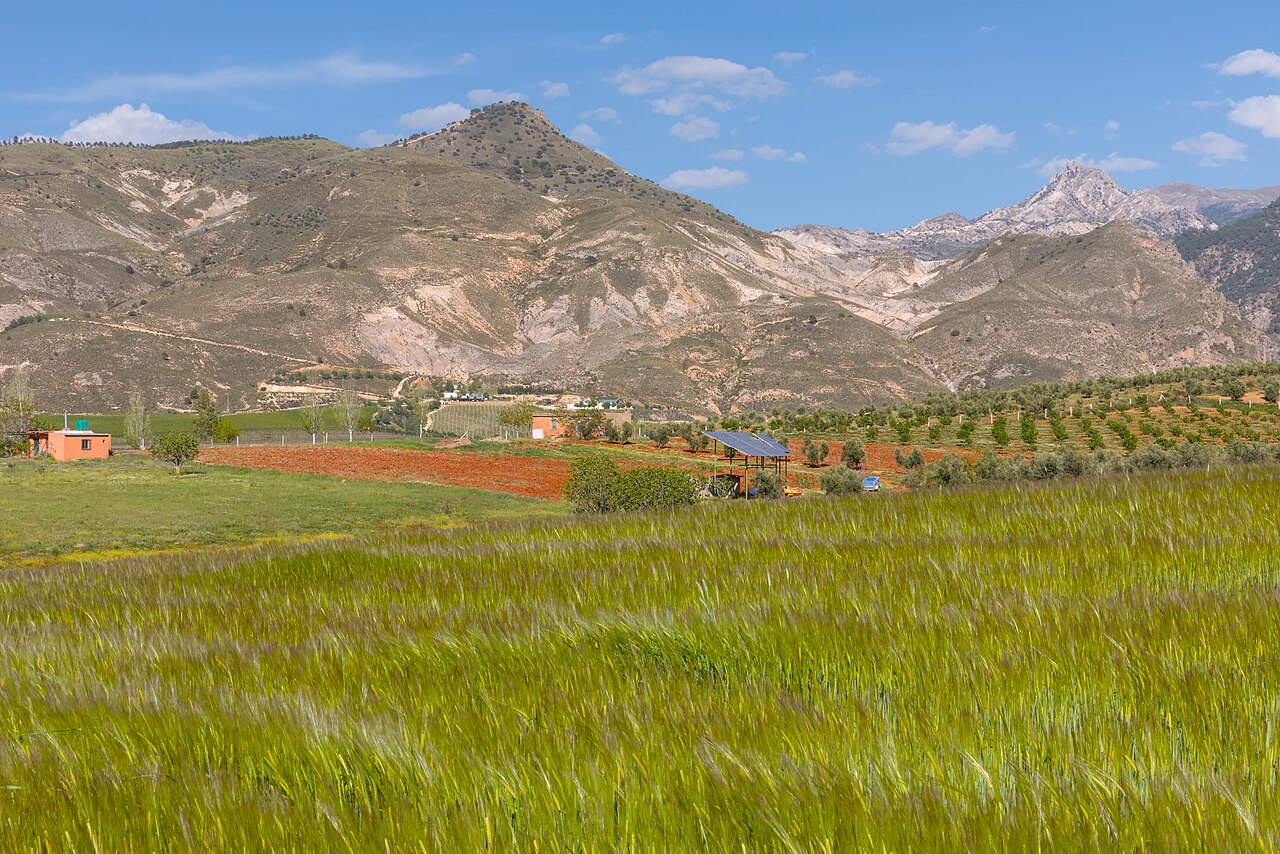
This emerging trend prioritises place-based and regenerative hospitality. It signifies a departure from models primarily centred on guest consumption, advocating instead for experiences deeply integrated with their local environment and culture. Such approaches aim to foster positive impact and mutual benefit. The analysis indicates these properties reflect a broader industry reassessment of how travel experiences are delivered and sustained, pointing towards a future where local context and environmental responsibility play a more central role.
For travellers and owners, this suggests a growing demand for properties that offer genuine local engagement and contribute positively to their surroundings, rather than simply providing standard amenities.
Source
Hospitality Net — reported 27 July 2026. Read by the Amorielli news desk.
Report an error in this story · Corrections policy and log

Pictures marked “Amorielli studio image” are illustrative scenes made for this story, not photographs of any property, company or person named. Pictures credited to a photographer are real photographs from Wikimedia Commons, used under the licence named beside each one; each caption says what the photograph shows. Details can change after publication; confirm specifics with the property or source. Like this? Get the newsletter.


Comments