Venice, a city perpetually on the brink of being loved to death, finds itself once again at the centre of the global travel conversation. But while the Grand Canal teems with its usual throngs and a fresh wave of high-profile hotel openings and reopenings are slated for 2026, the real story for those who understand the city’s deeper rhythms unfolds a quiet boat ride away. On the sparsely populated island of Torcello, a legend has been carefully brought back to life.
Locanda Cipriani, the venerable inn that first welcomed guests nearly a century ago, has re-emerged from a two-year restoration. This isn't merely another renovation; it is, according to the Cipriani family, a painstaking effort to preserve the 'soul of the place,' an ethos rooted in history, setting, and the generations of notable figures who have sought its discreet refuge. The reopening of this intimate property, expanding from six to ten rooms, including four new suites, is more than a hospitality update; it’s a statement about what true luxury means in an age of overtourism and digital noise.
For the Amorielli reader, this is not just news of another high-end stay. It is a signal, a whisper from the past that speaks volumes about the future of travel. It’s a reminder that sometimes, the most profound experiences are found not in the grandest gestures, but in the most carefully guarded secrets, far from the madding crowds.
The Cipriani Legacy: Beyond Harry's Bar
To understand the significance of Locanda Cipriani, one must first grasp the foundational mythos of the Cipriani name itself. While many associate the family primarily with Harry's Bar, the iconic Venetian establishment opened by Giuseppe Cipriani Sr. in 1931, the Locanda on Torcello represents an earlier, perhaps purer, expression of their hospitality philosophy. Harry's Bar, a place where the Bellini cocktail was invented and where literary giants like Ernest Hemingway held court, quickly became a byword for a particular brand of Italian sophistication – effortlessly elegant, deeply traditional, yet always welcoming. It was a place that understood its clientele, anticipating their desires before they were even fully formed.
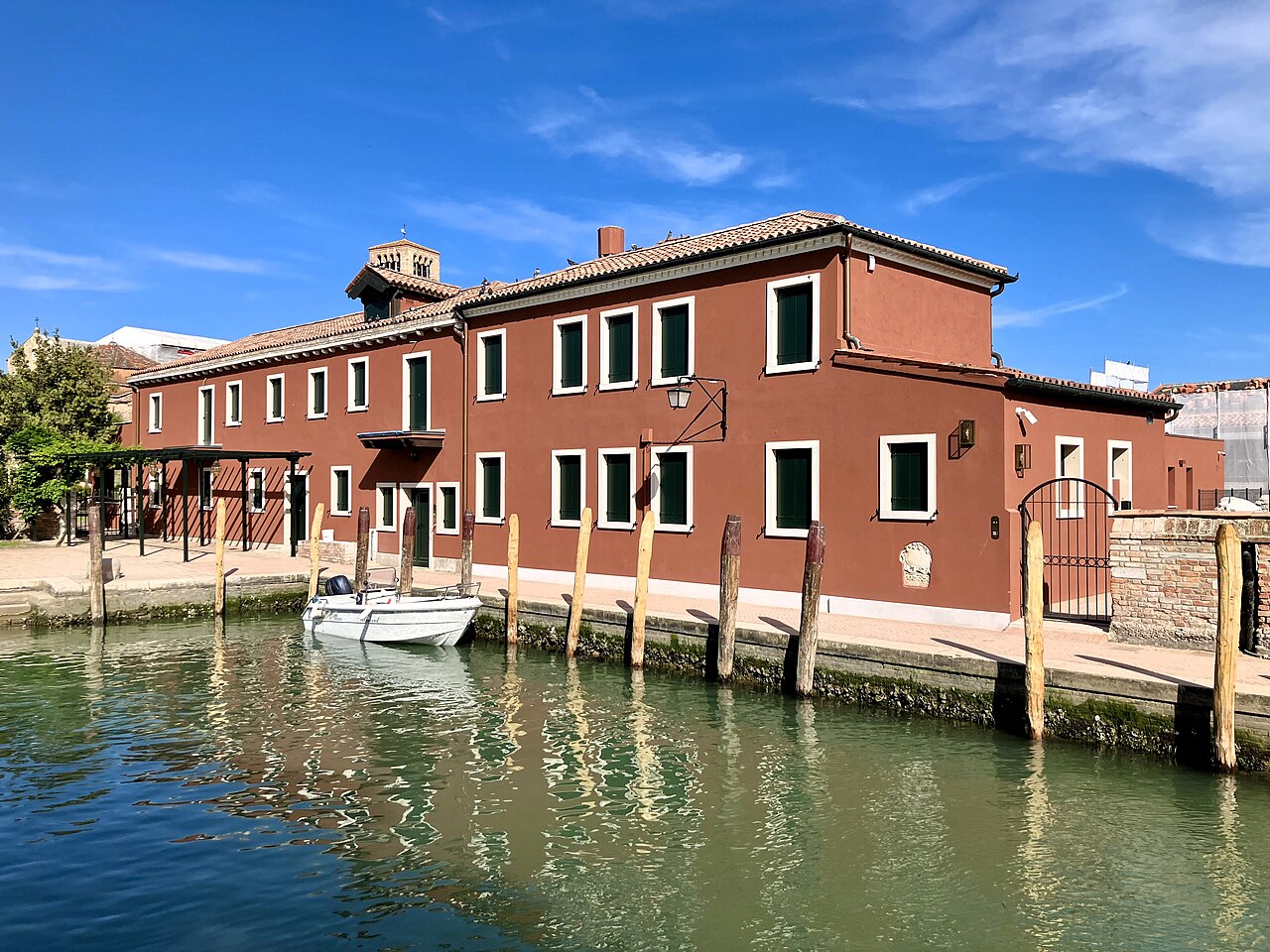
But the story of providing actual 'rooms' under the Cipriani banner began not in the bustling heart of Venice, but 25 minutes away by boat, on the tranquil shores of Torcello. In 1936, just five years after opening Harry's Bar, Giuseppe Cipriani Sr. acquired a modest wine shop on the island. It was after World War II that this humble establishment was transformed into a 'locanda,' an inn designed for those seeking privacy and respite. This move was prescient, a testament to Cipriani Sr.'s discerning eye. While the world flocked to Venice proper, he recognised the unique, almost spiritual, appeal of Torcello – an island steeped in medieval history, home to a Byzantine cathedral, and possessed of a profound, calming stillness.
The Cipriani brand today is a global empire, spanning restaurants, hotels, and event spaces from New York to Dubai, Miami to Ibiza. Yet, each new venture, whether it’s a Cipriani restaurant in a glittering metropolis or a private members’ club, carries the DNA of those original Venetian ventures. It's a commitment to classic Italian cuisine, impeccable service, and an atmosphere of understated glamour that feels both timeless and utterly contemporary. The family's approach has always been about creating an experience, a sense of belonging, rather than merely providing a meal or a room. This deep-seated philosophy, honed over nearly a century, is what gives the Locanda Cipriani its particular weight and resonance.
It’s important to note the distinction between the Cipriani family's properties and the Belmond Hotel Cipriani on Giudecca. While the latter was also founded by Giuseppe Cipriani Sr. in 1958 and carries the family name, it was sold decades ago and is now part of the Belmond portfolio, owned by LVMH. Locanda Cipriani, however, has remained firmly within the family's direct stewardship, a crucial detail that underscores its status as a direct, unadulterated link to the original Cipriani vision. This unbroken lineage is central to its appeal and the sincerity of its recent restoration.
The family's decision to invest so heavily in the Locanda, rather than simply letting it rest on its laurels, speaks to a broader understanding of brand value. In an era where authenticity is the ultimate luxury, preserving and enhancing a property with such a deep personal history offers something that no newly built, hyper-modern hotel can replicate. It’s not just about selling rooms; it’s about selling a piece of a story, a connection to a specific moment in time and a particular way of life that the Cipriani name has come to embody.
Torcello: An Island Apart
Torcello is not merely a location; it is a character in its own right, integral to the Locanda's enduring mystique. Today, it is a whisper of an island, sparsely populated, a tranquil counterpoint to the relentless energy of Venice. Yet, its history tells a different story. In the early centuries of the Venetian Lagoon, Torcello was a vibrant, prosperous settlement, predating Venice itself as a significant centre of trade and population, especially after refugees fled the mainland from invading barbarians like Attila the Hun. Its magnificent Byzantine Cathedral of Santa Maria Assunta, with its breathtaking mosaics, stands as a powerful testament to this forgotten grandeur, a relic of a time when Torcello was a bustling hub.
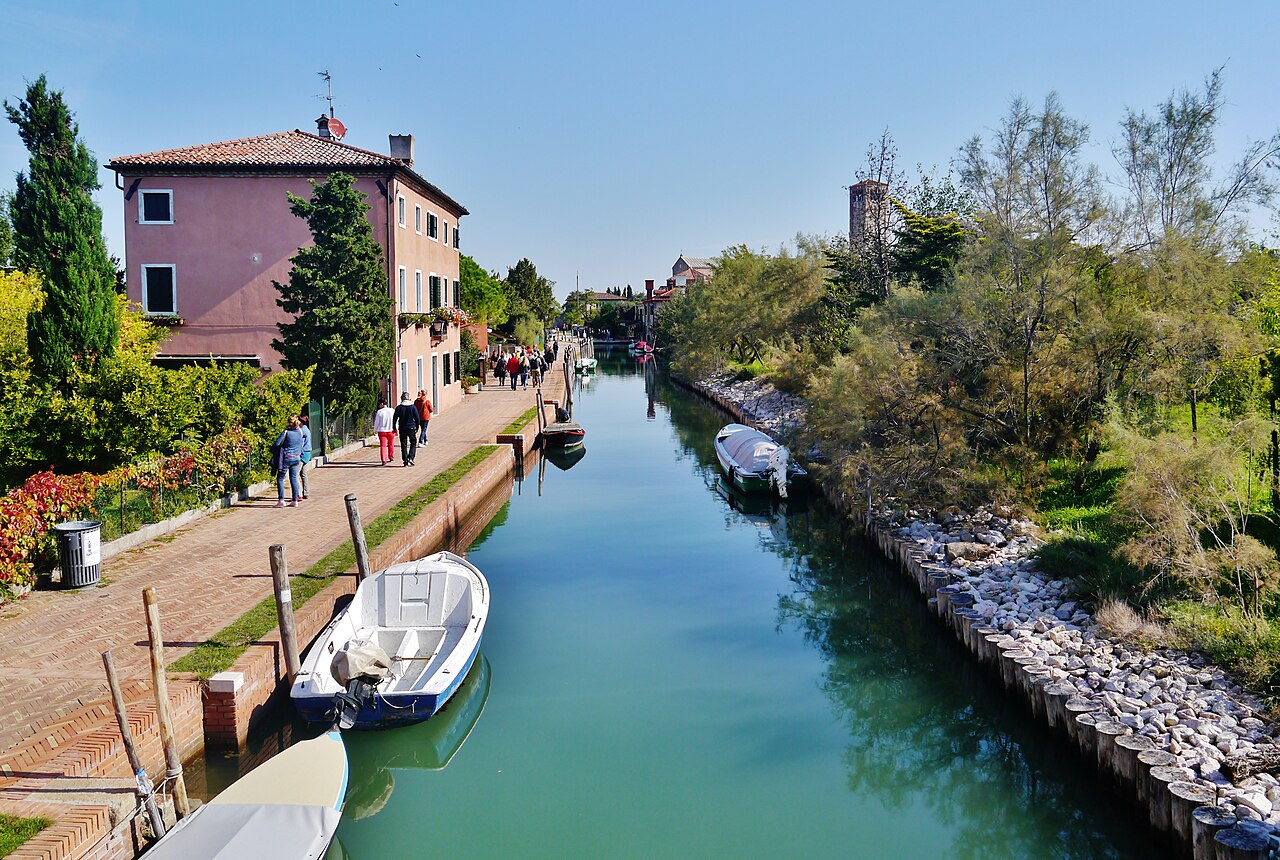
Over the centuries, as Venice rose to prominence and the waters around Torcello silted up, the island gradually receded from its former glory. Malaria outbreaks further contributed to its decline, transforming it from a thriving city into the peaceful, almost melancholic, landscape we see today. This history of rise and fall, of quiet endurance, imbues Torcello with a unique atmosphere. It is a place where time feels different, where the echoes of the past are tangible in the ancient stones and the pervasive silence.
It was this profound sense of place that Giuseppe Cipriani Sr. recognised in 1936. He understood that for a certain kind of traveller – one seeking not just comfort, but profound privacy and inspiration – Torcello offered something Venice could not. Ernest Hemingway, for instance, famously found months of solace and creative impetus here, reportedly staying at the Locanda while writing his novel Across the River and Into the Trees. Such stories are not mere anecdotes; they are foundational to the Locanda's identity, cementing its reputation as a haven for thinkers, artists, and those simply yearning for a deeper connection to their surroundings.
The island's natural beauty, too, is a crucial component. Surrounded by the shimmering waters of the Venetian Lagoon, its landscape is a delicate tapestry of reeds, salt marshes, and cultivated plots. The light, ever-changing, plays across the water and the ancient buildings, creating a painterly scene that has captivated visitors for centuries. For a luxury property, this setting offers an invaluable commodity: genuine seclusion. In an age where every corner of the world feels increasingly accessible and crowded, Torcello provides a rare opportunity to disconnect, to 'slow down and simply listen,' as Giuseppe Cipriani, grandson of the founder, puts it.
This deliberate distance from the main island of Venice is not a drawback, but a core part of the appeal. The 25-minute boat ride becomes a ritual, a transition from the frenetic energy of the city to the profound calm of the island. It sets an immediate tone, preparing guests for an experience that prioritises peace over pace, reflection over revelry. Torcello, then, is more than just an address for Locanda Cipriani; it is its very soul, a silent partner in delivering an experience that is increasingly rare in the modern world.
A Restoration of Soul, Not Just Structure
The two-year restoration of Locanda Cipriani was not approached as a mere refurbishment; it was, by all accounts, an act of preservation, a careful recalibration rather than a radical overhaul. Giuseppe Cipriani, the founder and CEO of the Cipriani Group and grandson of the original Giuseppe Sr., articulated the guiding principle: the idea wasn’t to modernise the property but to preserve what he calls “the soul of the place.” This philosophy is a refreshing counterpoint to the trend of homogenised luxury, where new openings often feel interchangeable, prioritizing sleek aesthetics over genuine character.
Working with Fabrizio Cocchi Studio, the family embarked on a project that aimed for restorative rather than transformative change. This meant a deep respect for the existing fabric of the building and its environment. The design choices, as Cipriani notes, draw heavily from the island itself, with a conscious effort to connect the interior spaces to the surrounding landscape. “I wanted the interior to feel connected to the landscape,” he stated, “allowing the lagoon, the gardens, and the changing light to remain the true protagonists.” This is a subtle but powerful design strategy, ensuring that the natural beauty of Torcello is not merely a backdrop, but an active participant in the guest experience.
The expansion itself was modest and thoughtful, increasing the property from just six rooms to ten, including four new suites. This intimate scale has always been a cornerstone of the Locanda’s appeal, fostering an atmosphere that feels more akin to a private home than a hotel. Each accommodation now includes dedicated living areas and terraces, many offering views over the refreshed gardens and the nearby Basilica of Santa Maria Assunta. These private outdoor spaces are crucial, allowing guests to fully immerse themselves in Torcello’s quietude without ever feeling isolated.
Details within the rooms reflect this blend of heritage and gentle updating. Historic ceiling beams, rather than being concealed or replaced, were painted white, a simple yet effective choice to lighten the atmosphere and enhance the sense of space. High-gloss wood panelling, a nod to classic Venetian interiors, pairs seamlessly with handblown glass light fixtures from Vetreria Venier in Murano. This choice of Murano glass is particularly significant, not only celebrating local craftsmanship but also weaving another thread of Venetian artistry into the Locanda’s fabric. It's a subtle reminder of the region's rich artistic legacy, without resorting to overt or ostentatious displays.
Beyond the guest rooms, the updates extended to communal areas designed to foster 'simple conviviality.' A new bar counter, a welcoming point in all Cipriani restaurants, has been added, reinforcing the brand's signature approach to social spaces. The restaurant, renowned for its Cipriani signatures and classic Venetian cuisine, continues to be a focal point, inviting guests to gather and share meals in a relaxed, elegant setting. The gardens, too, received significant attention, with roses and flowering plants returning to the grounds alongside productive vegetable plots and a vine-covered pergola supported by pink marble columns. These elements are not just decorative; they are functional, offering fresh produce for the kitchen and creating inviting spaces for quiet contemplation or leisurely strolls. The overall effect is one of quiet confidence, a property that understands its own value and doesn't feel the need to shout about it.
Venice's Luxury Market and the Quest for Authenticity
Venice is a city of paradoxes. It is one of the world's most desired destinations, yet it grapples constantly with the pressures of overtourism, struggling to balance its economic dependence on visitors with the need to preserve its delicate ecosystem and the quality of life for its dwindling local population. Against this backdrop, the luxury hospitality market in Venice is fiercely competitive, populated by grand dames and newer, equally ambitious players. The reopening of Locanda Cipriani, however, speaks to a different kind of luxury, one that deliberately steps away from the city's main stage.
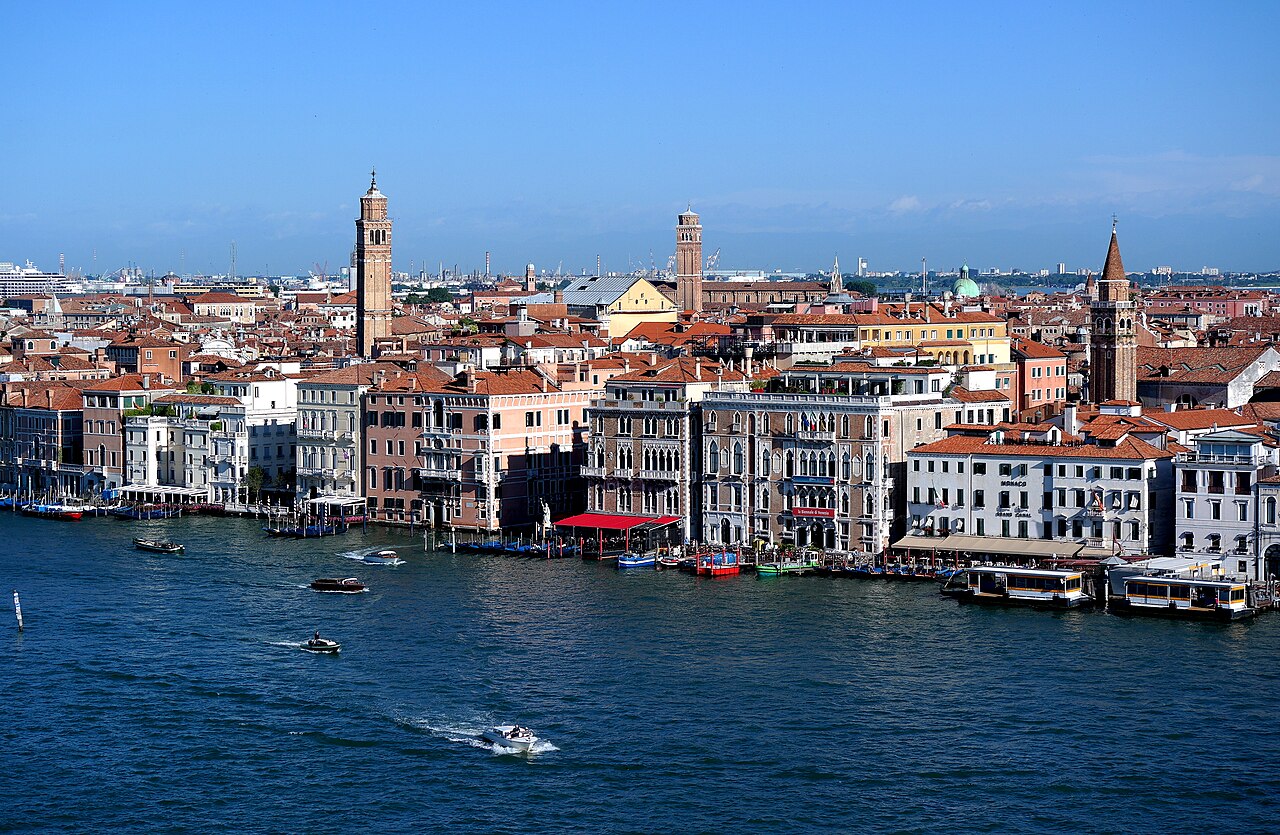
Consider the landscape: the iconic Gritti Palace, with its storied history and Grand Canal views; Aman Venice, offering an almost monastic serenity within a palazzo of breathtaking beauty; The St. Regis Venice, blending contemporary design with historic architecture; and the Belmond Hotel Cipriani (the one no longer family-owned), a resort-like oasis on Giudecca. These properties vie for the attention of the world's most discerning travellers, often by offering expansive facilities, Michelin-starred dining, and prime locations. Locanda Cipriani, by contrast, offers something far more intimate and, arguably, more profound.
The choice of Torcello, 25 minutes by boat from the bustling heart of Venice, is a deliberate statement. It's a rejection of the 'tick-box' tourism that sees visitors rush through St. Mark's Square and Rialto Bridge. Instead, it caters to those who seek a slower pace, a deeper immersion, and an escape from the crowds. This is where the Locanda finds its niche, offering an antidote to the very problem that plagues Venice. While the city's authorities experiment with entry fees and restrictions to manage tourist flows, properties like Locanda Cipriani offer a voluntary self-selection, appealing to a clientele that actively desires to avoid the hustle.
This quest for authenticity and privacy is a growing trend in the high-end travel market. Travellers are increasingly wary of experiences that feel manufactured or commodified. They seek genuine connections to local culture, a sense of place that resonates beyond superficial aesthetics. Locanda Cipriani, with its deep family history, its direct link to the island's past, and its commitment to preserving its 'soul,' delivers precisely this. It doesn't need to invent a narrative; it simply allows its existing story to unfold.
The starting price of 'about $860' for a room at Locanda Cipriani places it firmly in the upper echelons of Venetian luxury. This pricing reflects not just the quality of the accommodation and service, but the exclusivity of the location, the cost of operating in such a delicate environment, and the value placed on genuine heritage. It's a price point that filters the market, ensuring that those who choose to stay are genuinely invested in the unique experience it offers, rather than simply seeking a convenient base for sightseeing. In a city where mass tourism often overshadows its delicate beauty, Locanda Cipriani stands as a quiet, yet powerful, testament to an alternative vision of Venetian hospitality.
The Economics of Heritage and Exclusivity
The decision to undertake a two-year, sensitive restoration of a nearly century-old property on a remote island, expanding it only modestly from six to ten rooms, is a telling one in the current luxury market. This is not a project driven by maximum room count or rapid return on investment in the traditional sense. Instead, it represents a long-term investment in brand equity, heritage, and a very specific, high-value segment of the travel market. The starting price of 'about $860' per night underscores this economic model: it's about yield per room, not volume.
Operating a property like Locanda Cipriani presents unique logistical and financial challenges. Torcello, being an island, means that everything – from construction materials during the restoration to daily provisions for the kitchen and staff transportation – must be ferried across the lagoon. This adds significant costs and complexities compared to a mainland operation. Furthermore, maintaining a historic building in a fragile environment like the Venetian Lagoon requires specialised expertise and ongoing, meticulous care, often at a higher cost due to preservation regulations and the need for traditional craftsmanship.
The modest expansion to ten rooms, including four new suites, is key to understanding the economic strategy. While adding more rooms would theoretically increase revenue, it also risks diluting the very intimacy and exclusivity that defines the Locanda. The Cipriani family has clearly prioritised maintaining the property’s unique character over maximising capacity. This aligns with a growing trend in ultra-luxury hospitality, where scarcity and an authentic, personalised experience are far more valuable than sheer scale. Guests paying upwards of $860 expect a level of service and privacy that is difficult to deliver in a larger, busier establishment.
The value proposition for this price point is multifaceted. It includes the unparalleled historical context, the direct association with the legendary Cipriani name, the almost spiritual serenity of Torcello, and the promise of escaping Venice's crowds. It's also about the intangible benefits: the sense of being part of an exclusive club, the opportunity to literally walk in the footsteps of royalty and literary giants, and the assurance of discreet, impeccable service. For the target demographic – affluent travellers seeking unique, meaningful experiences – these factors justify the premium.
Moreover, properties like Locanda Cipriani act as powerful anchors for a brand's overall prestige. While the wider Cipriani Group operates numerous, often larger, establishments globally, the Locanda serves as a touchstone, a physical embodiment of the family's founding principles. Its careful preservation reinforces the authenticity and timelessness of the entire brand, indirectly supporting the value of all other Cipriani ventures. In this sense, the investment in the Locanda is not just about its own profitability, but about strengthening the core narrative and perceived quality of the entire Cipriani empire. It’s a masterclass in leveraging heritage for long-term brand equity in a competitive luxury market.
In an age where authenticity is the ultimate luxury, preserving and enhancing a property with such a deep personal history offers something that no newly built, hyper-modern hotel can replicate.
The Slow Travel Movement and the Lure of Disconnection
The reopening of Locanda Cipriani on Torcello arrives at a moment when the 'slow travel' movement is gaining significant momentum, particularly among affluent travellers. This isn't just about leisurely holidays; it's a conscious rejection of the rushed, superficial itineraries that have long dominated mainstream tourism. Slow travel advocates for deeper engagement with a destination, encouraging visitors to linger, observe, and connect with the local culture and environment on a more profound level. Locanda Cipriani, almost by its very nature, embodies this philosophy.
The property's remote location, accessible only by a 25-minute boat ride, immediately filters out those seeking quick, convenient sightseeing. It imposes a deliberate pace, turning the journey itself into part of the experience. Once on Torcello, the island's inherent tranquility, its sparse population, and the absence of bustling tourist infrastructure compel guests to slow down. There are no major shopping streets, no crowded museums, no frenetic nightlife. Instead, there is the ancient cathedral, the quiet gardens, the ever-present lagoon, and the opportunity to simply 'listen,' as Giuseppe Cipriani suggests.
This emphasis on disconnection is another powerful draw. In an always-on world, the ability to truly switch off, away from the constant barrage of notifications and demands, has become a rare and valuable commodity. Locanda Cipriani offers a sanctuary where the primary activity is simply being present. The design choices, with interiors connected to the landscape and shared spaces encouraging 'simple conviviality,' further reinforce this. It's about fostering genuine human connection and a connection to nature, rather than providing endless distractions.
The guest list of the past—Queen Elizabeth II, Winston Churchill, Nicole Kidman, Elton John, Ernest Hemingway—speaks volumes about this appeal. These were individuals who, despite their public lives, sought privacy, inspiration, and a break from the ordinary. They understood the value of a place that allowed them to be themselves, away from scrutiny. The Locanda continues to offer this promise, catering to a modern clientele that, while perhaps less overtly famous, shares the same underlying desire for discretion and genuine respite.
Furthermore, the focus on the gardens, with roses, flowering plants, vegetable plots, and a vine-covered pergola, speaks to a renewed appreciation for nature and sustainability. These are not just aesthetic features; they are functional elements that connect guests to the land and the source of their food. This holistic approach to hospitality, where the environment, the history, and the guest experience are all intertwined, positions Locanda Cipriani not just as a hotel, but as a destination that offers a transformative, slow-paced journey into the heart of authentic Venetian life, far from the well-trodden paths.
What it means for where you stay
For the discerning traveller, the reopening of Locanda Cipriani on Torcello offers a compelling proposition. If your idea of Venice involves escaping the relentless crowds of St. Mark's Square and immersing yourself in a profound sense of history and tranquillity, this property should be at the very top of your list. It's not a convenient base for a whirlwind tour of the city's main attractions; rather, it is the destination itself. Expect a slower pace, evenings spent in quiet contemplation or convivial conversation, and days exploring the island's ancient sites or simply relaxing in the gardens. The starting price of about $860 signals a commitment to an exclusive, high-touch experience, so approach it as an investment in a unique memory rather than just a place to sleep. Consider it if you value privacy, authentic heritage, and a genuine disconnection from the everyday.
For owners and hosts in the luxury rental and hospitality market, Locanda Cipriani's successful restoration and reopening provide several key takeaways. Firstly, the enduring power of heritage and brand narrative cannot be overstated. In a saturated market, a property with a genuine story and an unbroken lineage holds immense appeal. Secondly, authenticity trumps superficial modernity. The decision to 'preserve the soul' rather than 'modernise' is a powerful lesson in understanding what high-net-worth individuals truly seek: not just newness, but character and a sense of place. Thirdly, don't shy away from exclusivity. The Locanda's intimate scale and remote location are not weaknesses; they are its greatest strengths, allowing for premium pricing and a highly curated guest experience. Finally, the commitment to 'slow travel' and disconnection is a growing market segment. Properties that can genuinely offer a sanctuary from the digital world and urban bustle will continue to command significant attention and loyalty, even if it means sacrificing some accessibility for profound peace.
Source
Robb Report — reported 25 July 2026. Read by the Amorielli news desk.
Report an error in this story · Corrections policy and log

Pictures marked “Amorielli studio image” are illustrative scenes made for this story, not photographs of any property, company or person named. Pictures credited to a photographer are real photographs from Wikimedia Commons, used under the licence named beside each one; each caption says what the photograph shows. Details can change after publication; confirm specifics with the property or source. Like this? Get the newsletter.
Comments