
Updated 15 October 2026. After a source check by the standards desk, 1 sentence was corrected to what a public source says; the sources used are listed below. Corrections log.
The allure of a secluded mountain lodge, a vineyard estate nestled among rolling hills, or a resort carved into a coastal forest has always been undeniable for the luxury traveller. These are the places where privacy meets panorama, where the built environment bows to the natural. Yet, the very proximity to nature that defines these high-end experiences is now presenting the hospitality industry with its most existential challenge in decades: a rapidly escalating wildfire risk that is redrawing maps of hazard, rewriting insurance policies, and demanding a fundamental rethinking of how properties are built, managed, and marketed.
For years, wildfires were a concern largely confined to predictable, if devastating, geographies – California, parts of Australia, the Mediterranean during peak summer. Operators in these 'traditional hotspots' understood the seasonal threat, budgeting for mitigation and carrying robust insurance. But that era of contained concern is over. The fires, according to Skift reporting, are expanding their reach dramatically, pushing beyond accustomed boundaries and forcing a global industry to confront an unpredictable, year-round menace. This isn't just about flames licking at the perimeter; it's about smoke plumes darkening skies thousands of kilometres away, disrupting operations, and fundamentally altering the guest experience, even for properties far removed from the immediate danger zone.
What was once an act of God, an unpredictable but localised disaster, has transformed into a pervasive material risk, one that is reshaping the financial landscape of hospitality. Insurers, the ultimate arbiters of risk, are no longer content to simply price policies based on a postcode. They are, as Skift notes, shifting their underwriting focus to the individual resilience of each property, demanding proactive measures from operators and imposing costs that are making even the most seasoned hoteliers reconsider their portfolios. The stakes, it is clear, have never been higher for the segment of the market that has always traded on exclusivity and a seamless connection to the natural world.
The Shifting Map of Risk: Beyond the Usual Suspects
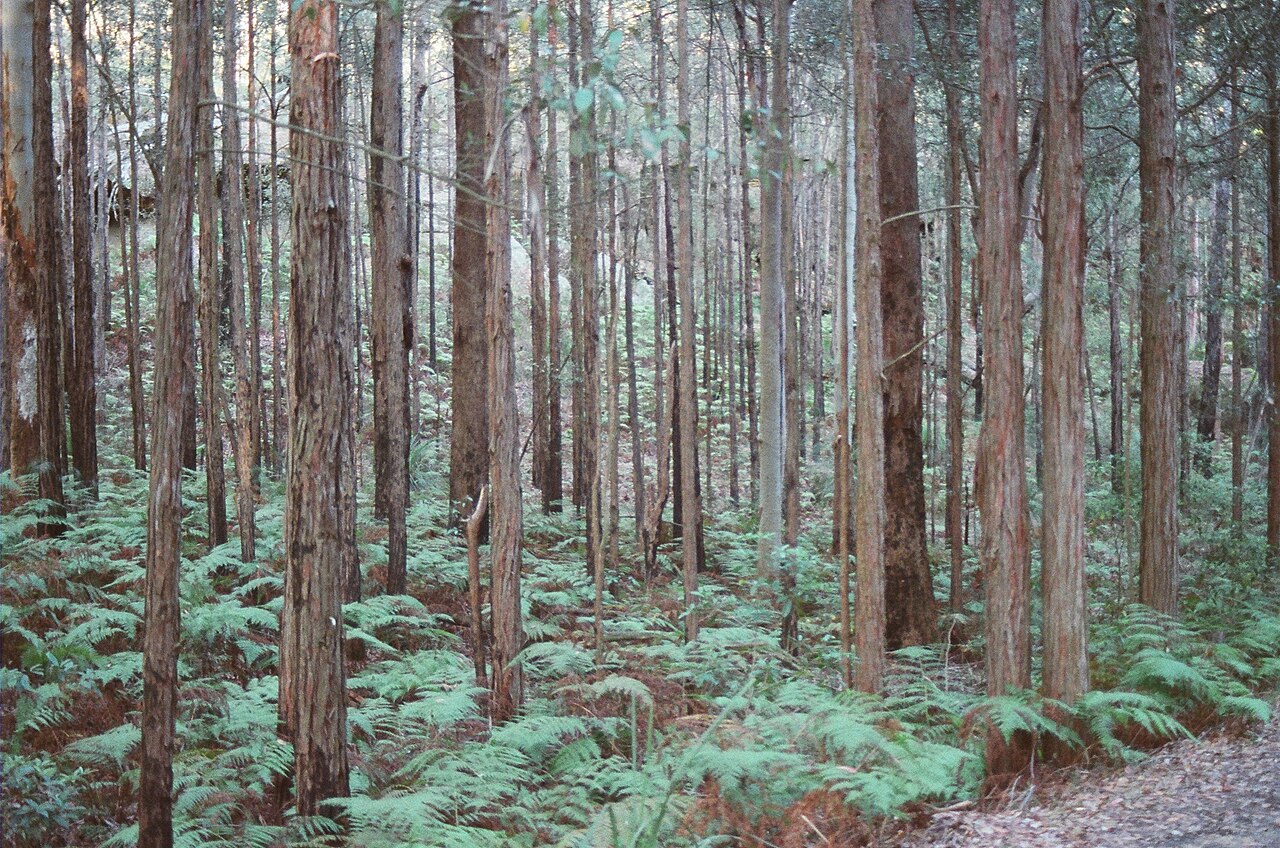
The notion of what constitutes a 'fire zone' has undergone a radical redefinition. For decades, the mental map of wildfire risk was fairly static: California's chaparral, the dry eucalypt forests of Australia, the pine-clad hillsides of the French Riviera. These were the regions where one expected to see news of evacuations and containment efforts. Now, that map is bleeding outwards, its boundaries blurring with alarming speed.
Skift reports a chilling expansion of wildfire activity across both the U.S. and Europe in recent weeks, with the latter enduring three successive heatwaves that have left vast tracts of land tinder-dry. The consequences have been stark: over 10,000 tourists and residents were evacuated in southwestern France in a single week. But the phenomenon isn't limited to the Mediterranean sun; flames have burned in Spain, Greece, and even the UK, areas not traditionally associated with widespread wildland fires. This geographical creep indicates a systemic shift, driven by changing climate patterns that produce hotter, drier conditions and extend fire seasons well beyond their historical norms. It means that a charming country house hotel in rural England, once considered idyllically safe, might now face a risk profile more akin to a property in the foothills of the Sierra Nevada.
Perhaps even more unsettling is the long-range impact of these blazes. Skift highlights how smoke from a Canadian wildfire recently filled cities across the U.S. Midwest, Great Lakes, and East Coast. This isn't merely an aesthetic concern; prolonged exposure to wildfire smoke significantly degrades air quality, posing serious health risks and impacting visibility. For a luxury property, this translates directly into a diminished guest experience, even if the fire itself is thousands of kilometres away. Imagine booking a high-end city break in Chicago or New York, only to find the skyline obscured by haze and outdoor dining an unpleasant prospect. The 'wildfire effect' is no longer just about direct destruction; it's about a pervasive atmospheric disruption that can depress occupancy and revenue far from any actual flame front.
This means that operators of resorts, summer camps, wineries, ski areas, and national park lodges, many of which are specifically designed to be close to nature, are now confronting a heightened and less predictable threat. Their very value proposition – immersion in natural beauty – has become a vulnerability. The idyllic setting, the panoramic views, the secluded feel; all these elements that command premium prices are now intrinsically linked to an escalating risk profile. The industry can no longer afford to view this as a regional problem for a few unlucky geographies; it is a global recalibration of environmental risk that demands a universal response.
The Cost of Proximity: Nature's Double-Edged Sword
For the luxury hospitality sector, the relationship with nature has always been a nuanced one. Properties are often sited in areas of exceptional natural beauty precisely to offer an escape from urbanity, to provide direct access to hiking trails, pristine beaches, or stunning wilderness vistas. This deep integration with the landscape is a core part of their appeal and their pricing power. However, as the wildfire threat intensifies, this proximity is proving to be a double-edged sword, dramatically increasing both direct and indirect costs for operators.
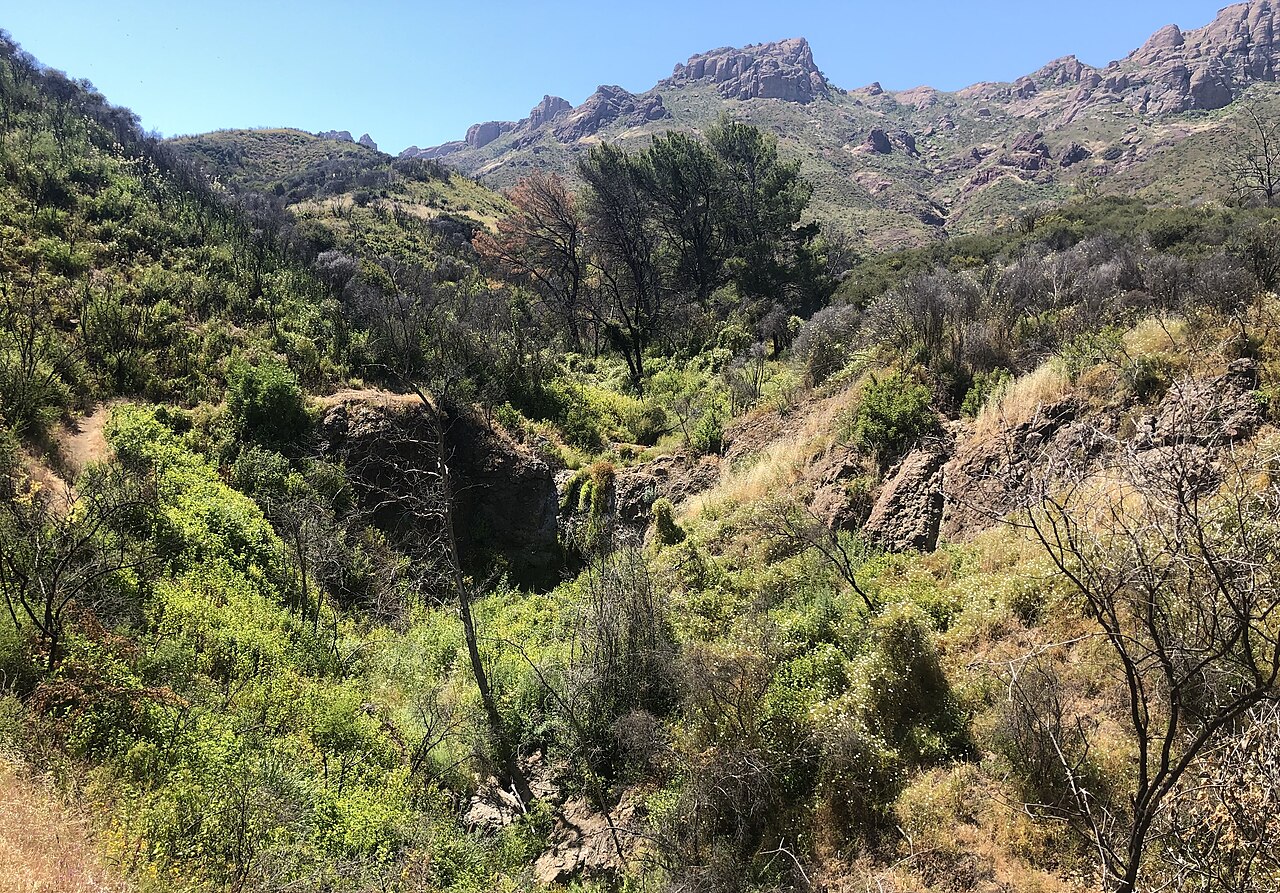
The most immediate and visceral impact of wildfires is, of course, the potential for capital damage and outright destruction. While the Skift piece doesn't detail specific property losses, it points to the devastating economic fallout in affected regions. The Maui fires in 2023, for example, cut tourism spending by a staggering 61% year-on-year. This figure encapsulates not just the loss of properties, but the broader disruption to an entire tourism ecosystem: cancelled bookings, lost revenue from ancillary services, damage to local infrastructure, and a prolonged period of recovery that can stretch for years. For individual hotels and vacation rental owners, this means not only the cost of rebuilding, but also the catastrophic loss of income during the closure and the subsequent struggle to entice guests back to a damaged destination.
Beyond direct damage, the operational disruptions are considerable. Evacuations, even if temporary, lead to forced operational shutdowns and significant logistical challenges. Staff may be unable to reach properties, supply chains are severed, and emergency services are stretched thin. Even for properties that escape direct fire damage, the lingering effects of smoke, ash, and poor air quality can render them uninhabitable or undesirable for guests. Air filtration systems must be upgraded, extensive cleaning becomes necessary, and the overall guest experience is fundamentally compromised. These are not minor inconveniences; they are significant cost centres that erode profitability and tarnish brand reputation.
Furthermore, the Skift report highlights that major operators like Hilton, Hyatt, IHG, and Marriott have already flagged wildfire risk in their climate disclosures. This isn't merely a nod to corporate social responsibility; it's a recognition of material financial risk, citing potential capital damage, forced operational shutdowns, and lost franchise fees. These are the kinds of disclosures that send shivers down the spine of investors, indicating that the problem is no longer hypothetical but a concrete threat to quarterly earnings and long-term asset values. The very definition of a 'prime location' in luxury hospitality is now being re-evaluated through the lens of environmental resilience.
Insurers Draw a Hard Line: Resilience, Not Just Location
Perhaps the most significant shift detailed in the Skift report, and certainly the one with the most immediate financial implications for hospitality operators, is the fundamental change in how insurance companies are assessing and pricing wildfire risk. The days of underwriters simply glancing at a map and calculating a premium based on a property's general location are rapidly fading. Insurers are, according to Skift, no longer pricing risk by location alone; they are now underwriting based on how resilient an individual property is.
This marks a pivotal moment, transforming wildfire preparedness from a 'nice-to-have' operational safeguard into a 'must-have' financial imperative. The consequences of this new approach are already being felt acutely across the industry. Operators are reporting average property insurance hikes of 19.5%. For assets deemed 'high-risk,' the increases are even more punitive, with some properties facing premiums 50% or more higher than before. This isn't just a minor adjustment; it's a profound recalibration that can make or break the financial viability of a property, particularly independent hotels or smaller vacation rental portfolios.
The situation is further exacerbated by the fact that some insurers are, as Skift notes, withdrawing from certain markets entirely. This reduction in competition means fewer options for operators, potentially leading to even higher premiums, stricter terms, and the possibility of properties becoming uninsurable altogether. Without adequate insurance, securing financing for new developments or even maintaining existing mortgages becomes incredibly difficult, if not impossible. Banks are increasingly wary of lending against uninsured or underinsured assets, creating a cascade of financial challenges for property owners and developers in vulnerable areas.
What this new underwriting paradigm demands is a proactive and verifiable commitment to resilience. Insurers are no longer relying solely on historical data; they are employing sophisticated modelling tools, satellite imagery, and on-site assessments to evaluate everything from building materials and landscaping to emergency protocols and staff training. They want to see tangible evidence that a property has actively reduced its exposure to fire, embers, and smoke. This shift puts the onus squarely on the property owner to invest in mitigation measures, with the promise, or at least the hope, that these investments will translate into more favourable insurance terms. The challenge, of course, is proving that these investments genuinely reduce risk in a way that satisfies increasingly stringent underwriting criteria.
The Operator's Dilemma: Investment vs. Return
Faced with escalating premiums and the threat of insurer withdrawal, the hospitality industry is now confronted with an urgent operational imperative: to invest in resilience. The choices are complex, balancing significant upfront capital expenditure against the promise of reduced insurance costs and enhanced safety. The Skift report outlines a layered approach, combining traditional measures with emerging technologies.
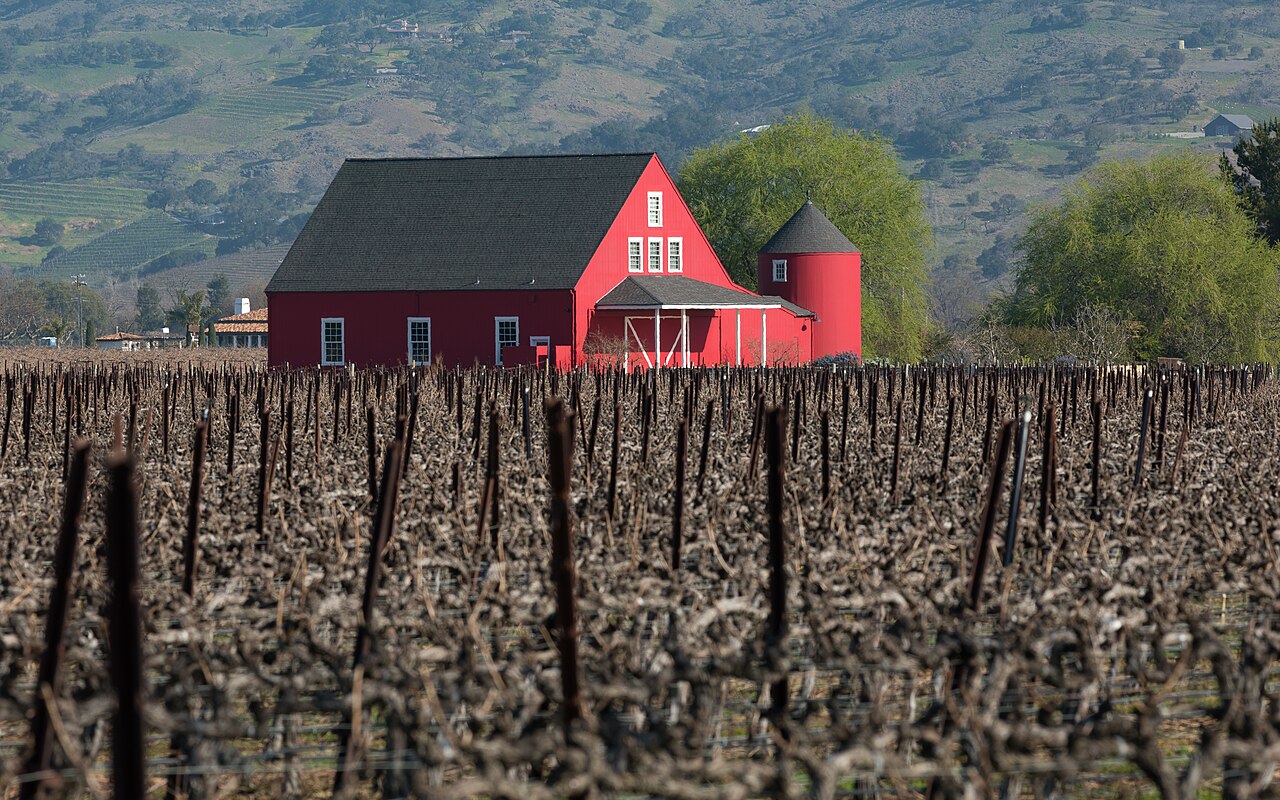
On the 'old-school' front, operators are doubling down on fundamental fire prevention strategies. This includes diligent vegetation management, creating defensible space around properties by clearing combustible materials and maintaining fire-resistant landscaping. The choice of building materials is also critical: fire-rated roofing, stucco, stone, and non-combustible siding are becoming standard requirements, moving beyond mere aesthetic preference. Emergency planning, including robust evacuation procedures and staff training, is no longer a bureaucratic exercise but a vital component of a property's risk profile. Crucially, close coordination with insurers and local first responders is becoming essential, as properties seek to demonstrate their commitment to mitigation and gain insights into local risks.
Alongside these established practices, new technologies are entering the fray. Skift specifically mentions automated external sprinkler defense systems that can activate ahead of approaching embers. These systems, often deployed on rooftops and around perimeters, are designed to create a moisture barrier, wetting down structures and surrounding vegetation to prevent ignition from wind-borne embers, which are a primary cause of structure loss in wildfires. The promise here is compelling: a proactive, automated defence that can protect a property even when staff are evacuated or fire services are overwhelmed.
However, the operator's dilemma lies in the return on investment. These resilience measures, particularly structural upgrades and advanced sprinkler systems, represent significant capital outlays. The core question for any property owner or developer is whether these investments will genuinely lead to substantial insurance discounts that justify the cost. While Skift notes the 'promise' of tying resilience investments to insurance discounts, the precise algorithms and actuarial models used by insurers remain opaque. Operators need clarity on what specific measures will yield what level of reduction in premiums, and over what timeframe the investment will pay for itself. Without clear metrics, the temptation to defer costly upgrades in favour of simply absorbing higher premiums remains a powerful one, particularly for properties operating on tight margins or facing other capital constraints. For the luxury sector, where design and guest experience often dictate material choices, the challenge is integrating these fire-safe requirements without compromising the aesthetic appeal that defines their brand.
Building for the Future: Design and Materials
The new reality of wildfire risk is fundamentally reshaping architectural and landscape design within the luxury hospitality sector. It’s no longer enough for a property to be beautiful or provide exceptional service; it must also be inherently resilient. This shift requires a careful dance between aesthetic ambition and practical necessity, ensuring that fire-safe choices do not compromise the very essence of a luxury experience.
When it comes to building materials, the emphasis is now firmly on non-combustible and fire-resistant options. This means a move away from highly flammable roofing materials like untreated wood shakes, towards alternatives such as metal, tile, or fire-rated asphalt shingles. Wall construction is increasingly favouring stucco, stone, brick, or fibre cement siding over more combustible options. Windows and doors, often vulnerable points for ember penetration, are being specified with tempered glass and fire-rated frames. Even the eaves and vents, often overlooked, are now subject to scrutiny, with fine mesh screens installed to prevent embers from entering attic spaces.
For luxury properties, this presents both a challenge and an opportunity. The challenge lies in integrating these materials seamlessly into a high-end design aesthetic. A stone facade might be inherently fire-resistant, but it must also convey sophistication and warmth. A metal roof needs to be visually appealing and contribute to the overall architectural vision, rather than looking like a utilitarian afterthought. The opportunity, however, lies in pioneering a new kind of 'resilient luxury' – properties that are not only stunning but also demonstrably safe and sustainable. This could even become a unique selling proposition, attracting a new segment of environmentally conscious travellers who value robust design and responsible development.
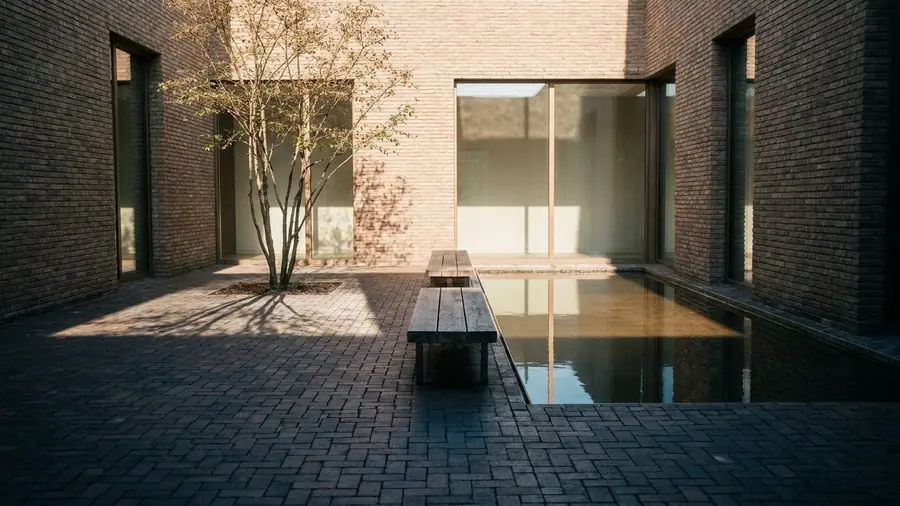
Landscape architecture is equally critical. The concept of 'firescaping' is gaining traction, involving the strategic selection and placement of plants to reduce fire risk. This means creating defensible space by clearing highly flammable vegetation, maintaining low-growing, fire-resistant plants near structures, and using hardscaping elements like stone patios, gravel paths, and water features as natural fire breaks. The goal is to create zones of decreasing flammability as one approaches the building, slowing down a fire's advance and reducing the intensity of its heat. For properties that pride themselves on expansive gardens and natural integration, this requires a thoughtful re-evaluation of every shrub and tree, balancing ecological beauty with essential safety.
Beyond the Flames: Smoke and Air Quality
While the direct threat of fire is paramount, the Skift report underscores a subtler, yet increasingly pervasive, challenge: the impact of wildfire smoke and poor air quality, even for properties far from active blazes. As seen with the Canadian wildfire smoke blanketing vast swathes of the U.S. Midwest and East Coast, this is a problem that transcends geographical proximity to the fire front. For the luxury hospitality sector, this creates a new set of guest experience and operational concerns.
The guest experience is profoundly affected when the air is thick with smoke. Outdoor activities, often a cornerstone of luxury stays – from al fresco dining and poolside lounging to hiking and golf – become unpleasant, if not impossible. Views, a primary selling point for many high-end properties, are obscured by haze. Guests with respiratory sensitivities may face health risks, leading to cancellations or early departures. The very promise of a refreshing, natural escape is undermined when the air itself is compromised. This can lead to negative reviews, damage brand reputation, and impact future bookings, even if the property itself is untouched by fire.
Operationally, managing smoke intrusion requires significant investment and adaptation. High-efficiency particulate air (HEPA) filtration systems become essential, not just in individual rooms but throughout common areas. These systems need regular maintenance and filter replacement, adding to operational costs. Properties may need to pivot their activity programmes, offering more indoor alternatives to compensate for degraded outdoor conditions. Staff training is also crucial, equipping employees to address guest concerns about air quality and provide accurate information about local conditions and mitigation efforts. For properties in urban settings, where air quality is already a concern, wildfire smoke exacerbates an existing problem, pushing the need for robust air purification systems from a luxury amenity to a health necessity.
This 'smoke season' phenomenon represents a long-term shift in how destinations are perceived and experienced. A pristine mountain retreat might suddenly find its air quality comparable to a polluted city, simply due to prevailing winds. This forces destinations and properties to consider new forms of resilience that extend beyond physical fire protection, focusing on indoor environmental quality and adapting to a world where clean air can no longer be taken for granted. It’s a challenge that requires significant investment in infrastructure and a proactive approach to communication with guests, managing expectations in an increasingly unpredictable environment.
A New Frontier for Property Management and Rentals
The escalating wildfire risk and the resulting shift in insurance underwriting have profound implications for the high-end vacation rental market, particularly for individual owners and smaller property management companies. While large hotel chains like Hilton and Marriott have dedicated risk management teams and significant capital to address these challenges, individual Airbnb Luxe or Vrbo owners often lack the resources and expertise to navigate this complex new landscape.
For private owners, the insurance market is even more volatile. They face the same, if not greater, premium increases and insurer withdrawals as hotels, but often with less bargaining power or access to specialist brokers. The cost of implementing resilience measures – from vegetation clearing to installing automated sprinkler systems – can be prohibitive for a single property owner, especially if they don't see a clear, immediate return on investment in the form of reduced premiums. Furthermore, obtaining accurate information on local risks and effective mitigation strategies can be a daunting task for individuals, who may not have the resources to conduct professional risk assessments or consult with fire prevention experts.
Property managers play a crucial role in this new environment. They are increasingly becoming the frontline for enforcing resilience measures, advising owners on necessary upgrades, and ensuring compliance with local fire safety regulations. For management companies operating portfolios of luxury rentals in fire-prone regions, integrating wildfire risk management into their standard operating procedures is now non-negotiable. This includes regular property inspections, coordinating defensible space maintenance, overseeing the installation of fire-resistant materials, and developing robust emergency plans for guests. The liability for property managers is also increasing, as they are expected to ensure the safety of both the property and its occupants.
Moreover, the issue of disclosure becomes paramount. Guests booking high-end vacation rentals have an expectation of safety and transparency. Owners and property managers in high-risk zones will increasingly need to clearly communicate the measures they have taken to mitigate wildfire risk, as well as any potential local advisories or evacuation protocols. Failure to do so could lead to legal repercussions, reputational damage, and a loss of guest trust. The competitive edge in the luxury rental market may soon shift from simply offering an opulent space to also guaranteeing a demonstrably safe and prepared one.
The Broader Economic Ripple
The impact of rising wildfire risk and insurance costs extends far beyond individual hotels and vacation rentals, creating a significant ripple effect across local economies that rely heavily on tourism. When properties face closures, reduced occupancy, or financial strain, the entire ecosystem suffers.
Tourism-dependent communities often see a substantial portion of their local tax revenue derived from hotel occupancy taxes, sales taxes on visitor spending, and property taxes on hospitality assets. When tourism spending plummets, as seen in Maui with a 61% year-on-year cut, these vital revenue streams dry up, straining local government budgets. This can lead to cuts in essential public services, including those very first responders – firefighters and emergency medical services – who are critical during a wildfire event. It creates a perverse feedback loop where the increasing need for public safety resources coincides with a decrease in the funds available to provide them.
Job losses are another devastating consequence. Hotels, resorts, and vacation rentals are major employers in many regions, supporting a wide range of roles from housekeepers and chefs to tour guides and spa therapists. When properties close or reduce operations, these jobs disappear, leading to unemployment, economic hardship for local families, and an exodus of skilled labour from the area. The long-term economic viability of fire-prone regions comes into question, as businesses become hesitant to invest and new residents are wary of relocating. This can lead to a decline in property values, further exacerbating the financial challenges faced by property owners and local authorities.
The industry can no longer afford to view this as a regional problem for a few unlucky geographies; it is a global recalibration of environmental risk that demands a universal response.
Furthermore, the increased cost of doing business, driven by higher insurance premiums and the need for costly resilience investments, can make these destinations less competitive. Developers might shy away from new projects, diverting capital to lower-risk areas. Existing businesses might struggle to maintain profitability, potentially leading to closures. The unique charm and natural beauty that once drew visitors and investment to these areas now come with a significant and growing premium, forcing a re-evaluation of their long-term economic sustainability. The broader economic ripple means that wildfire risk is not just a hospitality problem; it is a community problem, demanding a coordinated and comprehensive response from all stakeholders.
What it means for where you stay
For the discerning traveller, the escalating wildfire risk and the industry's response to it mean a new layer of considerations when planning luxury stays. No longer is it enough to simply assess a property's amenities, service, and aesthetic appeal. Now, a critical, if unspoken, question arises: how truly resilient and prepared is this property?
When contemplating a stay in a nature-adjacent location, particularly during warmer months, consider looking beyond the glossy photos. Research the property's stated commitment to fire safety and sustainability. While detailed fire plans may not be publicly available, a property that is transparent about its environmental efforts and community engagement often signals a proactive approach to risk management. Look for mentions of fire-resistant building materials, defensible space management, and robust emergency protocols. Pay attention to air quality reports for the region, especially if you have sensitivities, as smoke from distant fires can impact your experience. Ultimately, a truly luxurious stay in the modern era should offer not just comfort and beauty, but also peace of mind, knowing that the property has invested in the safety of its guests and the long-term viability of its environment.
For owners and hosts in the luxury travel market, the message is clear and urgent: proactive investment in resilience is no longer optional; it is foundational. The market, through the mechanism of insurance, is demanding it. Begin by conducting a thorough, professional wildfire risk assessment of your property, identifying specific vulnerabilities. Engage with local fire authorities and insurance providers to understand their expectations and leverage their expertise. Prioritise creating defensible space, upgrading to fire-resistant building materials where feasible, and installing advanced systems like automated sprinklers if your risk profile warrants it. Document all mitigation efforts meticulously, as this will be crucial in negotiating insurance premiums and demonstrating your commitment to safety. Communicate transparently with guests about your preparedness and any local advisories. The properties that embrace this challenge with foresight and investment will not only safeguard their assets but will also set a new standard for responsible, high-end hospitality in an increasingly volatile world. The future of luxury stays in beautiful, vulnerable places depends on it.
Source
Skift — reported 24 July 2026. Read by the Amorielli news desk.
- cbre.com - source added by the standards desk, 15 October 2026.
Re-checked by the standards desk on 15 October 2026 against the original sources and a public-source lookup: 1 sentence was corrected to what a public source says.
Report an error in this story · Corrections policy and log

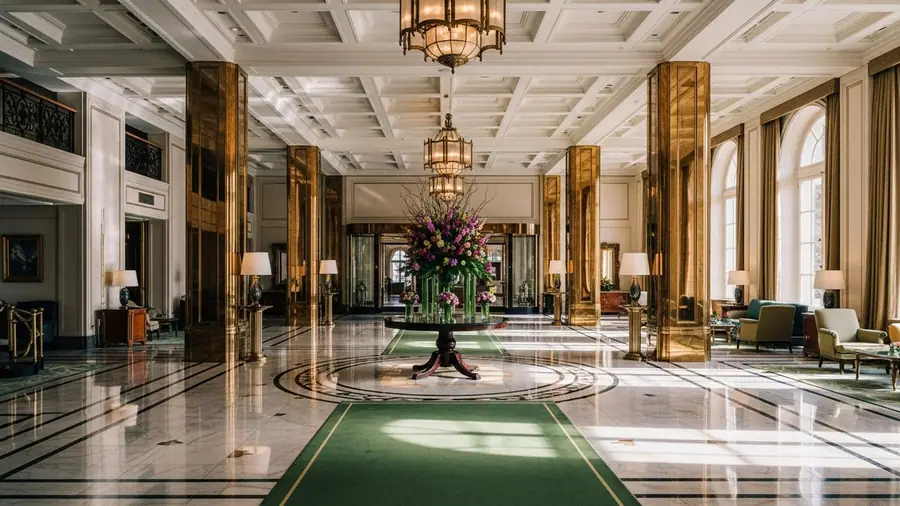
Pictures marked “Amorielli studio image” are illustrative scenes made for this story, not photographs of any property, company or person named. Pictures credited to a photographer are real photographs from Wikimedia Commons, used under the licence named beside each one; each caption says what the photograph shows. Details can change after publication; confirm specifics with the property or source. Like this? Get the newsletter.
Comments