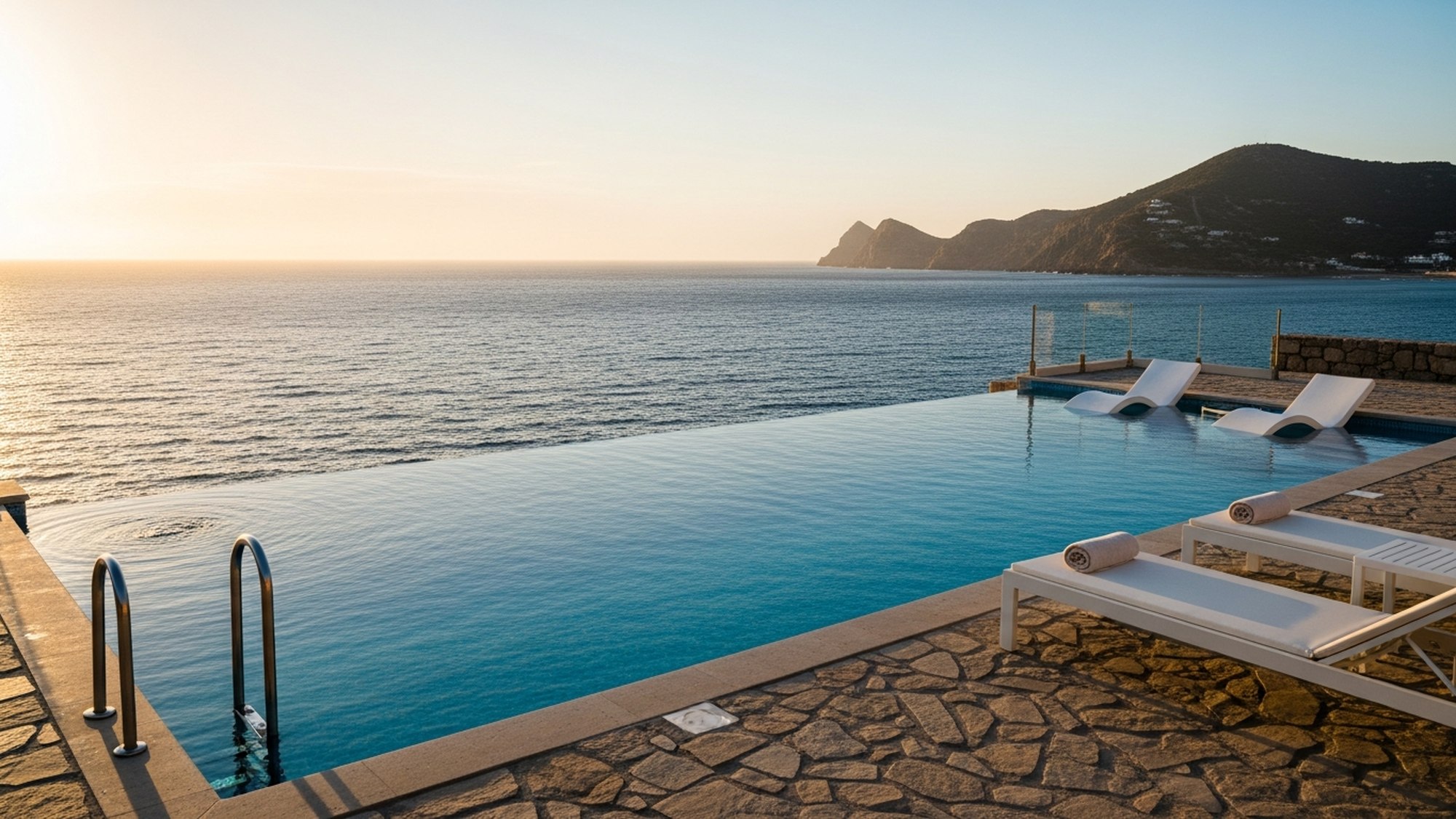
There is a particular quality to the light that falls across the Aegean Sea, a brilliance that seems to etch itself into memory. It is a light that draws millions to the Greek islands each year, an almost spiritual connection to an expanse of blue. For many, that connection is increasingly found not in the grand hotels of the established resorts, but in the quiet corners of islands less trodden, within the walls of a private home, where the horizon remains an uninterrupted promise. This is the essence of a recent Condé Nast Traveler review, which cast its discerning eye upon a hilltop hideaway on Andros, an island that, for now, remains largely outside the mainstream international consciousness.
The review, penned by Jessica Sulima, a Commerce Writer for the publication, details a stay that feels less like a transaction and more like an immersion. It speaks to a growing segment of sophisticated travellers who, having perhaps experienced the well-worn paths of Mykonos or Santorini, are now seeking something more genuine, more rooted, and ultimately, more personal. The property in question, a Cycladic rental hosted by a local named Dimitris, offers a glimpse into a different kind of Greek island experience, one where the raw beauty of the landscape and the subtle comforts of a thoughtfully appointed home take precedence over the manufactured spectacle.
What emerges from Sulima’s account is not just a recommendation for a place to stay, but a broader commentary on the evolution of luxury travel and the nuanced appeal of destinations like Andros. It is a story of how the high-end rental market, facilitated by platforms like Airbnb, is reshaping expectations, allowing travellers to forge a deeper connection with a place, even if it means navigating a few “winding, rocky, and cliffside” roads to get there.
Andros: The Unvarnished Cycladic Canvas
Andros, as Sulima notes, is an island that registers as “wildly beautiful” and “highly underrated.” Its proximity to Athens, a mere hour by ferry, makes its relative obscurity to international tourists all the more intriguing. While many Cycladic islands have long been synonymous with whitewashed villages, sapphire waters, and a vibrant, often frenetic, social scene, Andros presents a different tableau. It is described as “green and mountainous,” a stark contrast to the more arid landscapes of its southern neighbours like Mykonos or Paros. This verdant character is fed by natural springs, a rarity in the Cyclades, which allows for lush valleys, olive groves, and a network of hiking trails that appeal to a distinct type of visitor.
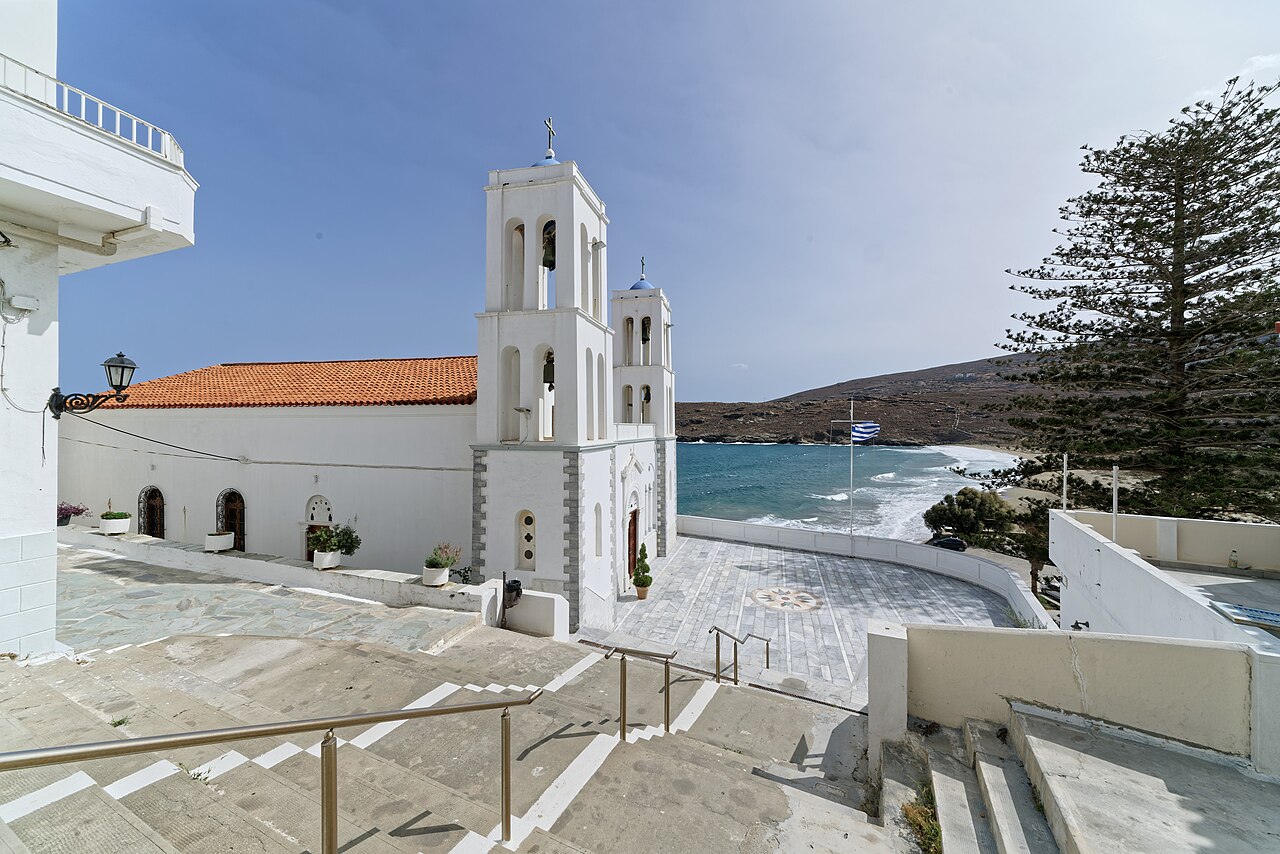
The island’s demographic, “visited by more Greeks than international tourists,” speaks volumes. This is an island that has, for generations, been a cherished retreat for Athenians and other mainlanders, a place where family traditions endure and the pace of life remains unhurried. For the Amorielli reader, this signals a destination that offers a more authentic cultural encounter, free from the homogenising effects of mass tourism. It is a place where one might find local tavernas serving time-honoured recipes, rather than international fusion, and where the rhythm of daily life is dictated by the seasons and the sea, not the cruise ship schedule.
However, this authenticity comes with its own set of practicalities. The reviewer highlights the necessity of renting a car, noting that “getting around requires a little extra verve, as many roads are winding, rocky, and cliffside.” This “friction-maxxing,” as Sulima aptly puts it, is part of the island’s charm for the adventurous spirit. It weeds out the casual visitor, ensuring that those who make the effort are truly seeking the rewards of its untamed beauty. For a high-end rental, this means the journey to the property becomes part of the narrative, a deliberate act of seeking out solitude and spectacle.
Dimitris’s Hilltop Vision: A Study in Restraint
The property itself, located in the Kalamaki settlement, embodies a particular philosophy of hospitality. Perched on a hilltop, it offers the kind of panoramic “Aegean-blue vista” that defines the Greek island dream. What sets it apart, beyond the views from “both bedrooms,” is its thoughtful design and the experience it offers. The reviewer describes the two whitewashed bedrooms as “self-contained, each with its own bathroom, minimally decorated with an an antique or two—no try-hard, boho crochet or one-too-many evil eyes in sight.” This observation is crucial, signalling a deliberate rejection of the often clichéd “boho chic” aesthetic that has saturated the rental market in recent years.
Instead, Dimitris’s property leans into an understated elegance, a respect for Cycladic tradition without resorting to pastiche. Minimalism here is not a lack of effort, but a considered choice to let the environment speak for itself. The focus is on the essentials: comfort, light, and the breathtaking natural surroundings. This approach resonates deeply with the current demand for genuine, unpretentious luxury, where the quality of the materials and the authenticity of the experience supersede ostentatious displays.
The outdoor living spaces are central to the property’s appeal. “Navigating around the property meant spending most of our time outside,” Sulima writes, detailing multiple lounge spots and a “full, outdoor kitchen—complete with a brick oven, hot plate, and refrigerator.” This emphasis on al fresco living, coupled with the host’s generosity in allowing guests to “pick whatever we wanted from his garden” for fresh tomatoes and apricots, elevates the stay beyond a mere accommodation. It transforms it into an immersive culinary and lifestyle experience, connecting guests directly to the island’s bounty and its relaxed way of life.
The Allure of the Semi-Private Shore
Perhaps the most compelling feature of Dimitris’s property, and certainly a significant draw for any discerning traveller to a Greek island, is the “semi-private beach we shared with a neighboring property.” This detail, while seemingly a small compromise, speaks to a larger truth about high-end rentals: the pursuit of exclusivity often requires a nuanced understanding of what “private” truly entails. In this case, sharing a secluded cove with just one other property, also owned by Dimitris and “better suited for a larger group,” suggests a carefully managed experience rather than an open public beach.
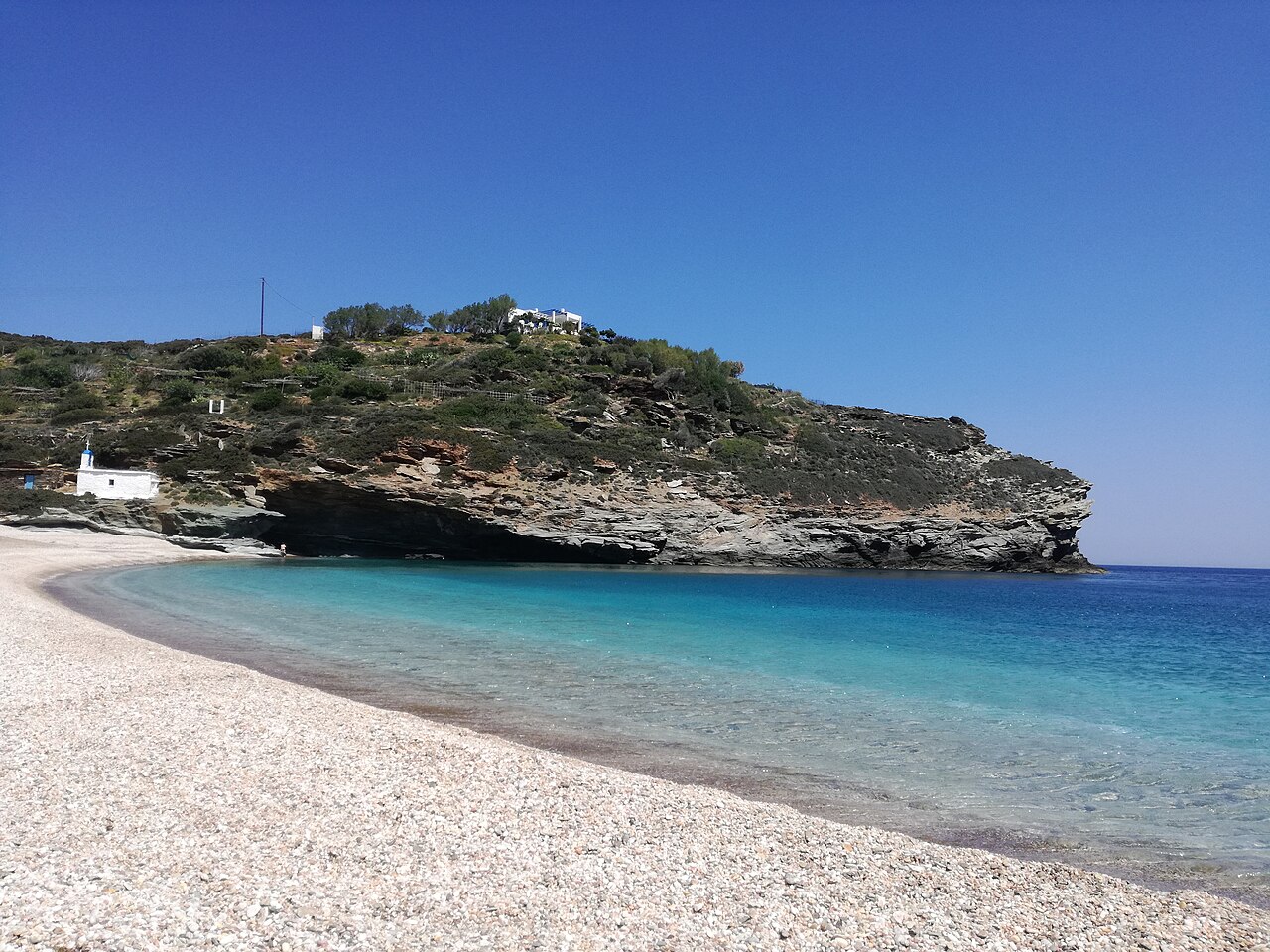
The description of the beach as a “perfect little cove, surrounded by marble-esque rocks, the calm water somehow impervious to the island’s strong winds,” paints a picture of serene seclusion. This is not a bustling resort beach but a tranquil sanctuary, where the natural elements are the primary companions. The mention of the water’s resilience to the island’s winds is noteworthy, as the Cyclades are famed for their strong meltemi winds, which can often make beach days less than idyllic. Finding a sheltered spot is a significant advantage, particularly for those seeking true relaxation.
Adding another layer of comfort and blurring the lines between a rental and a full-service stay, the reviewer highlights the presence of “a lovely housekeeper named Chara who stopped by to clean our rooms every day.” This is a critical differentiator for a high-end Airbnb. While many rentals offer cleaning services at the end of a stay, daily housekeeping is a hallmark of luxury hotel service. Its inclusion here addresses a common concern for travellers considering rentals: the desire for the privacy and space of a home without the burden of daily chores. It allows guests to fully immerse themselves in the experience, free from the practicalities of maintaining the property, and reinforces the idea that this is a thoughtfully curated stay, not merely a self-catering option.
The Economics of Authenticity: Hosts, Tourists, and the Local Ecosystem
The story of Dimitris, the host with at least two properties, is emblematic of a broader trend in the Greek hospitality market. Small-scale, local operators are increasingly leveraging platforms like Airbnb to offer unique, authentic experiences that often outcompete traditional hotels on character and privacy. For islands like Andros, which have historically relied more on domestic tourism, this influx of independent rentals can be a double-edged sword, bringing economic benefits but also posing questions about sustainability and local character.
The appeal of a host like Dimitris lies in the personal touch. He is not just an anonymous property manager; he is part of the local fabric. His willingness to show guests around, to offer produce from his garden, and to manage a small portfolio of properties suggests a deep connection to the island and a vested interest in providing a high-quality experience. This model contrasts sharply with the often impersonal nature of large hotel chains or absentee landlords managing multiple properties from afar. For the traveller, it means a more direct engagement with the local culture and economy.
From an economic perspective, these high-end rentals can provide significant income for local families, allowing them to invest in their properties and communities. They also spread tourism revenue beyond the established hotel zones, benefiting local businesses like the “Escape in Andros” car rental service, the port town of Gavrio, and restaurants like “Aegean Balcony,” where the reviewer enjoyed souvlaki with “the most breathtaking view of Andros’s western coastline.” However, the growth of the rental market also raises questions about housing availability for locals, the potential for price inflation, and the preservation of the island’s unique identity in the face of increasing demand. Andros, being less developed than some of its neighbours, is at a critical juncture, navigating the delicate balance between welcoming visitors and safeguarding its intrinsic charm.
The Evolving Definition of Luxury Travel
The experience described in the Condé Nast Traveler review is a powerful illustration of how the definition of luxury travel is evolving. Gone are the days when luxury was solely synonymous with five-star hotels, white-glove service, and opulent interiors. While those experiences certainly retain their appeal, a growing segment of affluent travellers is seeking something different: privacy, authenticity, space, and a genuine connection to the local environment. This shift is driven by a desire for more meaningful, less curated experiences, where the luxury lies in the freedom to explore, to relax on one’s own terms, and to discover unexpected moments of beauty.
The reviewer’s anecdotes—spotting a dolphin from the bedroom window, taking a phone call while staring at the Aegean, debating whether to stay put or explore—highlight the power of these unscripted moments. This is the “casual magnificence the Greeks are so good at,” as Sulima puts it, an effortless blend of natural beauty and genuine hospitality that makes the ordinary feel extraordinary. It’s the antithesis of a rigid itinerary, offering instead the flexibility to follow one’s own rhythm.
The design philosophy of Dimitris’s property, with its deliberate minimalism, plays directly into this new definition of luxury. By stripping away extraneous details, it allows the stunning natural surroundings to take centre stage. The focus is on comfort and functionality, rather than decorative excess. This approach aligns with a broader trend in hospitality design, where authenticity and a sense of place are prioritised over generic grandeur. It’s about creating spaces that feel integrated with their environment, rather than imposed upon it, offering a serene backdrop for personal reflection and connection.
True luxury, particularly in a setting like the Cyclades, should emerge from the context, from the quality of materials, the seamless integration with the landscape, and a genuine sense of place.
Andros in the Cycladic Tapestry: A Destination in Transition
To truly appreciate Andros’s appeal, it helps to place it within the broader context of the Cycladic islands. Mykonos, synonymous with vibrant nightlife and high-end boutiques, attracts a jet-set crowd. Santorini, with its dramatic caldera views, is the quintessential romantic escape. Paros and Naxos offer a blend of beautiful beaches and charming villages, popular with families and windsurfers. Milos, where Sulima also had an “unforgettable trip,” is celebrated for its unique volcanic landscapes and stunning beaches.
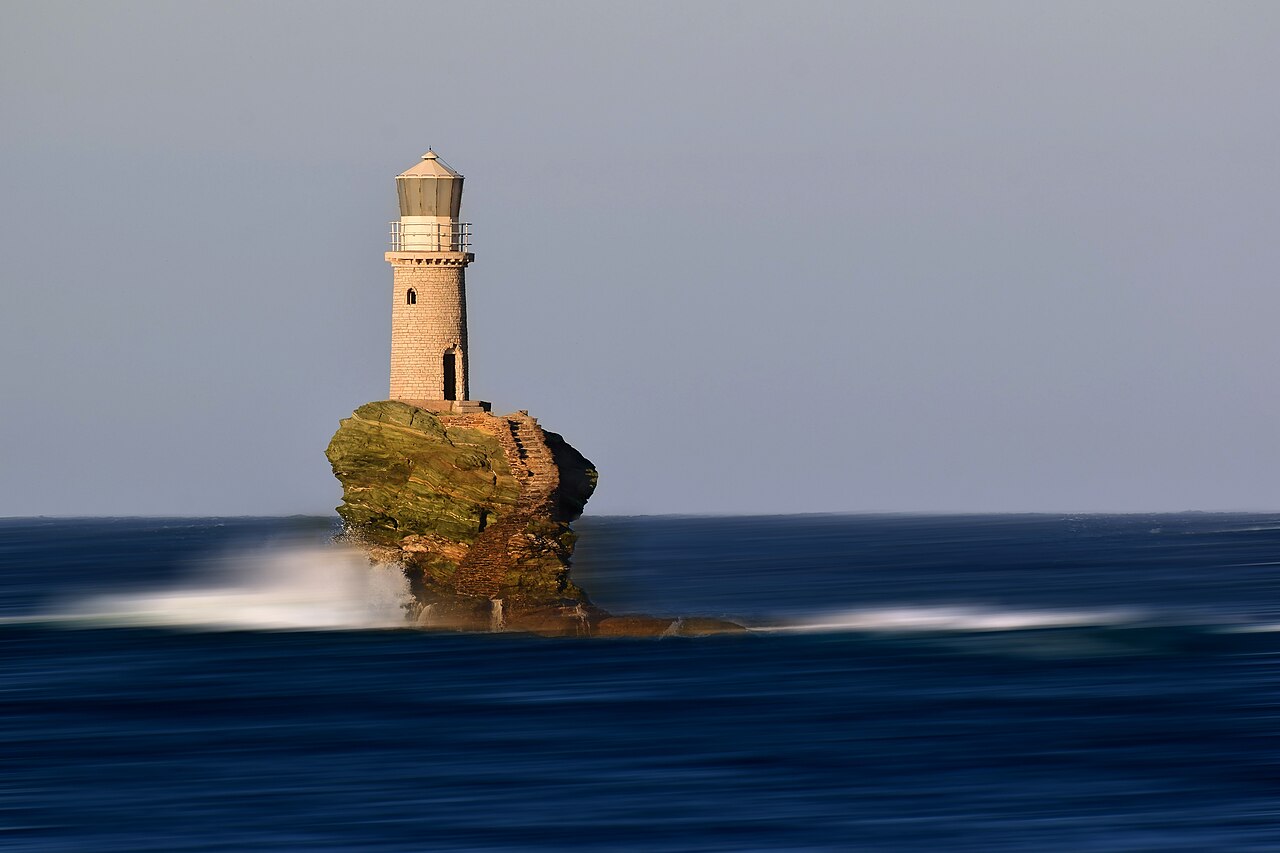
Andros, by contrast, occupies a distinct niche. Its mountainous terrain, lush valleys, and abundant water sources set it apart from the more arid, archetypal Cycladic landscapes. It boasts a rich maritime history, evident in its elegant capital, Chora, with its marble-lined streets and the iconic Tourlitis Lighthouse. This is an island for walkers, for those interested in traditional villages, and for travellers seeking a slower pace. Its status as “underrated” is both a blessing and a challenge. For now, it offers a tranquil escape from the crowds that can overwhelm its more famous neighbours. But as publications like Condé Nast Traveler shine a light on its charms, its “underrated” status may not last indefinitely.
The delicate balance for Andros, and indeed for many similar destinations in Greece, lies in managing this transition. How does an island retain its authentic character and appeal to a discerning, culturally sensitive traveller, while also accommodating growth? The infrastructure, particularly the “winding, rocky, and cliffside” roads, will play a significant role in determining the scale and type of tourism it can support. A focus on sustainable, high-quality, and locally integrated offerings, like Dimitris’s rental, could be the key to preserving its unique identity while allowing its economy to thrive. The island’s future will likely depend on its ability to attract visitors who value its unvarnished beauty and contribute positively to its local ecosystem, rather than seeking to transform it into something it is not.
The Unseen Mechanics of the High-End Rental
Beyond the picturesque views and the charming details, there is a sophisticated operational machinery that underpins a successful high-end rental like Dimitris’s. The inclusion of daily housekeeping, for instance, is a significant investment for a host. It speaks to a commitment to guest comfort that goes beyond the standard expectations for an Airbnb. This level of service requires careful coordination, reliable local staff like Chara, and an understanding of the demands of a discerning clientele. It is a strategic decision that elevates the property from a simple rental to a curated hospitality experience, effectively competing with boutique hotels on a service level, while retaining the privacy and space of a private home.
The host’s personal involvement, from showing guests around to offering access to his garden, is another crucial element. This personal touch fosters a sense of connection and trust, often leading to more positive reviews and repeat bookings. In an age where digital transactions can often feel impersonal, the human element remains invaluable, particularly in the luxury segment. It’s about building relationships and offering genuine local insights that no guidebook can provide. Dimitris, as described, is not just a landlord; he is a local ambassador, enhancing the overall guest experience.
Furthermore, the “friction-maxxing” of reaching the property, with its winding and rocky roads, is not merely a logistical challenge but a deliberate filter. It ensures that guests who choose this property are those who value solitude, adventure, and the reward of an unspoilt destination. This self-selection mechanism helps to maintain the property’s unique atmosphere and prevents it from being overrun by casual tourists. For the host, it means attracting a specific type of guest who appreciates the effort involved in reaching such a secluded spot, and who is more likely to respect the property and its environment. These unseen mechanics—the daily service, the personal touch, the strategic location—are what transform a beautiful house into an exceptional stay.
What it means for where you stay
For the sophisticated traveller and the astute property owner alike, the story of this Andros hideaway offers clear insights into the evolving landscape of luxury travel.
- For Travellers: Seek Authenticity Beyond the Hype. If the well-trodden paths of Mykonos and Santorini no longer resonate, consider islands like Andros. Embrace the “underrated” label as an invitation to discover genuine local culture and unspoilt natural beauty. Be prepared for a little adventure in getting there; the reward of solitude and stunning scenery often outweighs the minor logistical challenges. Look for properties that offer more than just a bed—those with thoughtful design, outdoor living spaces, and a connection to local life, such as garden access.
- For Travellers: Prioritise Discerning Service. The presence of daily housekeeping in a rental is a significant differentiator. It signals a commitment to comfort and a blurring of the lines between a private home and a boutique hotel. Enquire about the host’s involvement and local insights; a personal touch can elevate an ordinary stay into an unforgettable experience.
- For Owners and Hosts: Understated Luxury Prevails. The market is shifting away from generic, over-decorated spaces towards a more authentic, minimalist aesthetic that respects the local context. Focus on quality materials, functional design, and allowing the natural environment to be the star.
- For Owners and Hosts: Service is the New Standard. To truly compete in the high-end rental market, consider offering hotel-level services, such as daily housekeeping. Personal involvement, like welcoming guests or offering local produce, creates a memorable experience that builds loyalty and positive word-of-mouth.
- For Owners and Hosts: Leverage Your Destination's Unique Character. If your property is in an “underrated” or less accessible location, highlight this as a feature, not a drawback. Market it to travellers seeking privacy, adventure, and an authentic connection, rather than trying to appeal to the mass market. The “friction-maxxing” can be a selling point for the right guest.
Source
Condé Nast Traveler — reported 23 July 2026. Read by the Amorielli news desk.
Report an error in this story · Corrections policy and log

Pictures marked “Amorielli studio image” are illustrative scenes made for this story, not photographs of any property, company or person named. Pictures credited to a photographer are real photographs from Wikimedia Commons, used under the licence named beside each one; each caption says what the photograph shows. Details can change after publication; confirm specifics with the property or source. Like this? Get the newsletter.
Comments