The arrival of a JW Marriott property deep within Kenya’s Solio Game Reserve is more than just a new opening; it is a declaration. A brand synonymous with polished urbanity and grand resorts has staked its claim in the raw, majestic heart of African conservation, signaling a fascinating evolution in luxury travel. This isn't merely an expansion of a hotel chain; it's a calculated foray into a highly specialised, fiercely competitive niche, where the brand’s global reputation will be tested against the elemental forces of the wilderness and the exacting standards of the safari cognoscenti.
Set against the dramatic backdrop of Mount Kenya and the Aberdare Ranges, the JW Marriott Mount Kenya Rhino Reserve Safari Camp offers 19 tented suites, including a two-bedroom option, each positioned for privacy and expansive views. It’s a move that prompts immediate questions: Can a global hospitality giant genuinely capture the intimate, authentic spirit of a safari? And what does this bold new venture mean for the delicate balance between high-end tourism and the vital work of wildlife preservation in one of Africa’s most significant rhino sanctuaries?
The answers lie not just in the thread count of the sheets or the quality of the sundowner gin, but in the deeper integration of design, purpose, and place. This project, envisioned by LW Design, articulates a philosophy of 'rooted in place,' aiming to sit lightly within the 45,000-acre private conservancy. It’s a narrative woven with local craft and a commitment to conservation, promising an experience that aims to be as much about education and connection as it is about comfort and game viewing. For Amorielli’s readers, it presents a compelling case study: the confluence of corporate ambition, design innovation, and ecological responsibility in the ever-shifting landscape of luxury stays.
A New Frontier for a Familiar Name
For decades, the JW Marriott name has evoked a particular kind of luxury: consistent, sophisticated, and often found in bustling city centres or sprawling coastal resorts. Think elegant ballrooms, expansive pools, and a service ethos honed over generations in environments where predictability is paramount. The brand's portfolio typically caters to a clientele seeking refined comfort and a sense of familiar grandeur, whether for business or leisure. Its strength has always been its ability to deliver a dependable, high-quality experience on a global scale, a hallmark of the wider Marriott International empire, which boasts an extensive range of luxury flags from The Ritz-Carlton to St. Regis.
The decision to plant a JW Marriott flag in the remote, wild expanses of Kenya’s Laikipia region, specifically within the Solio Game Reserve, represents a significant strategic pivot. It’s a clear signal that even the most established global brands are acknowledging and actively pursuing the surging demand for experiential travel. Modern luxury is no longer solely defined by polished marble and white-glove service; it increasingly prioritises authenticity, immersion, and a genuine connection to place and purpose. Travellers, particularly those in the high-net-worth demographic, are seeking more than just a holiday; they crave transformative journeys, opportunities for personal growth, and a chance to engage with the world’s most precious natural and cultural assets.
This move by JW Marriott is not an isolated incident but rather indicative of a broader trend within the hospitality industry. Major players are looking beyond their traditional strongholds, recognising that unique, 'bucket-list' destinations offer unparalleled opportunities for brand differentiation and market capture. The safari market, long the domain of independent, often family-run, or boutique operators with deep local roots, is now attracting the attention of these global giants. The challenge for JW Marriott, and indeed for any large brand entering such a sensitive and specialised environment, is how to translate its core values of consistency and refined service into an offering that also feels genuinely authentic, deeply contextual, and respectful of its surroundings, without diluting the very essence of the safari experience.
The brand's success here will hinge on its ability to strike a delicate balance: providing the comfort and reliability expected of a JW Marriott, while simultaneously delivering the raw, immersive, and often unpredictable encounters that define a true African safari. It’s a test of adaptability, a venture into uncharted territory for a brand that, until now, has largely thrived in environments far removed from the call of the wild. This expansion into a tented safari camp, with its inherent connection to nature and conservation, forces a re-evaluation of what a JW Marriott can be, pushing the boundaries of its established identity and inviting a new kind of traveller to experience its hospitality.
Deep in the Rhino's Domain: Solio and Laikipia
The choice of location for JW Marriott’s first African safari camp is particularly telling. Laikipia, a vast plateau in central Kenya, is not as widely known as the Maasai Mara, yet it holds a unique and increasingly important position in Africa's conservation landscape. It is a region characterised by private ranches and conservancies, which collectively manage significant areas of wilderness, often larger than national parks. This model allows for innovative approaches to wildlife management, community engagement, and sustainable tourism, making it a beacon for progressive conservation efforts.
At the heart of this region lies the Solio Game Reserve, a 45,000-acre private conservancy that has achieved international renown as 'one of Africa’s most significant rhino sanctuaries.' Established in 1970, Solio was the first private rhino sanctuary in Kenya, pioneering intensive protection and breeding programmes that have been instrumental in safeguarding both black and white rhino populations. These majestic creatures, once teetering on the brink of extinction due to poaching, have found a vital refuge here. The reserve’s success story is a testament to decades of dedicated effort, vigilance against poachers, and a deep understanding of rhino ecology.
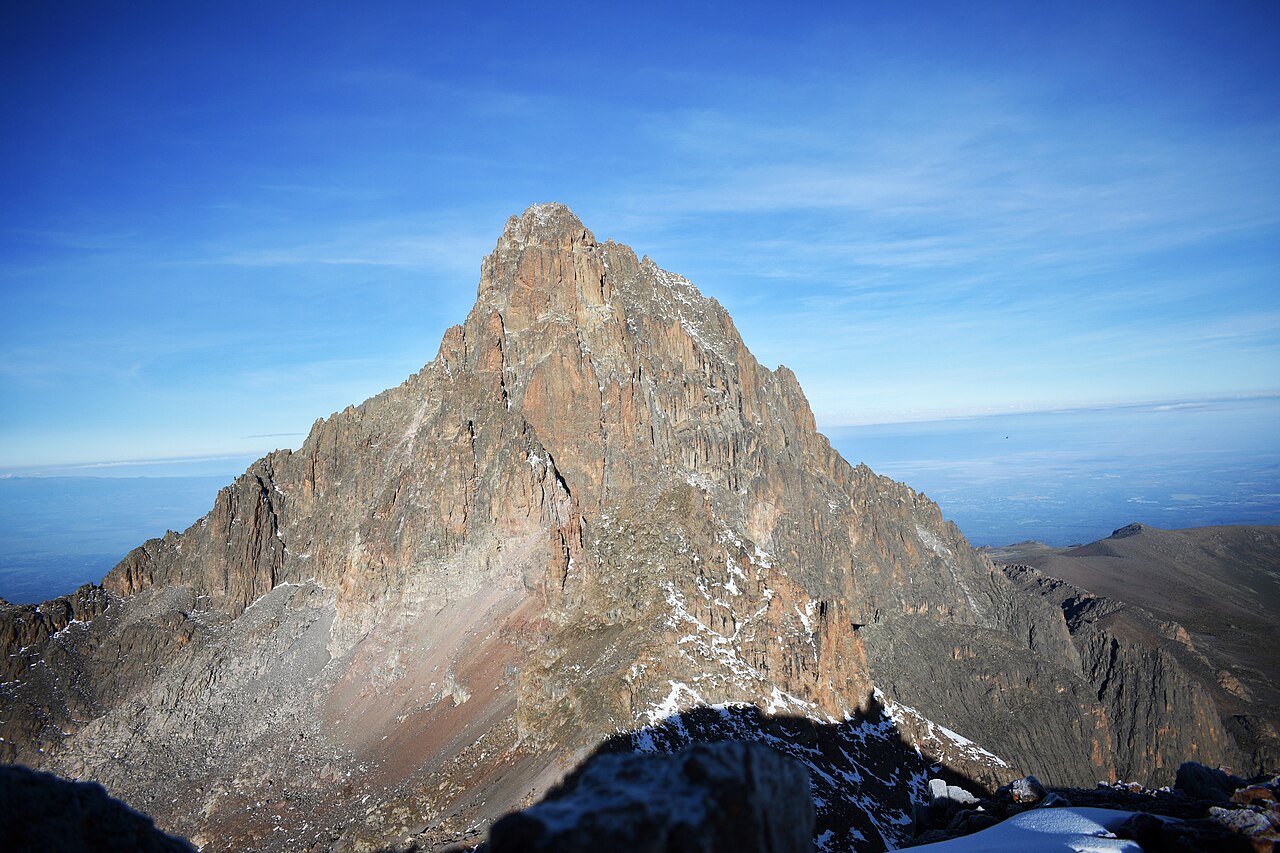
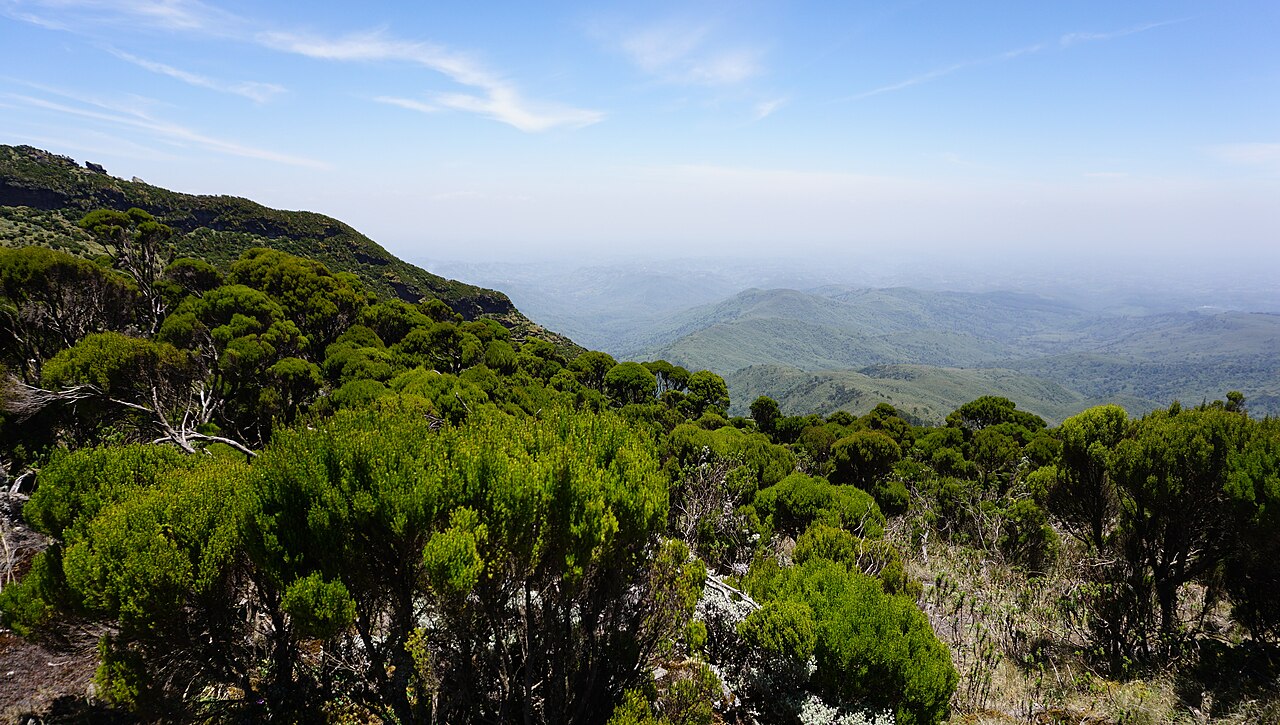
The camp’s position, nestled between the dramatic slopes of Mount Kenya, Africa’s second-highest peak, and the ancient, forested Aberdare Ranges, adds another layer of geographical and ecological significance. This diverse topography contributes to a rich array of habitats, supporting not only rhinos but also a wide spectrum of other wildlife, including lions, leopards, buffalo, zebras, and various antelope species. The views from the camp’s tented suites, across savannas, waterholes, and towards these iconic mountain ranges, are a constant reminder of the profound natural beauty and ecological importance of the area.
For travellers, Laikipia offers a different safari experience compared to the more traditional park visits. The private conservancy model often translates to fewer vehicles, more off-road driving opportunities (where permitted), and a greater sense of exclusivity and wilderness. It allows for activities not typically allowed in national parks, such as guided walking safaris, night drives, and even cycling, providing a deeper, more intimate engagement with the environment. The focus on conservation is not just a marketing slogan here; it is the very foundation upon which Solio operates, offering guests a chance to witness and, in some small way, contribute to critical wildlife protection initiatives. This commitment to a meaningful experience, rather than just a photographic one, aligns perfectly with the contemporary luxury traveller’s desire for purpose-driven journeys.
Architecture and Interiors: A Quiet Presence
The design philosophy behind the JW Marriott Mount Kenya Rhino Reserve Safari Camp is perhaps its most compelling aspect, particularly for an Amorielli audience attuned to the nuances of hospitality aesthetics. Envisioned by LW Design, the architecture is described as taking 'cues from the quiet presence of the rhino.' This is a powerful guiding principle, suggesting a design that seeks harmony and unobtrusiveness rather than ostentation or dominance. It’s a concept that resonates deeply with the contemporary understanding of luxury, which increasingly values subtlety, authenticity, and a seamless integration with the natural world.
The architectural language of 'low-slung timber and canvas structures' is a direct manifestation of this philosophy. By utilising materials that are inherently light, natural, and temporary in appearance, the camp aims to 'sit lightly within the landscape.' This approach minimises visual impact and physical footprint, allowing the structures to blend into their surroundings rather than imposing upon them. Canvas, a quintessential safari material, evokes a sense of classic adventure while also providing flexibility and an immediate connection to the elements. Timber, naturally sourced and often locally available, grounds the structures within the earth, reinforcing the sense of place.
A key feature of the design is the use of 'roll-up canvas walls,' which create 'a fluid transition between interior and exterior.' This is not merely an aesthetic choice; it’s a functional one that blurs the boundaries between the built environment and the wild. By allowing guests to literally open their living spaces to the sights and sounds of the conservancy, the design fosters a profound sense of immersion. Imagine waking to the chirping of birds, the distant call of a zebra, or the rustle of wind through the acacia trees, all from the comfort of your suite. This deliberate dissolution of the indoor-outdoor divide is further extended by 'private decks, plunge pools, and indoor freestanding baths,' each offering opportunities for secluded contemplation and direct engagement with the sweeping views.
Inside, the interior design continues this narrative of natural integration. A palette of 'warm earth tones, soft greens, and charcoal hues' reflects the colours of the savanna, the foliage, and the rich soils of the region. These muted, organic colours create a calming and sophisticated backdrop, allowing the natural beauty outside to take centre stage. The layering of 'woven textiles and hand-carved timber' adds texture, depth, and a tactile connection to local craftsmanship. This is where the design truly anchors itself in 'local heritage.' Furnishings and artwork are 'sourced from Kenyan artisans—including Kitengela Glass, Safari Bronze, and Ceramiqa Pottery Studio.' This commitment to local makers is not just about aesthetics; it’s about infusing the space with genuine cultural resonance and providing tangible support to the community. Kitengela Glass, known for its recycled glass creations, brings a touch of vibrant artistry and sustainability. Safari Bronze’s intricate sculptures often depict wildlife, further linking the interiors to the conservancy’s mission. Ceramiqa Pottery Studio contributes bespoke ceramic pieces, adding an artisanal touch to everyday objects. This deliberate choice of local provenance enriches the guest experience, offering a narrative beyond mere decoration and creating a sense of authenticity that mass-produced items could never achieve.
The Heart of the Camp: Communal Spaces and Connection
Beyond the private sanctuary of the tented suites, the communal areas of the JW Marriott Mount Kenya Rhino Reserve Safari Camp are designed to foster connection, both among guests and with the unique environment. These shared spaces are crucial to the safari experience, providing opportunities for storytelling, relaxation, and deeper engagement with the conservancy's mission. They are meticulously crafted to serve multiple functions, balancing adventure with moments of quiet reflection.
The 'Map Room' stands out as a focal point, described as 'a natural gathering point for planning the day’s activities.' This space, likely adorned with a detailed map of the conservancy, serves as the operational and inspirational hub. Here, guests gather with their guides to discuss game drive routes, identify potential wildlife sightings, and learn about the local ecology. The ritual of planning the day’s adventures, often over a morning coffee or before an evening sundowner, is an integral part of the safari narrative. It builds anticipation, provides education, and allows for a personalised experience tailored to individual interests. The Map Room is more than just a functional space; it’s a place where stories are shared, knowledge is exchanged, and the day’s wild possibilities begin to unfold.
For those seeking a more subdued pace, a 'library and games room offers a more relaxed setting.' This thoughtful inclusion caters to the periods between game drives, or for guests who prefer quieter pursuits. A well-stocked library, perhaps featuring books on African wildlife, history, and culture, invites intellectual engagement and deeper understanding of the region. The games room provides a social outlet, fostering camaraderie among guests through friendly competition. These spaces acknowledge that a safari is not just about constant activity, but also about the moments of downtime, reflection, and social interaction that enrich the overall journey.
A particularly noteworthy communal space is the 'retail boutique,' which 'showcases modern Kenyan art and craft, including beadwork and textiles from local makers.' This is where the camp’s commitment to local heritage and community engagement moves beyond interior decor and into direct economic support. The boutique offers guests an opportunity to take a piece of Kenya home, knowing that their purchase directly benefits the artisans who created it. This curated selection of local art and craft serves multiple purposes: it provides a platform for Kenyan talent, allows guests to acquire authentic souvenirs, and reinforces the camp’s connection to its cultural surroundings.
Crucially, 'select pieces in the boutique come from the Solio Women’s Empowerment Project and proceeds are returned directly to the initiative.' This detail underscores a genuine commitment to social responsibility. Women’s empowerment projects are vital in many rural African communities, providing economic independence, education, and improved livelihoods. By creating a direct market for their products within the camp, JW Marriott ensures that its luxury tourism venture has a tangible, positive impact on the local community. This initiative moves beyond superficial 'giving back' and establishes a direct, transparent link between guest spending and community upliftment, adding a layer of ethical purchasing to the luxury experience.
Beyond the Binoculars: Experiential Safari
The essence of any safari lies in its activities, and the JW Marriott Mount Kenya Rhino Reserve Safari Camp offers a comprehensive programme designed to engage guests deeply with their surroundings. While the 'twice-daily game drives and night drives through the conservancy' remain the undisputed staples of the safari experience, providing classic opportunities for wildlife viewing, the camp expands far beyond these traditional offerings to cater to the modern traveller’s desire for diverse and immersive experiences.
The inclusion of 'guided walking safaris, cycling excursions, and birding' signifies a shift towards more active and multi-modal exploration. Walking safaris, in particular, offer a profoundly different perspective of the bush. Away from the confines of a vehicle, guests can truly connect with the smaller details of the ecosystem – the intricate tracks of animals, the scents of the flora, the subtle sounds of the savanna. Led by experienced guides, these walks provide an education in bush craft and an appreciation for the delicate balance of nature. Cycling excursions offer another unique way to cover ground, allowing for a sense of freedom and a closer interaction with the landscape, albeit with appropriate safety precautions in a wildlife-rich area. For enthusiasts, dedicated birding activities, often led by specialist guides, open up a world of avian diversity, showcasing Kenya’s rich ornithological heritage.
Further catering to specific interests, the camp 'also offers access to professional camera equipment and onsite guidance from resident photographers.' This is a thoughtful amenity for a destination as visually stunning as a safari conservancy. Many travellers aspire to capture professional-quality images of wildlife, and having access to high-end gear and expert tuition can significantly enhance their photographic output and overall satisfaction. It transforms a passive viewing experience into an active, creative pursuit, allowing guests to hone a skill while creating lasting memories.
For the ultimate in bespoke luxury, the camp provides 'bespoke experiences, available by request,' which include 'helicopter excursions, trout fishing on Mount Kenya, and sunset painting sessions.' These offerings represent the pinnacle of personalised travel, allowing guests to tailor their adventure to their precise desires. Helicopter excursions offer unparalleled aerial views of the conservancy and the majestic Mount Kenya, providing a perspective impossible to gain from the ground. Trout fishing on the mountain’s pristine streams taps into a different kind of wilderness pursuit, combining sport with the serenity of high-altitude environments. Sunset painting sessions merge artistic expression with the breathtaking natural canvas of an African evening, creating a truly unique and memorable activity.
Crucially, an 'educational visit to the Solio Rhino Orphanage provides direct insight into the conservation work that underpins the reserve, where orphaned rhino calves are rehabilitated before reintroduction into the conservancy.' This experience is perhaps the most significant in terms of the camp's stated commitment to conservation. It offers guests a tangible, emotional connection to the core mission of Solio Game Reserve. Witnessing the dedication involved in rehabilitating vulnerable rhino calves, and understanding the journey towards their reintroduction into the wild, provides a powerful and humbling insight into the challenges and triumphs of wildlife protection. It transforms abstract notions of conservation into a deeply personal and impactful encounter, reinforcing the idea that luxury travel can indeed be a vehicle for education and awareness.
Flavours of Kenya and Holistic Renewal
The culinary and wellness offerings at the JW Marriott Mount Kenya Rhino Reserve Safari Camp are designed to complement the immersive safari experience, grounding guests in the flavours and healing traditions of the region. Dining, in particular, is positioned as a celebration of local produce and open-fire cooking, a reflection of the authentic safari lifestyle.
The camp’s dining philosophy 'centers on a signature onsite garden, where herbs, fruits, and vegetables are grown and incorporated directly into seasonal menus.' This commitment to 'farm-to-table' or 'garden-to-plate' dining is a hallmark of contemporary luxury hospitality, signifying freshness, sustainability, and a deep connection to the source of ingredients. It ensures that meals are not only delicious but also reflect the seasonal bounty of the Kenyan highlands, offering guests a true taste of the local terroir. The presence of an onsite garden also provides an educational opportunity, allowing guests to see where their food comes from and perhaps even participate in harvesting.
Dining experiences are varied and designed for intimacy and atmosphere. 'The Garden Table offers an intimate multi-course experience set within the garden itself,' creating a truly unique and sensory occasion. Dining under the stars, surrounded by the very plants that contribute to the meal, transforms eating into an event. 'Mavuno, the camp’s main restaurant, presents Kenyan-inflected menus built around open-fire cooking.' Open-fire cooking is not just a technique; it’s a primal, evocative method that imparts distinct flavours and creates a theatrical dining experience. Mavuno, meaning 'harvest' in Swahili, suggests a celebration of local produce and culinary traditions, offering guests an authentic taste of Kenyan cuisine, albeit with the refined touch expected of a JW Marriott. 'Ember Bar and Lounge provides a fireside setting for drinks and sharing plates,' perfect for recounting the day’s adventures and enjoying the cool African evenings. The warmth of the fire, combined with the camaraderie of fellow travellers, creates a relaxed and inviting atmosphere. A 'dedicated wine room accommodates private tastings and intimate dining as well,' catering to connoisseurs and those seeking an even more exclusive culinary experience.
Wellness facilities at the camp are equally considered, with the 'Spa by JW' offering 'treatments rooted in regional healing traditions and highland botanicals.' This approach moves beyond generic spa menus, embracing the indigenous knowledge and natural resources of Kenya. Utilising local botanicals and traditional techniques not only provides unique and effective treatments but also reinforces the camp’s connection to its cultural and ecological context. The spa experience becomes an authentic journey of renewal, reflecting the wisdom of the land. Alongside the spa, a 'fitness center, outdoor pool, and quiet spaces for reflection' cater to various wellness needs. The outdoor pool, in particular, offers a refreshing respite from the heat, with views of the surrounding wilderness, while quiet spaces provide areas for meditation, yoga, or simply unwinding amidst nature’s tranquility.
Together, these dining and wellness components ensure that guests are nourished not just physically, but also spiritually and culturally. They complete the immersive experience, allowing for a deep engagement with Kenya’s natural pantry and ancient healing practices, all delivered with the exacting standards of a global luxury brand.
In the high-stakes game of luxury hospitality, the JW Marriott Mount Kenya Rhino Reserve Safari Camp is not just another opening; it's a calculated wager on the future of experiential travel, a brand's bold foray into the wild, and a test of whether global polish can genuinely meet local soul.
The Business of Conservation and Community
The operation of a luxury safari camp within a private conservancy like Solio Game Reserve is a complex undertaking, intrinsically linked to the economics of conservation and community engagement. This model, prevalent across Laikipia and other parts of Kenya, represents a crucial strategy for wildlife protection, especially for critically endangered species like the rhino. Unlike national parks, which are government-managed, private conservancies often rely on a blend of philanthropic funding, sustainable land use practices, and, increasingly, high-end tourism revenue to sustain their operations.
The financial demands of running a significant rhino sanctuary are immense. Anti-poaching units require constant funding for equipment, training, and personnel. Habitat management, veterinary care, and research initiatives all carry substantial costs. Luxury tourism, with its higher price points, offers a vital revenue stream that can directly contribute to these conservation efforts. The high nightly rates at properties like the JW Marriott camp are, in part, justified by the understanding that a portion of these funds is reinvesting into the protection of the very wildlife guests have come to see. This forms a compelling argument for the role of high-end tourism as a conservation tool, creating an economic incentive for local communities and landowners to protect their natural assets.
However, the relationship between luxury tourism and conservation is not without its complexities and ethical considerations. Critics often question how much of the substantial revenue generated by these camps genuinely trickles down to the local communities and directly into conservation. Transparency in financial reporting and a demonstrable commitment to local employment and community projects are crucial for ensuring that the benefits are widely distributed and that tourism is truly sustainable, rather than extractive. This is where initiatives like the 'Solio Women’s Empowerment Project,' mentioned in the context of the retail boutique, become particularly important.
By directly supporting local artisans and ensuring that 'proceeds are returned directly to the initiative,' the camp establishes a clear and verifiable link between its commercial operations and community upliftment. Such projects empower local women, often providing them with skills, income, and a greater voice within their communities. This fosters a sense of ownership and partnership, ensuring that local people are not just beneficiaries but active participants in the tourism economy and conservation narrative. When local communities see tangible benefits from wildlife protection, their willingness to coexist with and protect animals increases, reducing human-wildlife conflict and securing the future of the conservancy.
The broader debate around the ethics of luxury tourism in developing countries, particularly in sensitive ecological zones, continues to evolve. While the economic arguments for its role in conservation are strong, the optics of extreme wealth amidst poverty, and the potential for cultural commodification, must always be carefully managed. For a brand like JW Marriott, entering this space means taking on not just the operational challenges of a remote location, but also the profound responsibility of being a good steward of both the land and its people. The success of the Mount Kenya Rhino Reserve Safari Camp will ultimately be measured not just by its occupancy rates or guest satisfaction scores, but by its lasting, positive impact on the rhinos it protects and the communities it engages.
What it means for where you stay
The opening of the JW Marriott Mount Kenya Rhino Reserve Safari Camp is a significant event that ripples through both the luxury travel market and the independent hospitality landscape. For those considering their next journey or contemplating an investment in the burgeoning experiential travel sector, this development offers several key takeaways.
For the Traveller: If you are a loyal JW Marriott guest, or someone who values the reassurance of a globally recognised brand, this camp presents a compelling new avenue for adventurous travel. You can expect the brand's signature service standards, attention to detail, and operational efficiency, now transposed into the wild setting of an African conservancy. This might be an ideal entry point into the safari world for those who appreciate a blend of predictable comfort and authentic engagement. The focus on local craft, onsite gardens, and direct conservation ties offers a more purpose-driven luxury than a standard resort. However, if your preference leans towards the truly intimate, rustic-chic, or deeply personalised safari experience offered by smaller, often owner-run camps with decades of local expertise, you might find the JW Marriott offering a touch too polished or, dare we say, too 'branded.' Consider what you prioritise: the seamless familiarity of a global brand and its loyalty programme, or the unique, often idiosyncratic charm and deep local immersion that independent operators excel at. The camp’s commitment to rhino conservation and community empowerment adds genuine weight, making it a strong contender for those seeking an ethical luxury holiday.
For the Owner or Host: The entry of JW Marriott into the high-end safari market is a clear signal of market validation. It underscores the robust demand for luxury experiential travel, particularly in destinations with strong conservation narratives. For existing independent safari operators, this means increased competition from a formidable player with vast marketing reach and financial resources. The challenge will be to further differentiate through hyper-personalisation, unparalleled guiding expertise, unique access, or even more intimate scales that are difficult for larger brands to replicate. For potential investors or developers, the message is equally clear: focus on creating unique, authentic experiences that are deeply 'rooted in place.' Emphasise sustainable practices, genuine community engagement, and design that speaks to the local environment and culture. The market values provenance and purpose. While a global brand brings its own advantages, there is still ample room for independent ventures that can offer an even more bespoke, nuanced, and truly immersive connection to Africa’s wild heart. The success of this JW Marriott camp will be closely watched, shaping future trends in how major brands approach the delicate balance of luxury, wilderness, and responsibility.
Source
Hospitality Design — reported 22 July 2026. Read by the Amorielli news desk.
Report an error in this story · Corrections policy and log

Pictures marked “Amorielli studio image” are illustrative scenes made for this story, not photographs of any property, company or person named. Pictures credited to a photographer are real photographs from Wikimedia Commons, used under the licence named beside each one; each caption says what the photograph shows. Details can change after publication; confirm specifics with the property or source. Like this? Get the newsletter.
Comments