Updated 15 October 2026. After a source check by the standards desk, 2 sentences were removed because no source confirmed their specifics. Corrections log.
There are hotels, and then there are institutions. Places that become so woven into the fabric of a city, so central to the personal travel narratives of their guests, that their very mention evokes a specific, almost visceral memory. The Park Hyatt Tokyo, perched high in the Shinjuku Park Tower, is unequivocally one of the latter. For over two decades, it has stood as a beacon of understated luxury, a sanctuary of calm amidst the kinetic energy of one of the world’s most electrifying cities. So, when news broke of its impending 19-month restoration, a collective breath was held by its devotees.
Renovations, particularly of beloved properties, are fraught with peril. The corporate mandate for ‘modernisation’ often clashes with the intangible essence that made a place special. The fear, often well-founded, is that a hotel’s unique character will be buffed away, replaced by a generic sheen of contemporary design, stripped of its quirks and history in pursuit of a perceived market edge. This was the central worry for many, including one particularly devoted guest who has called the Park Hyatt Tokyo a haven for nearly 50 stays since 2008, celebrating birthdays and hosting friends within its walls, coming to know its rhythms and atmospherics intimately.
That worry, according to recent reports, proved largely unfounded. The Park Hyatt Tokyo, which reopened its doors in December after its extensive refurbishment, has not just survived its renovation; it has, by all accounts, transcended it. The project was not a reinvention, but a disciplined ‘edit’ – a testament to the power of institutional knowledge and a deep respect for a building’s original soul. Yet, beneath the polished surfaces and subtly enhanced interiors, a more profound challenge looms, one that speaks to the very heart of hospitality: the human element.
The Unquiet Return of a Landmark
The reopening of the Park Hyatt Tokyo is more than just another hotel story; it is a significant event in the global luxury hospitality landscape. This is not merely a place to sleep; it is a cultural touchstone, forever immortalised in film and countless travelogues. Its return, after a period of intense work, signals a renewed commitment to its legacy, and a fascinating case study in how a truly great hotel can evolve without losing its identity. The 19-month restoration, according to a recent report, prioritised original design and guest experience above wholesale changes, a decision that speaks volumes about the brand’s understanding of its asset.
For a hotel of this stature, a renovation is never just about new carpets or fresh paint. It is a delicate negotiation between past and present, between the expectations of long-standing patrons and the demands of a new generation of travellers. The risk of alienating a loyal clientele, who cherish the hotel’s specific aesthetic and atmosphere, is immense. Many luxury properties, in their pursuit of ‘relevance’ or a higher price point, have stumbled, emerging from extensive overhauls feeling sterile and devoid of the very charm that once drew people in. The Park Hyatt Tokyo, thankfully, seems to have navigated these treacherous waters with an uncommon grace.
The concept of a ‘careful edit’ rather than a ‘reinvention’ is crucial here. It implies a curatorial approach, a deep understanding of what to keep, what to enhance, and what, if anything, to remove. It is the difference between a thoughtful restoration and a corporate gutting. The decision to maintain the hotel’s iconic elements, from its distinctive arrival sequence to the revered New York Grill, suggests a profound respect for its heritage. This is not a hotel trying to be something it is not; it is a hotel reaffirming what it has always been, simply in a more refined and contemporary iteration. This approach, while seemingly conservative, is in fact a bold statement in an industry often obsessed with the new and the novel.
The hotel’s location in the Shinjuku Park Tower, a striking architectural presence in Tokyo’s skyline, has always been integral to its allure. Its elevation offers a unique perspective on the sprawling metropolis, a sense of being both within and above the city. The faint wind that moves through the elevators, the black Japanese crows flying and cawing in the thermal updrafts outside the 47th floor – these are not just details, but sensory signatures that contribute to the hotel’s distinct atmosphere. Preserving these subtle, almost poetic elements, while making necessary functional upgrades, demonstrates a rare sensitivity to the guest experience that goes beyond mere aesthetics.
A Towering Legacy in the Shinjuku Sky
To understand the significance of the Park Hyatt Tokyo’s restoration, one must first appreciate its towering legacy. Since its opening, it has been more than just a place to stay; it has been a cultural phenomenon, a symbol of a certain kind of sophisticated, quiet luxury. Its design language, masterfully conceived by John Morford, eschewed the ostentation common in many luxury hotels, opting instead for a residential feel, a sense of being in a highly refined, yet comfortable, private home. This philosophy, deeply embedded in the Park Hyatt brand’s DNA, found its most celebrated expression here.
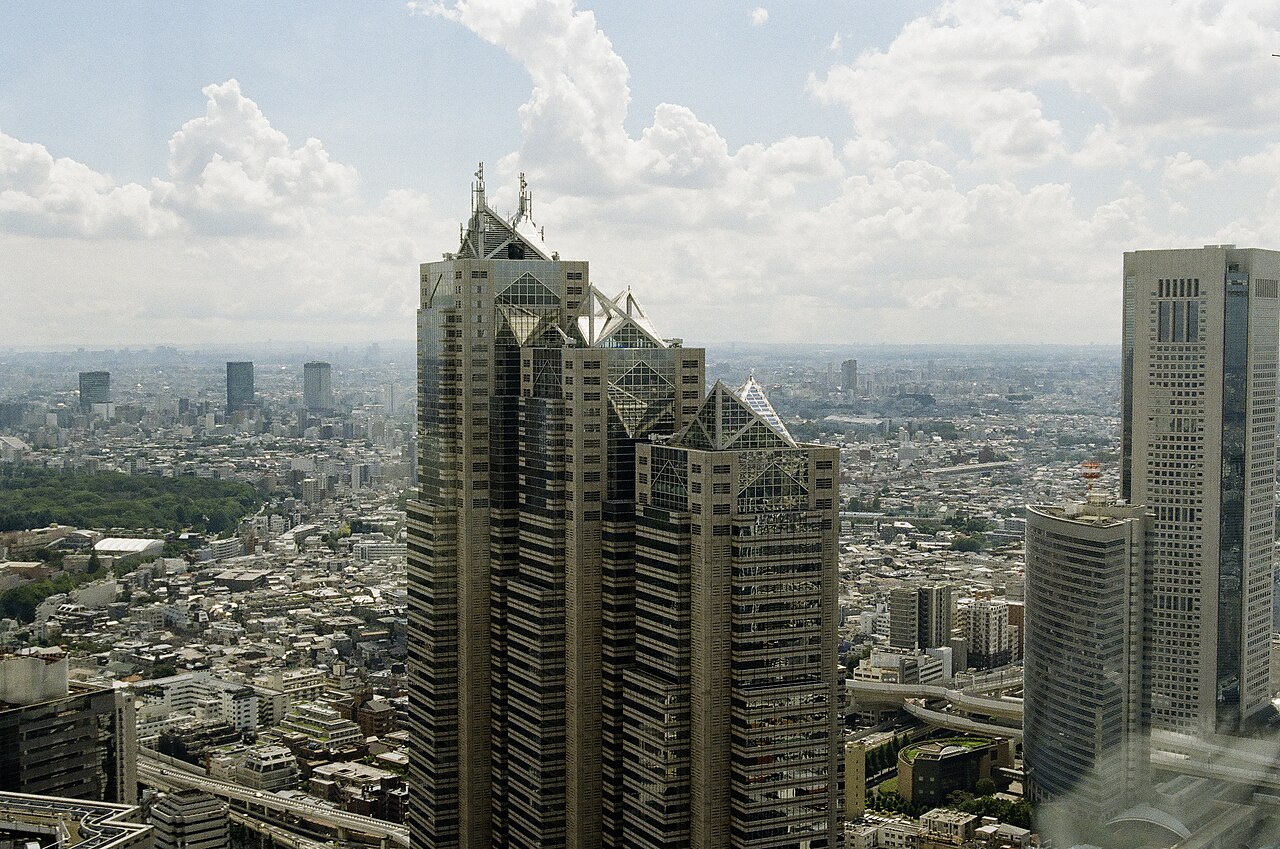
Morford’s vision for the hotel was revolutionary at the time. He created spaces that felt intimate despite their scale, using natural materials, muted colour palettes, and an abundance of curated art and books to foster an atmosphere of intellectual curiosity and serene contemplation. The bronzed wristwatch sculpture, mentioned by the devoted guest, is just one example of the analog details that imbued the hotel with character. This was a hotel designed not just to impress, but to soothe, to inspire, and to offer a genuine respite from the urban clamour below. It became a benchmark for what ‘luxury’ could mean beyond mere opulence.
The hotel’s arrival sequence, a journey from the bustling street level to the serene lobby high above, is itself an iconic experience. It is a deliberate decompression chamber, a transition from the frenetic energy of Shinjuku to the tranquil embrace of the hotel. Preserving this sequence, as the report notes, was a key decision, acknowledging its role in shaping the guest’s initial and lasting impression. This journey, often described as a vertical ascent into a different world, is part of the hotel’s narrative, a narrative that the renovation wisely chose to protect rather than rewrite.
In a city like Tokyo, where architectural innovation and rapid development are the norm, the Park Hyatt Tokyo has maintained its relevance by offering something timeless. Its commitment to a particular aesthetic and a specific brand of service has allowed it to stand apart from the constant churn of new openings. The hotel’s enduring appeal lies in its ability to offer a consistent, high-quality experience that feels both deeply rooted in Japanese hospitality traditions and universally appealing in its sophistication. The challenge for the renovation was to update without betraying this delicate balance, a challenge that required a nuanced understanding of its foundational principles.
The Art of the ‘Careful Edit’
The success of the Park Hyatt Tokyo’s restoration lies squarely in its approach: a ‘careful edit’ rather than a wholesale overhaul. This strategy, according to the report, was enabled by a critical factor: institutional knowledge. Several senior Hyatt leaders had previously served as General Managers of the hotel, ensuring that design decisions were filtered through a profound respect for its original character, rather than a mandate to simply ‘make a mark.’ This internal continuity is a rare and invaluable asset, often overlooked in the corporate world’s drive for efficiency and new blood.
This institutional memory meant that the renovation team understood the subtle nuances that made the hotel special. They knew, for instance, the emotional resonance of the New York Grill, a restaurant that has served as a backdrop for countless memories and cinematic moments. They understood the quiet elegance of Kozue, its dedication to Japanese culinary artistry. They recognised the importance of Club on the Park, a wellness sanctuary that offers panoramic views and a serene escape. These were not merely facilities to be updated; they were integral parts of the hotel’s identity, and thus, were preserved.
The ‘edit’ extended to the rooms, which were subtly modernised for Western guests without losing their emotional character. This meant practical upgrades like easier plugs and intuitive lighting, addressing common frustrations in older properties. The introduction of Sealy beds speaks to a commitment to guest comfort, a fundamental expectation of luxury accommodation. Crucially, these changes were implemented in a way that maintained the residential, almost apartment-like feel that defines the Park Hyatt Tokyo’s guest rooms. The goal was to enhance functionality and comfort, not to impose a new, alien aesthetic.
Beyond the major structural and design elements, the renovation also paid homage to the hotel’s analog details. The presence of postcards and curated books, for example, speaks to a philosophy that values tactile experiences and intellectual engagement over purely digital distractions. In an age where screens dominate, these touches offer a gentle invitation to slow down, to connect with the physical environment, and to appreciate the art of thoughtful curation. This retention of such details is a quiet rebellion against the homogenising forces of contemporary hotel design, a reaffirmation of the hotel’s unique and enduring personality.
Girandole’s Parisian Spark and the Peak’s New Vista
While preservation was the overarching theme, the renovation was not entirely without strategic, commercially motivated upgrades. These were carefully chosen interventions designed to enhance specific areas, address past underperformance, or introduce new draws. Two notable examples are the Alain Ducasse collaboration at Girandole and the repositioned Peak Lounge. These changes represent a nuanced understanding of where the hotel could genuinely improve its offering and appeal to an even broader, or perhaps slightly different, demographic.
Girandole, the hotel’s all-day dining venue, had, by some accounts, been somewhat underused in its previous incarnation. The decision to partner with Alain Ducasse, a name synonymous with French haute cuisine, is a significant move. It injects a fresh, high-profile culinary energy into the restaurant, aiming to revive its appeal and draw both hotel guests and local patrons. Ducasse’s involvement suggests a commitment to elevating the dining experience to a level commensurate with the hotel’s overall prestige, potentially transforming Girandole into a destination in its own right. This is a clear example of a targeted commercial upgrade, leveraging a renowned brand to enhance a specific revenue stream and guest experience.
Similarly, the repositioning of the Peak Lounge is a strategic enhancement. The lounge, with its soaring atrium and verdant planting, has always been a stunning space, offering panoramic views and a tranquil atmosphere. A ‘repositioned’ lounge implies a re-evaluation of its function, its offerings, or its overall ambiance, likely with the aim of optimising its appeal for different times of day or different types of gatherings. Perhaps it now offers a more refined afternoon tea, or a more sophisticated evening cocktail experience. These subtle shifts can significantly impact guest satisfaction and, importantly, revenue generation, without fundamentally altering the hotel’s core character.
These upgrades demonstrate that the ‘edit’ was not merely about maintaining the status quo, but about intelligent evolution. The hotel recognised areas where it could enhance its competitive edge or address past limitations, but did so within the framework of its established identity. It is a testament to the idea that true luxury hospitality is not static; it must adapt and refine, but always with a deep understanding of its own brand and its guests’ expectations. The introduction of a world-renowned chef and the thoughtful re-imagining of a key public space are calculated moves to ensure the Park Hyatt Tokyo remains at the forefront of Tokyo’s dynamic luxury market.
Beyond the Fixtures: The Human Element
This is not a problem unique to this hotel, but one that reverberates across the global hospitality industry, particularly in the aftermath of the pandemic. The report notes that much of the veteran staff, those who delivered the anticipatory, relationship-based service that guests like the devoted frequent visitor came to cherish, left during and after the pandemic. The pool of younger people committed to hospitality as a lifelong vocation is shrinking, requiring significant investment in training, leadership, and career development.
This is arguably the most critical issue facing the Park Hyatt Tokyo, and indeed, many luxury properties worldwide. A hotel can have the most exquisite design, the finest furnishings, and the most cutting-edge technology, but without exceptional staff, it is merely a beautiful shell. The kind of deeply personalised, subtle, and nuanced hospitality that the Park Hyatt Tokyo became famous for is not something that can be easily replicated or taught in a short training course. It is built on experience, intuition, cultural understanding, and a genuine passion for service – qualities often cultivated over decades.
The departure of veteran employees represents a loss of invaluable institutional knowledge and a direct threat to the hotel’s distinctive service culture. Japanese hospitality, known as ‘omotenashi’, goes far beyond mere politeness; it is a philosophy of selfless service, anticipating needs before they are even articulated, and ensuring a guest’s comfort and well-being with meticulous attention to detail. This level of service is incredibly difficult to achieve and even harder to sustain when there is a significant turnover of experienced staff. The challenge is not just about filling vacancies, but about rebuilding a culture of excellence from the ground up, instilling the same dedication and understanding in a new generation.
The shrinking pool of young people committed to hospitality as a lifelong career is a complex societal issue. Factors include demanding hours, perceived lower status compared to other professions, and the lure of more flexible or higher-paying jobs in other sectors. For a hotel like the Park Hyatt Tokyo, which relies so heavily on its human capital to deliver its signature experience, this trend is particularly alarming. It means that the hotel, and Hyatt as its corporate parent, must invest substantially not just in recruitment, but in comprehensive training programmes, mentorship, attractive career pathways, and a work environment that fosters loyalty and professional growth. The building’s story may be protected, but the human story of its service culture is still being written, and its ending is far from certain.
The Park Hyatt Tokyo's renovation is, in many ways, a masterclass in how to handle a beloved icon.
Tokyo’s Evolving Luxury Canvas
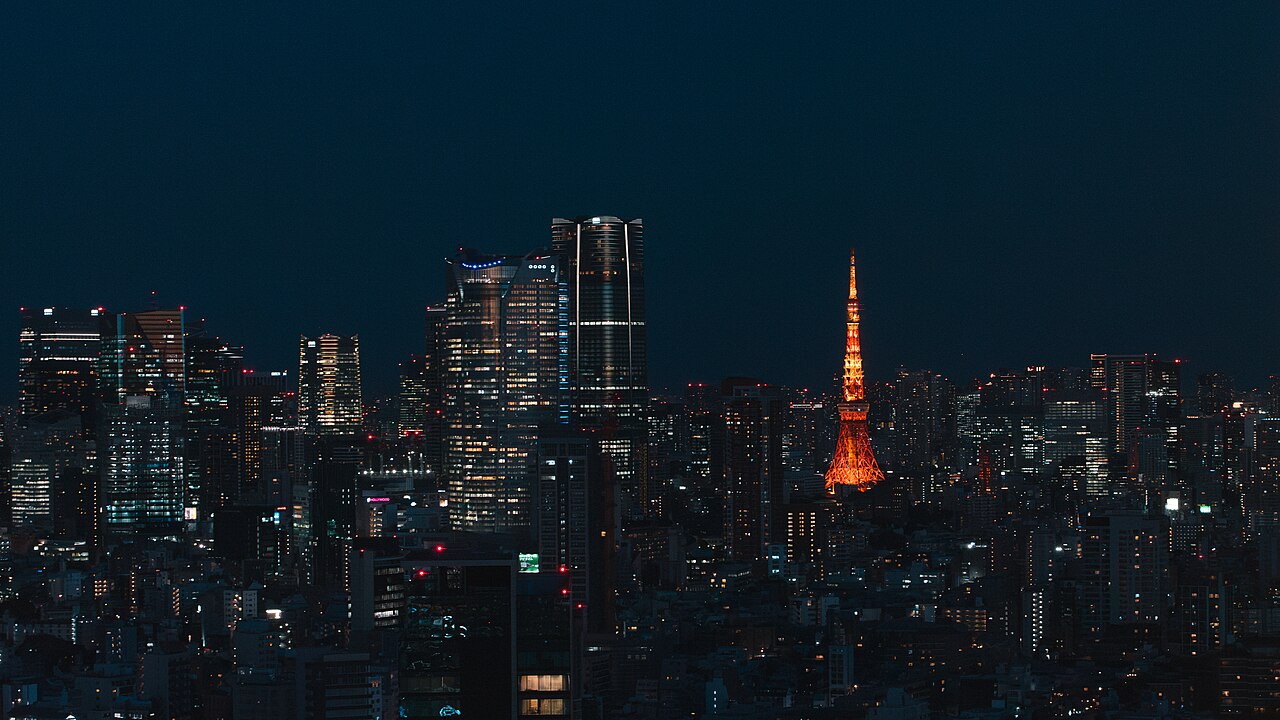
The Park Hyatt Tokyo re-enters a luxury hospitality market that has evolved significantly since its original opening, and even since the pandemic. Tokyo has seen an influx of new, high-profile luxury properties, each vying for the attention of affluent travellers. Brands like Aman, Four Seasons, Bulgari, and the recent opening of Janu Tokyo, all bring their own distinct interpretations of luxury to the city, creating a vibrant yet fiercely competitive landscape. This heightened competition means that established players like the Park Hyatt cannot rely solely on their legacy; they must continually justify their position at the pinnacle of the market.
The rise of high-end vacation rentals, particularly through platforms like Airbnb and Vrbo, also adds another layer of complexity. While not a direct competitor for a full-service luxury hotel, these rentals cater to a segment of the market seeking privacy, space, and a more localised experience, often at a premium price point. For owners and operators, this means understanding the shifting preferences of the modern luxury traveller, who may value authentic, residential-style accommodations as much as, or sometimes more than, traditional hotel amenities. The Park Hyatt’s original residential design ethos, therefore, proves prescient, as it taps into this desire for a home-like feel, albeit with unparalleled service.
Tokyo itself remains a magnet for global tourism, driven by its unique blend of ancient traditions and futuristic innovation, its culinary scene, and its vibrant culture. The sheer volume of visitors, particularly high-spending tourists, ensures a robust demand for luxury accommodation. However, this demand also raises expectations. Travellers today are more informed, more discerning, and more demanding of value, even at the highest price points. They seek not just comfort, but experiences; not just efficiency, but authenticity; not just a room, but a story.
For the Park Hyatt Tokyo, its continued success will hinge not just on its beautifully restored physical spaces, but on its ability to articulate its unique value proposition in this crowded market. Its long-standing reputation, its iconic status, and its commitment to a specific brand of quiet luxury are powerful differentiators. But the human element, the quality of service delivered by its staff, will ultimately be the deciding factor in whether it continues to captivate new generations of guests and retain the loyalty of its most devoted patrons. The physical structure is a stage, but the performance is delivered by the people.
What it means for where you stay
For the luxury traveller contemplating a stay in Tokyo, the reopening of the Park Hyatt is unequivocally good news. It signifies that one of the city’s most iconic hotels has been refreshed and revitalised, not stripped of its character. You can expect the same serene atmosphere, the familiar John Morford design language, and the legendary dining experiences at New York Grill and Kozue, but with subtle enhancements in comfort and functionality, such as easier plugs and improved lighting in the rooms. The Alain Ducasse collaboration at Girandole offers a compelling new culinary reason to visit, and the repositioned Peak Lounge promises an even more refined experience.
However, it is crucial to temper expectations regarding the service. While Hyatt is undoubtedly investing in staff training and retention, the challenge of talent succession is real and widespread. The deeply anticipatory, almost telepathic service delivered by long-serving staff may take time to fully rebuild. Go with an appreciation for the physical space and the brand’s commitment to its legacy, but understand that the human element is a work in progress. It is still an exceptional choice for those who value understated elegance, a residential feel, and a sense of calm above all else, especially if you seek the iconic views of Mount Fuji from a specific side of the building in winter, as some loyal guests do.
For owners and hosts in the high-end rental market, and indeed for other luxury hotel operators, the Park Hyatt Tokyo’s renovation offers several important lessons. Firstly, the power of institutional knowledge cannot be overstated. Understanding the true essence of a property, rather than blindly following trends, is key to successful long-term asset management. A ‘careful edit’ that preserves core character while making targeted commercial upgrades can be far more effective than a radical reinvention that alienates loyal guests. This approach maintains brand equity and ensures a consistent, albeit refined, guest experience.
Secondly, the focus on the talent succession challenge highlights the critical importance of human capital in luxury hospitality. Investing in staff training, leadership development, and fostering a strong service culture is not merely a cost; it is the most vital strategic investment any luxury property can make. In an era where physical amenities can be replicated, exceptional, personalised service remains the ultimate differentiator. The Park Hyatt Tokyo’s journey underscores that while buildings can be restored, the cultivation of truly great hospitality talent requires continuous, dedicated effort, and is the true measure of a luxury brand’s enduring success.
Source
Skift — reported 21 July 2026. Read by the Amorielli news desk.
Re-checked by the standards desk on 15 October 2026 against the original sources and a public-source lookup: 2 sentences were removed because no source confirmed their specifics.
Report an error in this story · Corrections policy and log

Pictures marked “Amorielli studio image” are illustrative scenes made for this story, not photographs of any property, company or person named. Pictures credited to a photographer are real photographs from Wikimedia Commons, used under the licence named beside each one; each caption says what the photograph shows. Details can change after publication; confirm specifics with the property or source. Like this? Get the newsletter.
Comments