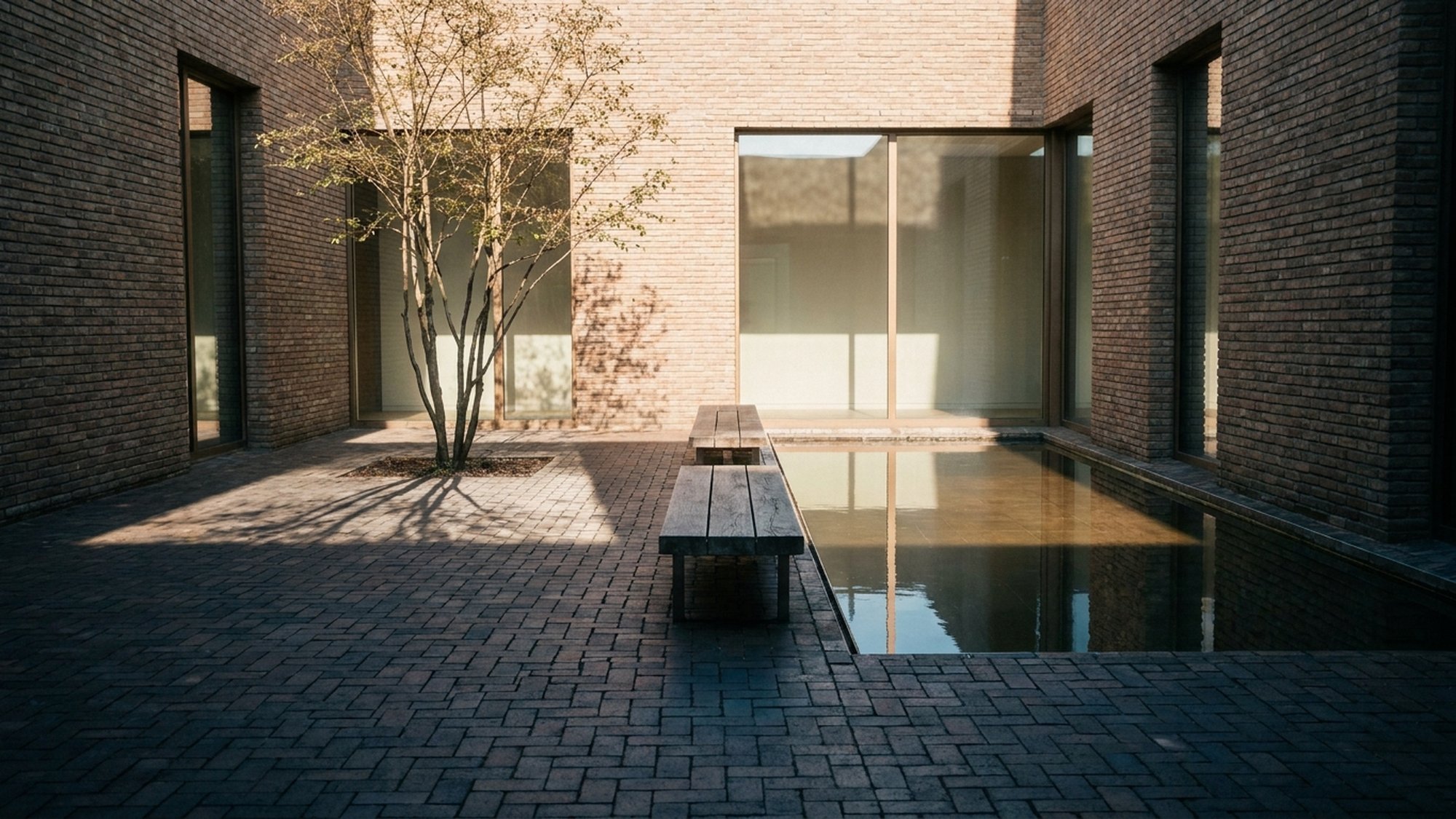
The Caribbean has long been a canvas for grand hospitality statements, but even by those standards, the sheer volume of high-end development currently underway in the Turks & Caicos Islands is remarkable. Amidst this flurry, Hyatt’s Andaz brand has just lifted the curtain on what it promises will be its inaugural Caribbean island resort: the Andaz Turks & Caicos at Grace Bay. Set to welcome guests in Spring 2027, the project’s initial design reveals suggest a property deeply attuned to its setting, aiming to blend the brand’s signature local immersion with the undeniable allure of one of the world’s most celebrated beaches.
This isn’t merely another resort on a pretty stretch of sand; it’s positioned as the first Hyatt hotel in Turks & Caicos and a significant marker for the Andaz portfolio. With architecture by RAD Architecture and interiors by Modus Operandi in collaboration with Hyatt, the property will comprise 132 keys – a mix of 59 hotel rooms and 73 branded residences. Ten of these residences will be penthouses, each featuring a private rooftop plunge pool, while other select residences will also offer private pools. The scale and integration of residential offerings signal a particular strategic play, one increasingly common in the luxury resort sector, aiming to secure both long-term investment and a consistent revenue stream.
Grace Bay: A Proven Canvas for Luxury
Grace Bay, on the island of Providenciales, is not just a name; it is an institution in the world of high-end Caribbean travel. Consistently ranked among the planet’s top beaches, its powdery white sands, calm turquoise waters, and barrier reef protection create an almost mythical appeal. For decades, it has drawn a discerning clientele, leading to a steady, if sometimes controversial, evolution of its hospitality landscape. What began as a quiet retreat has transformed into a vibrant, yet still relatively low-density, luxury enclave, where properties vie for the most coveted stretches of beachfront.
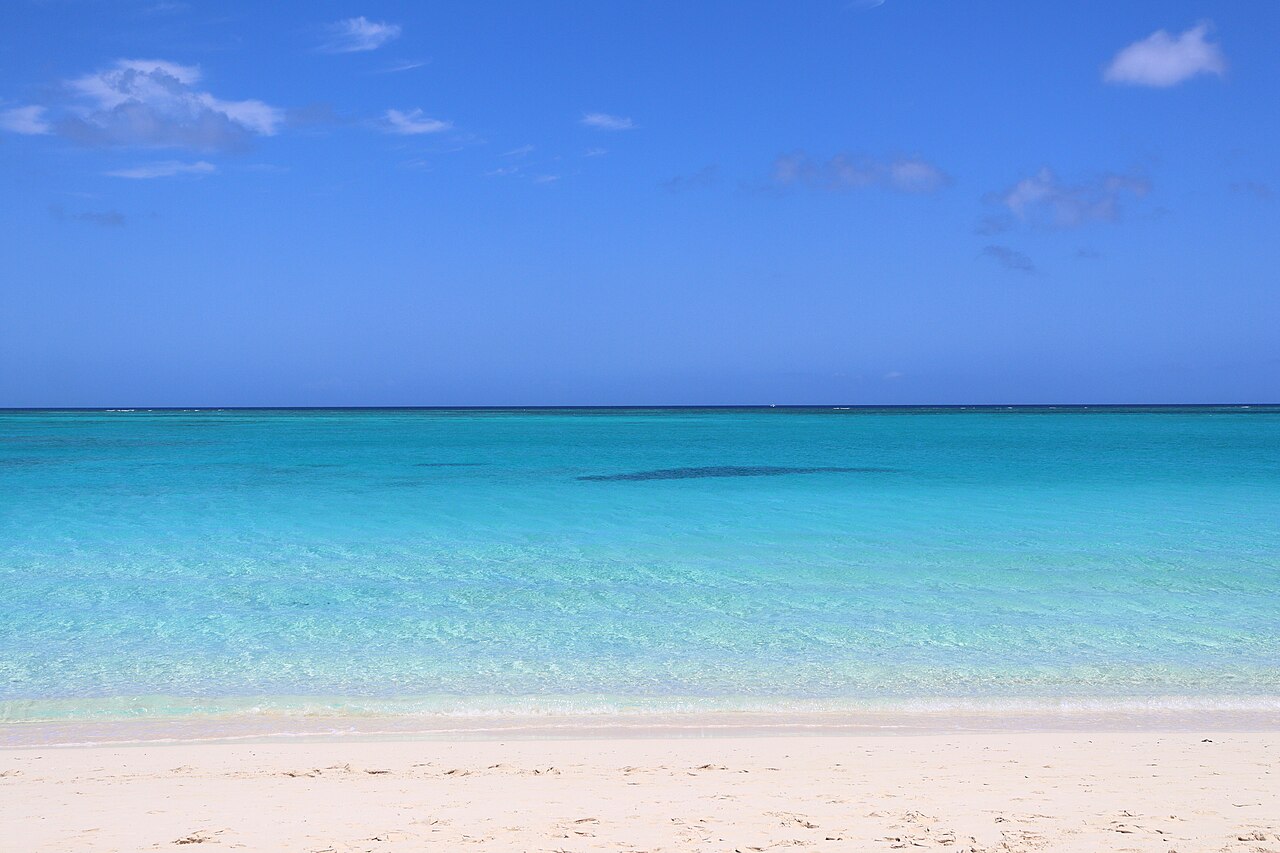
The decision by Andaz to plant its flag here is hardly surprising. The brand, known for its emphasis on local culture and design, finds fertile ground in a destination that, despite its popularity, retains a strong sense of place. The Turks & Caicos Islands, a British Overseas Territory, have carefully managed their growth, balancing the demands of tourism with a desire to preserve their natural beauty. However, this balance is constantly tested. The influx of new developments, including other major players like Anantara, Hotel Indigo, and multiple IHG properties, as mentioned in related reports, points to an accelerated pace of expansion that will inevitably strain existing infrastructure and potentially alter the very character that makes Grace Bay so appealing.
Positioning the Andaz Turks & Caicos directly on Grace Bay, and “steps from Bight Reef within Princess Alexandra National Park,” anchors it firmly in the island’s natural heritage. This proximity to a protected marine area is a double-edged sword: it offers guests unparalleled access to natural wonders, but also places a heightened responsibility on the resort’s design and operations to minimise environmental impact. The west-facing orientation, ensuring a “sunset perspective at every touchpoint,” is a clever design choice, capitalising on the natural beauty of the destination and turning a transient daily event into a signature experience for guests.
The Andaz Ethos and Its Caribbean Iteration
Andaz, a brand under the Hyatt umbrella, was conceived as a lifestyle offering, distinguished by its commitment to local immersion and a residential feel. Unlike some of its more traditional luxury siblings, Andaz properties aim to reflect the unique cultural identity of their location, often integrating local art, design, and culinary traditions directly into the guest experience. This approach means that an Andaz in London feels distinct from one in Maui, or indeed, one in Tokyo.
For its first Caribbean island resort, Andaz is leaning heavily into this philosophy. The interiors, designed by Modus Operandi in collaboration with Hyatt, are described as drawing inspiration from the surrounding waters and local culture. The use of “local stone and rich, natural materials,” alongside “shifting hues of blues,” is a direct translation of the island’s palette indoors. This is not just aesthetic; it is a conscious effort to create a seamless transition between the built environment and the natural one, blurring the lines between the resort and its setting. The artwork by Caribbean artists and “pops of colour” are intended to bring the island’s character into the guestrooms, moving beyond generic tropical decor to something more specific and rooted.
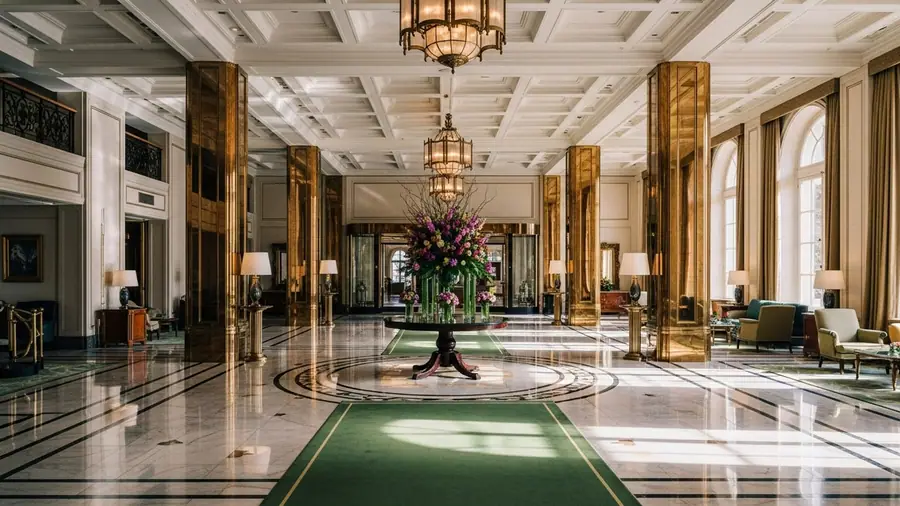
The brand’s residential focus is not limited to the residences themselves. The description of the lobby bar, “inspired by the colourful homes found throughout the Caribbean,” with its “saturated hues, natural materials and an open-air setting,” aims for a “relaxed, residential feel.” This is a key differentiator for lifestyle brands: creating spaces that feel less like transient hotel lobbies and more like extensions of a stylish home, albeit one with professional service and amenities. It’s a subtle but important distinction that appeals to guests seeking authenticity and comfort over overt formality.
A Design Narrative of Arrival and Connection
The structural narrative of Andaz Turks & Caicos is perhaps its most compelling design feature. It unfolds around an “arrival sequence that takes cues from the island’s early history, when visitors arrived exclusively by boat.” This concept is translated into a “long, immersive progression toward Grace Bay,” recreating the pier experience. Guests will move along a “wood-lined corridor whose framing references the skeleton of an overturned boat.” Set “15ft above the sea,” this vantage point is designed to immediately give “the feeling of floating over the water as panoramic ocean views open up.”
This approach is a masterclass in experiential design. Instead of a conventional lobby drop-off, guests are taken on a journey, a ritualistic transition from the everyday to the extraordinary. The metaphor of the overturned boat skeleton is evocative, connecting the modern resort to the island’s seafaring past, a subtle nod to heritage that enriches the guest’s sense of arrival. The elevated walkway not only provides dramatic views but also creates a sense of detachment and anticipation, a slow reveal of the destination’s beauty. This thoughtful sequencing is often what distinguishes truly memorable properties from merely beautiful ones.
The connection to the water is not merely external; it permeates the interiors. The description highlights how “shifting hues of blues draw the surrounding waters indoors.” In guestrooms, “expansive views and indoor-outdoor living will be balanced by a sense of privacy.” Materials like “teak and hardwoods, richly textured fabrics and streams of natural light filtering into the bathrooms” are intended to create “a tactile warmth.” Perhaps the most charming local touch is the reinterpretation of a traditional Turks & Caicos dress, “distinguished by its colourful stripes representing the individual islands.” This pattern serves as a “cultural touchpoint for the interiors,” translated into a “subtle design detail” in the wooden headboards. Such details, when executed authentically, elevate a design from generic luxury to something with genuine character.
The Branded Residence Model: A Strategic Play
The blend of 59 hotel rooms and 73 branded residences, including studios, one-, two-, three- and four-bedroom layouts, is a significant aspect of the Andaz Turks & Caicos project. Branded residences have become a cornerstone of luxury hospitality development in recent years. For developers, they offer a crucial funding mechanism, allowing for pre-sales that de-risk the project and provide capital upfront. For the brand, it extends their reach and allows guests to experience a more permanent, home-like stay, often with the full suite of hotel services.
The largest four-bedroom residences, spanning up to 8,336 square feet of indoor and outdoor space, are clearly aimed at the ultra-high-net-worth segment seeking expansive private holiday homes with all the conveniences of a five-star hotel. The inclusion of Bosch-equipped kitchens and indoor-outdoor living spaces with balconies or terraces underscores this focus on self-sufficiency and comfort. For owners, the appeal lies in the potential for rental income when not in use, managed by the hotel, as well as access to the resort’s amenities. For travelers, these residences offer an alternative to traditional hotel rooms or independent vacation rentals, combining the space and privacy of a home with the service and reliability of a renowned brand.
However, this model also presents its own complexities. Managing the inventory of privately owned residences alongside hotel rooms requires careful operational finesse. Maintaining brand consistency across units that may have different owner preferences, and ensuring a uniform guest experience, can be challenging. The success of this hybrid model hinges on strict operational guidelines and a commitment to service that extends equally to hotel guests and residence renters. It also speaks to a broader trend in luxury travel, where the lines between hotel stays, vacation rentals, and second home ownership are increasingly blurred, driven by a desire for more space, privacy, and personalised experiences.
A Comprehensive Suite of Amenities
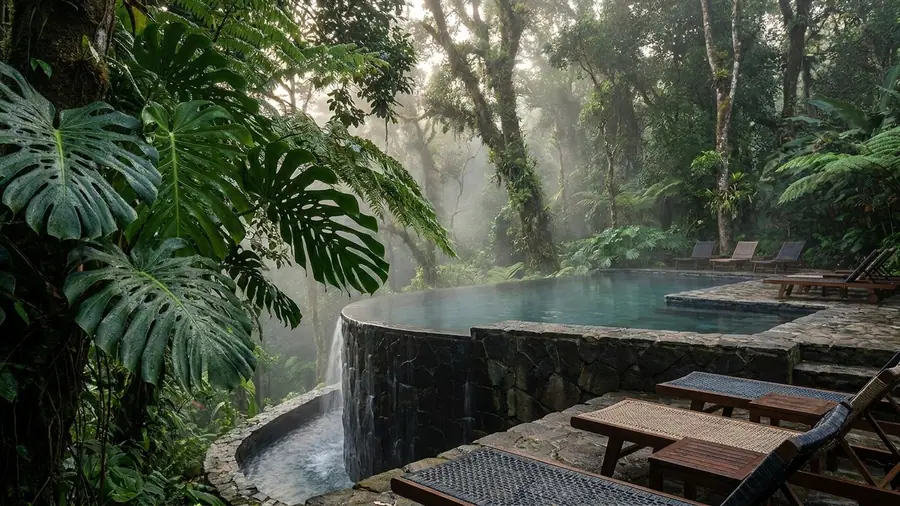
Beyond the accommodations, the Andaz Turks & Caicos is designed as a self-contained destination, offering a full spectrum of amenities. Three swimming pools provide ample space for relaxation and recreation. The 7,000 square foot Runa Spa & Wellness centre, described as reflecting the “calm of Grace Bay’s reef-protected shallows” through “natural woods, neutral tones and sculptural forms punctuated by pops of colour,” suggests a holistic approach to well-being. A fitness centre equipped with Life Fitness equipment complements the spa, catering to guests’ health regimes.
The commitment to integrating a cultural touchstone like the traditional dress pattern into the headboards, or using local stone and Caribbean artists, suggests a deeper engagement.
The four dining concepts are designed to cater to a variety of tastes and occasions. Tamarà, positioned as “one of Grace Bay’s only indoor-outdoor oceanfront restaurants,” promises a memorable setting. Its interiors, featuring “deep bottle-green tile to evoke the lushness of a tropical forest, balanced by limestone tiling and natural materials,” sound sophisticated. The “fishnet-inspired canopy” on the outdoor terrace, with a “central tree framed by cascading lights,” suggests an atmospheric evening experience. Baie, unfolding across two levels beside the pool, offers a more casual “lounge-like perch above the water” by day, transitioning into a “more refined setting with sunset rituals in the evening.” This flexibility is crucial for a resort aiming to keep guests engaged throughout the day.
Palmette, adjacent to the lobby, blurs the lines between a “neighbourhood café and marketplace,” offering “daytime fare with a considered edit of locally made goods including baskets, clothing, tableware, candles and other provisions.” This concept aligns perfectly with the Andaz brand’s emphasis on local immersion and providing guests with a taste of the destination beyond the resort gates. Finally, a dedicated Kids Club, along with tennis and pickleball courts, and “ample weddings and event space,” round out the offerings, positioning the property as suitable for families, couples, and groups alike.
The Turks & Caicos Boom and the Larger Picture
The arrival of Andaz is part of a much broader trend of luxury hospitality investment in the Turks & Caicos. The source material itself notes related developments, including Anantara’s Caribbean debut, Hotel Indigo landing, and IHG announcing a triple signing. This confluence of major international brands signals a robust belief in the destination’s long-term appeal and its capacity for sustained growth in the high-end market. For an island group that was once a sleepy secret, this level of attention from global players represents both opportunity and challenge.
The opportunity lies in increased tourism revenue, job creation, and enhanced global visibility. These resorts bring with them sophisticated infrastructure, training, and marketing capabilities that can elevate the entire destination. However, the challenges are equally significant. Rapid development places immense pressure on natural resources, particularly water and energy, and can strain existing infrastructure, from roads to waste management. There’s also the delicate balance of preserving the local culture and environment against the homogenising forces of international luxury brands. The “subtle design detail” of the reinterpreted local dress pattern, while charming, will need to be part of a much larger, genuine commitment to local engagement to truly resonate.
The luxury travel market has shown remarkable resilience, especially in destinations perceived as exclusive and naturally beautiful. Turks & Caicos fits this profile perfectly. As travelers increasingly seek private, spacious, and experience-rich getaways post-pandemic, the branded residence model coupled with comprehensive resort amenities becomes particularly attractive. The island’s relatively stable political environment and ease of access from North America further bolster its appeal for both developers and high-net-worth individuals.
What it means for where you stay
For the luxury traveler, the arrival of Andaz Turks & Caicos means another compelling option on Grace Bay, particularly for those who appreciate design with a narrative, a strong sense of place, and the comprehensive amenities of a full-service resort. The blend of hotel rooms and residences offers flexibility, catering to those seeking a traditional hotel stay as well as families or groups desiring more space and the option for self-catering. The unique arrival sequence and the deliberate integration of local culture into the design could set it apart from more generic luxury offerings, promising an experience that feels both refined and rooted.
For potential owners or investors in the vacation rental market, the Andaz branded residences present an opportunity to acquire a high-value asset with the backing of a global brand and professional management. The promise of rental income, coupled with personal use, can be attractive. However, the increasing competition in Turks & Caicos, with numerous new high-end properties entering the market, means that owners will need to carefully consider the long-term appreciation and rental yield potential. The sheer volume of inventory, both hotel and residential, entering the market within a relatively short timeframe will undoubtedly influence pricing and demand dynamics across the island. As the destination matures, discerning guests will increasingly seek out properties that deliver not just on physical beauty and service, but on a genuine, memorable connection to the locale itself.
Source
Sleeper — reported 23 October 2026. Read by the Amorielli news desk.
Checked by the Amorielli standards desk: 62 specifics checked, 58 traced to the source material, 4 general background, none removed.
Report an error in this story · Corrections policy and log

Pictures marked “Amorielli studio image” are illustrative scenes made for this story, not photographs of any property, company or person named. Pictures credited to a photographer are real photographs from Wikimedia Commons, used under the licence named beside each one; each caption says what the photograph shows. Details can change after publication; confirm specifics with the property or source. Like this? Get the newsletter.
Comments